As the frost retreats and the soil begins to warm, the spring gardening season offers a window of opportunity to establish a highly productive edible landscape. Achieving a maximum harvest requires more than just scattering seeds; it involves strategic selection, intensive planting techniques, and an understanding of cool-weather crop cycles. By focusing on high-yield varieties and “cut-and-come-again” methods, gardeners can ensure a continuous supply of fresh produce from early spring through the onset of summer.
1. Sugar Snap Peas
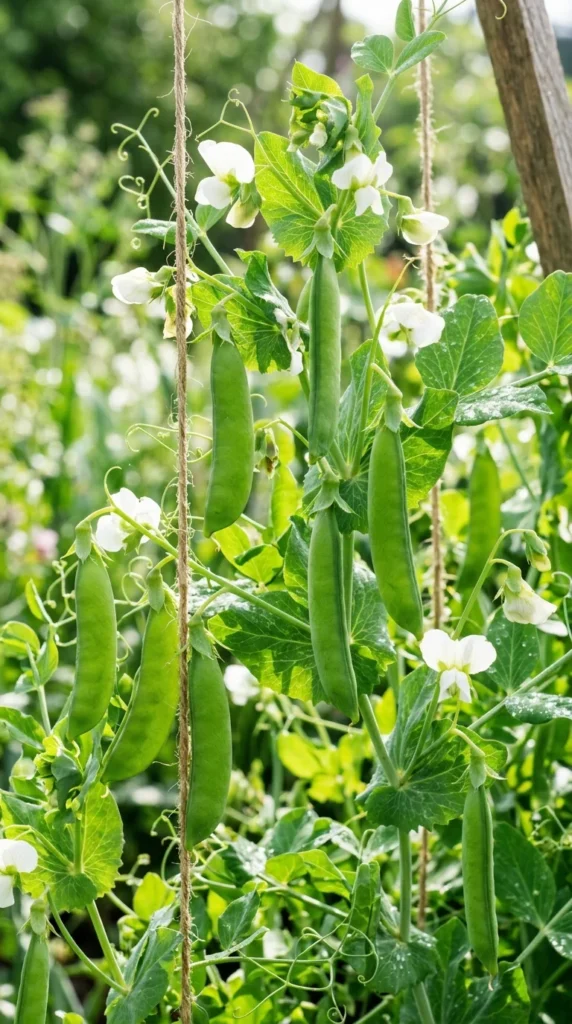
Sugar snap peas are a cornerstone of the spring garden because they utilize vertical space, allowing for a higher yield per square foot. To maximize your harvest, plant seeds as soon as the soil can be worked. Utilizing a tall trellis or A-frame support encourages the vines to climb, which prevents soil-borne diseases and makes harvesting easier. For the best results, inoculate the seeds with nitrogen-fixing bacteria before planting to boost growth and ensure the pods are sweet and crunchy.
2. Rainbow Chard
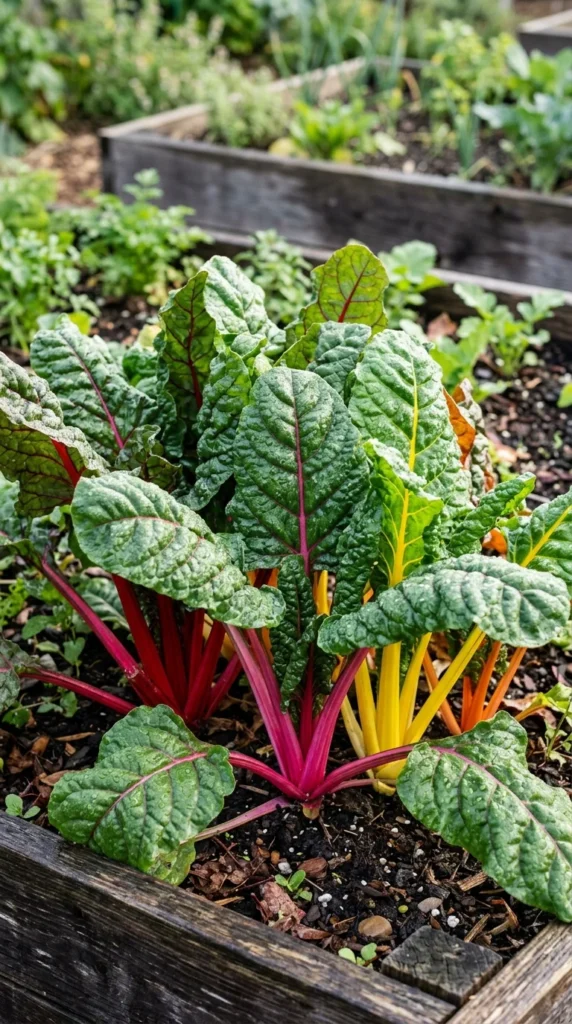
Rainbow chard is prized for both its ornamental beauty and its prolific nature. Unlike many other greens, chard is remarkably resilient to fluctuating spring temperatures. To maximize yield, practice the “cut-and-come-again” method by harvesting only the outer leaves. This allows the center of the plant to continue producing new foliage throughout the entire season. The multicolored stalks are not only edible but provide a striking visual contrast in the garden.
3. Heirloom Radishes
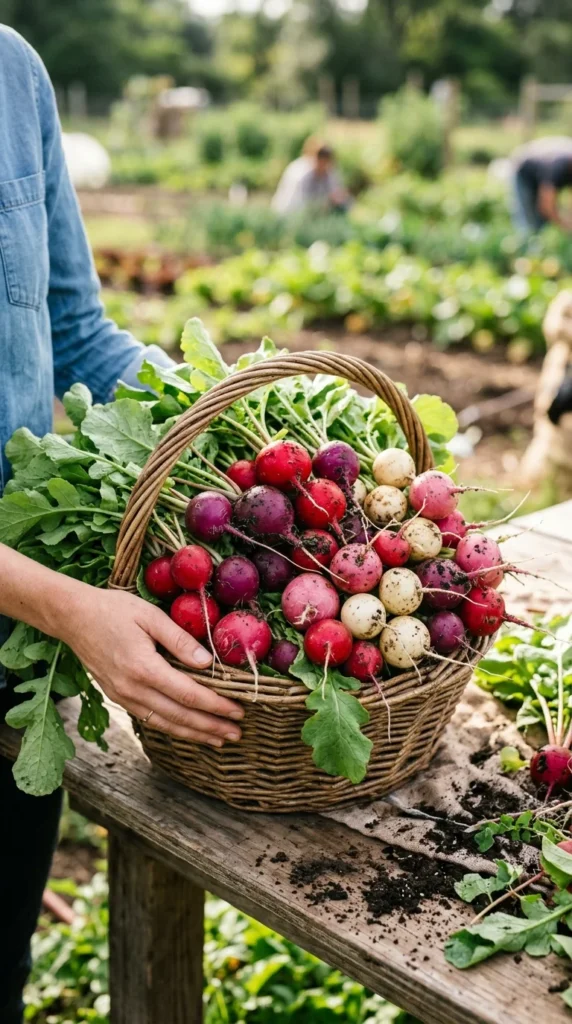
Radishes are the sprinters of the vegetable world, often reaching maturity in as little as 25 days. For a maximum harvest, use succession planting—sow a new row of seeds every ten days. This prevents a “glut” followed by a period of nothing. Focus on heirloom varieties like ‘French Breakfast’ or ‘Cherry Belle’ for consistent texture. Because they grow so quickly, radishes are excellent for intercropping between slower-growing plants like carrots or parsnips.
4. Baby Spinach
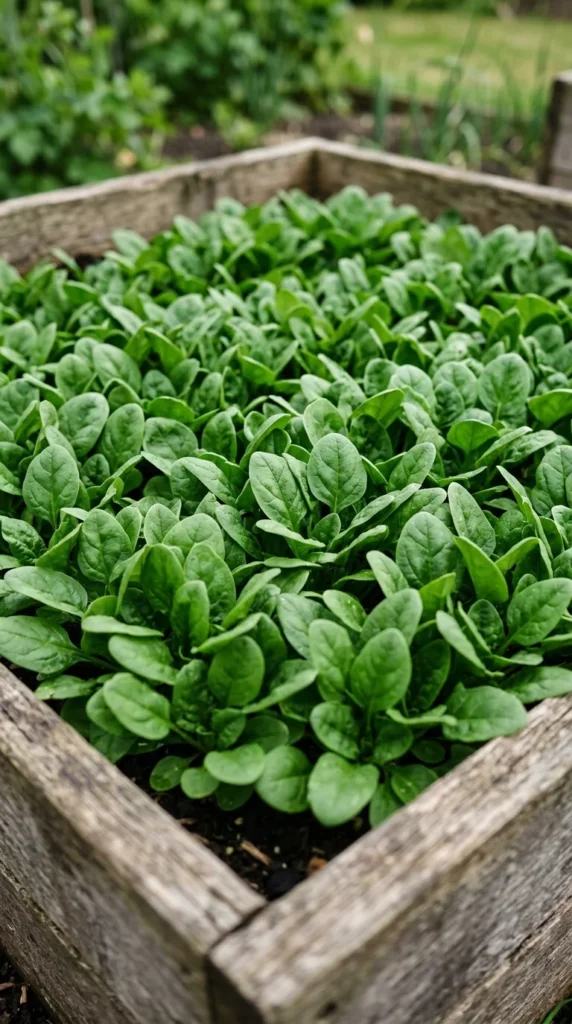
Spinach thrives in the cool, moist conditions of early spring. To get the most out of your spinach patch, sow seeds thickly and harvest them at the “baby” stage. This not only provides a more tender leaf for salads but also allows for multiple harvests from the same area. As the weather warms, look for “bolt-resistant” varieties to extend the harvest window before the plants go to seed.
5. Early Carrots
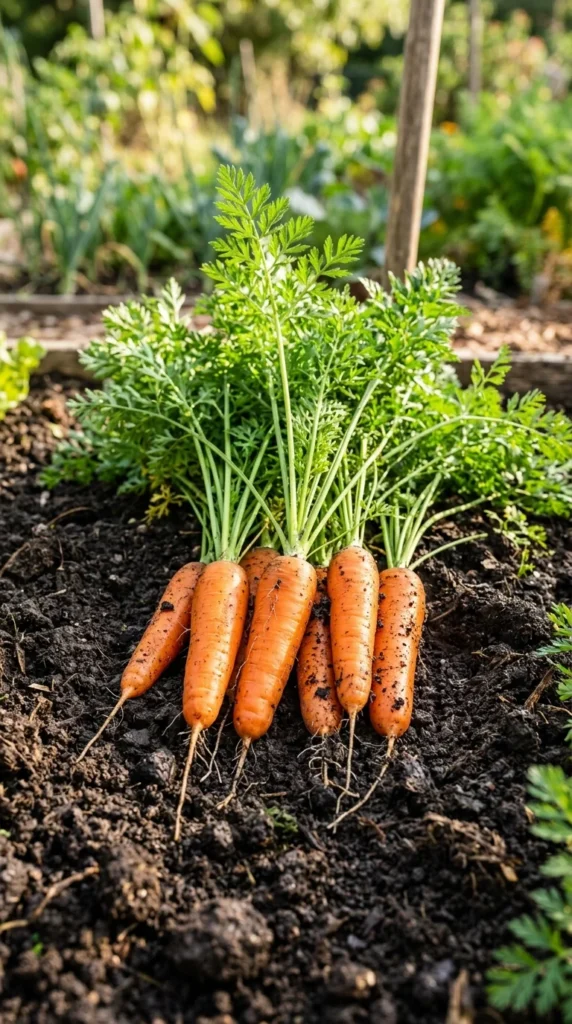
For a bountiful carrot crop, soil preparation is the most critical factor. Ensure the soil is loose, sandy, and free of stones to prevent forking. Planting “early” varieties like ‘Nantes’ ensures a harvest before the heat of summer sets in. To maximize space, use the “wide row” planting method rather than single lines, which creates a dense canopy of fern-like foliage that shades the soil and suppresses weeds.
6. Butterhead Lettuce
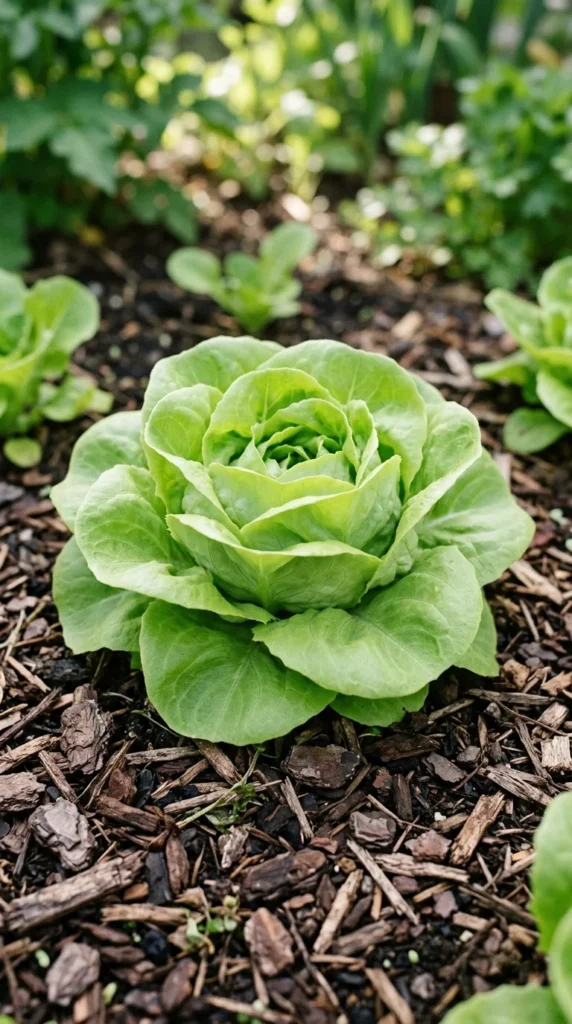
Butterhead lettuce offers a creamy texture that is far superior to store-bought varieties. To maximize your output, start seeds indoors four weeks before the last frost and transplant them as soon as the soil is workable. This head-start ensures you are harvesting mature heads while others are just sowing seeds. Providing a light layer of mulch around the base keeps the leaves clean and the roots cool.
7. Spring Onions
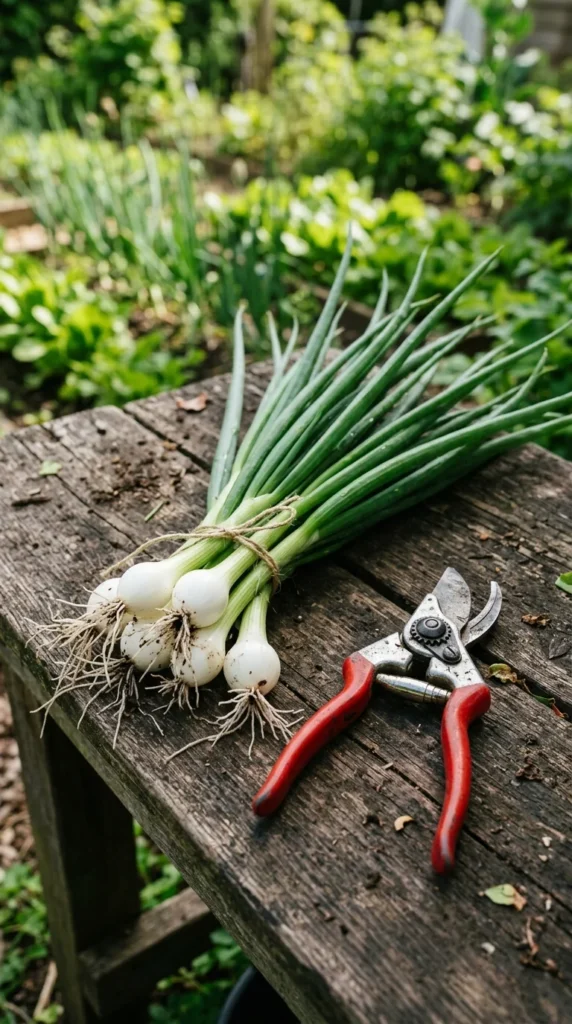
Also known as scallions, spring onions are essential for high-intensity gardening. They have a very small footprint, making them ideal for tucking into the edges of garden beds or between larger plants. For a continuous supply, plant “sets” or starts every twond week. Harvesting them when they are pencil-thin ensures the most delicate flavor, but leaving some to grow larger provides a more substantial onion for cooking.
8. Curly Kale
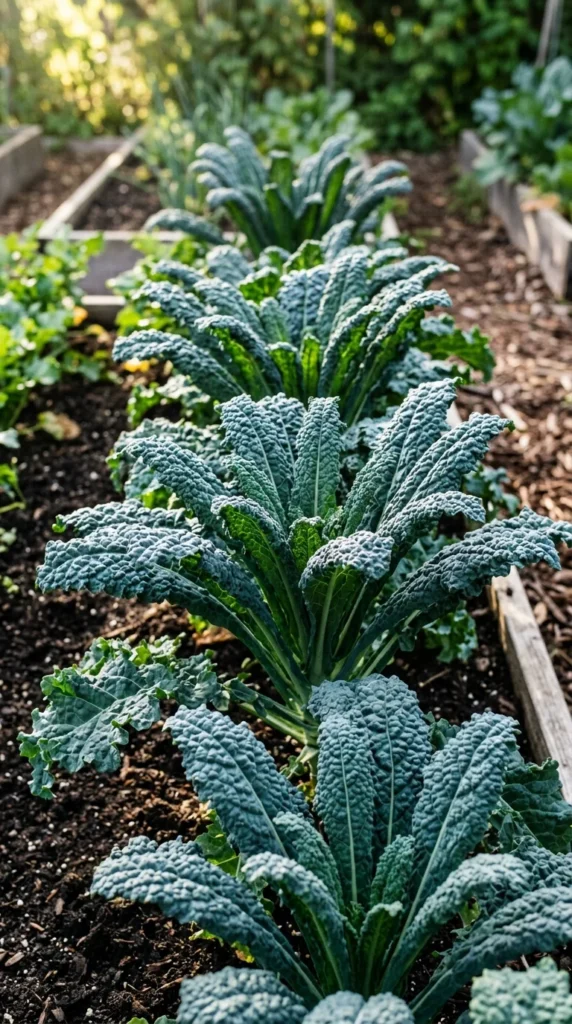
Kale is one of the hardiest vegetables available, often surviving light frosts that kill other greens. Curly kale varieties are particularly productive because they provide a high volume of surface area per leaf. To maximize the harvest, pick the lower leaves first and work your way up the stalk. This “palm tree” harvesting method keeps the plant growing upward and producing fresh greens for months.
9. Bush Beans
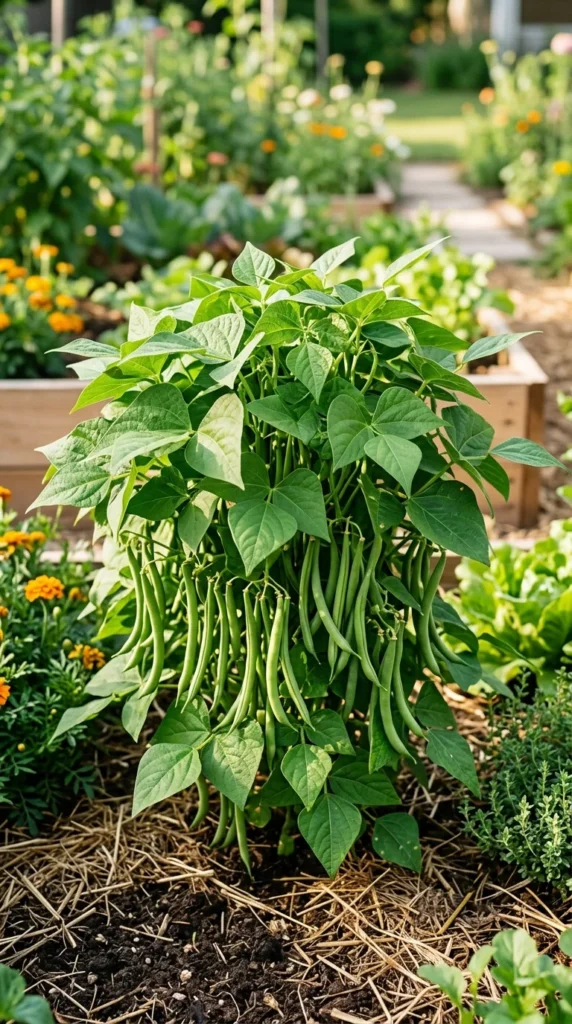
While pole beans require trellising, bush beans are perfect for quick, high-volume yields in smaller spaces. They mature all at once, which is ideal for gardeners looking to preserve or blanch their harvest. To maximize the yield, plant them in blocks rather than rows. This creates a microclimate that maintains humidity and supports the heavy weight of the bean pods as they develop.
10. Golden Beets
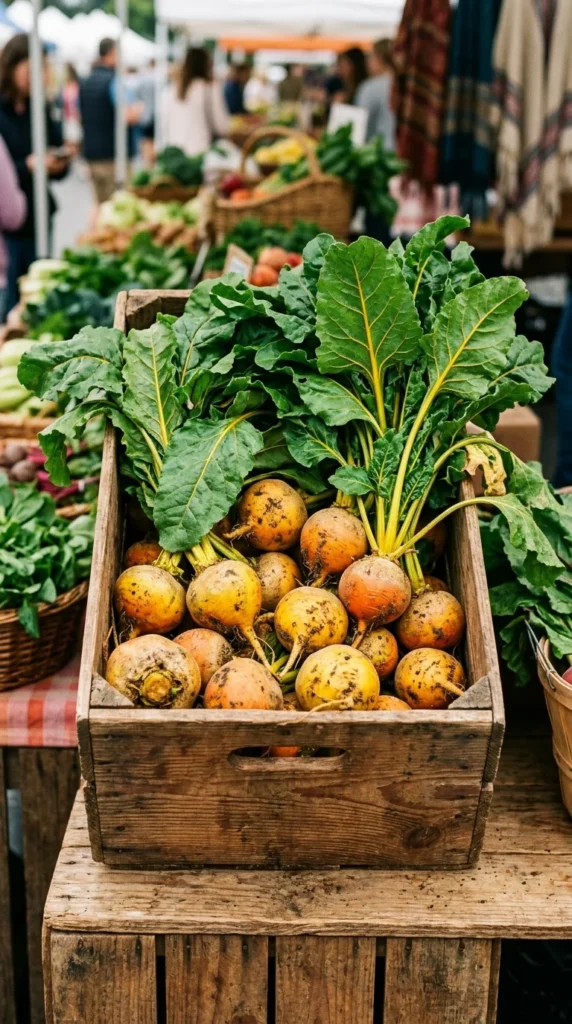
Golden beets are a fantastic alternative to traditional red varieties, offering a milder, sweeter flavor without the staining juice. To get a maximum harvest, remember that each “seed” is actually a cluster of multiple seeds. Thinning the seedlings is essential; however, the thinnings themselves are delicious “beet greens” that can be used in salads, effectively giving you two harvests from one planting.
11. Broccoli Rabe
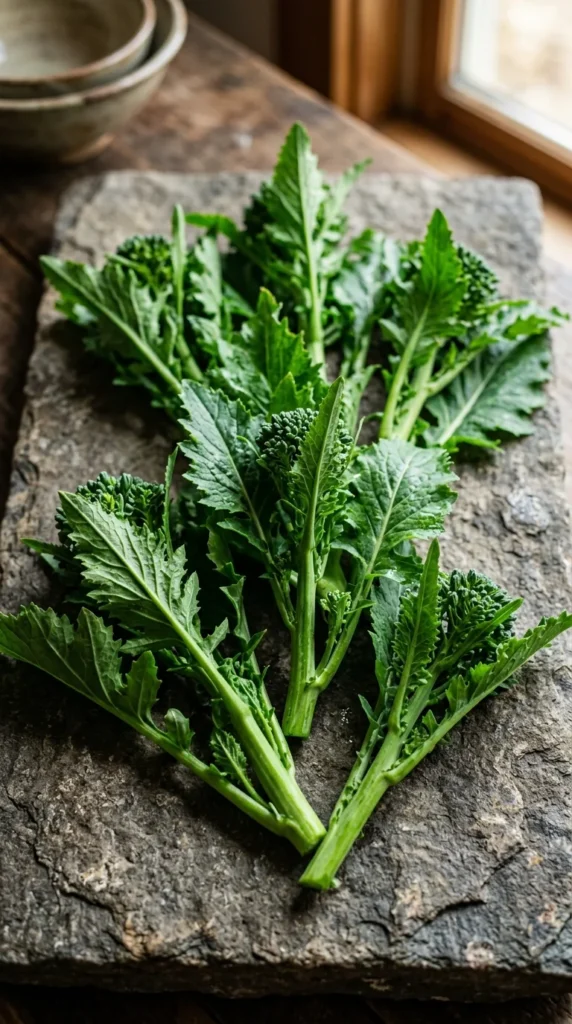
Broccoli rabe (or Rapini) is grown for its peppery leaves and small flower buds. It grows much faster than traditional large-head broccoli, making it a “quick win” for the spring garden. To maximize production, harvest the main central shoot first. This encourages the plant to produce numerous side shoots, significantly increasing the total yield over the course of the season.
12. Bok Choy
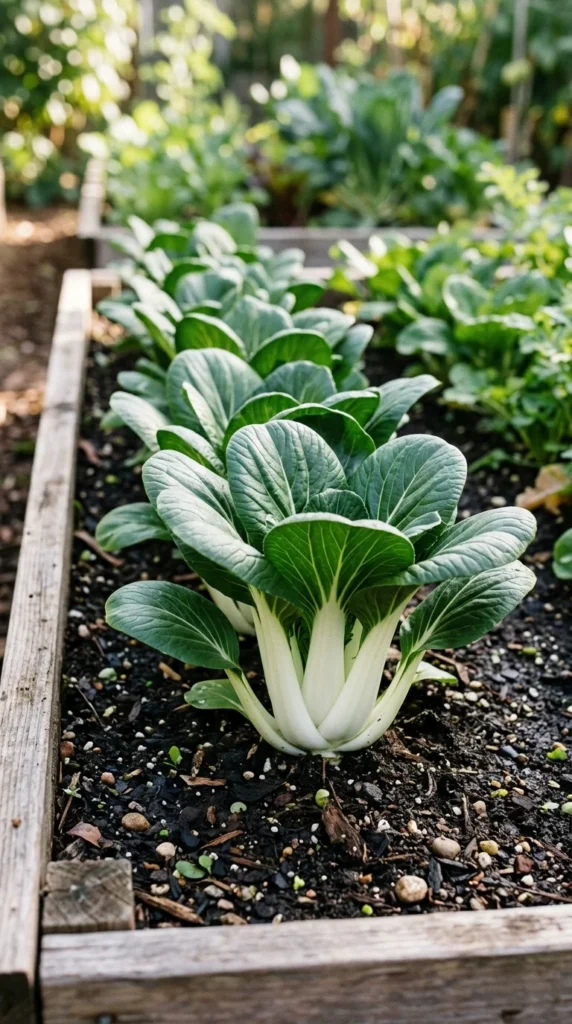
Bok choy is a staple of the cool-season garden due to its rapid growth and high water content. To maximize your harvest, choose “baby” varieties which can be harvested whole in about 40 days. If space is limited, bok choy performs exceptionally well in containers. Ensure consistent moisture to prevent the stems from becoming woody or bitter.
13. Red Potatoes
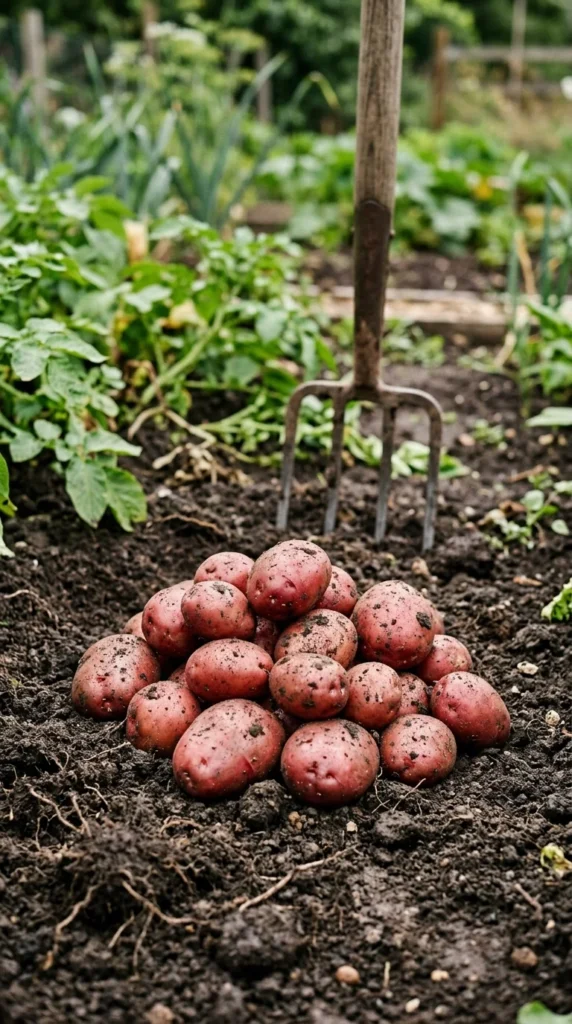
Early-season red potatoes are a treat for any gardener. To maximize your yield in a small space, use the “hilling” method or grow them in deep fabric bags. By adding soil or straw as the plants grow upward, you encourage the stem to send out more roots, which in turn produce more tubers. “New” potatoes can be harvested as soon as the plants flower, or you can wait for full maturity for larger yields.
14. Snow Peas
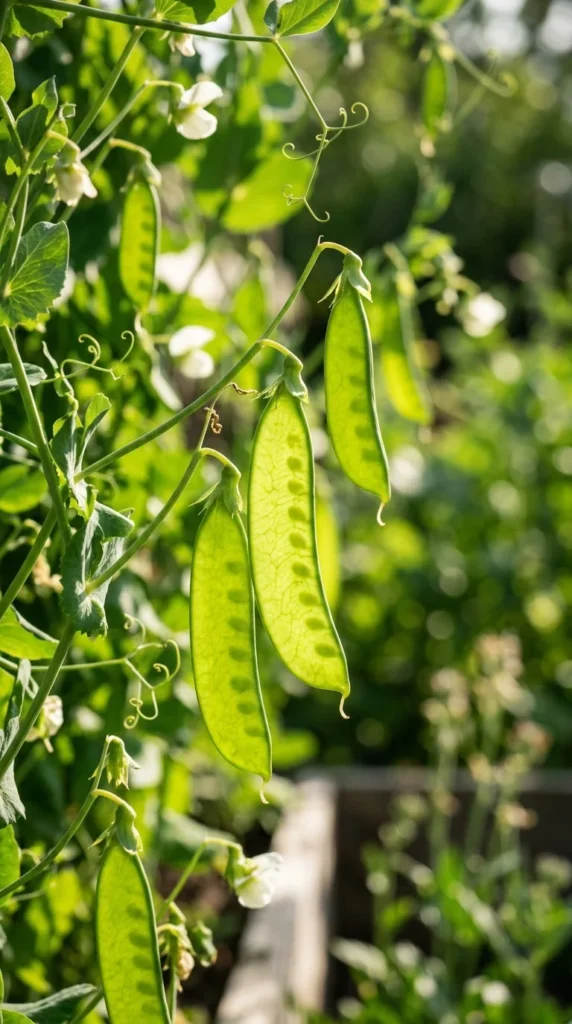
Snow peas differ from snap peas in that the pod is eaten while still flat. They are incredibly prolific and thrive in the chilly rains of April and May. To maximize the harvest, pick the pods every single day. The more you harvest, the more the plant is triggered to produce new blossoms. If the pods are left to get too big, the plant will stop producing and focus its energy on seed maturation.
15. Arugula
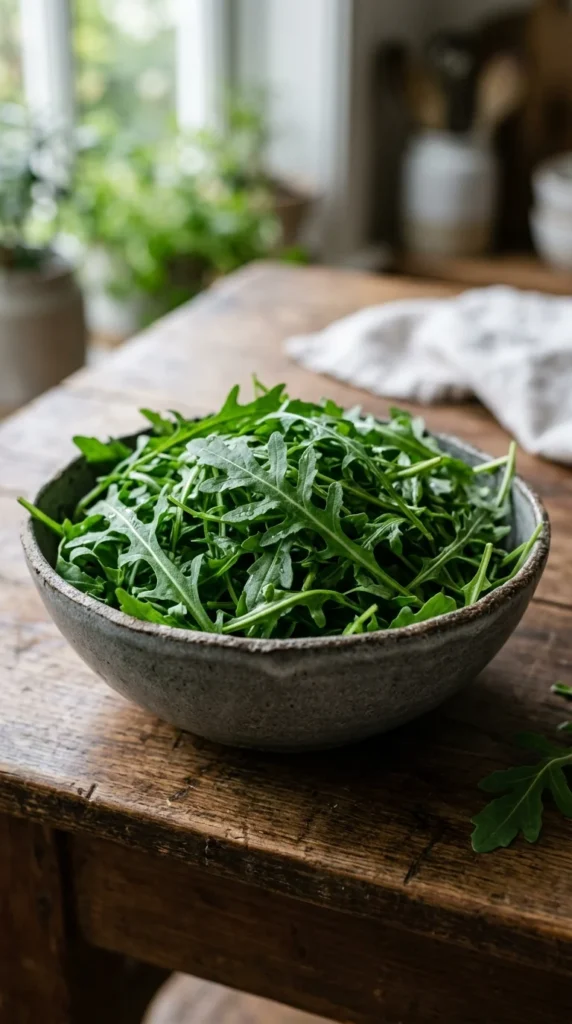
Arugula is the ultimate “fast food” of the garden. Its spicy, nutty flavor is best when the leaves are young and small. For a maximum harvest, sow seeds in a wide patch and use scissors to “mow” the greens about an inch above the soil. The plants will quickly regrow, allowing for three or four harvests from a single seeding before the summer heat causes them to bolt.
16. Kohlrabi
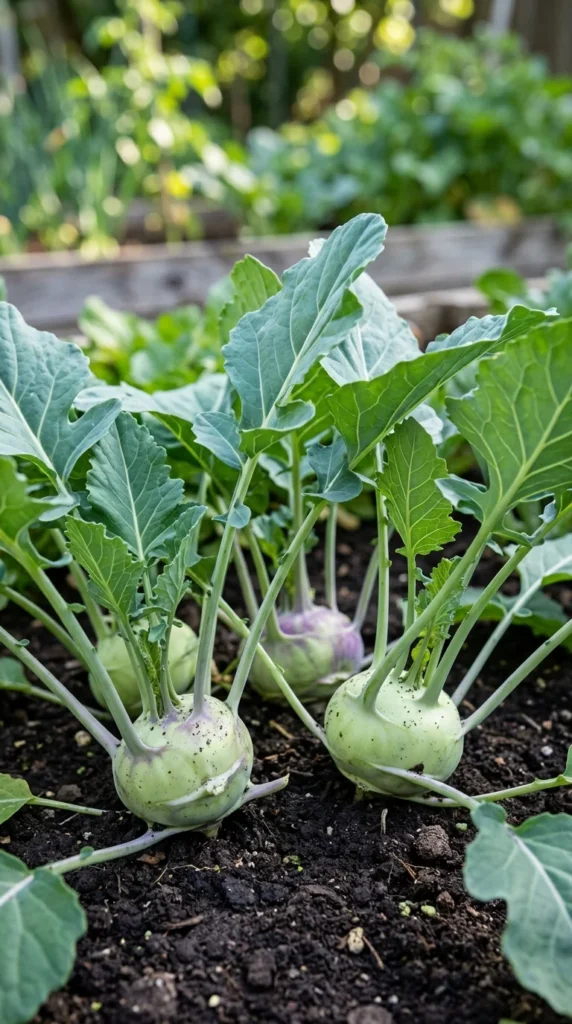
Kohlrabi is an underrated spring vegetable that tastes like a cross between a radish and a cabbage heart. To ensure a maximum harvest of tender bulbs, plant them early and harvest when the bulbs reach the size of a tennis ball. If they grow much larger, they can become fibrous. Both the bulb and the leaves are edible, maximizing the utility of every plant.
17. Mustard Greens
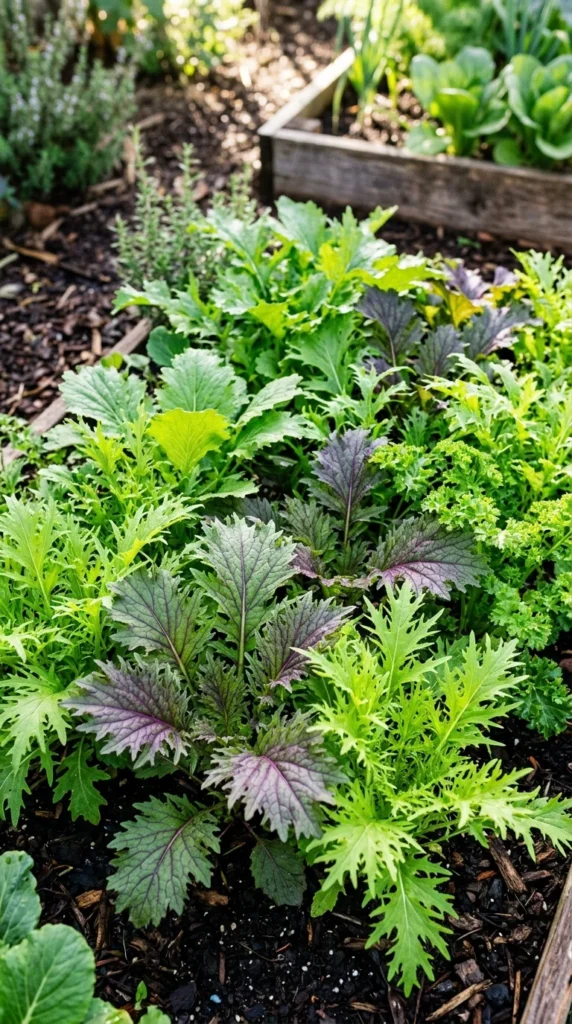
Mustard greens add a powerful punch to salads and stir-fries. They are exceptionally fast growers and can tolerate colder temperatures than most other greens. To maximize your yield, plant a mix of varieties with different leaf shapes and colors. This not only creates a beautiful garden bed but also provides a range of flavors from mild to very spicy.
18. Turnips
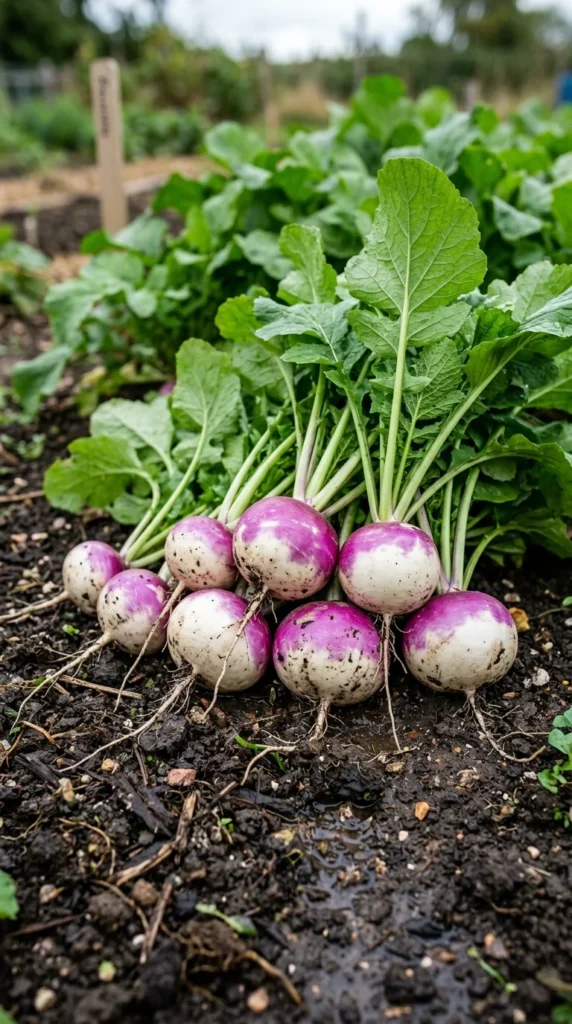
Turnips are a dual-purpose crop that provides both spicy greens and sweet, earthy roots. For maximum harvest efficiency, look for “all-top” varieties if you only want greens, or “purple top” varieties for the best roots. Like beets, turnip seeds are often clustered, so thinning is necessary. Using the thinned seedlings as microgreens ensures that nothing goes to waste.
19. Collard Greens
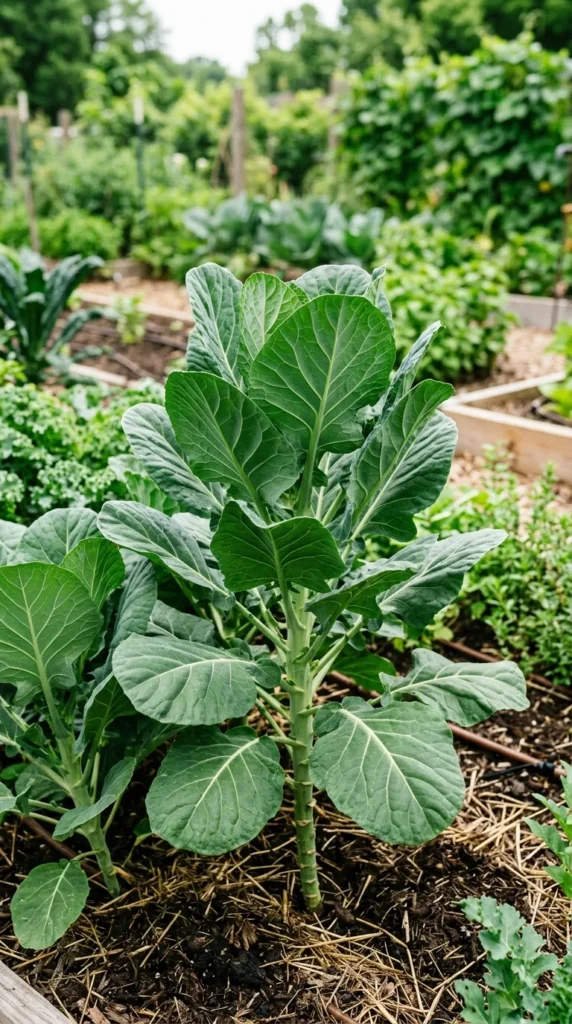
Collard greens are the heavyweights of the spring garden. They are incredibly nutrient-dense and produce massive leaves. To maximize harvest, treat them like kale: harvest the lower leaves and allow the central bud to keep growing upward. They are much more heat-tolerant than spinach, making them a great bridge crop as the garden transitions from spring to summer.
20. Garlic Scapes
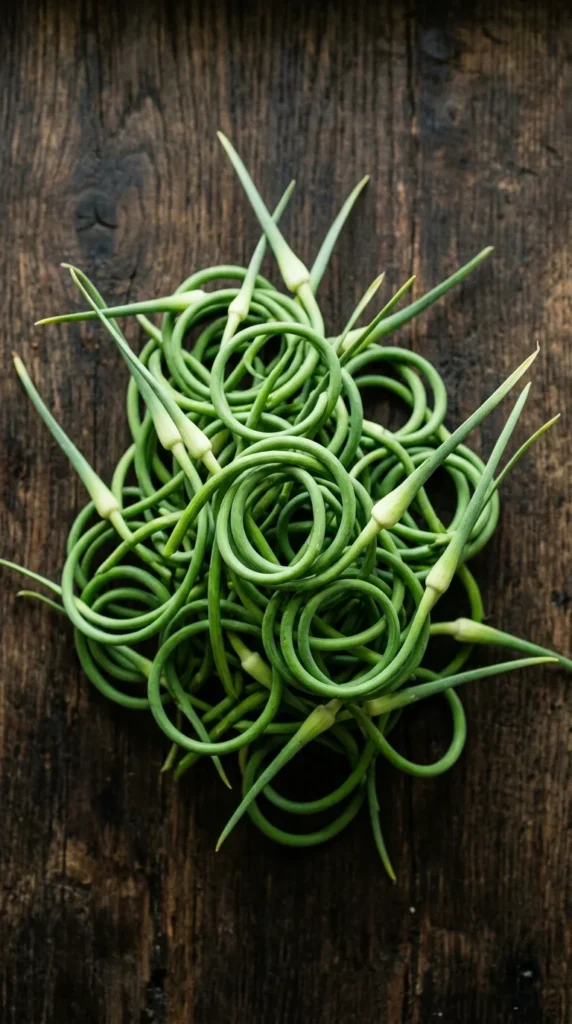
If you planted garlic in the fall, spring is the time to harvest the “scapes.” These are the curly flower stalks that the garlic plant sends up. Harvesting them is essential for a maximum bulb harvest, as it forces the plant to put all its energy into the underground bulb rather than the flower. The scapes themselves have a mild garlic flavor and are a gourmet delicacy that signals the peak of the spring gardening season.