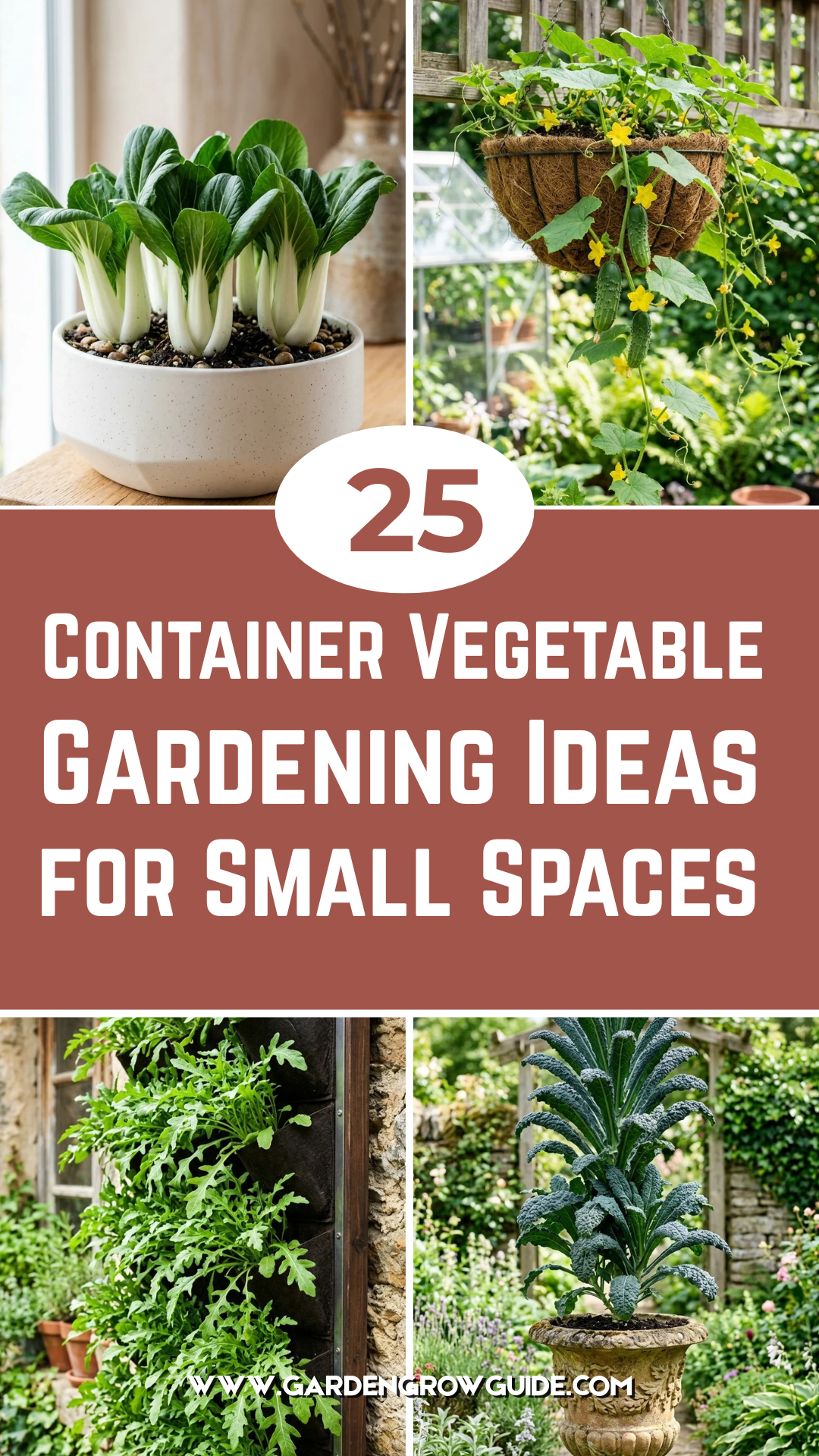
Small-space gardening has transformed from a niche hobby into a global movement. Whether you live in a high-rise apartment with a tiny balcony, a townhouse with a small concrete patio, or simply want to keep your kitchen garden within arm’s reach, container gardening is the ultimate solution. Growing your own food doesn’t require acres of land; it requires creativity, the right vessels, and a bit of “dirt under the fingernails” spirit.
The beauty of container gardening lies in its flexibility. You can control the soil quality, move your plants to follow the sun, and minimize the risk of soil-borne pests. Below are 25 vegetable ideas tailored specifically for small-space success.
1. Loose-Leaf Lettuce
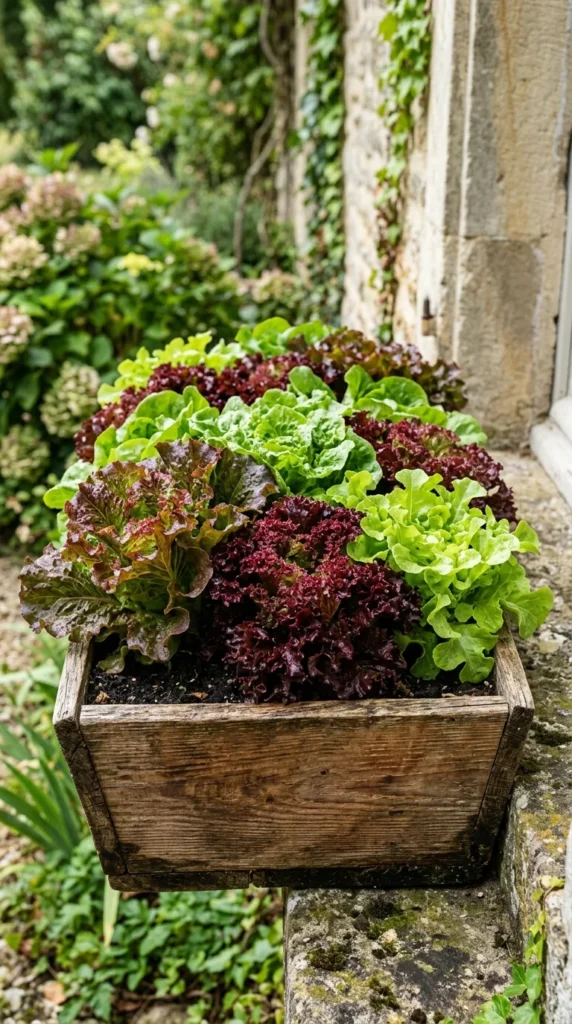
Lettuce is the king of the small-space garden. Because it has a shallow root system, it doesn’t require deep pots; a mere 4-6 inches of depth is sufficient. Loose-leaf varieties are particularly efficient because they allow for “cut-and-come-again” harvesting. Instead of waiting for a full head to form, you can snip individual leaves as needed, and the plant will continue to produce throughout the cool seasons of spring and fall.
2. Cherry Tomatoes
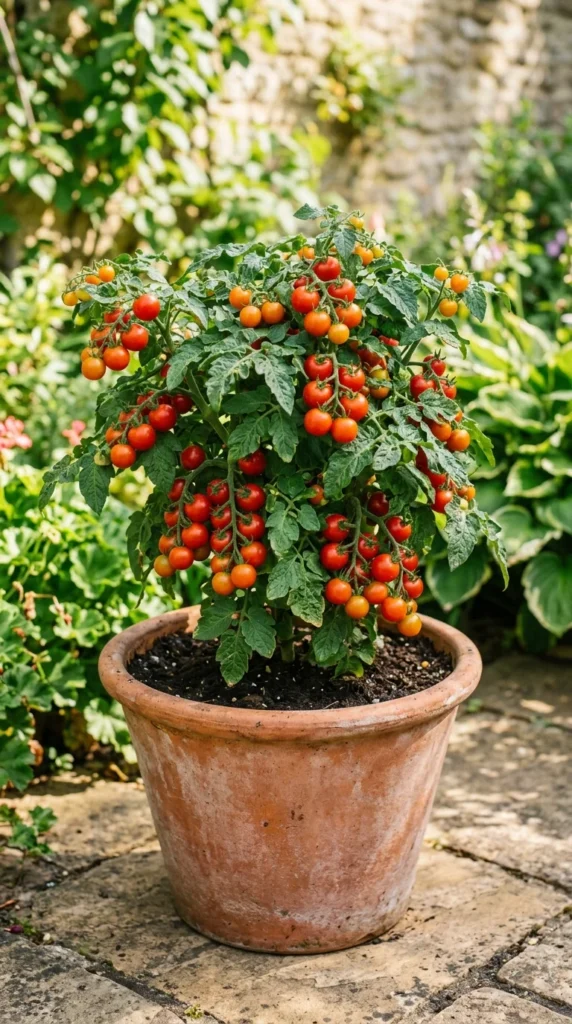
While standard beefsteak tomatoes can become unruly giants, determinate “patio” or “cherry” varieties are bred specifically for containers. These plants grow to a set height and produce a massive harvest of bite-sized fruits. They require a sunny spot (6-8 hours of light) and a sturdy stake or small cage to support the weight of the fruit.
3. Sweet Peppers
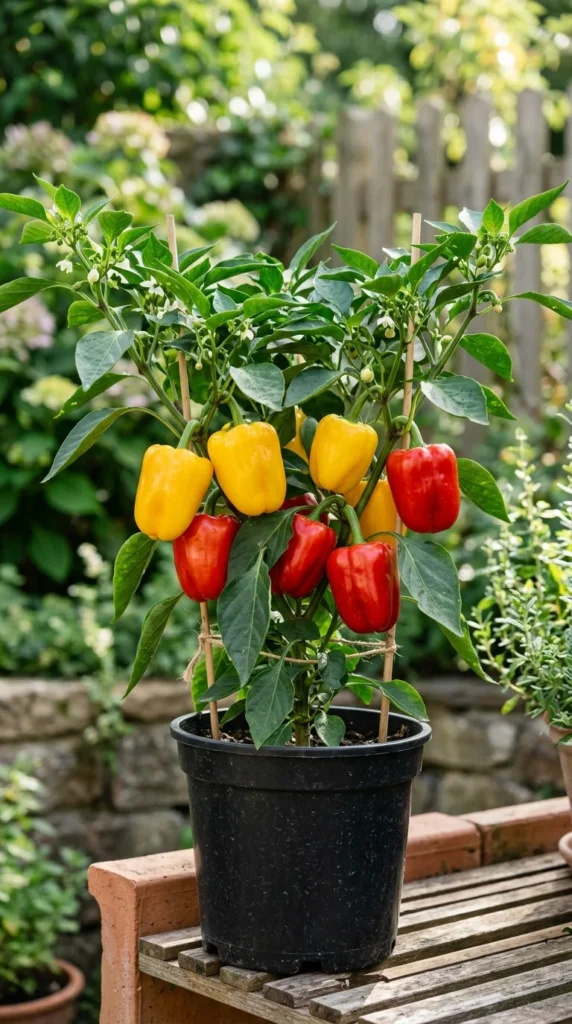
Bell peppers and mini-sweet peppers thrive in the heat concentrated by containers. They are aesthetically pleasing, with dark green foliage and colorful fruits that look as good as they taste. For the best results, use a pot that holds at least 2-3 gallons of soil to ensure the roots have enough room to support the heavy fruit.
4. Bush Beans
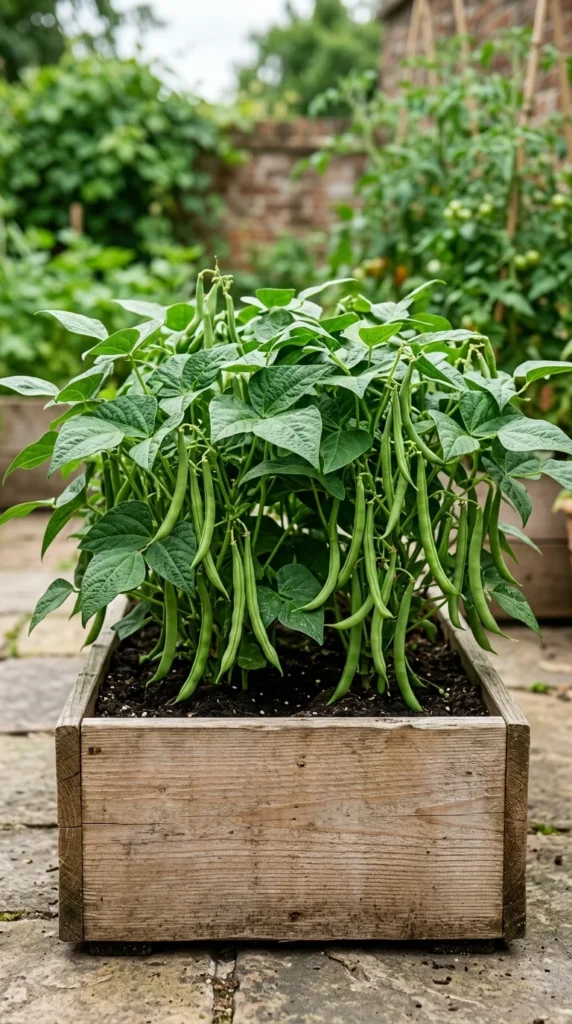
Unlike pole beans, which require tall trellises, bush beans grow in compact mounds. They are incredibly prolific and mature quickly, often ready to harvest in just 50 to 60 days. They are also excellent for soil health, as they fix nitrogen, making them great companions for other container plants.
5. Short Carrots
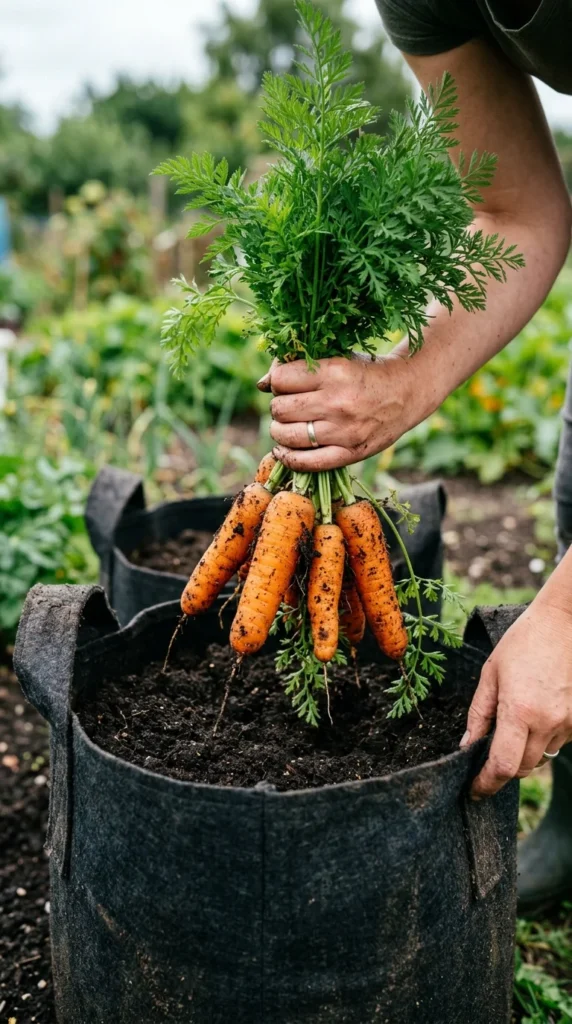
You don’t need deep tilled earth to grow carrots. “Chantenay” or “Paris Market” varieties are bred to be short and stout, making them perfect for pots. Use a container at least 10 inches deep and ensure the soil is loose and sandy so the roots can grow without obstruction.
6. Baby Spinach
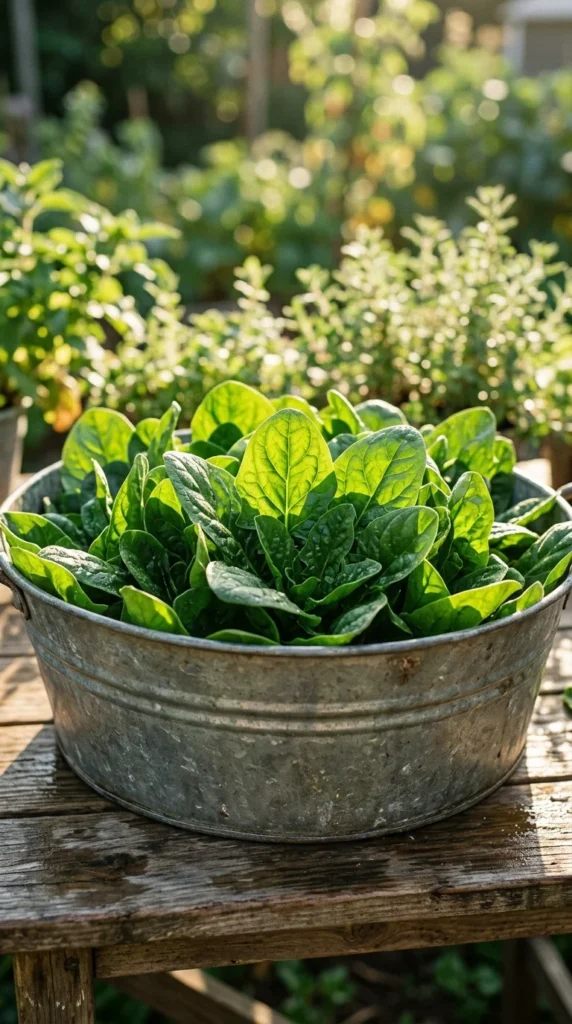
Spinach is a nutrient-dense powerhouse that loves the cool shade of a balcony corner. It grows quickly and can be tucked into the base of larger plants (like tomatoes) to act as a living mulch. Harvest the outer leaves first to keep the plant producing from the center.
7. Green Onions
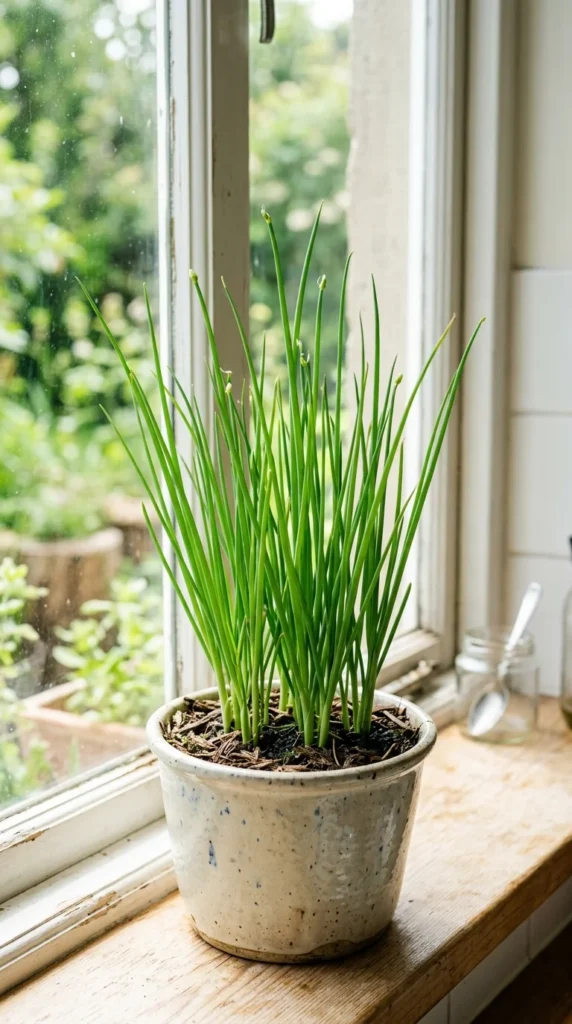
Green onions, or scallions, are perhaps the easiest vegetable to grow in a small space. You can even start them from the discarded white ends of store-bought onions. They take up very little horizontal space, allowing you to cram dozens into a single circular pot.
8. Kale
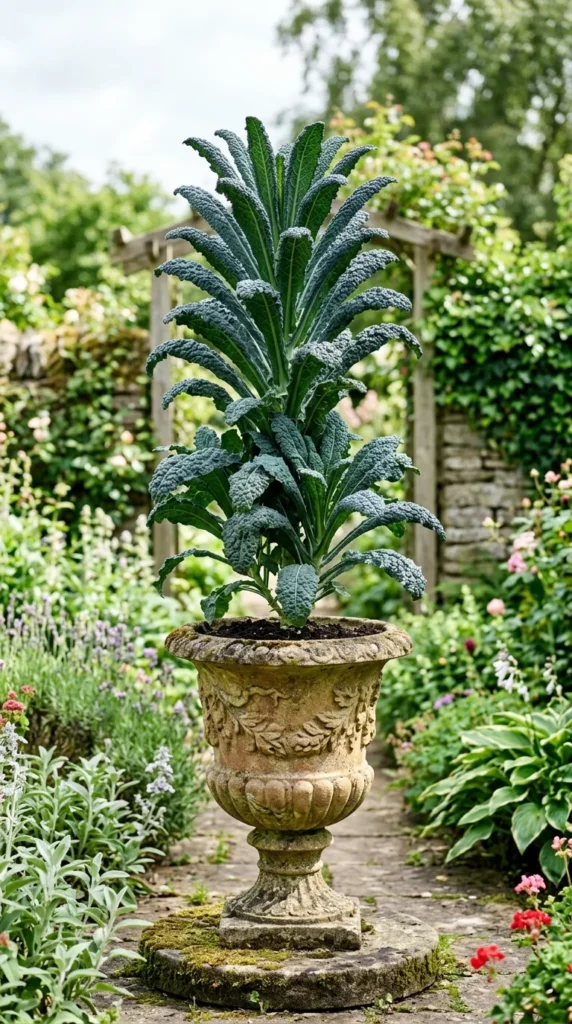
Kale is a “superfood” that is surprisingly ornamental. Varieties like “Lacinato” or “Curly” kale can handle frost and even a bit of snow, extending your harvest well into winter. A single large pot can host a kale plant that will provide greens for months.
9. Radishes
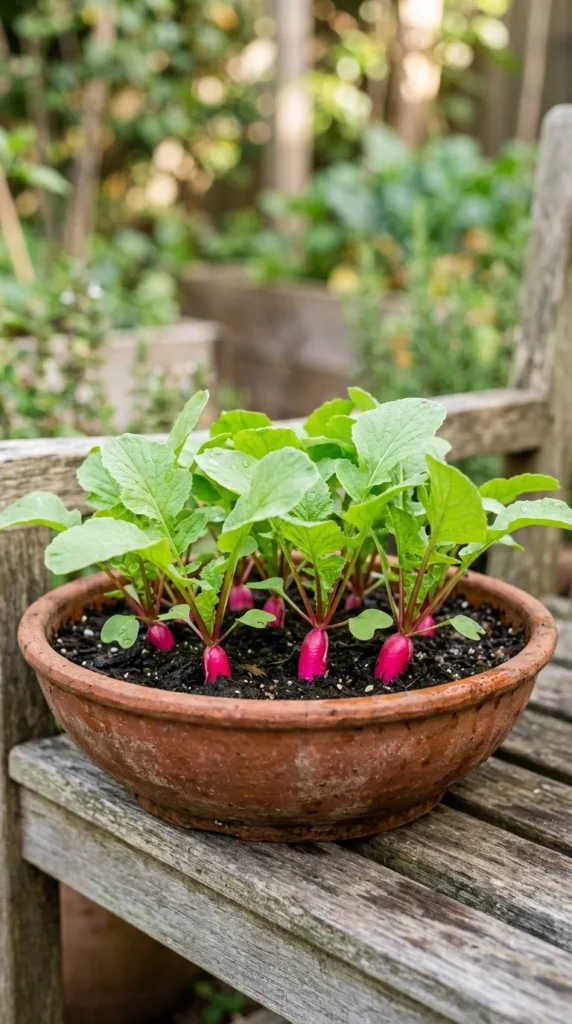
If you want instant gratification, grow radishes. Some varieties go from seed to table in as little as 25 days. They require very little space and can be grown in almost any container, from a recycled yogurt cup to a professional planter.
10. Bush Cucumbers
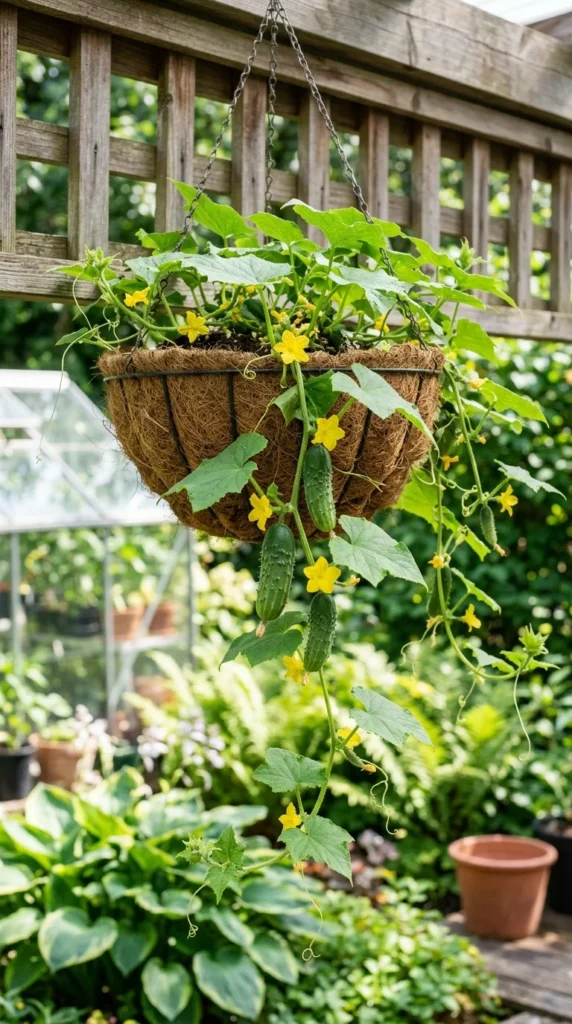
Standard cucumbers are notorious space-hogs, but “bush” varieties stay contained within a 2-foot diameter. They are perfect for large hanging baskets or pots placed on a pedestal, allowing the vines to drape over the sides elegantly.
11. Dwarf Peas
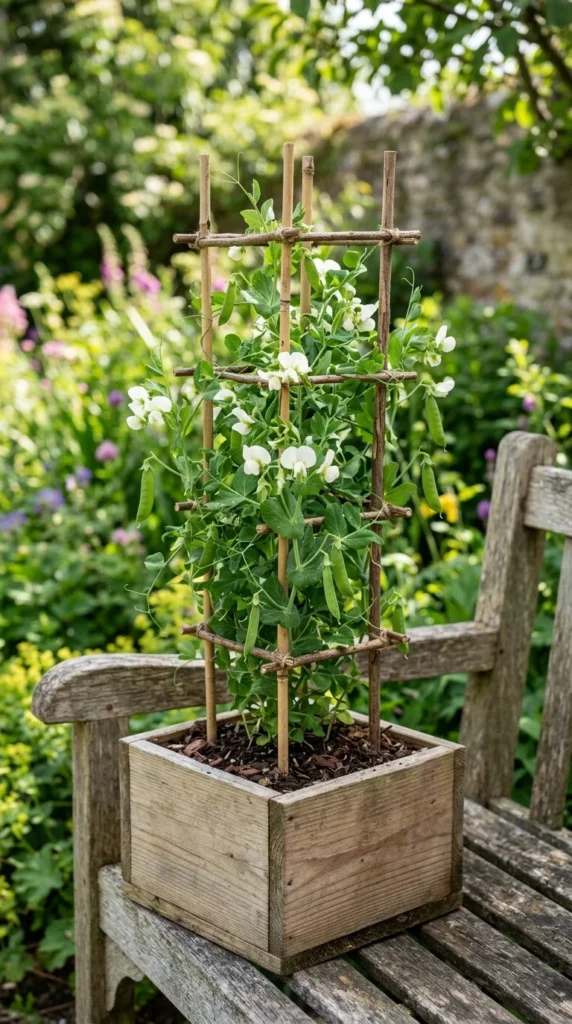
Sugar snap or snow peas are delicious when eaten fresh. Dwarf varieties like “Tom Thumb” only grow about 8-12 inches tall, eliminating the need for massive fencing. They love the cool weather and are a great way to start your gardening season early.
12. Swiss Chard
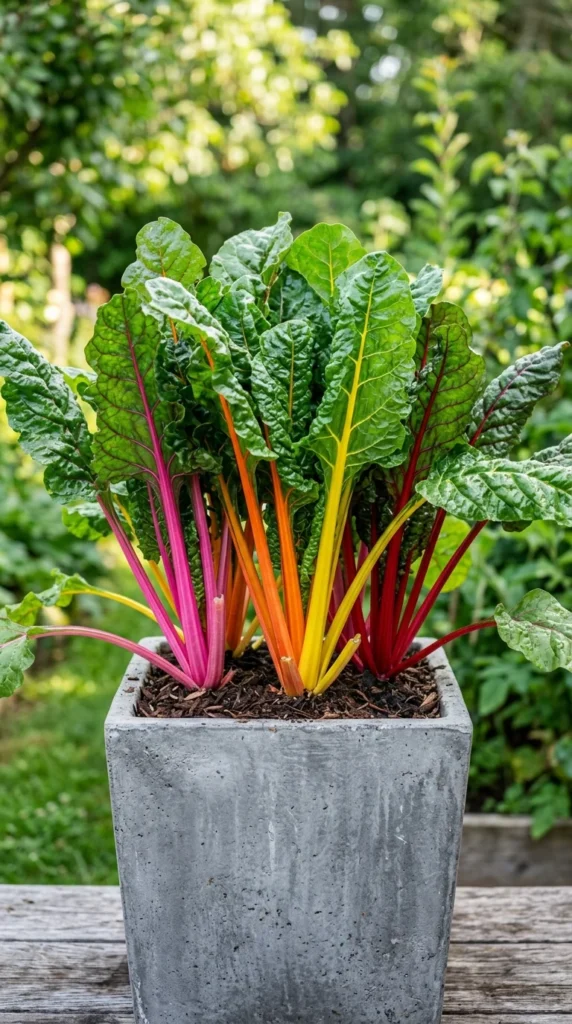
Swiss chard is often used in ornamental landscaping because of its stunning “Rainbow” stalks. In a container, it provides a steady supply of greens that are more heat-tolerant than spinach. You can harvest the leaves when they are small for salads or let them mature for sautéing.
13. Patio Eggplant
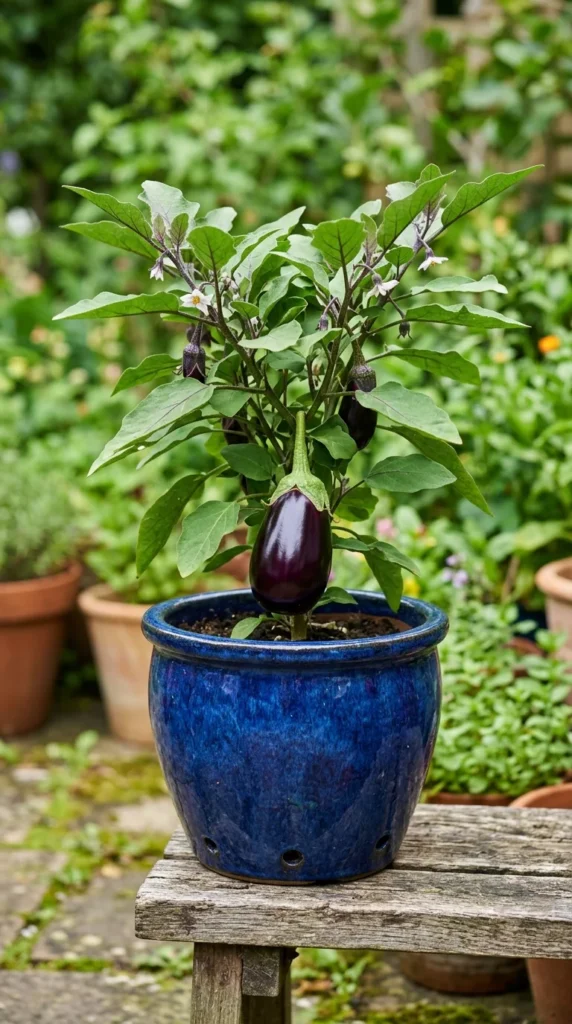
Eggplants are heavy feeders that love the warmth of a container. Look for “Fairytale” or “Bambino” varieties, which produce clusters of small, elongated fruits. Their large, velvety leaves and purple flowers make them a beautiful addition to any patio.
14. Garlic
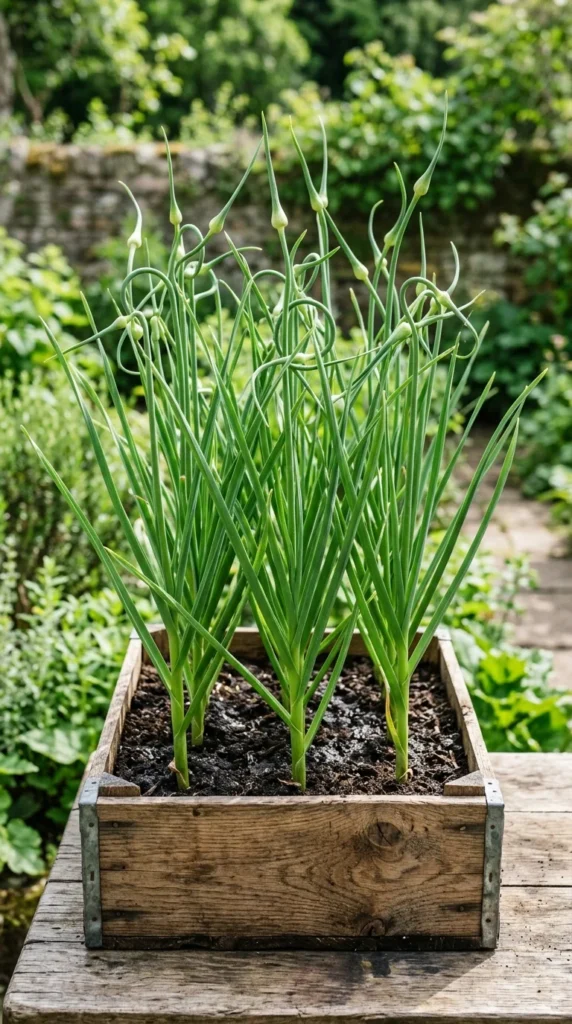
Garlic is a “set it and forget it” crop. Plant cloves in the fall in a container at least 6 inches deep, and by the following summer, you’ll have full bulbs. It’s a great way to utilize containers during the dormant winter months.
15. Microgreens
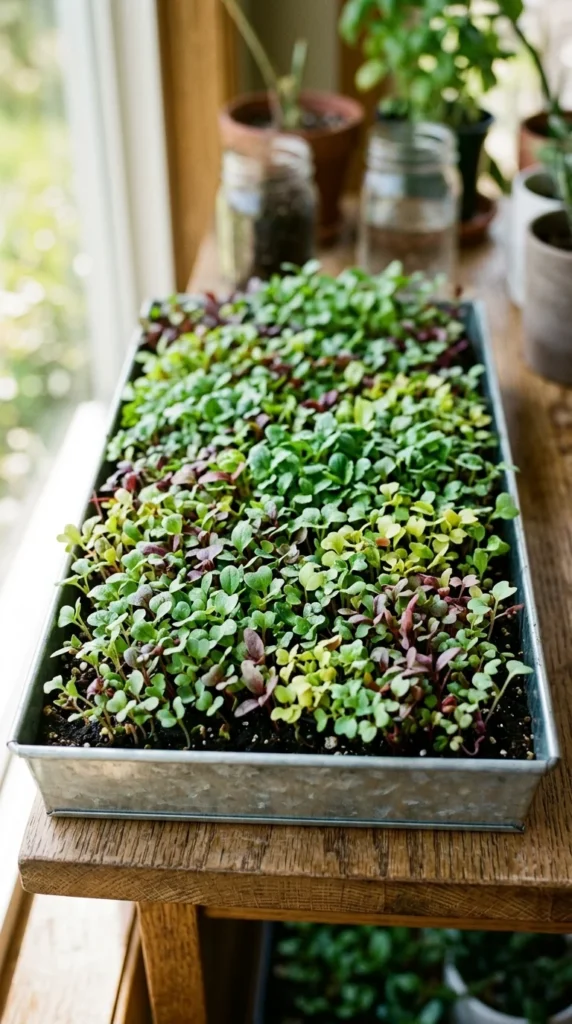
For those with no outdoor space at all, microgreens are the answer. These are simply young vegetable seedlings harvested when they are just two inches tall. They are packed with flavor and nutrition and can be grown on a windowsill year-round.
16. Chili Peppers
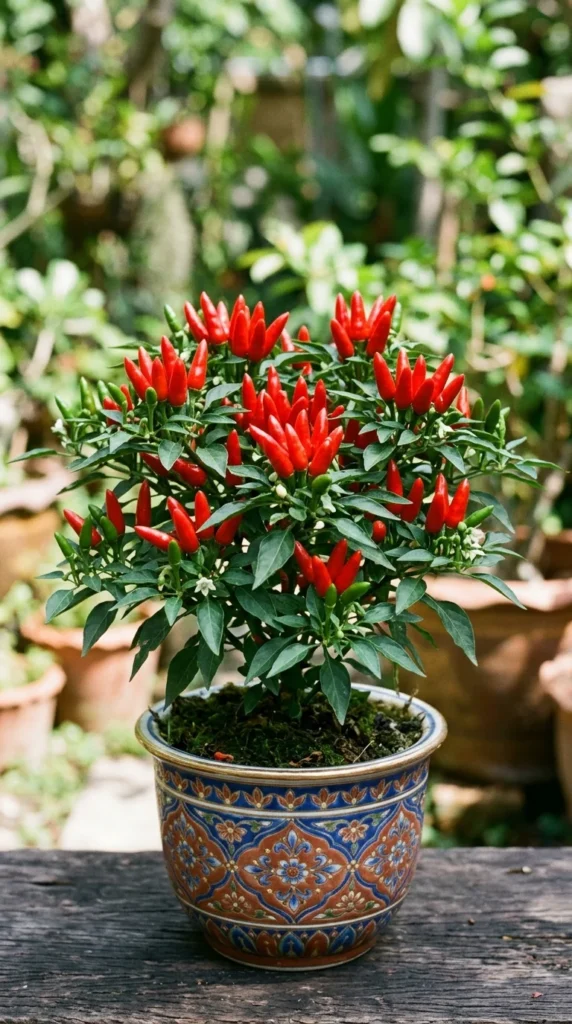
Chili peppers are naturally compact and thrive in the restricted root environment of a pot. Because many varieties are perennial in warmer climates, you can bring the pot indoors during the winter to keep the plant alive for the next year.
17. Baby Beets
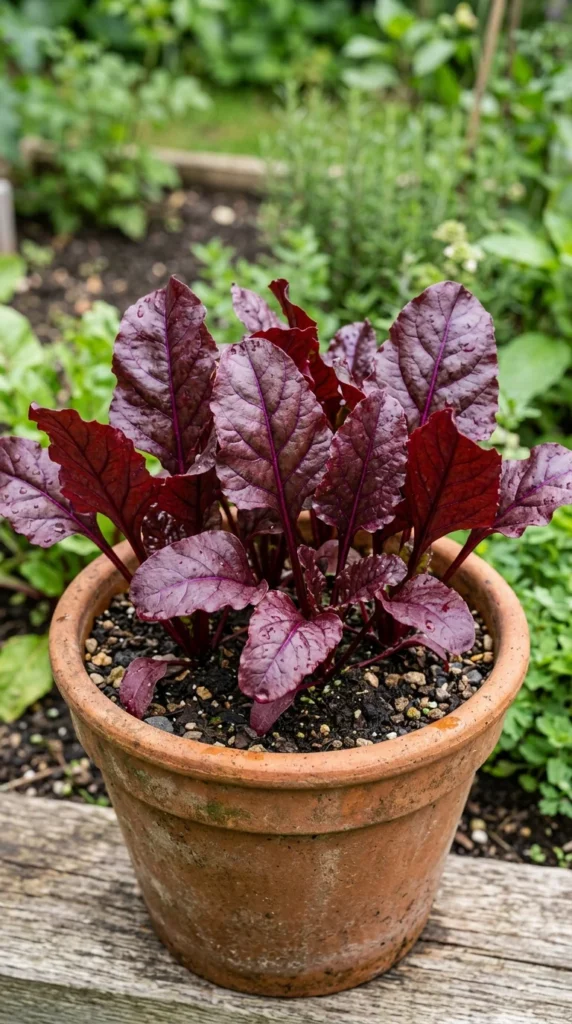
Beets are a two-for-one deal: you can eat the earthy roots and the nutritious green tops. When grown in containers, harvest them when they are the size of a golf ball for the sweetest flavor and most tender texture.
18. Bok Choy
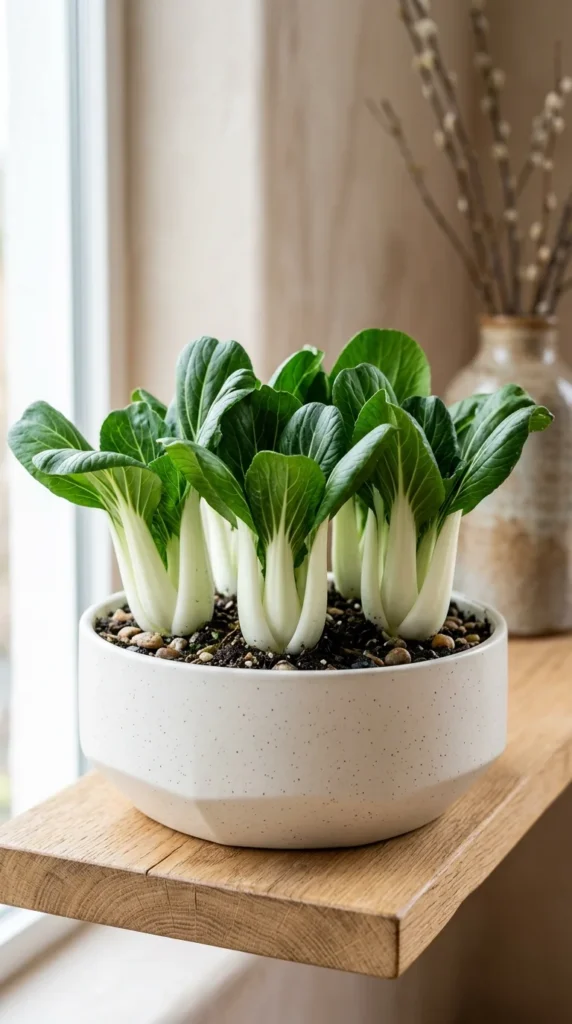
Bok choy is a fast-growing Asian green that is perfect for the “shoulder” seasons. It prefers partial shade, making it an excellent choice for balconies that don’t get full, all-day sun.
19. Compact Zucchini
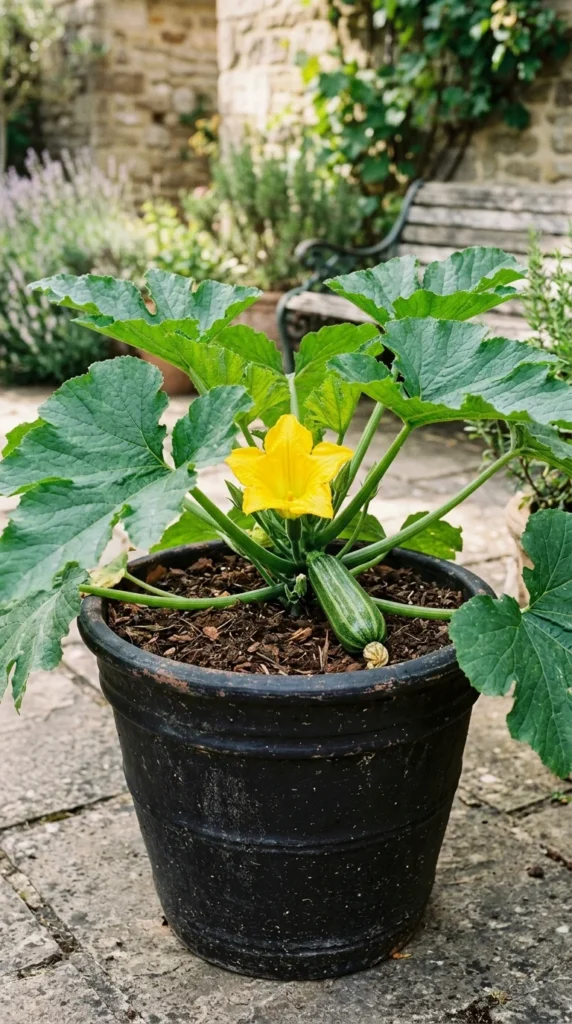
Zucchini is usually a garden giant, but breeders have developed “bush” versions like “Astia” specifically for pots. You will need a large container (at least 5-10 gallons) to support its large leaves and high water needs, but the reward is a summer full of fresh squash.
20. Arugula
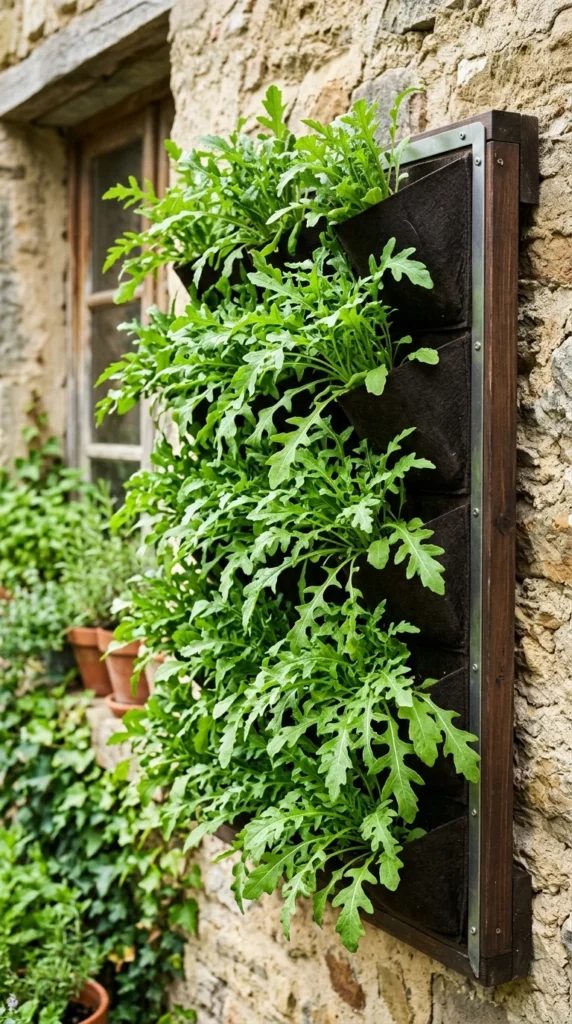
Arugula is a peppery green that grows incredibly fast. It is a great candidate for vertical gardening or “living walls” because it has shallow roots and doesn’t mind a bit of crowding.
21. Potatoes
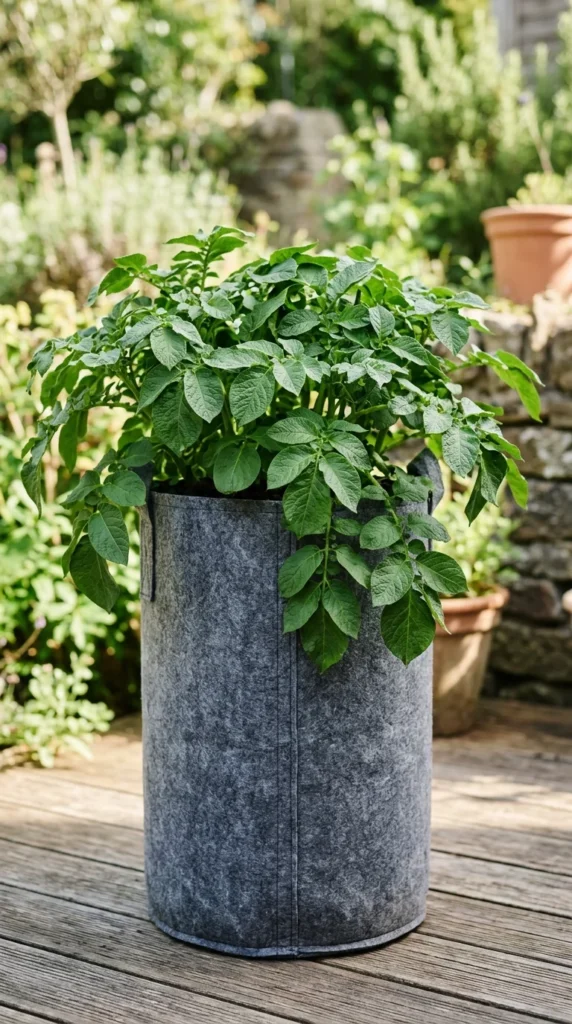
Growing potatoes in a grow bag is actually easier than growing them in the ground. You start with a small amount of soil, plant the “seed” potatoes, and as the plant grows, you “hill up” by adding more soil. When the foliage dies back, you simply tip the bag over to find your “buried treasure.”
22. Sprouting Broccoli
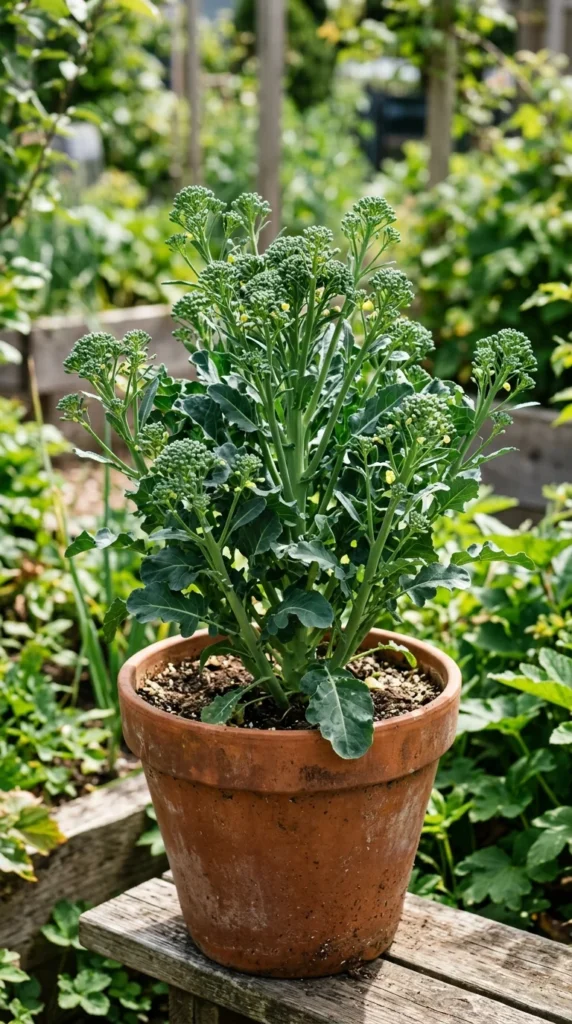
Traditional broccoli takes up a lot of room for a single harvest. Sprouting broccoli (or Broccolini types), however, produces many small heads over a long period, making it much more efficient for the small-space gardener.
23. Turnips
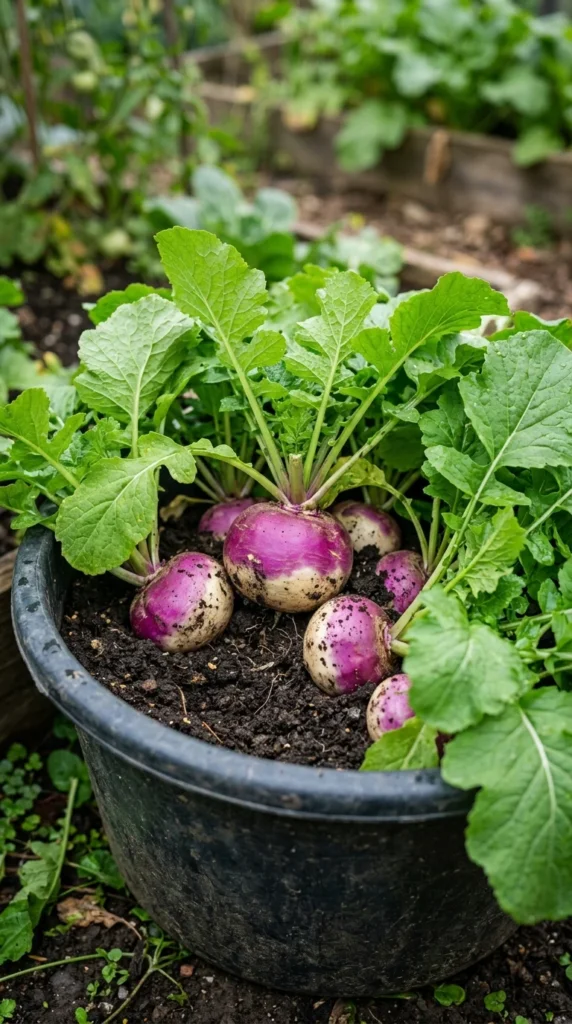
Like beets, turnips offer both edible roots and greens. Small varieties like “Hakurei” (Japanese white turnips) are exceptionally sweet and can be eaten raw like apples, making them a gourmet treat for container gardeners.
24. Culinary Herbs
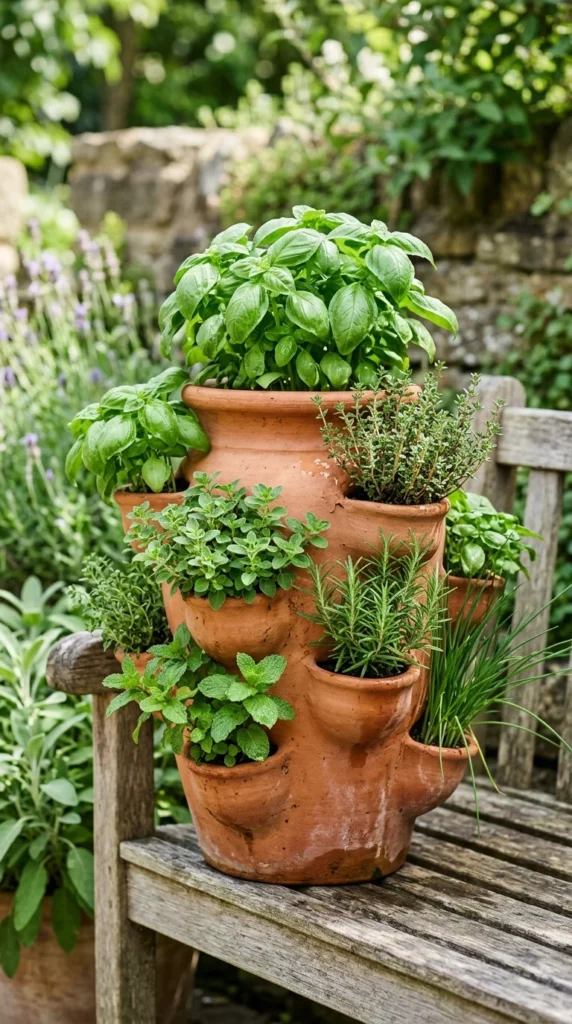
While technically not a vegetable, no container garden is complete without herbs. Basil, parsley, cilantro, and chives are essential kitchen companions. They take up very little space and can be tucked into the edges of your vegetable pots to deter pests and add fragrance.
25. Mustard Greens
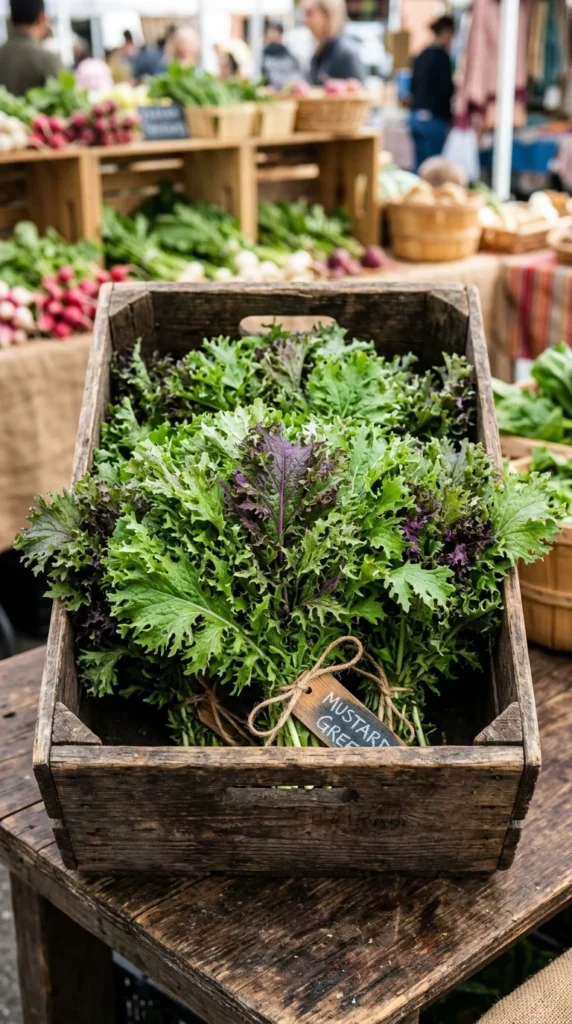
Mustard greens are for the gardener who likes a bit of spice. They are incredibly hardy and can withstand temperatures well below freezing. Their frilly texture adds a wonderful visual element to a container arrangement.
Tips for Success in Small Spaces
- Drainage is Non-Negotiable: Ensure every container has holes at the bottom. Without drainage, roots will rot.
- Quality Potting Mix: Never use garden soil in a pot; it’s too heavy and can harbor disease. Use a high-quality, lightweight potting mix designed for containers.
- Consistent Watering: Pots dry out much faster than the ground. In the heat of summer, your containers may need water every single day.
- Fertilize Regularly: Because you are watering frequently, nutrients leach out of the soil quickly. Use a liquid organic fertilizer every two weeks to keep your vegetables productive.
- Vertical Thinking: If you run out of floor space, look up! Use hanging baskets, wall-mounted planters, and trellises to maximize your harvest per square foot.