
The sound of trickling water is one of the most effective ways to transform a standard backyard into a serene sanctuary. A garden fountain serves as both a visual anchor and an auditory backdrop, masking neighborhood noise while attracting local wildlife like birds and butterflies. However, selecting the right fountain and ensuring it is installed correctly requires a blend of aesthetic sensibility and technical planning. From choosing materials that withstand the elements to mastering the hydraulics of the pump, this guide provides a comprehensive roadmap to integrating a water feature into your landscape.
1. Tiered Pedestals
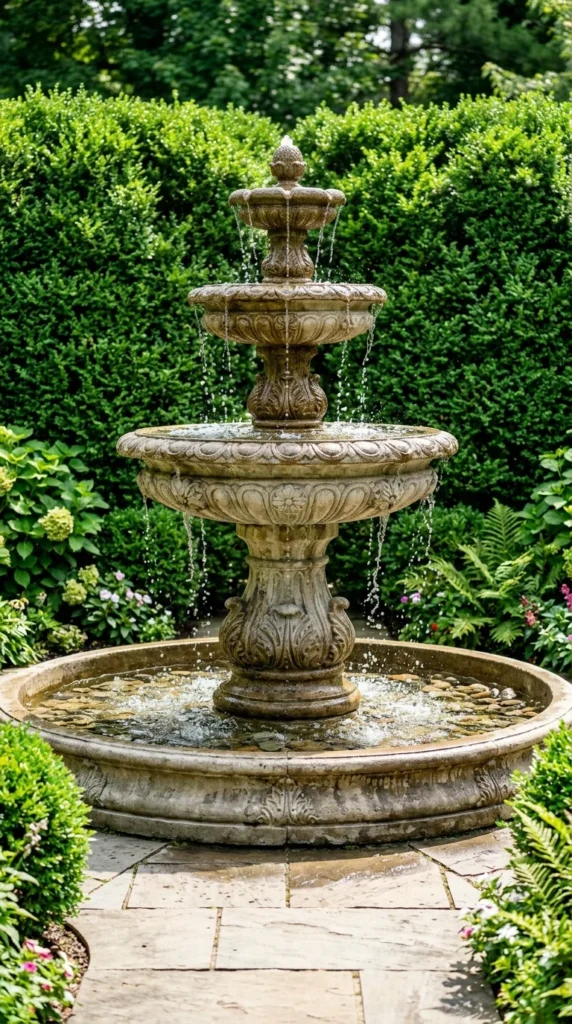
Tiered fountains are the quintessential choice for traditional or formal gardens. These structures rely on gravity to move water from a small upper basin down into increasingly larger reservoirs. They create a significant amount of “white noise,” making them ideal for properties near busy roads. When choosing a tiered model, consider the scale of your home; a large, multi-level fountain can easily overwhelm a small patio, while a tiny one may get lost in a sprawling lawn.
2. Wall Units
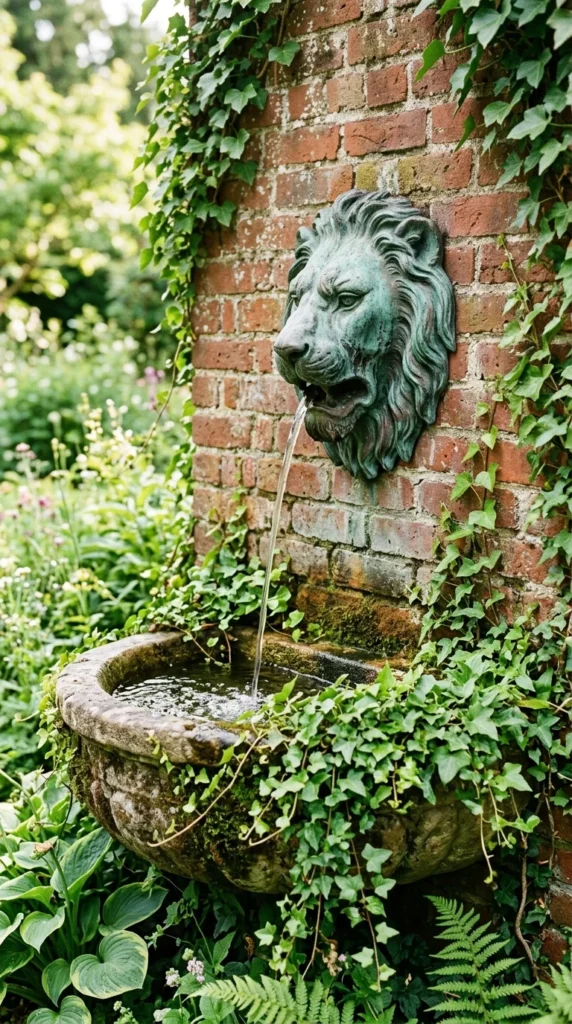
For those with limited square footage or urban courtyards, wall fountains offer the beauty of moving water without occupying valuable floor space. These units are designed to be mounted directly onto a sturdy wall or fence. Because they are vertical, they act as living pieces of art. They are typically lighter than floor-standing models and are excellent for creating a focal point at the end of a narrow garden path or tucked into a cozy balcony corner.
3. Disappearing Reservoirs
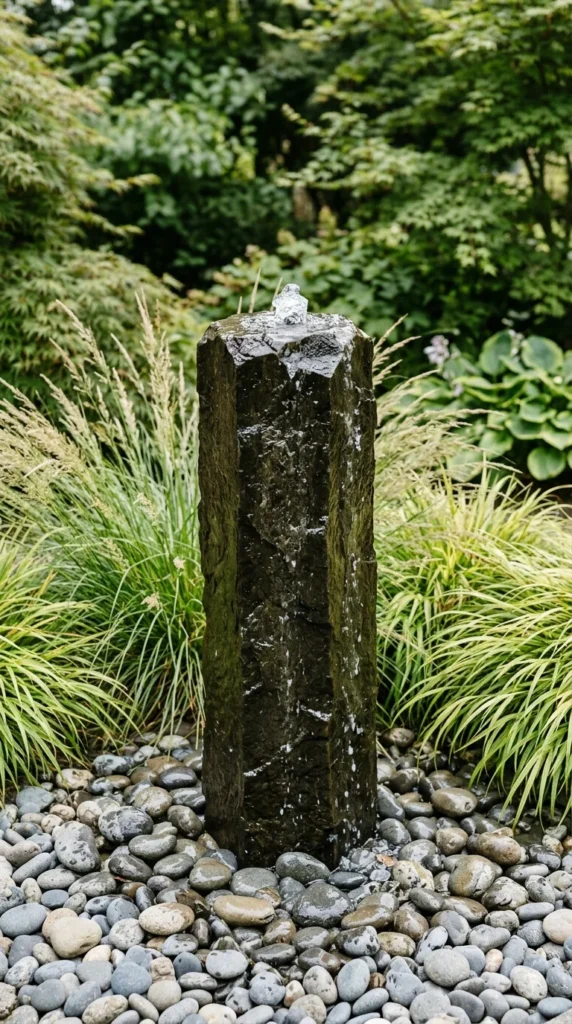
Also known as “pondless” fountains, these systems feature a hidden reservoir buried underground. The water bubbles up through a decorative element—such as a stone column, a ceramic urn, or a boulder—and then drains through a bed of gravel back into the subterranean tank. These are the safest options for families with small children or pets, as there is no standing water. They also require less maintenance because the covered reservoir prevents algae growth and debris buildup.
4. Cast Stone
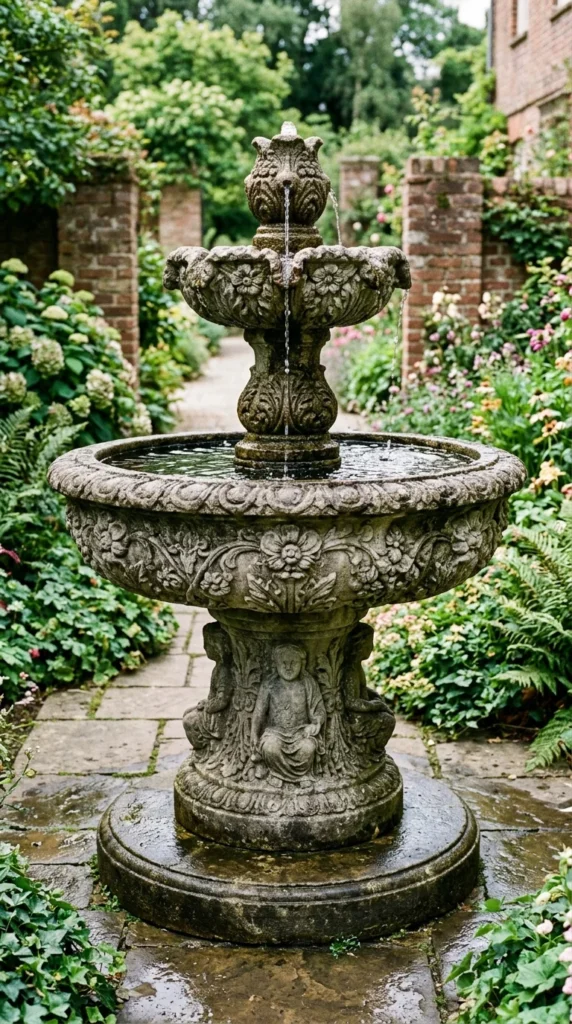
Cast stone is a premier material for garden fountains due to its durability and “old-world” aesthetic. Made from a mix of cement and crushed stone, these fountains are incredibly heavy and stable, ensuring they won’t tip over in high winds. Over time, cast stone develops a beautiful patina, often growing moss or lichen that helps it blend naturally into the garden. However, their weight makes them difficult to move, so careful site selection is mandatory before delivery.
5. Fiberglass Resin

If you want the look of stone or metal without the extreme weight, fiberglass and resin are excellent alternatives. These materials are highly versatile and can be molded into any shape, from ultra-modern geometric forms to realistic faux-rock textures. They are easy to ship, simple to maneuver during installation, and resistant to cracking during freeze-thaw cycles. They are particularly well-suited for wooden decks where the weight of a stone fountain might cause structural issues.
6. Solar Power
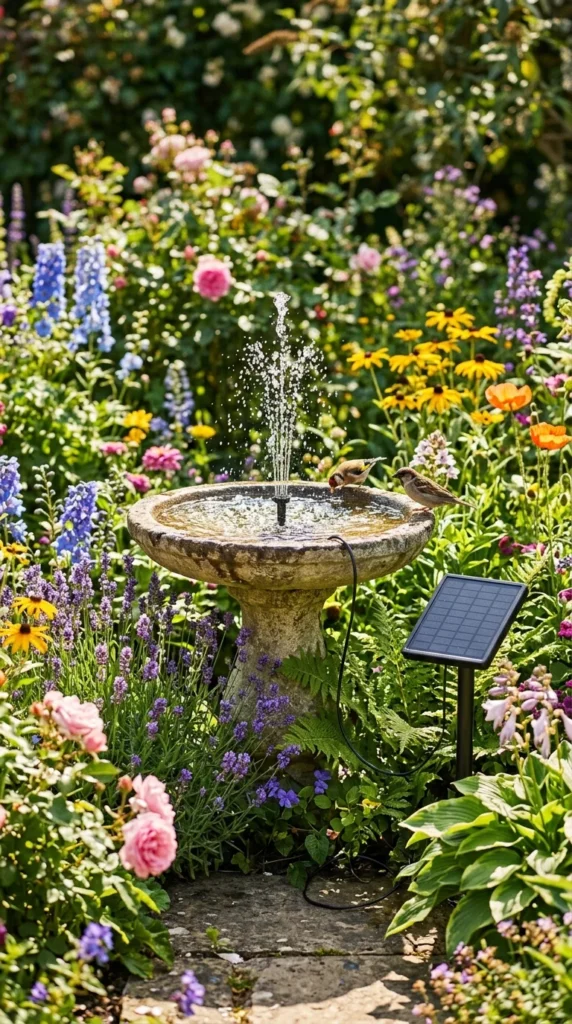
Solar-powered fountains have gained popularity as eco-friendly, “plug-and-play” options. These units use a small photovoltaic panel to power the pump, eliminating the need for underground electrical wiring. While they are restricted by the amount of sunlight available, many modern models come with battery backups that store energy for use during cloudy days or early evenings. They are ideal for remote areas of the garden where running a power line would be cost-prohibitive.
7. Hardwired Electric
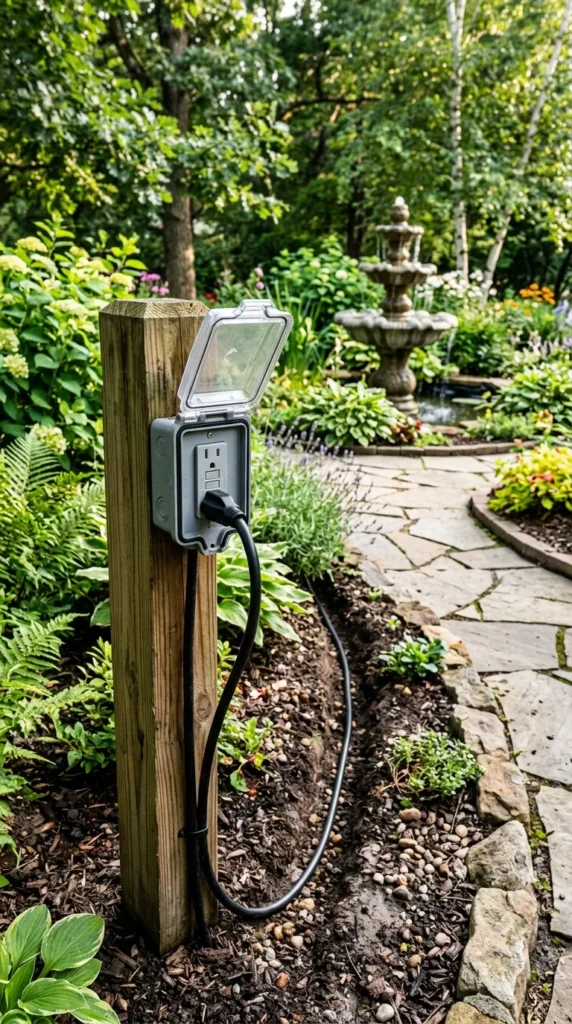
For a fountain that runs consistently regardless of the weather, a hardwired electrical pump is necessary. This requires a nearby outdoor-rated GFCI (Ground Fault Circuit Interrupter) outlet. If you are installing a large, permanent feature, you may need to dig a trench to bury the electrical conduit. Electric pumps offer much higher “head pressure,” allowing for taller sprays and more vigorous water flow than most solar alternatives.
8. Strategic Placement

Location is the most critical factor in fountain success. Beyond aesthetics, you must consider the proximity to trees; placing a fountain under a deciduous tree will result in a basin full of leaves and clogged pumps. You should also think about wind patterns; high winds can blow the water spray out of the basin, eventually emptying the reservoir and burning out the pump. Finally, ensure the fountain is visible and audible from your primary seating areas to maximize your enjoyment.
9. Level Foundation

A fountain that is even slightly tilted will not flow correctly. The water will spill over one side while the other remains dry, and the pump may not be fully submerged. To prevent this, dig out the area and create a base of compacted gravel or sand. Top this with a large concrete paver or a poured concrete pad. Use a spirit level to check the surface in multiple directions. For larger stone fountains, a reinforced concrete pad is essential to prevent the unit from sinking into the soil over time.
10. Pump Integration
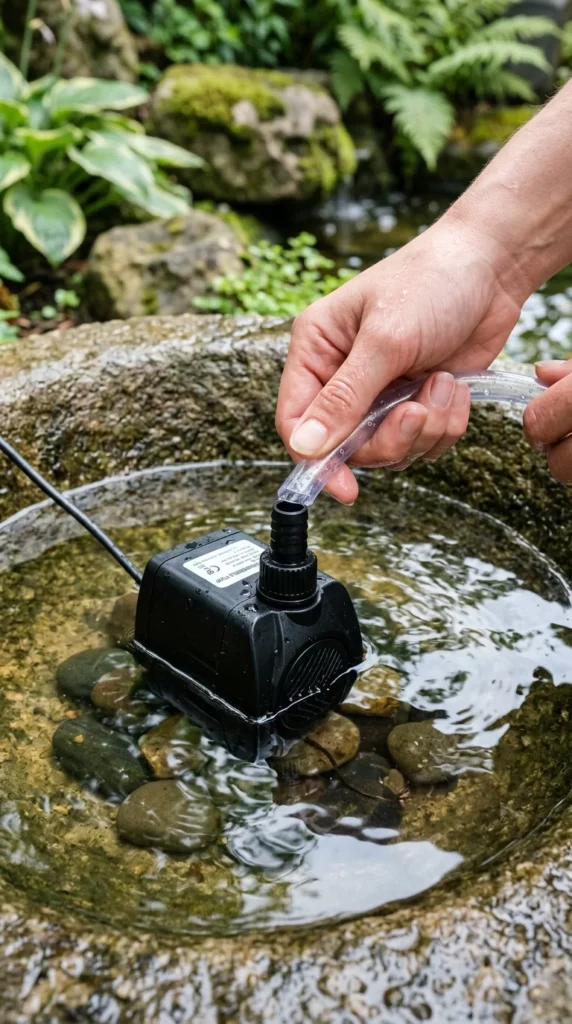
Once the fountain is level, it is time to install the “heart” of the system: the pump. Most garden fountains use submersible pumps. Connect the pump to the internal tubing of the fountain, ensuring the seals are tight. Place the pump in the deepest part of the reservoir, but ideally slightly elevated on a small brick to keep it away from settled silt and debris. Fill the basin with water before turning the power on; running a pump “dry” for even a few minutes can cause permanent damage to the motor.
11. Maintenance Rituals
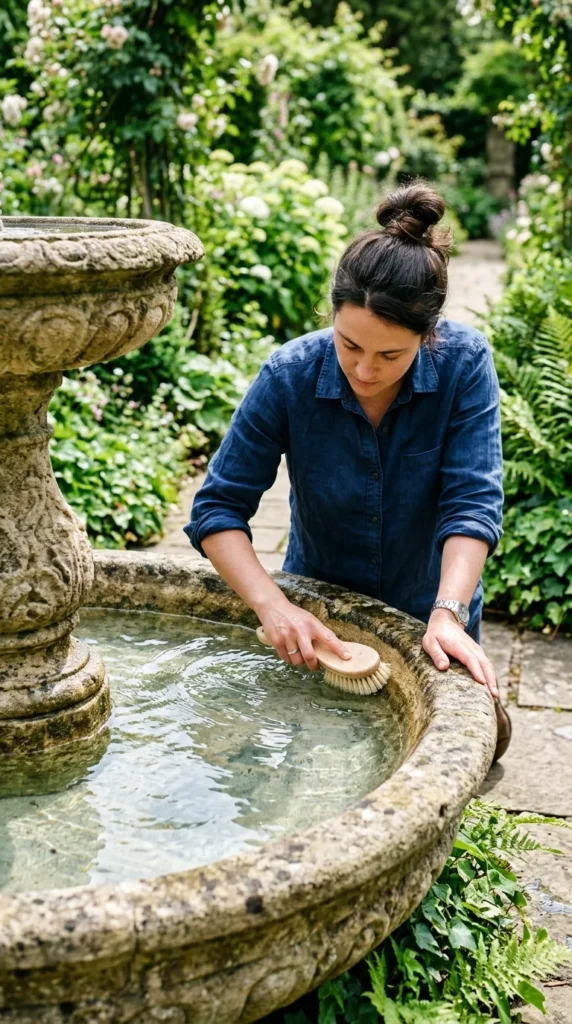
To keep your fountain pristine, regular maintenance is required. Check water levels frequently, especially in summer, as evaporation can quickly drop levels below the pump intake. Use an algaecide or a bit of white vinegar to prevent green buildup, and periodically remove the pump to clean the filter of hair, leaves, and grit. In colder climates, winterization is vital: drain the fountain completely, remove the pump to store it indoors, and cover the structure with a waterproof fountain cover to prevent water from freezing in the pores of the stone and causing cracks.