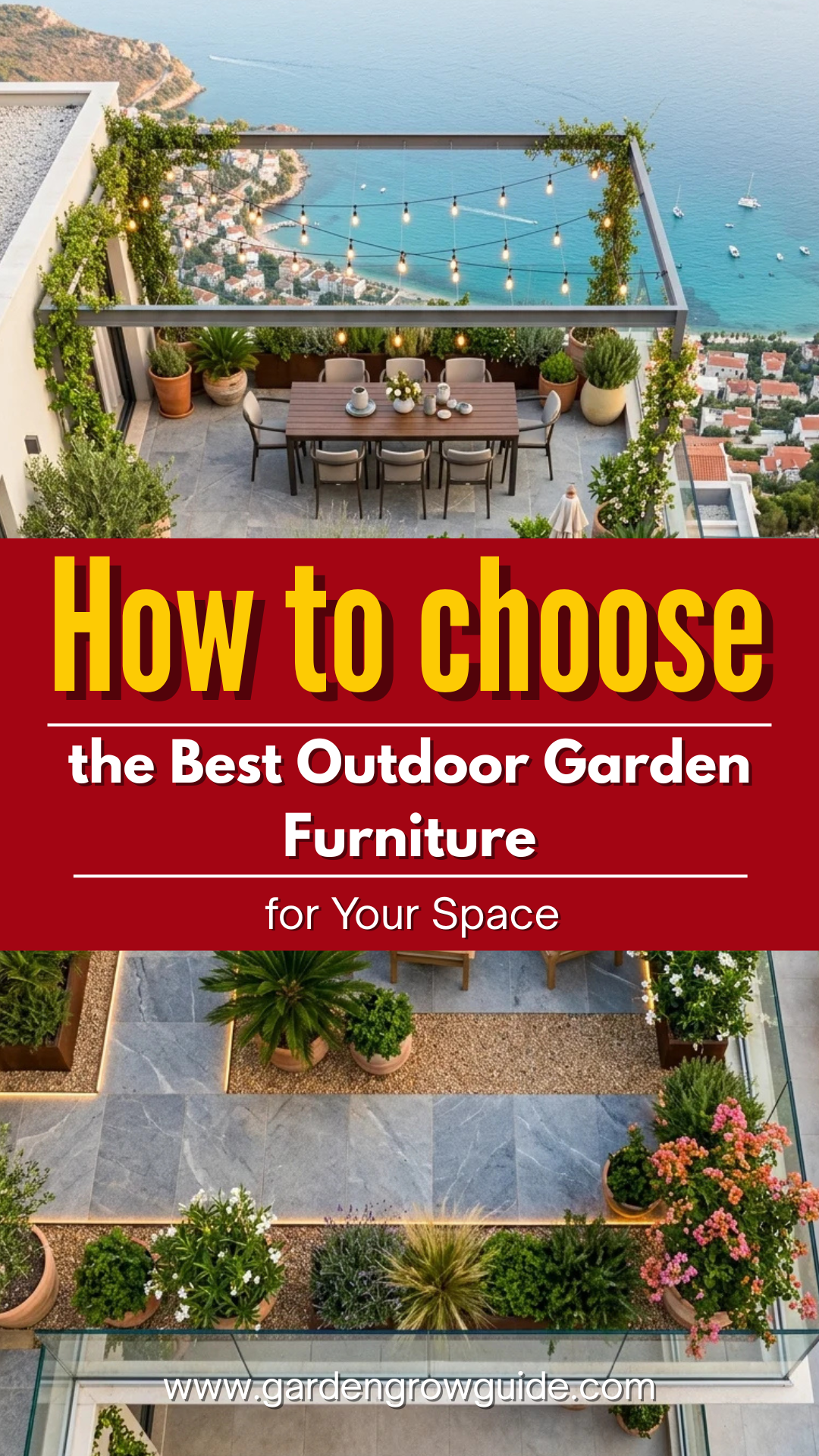
Creating an outdoor oasis is about more than just placing a few chairs on a lawn; it is about extending your living space into the natural world. Whether you have a sprawling country estate or a compact urban balcony, the right furniture acts as the bridge between architecture and nature. Choosing the best pieces requires a balance of aesthetics, durability, and functionality. This guide explores the essential factors to consider when selecting garden furniture that will stand the test of time and elevate your outdoor experience.
1. Space Planning
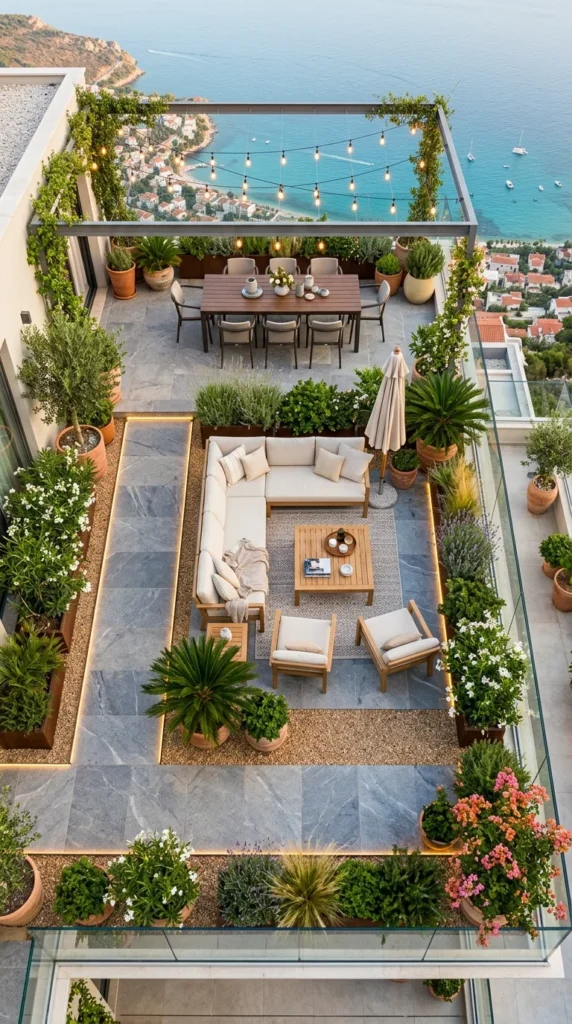
Before browsing catalogs, you must understand the physical constraints and possibilities of your area. Start by measuring your patio, deck, or garden space. It is crucial to leave enough room for “traffic flow”—the ability to walk around furniture without shimmying.
- Small Spaces: For balconies or small porches, look for bistro sets or folding furniture that can be tucked away.
- Large Spaces: For expansive decks, consider “zoning.” Create a dedicated dining area and a separate lounging area using outdoor rugs to define the boundaries.
- Shape Matters: Round tables are excellent for facilitating conversation and fitting into tight corners, while rectangular tables are better suited for large dinner parties.
2. Teak Wood
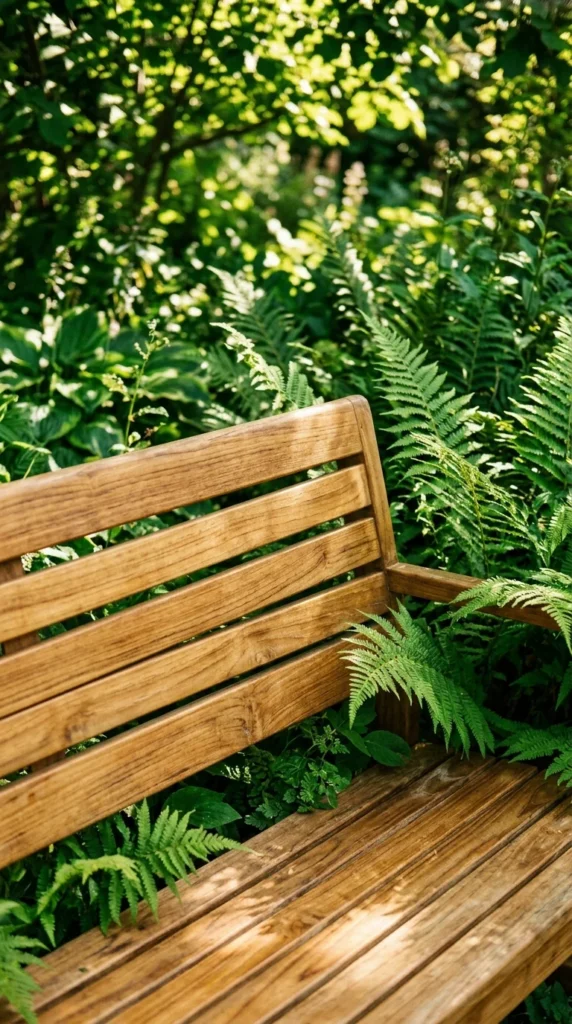
When it comes to wooden garden furniture, teak is the undisputed king. Its high oil content makes it naturally resistant to rot, insects, and moisture.
- Durability: Teak can last for decades with minimal maintenance. Over time, it weathers from a honey-gold color to a sophisticated silvery-gray patina.
- Sustainability: Look for FSC-certified teak to ensure the wood is sourced from responsibly managed forests.
- Maintenance: If you prefer the original gold color, you will need to apply teak sealer once a year. Otherwise, a simple scrub with soapy water every spring is sufficient.
3. Aluminum Frames
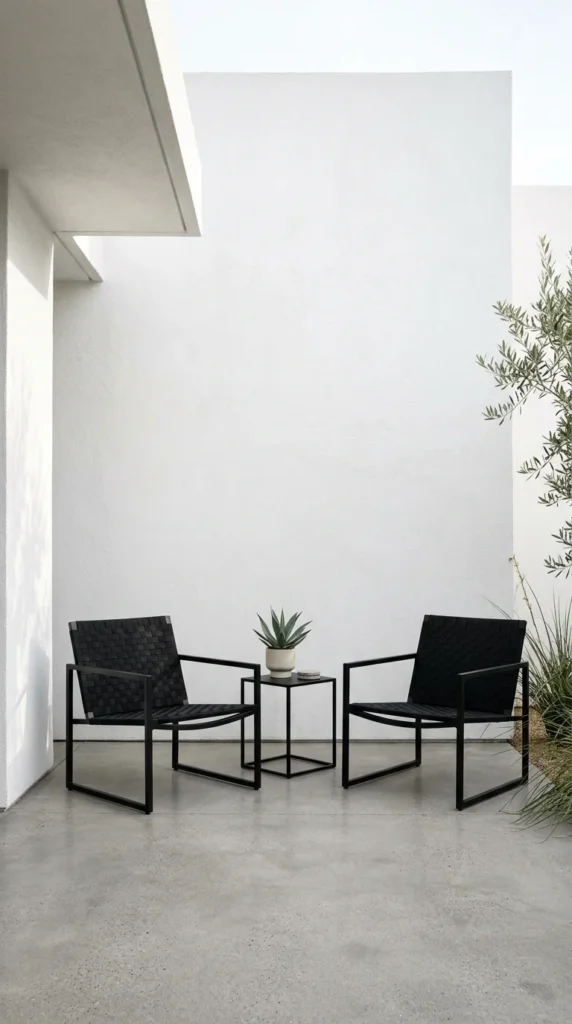
For those seeking a contemporary look with low maintenance, powder-coated aluminum is the premier choice. It is incredibly lightweight, making it easy to rearrange your setup, yet strong enough to withstand the elements.
- Rust Resistance: Unlike iron or steel, aluminum does not rust, making it the perfect choice for coastal areas with salty air.
- Style Versatility: Aluminum can be molded into sleek, modern shapes or more traditional designs.
- Heat Retention: High-quality powder coating helps the metal remain relatively cool to the touch, even in direct sunlight, though using cushions is always recommended.
4. Synthetic Rattan
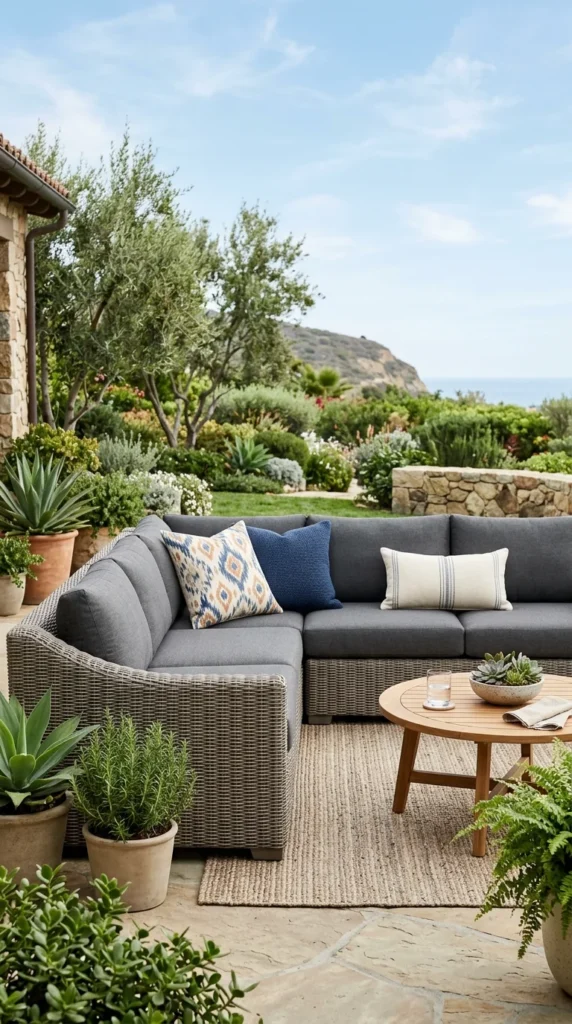
Natural rattan is beautiful but tends to degrade quickly when exposed to rain and humidity. This is where synthetic rattan (PE resin wicker) shines. It offers the classic woven aesthetic with modern resilience.
- Weatherproof: High-density polyethylene (HDPE) is UV-resistant and won’t crack or fade in the sun.
- Texture and Depth: Look for multi-tonal weaves that mimic the variations of natural fibers for a more high-end look.
- Internal Structure: Ensure the wicker is woven over a sturdy, powder-coated aluminum frame to prevent structural failure or rust from within.
5. Multi-functional Pieces
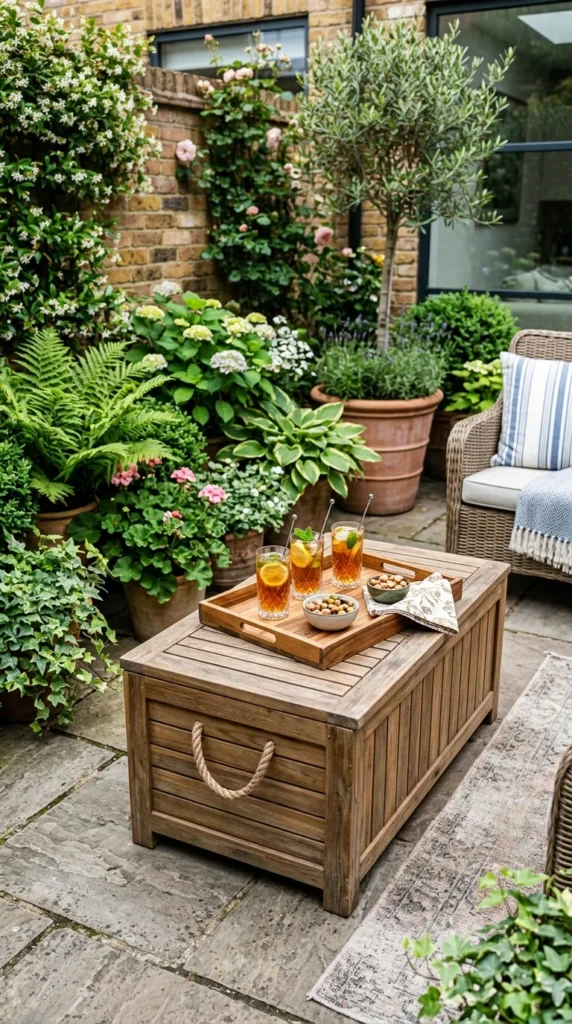
In modern garden design, furniture that serves more than one purpose is invaluable, especially in smaller environments.
- Storage Benches: These provide seating while hiding away garden tools, cushions, or children’s toys.
- Extendable Tables: Ideal for those who occasionally host large groups but want to maintain open space on a daily basis.
- Garden Stools: Ceramic or wooden stools can serve as side tables, extra seats, or even decorative plant stands.
6. Plush Cushions
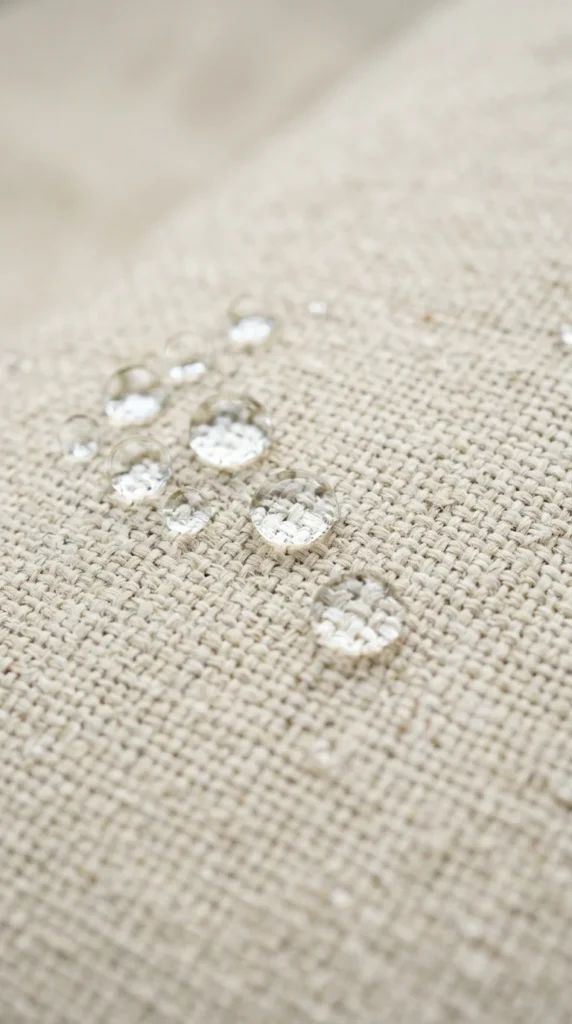
Comfort is the difference between a garden you look at and a garden you live in. The quality of your cushions determines how much time you will actually spend outdoors.
- Performance Fabrics: Look for solution-dyed acrylics (like Sunbrella). Unlike cheaper fabrics where the color is printed on top, these fibers are dyed all the way through, making them fade-resistant and easy to clean with bleach.
- Quick-Dry Foam: High-quality outdoor cushions use “open cell” foam that allows water to pass through quickly, preventing mold and mildew growth.
- Thickness: Aim for cushions at least 4 to 6 inches thick for lounging pieces to ensure you don’t feel the frame beneath.
7. Weather Resistance
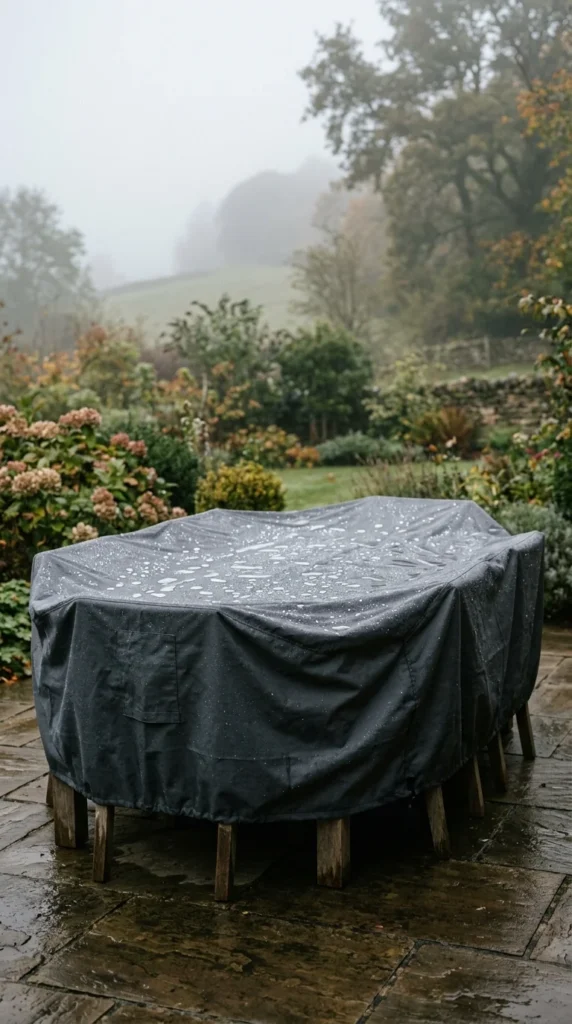
Even the most durable furniture benefits from protection. The longevity of your investment depends heavily on how you treat it during the off-season or extreme weather.
- UV Protection: Long-term sun exposure is the primary cause of fading and structural brittleness. Ensure your materials are UV-stabilized.
- Covers: Invest in heavy-duty, breathable covers. Airflow is vital to prevent moisture buildup and mold.
- Winter Storage: If you live in a climate with heavy snow or freezing temperatures, try to store furniture in a garage or shed if possible.
8. Ambient Lighting
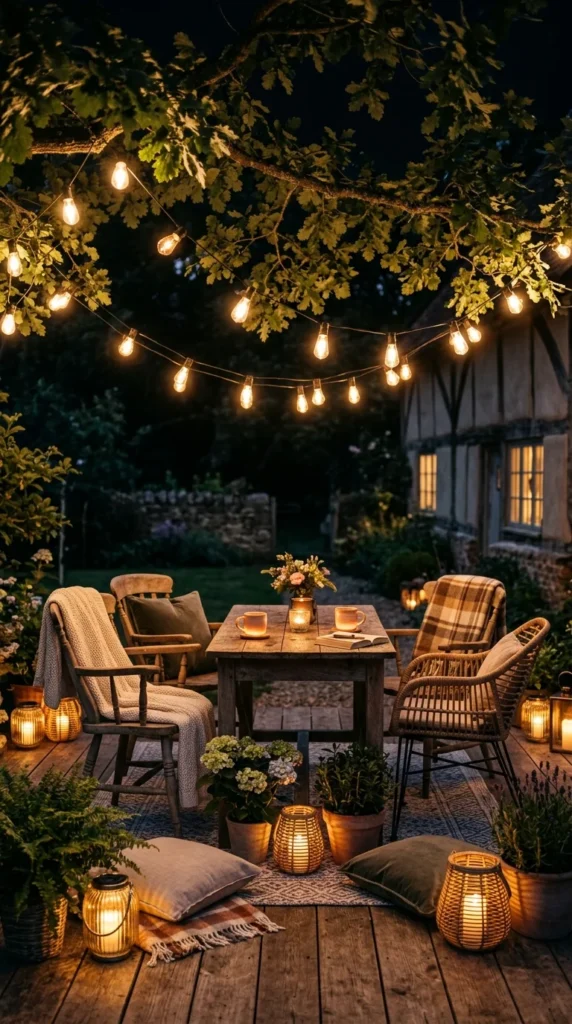
The functionality of your garden furniture shouldn’t end when the sun goes down. Lighting is the key to creating an inviting atmosphere for evening relaxation.
- Layered Lighting: Combine overhead string lights for visibility with low-level lanterns or LED candles for a soft glow.
- Task Lighting: If you have an outdoor kitchen or dining area, ensure there is focused light over the table and preparation surfaces.
- Safety: Use low-voltage path lights to highlight walkways and steps around your seating area to prevent trips.
9. Outdoor Rugs
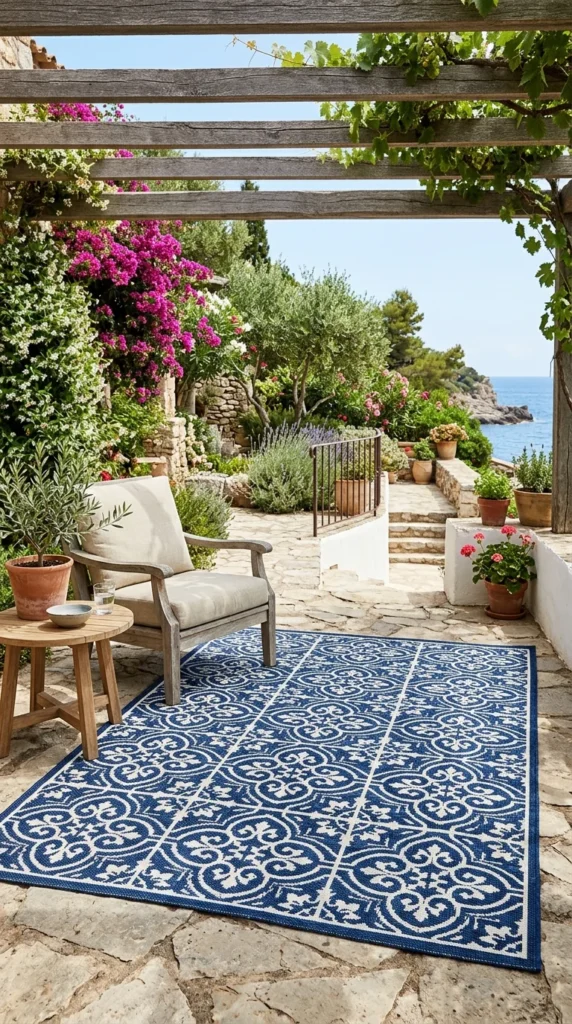
An outdoor rug is the “anchor” of a garden room. It ties disparate pieces of furniture together and adds a layer of softness underfoot that makes the space feel like a true interior room.
- Material: Most outdoor rugs are made from polypropylene, which is durable, easy to hose down, and resistant to stains.
- Size: Ensure the rug is large enough that the front legs of all seating pieces rest on it. A rug that is too small can make the entire space look cramped.
- Texture: Modern manufacturing allows for textures ranging from flat-weaves to plush piles that feel identical to indoor rugs.
10. Garden Parasols
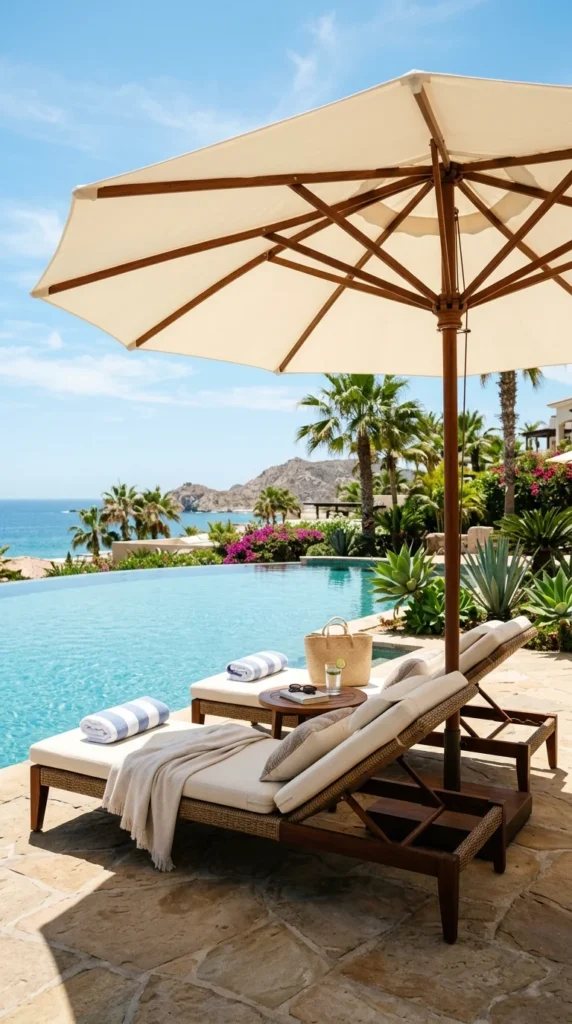
Protection from the sun is a health necessity and a comfort priority. A high-quality parasol allows you to enjoy your garden even during the hottest hours of the day.
- Cantilever vs. Center Pole: Cantilever (side-post) umbrellas are more versatile as they can be positioned to shade a seating area without a pole blocking the view. Center pole umbrellas are classic and stable for dining tables with pre-drilled holes.
- Tilt and Crank: Look for models with easy-to-use crank handles and tilting mechanisms so you can adjust the shade as the sun moves across the sky.
- Base Weight: Never underestimate the wind. Ensure your umbrella base is heavy enough to prevent the parasol from becoming a sail during a gust.
Choosing the right garden furniture is an investment in your lifestyle. By prioritizing high-quality materials like teak and aluminum, focusing on ergonomic comfort with performance fabrics, and planning your layout with care, you can create an outdoor sanctuary that provides beauty and relaxation for years to come. Remember that the best furniture is not just the most expensive, but the pieces that best fit your climate, your space, and how you intend to use your garden.