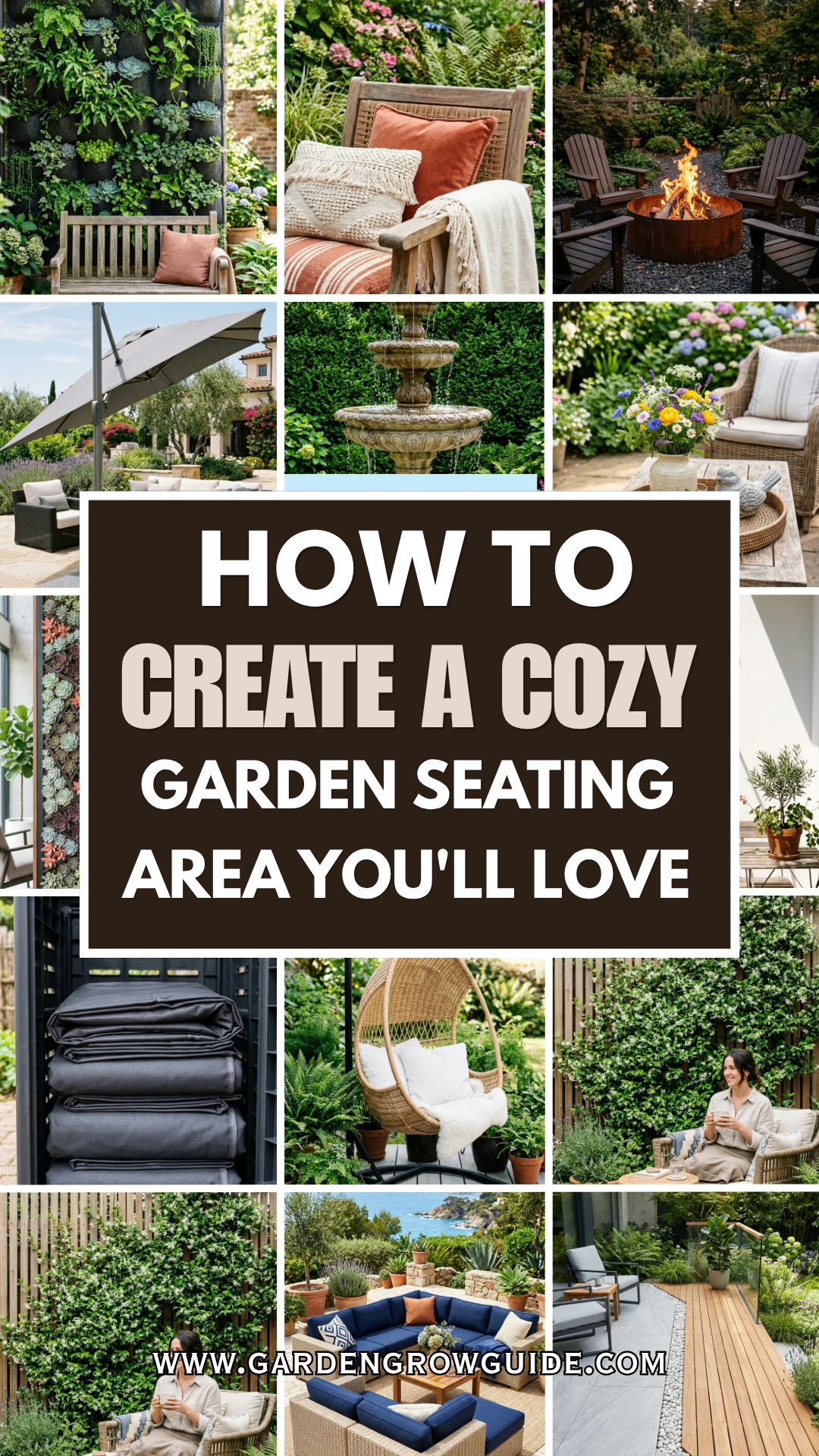
The garden is no longer just a patch of grass or a place for plants; it has evolved into an essential extension of the home. Creating a cozy garden seating area allows you to reclaim your outdoor space as a sanctuary for relaxation, meditation, and social connection. Whether you have a sprawling estate or a compact urban balcony, the principles of comfort, aesthetics, and functionality can transform any patch of earth into a private retreat. This guide explores the intricate details of designing an outdoor lounge that you will never want to leave.
1. Site Selection
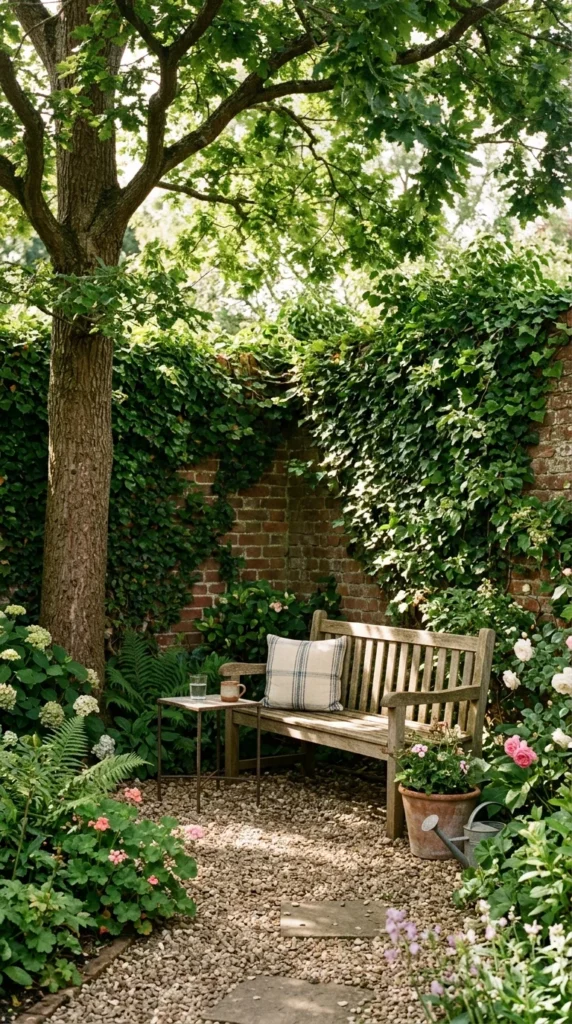
The first step in creating your sanctuary is identifying the “sweet spot” in your garden. Consider the movement of the sun throughout the day. If you envision morning coffees, a spot that catches the early eastern light is ideal. For evening cocktails, a west-facing area will capture the warmth of the sunset.
Beyond light, think about the microclimate. Is there a particular corner that is shielded from the wind? Is there a spot that offers naturally high levels of privacy from neighbors? Proximity to the house is also a practical factor—having your seating area close to the kitchen makes serving food and drinks significantly easier, whereas a “hidden” nook at the end of a winding path offers a more profound sense of escape.
2. Flooring Bases
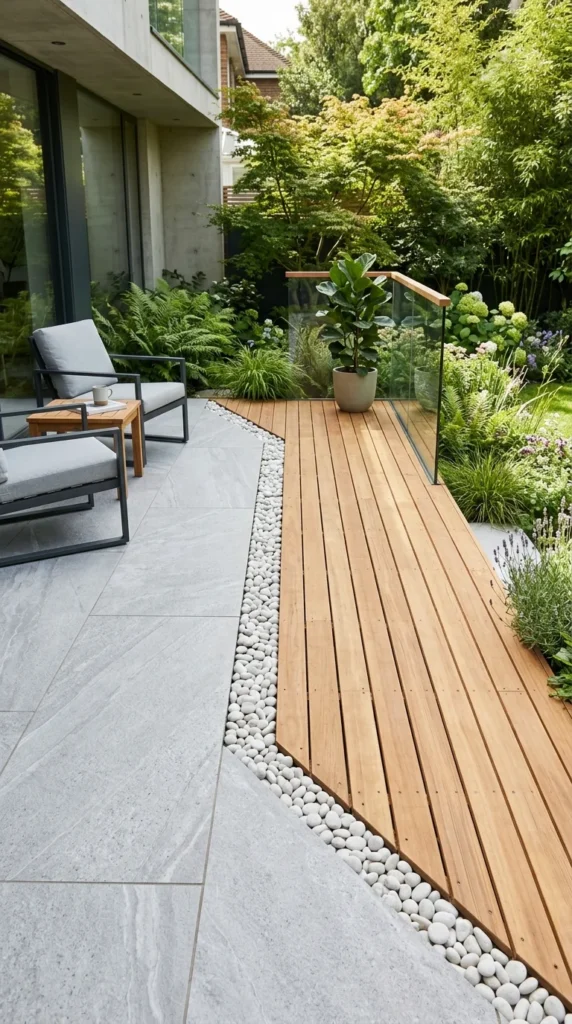
The foundation of your seating area defines the zone and provides stability for furniture. You have several options depending on your budget and desired aesthetic.
- Stone Pavers or Tiles: These offer a permanent, low-maintenance solution. Natural stone like sandstone or slate provides a rustic feel, while porcelain tiles can create a sleek, contemporary look.
- Wooden Decking: Timber or composite decking adds warmth and height. It is particularly effective for leveling out uneven ground.
- Gravel and Pea Shingle: This is an affordable and permeable option that provides a satisfying “crunch” underfoot. It works beautifully for Mediterranean or cottage-style gardens.
- Outdoor Rugs: If you are working with an existing concrete patio, an outdoor rug made from recycled plastics or treated fibers can instantly soften the space and add a pop of color.
3. Furniture Choice
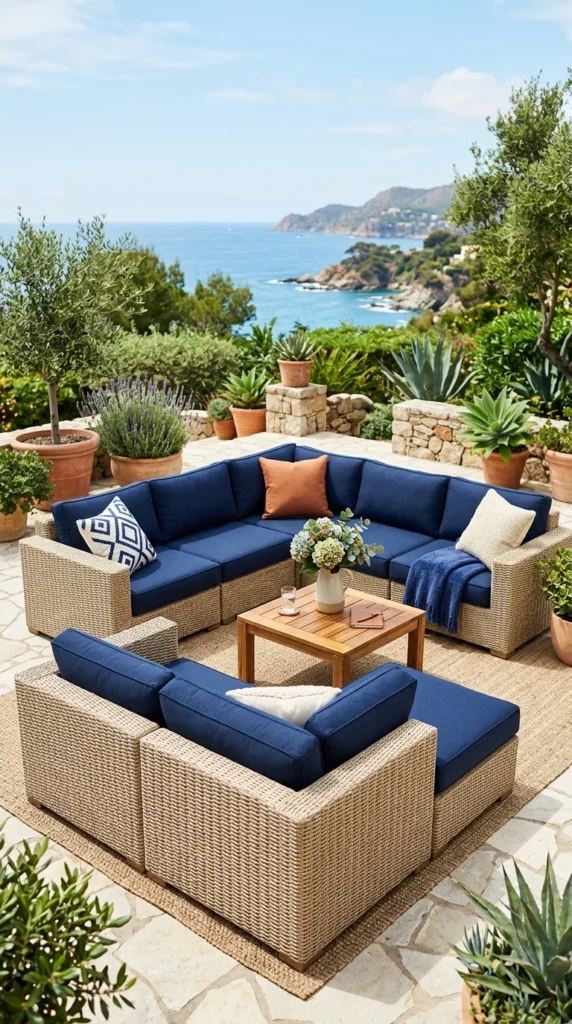
Comfort is the most critical element of a cozy seating area. If the chairs aren’t comfortable, the space won’t be used. Invest in the best quality your budget allows.
- Material Matters: Teak is a classic choice for its durability and natural oils, though it requires occasional maintenance. Aluminum is lightweight, rust-proof, and modern. Synthetic rattan (wicker) offers a cozy, woven texture that is highly weather-resistant.
- Scale and Proportion: Ensure your furniture fits the scale of the area. Oversized furniture in a small space can feel cramped, while tiny bistro sets can look lost in a large garden.
- Ergonomics: Look for deep-seated sofas and chairs with reclined backs. If you enjoy dining outdoors, consider “casual dining” sets—these feature a table height that sits between a coffee table and a standard dining table, allowing you to transition from eating to lounging seamlessly.
4. Soft Textiles
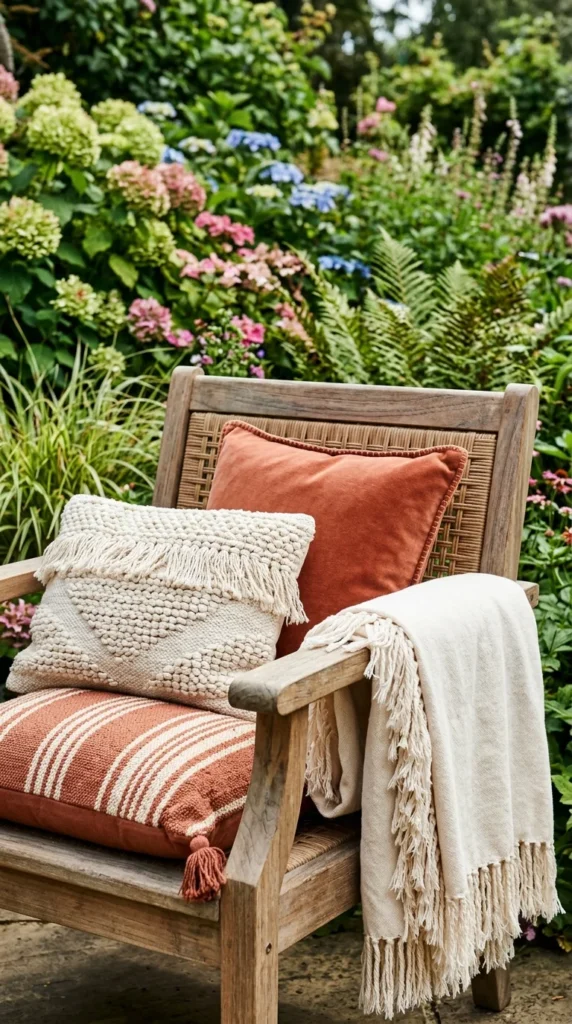
Textiles are the “secret sauce” of coziness. They bridge the gap between the hard surfaces of the outdoors and the soft comforts of the indoors.
- Weather-Resistant Fabrics: Modern outdoor fabrics are soft to the touch but treated to resist UV rays and water. Solution-dyed acrylics (like Sunbrella) are industry favorites because the color goes all the way through the fiber, preventing fading.
- Layering: Don’t stop at seat cushions. Add a variety of throw pillows in different shapes and textures.
- Throws for Chilly Evenings: Keep a basket of blankets (fleece, wool, or thick cotton) nearby. Even on a summer night, the temperature can drop, and having a wrap-around blanket extends the time you can spend outside.
5. Privacy Screens
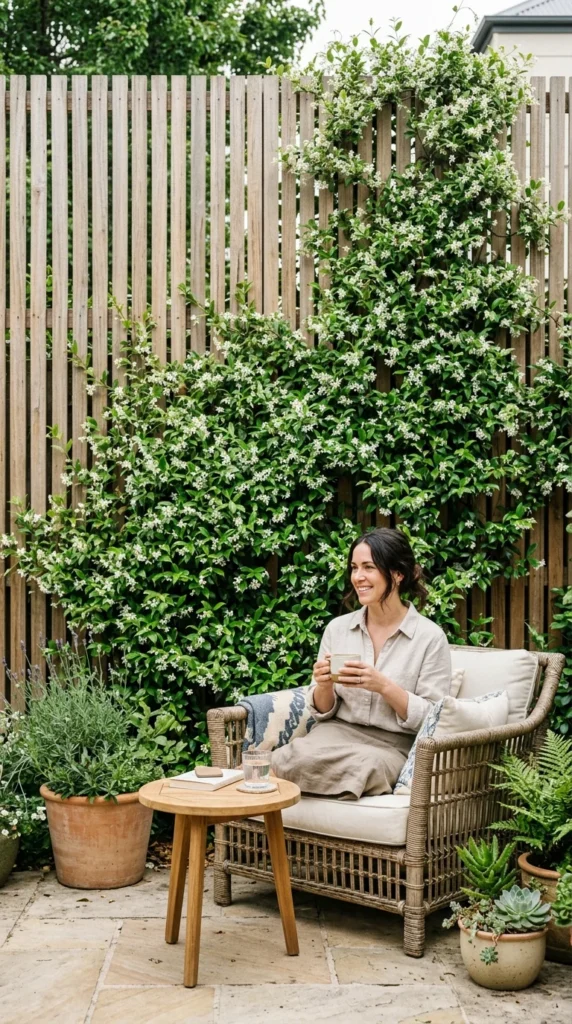
A cozy space feels like a hug, and that requires a sense of enclosure. If your garden feels too exposed, you won’t feel fully relaxed.
- Living Walls: Use tall plants like bamboo (in planters to prevent spreading), laurel, or hornbeam to create “green walls.” These not only block the view of neighbors but also act as sound buffers.
- Trellis and Climbers: A simple trellis with climbing roses, clematis, or honeysuckle provides a fragrant and beautiful screen.
- Decorative Panels: Laser-cut metal screens or wooden slat panels offer a modern, architectural way to define your space and create privacy without completely blocking light and airflow.
6. Ambient Lighting
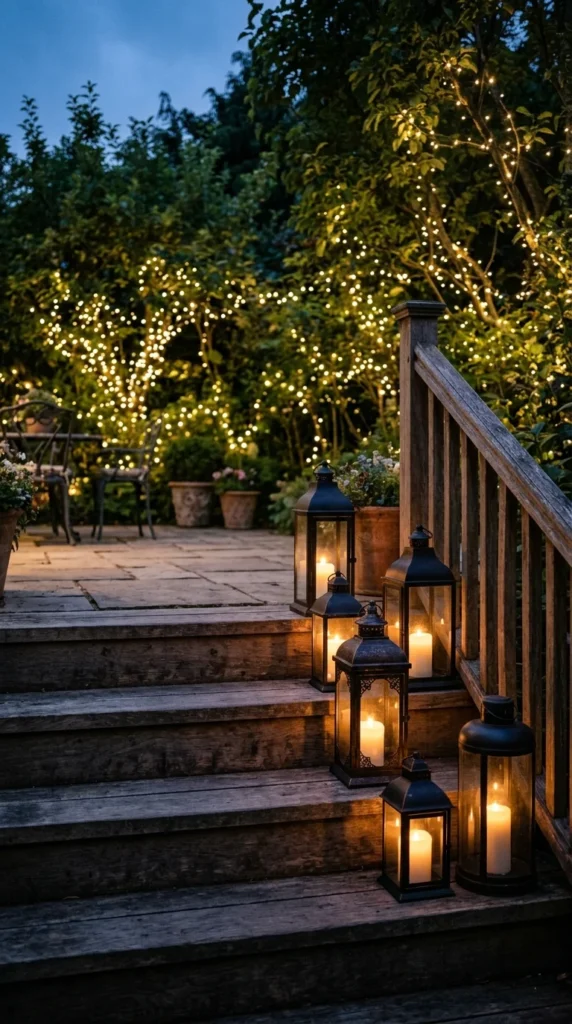
Lighting is what transforms a garden from a daytime utility to an evening destination. The goal is “layering” light rather than having one bright source.
- String Lights: Festoon or fairy lights draped overhead create an instant “cafe” atmosphere.
- Task Lighting: If you have an outdoor kitchen or a reading nook, ensure those areas have brighter, focused light.
- Accent Lighting: Use solar-powered spotlights to highlight a beautiful tree or a statue. This creates depth in the garden beyond the seating area.
- Lanterns and Candles: Nothing beats the flicker of a real flame. Use oversized lanterns with pillar candles (or high-quality LED candles) on tables and the floor to create a warm, intimate glow.
7. Fire Features
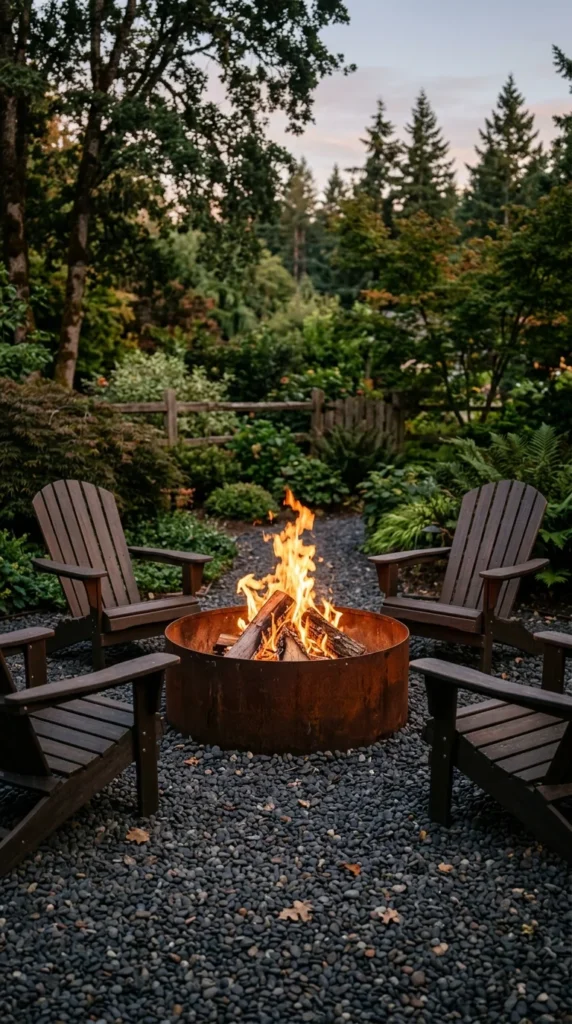
A fire feature is a natural focal point that draws people together. It provides warmth, light, and a primal sense of comfort.
- Fire Pits: These come in many styles, from rustic bowls to modern gas-powered tables. Gas fire pits offer “instant on” convenience with no smoke, while wood-burning pits provide the authentic crackle and scent of a campfire.
- Chimineas: These clay or metal structures are great for smaller spaces as they direct smoke upward through a chimney.
- Tabletop Burners: For very small patios or balconies, a bioethanol tabletop fire can provide the ambiance of a flame without the need for a large installation.
8. Vertical Greenery
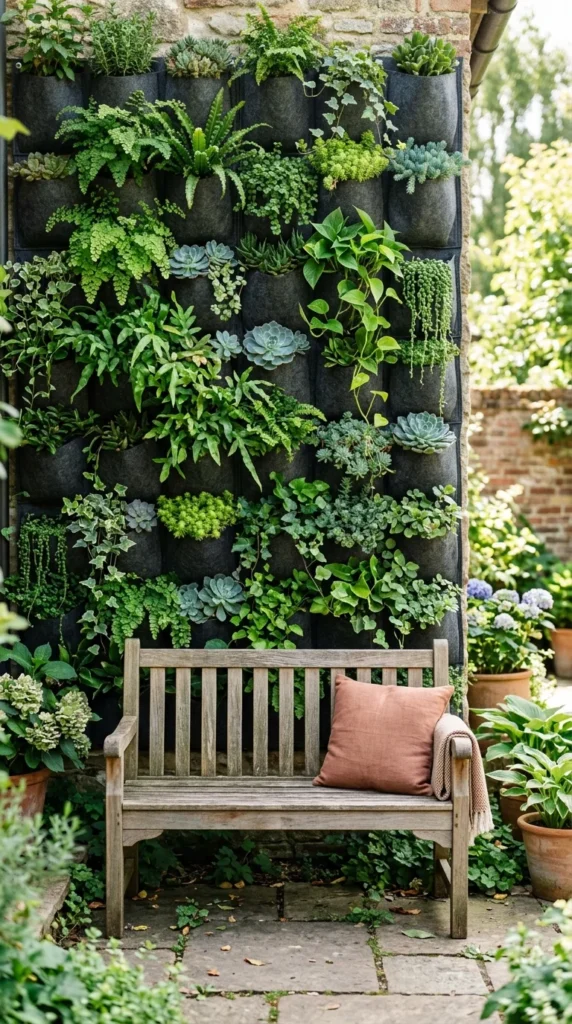
To make a seating area feel truly part of the garden, you must bring the plants close to the seating. Vertical gardening is a fantastic way to surround yourself with nature without sacrificing floor space.
- Hanging Baskets: Hang overflowing baskets of trailing petunias or ivy from pergolas or wall brackets.
- Tiered Planters: Use ladder-style shelving to display a collection of potted herbs or flowers at different heights.
- Surround Seating: Position large pots filled with tall grasses or fragrant lavender right next to the armrests of your chairs. This creates a sensory experience where you can smell and touch the plants as you sit.
9. Water Elements

The sound of running water is one of the most effective ways to induce relaxation. It also helps mask “white noise” like distant traffic or neighbors talking.
- Self-Contained Fountains: You don’t need a massive pond. A simple plug-and-play water feature can be placed on a side table or tucked into a corner.
- Bubbling Rocks: These features involve water pumping up through a hole in a natural rock and trickling down the sides. They are low-maintenance and very safe for pets and children.
- Bird Baths: Even a simple stone basin filled with water can bring the joy of birds splashing nearby, adding to the “living” feel of your garden sanctuary.
10. Decorative Accents
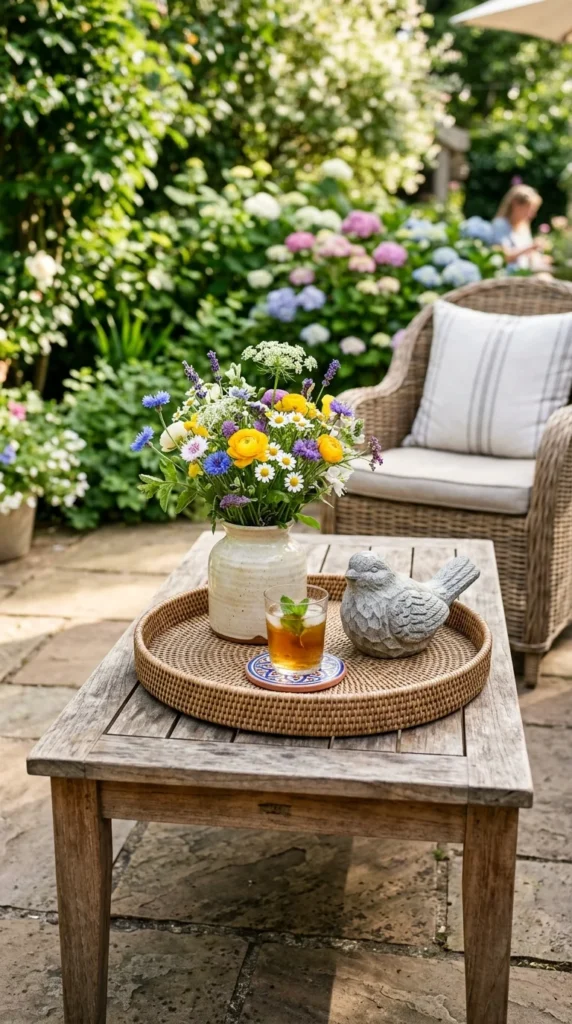
Personalize your space with the same care you would use for your living room. These small details make the space feel “finished.”
- Outdoor Art: Weatherproof sculptures, wall plaques, or even mirrors can be used to add personality. A mirror can also make a small, enclosed garden feel much larger by reflecting light and greenery.
- Trays and Vases: Use a tray to keep your outdoor coffee table organized. A simple vase with flowers cut from your own garden adds a touch of elegance.
- Color Palette: Stick to a cohesive color palette. Whether it’s “Coastal Blue,” “Desert Earth Tones,” or “Tropical Brights,” a consistent theme will make the area feel professionally designed.
11. Weather Protection
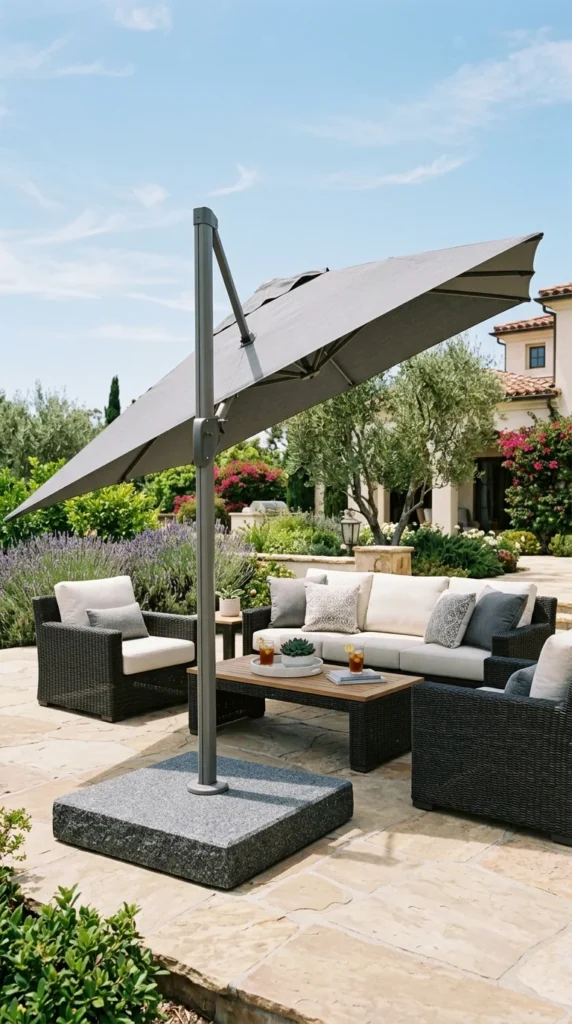
To maximize the use of your garden seating area, you need to account for the elements—both sun and rain.
- Parasols and Umbrellas: A large cantilever umbrella is highly versatile as it can be moved and tilted as the sun shifts.
- Pergolas: A permanent wooden or metal pergola provides a structure for climbing plants and can be fitted with a retractable fabric canopy for sun protection.
- Sail Shades: These triangular or rectangular pieces of fabric are tensioned between poles or walls. They offer a modern, architectural look and provide significant shade for large areas.
12. Seasonal Maintenance
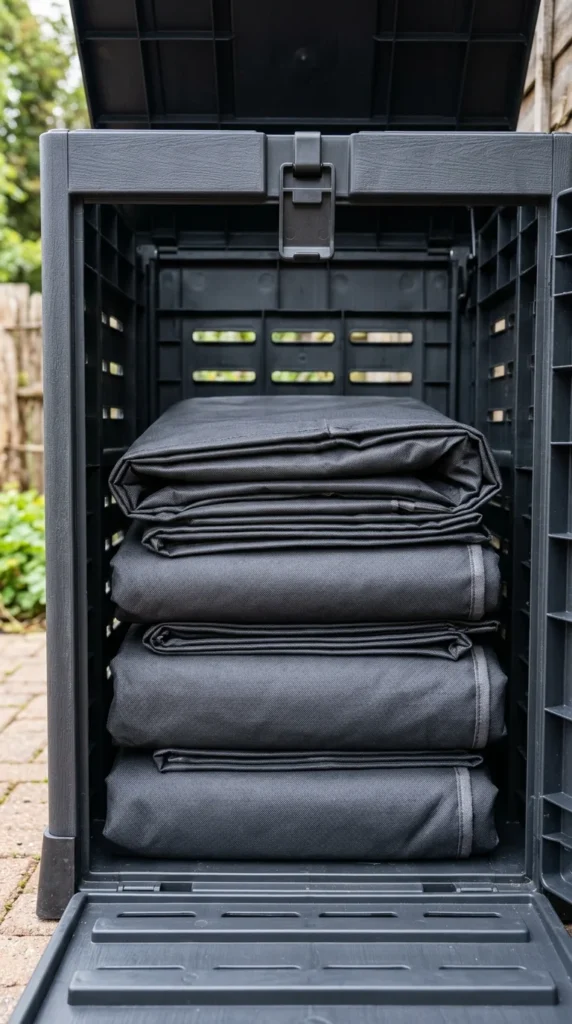
Finally, protecting your investment ensures your cozy spot stays beautiful for years to come.
- Storage Solutions: If you don’t have a shed, invest in a weatherproof storage box. This is the perfect place to toss cushions and blankets when the clouds roll in.
- Covers: For larger furniture, custom-fit waterproof covers are essential during the winter months.
- Cleaning: Give your furniture a thorough clean every spring. Wood may need a fresh coat of oil, and stone pavers might benefit from a pressure wash to remove moss and algae.
By thoughtfully combining these twelve elements, you can create an outdoor seating area that is more than just a place to sit—it becomes a destination, a retreat, and a cherished part of your home.