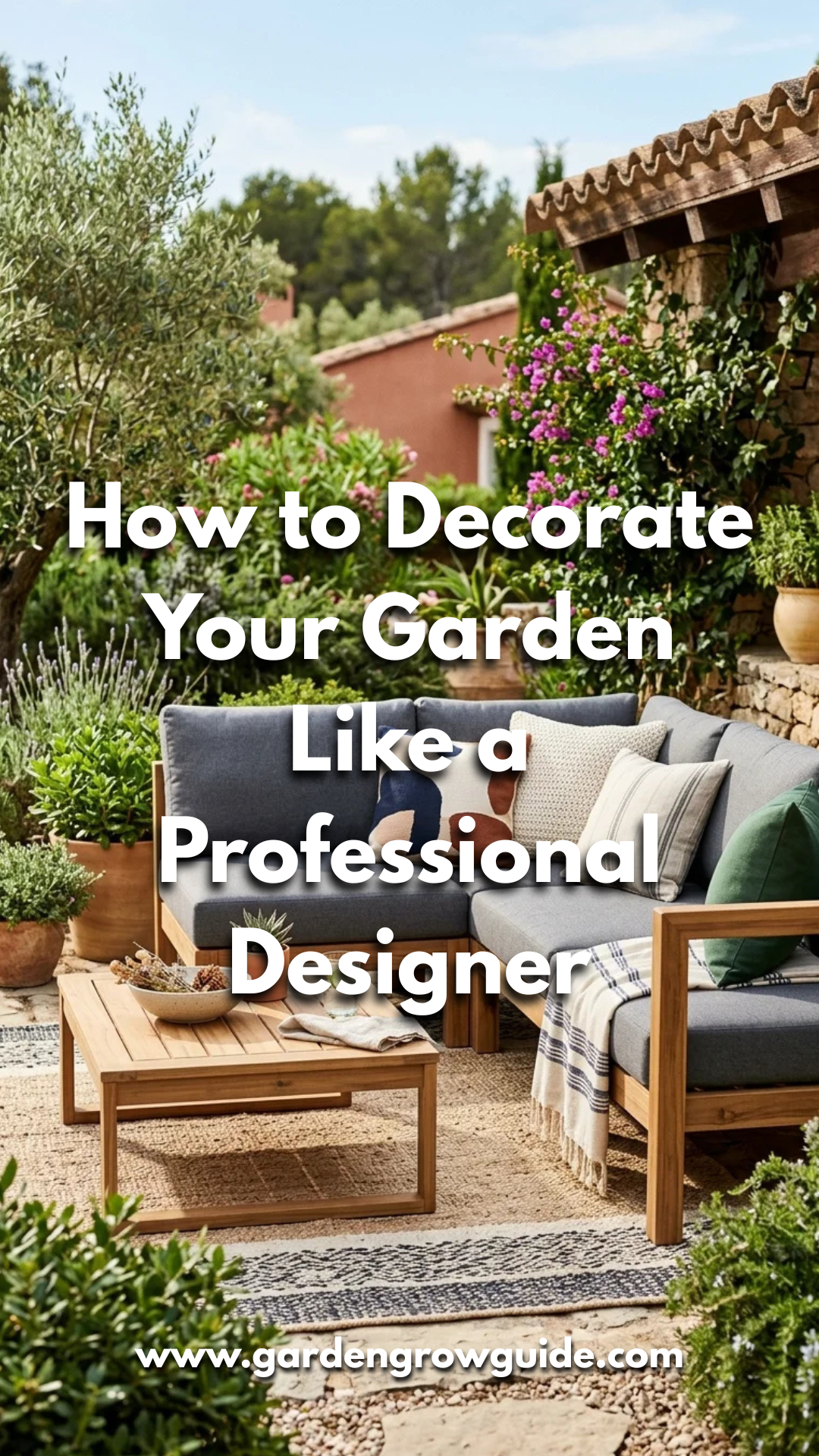
Creating a breathtaking garden is more than just planting a few flowers and mowing the lawn; it is about applying the principles of interior design to the outdoors. Professional landscape designers view a garden as an extension of the home—an “outdoor room” that requires structure, flow, and personality. By understanding the balance between “hardscaping” (the built environment) and “softscaping” (the living elements), anyone can transform a chaotic backyard into a serene, high-end sanctuary.
To achieve a professional look, you must look beyond individual plants and consider the space as a cohesive whole. This involves planning for year-round interest, creating functional zones, and selecting a sophisticated color palette. The following guide breaks down the essential strategies used by pros to elevate any garden space.
1. Focal Points
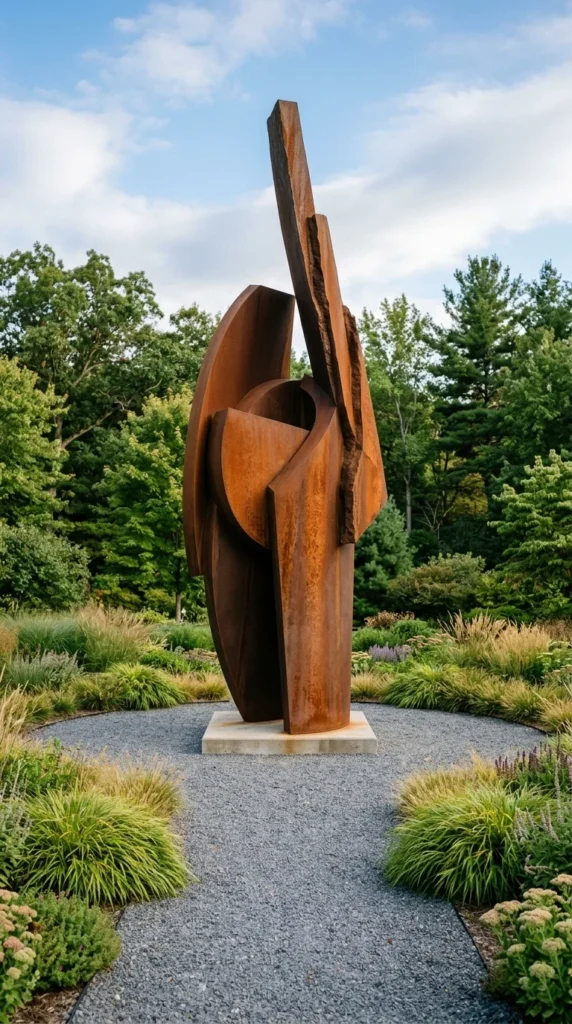
Every professional garden design starts with a focal point. This is the element that draws the eye and provides the viewer with a place to rest their gaze. Without a focal point, a garden can feel cluttered or aimless. Professionals often use large-scale items like a classical statue, a modern art installation, an architectural tree (like a Japanese Maple), or a striking water feature.
When placing a focal point, consider the sightlines from both inside the house and from the main entrance of the garden. The goal is to create a visual journey that pulls you into the space. If you have a larger garden, you can have multiple focal points, but they should be discovered sequentially rather than competing for attention all at once.
2. Layering Plants
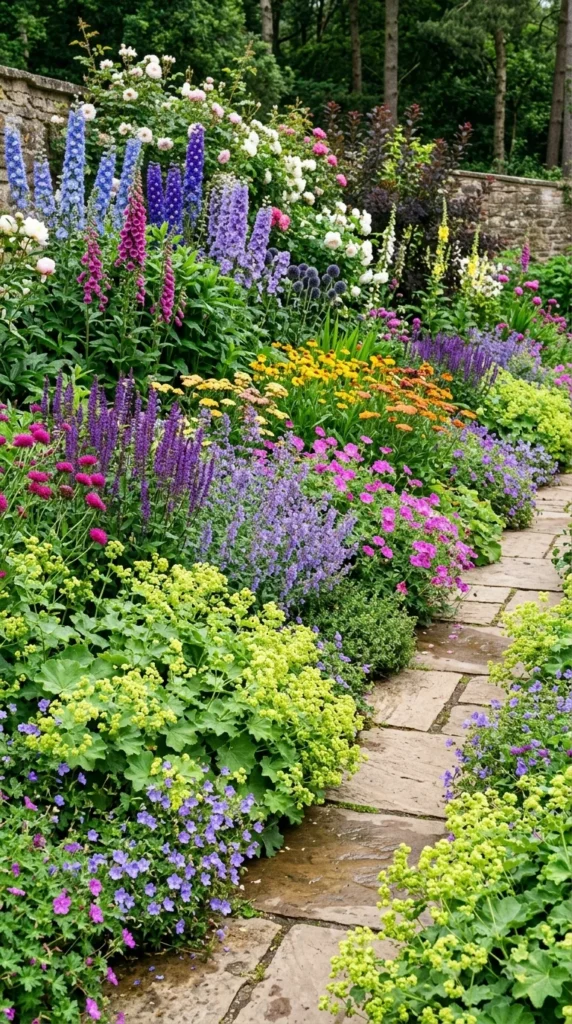
One of the most common mistakes DIY gardeners make is planting in single rows or at a uniform height. Professional designers use “layering” to create depth and lushness. This technique involves organizing plants by height, texture, and form.
Typically, the “back” layer consists of tall evergreens or hedges that provide a year-round green backdrop. The middle layer is where the “action” happens, featuring deciduous shrubs, ornamental grasses, and perennial flowers that offer changing colors through the seasons. The front layer, or the “edge,” consists of low-growing plants and groundcovers that soften the transition between the planting bed and the lawn or patio. This tiered approach mimics nature and makes the garden feel more established and intentional.
3. Hardscaping Materials
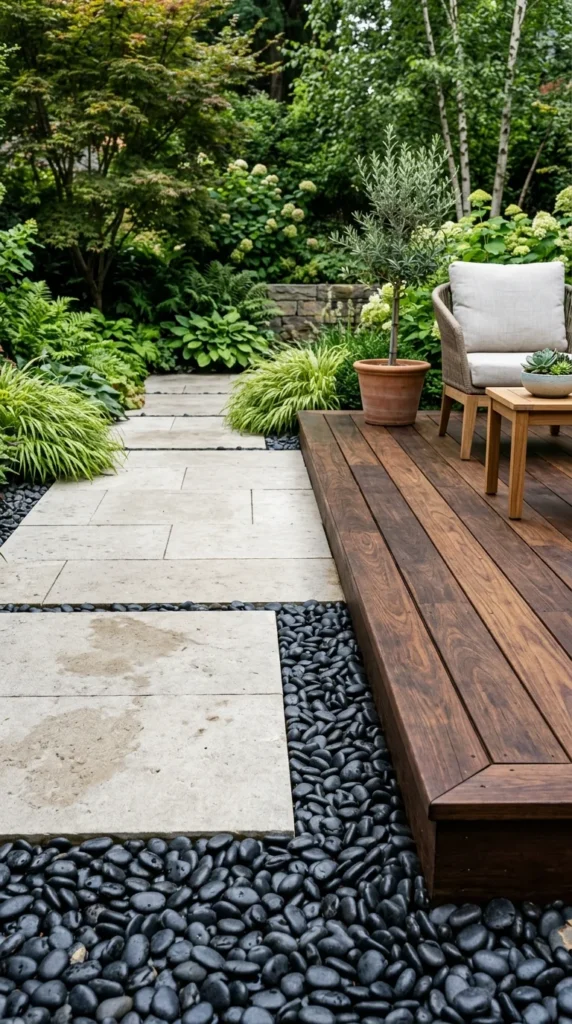
Hardscaping is the “skeleton” of your garden. It provides the structure that holds the living elements together. To design like a pro, consistency in materials is key. Instead of using five different types of stone and wood, professional designers usually stick to a limited palette of two or three high-quality materials that complement the architecture of the house.
If your home is modern, sleek materials like poured concrete, slate, or composite decking work best. For a traditional or cottage-style home, weathered brick, cobblestones, or natural flagstone are more appropriate. Ensure that paths are wide enough for two people to walk side-by-side (usually 4 to 5 feet), which instantly gives the garden a more generous, “designed” feel.
4. Outdoor Lighting
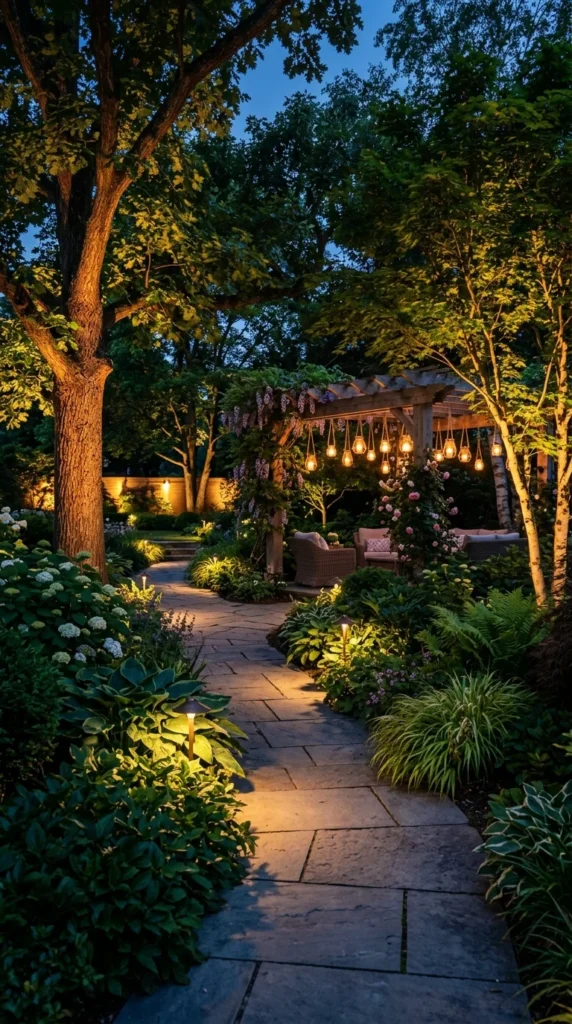
A garden should be just as beautiful at night as it is during the day. Professional lighting is not about flooding the area with bright light; it is about highlighting specific features and creating atmosphere. Designers use a “layered” lighting approach:
- Uplighting: Placing lights at the base of trees or statues to create dramatic silhouettes.
- Path Lighting: Small, low-to-the-ground fixtures that guide movement safely without glare.
- Ambient Lighting: String lights, lanterns, or “moonlighting” (lights placed high in trees pointing downward) to provide a soft glow over seating areas.
By hiding the light sources behind foliage or structures, you create a magical, ethereal environment that extends the usability of the garden into the late evening.
5. Water Features
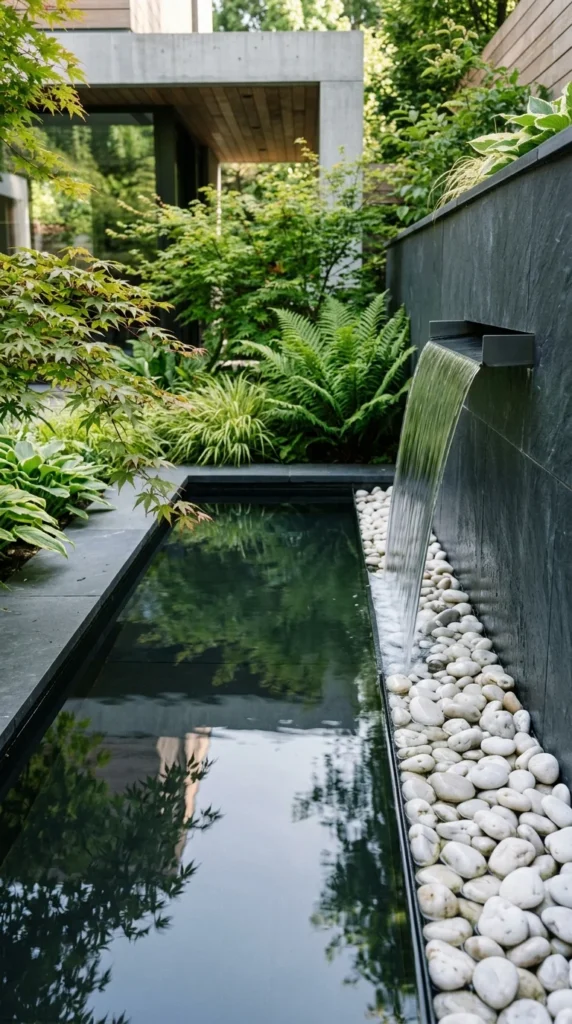
The sound of moving water is one of the most effective ways to create a professional, spa-like atmosphere. Beyond the aesthetic appeal, water features serve a functional purpose: they provide white noise that can mask the sound of nearby traffic or neighbors.
You don’t need a massive pond to achieve this effect. A simple “plug-and-play” stone fountain, a minimalist water wall, or a shallow reflecting pool can transform the mood of the space. Designers often place water features near seating areas or windows so the soothing sound and visual reflections can be enjoyed both outdoors and from within the home.
6. Defined Zones
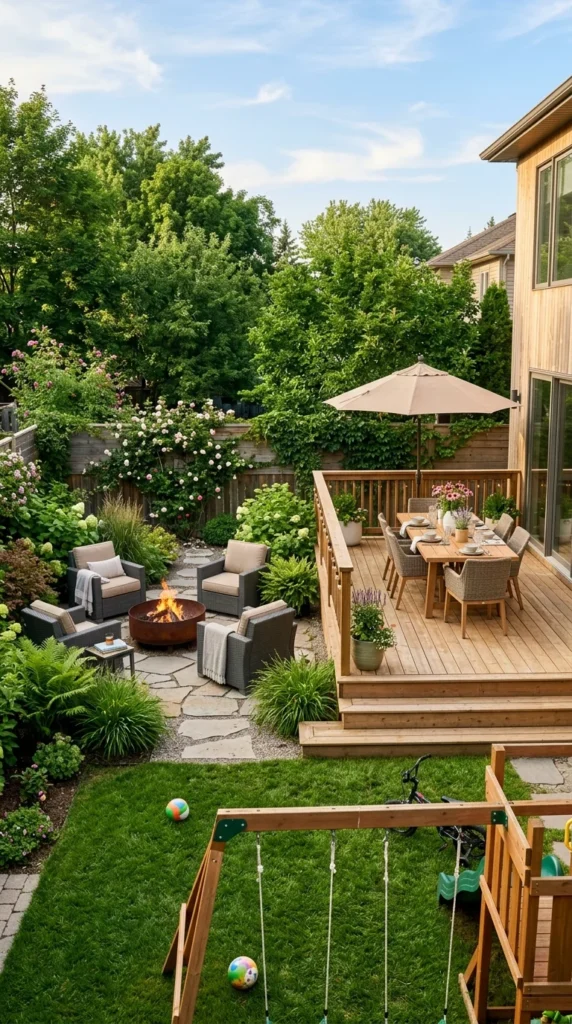
A professional garden is rarely just one big open space. Instead, it is divided into “outdoor rooms” or zones. Each zone should have a specific purpose—dining, lounging, gardening, or playing.
To define these zones without building walls, designers use “soft” dividers. This could be a change in ground material (moving from grass to gravel), a low boxwood hedge, or a trellis covered in climbing roses. Using outdoor rugs is another designer trick to “anchor” furniture in a specific zone, making the large outdoor space feel cozy and organized.
7. Color Palettes
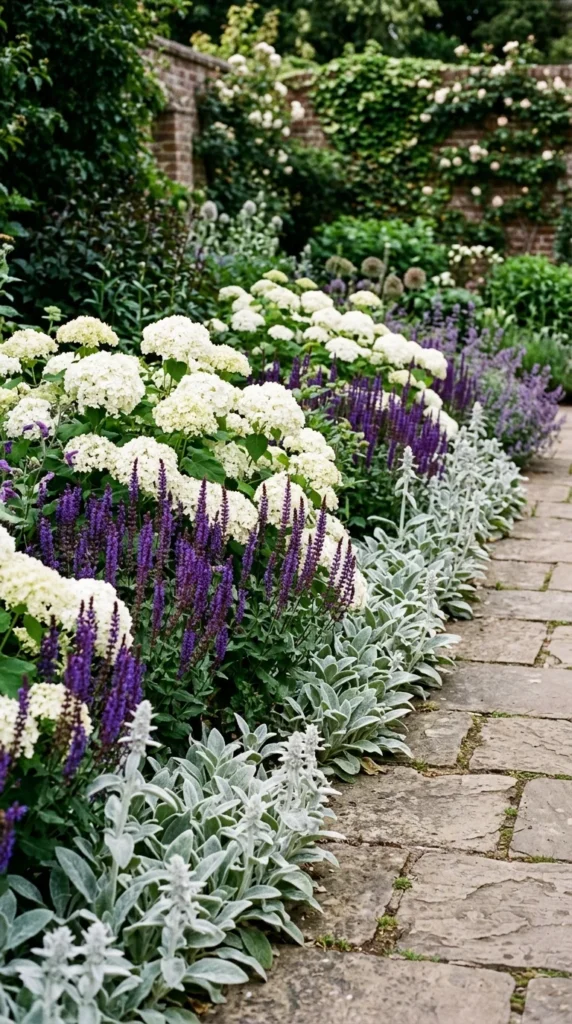
While it is tempting to buy every beautiful flower at the nursery, a “skittles” garden (one with every color imaginable) often looks messy rather than designed. Professionals work with a strict color palette to create harmony.
- Monochromatic: Using different shades of a single color (e.g., all white flowers) for a clean, modern look.
- Analogous: Colors that are next to each other on the color wheel (e.g., blues, purples, and pinks) for a calm, relaxing vibe.
- Complementary: High-contrast colors (e.g., purple and yellow or orange and blue) for a vibrant, high-energy garden.
Don’t forget the “green” palette—mixing different shades of foliage, from chartreuse to deep forest green, is just as important as the flower colors.
8. Garden Furniture
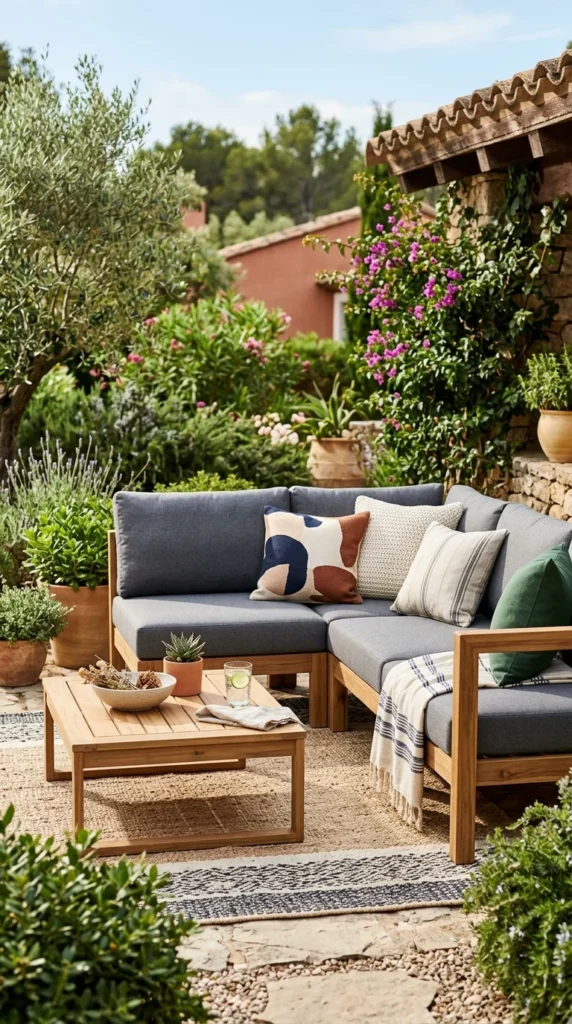
In a professionally designed garden, the furniture is not an afterthought; it is a key design element. Avoid cheap plastic sets and opt for materials that bridge the gap between indoor luxury and outdoor durability. Teak, powder-coated aluminum, and high-quality resin wicker are favorites among designers.
The key to a “pro” look is accessorizing. Treat your outdoor seating like a living room. Add weather-resistant pillows, throw blankets for chilly evenings, and an outdoor rug to tie the space together. Scale is also crucial—oversized furniture in a small garden will make the space feel cramped, while small furniture in a large garden will look lost.
9. Textural Contrast
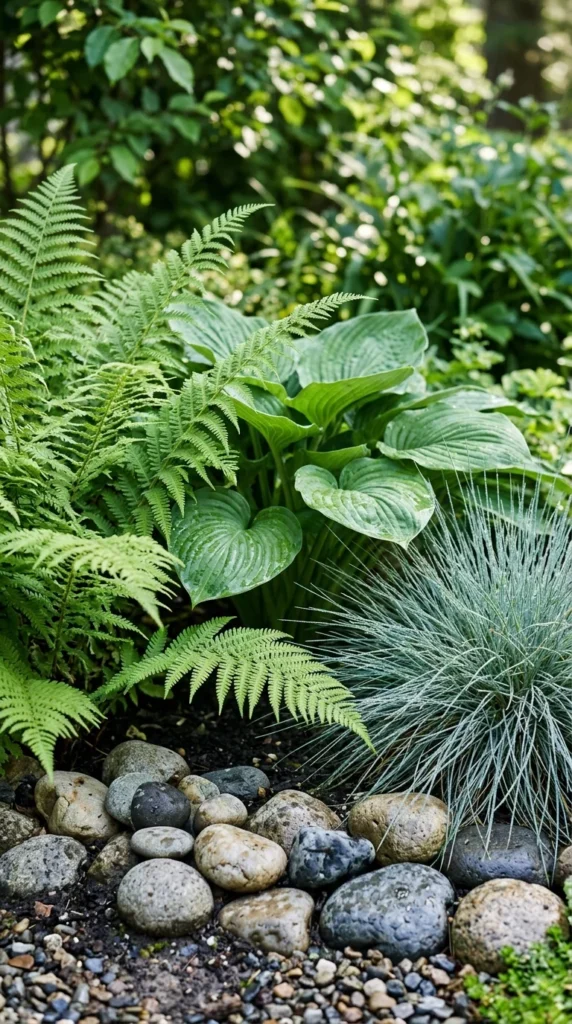
Texture is the secret weapon of professional designers. It refers to how a plant or material looks like it would feel. By mixing textures, you create visual interest even when nothing is in bloom.
Contrast “fine” textures (like airy ornamental grasses or dill) with “coarse” textures (like large-leafed hostas or succulents). The juxtaposition of a soft, fuzzy leaf against a sharp, spiky grass creates a dynamic energy that keeps the eye moving. This principle applies to hardscaping too—pairing smooth, polished stone with rough-hewn wood creates a sophisticated, high-end aesthetic.
10. Vertical Gardening
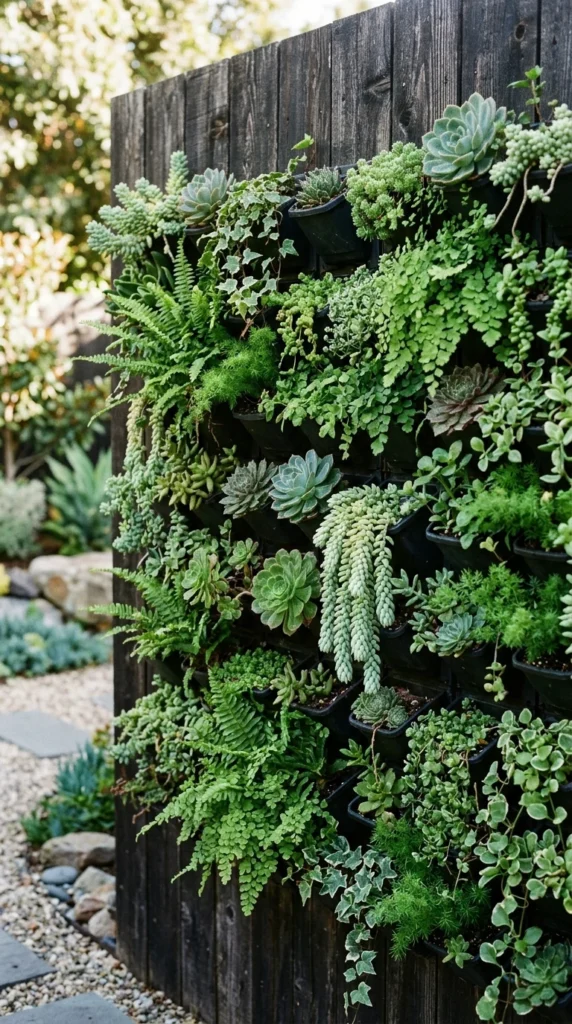
If you have a small garden, professional designers suggest looking up. Vertical gardening adds a new dimension to the space and can hide unsightly fences or walls.
This can be achieved through the use of trellises with climbing vines like clematis or wisteria, “living walls” with built-in irrigation, or even just a series of wall-mounted planters. Using the vertical plane makes a small garden feel much larger and provides a sense of enclosure and privacy, which is essential for a professional, “secret garden” feel.