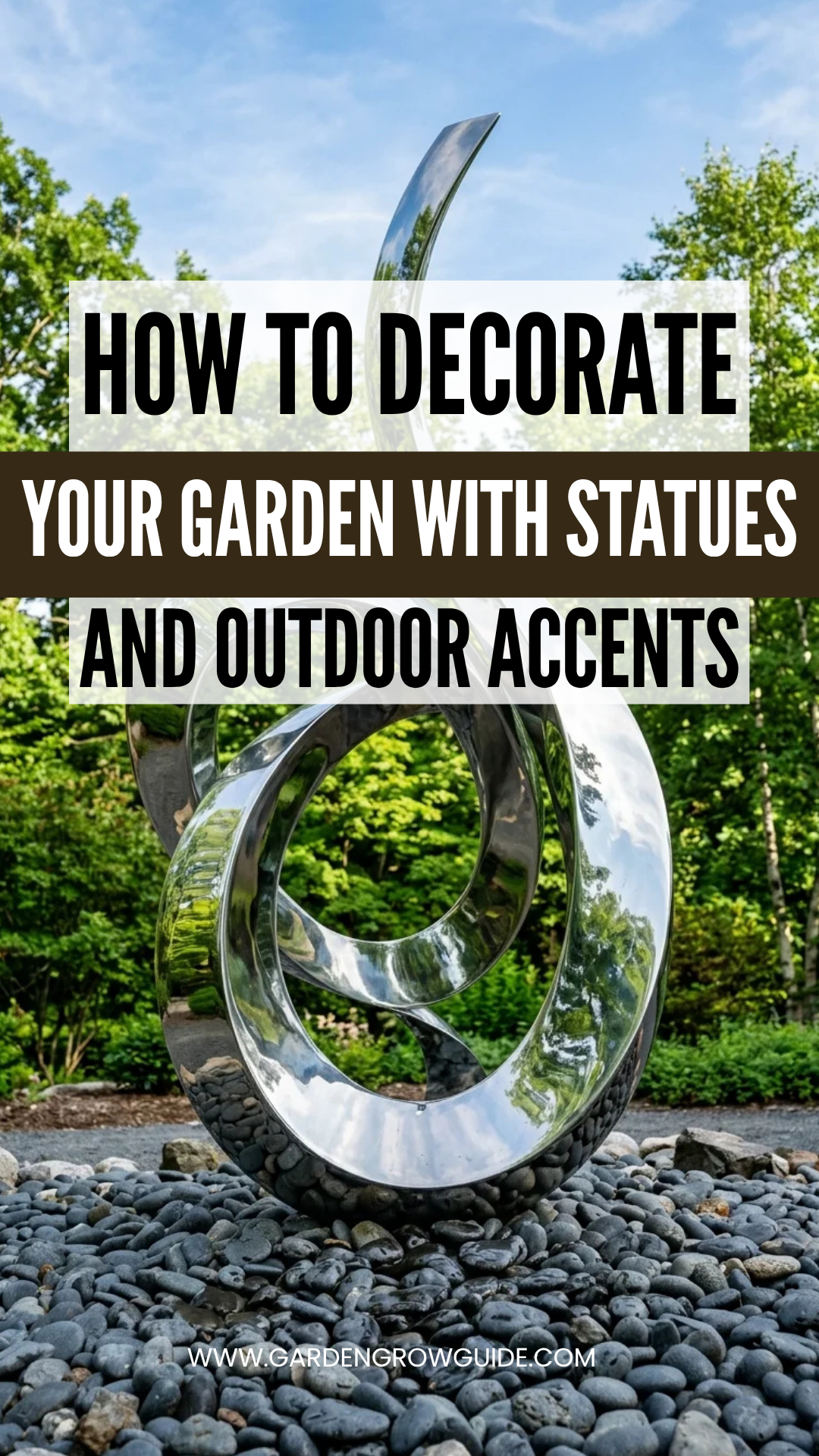
Decorating a garden is much like furnishing a room; while plants provide the “wallpaper” and “carpeting,” statues and outdoor accents serve as the fine art and statement pieces that define the space’s character. Integrating these elements requires a balance of scale, style, and placement to ensure the garden feels like a cohesive sanctuary rather than a cluttered storage space. From classical marble busts to whimsical metal animals, the right accents can turn a simple backyard into a professional-grade landscape.
1. Focal Points

Every successful garden design begins with a focal point. A focal point is a visual “anchor” that captures the viewer’s attention and directs their movement through the space. When placing statues, consider “sightlines”—the views from windows, doorways, or the start of a path. A large, striking sculpture placed at the end of a walkway creates a sense of purpose and destination. In smaller gardens, a single high-quality accent is often more effective than several smaller pieces, as it prevents the eye from becoming overwhelmed and helps the space feel larger and more intentional.
2. Classical Statues
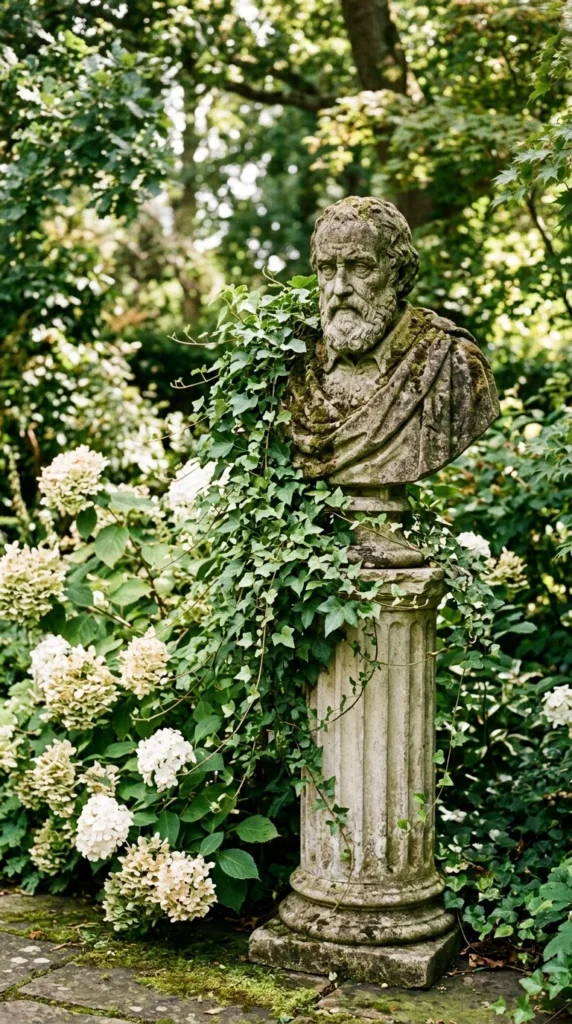
Classical statues bring a sense of history, timelessness, and elegance to a landscape. Typically inspired by Greek, Roman, or Renaissance art, these pieces often feature human figures, cherubs, or mythological motifs. To master this look, place classical pieces in formal garden settings characterized by symmetry and straight lines. Utilizing pedestals is key here; elevating a statue not only protects it from damp soil but also gives it the prominence it deserves. Materials like cast stone, marble, or high-quality resin that mimics aged concrete work best for this aesthetic.
3. Modern Abstracts

For homeowners with contemporary architecture, modern abstract sculptures offer a sophisticated way to complement clean lines and minimalist planting schemes. These pieces focus on form, texture, and light rather than representation. A mirror-finished steel orb or a geometric weathered steel (Corten) structure provides a stunning contrast against the soft textures of ornamental grasses or ferns. Modern accents often look best when surrounded by negative space, allowing their unique silhouettes to stand out without distraction.
4. Animal Figures
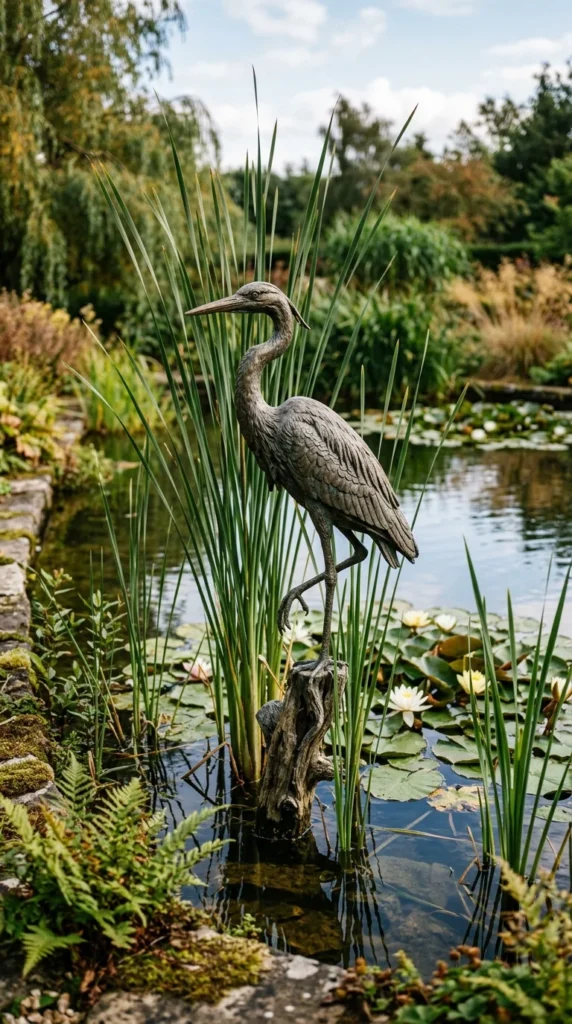
Animal statuary adds a layer of life and movement to the garden, even in the dead of winter. The secret to using animal figures effectively is placement that mimics nature. A bronze rabbit tucked under a hosta leaf, a stone owl perched on a low tree branch, or a group of metal cranes near a water feature feels organic and surprising. Avoid placing animal statues in the middle of an open lawn where they can look “lost”; instead, nestle them into the landscape so they appear as though they just wandered in.
5. Water Features
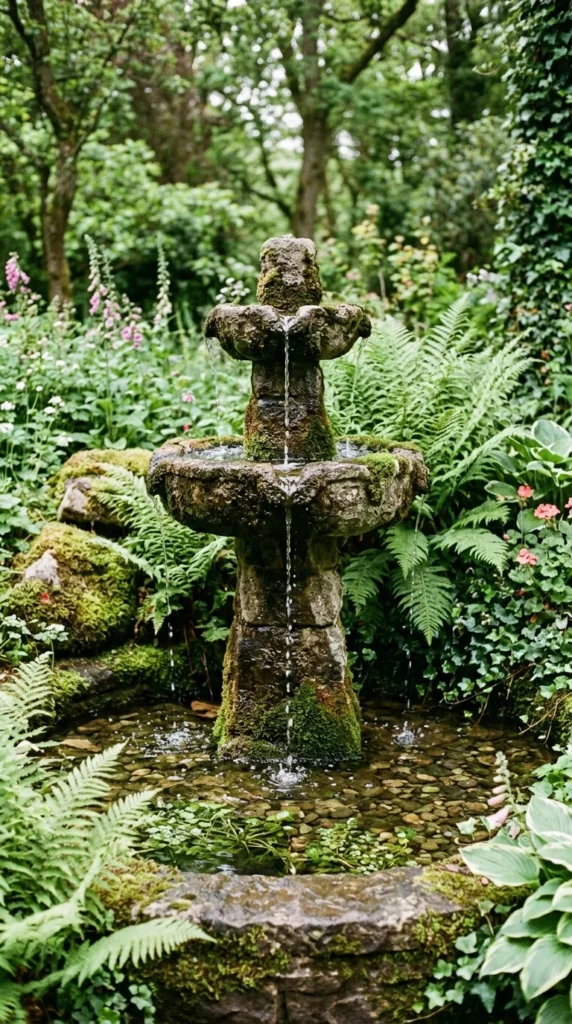
While technically functional, water features are among the most impactful outdoor accents. The sound of trickling water masks neighborhood noise and creates a tranquil atmosphere. Whether it is a grand tiered fountain, a simple basalt column, or a wall-mounted lion’s head spout, water features serve as both a visual and auditory centerpiece. To enhance the effect, surround the base with moisture-loving plants like irises or caladiums, which bridge the gap between the hard stone of the feature and the soft earth of the garden.
6. Garden Gnomes
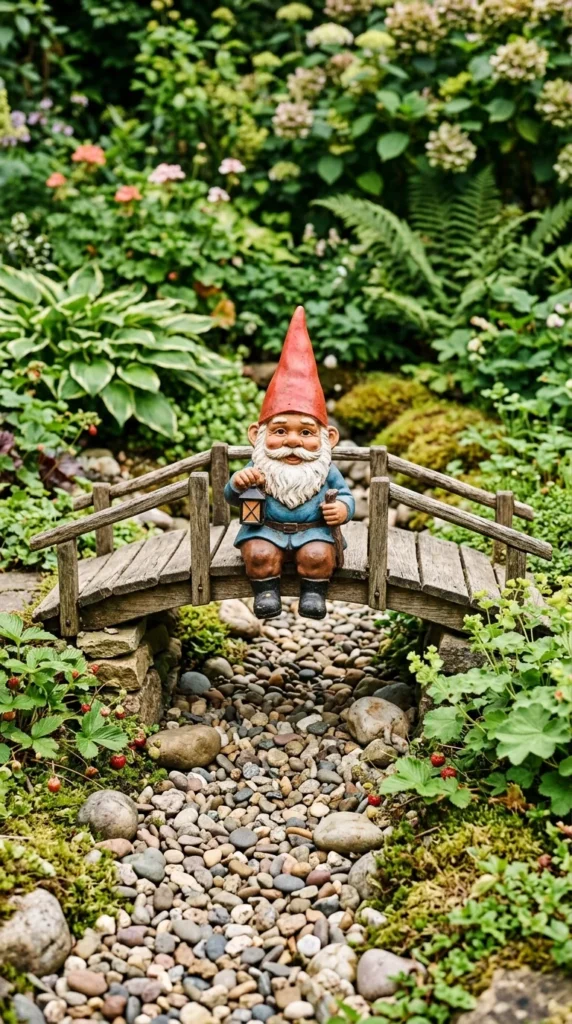
Garden gnomes and whimsical figurines bring a sense of playfulness and “folk art” charm to a backyard. While sometimes viewed as kitschy, they can be incredibly effective in “secret gardens” or children’s play areas. The key to decorating with gnomes is to lean into the storytelling aspect. Create small “scenes” using miniature houses, tiny bridges, and small-scale plants like creeping thyme. This creates a “fairy garden” effect that invites visitors to lean in and explore the hidden details of your landscape.
7. Stone Benches

A decorative bench is one of the few garden accents that provides both beauty and utility. A stone or wrought-iron bench serves as a “visual resting place,” signaling to the viewer that the garden is a place for contemplation. Even if the bench is rarely sat upon, its presence makes the garden feel hospitable. Place benches in “threshold” areas—where a path turns or under a large shade tree—to create a natural invitation to stop and enjoy the view. Pairing a bench with a small side table or a nearby statue can create a complete outdoor “room” vignette.
8. Decorative Lanterns
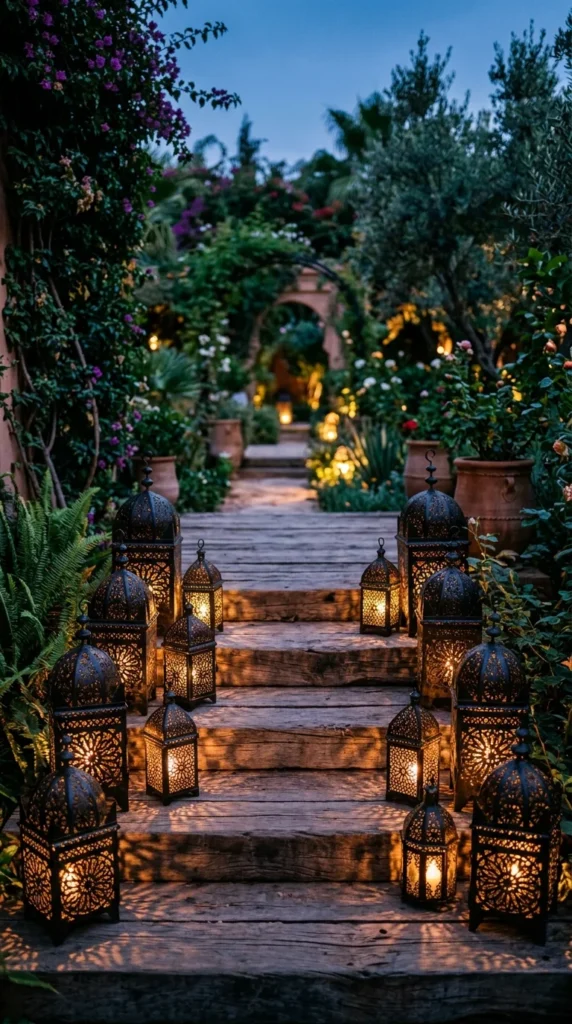
Lighting is an essential but often overlooked garden accent. Decorative lanterns, whether solar-powered, battery-operated, or housing real candles, add a magical glow to the garden after dark. Hanging lanterns from the sturdy branches of an oak tree or lining a stone staircase with oversized floor lanterns creates a rhythmic, guiding light. Metal lanterns with intricate filigree patterns are particularly effective because they cast beautiful, complex shadows onto nearby foliage, adding a layer of drama and mystery to the evening landscape.
9. Birdbaths
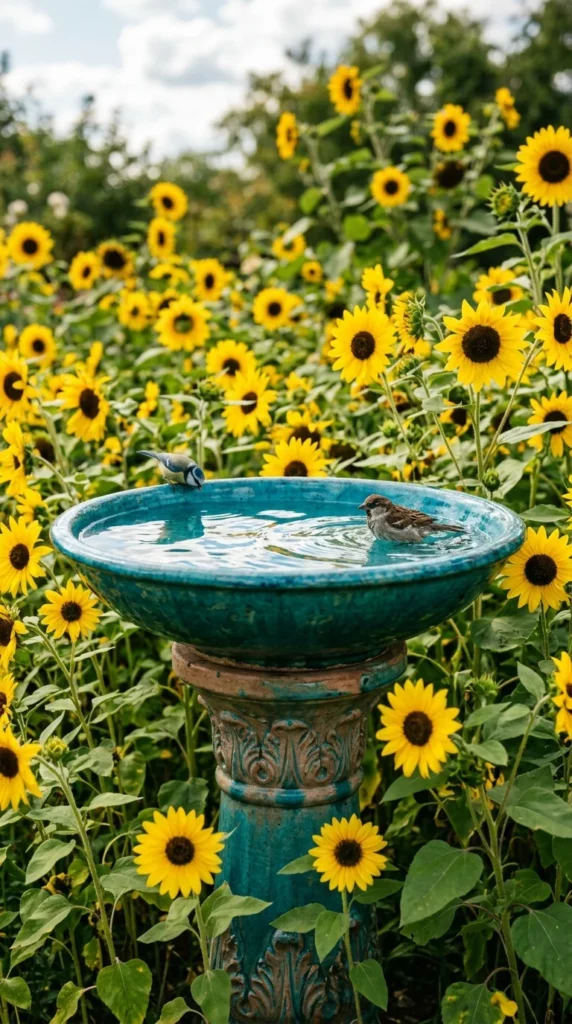
Birdbaths are the perfect intersection of art and ecology. A well-chosen birdbath provides a vital water source for local wildlife while serving as a colorful sculptural element. When choosing a birdbath, consider the texture of the basin; birds prefer a slightly rough surface where they can maintain their footing. Position the birdbath in a relatively open area so birds feel safe from predators, but close enough to shrubs where they can quickly retreat. The shimmering surface of the water also acts as a mirror, reflecting the sky and adding light to shaded corners of the garden.
10. Mirror Accents
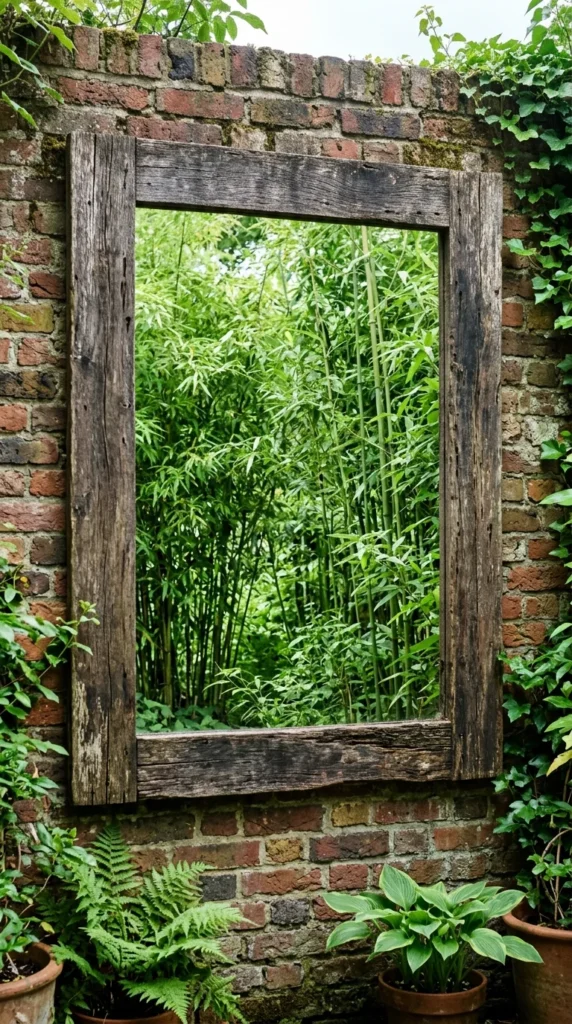
Using mirrors in an outdoor setting is a professional designer’s trick for making small urban gardens feel expansive. An outdoor-rated mirror mounted on a fence or wall can “double” the amount of greenery in the space and create the illusion of a doorway leading to another part of the garden. To keep the look natural, choose frames that match your garden’s aesthetic—such as rustic reclaimed wood or aged copper—and partially obscure the edges with climbing vines like clematis or jasmine to soften the transition.
11. Wind Chimes
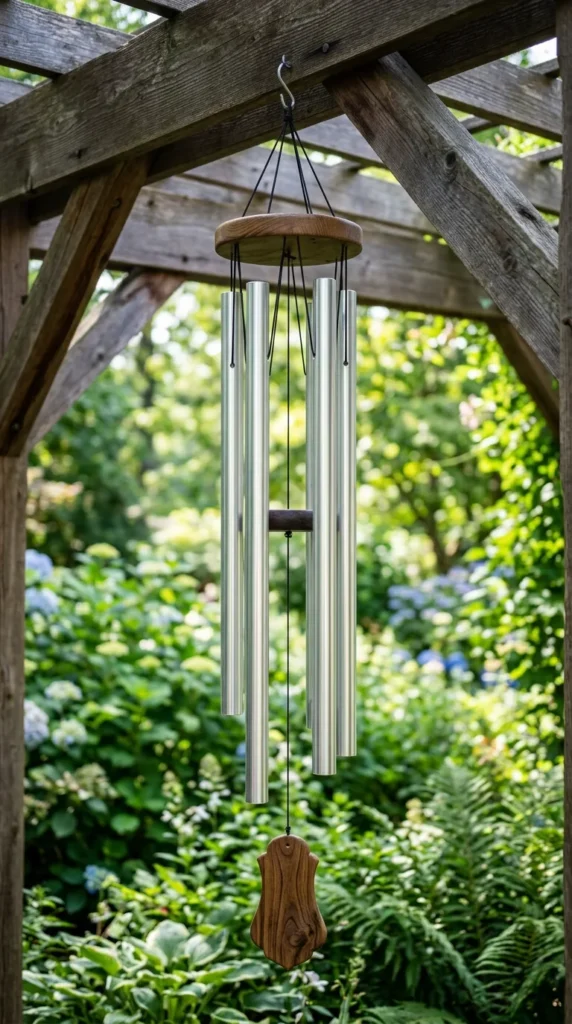
Wind chimes add a sensory dimension to the garden that statues alone cannot provide. From the deep, resonant tones of large metal tubes to the light, tinkling sound of bamboo or glass, chimes interact with the environment in real-time. To incorporate them as an accent, hang them where they can catch a consistent breeze, such as near a corner of the house or under an arbor. Choose a scale that matches your space; large, deep-toned chimes are excellent for wide-open spaces, while delicate glass chimes are better suited for intimate patios where their sound won’t become overwhelming.
12. Maintaining Your Accents
To keep your garden statues and accents looking their best, regular maintenance is required.
- Cleaning: Stone and concrete statues should be scrubbed with a soft brush and water to remove bird droppings and excessive algae. If you prefer an “aged” look, you can leave some moss, but ensure it doesn’t compromise the structural integrity of the piece.
- Weatherproofing: In cold climates, porous materials like terracotta or low-grade concrete can crack during freeze-thaw cycles. It is best to bring these pieces indoors during winter or cover them with waterproof tarps.
- Metal Care: Bronze and copper will develop a green patina over time, which many find desirable. If you prefer the original shine, apply a coat of specialized outdoor wax once a year to protect the finish from oxidation.
- Stability: Ensure all heavy statues are placed on a level, compacted surface—such as a paver or a concrete pad—to prevent them from tipping over as the soil shifts with rain.