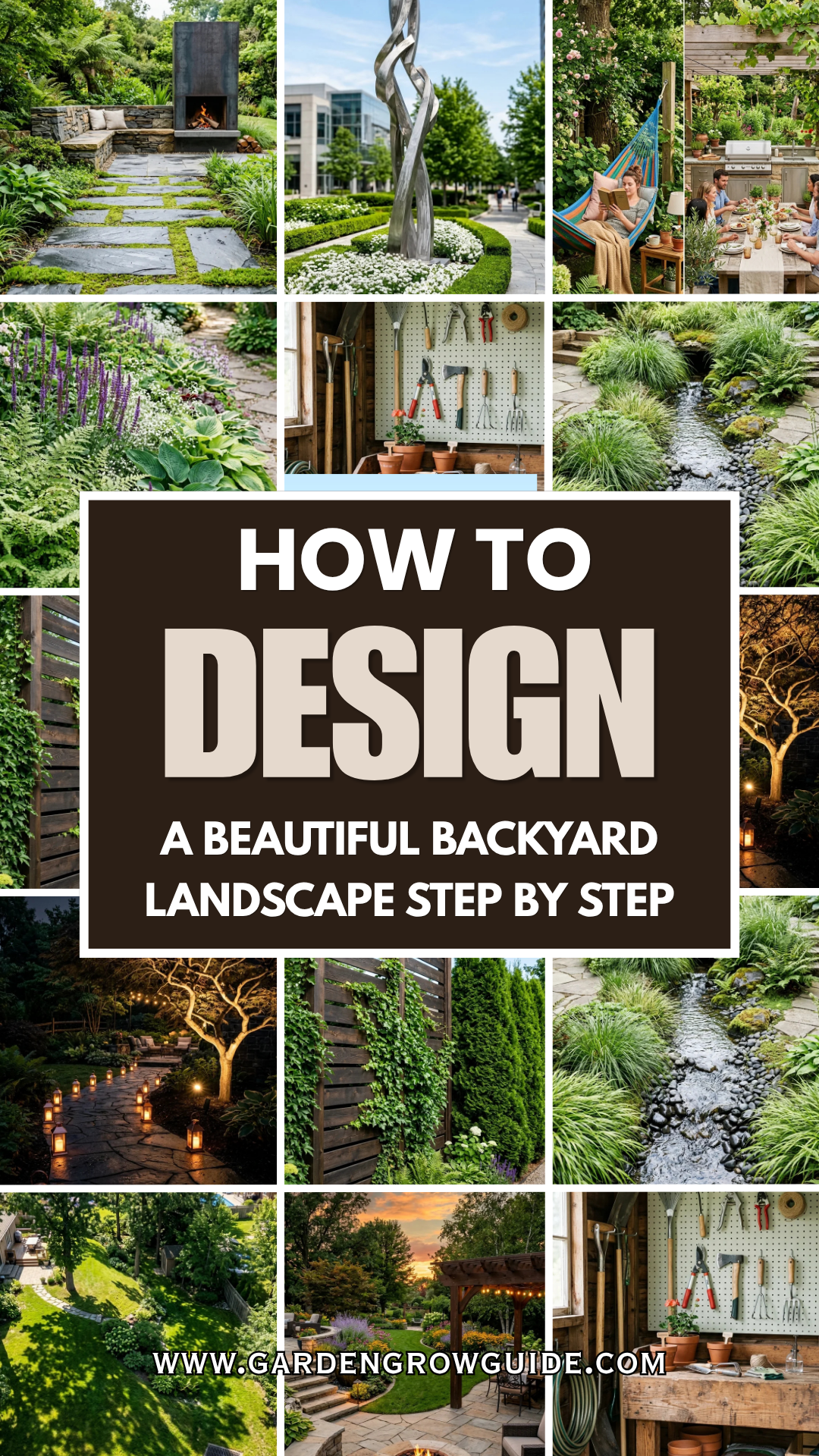
Transforming an ordinary backyard into a breathtaking outdoor sanctuary is a journey that blends art with environmental science. A well-designed landscape does more than just increase your property value; it extends your living space, provides a canvas for personal expression, and creates a private retreat for relaxation and entertainment. Whether you are starting with a blank slate of dirt or looking to renovate an overgrown thicket, the process requires careful thought, methodical planning, and a touch of creativity.
1. Site Analysis
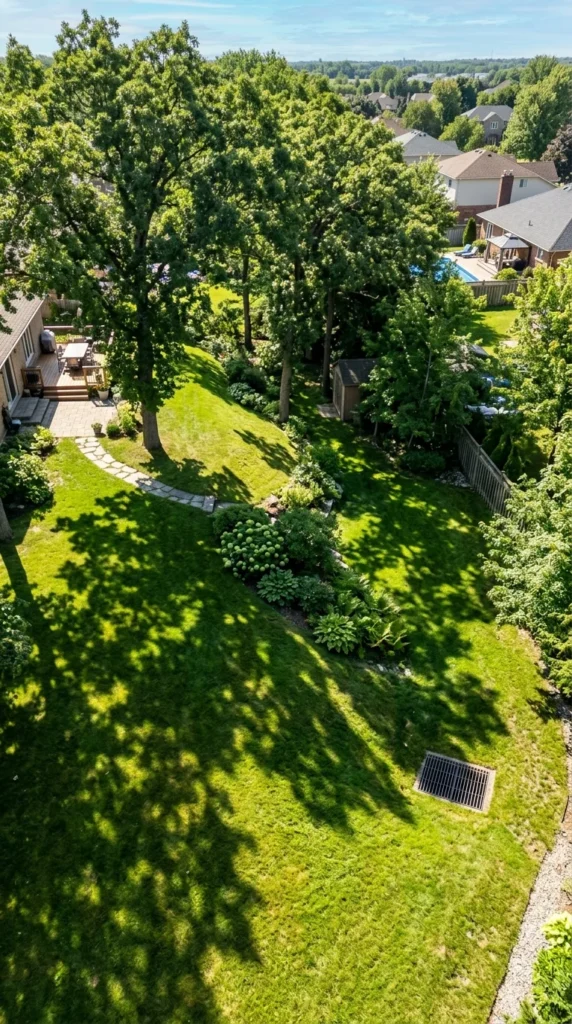
The first step in any successful landscape project is understanding the environment you are working with. You must become an expert on your own plot of land. Start by observing the sun’s path throughout the day. Areas that receive more than six hours of direct sunlight are considered “full sun,” while those receiving less than three are “shade.” This will dictate which plants will thrive and where you should place seating areas to avoid the midday heat.
Next, examine the topography and drainage. Does water pool in a specific corner after a rainstorm? Is there a steep slope that might require terracing or a retaining wall? Understanding the soil quality is equally vital. Clay-heavy soil retains water but can suffocate roots, while sandy soil drains quickly but requires more frequent watering and fertilization. A simple soil test kit can reveal the pH levels and nutrient content, allowing you to amend the earth before you ever put a shovel in the ground.
2. Defining Purpose
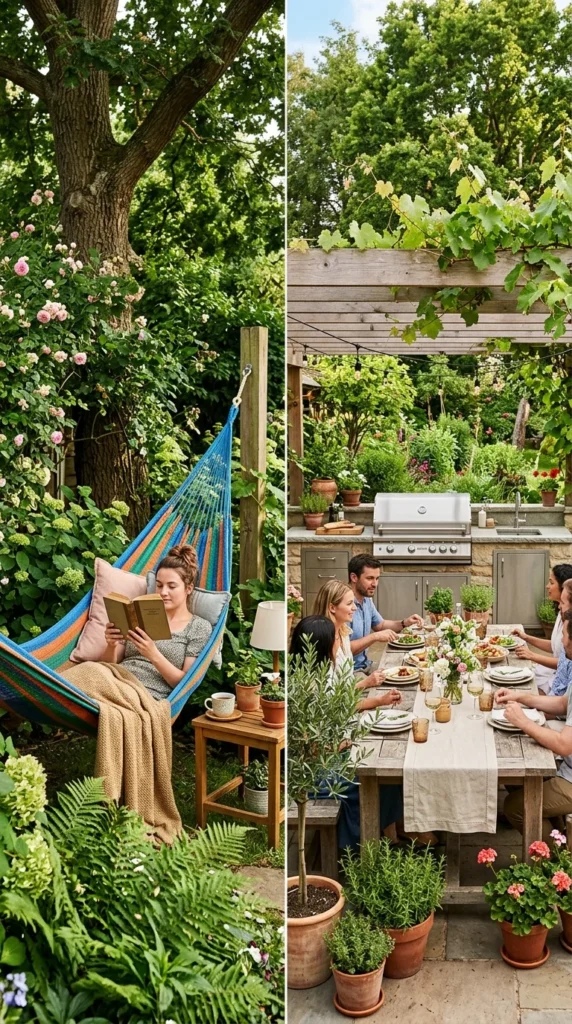
Before picking out flowers, you must define how the space will be used. A landscape designed for a family with young children and energetic dogs will look vastly different from a landscape designed for a couple who loves hosting formal dinner parties. Divide your backyard into “rooms” based on function.
Common zones include a transition zone (the area immediately outside the back door), a social zone (patios, decks, or fire pits), a play zone (open lawn or play structures), and a utility zone (sheds, compost bins, or vegetable gardens). By assigning a purpose to every corner of the yard, you ensure that the final design is as functional as it is beautiful. Consider the flow of movement between these zones to ensure that paths are wide enough for comfortable walking and that the layout feels intuitive.
3. Focal Points
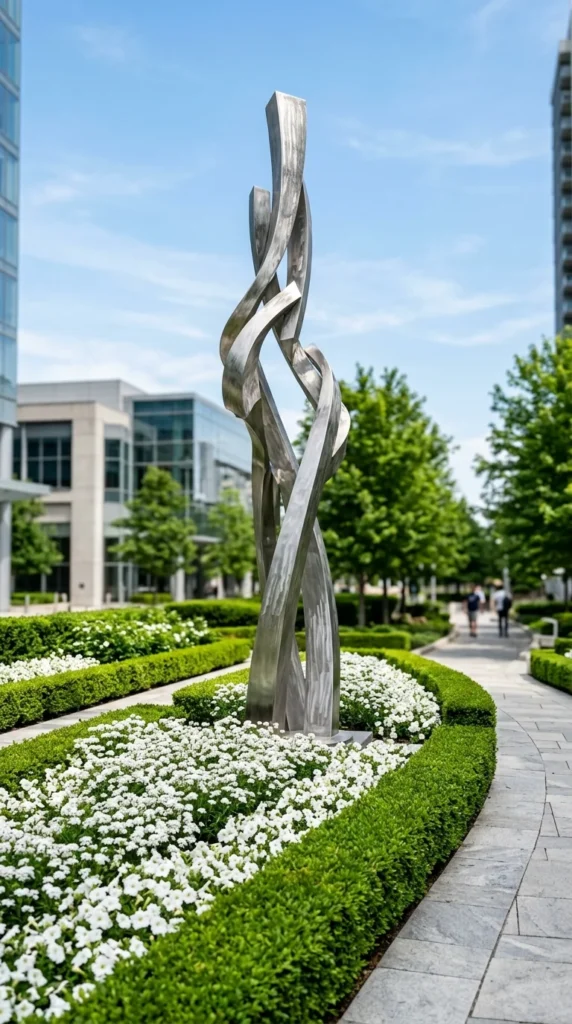
Every great landscape needs a focal point—a visual anchor that draws the eye and gives the space a sense of order. Without one, the yard can feel cluttered or aimless. A focal point can be a natural element, such as a massive ornamental tree with unique bark or a stunning view of a distant hill. Alternatively, it can be a man-made structure like a classic gazebo, a sophisticated water fountain, or a piece of weather-resistant garden art.
The key to a successful focal point is placement. It should be visible from key vantage points, such as the kitchen window or the main seating area on the patio. However, be careful not to overdo it; too many competing focal points can create visual chaos. Choose one primary feature for the entire yard, supplemented by smaller “surprises” hidden along garden paths to encourage exploration.
4. Hardscape Layout
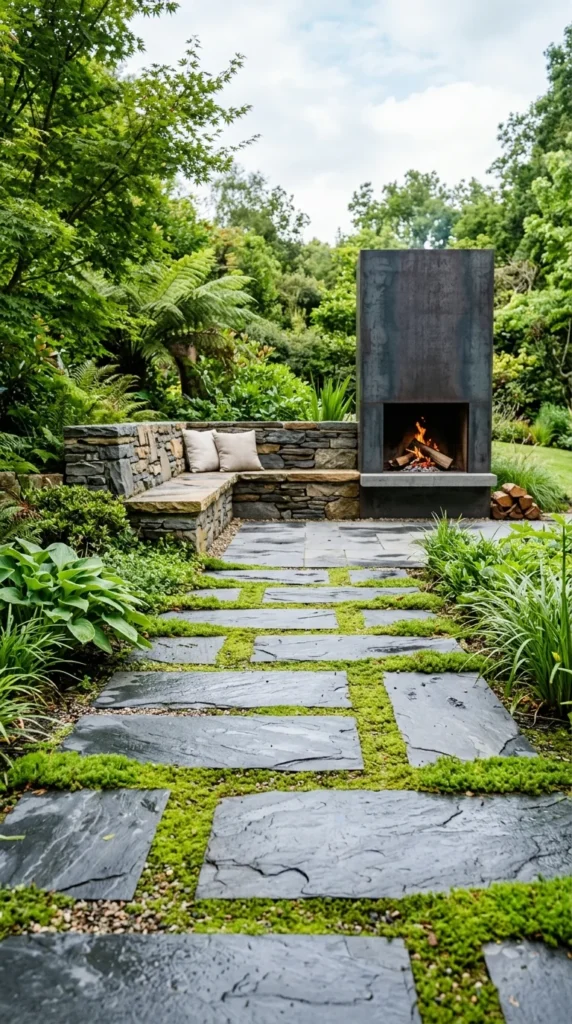
Hardscaping refers to the non-living elements of your landscape, such as patios, walkways, walls, and decks. These features provide the “bones” of your backyard and should be installed before any planting begins. When choosing materials, consider the architectural style of your home. A modern home pairs well with smooth concrete or sleek slate, while a rustic or traditional home might look better with weathered brick or natural flagstone.
Scale is critical in hardscaping. A common mistake is making patios too small to accommodate furniture comfortably. As a rule of thumb, ensure there is at least three feet of clearance around dining tables and lounge chairs to allow for easy movement. Walkways should be at least three to four feet wide—enough for two people to walk side-by-side. Remember to incorporate “permeable” options where possible, such as gravel or spaced pavers, to help manage rainwater runoff.
5. Plant Selection
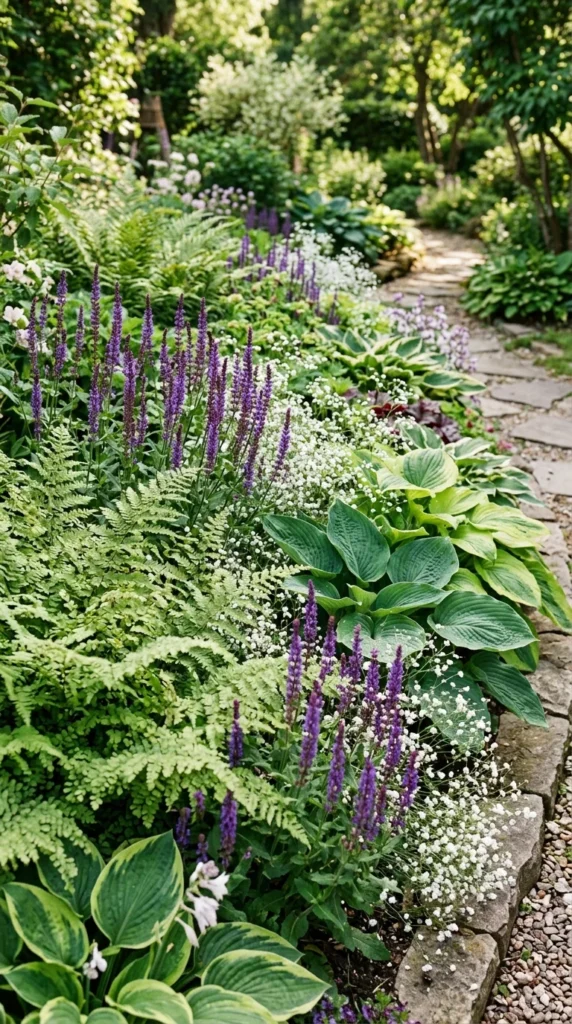
Softscaping is the “living” part of your design. To create a professional look, think in layers. Start with the “ceiling” (tall canopy trees), move to the “walls” (shrubs and privacy hedges), and finish with the “carpet” (groundcovers and perennials). Using a variety of heights creates depth and interest.
When selecting plants, prioritize native species. Native plants are adapted to your local climate and soil, meaning they require less water, fewer pesticides, and less maintenance once established. They also provide essential habitats for local pollinators like bees and butterflies. Consider the “four-season interest” rule: select some plants for their spring blooms, some for their summer foliage, some for their autumn color, and some—like evergreens or trees with interesting bark—for their winter structure.
6. Outdoor Lighting
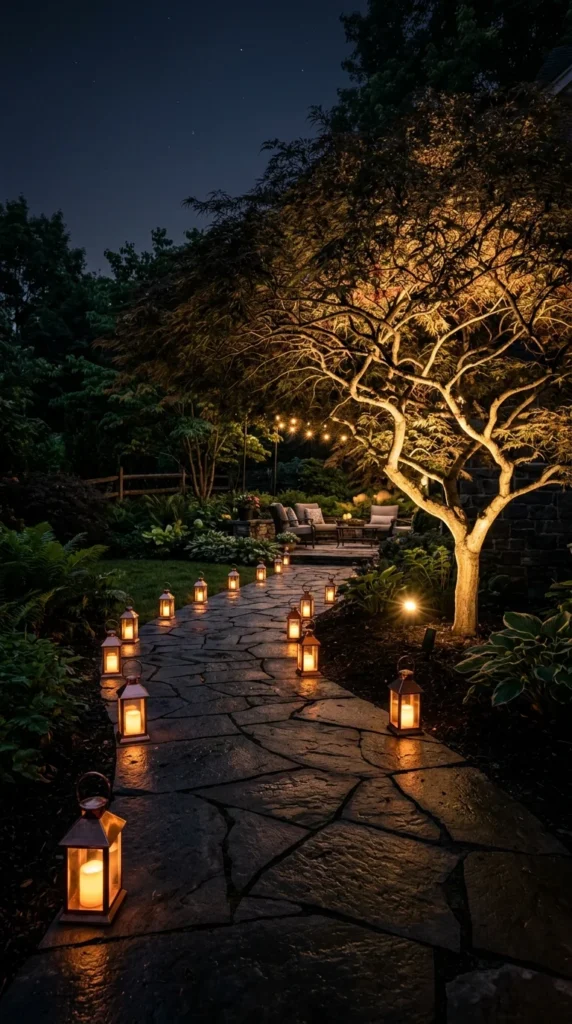
Lighting is the element that transitions your backyard from a daytime garden to an evening oasis. It serves three main purposes: safety, security, and aesthetics. For safety, ensure that stairs, changes in elevation, and pathways are well-lit. For aesthetics, use techniques like “uplighting” to highlight the texture of a stone wall or the canopy of a tree, and “moonlighting” (placing lights high in trees) to create soft, filtered shadows on the ground.
Avoid high-wattage floodlights that can create harsh glares and “light pollution.” Instead, opt for low-voltage LED systems that emit a warm, inviting glow. Solar lights are an easy DIY option for paths, but wired systems offer more reliability and control. Smart lighting controllers allow you to dim the lights or change colors depending on the mood of your gathering.
7. Privacy Screens
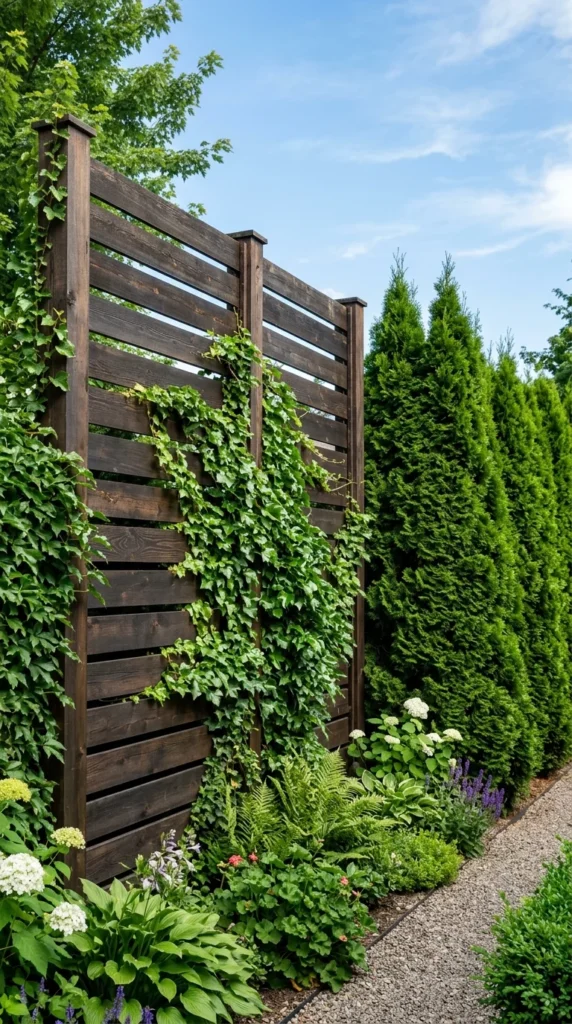
A backyard should feel like a private sanctuary, but not everyone is blessed with a secluded lot. Privacy screening is essential for blocking out neighbors’ windows or noisy streets. While a standard wooden fence is functional, it can sometimes feel cold or claustrophobic. To soften the look, use “living fences” made of dense evergreens, or install a trellis and grow climbing vines like clematis or jasmine.
Strategic placement is more effective than wall-to-wall fencing. For example, if you only need privacy while sitting at your dining table, a small decorative screen or a cluster of tall potted bamboos might be sufficient. This allows you to maintain an open feel in the rest of the yard while still securing the intimacy of your primary social areas.
8. Water Features
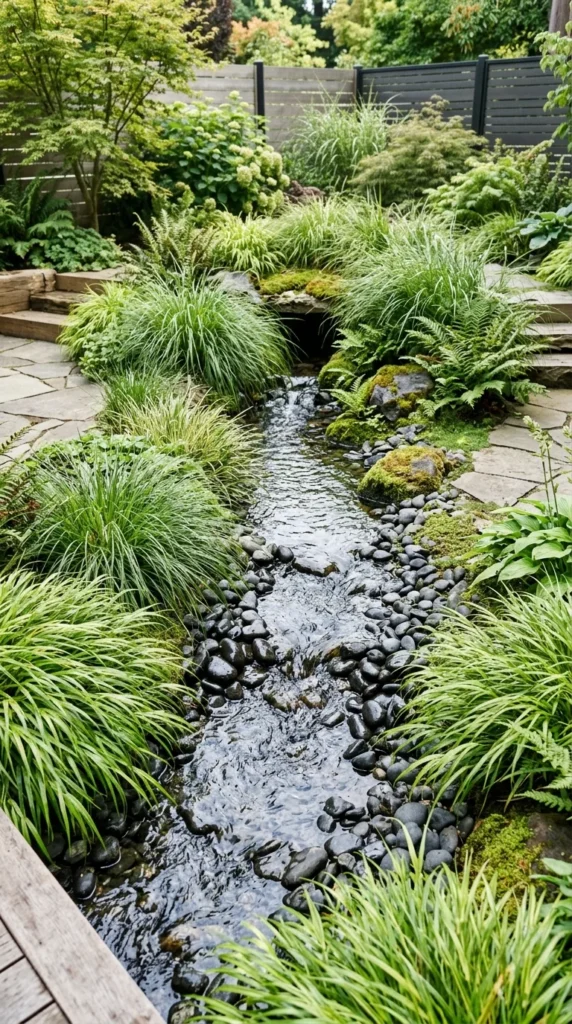
The sound of running water is one of the most effective ways to create a sense of tranquility and mask unwanted neighborhood noise. Water features don’t have to be massive or expensive. A simple “disappearing” fountain—where the water recirculates into a hidden basin beneath rocks—takes up very little space and requires minimal maintenance.
For those with more space, a backyard pond or a cascading waterfall can become a thriving ecosystem. Ponds can host koi fish and water lilies, adding a layer of movement and color to the landscape. When designing a water feature, ensure it is positioned near your primary seating area so you can fully enjoy the auditory benefits. Be mindful of electricity requirements for pumps and the necessity of regular cleaning to prevent algae buildup.
9. Maintenance Plan
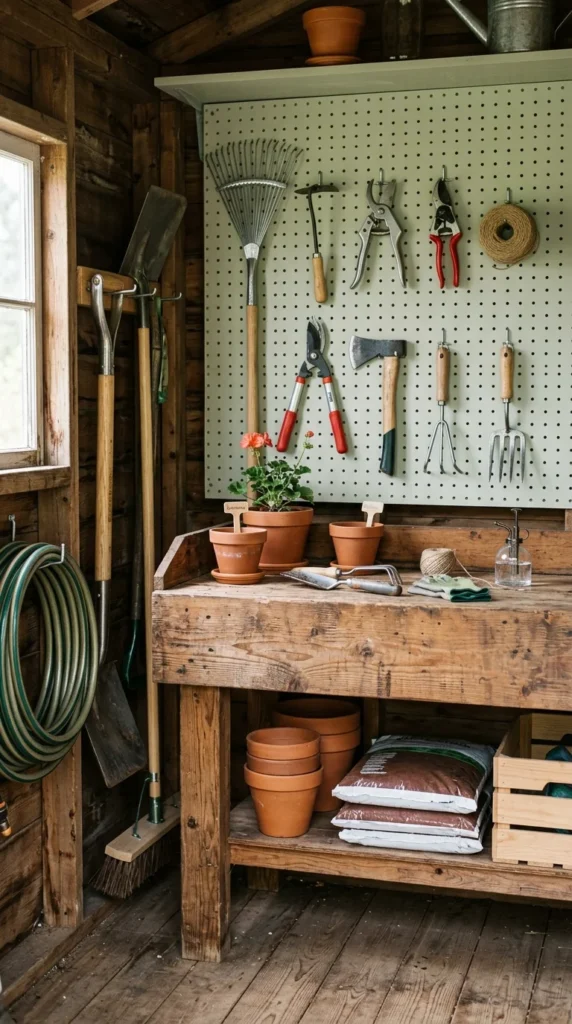
The final step in landscape design is planning for the future. A beautiful backyard is a living thing that requires ongoing care. Before finalizing your design, honestly assess how much time you want to spend on chores. If you prefer a “low-maintenance” yard, opt for slow-growing shrubs, perennial flowers that don’t require deadheading, and automatic irrigation systems.
Establish a seasonal schedule: spring is for mulching and pruning, summer is for watering and weeding, autumn is for leaf removal and bulb planting, and winter is for tool maintenance and planning. By designing with maintenance in mind, you ensure that your backyard remains a source of joy rather than a source of stress. A well-executed design is one that looks better with each passing year as the plants mature and the hardscape settles into the landscape.