Corner gardens are often the most underutilized areas of a landscape. Frequently relegated to “dead zones” where fences meet or the lawn simply ends, these triangular or L-shaped spaces hold immense potential for adding depth, color, and value to your property. By treating a corner not as a limitation, but as a framed stage, you can create a high-impact focal point that draws the eye and provides a sense of enclosure and privacy.
Designing a beautiful corner garden requires a blend of architectural thinking and horticultural artistry. Because you are working with two converging lines—whether they are fences, walls, or property boundaries—you have a unique opportunity to play with verticality and perspective.
1. Assessment
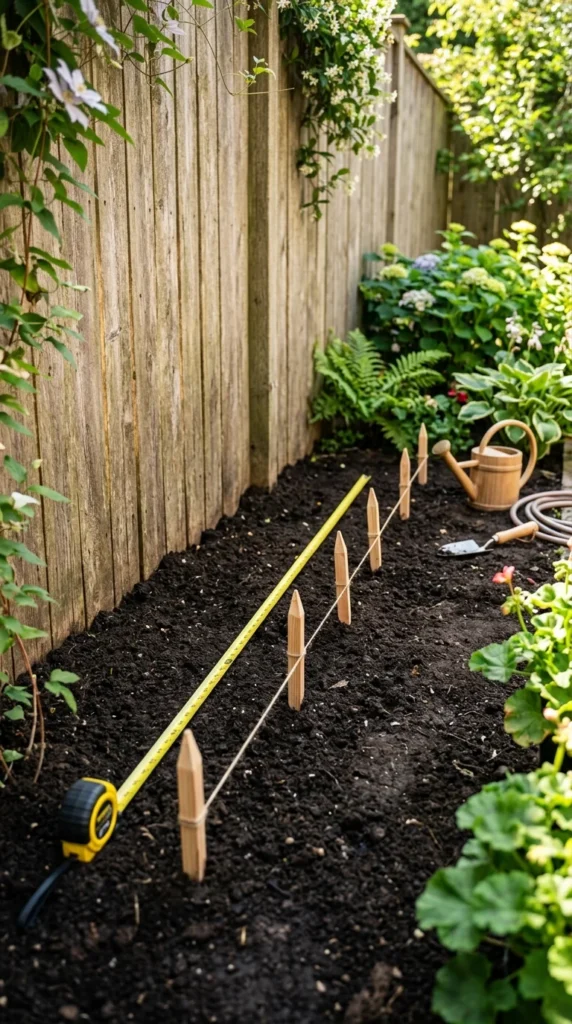
Before digging your first hole, you must understand the microclimate of your chosen corner. Corners often trap heat or create wind tunnels depending on their orientation.
- Sun Exposure: Spend a full day tracking the light. A corner shaded by two tall fences may only receive four hours of sunlight, necessitating shade-loving plants like Hostas or Bleeding Hearts. A south-facing corner might become a heat trap, perfect for succulents or Mediterranean herbs.
- Drainage: Corners can sometimes become boggy if the yard slopes toward them. Check for standing water after a heavy rain. If drainage is poor, consider a raised bed or moisture-loving plants like River Birch or Siberian Iris.
- Soil Quality: Dig a small test hole to determine if the soil is sandy, clay-heavy, or loamy. Amending the soil with organic compost is almost always the first step to success.
2. Focal Points
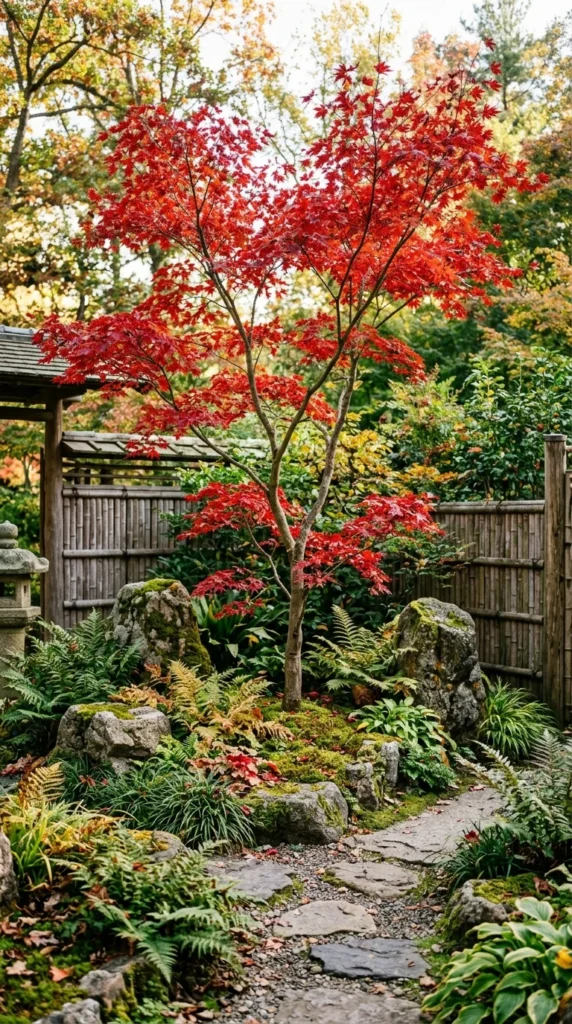
Every successful corner garden needs an “anchor.” This is the tallest or most visually striking element placed at the furthest point of the corner. This anchor draws the eye upward and outward, making the space feel larger than it is.
- Specimen Trees: A Japanese Maple, a flowering Dogwood, or a structural Evergreen provides year-round interest.
- Statuary and Art: A tall stone obelisk, a modern metal sculpture, or a classic birdbath can serve as a non-living focal point that adds personality.
- Vertical Structures: A trellis or arbor covered in climbing roses or clematis utilizes the vertical space provided by fences and walls.
3. Layering
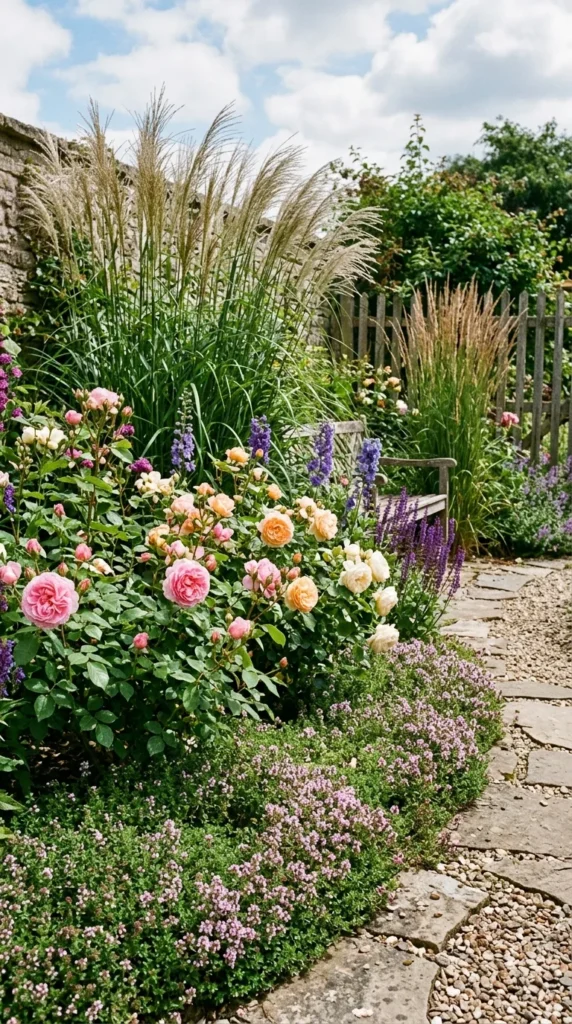
The secret to a professional-looking garden is the “staircase effect.” In a corner, this means planting in three or more distinct tiers to create a sense of abundance and depth.
- The Back Row (The Backdrop): Use tall shrubs or ornamental grasses. These should be at least two-thirds the height of the fence or wall behind them.
- The Middle Row (The Fillers): This is where you place your flowering perennials. Choose plants with varying textures, such as the spiky blooms of Salvia contrasted with the rounded mounding of Peonies.
- The Front Row (The Edgers): Low-growing groundcovers or annuals finish the look. Plants like Sweet Alyssum, Creeping Phlox, or Sedum “spill” over the edge of the bed, softening the transition to the lawn or patio.
4. Pathways
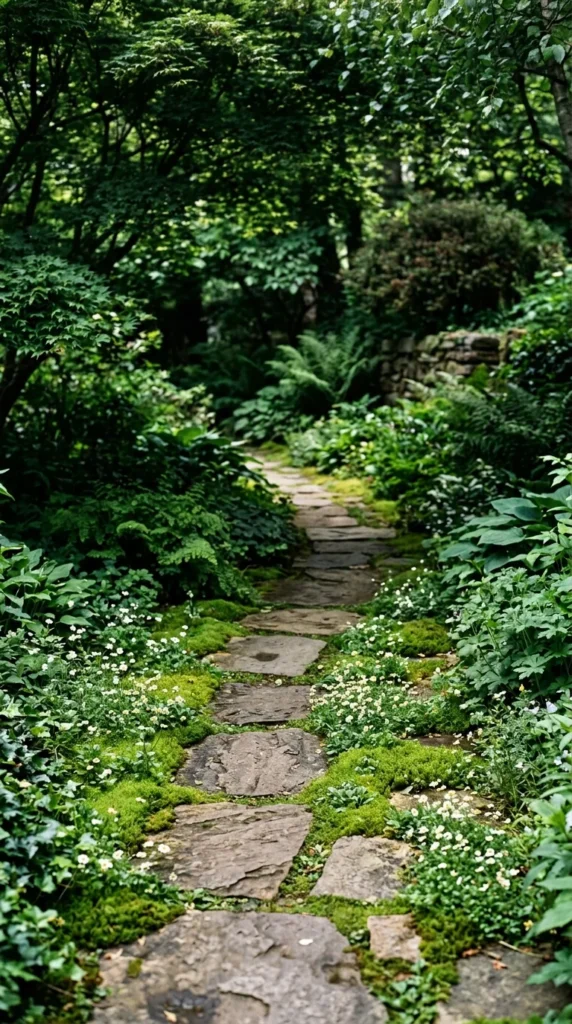
Accessibility is key to enjoying your garden. Even a small corner garden should have a way for you to enter it for maintenance or quiet contemplation.
- Stepping Stones: Irregular flagstones nestled into mulch or groundcover provide a natural, whimsical look.
- Gravel Paths: Crunchy pea gravel adds a sensory element to the garden and helps with drainage.
- Defining Boundaries: Use metal edging, bricks, or cobbles to create a clean line between the garden bed and the grass. A “mowing strip” made of flat stones allows you to run the lawnmower right over the edge, reducing the need for string trimming.
5. Illumination
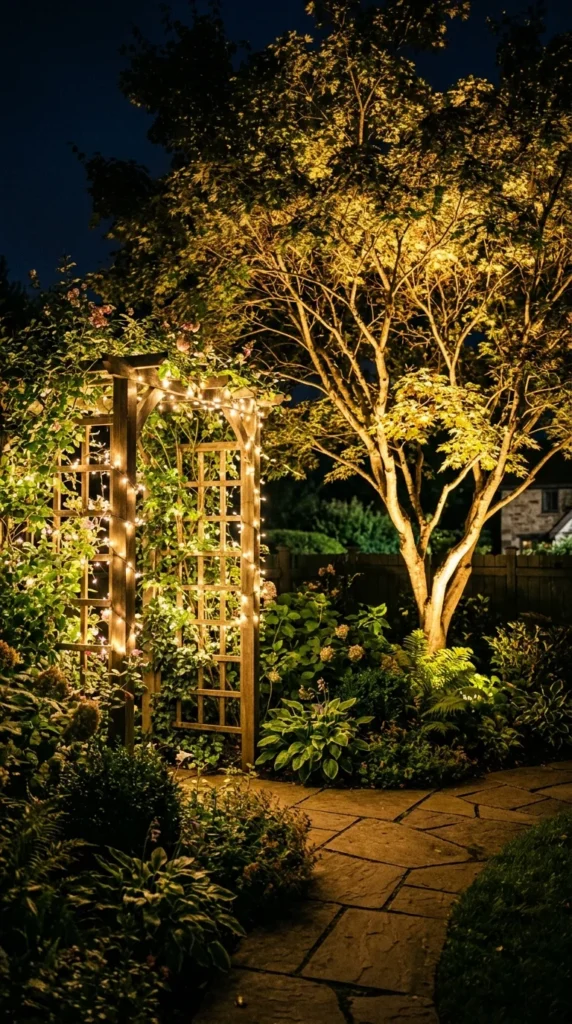
A corner garden shouldn’t disappear when the sun goes down. Strategic lighting extends the hours you can enjoy your landscape and adds a layer of security to your home.
- Uplighting: Place small spotlights at the base of your focal tree or sculpture to create dramatic shadows and highlight the structure.
- Path Lighting: Low-profile LED stakes ensure safe footing and define the shape of the garden at night.
- Moonlighting: If you have a large overhanging tree, placing a light high in the branches pointing downward creates a soft, natural glow reminiscent of moonlight.
6. Seating
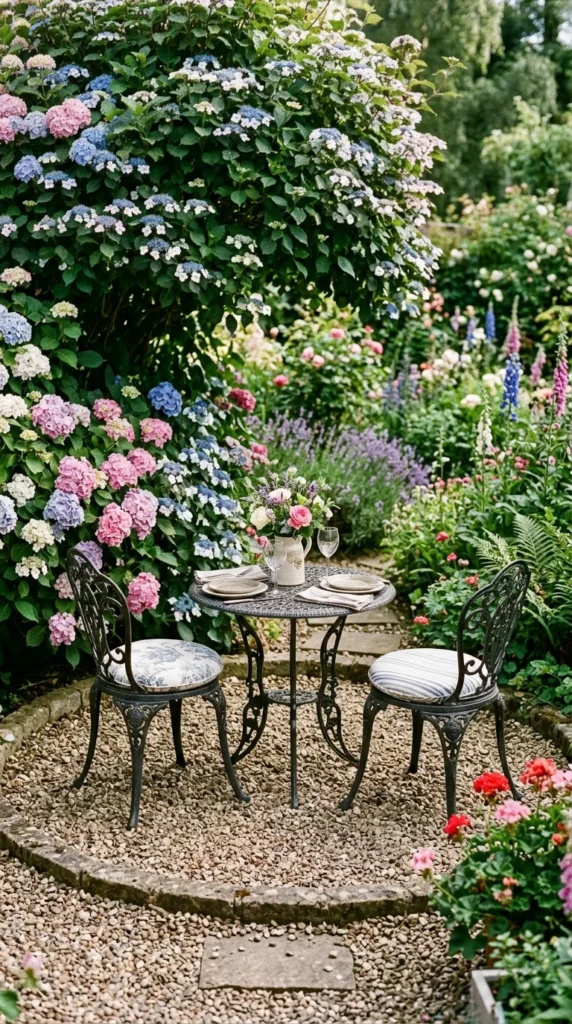
Transform your corner garden from something you look at into something you experience. Corners naturally provide a sense of “prospect and refuge”—the psychological feeling of safety when your back is protected by walls while you look out over an open space.
- Benches: A simple wooden or stone bench tucked into the greenery provides a perfect spot for reading.
- Hammocks: If your corner features two sturdy trees or posts, a hammock creates the ultimate relaxation zone.
- Bistro Sets: A small table and two chairs allow for morning coffee surrounded by the scent of your flowers.
7. Water
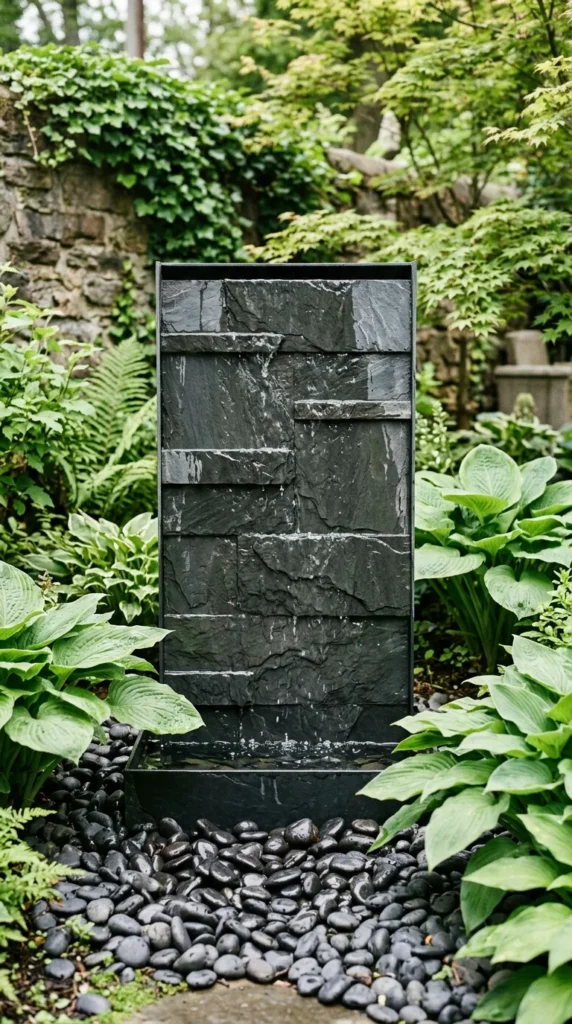
The sound of moving water can mask neighborhood noise and provide a cooling effect during hot summer months. Because corners are enclosed, the acoustics for water features are often excellent.
- Wall Fountains: If space is tight, a wall-mounted fountain takes up zero floor space while providing the soothing sound of a trickle.
- Bubbling Rocks: A recirculating pump hidden under a pile of attractive river rocks creates a naturalistic look that attracts birds and butterflies.
- Small Ponds: If the corner is large enough, a pre-formed pond with a few lily pads and a small pump can become its own ecosystem.
8. Palette
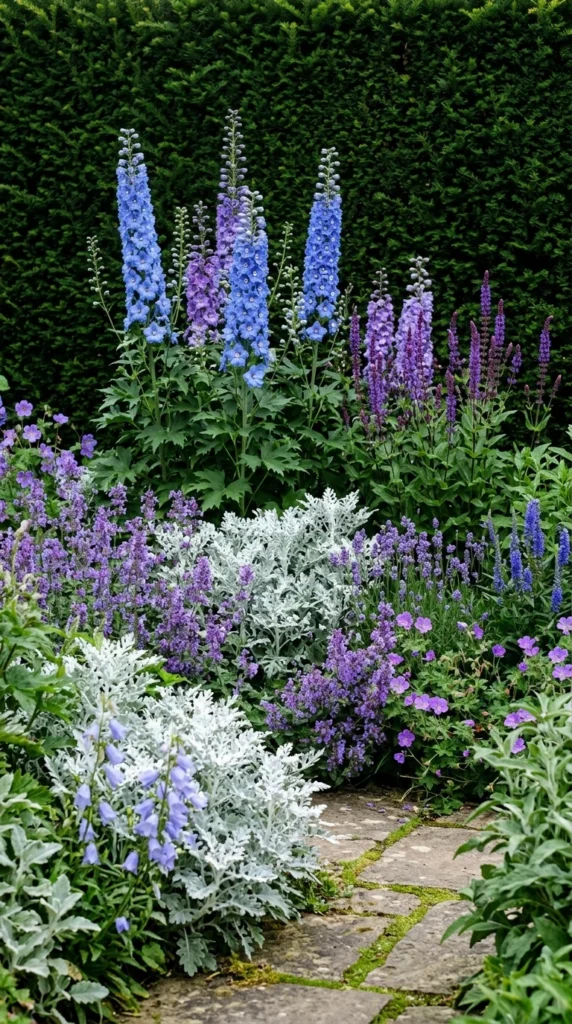
Color theory plays a massive role in how a corner garden is perceived. Since corners can sometimes feel “tight,” your color choices can manipulate the sense of space.
- Cool Colors: Blues, purples, and silvers tend to “recede” from the eye, making a small corner feel more expansive and deep.
- Warm Colors: Reds, oranges, and yellows “advance” toward the viewer. Use these if you want a large, distant corner to feel more intimate and energetic.
- Monochromatic Greenery: Using varying shades of green with different textures (glossy, matte, feathery, broad-leafed) creates a sophisticated, calming “Secret Garden” vibe.
9. Seasonality
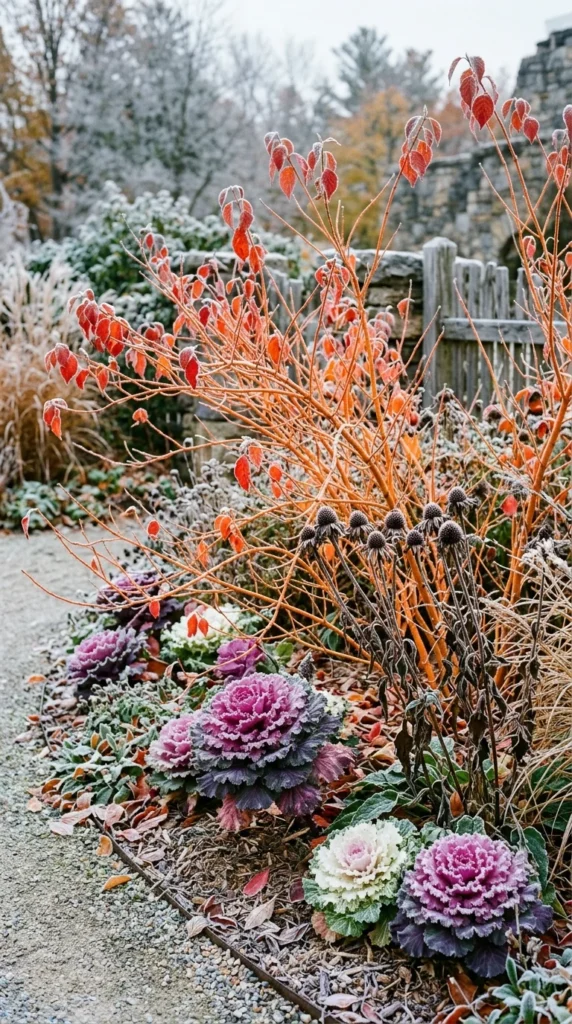
A beautiful garden shouldn’t be a “one-hit wonder” that only looks good in June. Aim for a design that offers something in every season.
- Spring: Bulbs like Tulips and Daffodils, and early bloomers like Forsythia.
- Summer: The peak of perennial color with Coneflowers, Lilies, and Lavender.
- Fall: Plants with striking foliage changes, such as Oakleaf Hydrangea, or late-season bloomers like Asters and Mums.
- Winter: This is where “bones” matter. Evergreens, red-twig dogwoods, and ornamental grasses that hold their shape under snow provide visual interest when everything else is dormant.
10. Upkeep
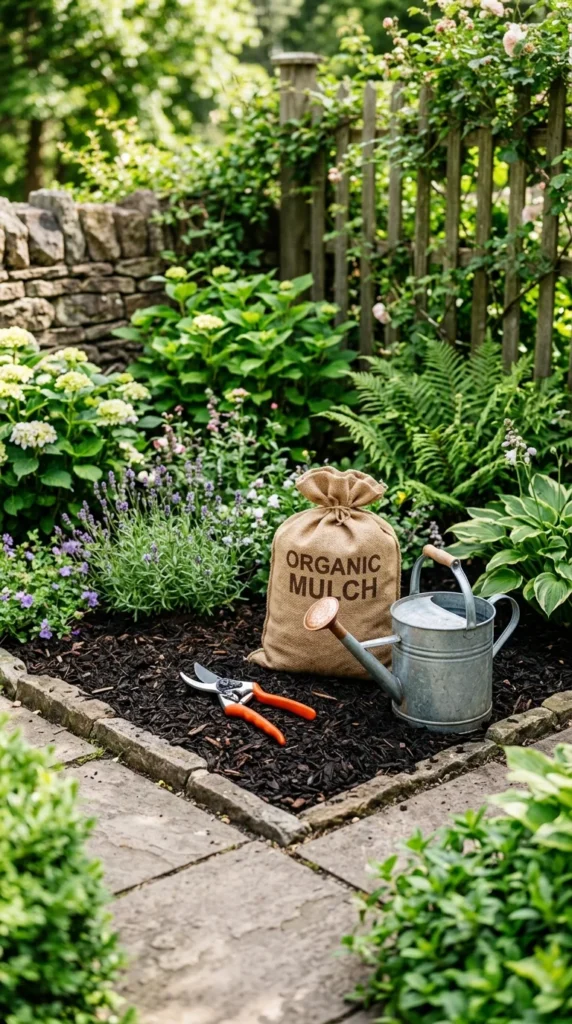
Finally, a beautiful garden is a maintained garden. Because corner gardens are often densely planted, they require specific care to prevent them from becoming an overgrown tangle.
- Mulching: Apply a 2-3 inch layer of wood chips or shredded bark annually. This suppresses weeds, retains moisture, and gives the garden a finished, professional look.
- Pruning: Regularly trim back plants that are encroaching on their neighbors. In a corner, it is easy for a fast-growing shrub to “swallow” a smaller perennial if not kept in check.
- Deadheading: Remove spent flowers throughout the summer. This not only keeps the garden looking tidy but often encourages the plant to produce a second flush of blooms.