Transforming a simple windowsill into a functional, aromatic mini-garden is one of the most rewarding projects for home cooks and plant enthusiasts alike. Beyond the aesthetic appeal of vibrant greenery, a windowsill herb garden provides instant access to fresh, flavor-packed ingredients that can elevate any meal. Whether you live in a sprawling farmhouse or a compact city apartment, the ability to cultivate life in a few square inches of space is both empowering and practical.
1. Sunlight
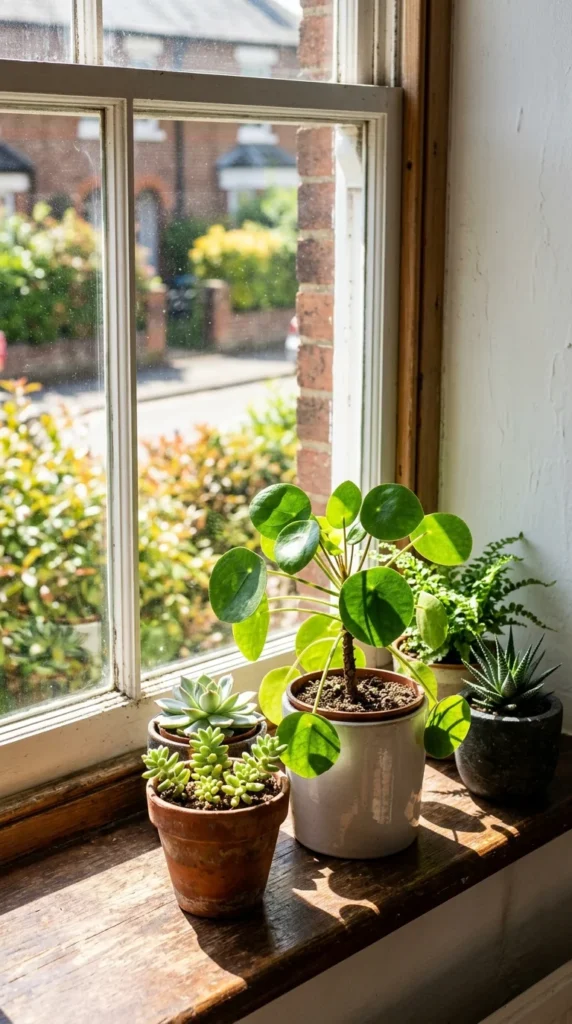
The most critical factor in the success of your windowsill garden is light. Most culinary herbs are native to Mediterranean climates and require a significant amount of “fuel” to produce the essential oils that give them their flavor. Ideally, your herbs should receive at least six to eight hours of direct sunlight every day.
South-facing windows are the gold standard for indoor gardening, as they provide the most consistent and intense light throughout the day. If you only have east or west-facing windows, you may still be successful with more shade-tolerant herbs like mint or parsley, but sun-loving plants like rosemary may struggle. If your light is insufficient, especially during winter months, consider supplementing with a small LED grow light positioned a few inches above the plants to prevent them from becoming “leggy” as they stretch toward the glass.
2. Herb Selection
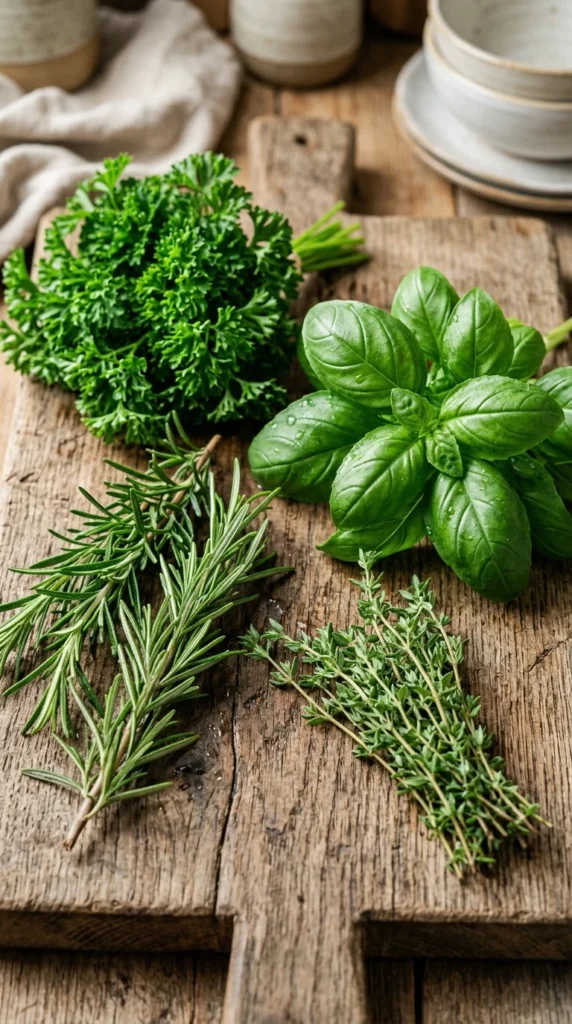
Not all herbs are created equal when it comes to indoor living. Some thrive in the confined environment of a pot, while others grow too large or have root systems that demand more space. When starting out, it is best to choose “culinary staples” that are known for their resilience indoors.
- Basil: A fast grower that loves heat and light. It is perfect for pasta and salads.
- Chives: Extremely hardy and tolerant of lower light levels; they grow back quickly after being snipped.
- Mint: Very vigorous (should always be grown in its own pot to prevent it from overtaking others).
- Parsley: A biennial that grows slowly but steadily, providing a constant supply of garnishes.
- Thyme: A low-growing, drought-tolerant herb that adds a wonderful scent to the kitchen.
3. Containers
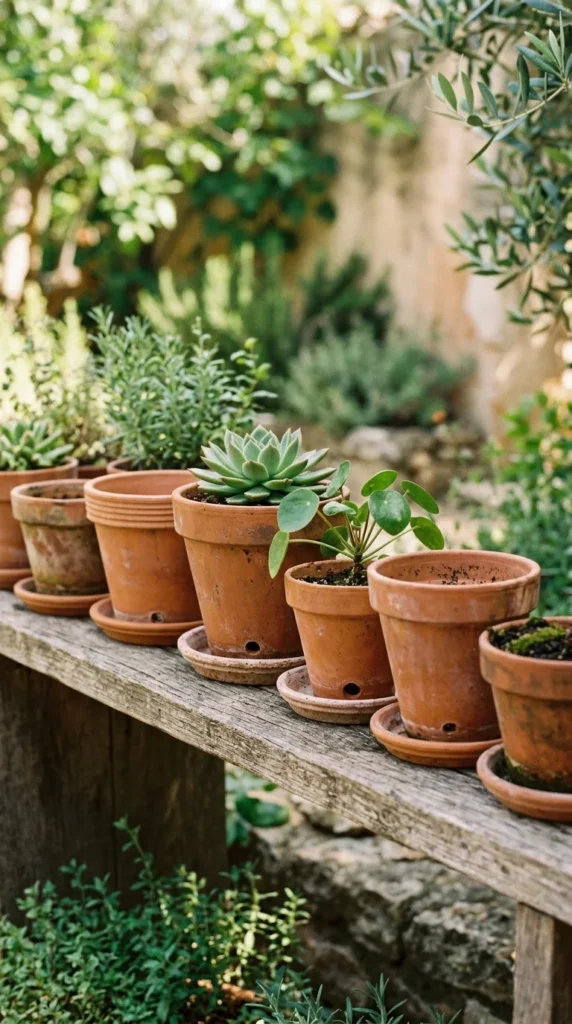
While it may be tempting to use trendy mason jars or decorative tins, the health of your herbs depends heavily on the container’s functionality. The most important feature of any pot is drainage. Herbs hate “wet feet,” which occurs when water traps itself at the bottom of a container, leading to root rot and the eventual death of the plant.
Choose pots that have at least one large drainage hole at the bottom. Terracotta is an excellent choice for herbs like rosemary and thyme because the porous clay allows the soil to breathe and dry out more evenly. For moisture-loving herbs like mint or basil, plastic or glazed ceramic pots can help retain a bit more hydration. Always place a saucer or tray underneath the pots to protect your windowsill from water damage.
4. Potting Mix
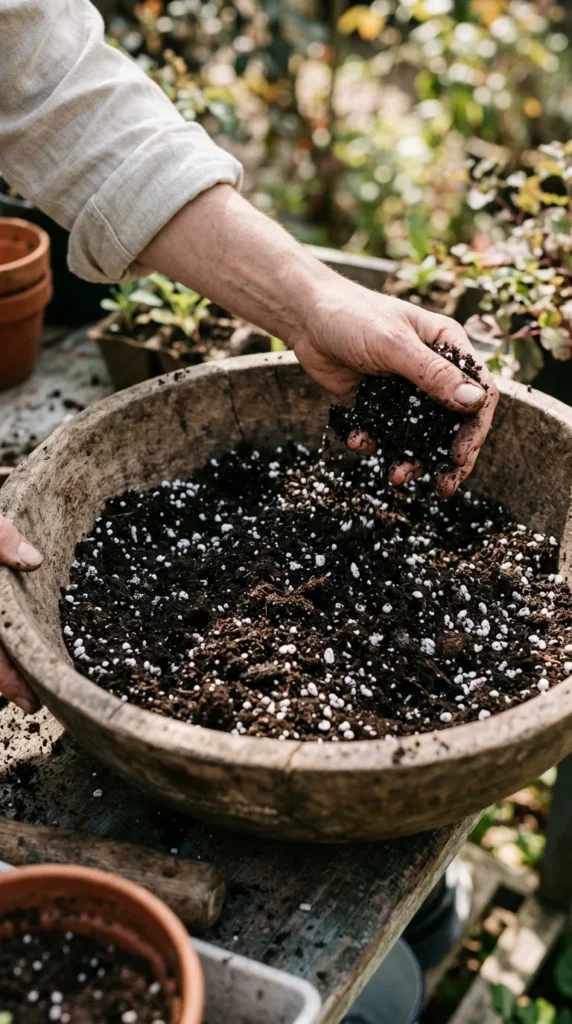
Never use garden soil for your windowsill garden. Soil from the outdoors is too heavy for containers; it compacts easily, stifling root growth, and can harbor pests or fungal diseases. Instead, invest in a high-quality organic potting mix designed specifically for indoor plants or vegetables.
A good potting mix is “soilless,” usually consisting of peat moss, coconut coir, perlite, or vermiculite. This composition ensures the medium is light, airy, and well-draining. Herbs require oxygen at the root level just as much as they need water, and a loose potting mix provides the necessary pockets of air for the roots to expand and breathe.
5. Watering
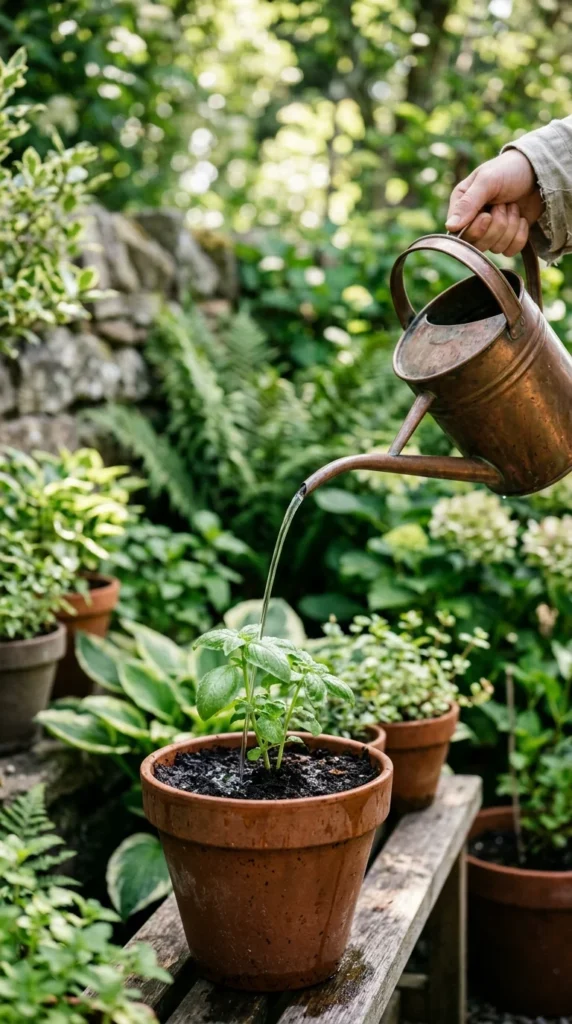
Watering is where most indoor gardeners make mistakes. The goal is to keep the soil moist but not waterlogged. The frequency of watering will change based on the season, the humidity in your home, and the type of pot you use.
The best way to tell if your herbs need water is the “finger test.” Insert your finger about an inch into the soil; if it feels dry, it’s time to water. If it still feels damp, wait another day. When you do water, apply it directly to the soil at the base of the plant rather than splashing the leaves, which can encourage fungal growth. Water until you see a little bit of excess draining out of the bottom of the pot, then empty the saucer after 15 minutes so the plant isn’t sitting in a puddle.
6. Temperature
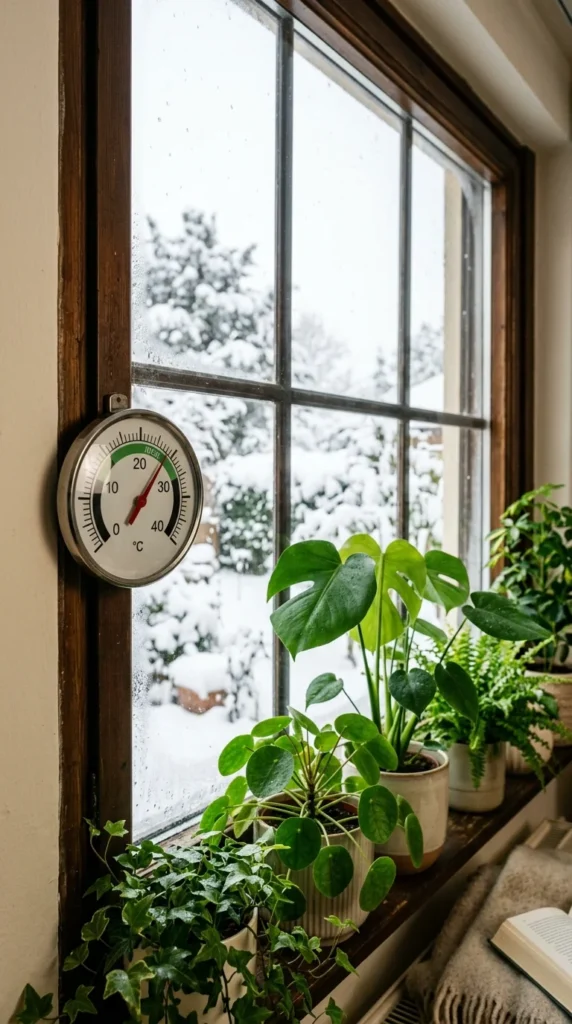
Most herbs thrive in temperatures between 65°F and 75°F (18°C–24°C), which conveniently matches the typical climate of a human home. However, windowsills can be micro-climates of extreme temperatures. In the winter, the glass can become freezing cold, while in the summer, it can act as a magnifying glass, scorching the leaves.
Ensure that the leaves of your herbs do not touch the cold glass during winter nights, as this can cause frost nip. Similarly, ensure there is some air circulation around the plants to prevent heat from building up too intensely. Avoid placing your herb garden directly above a radiator or right in the path of an air conditioning vent, as the dry, blowing air will quickly dehydrate the foliage.
7. Pruning
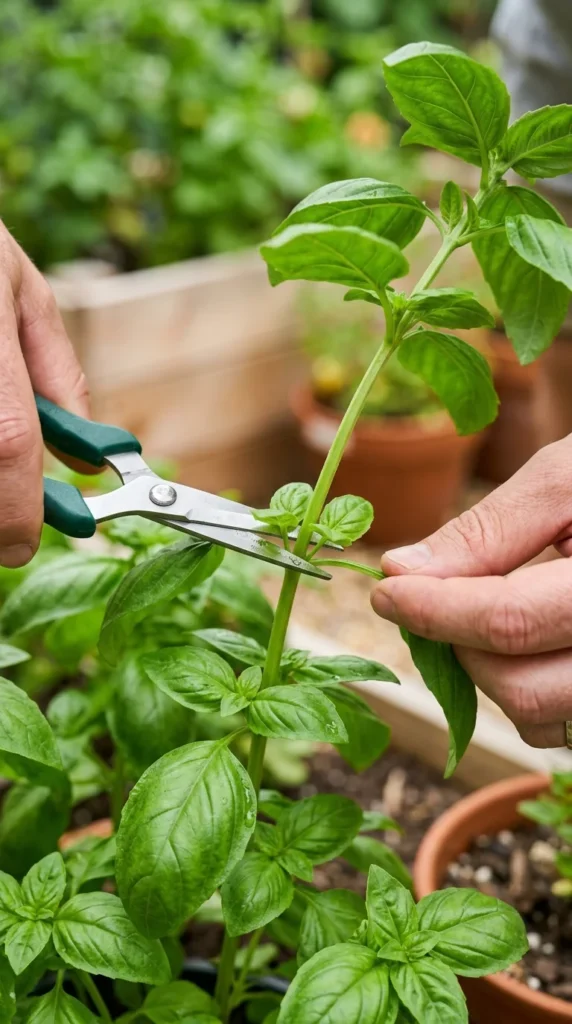
Pruning is not just about harvesting; it is an essential maintenance task that encourages the plant to grow fuller and live longer. If you never harvest your herbs, they will eventually become “woody” or go to seed (bolt), at which point the leaves lose their flavor.
The rule of thumb is to never harvest more than one-third of the plant at a time. For herbs like basil or mint, always snip the stem just above a leaf node (the spot where new leaves are emerging). This signals the plant to send out two new branches from that point, making the plant bushier and more productive. Regularly pinching off any flower buds that appear will also keep the plant’s energy focused on leaf production.
8. Fertilization
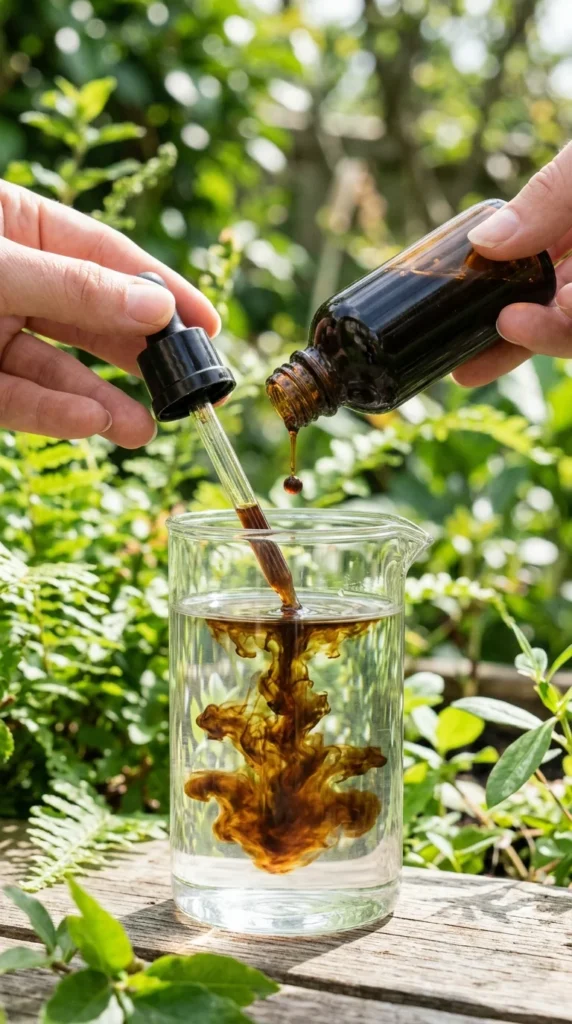
Because windowsill herbs are restricted to a small amount of soil, they will eventually deplete the nutrients available to them. However, indoor herbs do not need heavy feeding. Too much fertilizer can actually lead to rapid growth with very little flavor, as the essential oil concentration becomes diluted.
Use a liquid organic fertilizer, such as fish emulsion or seaweed extract, diluted to half-strength. Feed your herbs once every four to six weeks during the active growing seasons of spring and summer. During the winter, when the plants’ growth naturally slows down due to shorter days, stop fertilizing altogether to give the plants a rest.
9. Pest Control
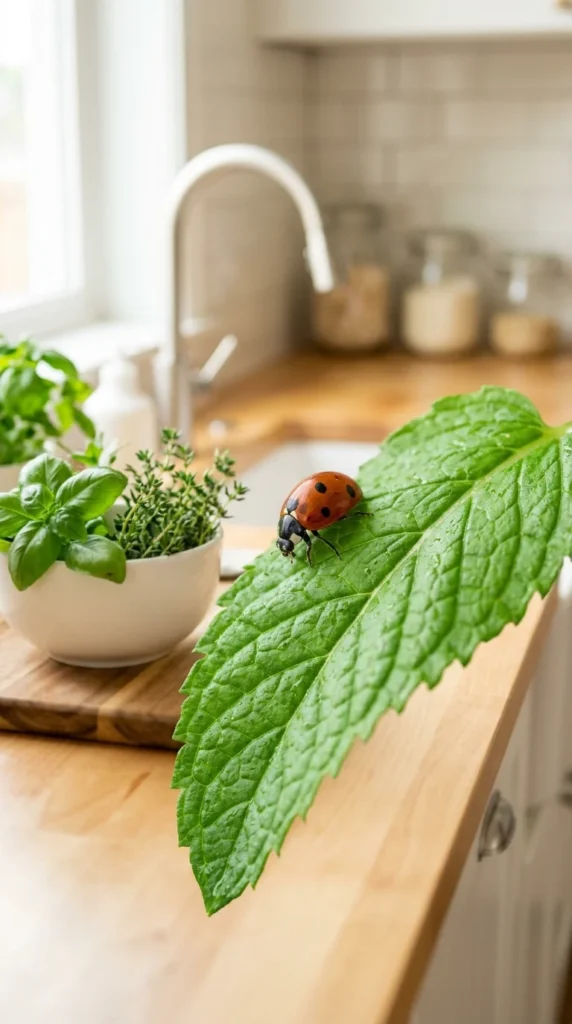
Even indoors, pests can find their way to your garden. The most common culprits are aphids (tiny green or black insects), spider mites (which leave fine webbing), and fungus gnats (small flies that emerge from the soil).
The best defense is a good offense: check your plants weekly for any signs of trouble. If you spot pests, you can usually manage them with non-toxic methods. A gentle spray of water in the sink can knock off many insects. For more persistent issues, an organic insecticidal soap or a diluted neem oil spray can be effective. Since you intend to eat these herbs, avoid any harsh chemical pesticides and always wash your herbs thoroughly before use.
10. Harvesting
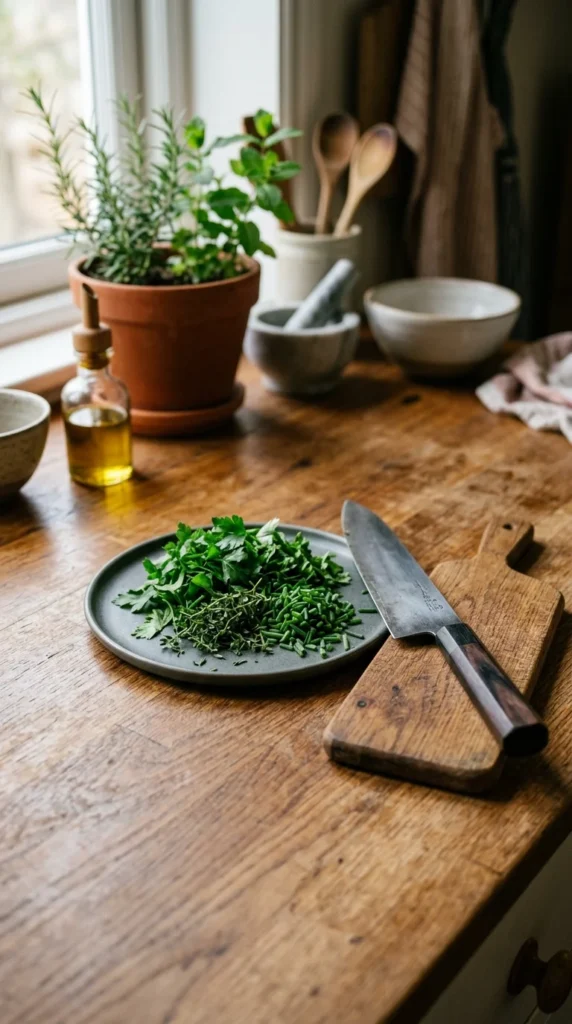
The final and most rewarding step is harvesting. For the best flavor, harvest your herbs in the morning when their oils are most concentrated. Use sharp scissors or shears to make clean cuts, rather than pulling on the stems, which can damage the root system.
When using fresh herbs in cooking, remember that they are generally less concentrated than dried herbs. A common ratio is three parts fresh herbs to one part dried. By maintaining a healthy windowsill garden, you ensure that you always have the brightest, most aromatic flavors ready to transform your culinary creations from ordinary to extraordinary.