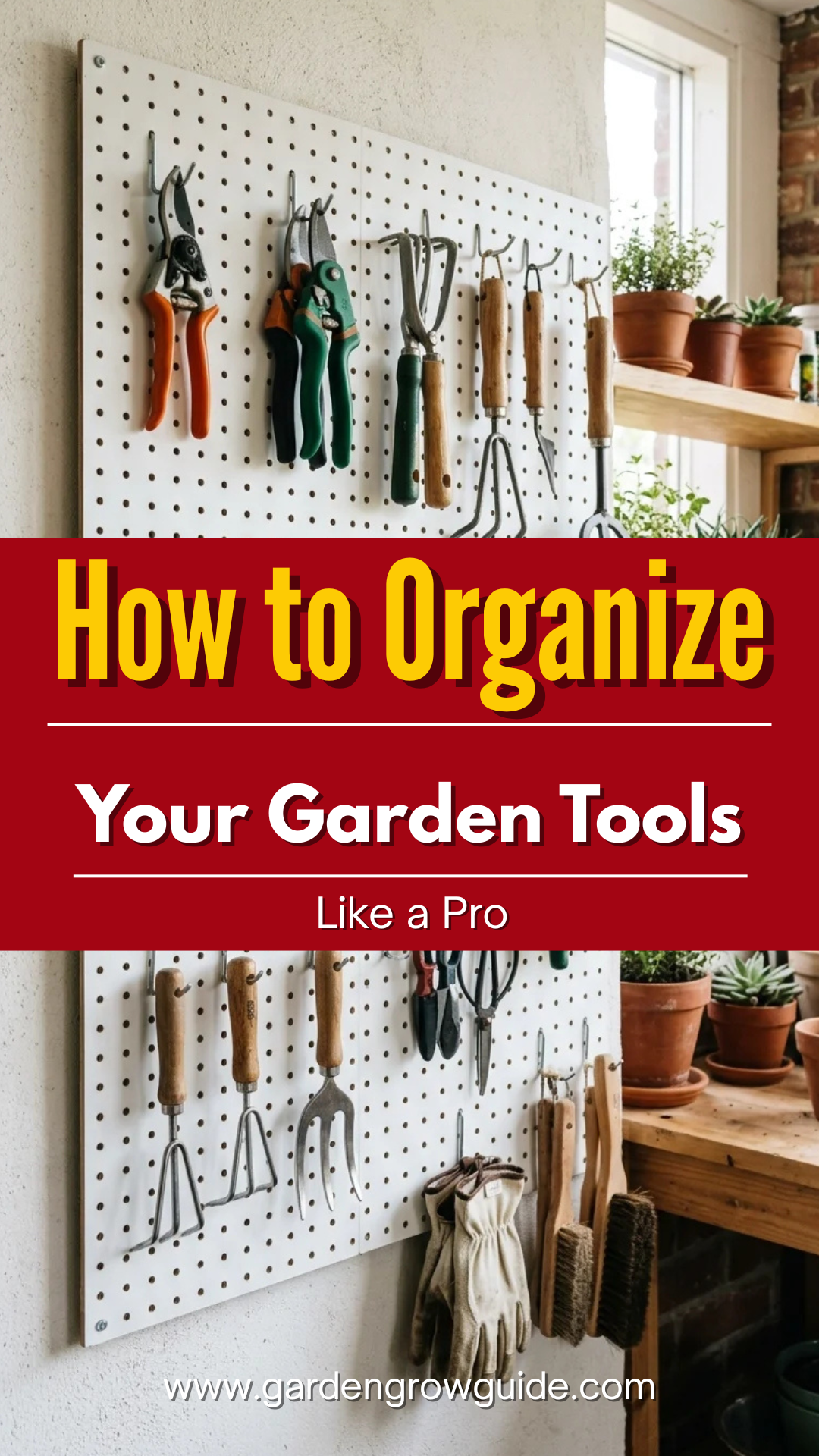
A well-organized garden shed or garage is the backbone of a successful gardening season. When your tools are scattered, rusted, or buried under piles of soil bags, gardening becomes a chore rather than a hobby. Professional gardeners understand that efficiency begins with a dedicated system. By implementing a structured organizational strategy, you not only save time but also extend the life of your equipment and create a more inspiring workspace.
1. Decluttering
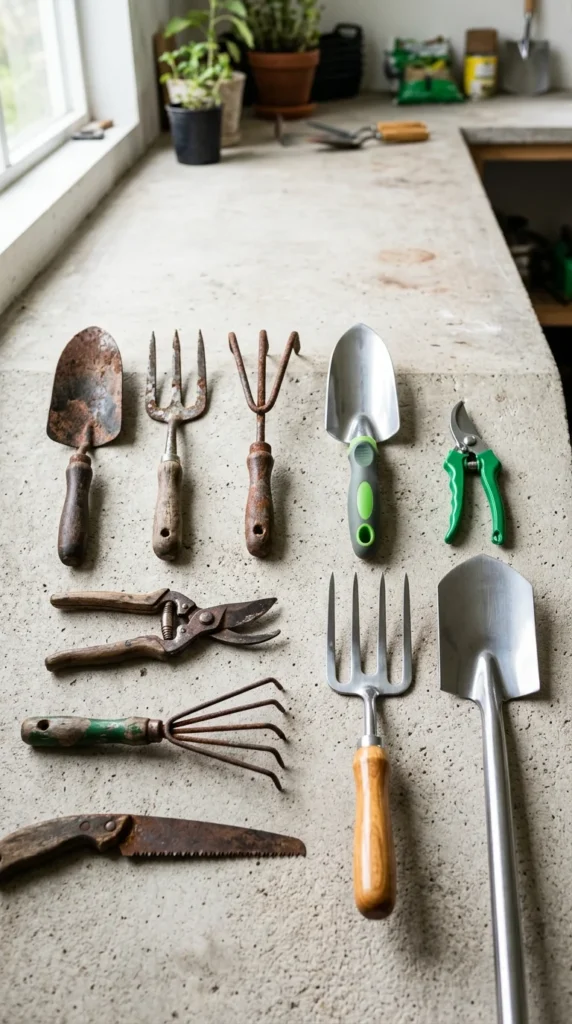
Before you can organize, you must audit your inventory. Empty your entire storage space and lay every item on the ground. Group your tools into three categories: keep, repair, and discard. Dispose of broken plastic pots and rusted-out watering cans that are beyond saving. If you have three identical trowels, consider donating the extras to a community garden.
The decluttering phase is also the perfect time to clean. Wipe down handles, scrub off dried mud, and ensure everything you put back into your newly organized space is in top condition. This foundational step prevents you from wasting valuable storage space on items you no longer use or need.
2. Pegboards
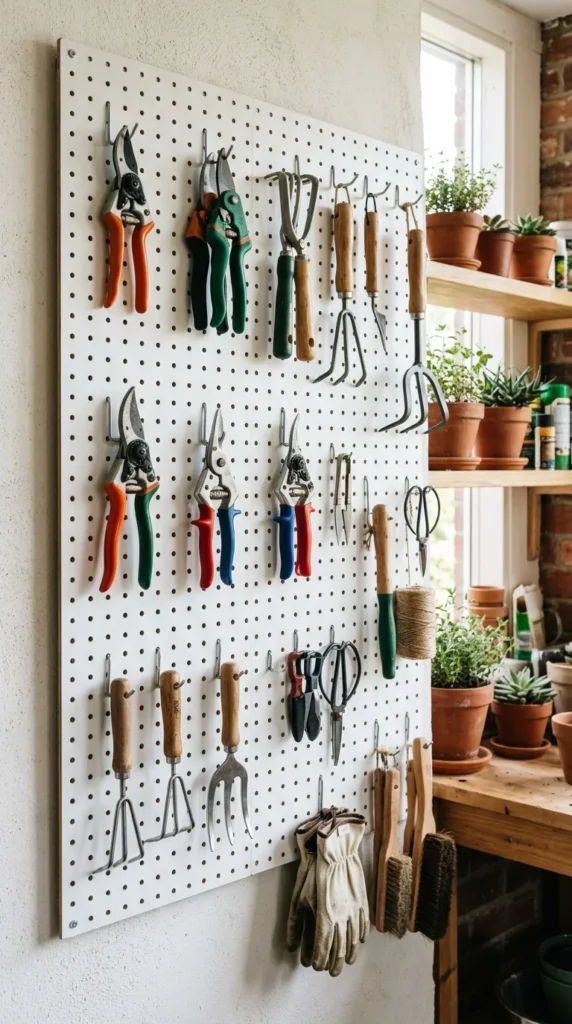
Pegboards are the gold standard for vertical tool storage. They are incredibly versatile, allowing you to rearrange hooks and accessories as your tool collection grows. By mounting a pegboard above your workbench, you keep your most-used hand tools—such as pruners, trowels, and hori-hori knives—within arm’s reach.
To take your pegboard organization to a professional level, use a permanent marker to trace the outline of each tool onto the board. This “shadow board” technique ensures that every item has a specific home and makes it immediately obvious if a tool hasn’t been returned to its place after a day in the dirt.
3. Magnetic Strips
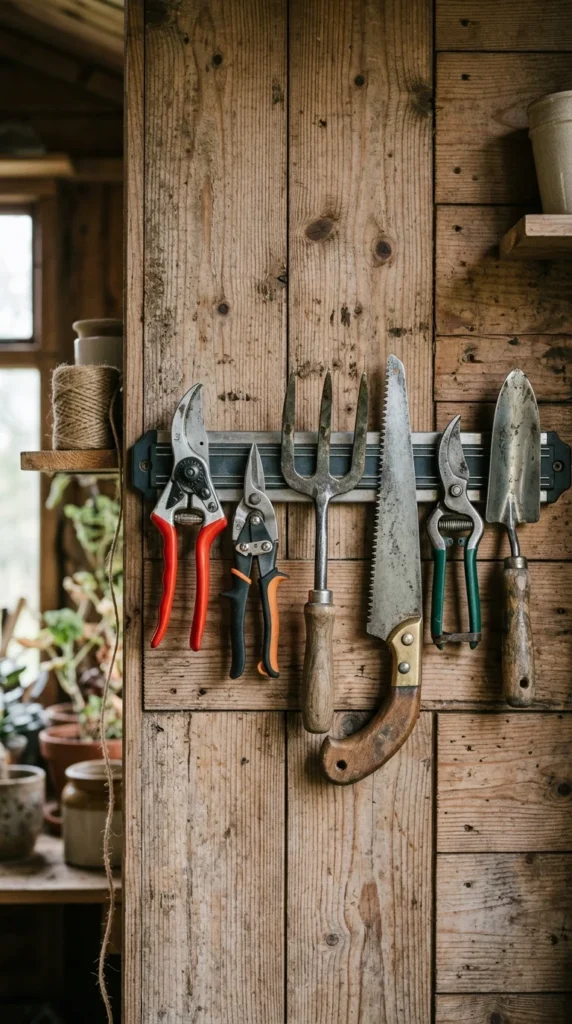
For small, metal-heavy tools, magnetic strips are a game-changer. These strips, often used in kitchens for knives, are powerful enough to hold garden snips, pliers, and even small hammers. They provide instant access and prevent sharp blades from banging against each other in a drawer, which can lead to dulling.
Install magnetic strips at eye level or just below your pegboard. This keeps your workbench clear for potting and transplanting while ensuring that your sharpest implements are safely stored and easily visible.
4. Tool Racks
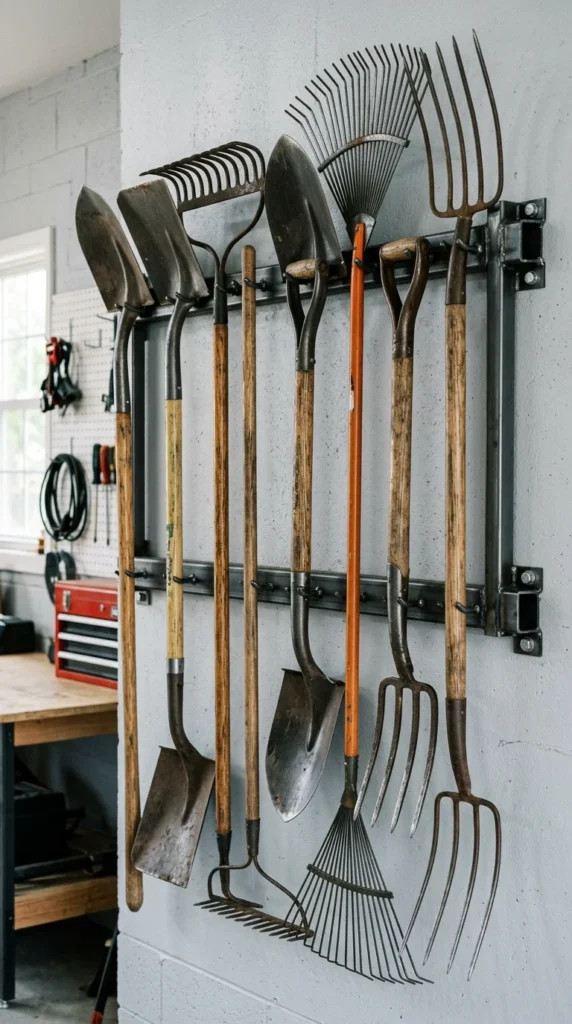
Long-handled tools like shovels, rakes, hoes, and brooms are notorious for falling over and creating a “domino effect” in the corner of a shed. Dedicated wall-mounted tool racks solve this by utilizing vertical space and keeping the floor clear.
You can choose between commercial “S-hook” racks that grip the handles or simple heavy-duty utility hooks. When installing these, stagger the heights of the hooks. By hanging one tool high and the next one slightly lower, you can fit more tools into a smaller horizontal space because the heads of the shovels and rakes won’t overlap and clash.
5. Sand Buckets
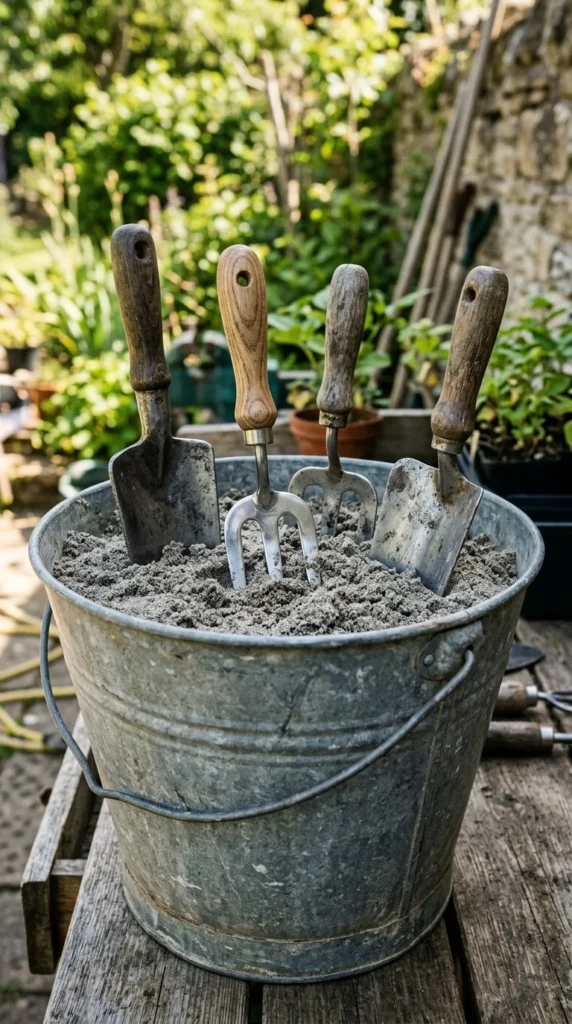
One of the best-kept secrets of professional gardeners is the sand bucket. Fill a large bucket or a wooden box with coarse builder’s sand mixed with a small amount of mineral oil or vegetable oil. When you finish using your hand tools, plunge the metal ends into the sand several times.
The sand acts as an abrasive to remove any remaining dirt, while the oil coats the metal to prevent rust. Leaving the tools standing in the sand bucket also provides a convenient “grab-and-go” storage solution for your most essential hand implements.
6. Pallet Organizers
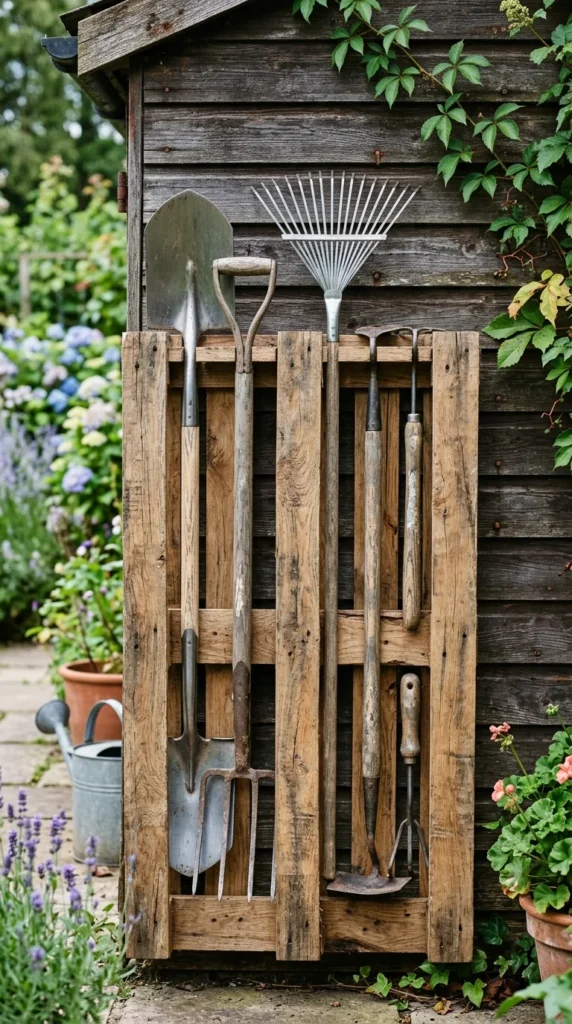
If you are looking for a cost-effective, DIY solution, a wooden shipping pallet is an excellent tool organizer. By securing a pallet vertically against a wall, you create a series of “pockets” where you can slide in rakes, shovels, and hoes.
This method is particularly effective for storing long-handled tools that don’t have holes in the handles for hanging. You can paint or stain the pallet to match your shed’s aesthetic, turning a piece of waste material into a functional and stylish storage hub.
7. Potting Benches
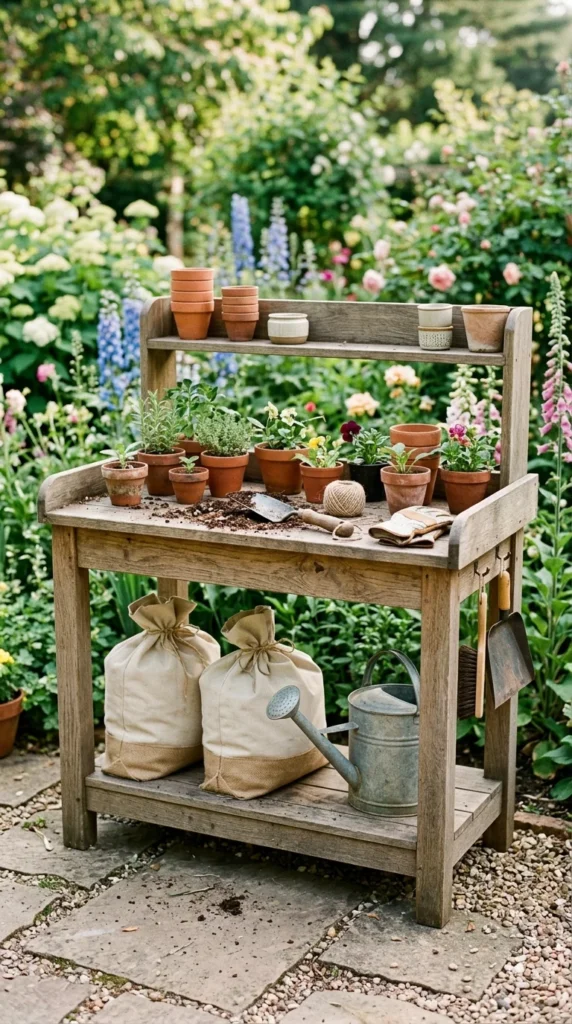
A potting bench is the central command center of an organized garden. It provides a dedicated surface for messy tasks like repotting and seed starting, keeping the rest of your shed clean. Look for a bench with built-in storage features, such as drawers for seed packets and labels, and a lower shelf for heavy bags of soil and mulch.
Position your potting bench near a light source, like a window, and ensure there is enough clearance around it to move freely. Keeping your soil and amendments off the ground on the lower shelf of the bench also prevents pests and moisture from ruining your supplies.
8. Hose Reels
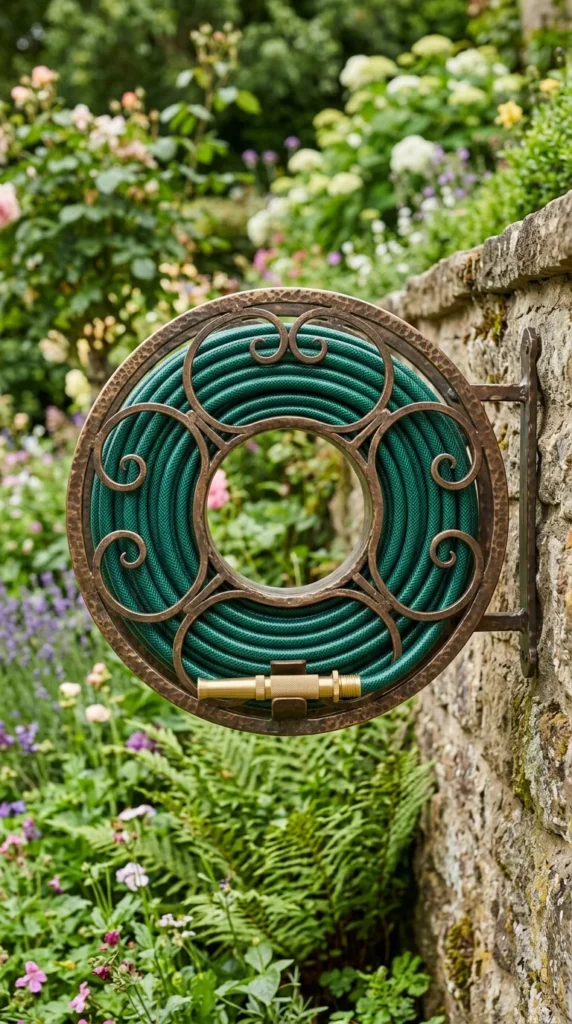
Garden hoses are perhaps the most difficult items to store neatly. Left on the ground, they are a tripping hazard and can be damaged by UV rays or lawnmowers. A high-quality hose reel, whether wall-mounted or a standalone cart, is essential.
For a professional look, choose a wall-mounted reel that allows you to guide the hose back into a neat coil with a crank. This prevents kinks and tangles, ensuring a steady flow of water every time you use it. If you have multiple watering stations, consider installing smaller “hose hides” or decorative pots designed to conceal the hose when not in use.
9. Labeling Systems
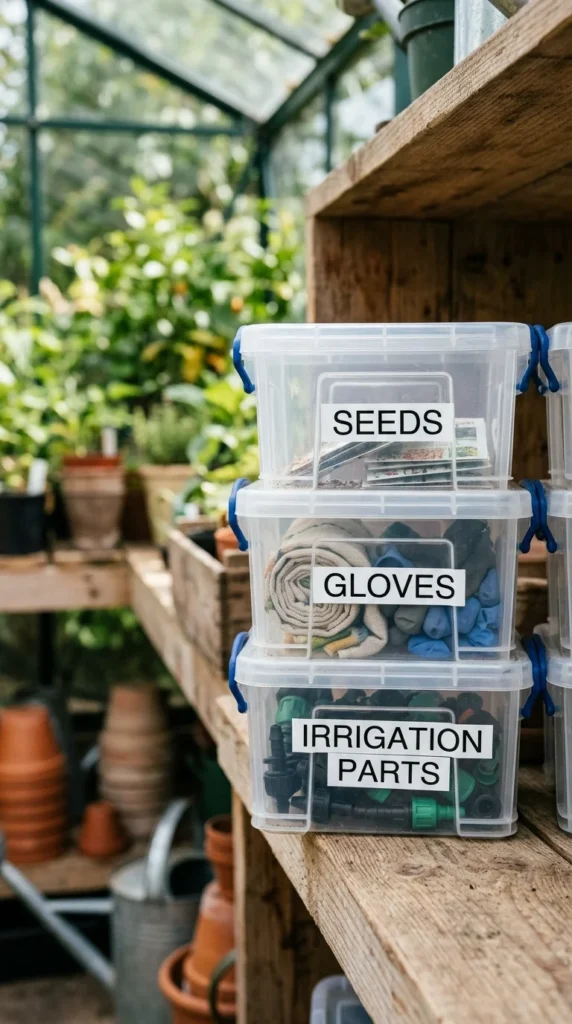
Organization is only effective if you can find what you need quickly. Use a labeling system for bins, drawers, and even shelves. Transparent plastic bins are excellent for storing smaller items like irrigation fittings, plant ties, and bird netting because you can see the contents at a glance.
Label your seed storage by month of planting or by plant type (e.g., “Root Vegetables,” “Annual Flowers”). This level of detail reduces the time spent rummaging through boxes and ensures that you don’t miss important planting windows.
10. Maintenance Kits
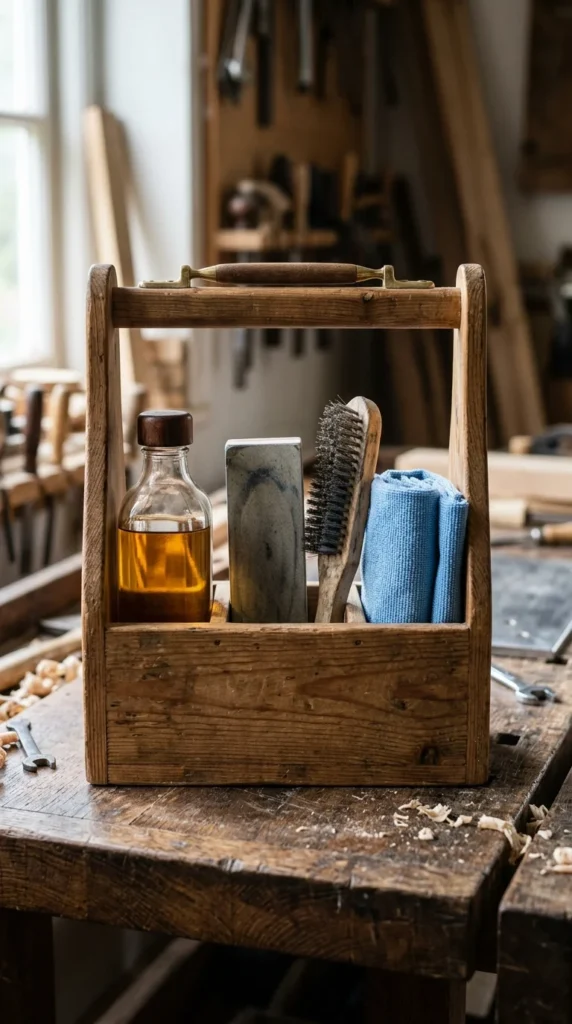
A “pro” organizer knows that tool maintenance is part of the storage process. Create a dedicated maintenance kit that stays in a specific spot in your shed. This kit should include a flat file or whetstone for sharpening blades, wire brushes for removing rust, and linseed oil for conditioning wooden handles.
By keeping these supplies together, you are more likely to perform quick maintenance as you put your tools away. A sharp, well-oiled tool is safer to use and lasts decades longer than a neglected one. Store your maintenance kit in a portable caddy so you can easily bring it to wherever you are working.