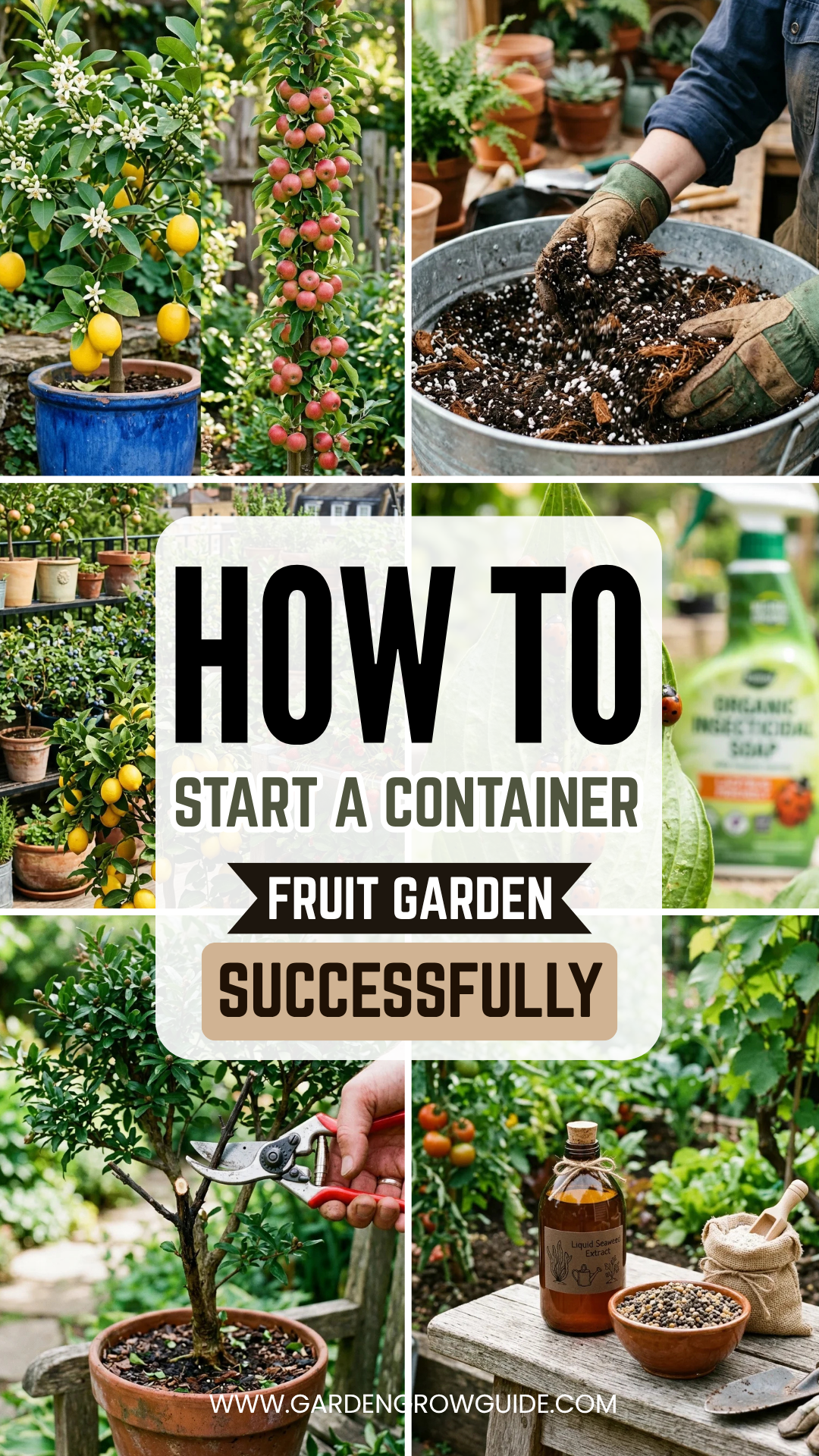
The dream of picking fresh, sun-ripened fruit is no longer reserved for those with sprawling orchards or vast backyard spaces. Container fruit gardening has revolutionized the way urban and suburban dwellers interact with their food sources. By utilizing pots, planters, and raised containers, you can cultivate everything from succulent peaches to tart blueberries on a balcony, patio, or even a sunny doorstep. Starting a container fruit garden requires a blend of horticultural knowledge and strategic planning, but the rewards—both aesthetic and culinary—are immense.
1. Pot Selection
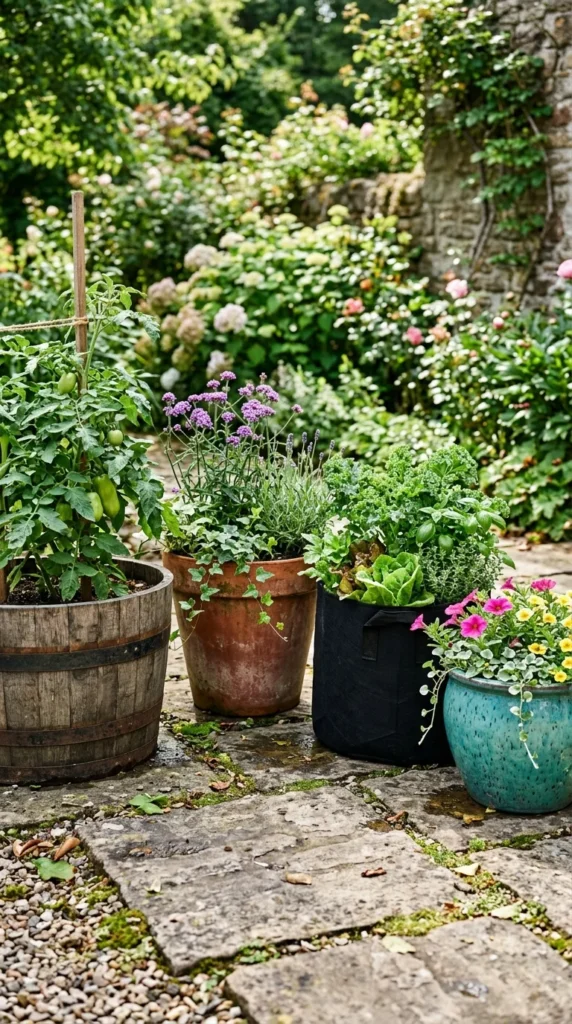
The foundation of a successful container garden lies in the vessel itself. Unlike plants in the ground, container-bound fruit trees and shrubs rely entirely on the environment you provide within the pot’s walls.
- Size Matters: Most fruit trees require a container that holds at least 10 to 15 gallons of soil. Smaller fruits like strawberries can thrive in shallow “strawberry pots” or hanging baskets, but larger woody perennials need room for root expansion.
- Drainage is Non-Negotiable: Fruit plants generally hate “wet feet.” Ensure your chosen container has multiple drainage holes at the bottom. If you find a beautiful ceramic pot without holes, use it as a decorative outer sleeve for a functional plastic nursery pot.
- Material Considerations: Terracotta is porous and allows roots to breathe, but it dries out quickly. Plastic and glazed ceramic retain moisture longer but can become heavy. Fabric grow bags are excellent for air-pruning roots, preventing the plant from becoming root-bound.
2. Fruit Varieties
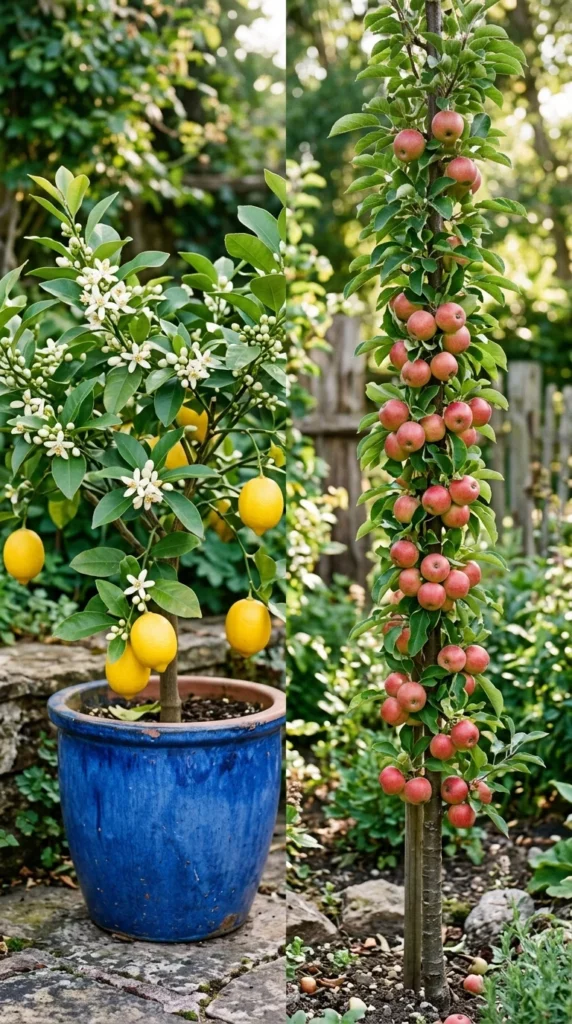
Not every fruit tree is destined for a life in a pot. To succeed, you must seek out “dwarf” or “patio” varieties specifically bred for confined spaces.
- Dwarf Citrus: Lemons, limes, and kumquats are the royalty of container gardening. Varieties like the ‘Meyer’ lemon or ‘Key’ lime are naturally compact and highly productive.
- Columnar Apple Trees: These trees grow vertically in a narrow pillar shape, reaching only about 2-3 feet in width. They are perfect for tight corners.
- Bush Berries: Look for “Top Hat” blueberries or “Raspberry Shortcake” raspberries. these are genetically engineered to remain mounded and thornless, making them ideal for containers.
- Self-Pollination: In a small garden, you may not have room for two trees. Choose “self-fertile” varieties that do not require a cross-pollinator to produce fruit.
3. Soil Mixes
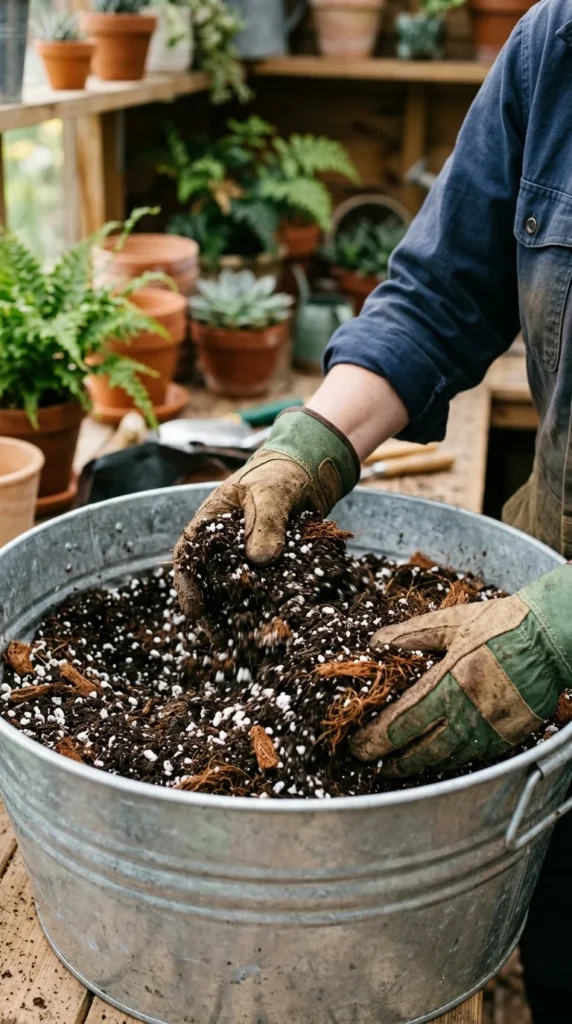
Never use standard garden soil in a container. It is too heavy, compacts easily, and may harbor soil-borne diseases or pests. Container fruit requires a specialized growing medium that balances moisture retention with aeration.
- The Ideal Blend: A high-quality potting mix usually contains peat moss or coconut coir (for moisture), perlite or vermiculite (for aeration), and compost (for initial nutrients).
- pH Requirements: Most fruits prefer a slightly acidic soil (pH 6.0 to 7.0). However, blueberries are “acid-loving” and require a specific ericaceous mix with a much lower pH (4.5 to 5.5).
- Weight Management: If your garden is on a balcony, consider adding extra perlite to the mix to keep the total weight manageable, as wet soil is significantly heavier than dry soil.
4. Sun Placement
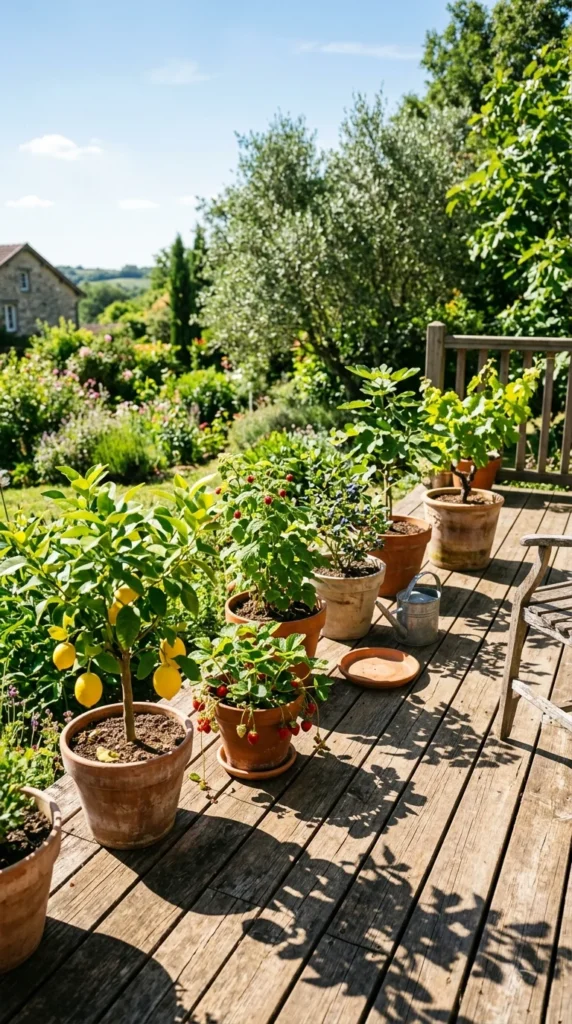
Sunlight is the fuel that drives fruit production. Without adequate light, your plants may grow leaves, but they will fail to develop the sugars necessary for sweet fruit.
- The Six-Hour Rule: Most fruit-bearing plants require a minimum of 6 to 8 hours of direct sunlight daily. South-facing locations are typically the most productive.
- Reflective Heat: Be mindful of dark-colored pots or brick walls that can absorb and radiate intense heat. In peak summer, this can “cook” the roots. You may need to provide afternoon shade in extremely hot climates.
- Mobility: One of the greatest advantages of containers is the ability to move them. Use wheeled plant caddies to follow the sun as the seasons change.
5. Irrigation
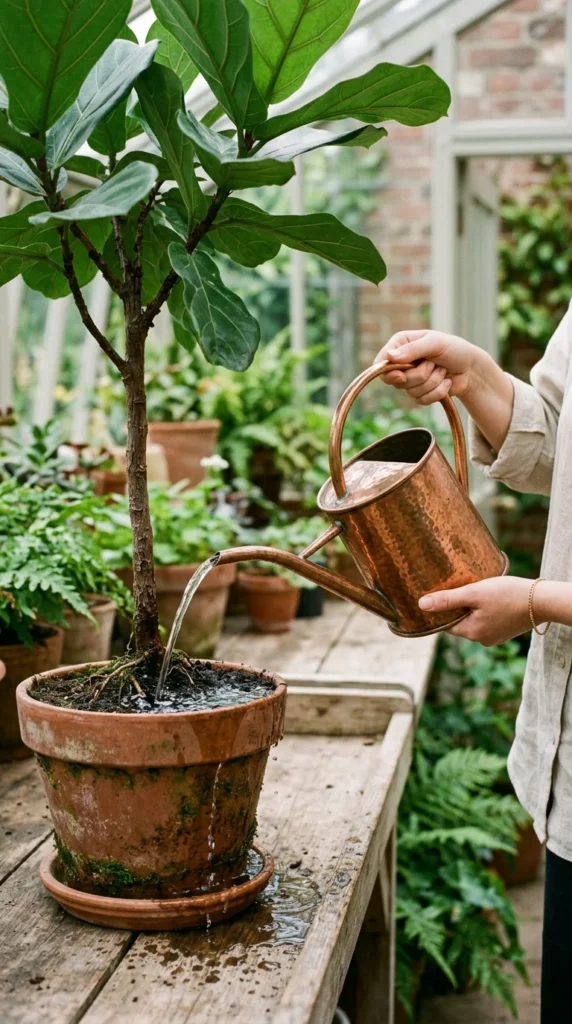
Watering is the most frequent task in container gardening. Because the soil volume is limited, it dries out much faster than the earth.
- Consistency is Key: Fluctuating moisture levels can cause fruit to crack or drop prematurely. The goal is to keep the soil consistently moist but not waterlogged.
- The Finger Test: Insert your finger two inches into the soil. If it feels dry, it is time to water. In the heat of summer, large pots may need watering every single day.
- Deep Watering: When you water, do so until you see liquid running out of the drainage holes. This ensures the entire root ball is hydrated and helps flush out excess salts from fertilizers.
6. Nutrients
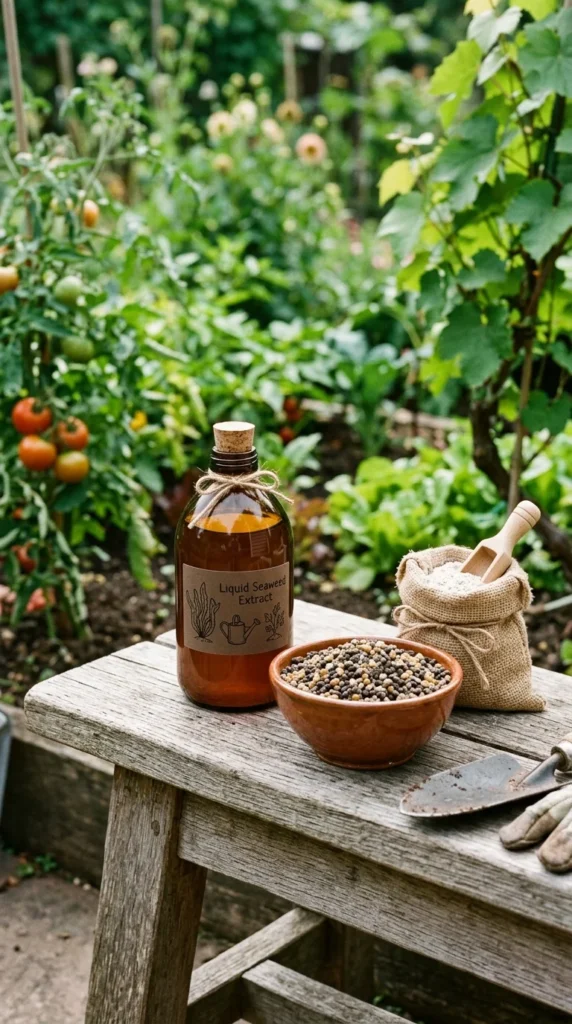
Containers are closed systems; once the plant uses the nutrients in the potting soil, it has no other source of food. A regular feeding schedule is vital for a heavy harvest.
- N-P-K Balance: Use a fertilizer formulated for fruit or “blooms.” These usually have a lower Nitrogen (N) count relative to Phosphorus (P) and Potassium (K) to encourage fruiting rather than just leafy growth.
- Slow-Release vs. Liquid: Apply a granular, slow-release fertilizer in early spring to provide a base layer of nutrition. Supplement this with a liquid seaweed or fish emulsion every two weeks during the peak growing season.
- Micronutrients: Fruit trees in pots often suffer from deficiencies in iron or magnesium. Keep an eye out for yellowing leaves with green veins, which indicates a need for chelated minerals.
7. Pruning
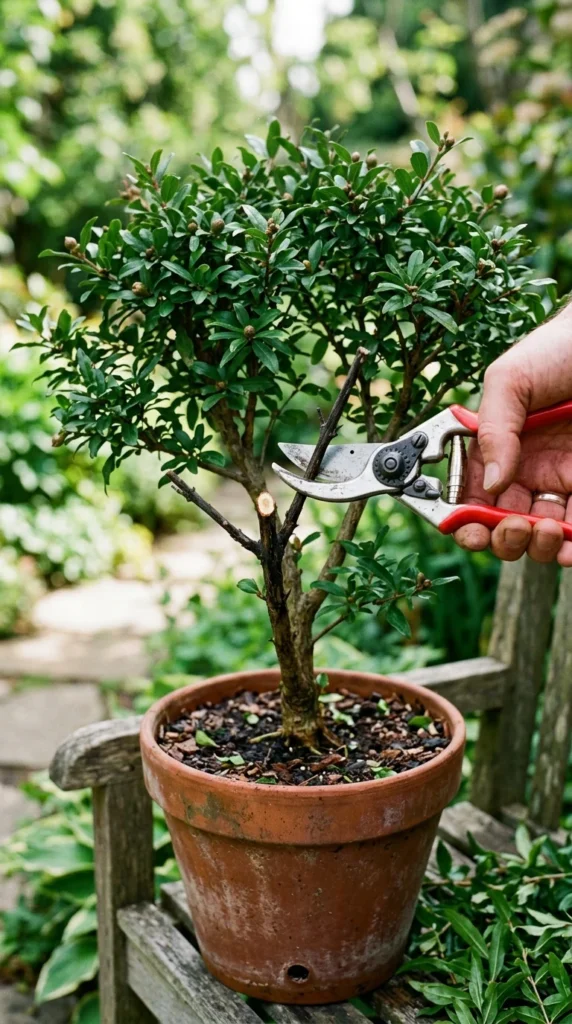
Pruning is not just about aesthetics; it is a tool for health and productivity. In a container, you must manage the plant’s size to keep it in balance with its root system.
- The Three Ds: Always remove any wood that is Dead, Damaged, or Diseased as soon as you spot it.
- Thinning the Canopy: Open up the center of the plant to allow sunlight and air to reach the middle. This prevents fungal issues and ensures fruit in the center of the tree ripens at the same rate as fruit on the outside.
- Fruit Thinning: It is tempting to keep every tiny fruit that forms, but a young container tree often cannot support a massive load. Remove some of the small, developing fruits to allow the remaining ones to grow larger and higher in quality.
8. Pest Control
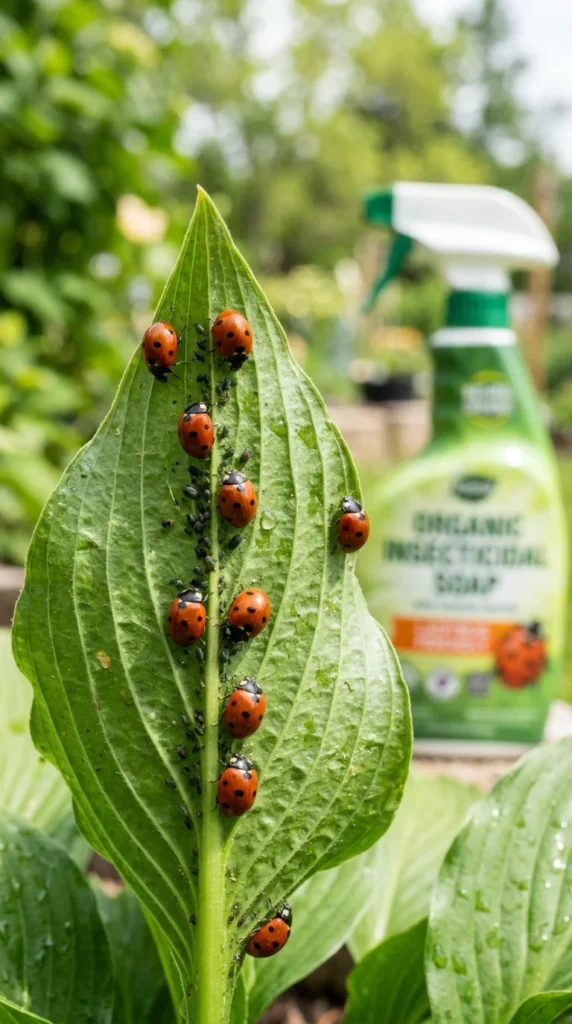
Pests can be more concentrated in a container garden, but they are also easier to monitor and manage.
- Vigilance: Check the undersides of leaves and the tips of new growth weekly for aphids, mites, or scale.
- Physical Barriers: Use bird netting to protect ripening berries or cherries from local wildlife. For smaller insects, a strong blast of water from a hose can often dislodge them without the need for chemicals.
- Organic Solutions: If an outbreak occurs, use neem oil or insecticidal soaps. These are generally safe for food crops and have a low impact on beneficial pollinators like bees.
9. Winter Care
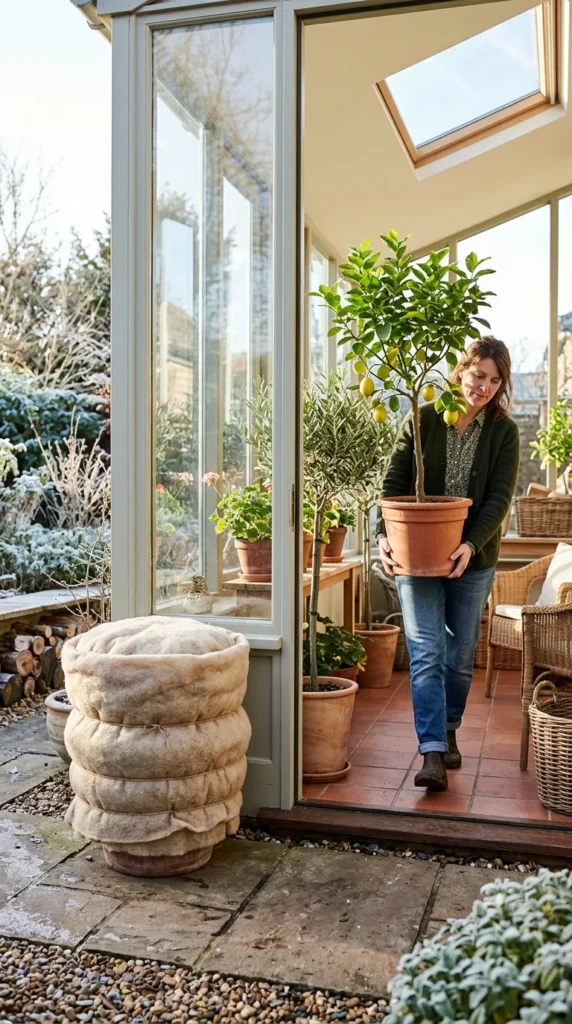
Perennial fruits need to survive the winter to produce again the following year. The roots in a container are more exposed to the cold than those in the ground.
- Hardiness Zones: If you live in a cold climate, choose plants that are “hardy” to two zones colder than your actual location.
- Insulation: Wrap pots in burlap, bubble wrap, or specialized frost blankets to protect the root ball from freezing and thawing cycles.
- Indoor Transition: Tropical fruits like lemons or limes must be brought indoors before the first frost. Place them in the sunniest window possible and reduce watering while they are in their semi-dormant state.
By mastering these nine pillars of container fruit gardening, you can turn any small outdoor space into a productive, edible oasis. The journey from the first blossom to the final harvest is one of the most rewarding experiences a gardener can have.