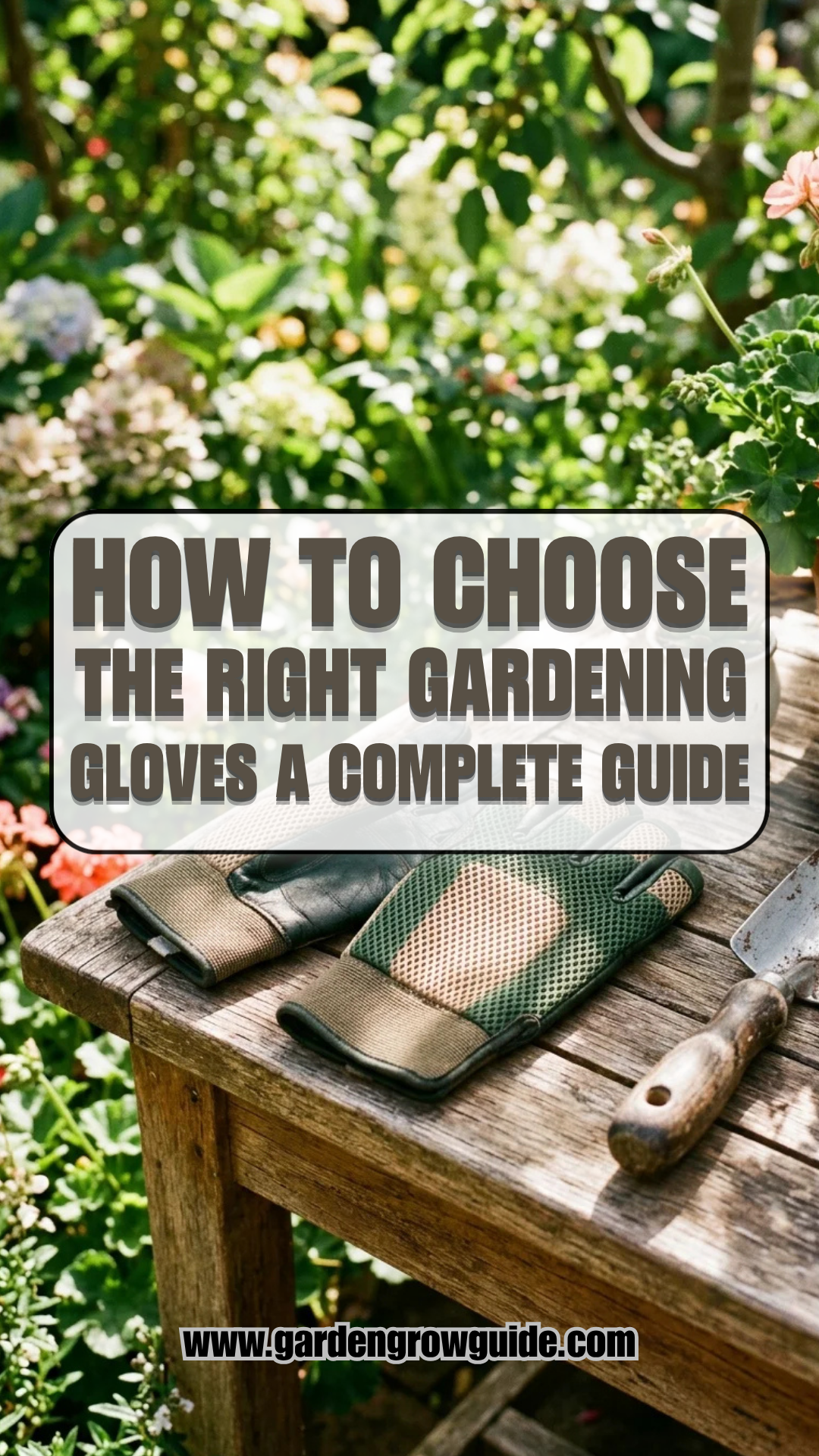
Gardening is a therapeutic and rewarding hobby, but it can be surprisingly taxing on the hands. From sharp thorns and stinging nettles to caustic fertilizers and abrasive soil, your hands encounter a variety of hazards every time you step into the garden. Choosing the right pair of gloves is not just about comfort; it is about safety, efficiency, and ensuring that your hands remain healthy and blister-free. This guide explores every facet of selecting the perfect pair for your specific gardening needs.
1. Protection
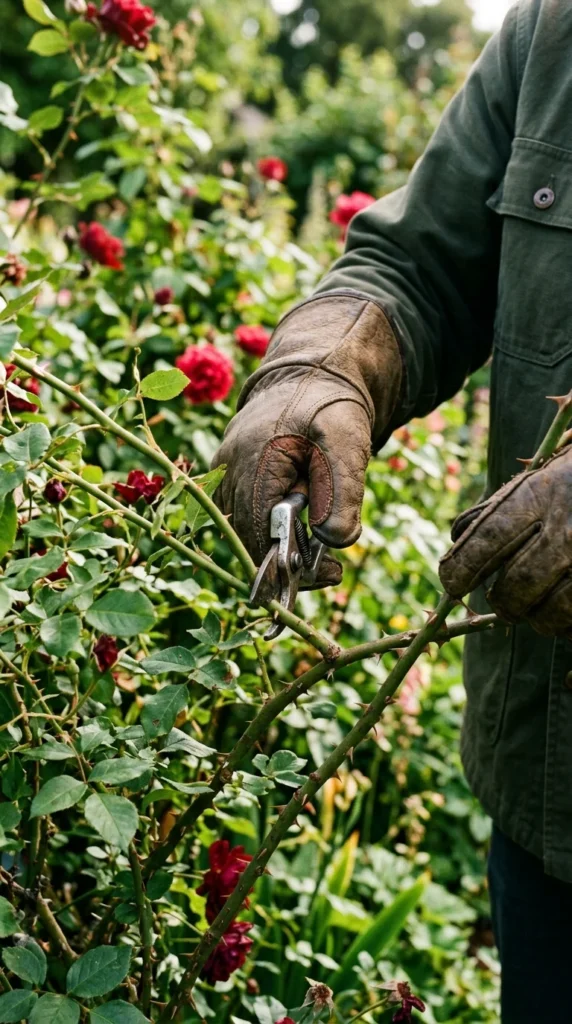
The primary purpose of any gardening glove is protection. Depending on the task at hand, the level of protection required will vary significantly. For heavy-duty tasks like clearing brush or pruning roses, you need puncture-resistant materials that can withstand thorns and sharp branches. Gauntlet-style gloves, which extend up the forearm, are essential for protecting against scratches when reaching deep into bushes. Conversely, for light weeding or seeding, a thinner material provides better tactile feedback while still shielding the skin from dirt and mild irritants.
2. Fit
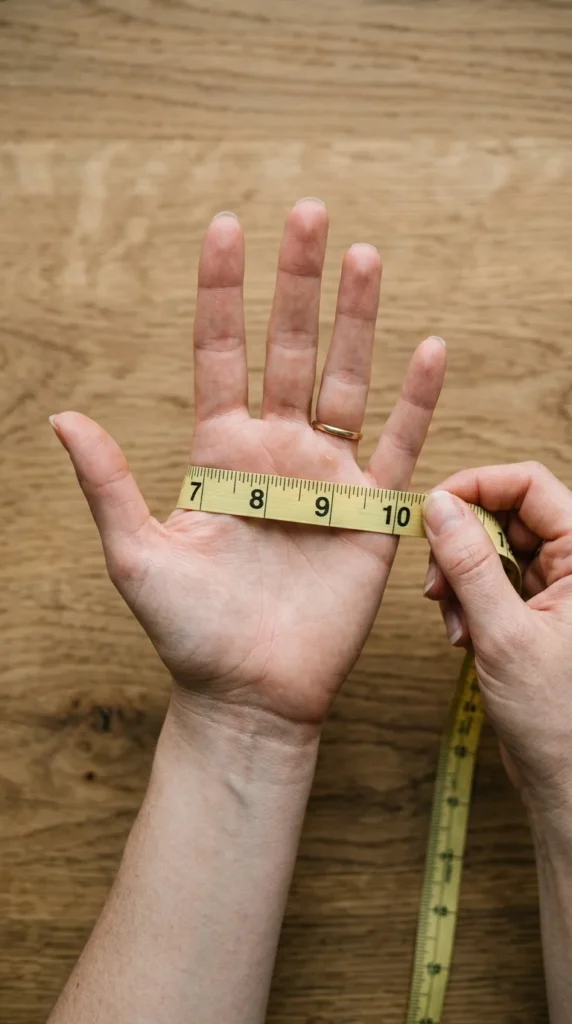
Fit is perhaps the most overlooked aspect of choosing gardening gloves. A glove that is too large will slip and slide, causing friction that leads to blisters and reducing your grip on tools. A glove that is too small will restrict movement, cause hand fatigue, and potentially tear at the seams. To find the right fit, ensure the fingertips reach the end of the glove without being tight, and that the wrist closure is secure enough to keep out soil and debris. Many manufacturers provide size charts; it is always worth measuring the circumference of your palm to ensure accuracy.
3. Leather
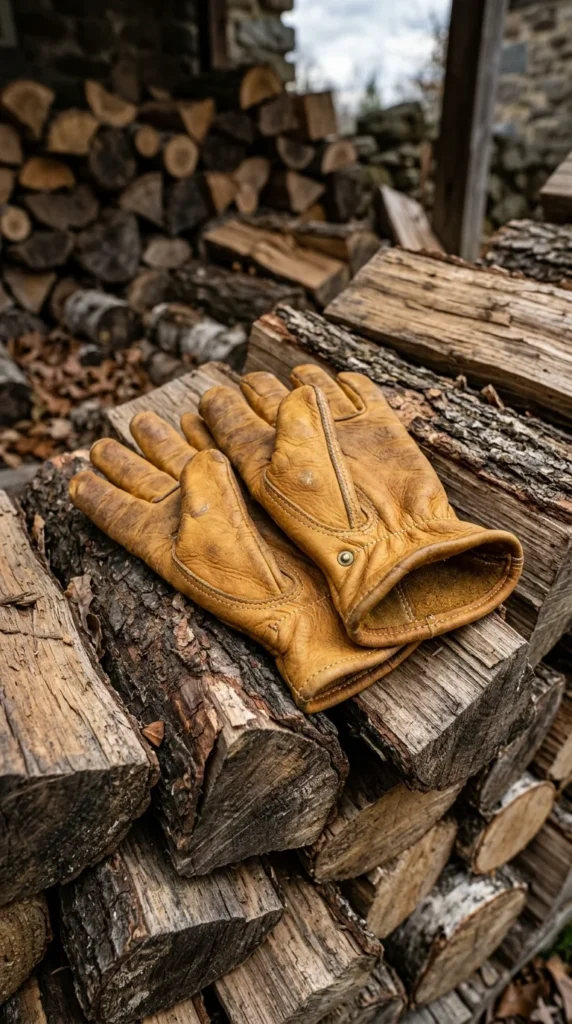
Leather is the gold standard for heavy-duty gardening. It is naturally durable, puncture-resistant, and offers excellent protection against mechanical injuries.
- Cowhide: The most common and durable option, ideal for heavy labor and handling rough materials.
- Goatskin: Known for its softness and flexibility, goatskin provides surprisingly high puncture resistance while allowing for better dexterity than cowhide.
- Pigskin: This material is unique because it remains soft and pliable even after getting wet and drying out, making it excellent for damp conditions.
- Deerskin: The softest and most comfortable leather, offering great dexterity, though it is less durable than cowhide or goatskin.
4. Nitrile
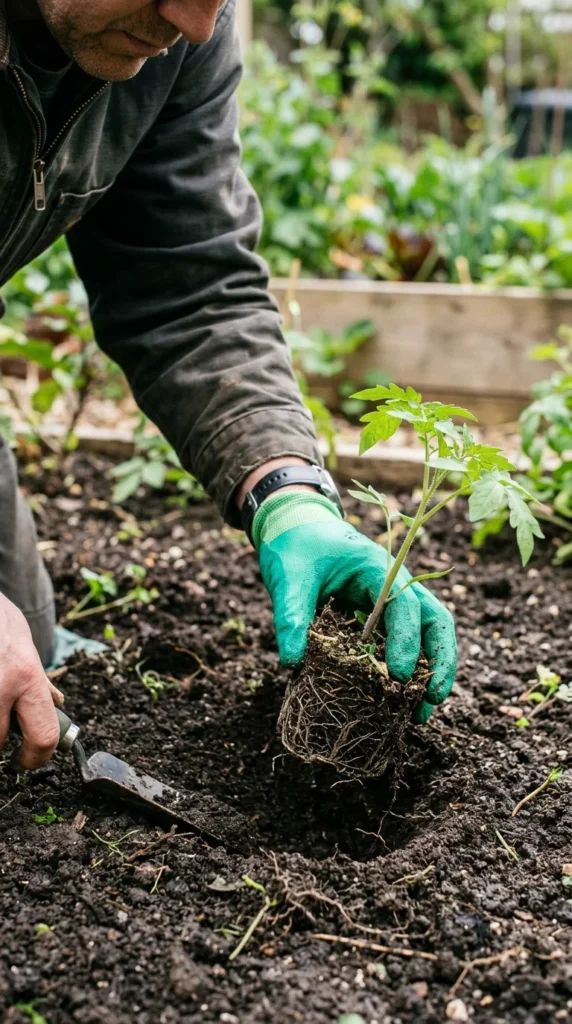
Nitrile-coated gloves have become incredibly popular among home gardeners. These gloves usually consist of a breathable knit fabric (like nylon or polyester) dipped in a nitrile coating on the palm and fingers. Nitrile is a synthetic rubber that is highly resistant to punctures and chemicals. These gloves offer an exceptional “second-skin” feel, allowing you to perform delicate tasks like handling tiny seeds or pulling small weeds with precision. They are also water-resistant on the coated areas, keeping your palms dry in damp soil.
5. Cotton
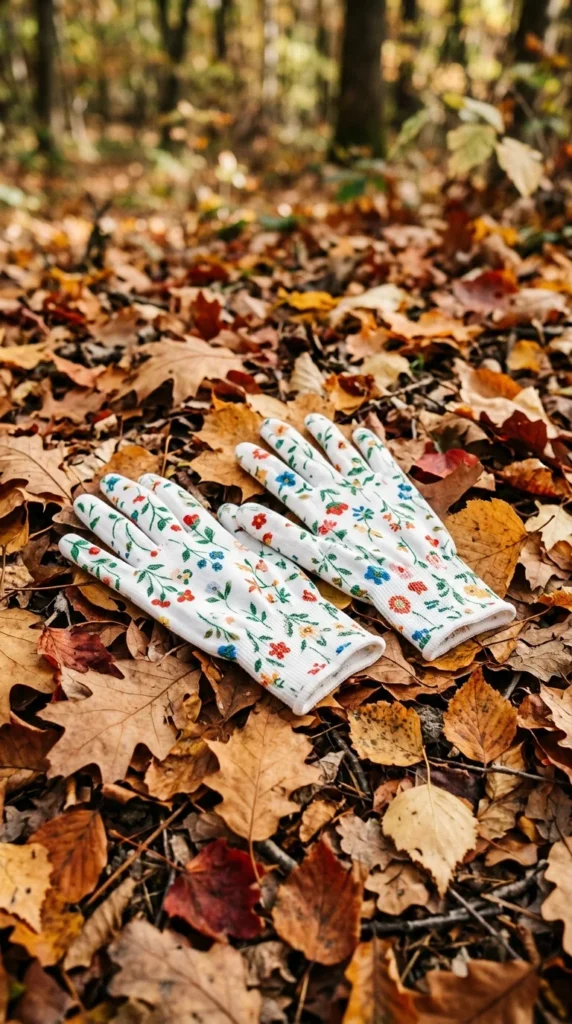
Cotton gloves are the most basic and affordable option. They are lightweight and highly breathable, making them comfortable for light work in hot weather. However, they offer the least amount of protection. They are not puncture-resistant, and they soak up water and mud instantly. Cotton gloves are best reserved for light chores such as raking leaves, sweeping the patio, or handling dry seeds. They are often machine-washable, which adds to their convenience for casual gardeners.
6. Durability
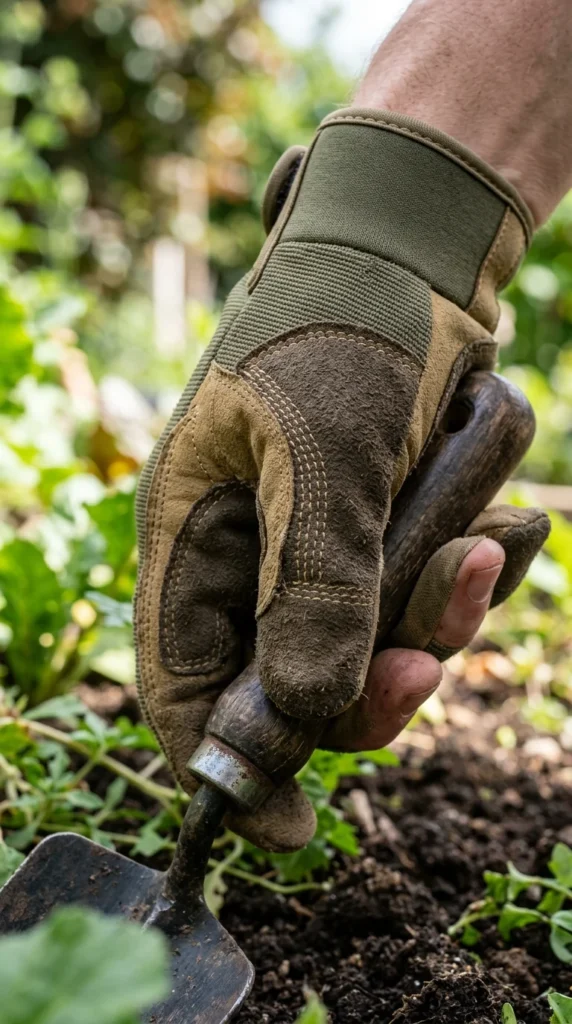
When evaluating durability, look at the construction details. Reinforced fingertips and palms are essential for gloves that will see heavy use, as these are the areas that wear out fastest. Double-stitched seams provide extra strength against tearing. For synthetic gloves, check the density of the knit; a tighter knit usually indicates a longer-lasting glove. While it may be tempting to buy the cheapest pair available, investing in a well-constructed pair will save money in the long run as they won’t need to be replaced every few weeks.
7. Breathability
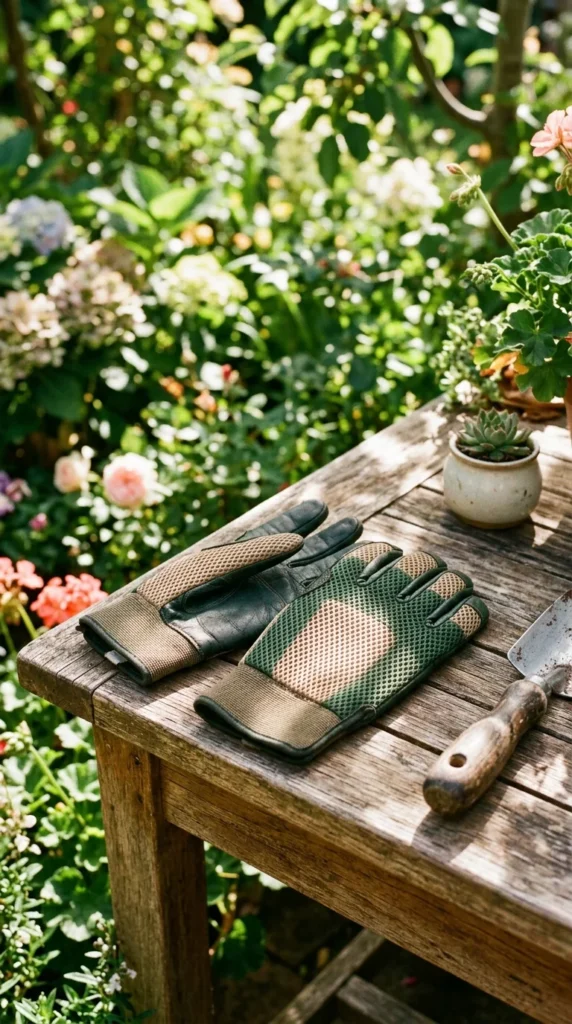
Working in the garden during the summer can cause hands to sweat profusely, leading to discomfort and skin irritation. Breathability is a key factor for comfort during long sessions. Look for gloves with “breathable backs”—often made of mesh or light spandex—that allow heat to escape while the palms remain protected. Natural materials like cotton and unlined leather also breathe better than fully coated rubber or plastic gloves. If you frequently garden in high temperatures, avoid “waterproof” gloves that lack ventilation, as they will trap moisture inside.
8. Waterproofing
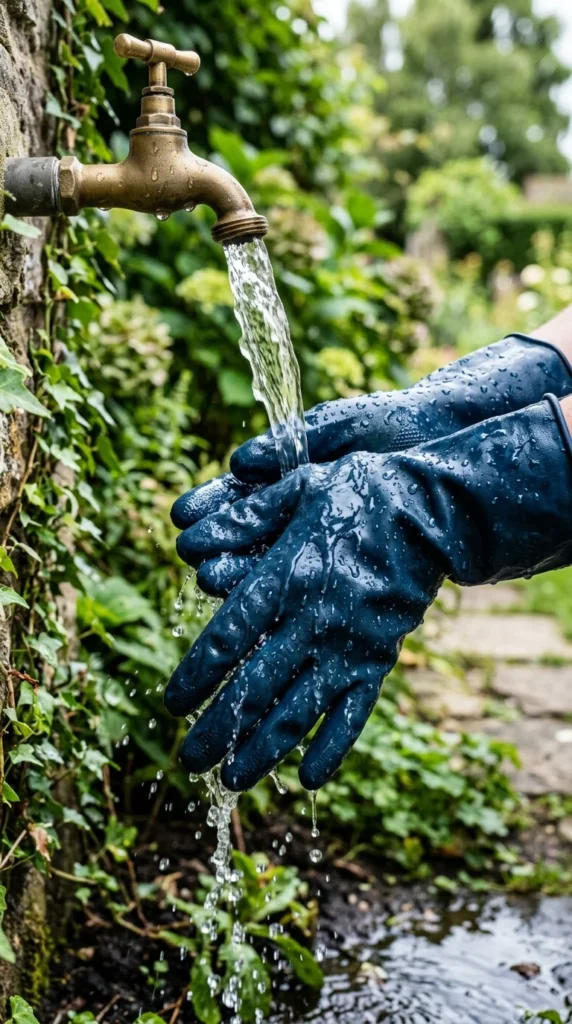
For gardening in early spring or late autumn when the ground is cold and soggy, waterproof or water-resistant gloves are a necessity.
- Fully Rubberized: These are completely waterproof but offer no breathability. They are perfect for mixing wet soil or handling liquid fertilizers.
- Latex-Dipped: Similar to nitrile but often thicker, providing a good grip and water resistance on the palms.
- Neoprene: Often used for winter gardening gloves, neoprene provides both waterproofing and insulation against the cold.
9. Tasks
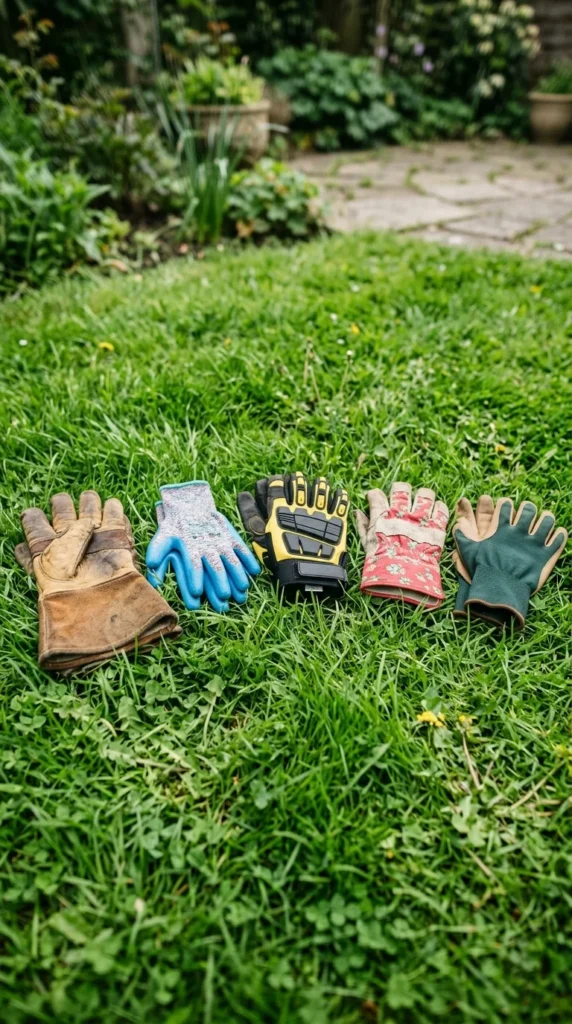
Match your glove to the specific task you perform most often:
- Pruning: Choose long-cuff leather gauntlets to protect your wrists and forearms.
- Digging/Weeding: Opt for nitrile-dipped gloves for a combination of grip, protection, and dexterity.
- Mulching/Rock Work: Heavy-duty cowhide leather is best for handling abrasive materials.
- Potting: Light synthetic or cotton gloves provide the tactile feel needed for delicate root systems.
- Using Power Tools: Look for gloves with padded palms to absorb vibrations from hedge trimmers or chainsaws.
10. Care
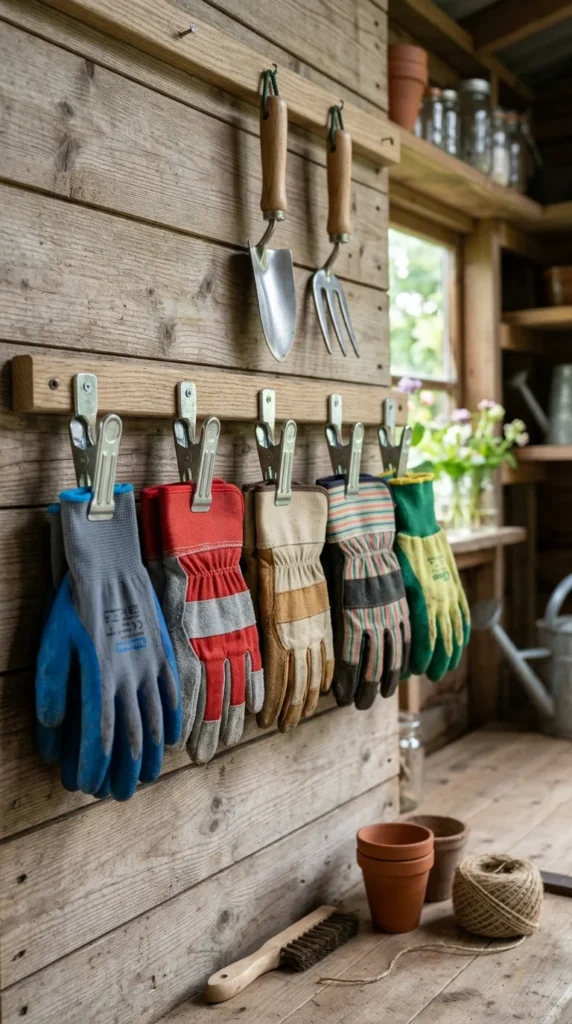
To extend the life of your gardening gloves, proper maintenance is crucial.
- Leather: Never wash leather gloves in a machine. Brush off dry dirt, and if they get wet, let them air dry slowly away from direct heat sources to prevent cracking. Use a leather conditioner occasionally to keep them supple.
- Synthetics/Nitrile: Most of these can be hand-washed with mild soap and air-dried.
- Storage: Always store your gloves in a dry, shaded area. Leaving them in the sun can degrade synthetic materials and dry out leather, while leaving them in a damp pile can lead to mold and unpleasant odors. Hanging them up allows for better airflow and ensures they are ready for your next session in the dirt.