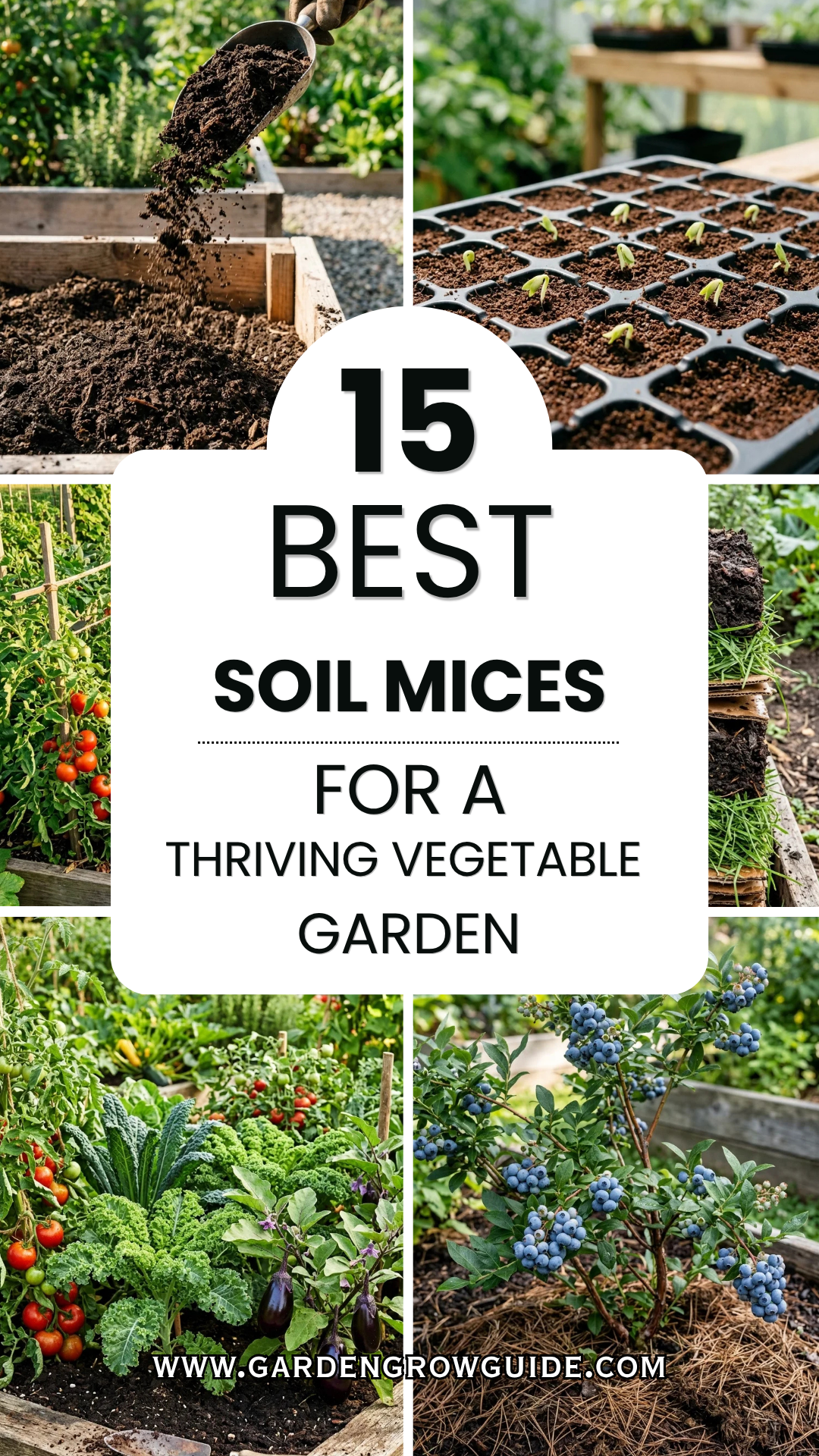
The foundation of every successful vegetable garden is not the seeds, the sunlight, or the water—it is the soil. Healthy soil is a living ecosystem teeming with beneficial bacteria, fungi, and nutrients that fuel plant growth. Choosing the right soil mix can mean the difference between a stunted, yellowing plant and a bountiful harvest. Different environments, such as raised beds, containers, or traditional in-ground rows, require specific soil structures to manage drainage, aeration, and nutrient availability.
1. Raised Bed Mix
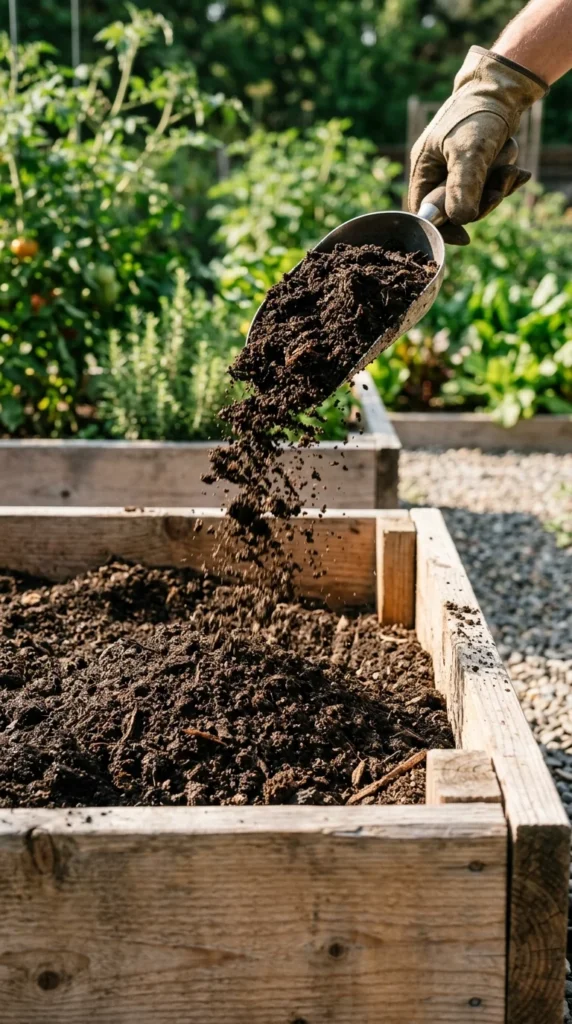
Raised bed gardening requires a specific balance to prevent the soil from compacting over time while ensuring it doesn’t dry out too quickly. A standard raised bed mix usually consists of 50% high-quality topsoil and 50% well-aged compost. This combination provides the structural integrity of the earth with the nutrient density of organic matter. Because raised beds are elevated, they drain faster than ground soil, making the inclusion of compost vital for moisture retention.
2. Potting Mix
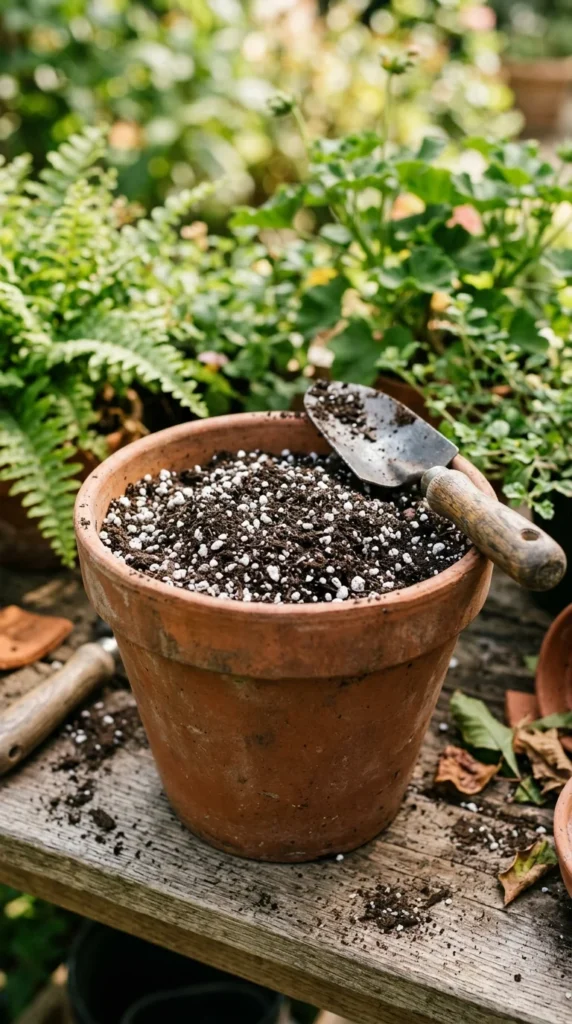
Standard garden soil is too heavy for containers and will suffocate roots. A high-quality potting mix is “soilless,” typically composed of peat moss or coconut coir, pine bark, and perlite or vermiculite. This mix is designed to be lightweight and highly porous, allowing oxygen to reach the roots of vegetables like peppers and eggplants. Most commercial potting mixes also include a “starter charge” of slow-release fertilizer to help young plants establish themselves in the first few weeks.
3. Seed Starting Mix
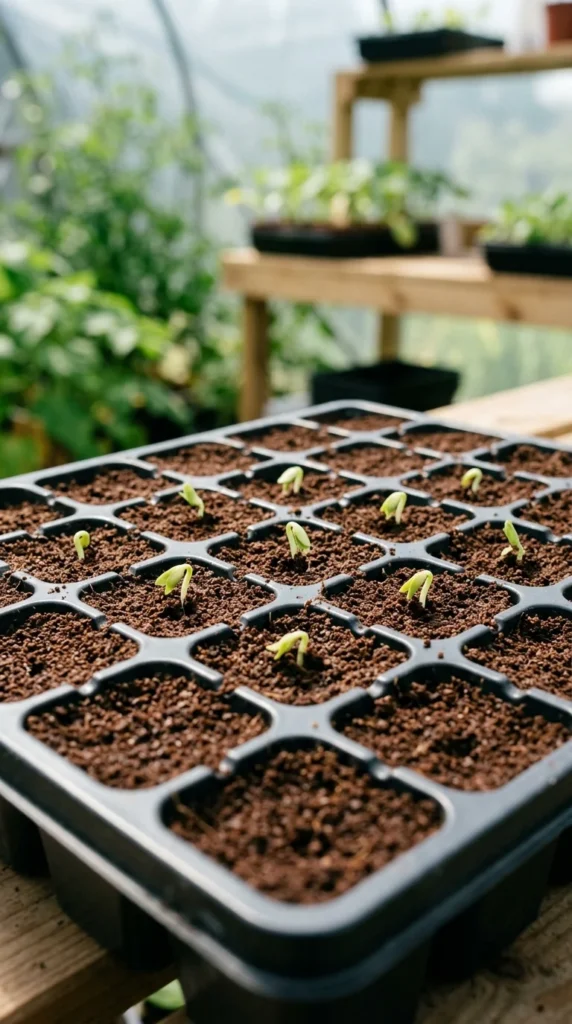
Seedlings are delicate and have very little strength to push through heavy soil. A seed starting mix is exceptionally fine-textured and usually contains no actual soil. It is primarily made of finely screened peat moss and perlite. It is sterile to prevent “damping off,” a fungal disease that kills young stems. Because seeds contain their own initial energy, these mixes often have no added fertilizer, allowing the gardener to introduce nutrients only once the first true leaves appear.
4. Mel’s Mix
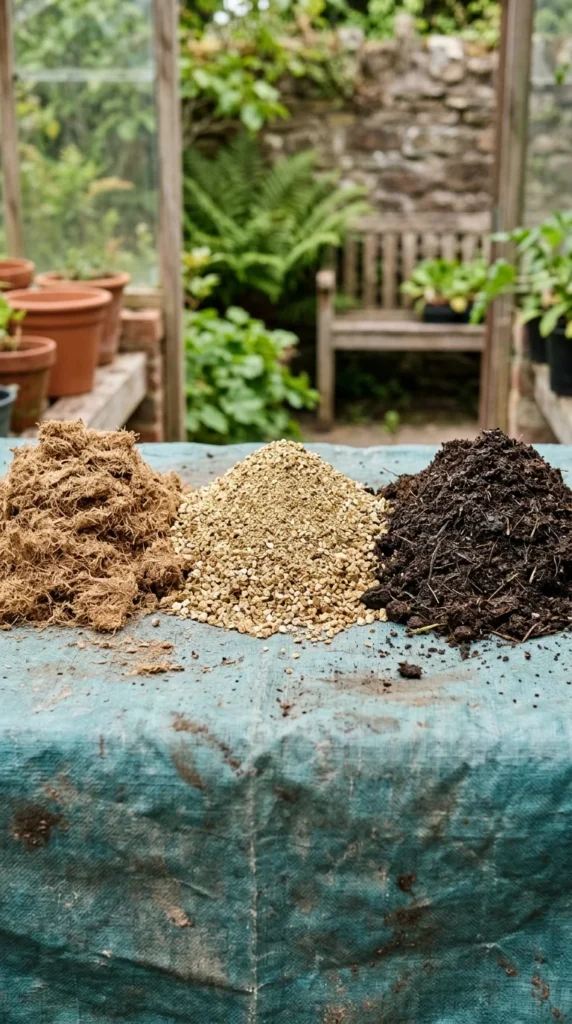
Popularized by the “Square Foot Gardening” method, Mel’s Mix is a legendary recipe among home gardeners. It consists of exactly one-third coarse vermiculite, one-third peat moss (or coconut coir), and one-third blended compost from at least five different sources. This mix never needs to be tilled and stays loose and friable for years. The variety of compost sources ensures a broad spectrum of trace minerals, making it one of the most productive mixes for intensive vegetable growing.
5. Sandy Loam Mix
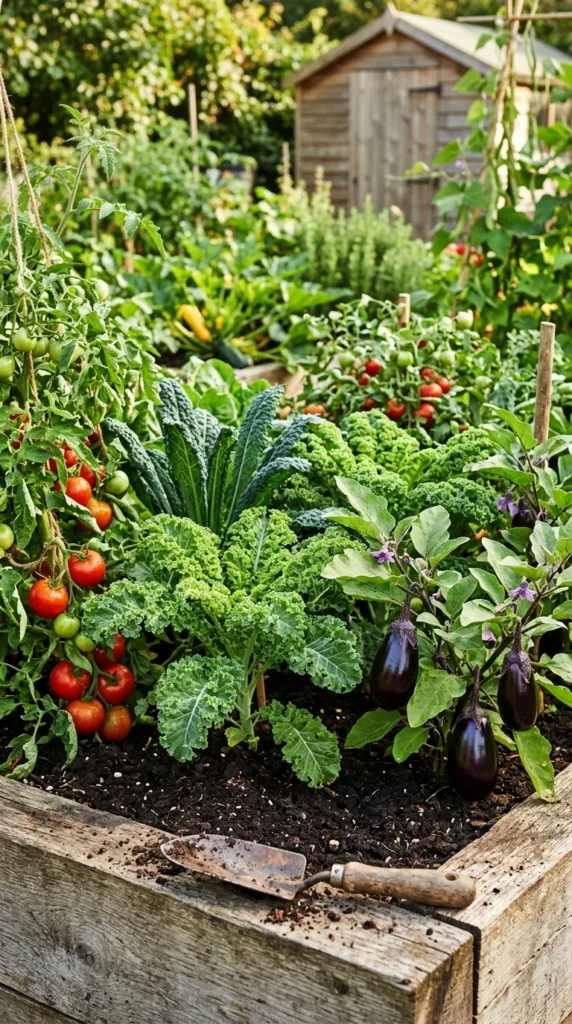
For root vegetables like carrots, parsnips, and radishes, a sandy loam mix is the gold standard. Carrots need soil that offers little resistance so they can grow straight and long. This mix is created by blending roughly 40% sand, 40% silt, and 20% clay, then amending it heavily with compost. The sand ensures excellent drainage and prevents the “forking” of roots, while the organic matter provides the necessary nutrients for bulb development.
6. Acidic Berry Mix
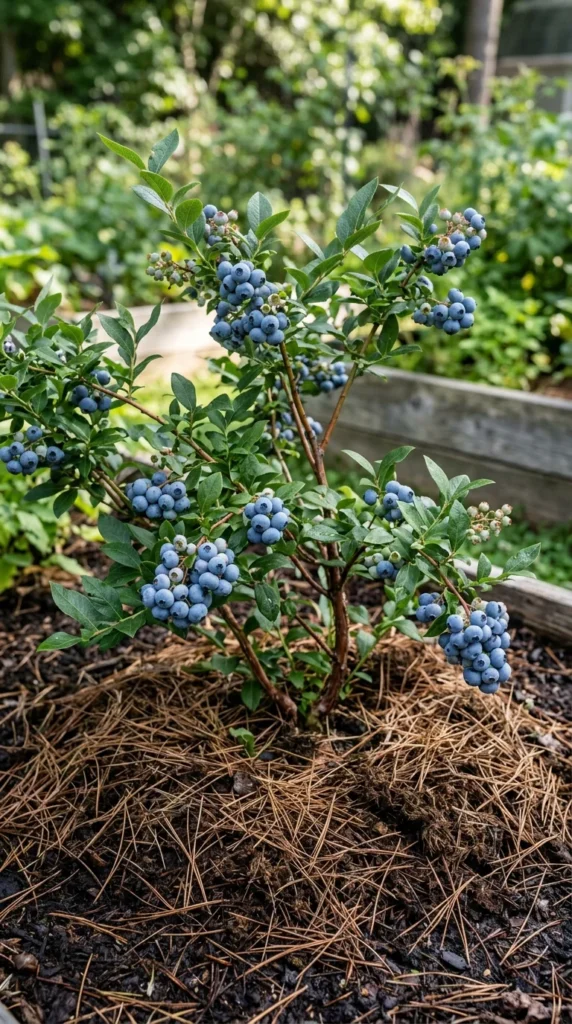
While most vegetables prefer a neutral pH (6.0 to 7.0), some garden favorites like blueberries and certain varieties of potatoes thrive in acidic conditions. An acidic mix is achieved by using a high percentage of sphagnum peat moss and pine bark fines. Avoid adding lime to this mix, as lime raises the pH. Instead, gardeners often add elemental sulfur or coffee grounds to maintain the acidity required for these plants to uptake iron and other essential minerals.
7. Clay-Heavy Mix
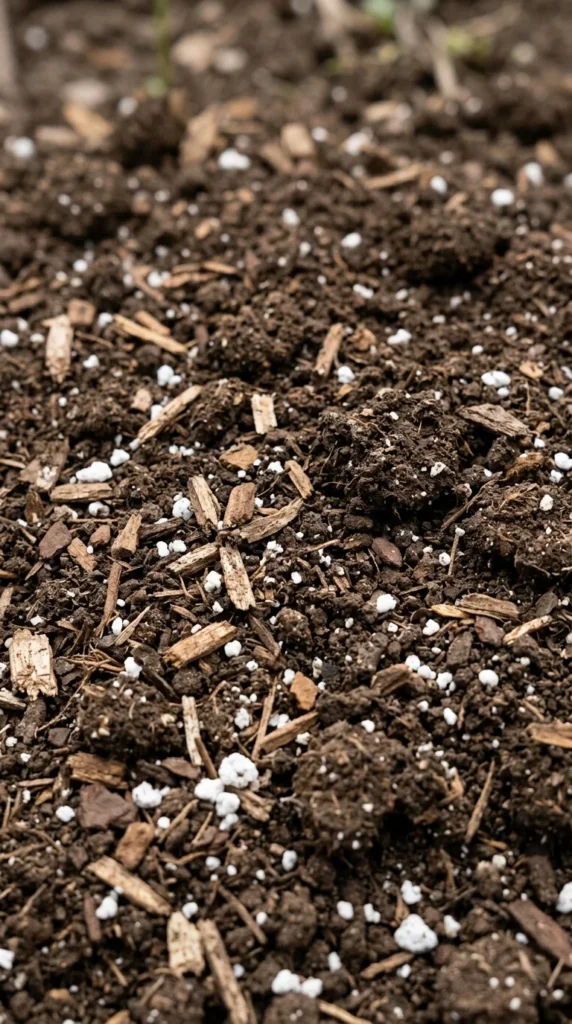
If your native soil is heavy clay, you don’t necessarily need to replace it; you need to modify it. A modified clay mix involves adding large amounts of organic matter (like leaf mold or compost) and sometimes gypsum to help break up the ionic bonds of the clay particles. Clay is actually very nutrient-rich, but its density prevents roots from penetrating and water from draining. By adding “loft” through organic amendments, you create a mix that holds onto nutrients better than almost any other soil type.
8. Water-Retentive Mix
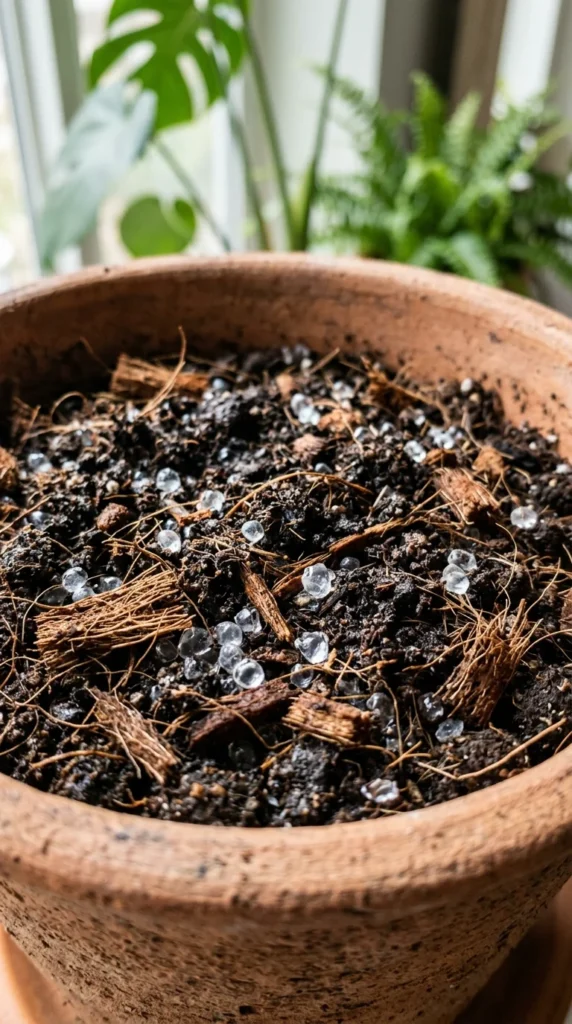
In hot, arid climates, keeping soil moist is a constant struggle. A water-retentive mix utilizes coconut coir as its primary base rather than peat moss. Coconut coir can hold up to ten times its weight in water and re-wets more easily than peat. For extreme heat, many gardeners also add vermiculite and a layer of straw or wood chip mulch on top to prevent evaporation, ensuring that thirsty vegetables like cucumbers and squash stay hydrated throughout the day.
9. High-Fertility Mix
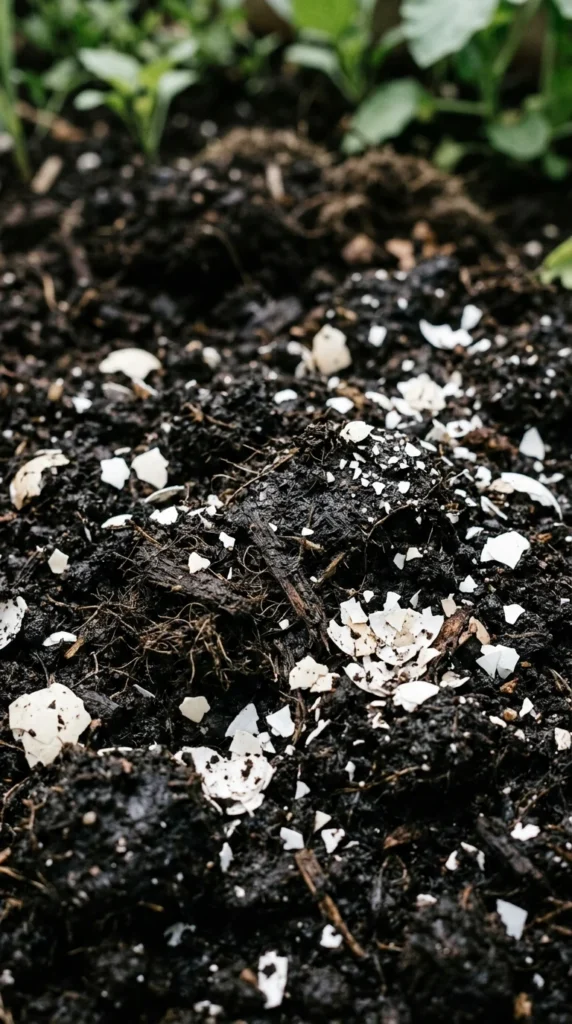
“Heavy feeders” like corn, tomatoes, and pumpkins require an incredible amount of nitrogen and phosphorus. A high-fertility mix starts with a base of garden loam but is heavily amended with aged steer or chicken manure, bone meal, and kelp meal. This mix mimics the nutrient-dense floors of ancient river valleys. The high organic content supports a massive population of earthworms, which further aerate the soil and add their own nutrient-rich castings to the mix.
10. Self-Watering Container Mix
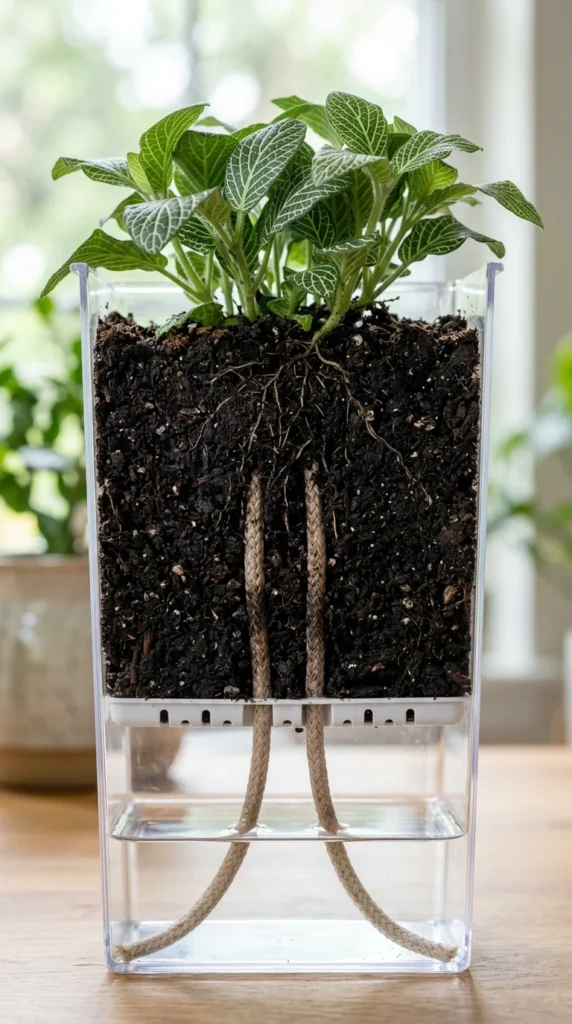
Self-watering containers rely on capillary action to “wick” water from a bottom reservoir up to the roots. For this to work, the soil mix must be highly absorbent but not so heavy that it becomes waterlogged and anaerobic. A mix of 60% coconut coir, 20% perlite, and 20% composted bark is ideal. Avoid using any actual field soil or heavy compost in these systems, as they will clog the wicking mechanism and lead to root rot.
11. Hugelkultur Layers
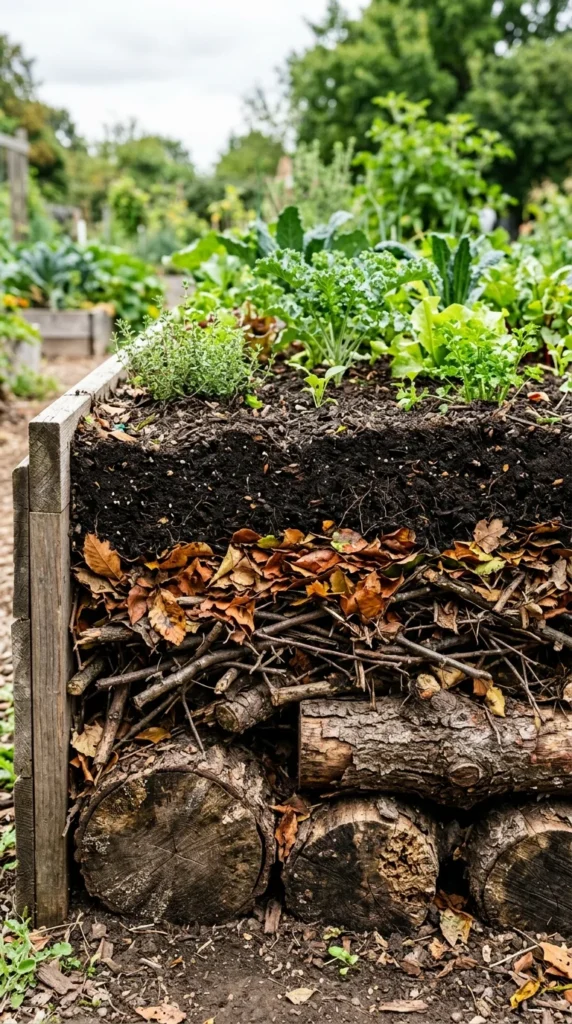
Hugelkultur is a centuries-old Eastern European gardening technique that involves building a mound of decaying wood and organic matter. The “mix” here is vertical: large logs at the bottom, followed by branches, then leaves, and finally a layer of topsoil and compost. As the wood decays over years, it creates a sponge-like interior that holds moisture and generates heat, extending the growing season and providing a constant, slow-release source of nutrients for heavy-cropping vegetables.
12. No-Dig Layering Mix
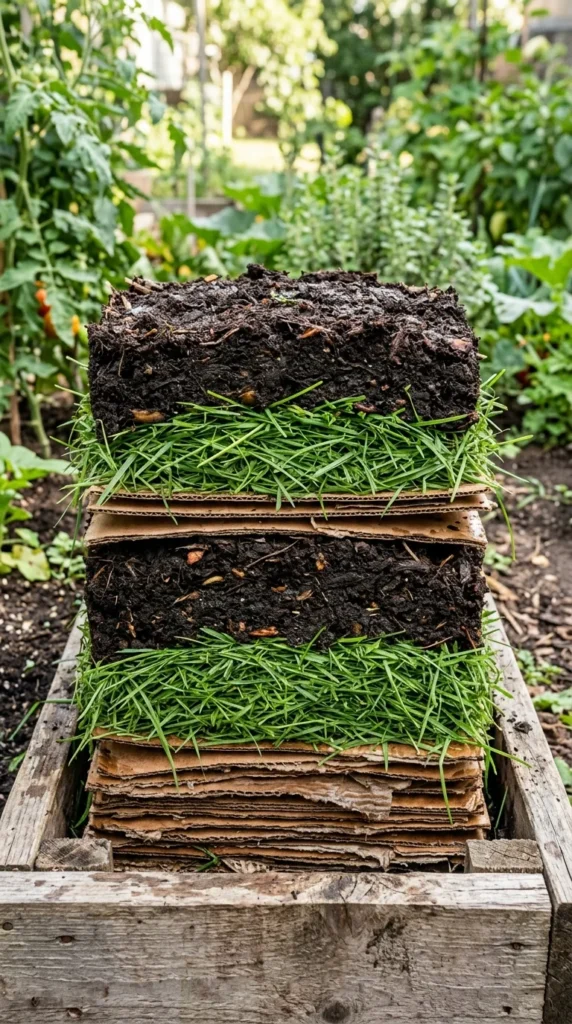
Also known as “Lasagna Gardening,” the no-dig layering mix focuses on building soil from the top down. Instead of tilling the earth, you layer nitrogen-rich “greens” (grass clippings, kitchen scraps) and carbon-rich “browns” (cardboard, straw, dried leaves). Over time, these layers decompose into a rich, crumbly soil that is full of beneficial mycorrhizal fungi. This method is excellent for reclaiming patches of lawn for vegetable production without the back-breaking labor of removing sod.
13. Vertical Garden Mix
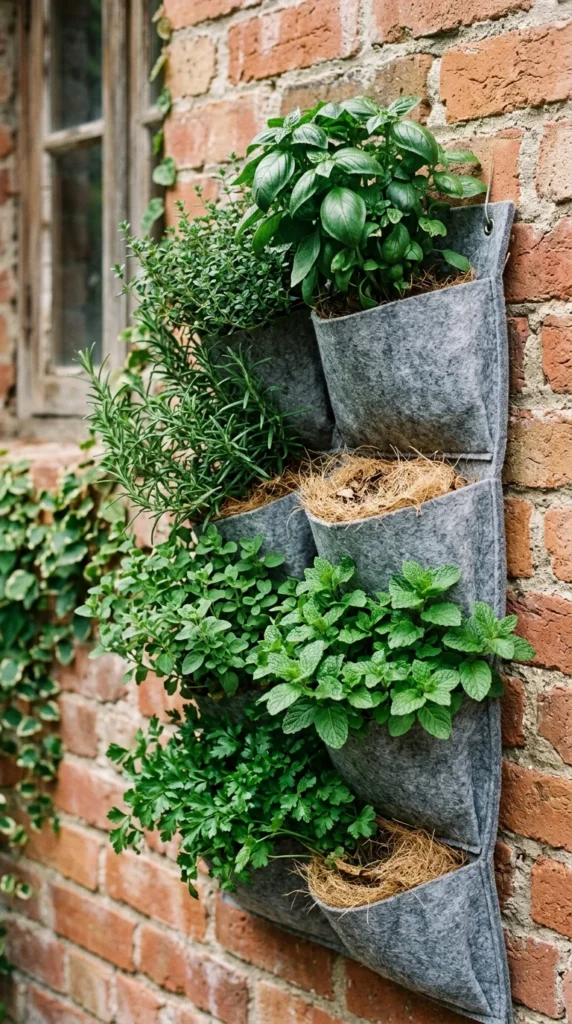
Vertical gardens and living walls have unique weight constraints. Using standard soil could cause the structure to collapse under its own weight when wet. A vertical garden mix uses ultra-lightweight components like perlite, rice hulls, and long-fiber sphagnum moss. These materials provide the necessary anchor for roots while remaining light enough to be suspended. Because these systems dry out rapidly, the mix often includes a high percentage of hydrogels or specialized wetting agents.
14. Organic Compost-Rich Mix
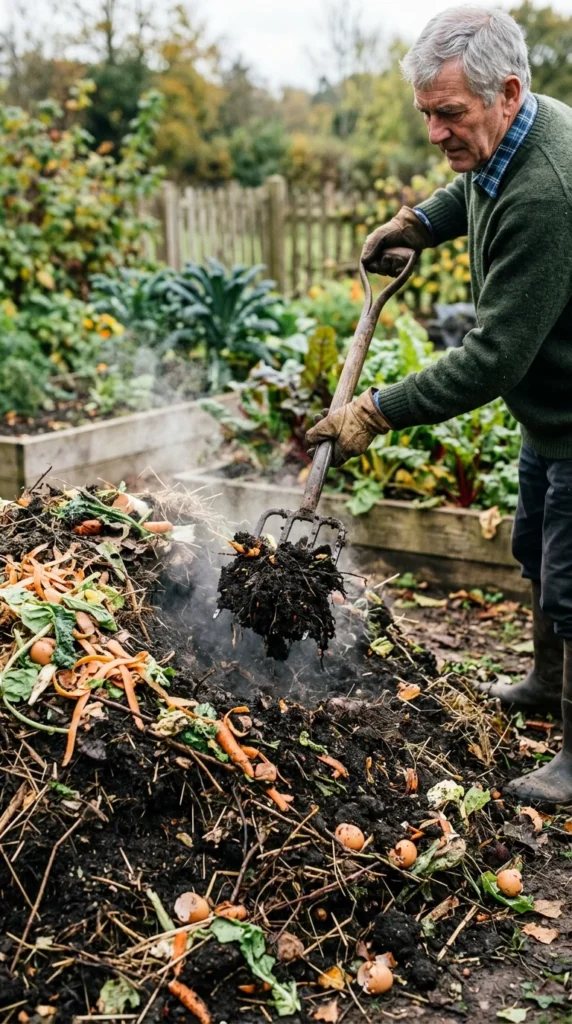
For the purist, a 100% compost-based mix is often the goal. This involves using “black gold”—fully decomposed organic matter from yard waste, food scraps, and leaf litter. While some worry that 100% compost is too rich, many bio-intensive farmers find that well-made compost provides everything a plant needs. It is structurally sound, holds water perfectly, and is teeming with the biology necessary to protect plants from soil-borne diseases.
15. Perlite-Heavy Aeration Mix
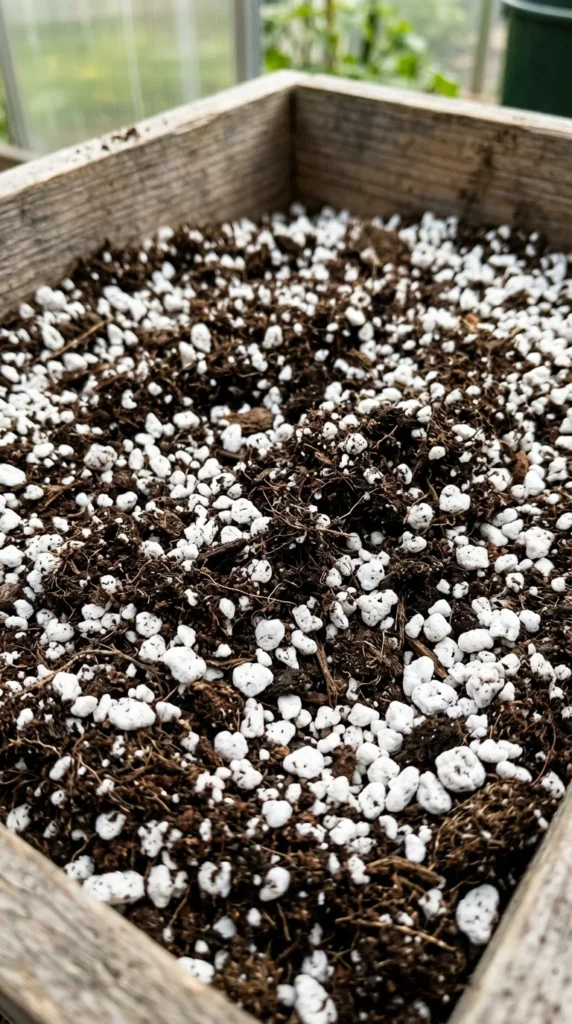
In regions with high rainfall or for plants that hate “wet feet” (like Mediterranean herbs such as rosemary, thyme, and sage), an aeration-heavy mix is essential. This mix increases the perlite or pumice content to roughly 40% of the total volume. The large, inorganic particles create “macro-pores” in the soil, ensuring that even after a heavy downpour, the water drains away quickly and the roots can still access the oxygen they need to survive.