The secret to a bountiful harvest doesn’t lie in the seeds, the watering schedule, or the expensive fertilizers alone. It begins beneath the surface. Soil is not just “dirt”; it is a complex, living ecosystem that serves as the lungs, stomach, and anchor for your vegetable plants. Choosing the right soil is the single most important decision a gardener can make. This guide explores the intricate world of soil science to help you cultivate the perfect environment for your home-grown produce.
1. Texture
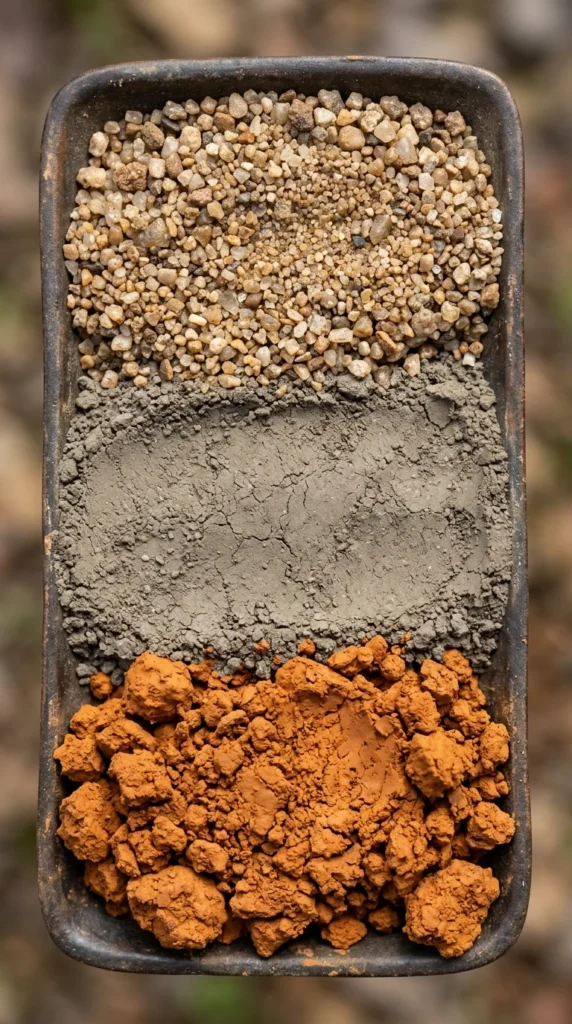
The physical feel of your soil, known as texture, determines how well it holds water and air. Soil is composed of three primary particles: sand, silt, and clay. Sand is the largest particle, providing excellent drainage but poor nutrient retention. Clay consists of tiny, flat particles that pack tightly together; while rich in nutrients, clay drains slowly and can suffocate roots when wet or turn rock-hard when dry. Silt falls in between, offering a floury texture that holds moisture well but can become compacted easily. Understanding your baseline texture is the first step in deciding how to amend it for vegetable success.
2. Loam
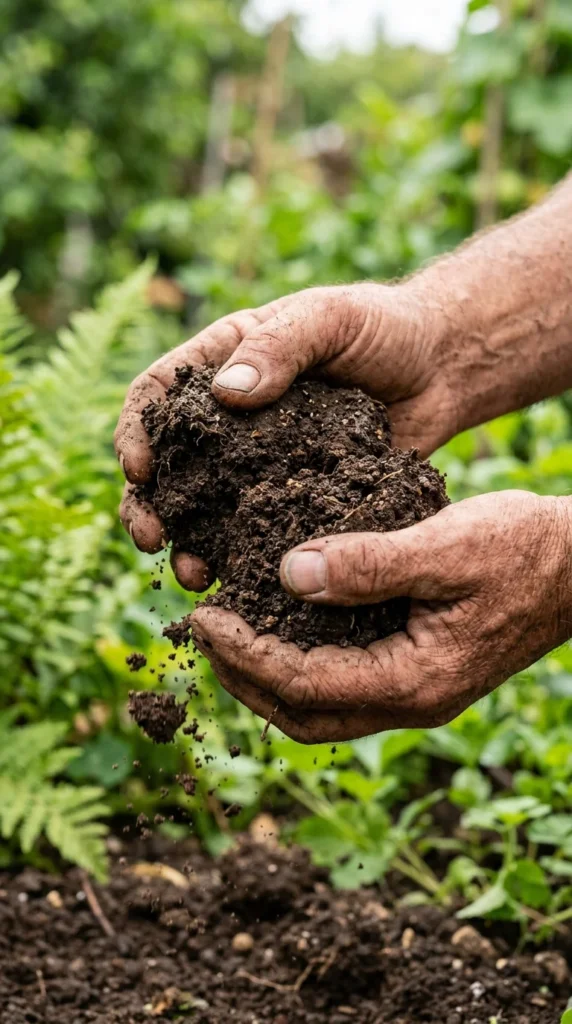
For the vegetable gardener, loam is the gold standard. Loam is not a specific type of dirt but rather a balanced mixture of approximately 40% sand, 40% silt, and 20% clay. This “sweet spot” of soil science provides the best of all worlds: the drainage of sand, the moisture retention of silt, and the nutrient density of clay. Loamy soil allows roots to penetrate deeply and easily while ensuring that oxygen—vital for root respiration—can reach the underground portions of the plant. If your garden soil doesn’t naturally look like dark, crumbly cake, your goal will be to move it toward a loamy consistency through amendments.
3. pH Balance
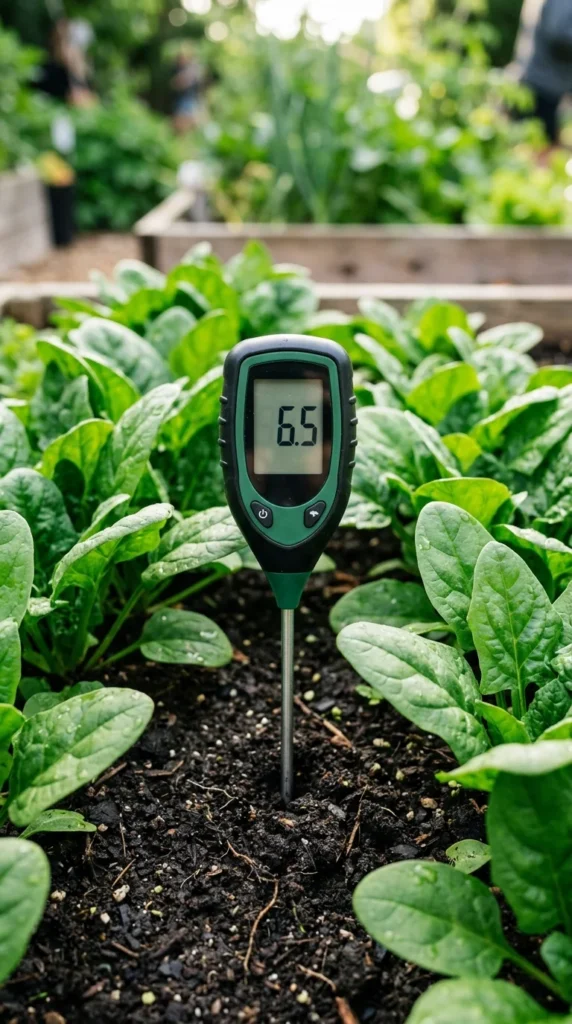
Soil pH is a measure of acidity or alkalinity, and it dictates whether your plants can actually “eat” the nutrients present in the ground. Most vegetables thrive in slightly acidic to neutral soil, typically between a pH of 6.0 and 7.0. If the pH is too high (alkaline) or too low (acidic), nutrients like phosphorus and iron become chemically “locked” in the soil, making them inaccessible to plant roots regardless of how much fertilizer you add. Testing your soil with a simple home kit or a professional lab analysis is essential before planting, as it allows you to adjust the chemistry using lime (to raise pH) or sulfur (to lower pH).
4. Organic Matter
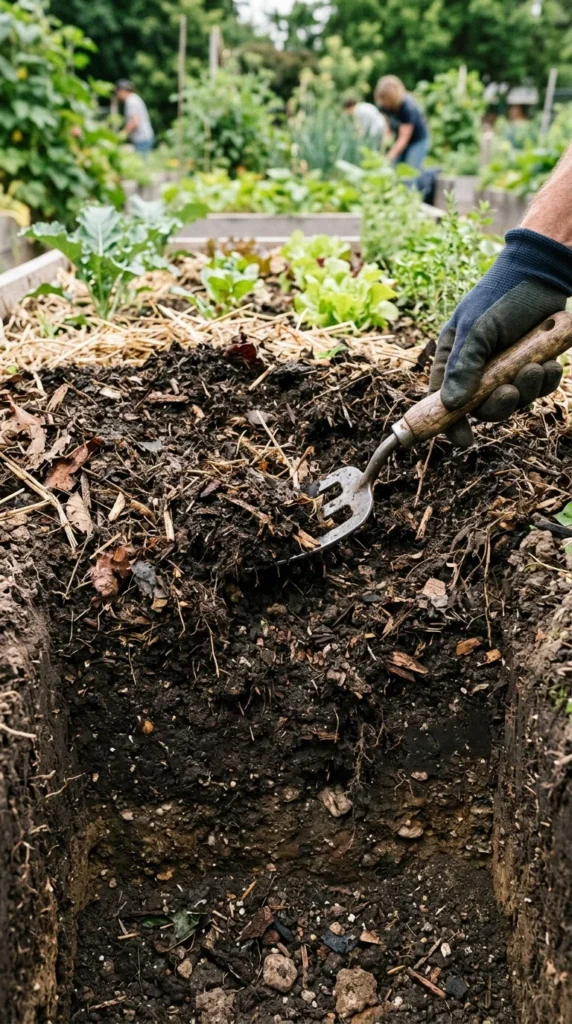
Organic matter is the lifeblood of a vegetable garden. This includes compost, well-rotted manure, leaf mold, and cover crops. Adding organic matter improves every type of soil: it helps sandy soil hold onto water and nutrients, and it breaks up heavy clay to improve drainage and aeration. Beyond physical structure, organic matter feeds the “soil food web”—the beneficial bacteria, fungi, and earthworms that break down minerals into plant-available forms. A high-quality vegetable soil should contain at least 5% to 10% organic matter to sustain heavy-feeding crops like broccoli, corn, and tomatoes.
5. Drainage
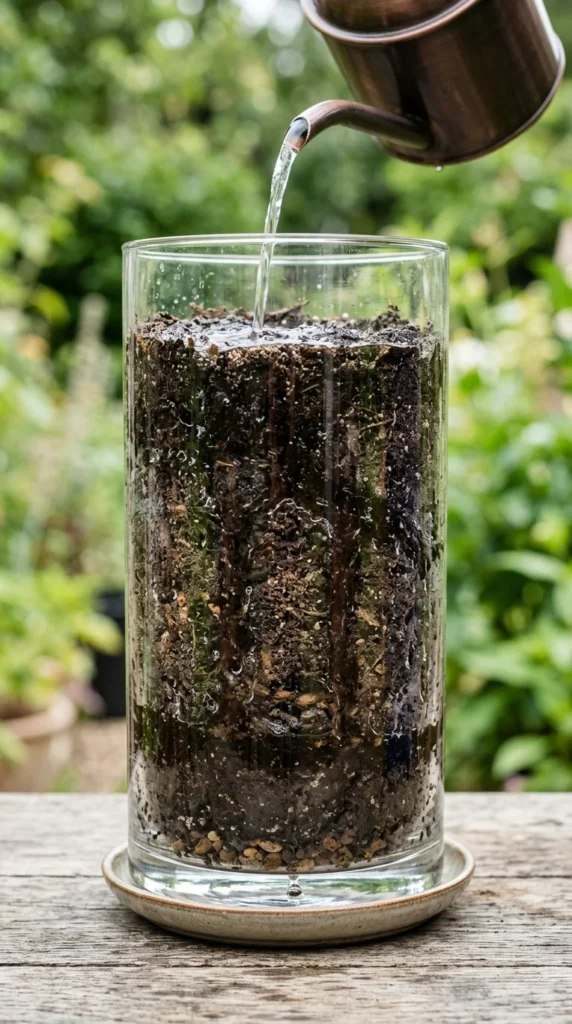
Vegetable roots need a balance of water and air. In poorly drained soil, water fills every pore space, literally drowning the roots and encouraging fungal diseases like root rot. Conversely, soil that drains too quickly, like pure sand, leaves plants parched and stressed. To test your drainage, dig a hole 12 inches deep, fill it with water, and see how long it takes to empty. Ideally, it should drain at a rate of 1 to 3 inches per hour. If your site has poor drainage, you may need to install French drains, plant in raised beds, or incorporate significant amounts of coarse organic material to create better pore space.
6. Nutrients
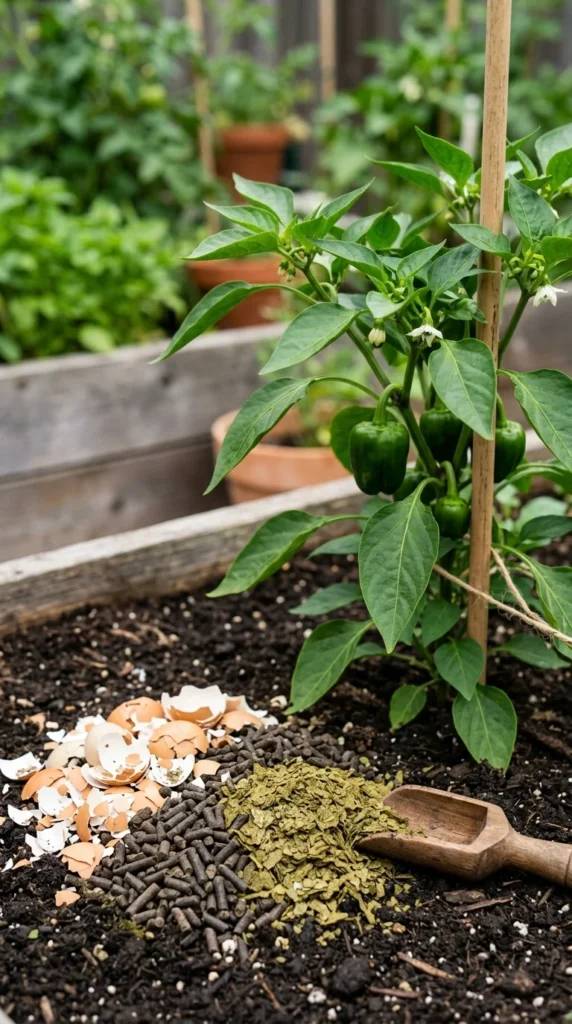
Vegetables are “heavy feeders,” meaning they extract large amounts of minerals from the soil to produce leaves, flowers, and fruit. The primary nutrients are Nitrogen (N) for foliage, Phosphorus (P) for root and fruit development, and Potassium (K) for overall plant health and disease resistance. When choosing or building soil, look for “slow-release” nutrient sources. Unlike synthetic fertilizers that provide a quick, short-lived chemical spike, organic nutrients found in compost and specialized meals (like alfalfa or kelp meal) release slowly as microbes break them down, providing a steady buffet for your plants throughout the growing season.
7. Containers
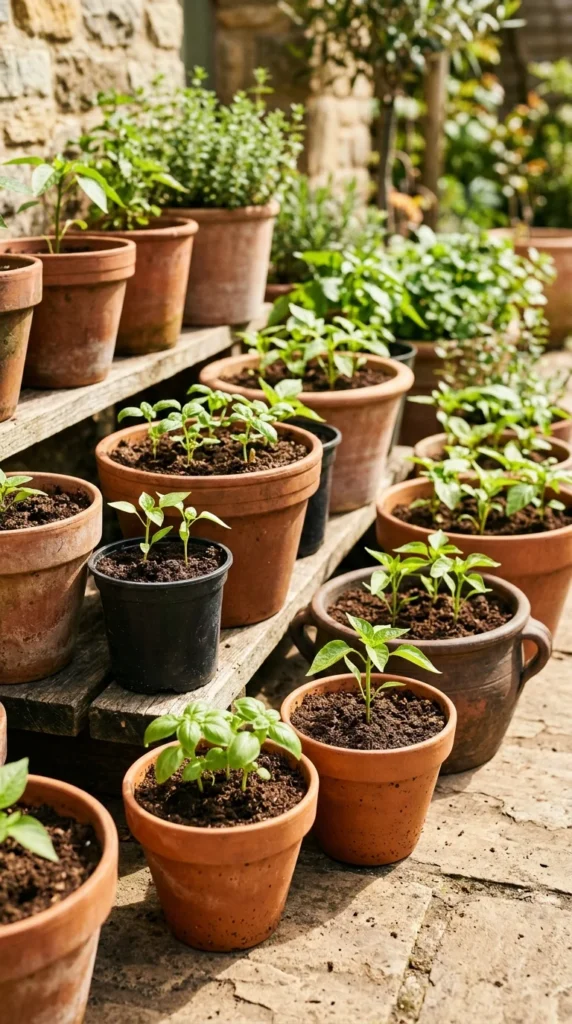
If you are gardening in pots or containers, never use “garden soil” or topsoil straight from the ground. Traditional soil is too heavy and dense for containers; it will compact tightly, preventing drainage and killing your plants. Instead, choose a high-quality “soilless” potting mix. These mixes are typically composed of peat moss or coconut coir for moisture, perlite or vermiculite for aeration, and a starter charge of organic fertilizer. These mixes are lightweight and sterile, meaning they are free from the soil-borne diseases and weed seeds that often plague in-ground gardens.
8. Raised Beds
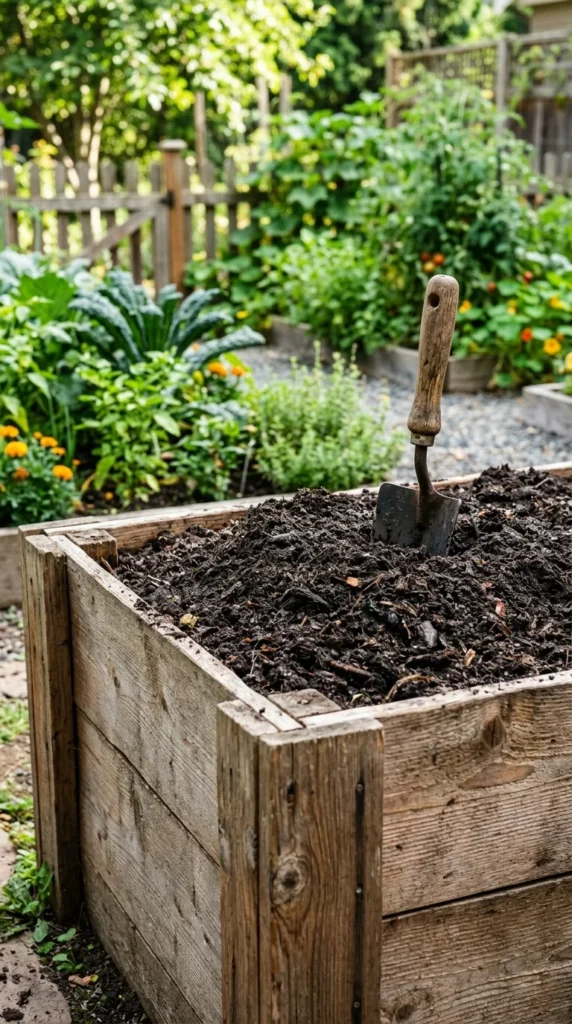
Raised beds offer the ultimate control over soil quality. Since you aren’t limited by the native earth in your yard, you can create a custom blend. A popular and highly effective recipe for raised bed soil is the “Triple Mix”: one-third high-quality compost, one-third peat moss or coconut coir, and one-third coarse vermiculite or perlite. This blend is exceptionally light, holds moisture perfectly, and is packed with the nutrients needed for intensive vegetable production. Because you never step on the soil in a raised bed, it remains fluffy and uncompacted for years, allowing roots to expand effortlessly.
Maintaining Soil Health
Choosing the right soil is just the beginning. Soil is a living entity that requires maintenance. To keep your vegetable garden productive year after year:
- Mulch Consistently: Apply a layer of straw, shredded leaves, or wood chips to the surface. This prevents erosion, regulates temperature, and eventually breaks down into more organic matter.
- Avoid Compaction: Never walk on your garden beds. Stepping on the soil crushes the air pockets that roots and microbes need to survive.
- Rotate Crops: Different plants take different nutrients and attract different pests. Rotating your crops prevents the soil from becoming “exhausted” of specific minerals.
- Feed the Soil, Not the Plant: Focus on adding compost and organic amendments. When you take care of the soil, the soil takes care of the plants.
By focusing on texture, pH, and organic life, you transform your garden from a mere patch of ground into a high-performance production site. Whether you are building raised beds or amending a backyard plot, the investment you make in your soil today will be returned tenfold in the flavor and abundance of your harvest.