As the vibrant colors of autumn begin to fade and the first biting winds of winter whisper through the trees, the seasoned gardener knows that the growing season doesn’t truly end—it simply shifts focus. Preparing your garden for the cold months is not just about tidying up; it is a critical process of preservation, protection, and planning. By taking the time to winterize your outdoor space, you ensure that your plants survive the deep freeze and that your soil is nutrient-rich and ready for an explosion of growth come spring.
Winter preparation involves a holistic approach, ranging from the mechanical maintenance of tools to the biological care of the soil microbiome. It is a time to reflect on the successes and failures of the past year while laying the physical foundation for the next. This comprehensive guide will walk you through fifteen essential steps to safeguard your sanctuary against the elements.
1. Debris Cleanup
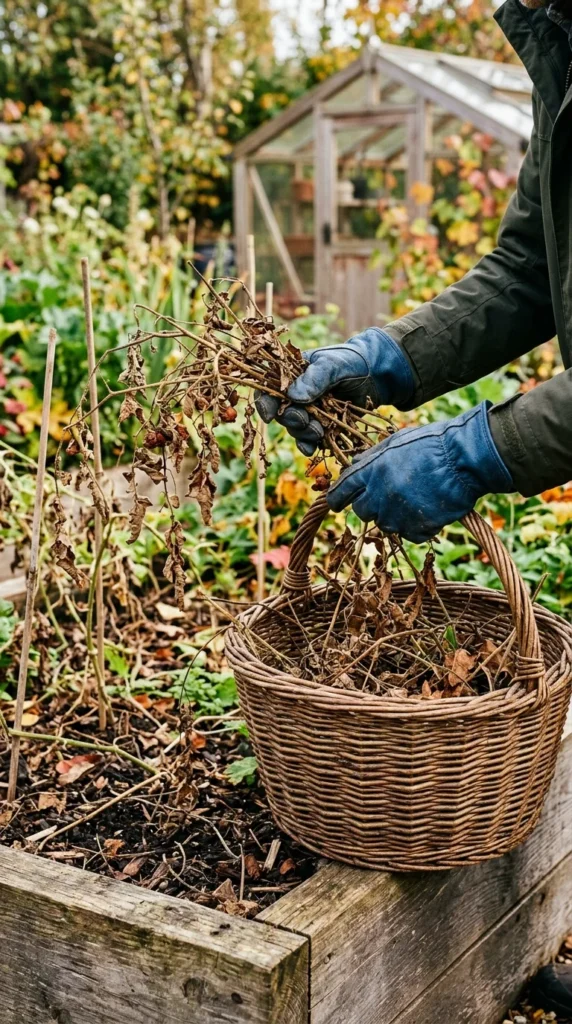
One of the most vital tasks in late autumn is the thorough removal of spent annuals and fallen foliage. While some organic matter is beneficial, leaving diseased plants or thick mats of wet leaves can create a breeding ground for pests and fungal infections. Removing “mummy” fruit—shriveled produce left on the vine—is particularly important, as these can harbor spores that will re-infect your garden in the spring.
Clear out any vegetable plants that have finished their cycle. If the plants were healthy, they could be added to the compost pile. However, if you noticed signs of blight, powdery mildew, or pest infestations, it is best to dispose of them in the trash or burn them to prevent the cycle from repeating. A clean slate reduces the hiding spots for slugs, snails, and squash bugs seeking a winter home.
2. Strategic Pruning
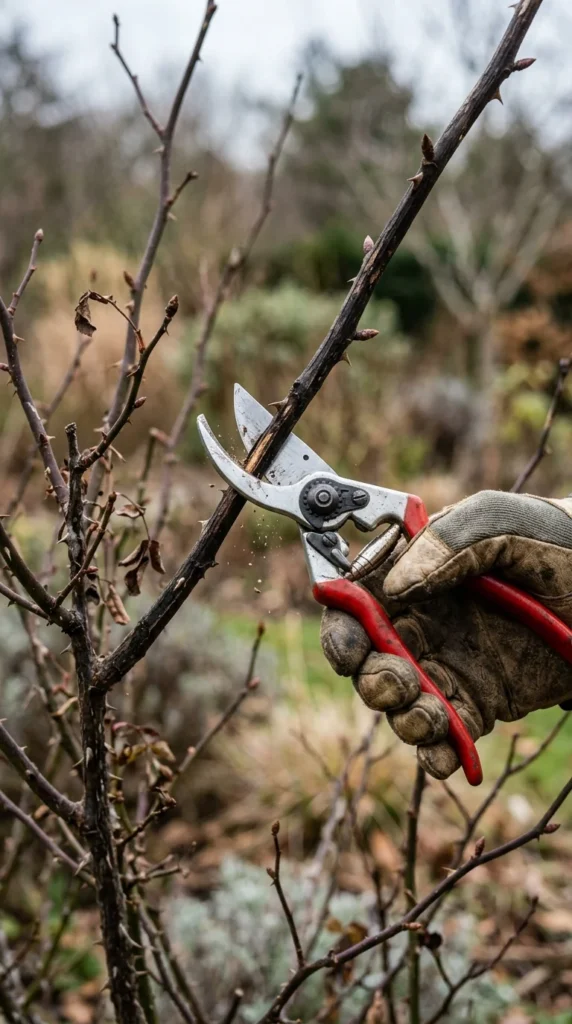
Pruning is an art that requires timing and precision. During the transition to winter, the goal is to remove dead, damaged, or diseased wood. This prevents winter storms from snapping weak branches, which could cause further damage to the plant or nearby structures. However, be cautious not to prune spring-blooming shrubs like lilacs or forsythia, as you will inadvertently cut off next year’s flower buds.
Focus on perennials that become mushy after a hard frost, such as hostas and lilies. Cutting these back to a few inches above the ground keeps the garden looking neat and prevents crown rot. For woody shrubs and trees, look for “the three Ds”: dead, damaged, and diseased. Clean cuts made with sharp tools will callous over before the deepest freeze, protecting the plant’s internal structure.
3. Root Mulching
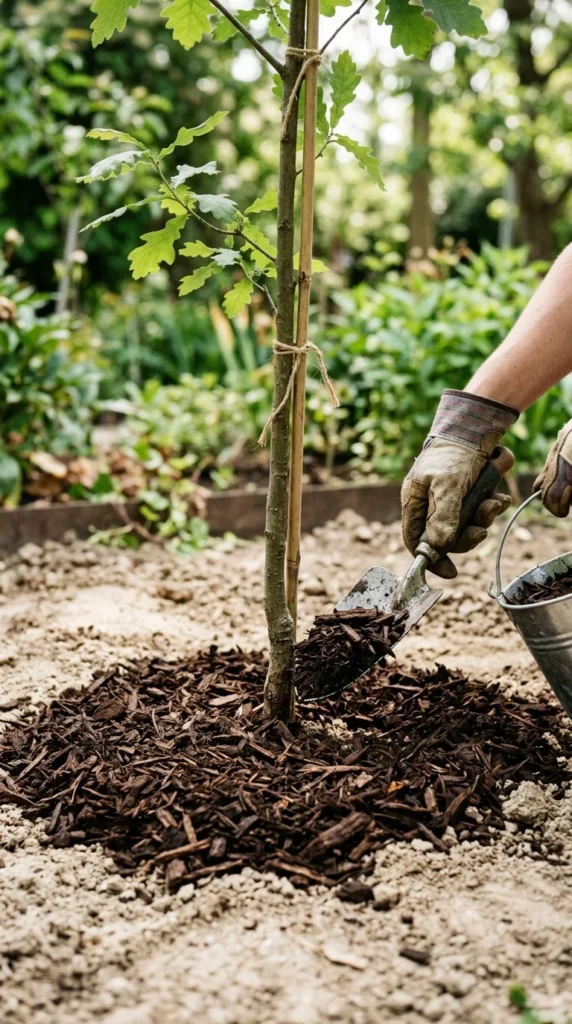
Think of mulch as a warm winter blanket for your soil. A thick layer of organic mulch—such as wood chips, straw, or shredded leaves—insulates the ground, regulating soil temperature and preventing the “heaving” effect. Heaving occurs when the ground repeatedly freezes and thaws, pushing bulbs and shallow-rooted perennials out of the earth and exposing them to fatal temperatures.
Apply a 3-to-4-inch layer of mulch around the base of your plants, but be sure to keep the mulch a few inches away from the actual stems or trunks to prevent rot. This layer also helps retain moisture, which is crucial because plants continue to lose water through respiration even in winter. Moist soil stays warmer than bone-dry soil, providing a more stable environment for root systems.
4. Planting Bulbs
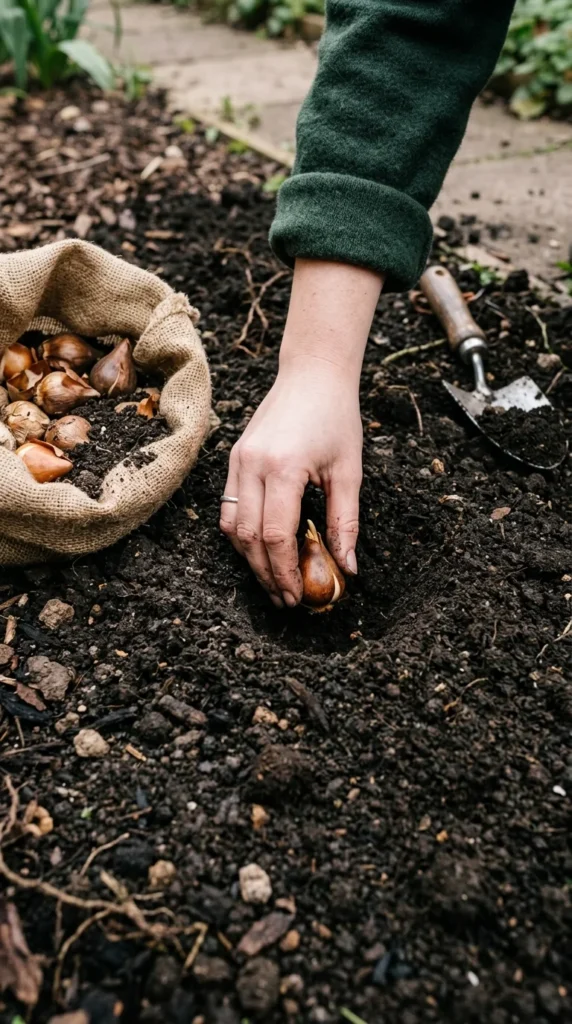
While much of winter prep is about closing down, planting spring-flowering bulbs is about looking forward. Octobers and Novembers are the ideal months to tuck tulips, daffodils, crocuses, and alliums into the ground. These bulbs require a period of cold dormancy (vernalization) to trigger their bloom cycle in the spring.
Plant bulbs at a depth of roughly three times their height, with the pointed end facing upward. If you struggle with rodents like squirrels or voles digging up your bulbs, consider adding a handful of crushed gravel or “chicken grit” to the planting hole, or covering the area with a piece of hardware cloth held down by landscape staples until the ground freezes.
5. Tool Maintenance
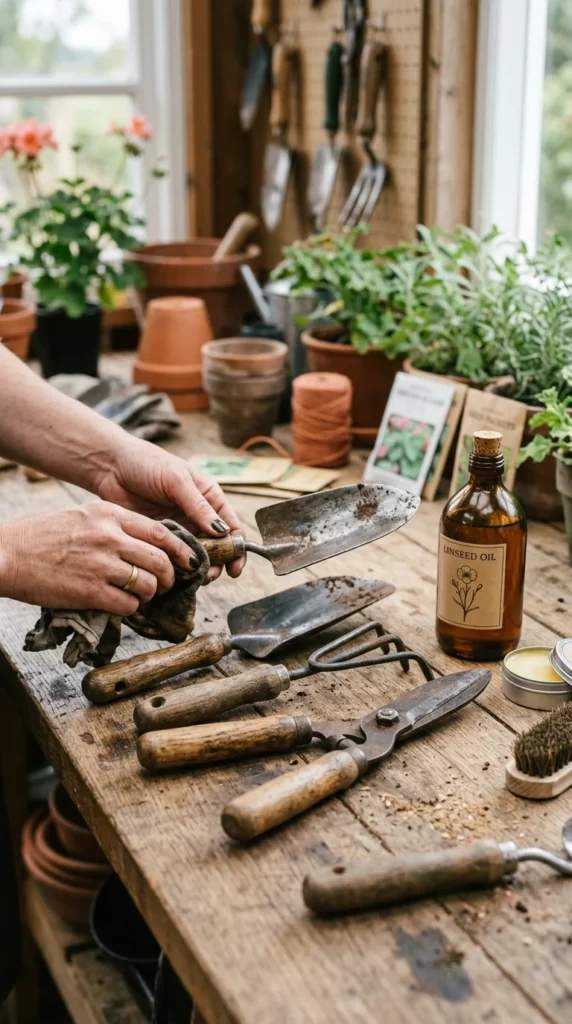
Your tools have worked hard all season, and leaving them caked in dirt and moisture over the winter is a recipe for rust and dullness. Winterizing your tools extends their lifespan and ensures they are ready for the first day of spring planting. Begin by washing off all soil with a stiff brush and water.
Once dry, use a metal file or a whetstone to sharpen the edges of shovels, hoes, and pruners. Finally, wipe down metal surfaces with a thin coat of oil (vegetable oil or mineral oil works well) to prevent oxidation. Don’t forget the wooden handles; a light sanding followed by an application of linseed oil will prevent the wood from drying out and splintering.
6. Compost Management
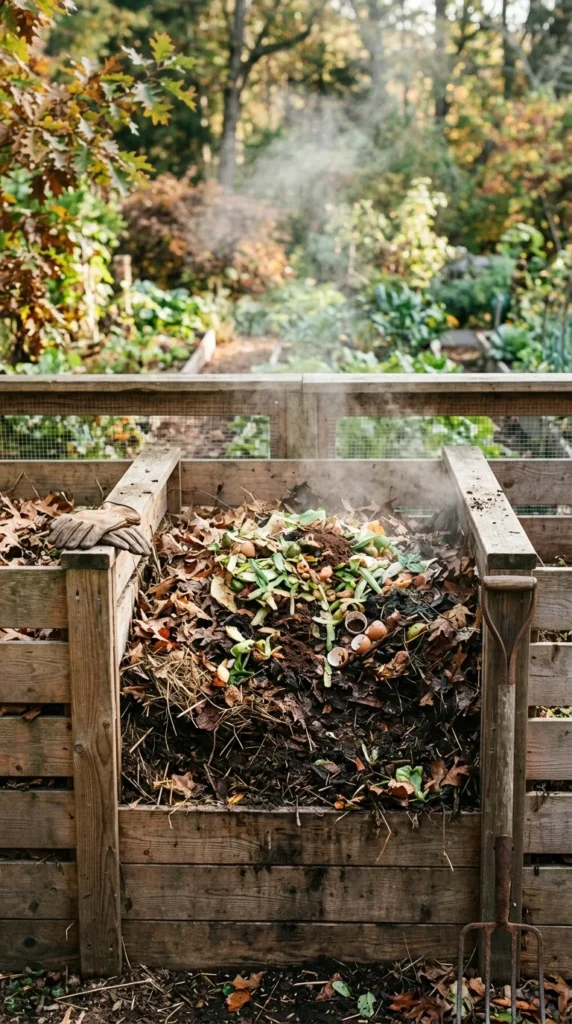
Winter is a productive time for the compost pile, even if the process slows down. Before the ground freezes, turn your compost pile one last time to aerate it. This final turn helps distribute the heat-generating microbes to the center of the pile. If your pile is small, consider insulating it with a layer of straw or a heavy tarp to keep the internal temperature high enough for decomposition to continue.
Harvest any finished compost from the bottom of the pile and spread it over your garden beds. This “top-dressing” allows nutrients to slowly leach into the soil over the winter months, providing a rich environment for spring seedlings. If you don’t have a compost pile, now is a great time to build one using the abundance of fallen leaves.
7. Irrigation Shutdown
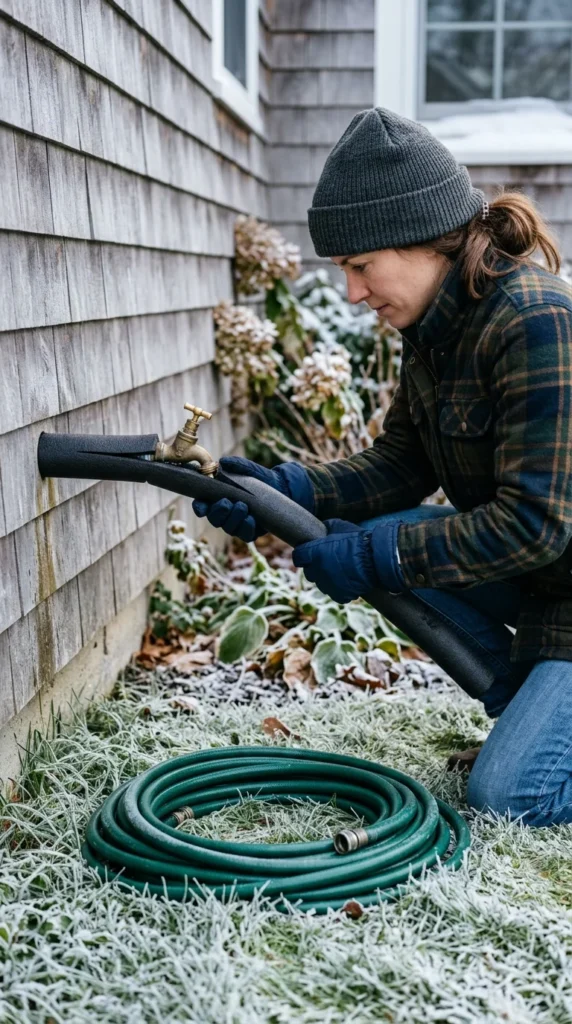
Water expands when it freezes, which can lead to catastrophic pipe bursts and ruined garden hoses. Start by disconnecting all hoses from outdoor faucets. Drain the hoses completely by laying them on a slope or blowing air through them, then coil them and store them in a garage or shed.
Shut off the water supply to outdoor valves and drain the remaining water from the lines. For automatic irrigation systems, it is often best to hire a professional to “blow out” the lines with compressed air. Finally, install insulated covers over your outdoor faucets to protect the internal plumbing from the creeping cold.
8. Sensitive Protection
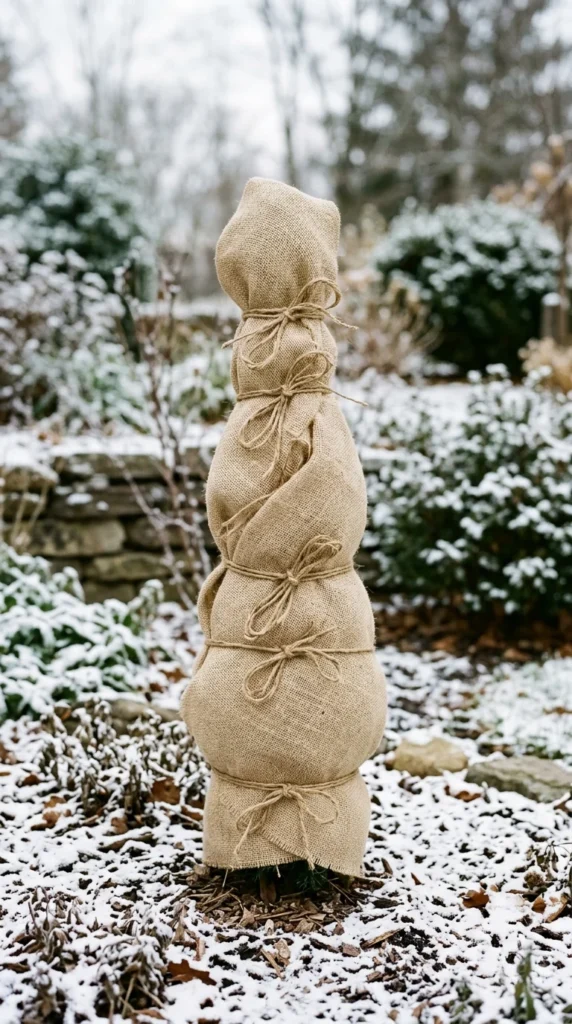
Some plants are more susceptible to winter burn and desiccation than others, particularly broad-leaf evergreens like rhododendrons and newly planted saplings. Harsh winter winds and bright winter sun can strip moisture from leaves faster than the frozen roots can replace it.
To protect these plants, create a screen or wrap using burlap. Driving stakes into the ground around the plant and stapling burlap to the stakes creates a windbreak without touching the foliage directly. For smaller, tender perennials, a “cloche” or a simple upturned bucket can provide protection during particularly brutal cold snaps, provided they are removed when temperatures rise.
9. Soil Amendments
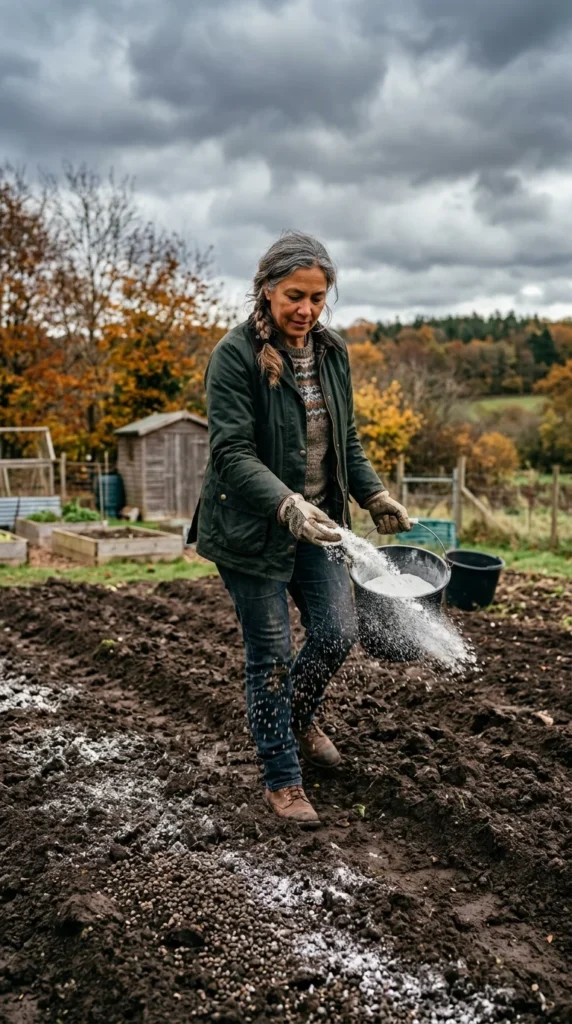
Autumn is the perfect time to test your soil. Soil testing kits can tell you exactly what nutrients your garden is lacking and the current pH level. Because many soil amendments, such as lime or sulfur, take several months to chemically react and change the soil profile, applying them in late fall ensures the soil is balanced by spring.
In addition to pH adjusters, adding organic matter like well-rotted manure or leaf mold in the fall is highly beneficial. Unlike synthetic fertilizers that can wash away in winter rains, organic matter integrates with the soil structure, improving drainage in clay soils and water retention in sandy soils.
10. Perennial Division
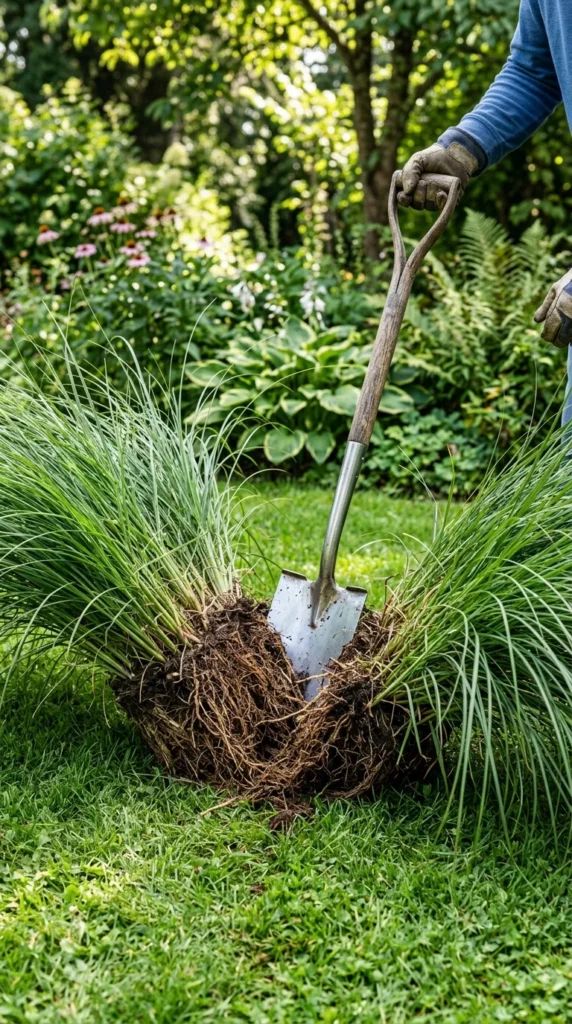
If your perennials—such as daylilies, hostas, or Siberian irises—became overcrowded during the summer, fall is the ideal time to divide them. Dividing plants rejuvenates old clumps, encourages more vigorous blooming, and provides you with free plants to expand your garden or share with neighbors.
Dig up the entire root ball and use a sharp knife or spade to split it into smaller sections, ensuring each section has a healthy set of roots and at least a few stems or “eyes.” Replant the divisions immediately, watering them in well to help the roots establish before the ground freezes solid.
11. Final Harvest
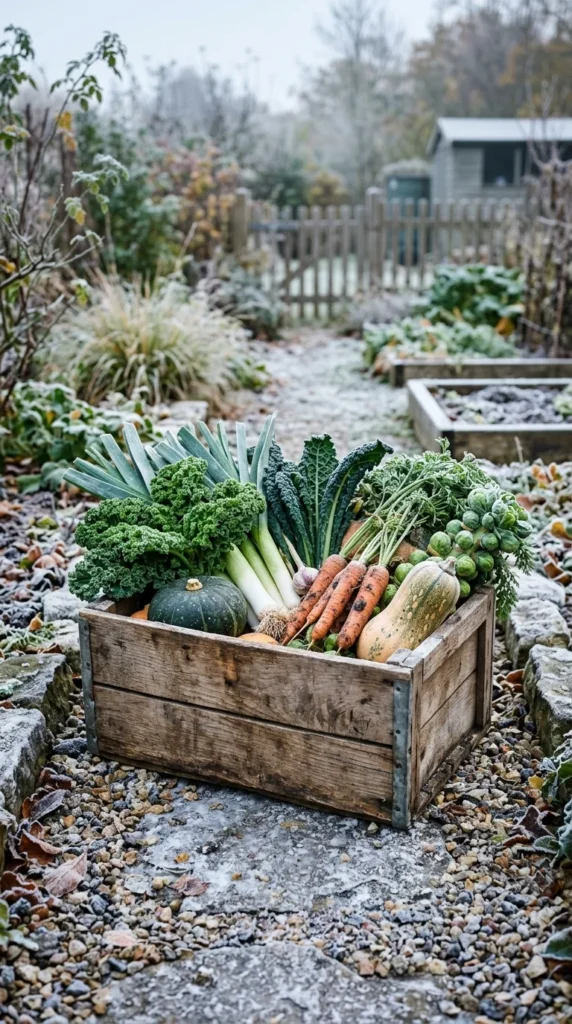
As the first hard frost approaches, it’s time for the final harvest. While some crops like kale, Brussels sprouts, and carrots actually taste sweeter after a light frost (due to the conversion of starches into sugars), most summer vegetables will perish. Pick all remaining tomatoes, even the green ones, which can be ripened indoors on a windowsill.
Harvest all winter squash and pumpkins before a hard freeze, as the cold can damage their skins and shorten their storage life. Dig up tender bulbs and tubers like dahlias, cannas, and gladiolus. These must be cured in a dry place and then stored in a cool, dark, frost-free area—usually in a box of peat moss or sawdust—until they can be replanted next spring.
12. Cover Cropping
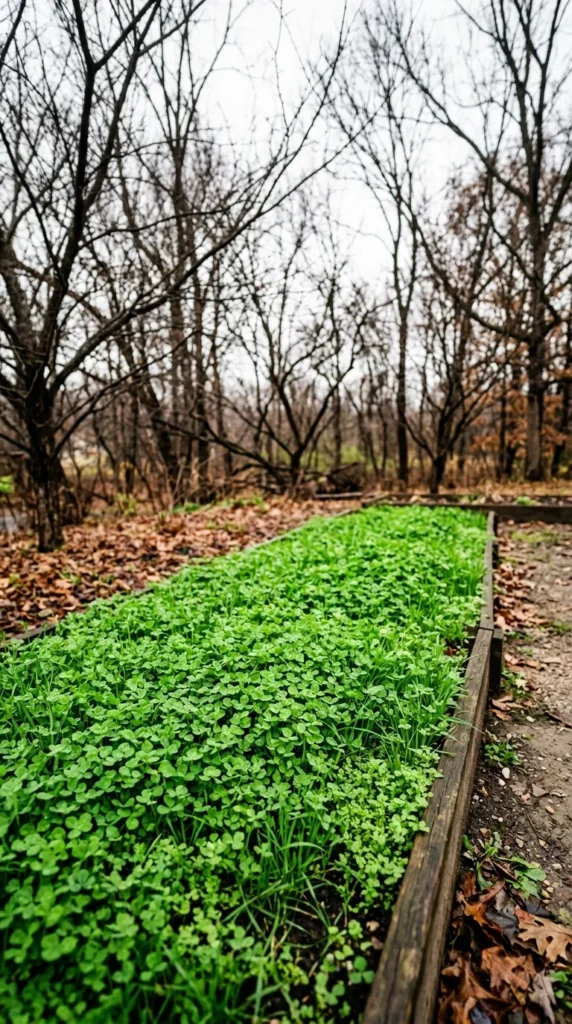
If you have large areas of bare soil in your vegetable garden, consider planting a cover crop, often called “green manure.” Crops like winter rye, clover, or hairy vetch are planted in the fall to protect the soil from erosion caused by wind and rain.
These plants do more than just hold the soil in place; their roots help break up compacted earth, and certain varieties (like clover) actually “fix” nitrogen from the air into the soil. In the spring, you simply mow the cover crop down and till it into the earth, where it decomposes and adds a massive boost of organic nutrients just in time for your spring vegetables.
13. Lawn Care
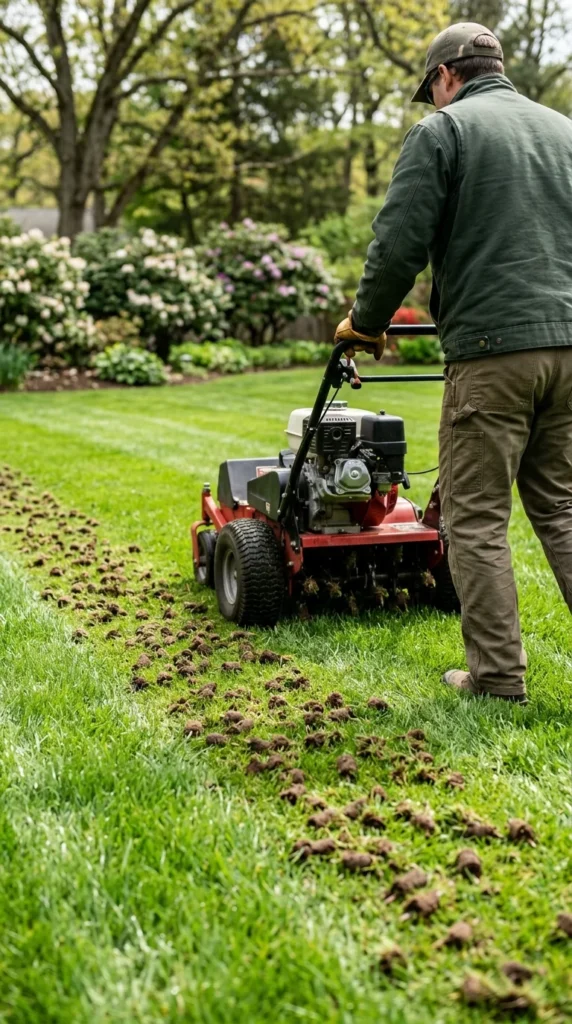
Your lawn also needs a bit of winter prep to ensure it returns lush and green. Set your mower blade to a slightly lower height for the final cut of the year. This prevents the grass from matting down under the weight of snow, which can lead to snow mold—a fungal disease that kills patches of grass.
Fall is also the best time for aeration and overseeding. Aeration involves pulling small plugs of soil out of the ground to allow air, water, and nutrients to reach the root zone. Following this with a “winterizer” fertilizer high in potassium helps the grass develop a strong, deep root system that can withstand the stresses of cold and drought.
14. Container Protection
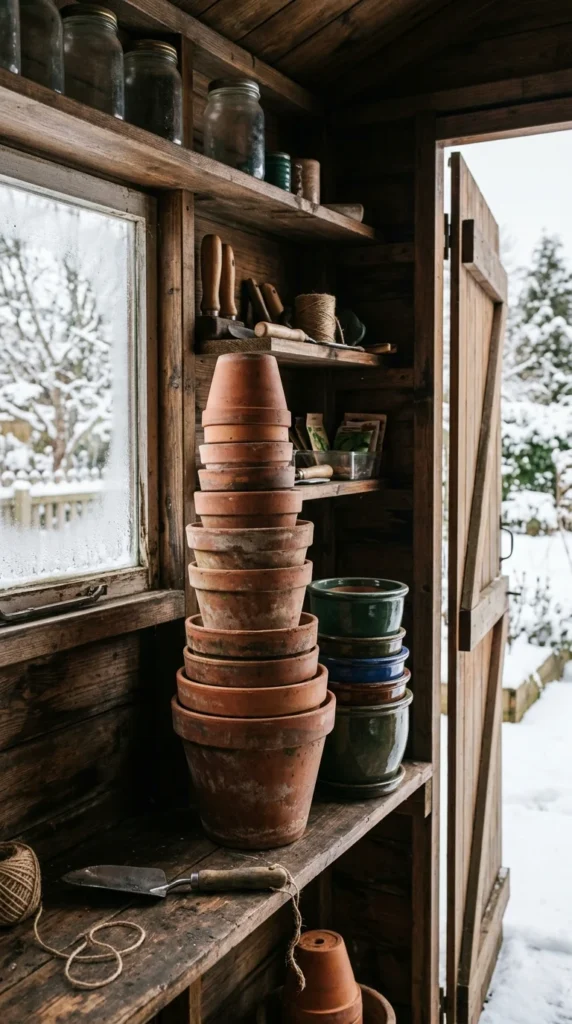
Container gardening requires special winter attention. Ceramic, terracotta, and clay pots are porous and can absorb moisture. When that moisture freezes, it expands, often causing the pots to crack or shatter. To prevent this, empty your decorative pots of soil and store them upside down in a garage or basement.
If you have large planters that are too heavy to move, try to elevate them off the ground using “pot feet” or bricks. This allows water to drain freely from the bottom, preventing ice from forming at the base and cracking the container. For perennials or shrubs living in pots, you may need to wrap the entire container in bubble wrap or burlap to protect the roots, which are far more exposed to the cold than those planted in the ground.
15. Wildlife Habitat
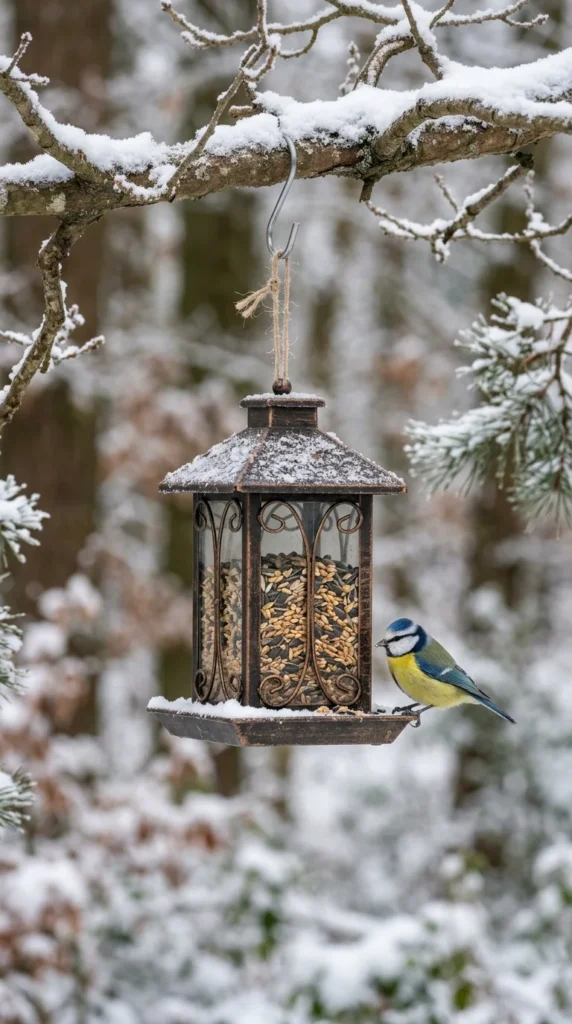
While we often focus on the plants, a garden is also a home for wildlife. During your winter prep, consider leaving some areas slightly “messy.” Instead of cutting back every single flower head, leave some stalks—like sunflowers, coneflowers, and black-eyed Susans—standing. These provide essential seeds for birds during the lean winter months.
You can also create a small “hibernaculum” by leaving a pile of logs or stones in a quiet corner of the garden. This provides a safe overwintering spot for beneficial insects like ladybugs and lacewings, as well as toads and pollinators. Providing a consistent source of water via a heated birdbath or by breaking the ice on a pond daily can make a life-saving difference for local birds and small mammals.