As the days grow shorter and a crisp chill settles into the air, the vibrant growth of summer begins to fade. For many gardeners, the arrival of winter signifies a period of rest—not just for the plants, but for the gardener as well. However, before you hang up your trowel and retreat to the warmth of the indoors, there is a critical window of time to ensure your garden survives the harsh conditions ahead.
Proper winterization is the bridge between a successful harvest this year and a flourishing landscape next spring. By taking the time to clean, protect, and nourish your outdoor space now, you prevent disease, safeguard delicate root systems, and set the stage for an effortless transition when the ground finally thaws. This guide provides a comprehensive, step-by-step approach to preparing every corner of your garden for the cold months ahead.
1. Cleanup
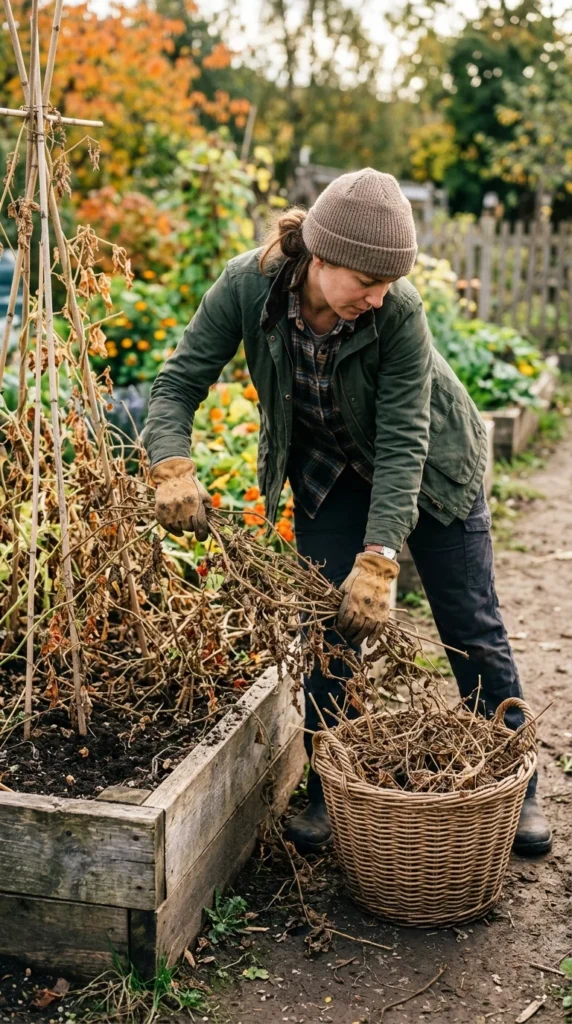
The first and perhaps most vital step in winter preparation is a thorough garden cleanup. Leaving dead plant material in the soil over winter can create a breeding ground for pests and fungal diseases. As annuals finish their life cycle, pull them out by the roots. If the plants were healthy throughout the season, they can be added to your compost pile. However, if you noticed signs of blight, powdery mildew, or pest infestations, it is crucial to dispose of them in the trash or by burning (where permitted) to prevent the pathogens from overwintering in your soil.
In addition to removing spent vegetables and annual flowers, take the time to clear away fallen fruit. Rotting apples or pears left on the ground can attract unwanted rodents and harbor larvae that will emerge to plague your trees next spring. A clean slate is your best defense against the “hibernating” problems that often surprise gardeners in May.
2. Soil
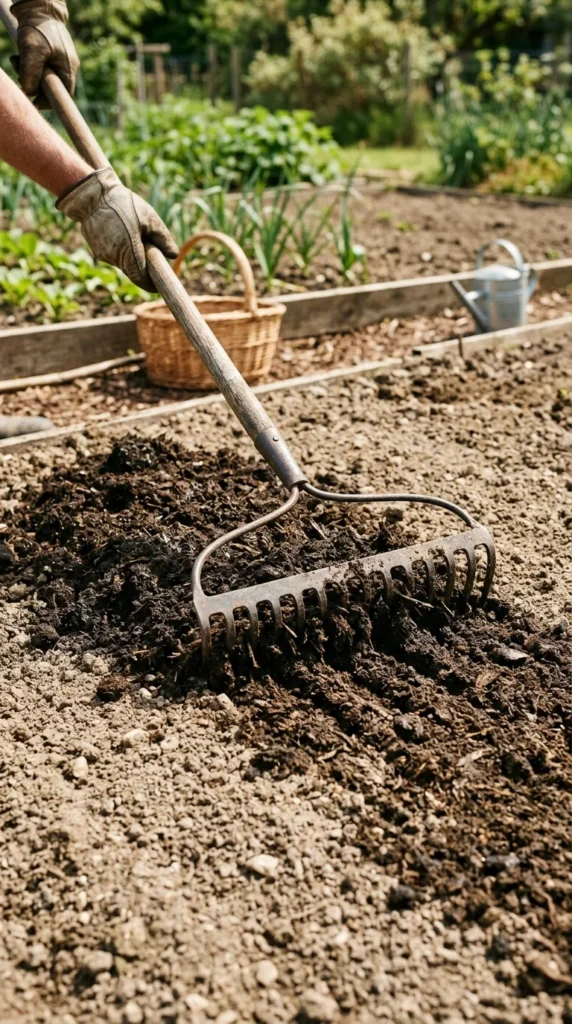
While many people think of fertilizing as a spring activity, late autumn is actually an ideal time to amend your soil. During the winter, the soil undergoes a natural cycle of freezing and thawing. This process helps to work organic matter deeper into the ground. Spread a two-to-three-inch layer of well-rotted manure or finished compost over your garden beds.
You do not necessarily need to till this into the soil; the “no-dig” method suggests that leaving the organic matter on top allows earthworms and microorganisms to do the work for you, preserving the soil’s delicate structure. Amending the soil now ensures that nutrients are readily available for plant roots the moment the ground warms up in the spring, giving your new seedlings a significant head start.
3. Mulching
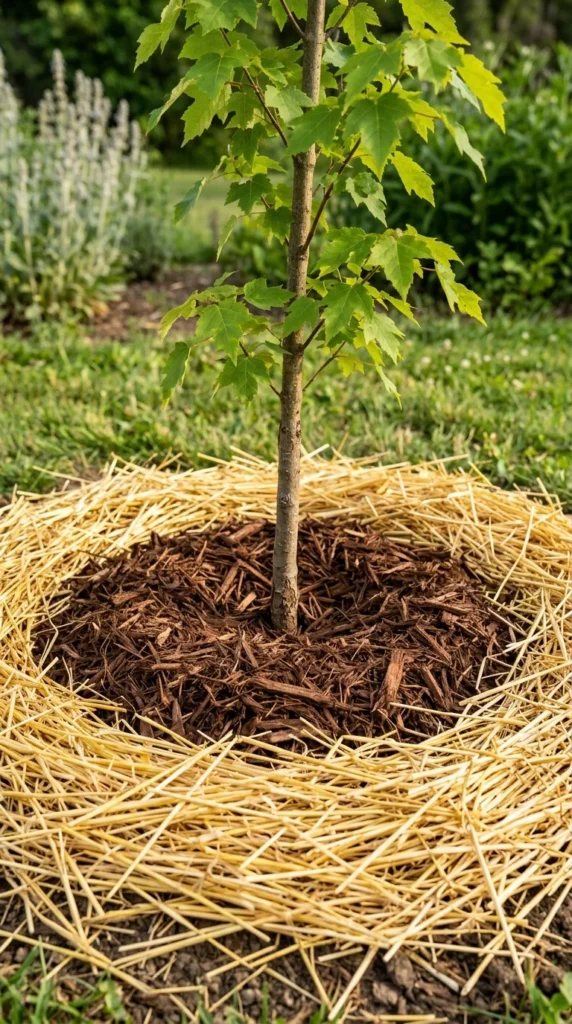
Mulch acts as a thermal blanket for your garden. One of the greatest threats to plants during winter is not just the cold, but “frost heaving.” This occurs when the ground repeatedly freezes and thaws, physically pushing plants and bulbs out of the soil and exposing their sensitive roots to the air.
Apply a generous layer of mulch—such as wood chips, straw, or shredded leaves—around the base of perennials, shrubs, and trees. Aim for a thickness of three to four inches. For rose bushes and other sensitive shrubs, you may want to “mound” the mulch higher around the crown of the plant. This insulation keeps the soil temperature more consistent and helps retain moisture, which is vital since winter winds can be incredibly dehydrating for plants.
4. Perennials
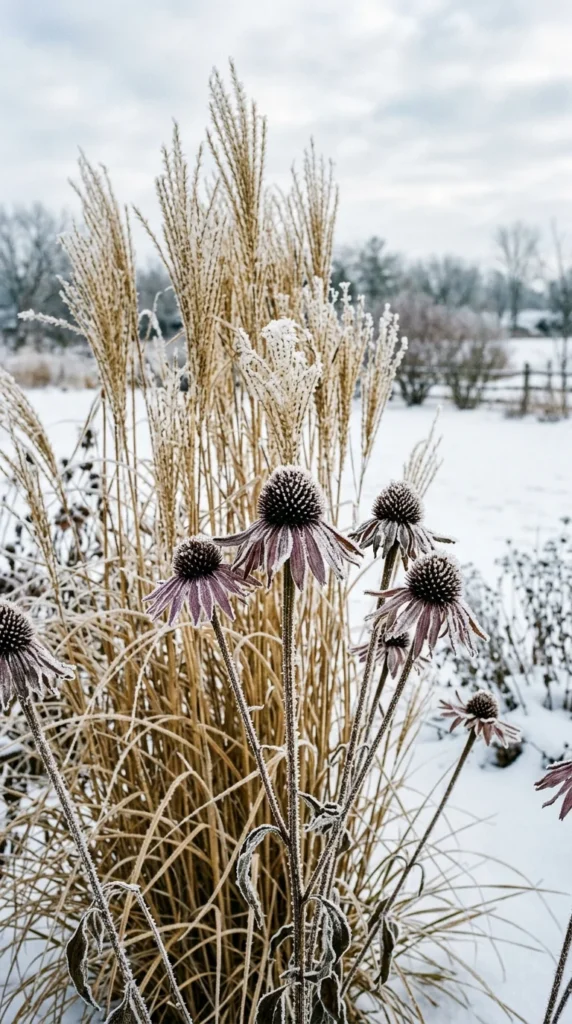
Deciding what to cut back and what to leave standing is a key part of winterizing perennials. For many soft-stemmed perennials like hostas or lilies, it is best to cut them back to within two inches of the ground once the foliage has turned brown and died back. This removes hiding spots for slugs and snails.
However, consider leaving some perennials standing, especially those with sturdy stems and seed heads like Echinacea (coneflower), Sedum, or ornamental grasses. These provide essential visual interest in a bleak winter landscape and, more importantly, offer a vital food source for birds and shelter for beneficial insects like ladybugs and solitary bees. If the plant is structurally sound and disease-free, leaving it until late winter or early spring is often the more ecological choice.
5. Bulbs
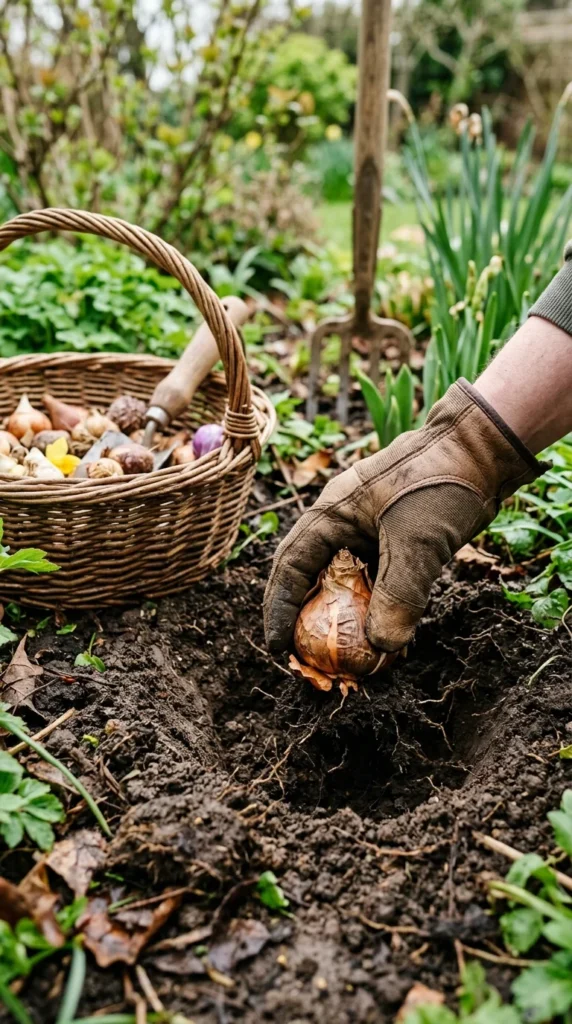
Autumn is the season of hope, as it is the time to plant spring-flowering bulbs. Tulips, daffodils, hyacinths, and crocuses require a period of cold dormancy to trigger their bloom cycle. Aim to get your bulbs in the ground after the first light frost but before the ground freezes solid.
The general rule of thumb for planting depth is three times the height of the bulb. Ensure they are planted with the “pointy side” up and given a good watering immediately after planting to help them settle. If you live in an area with many squirrels or chipmunks, consider placing a piece of chicken wire over the planting area before covering it with soil to prevent the bulbs from being dug up and eaten during the winter.
6. Pruning
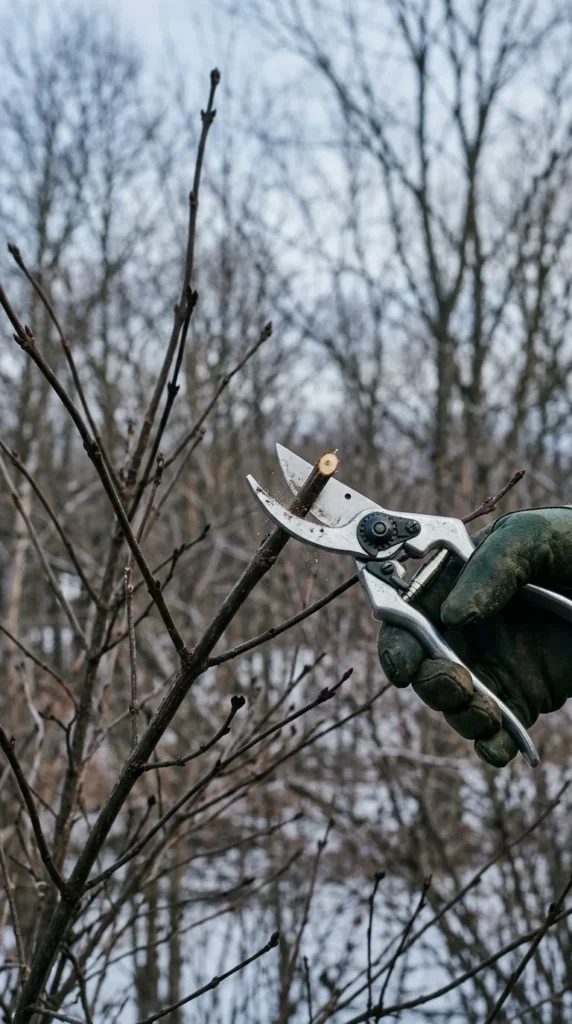
Pruning is a task that requires careful timing. For most deciduous trees and shrubs, the best time to prune is late winter when the plant is fully dormant, as this prevents the “bleeding” of sap and allows the plant to heal quickly in the spring. However, late autumn is the time to remove any “3D” branches: those that are Dead, Damaged, or Diseased.
Removing heavy, dead limbs now is a safety measure; winter storms and heavy ice can easily snap compromised branches, causing damage to your home or other plants. Avoid heavy structural pruning of spring-blooming shrubs (like lilacs or azaleas) at this time, as you will inadvertently cut off next year’s flower buds. Focus purely on maintenance and safety.
7. Irrigation
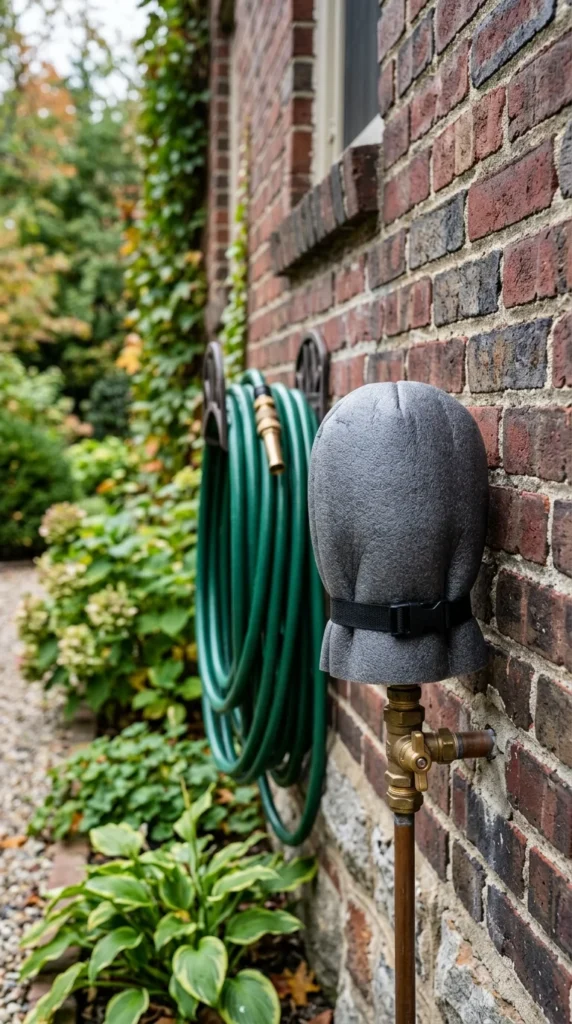
Water damage is one of the most expensive winter risks for homeowners. Before the first hard freeze, you must winterize your irrigation system. Disconnect all garden hoses from outdoor faucets, drain them of water, and store them in a garage or shed. A hose left attached to a faucet can trap water in the pipe, which will expand as it freezes and cause the pipe to burst inside your walls.
If you have an automatic sprinkler system, it should be blown out with compressed air to ensure no water remains in the underground lines. For the plants themselves, give your evergreens and newly planted trees a deep watering one last time before the ground freezes. Evergreens continue to lose moisture through their needles all winter, and they cannot replenish it once the ground is frozen solid.
8. Tools
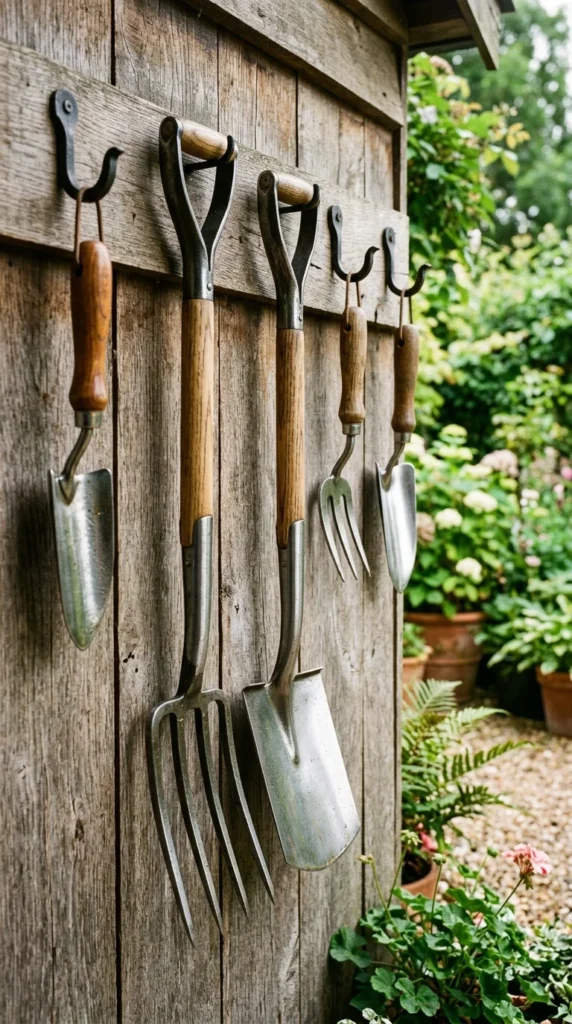
Your tools have worked hard all season, and they deserve some care before being put away. Scrape off dried mud and debris from shovels, hoes, and trowels. Use a wire brush or steel wool to remove any rust spots. Once clean, sharpen the edges of your blades with a whetstone or file.
To prevent rust during the damp winter months, wipe the metal parts of your tools with a rag dipped in vegetable oil or mineral oil. Some gardeners keep a bucket of sand mixed with oil in their shed and plunge their tools into it several times to both clean and coat them. Don’t forget to wipe down wooden handles with linseed oil to prevent them from drying out and splintering.
9. Lawn
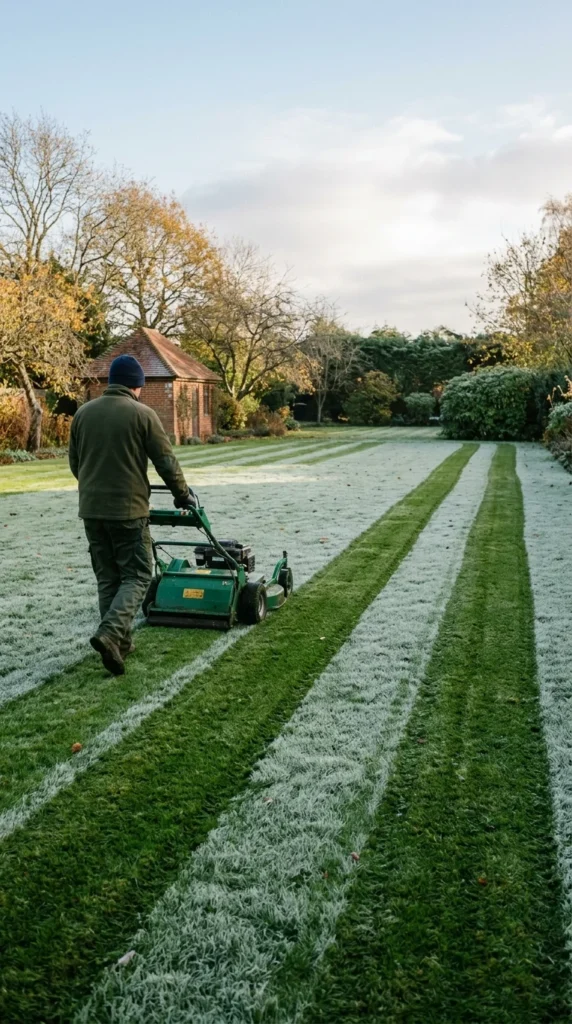
The lawn often gets overlooked in the rush to winterize the garden, but a few simple steps will ensure a lush green carpet in the spring. For your final mow of the season, drop the mower blade to a slightly lower setting than usual. Short grass is less likely to succumb to “snow mold,” a fungal disease that thrives under a blanket of snow on tall, matted grass.
This is also the perfect time to aerate your lawn if the soil is compacted. Aeration allows oxygen, water, and nutrients to reach the roots more easily. Follow up with a “winterizer” fertilizer—one that is high in potassium—to strengthen the roots and improve the grass’s resistance to cold and disease.
10. Wildlife
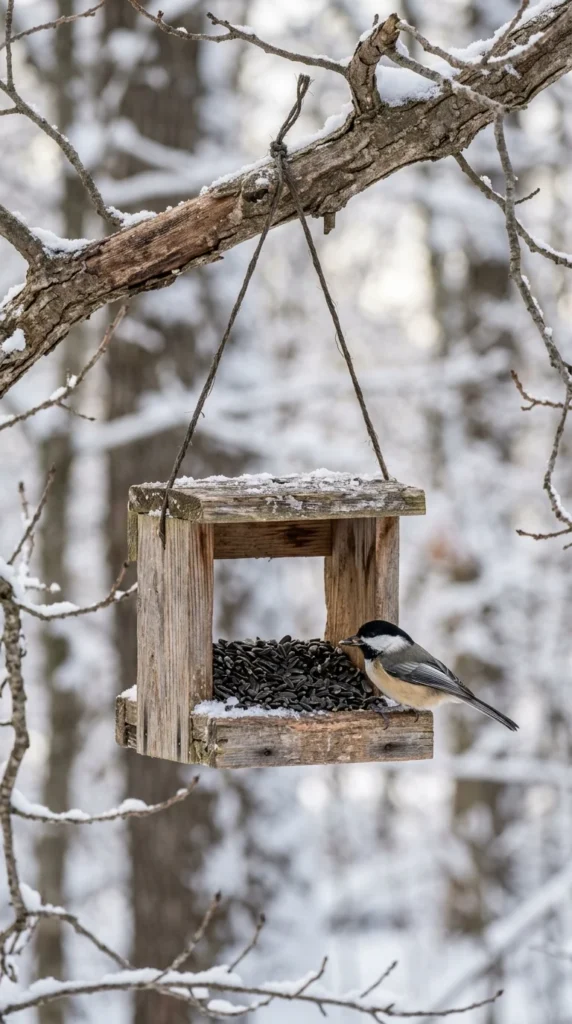
Finally, remember the creatures that share your garden. While we head indoors for the winter, local wildlife must endure the elements. Beyond leaving seed heads on perennials, you can support biodiversity by providing a water source. A heated birdbath or a simple solar-powered de-icer in a pond can be a lifesaver for birds when all other water sources are frozen.
Consider building a small “habitat pile” in an out-of-the-way corner of the yard. A stack of fallen logs and branches provides a perfect overwintering site for toads, beetles, and other beneficial predators that will help control pests when spring returns. By caring for the ecosystem as a whole, you ensure that your garden remains a vibrant, living space, even in the depths of winter.