The quest for a bountiful harvest often feels like a battle against an invisible army of munching, sucking, and tunneling pests. For the organic gardener, the challenge is double-sided: how do you protect your precious vegetables without introducing toxic synthetic chemicals into your food supply and the local ecosystem? The answer lies in the pantry and the garden itself.
Homemade organic pesticides offer a sustainable, cost-effective, and safe alternative to commercial poisons. These solutions leverage the natural defense mechanisms of plants, the abrasive properties of minerals, and the simple chemistry of household staples. By understanding how to mix and apply these remedies, you can maintain a thriving garden that is safe for children, pets, and essential pollinators like bees and butterflies.
1. Neem Oil
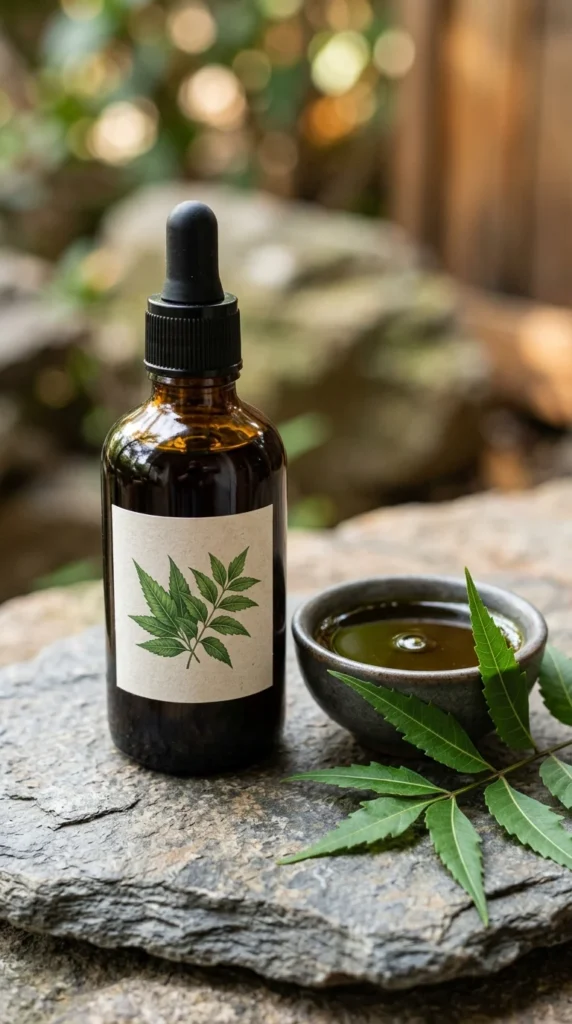
Neem oil is perhaps the most powerful tool in the organic gardener’s arsenal. Derived from the seeds of the neem tree, it contains azadirachtin, a compound that disrupts the life cycle of insects at all stages—egg, larvae, and adult. It acts as a hormonal disruptor, preventing pests from feeding and molting.
To create a neem spray, mix two teaspoons of high-quality, cold-pressed neem oil with one teaspoon of mild liquid soap in a quart of warm water. The soap acts as an emulsifier, allowing the oil and water to mix. This solution is effective against aphids, whiteflies, spider mites, and even fungal issues like powdery mildew.
2. Garlic Spray
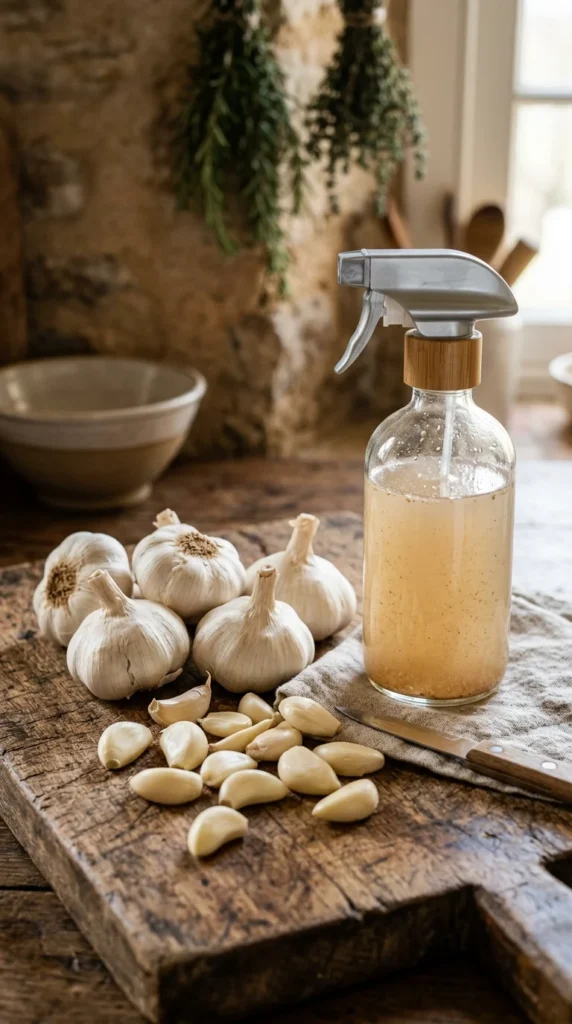
Garlic is more than just a culinary staple; its potent sulfur compounds are highly repellent to a wide range of garden pests. Garlic spray doesn’t necessarily kill insects on contact, but its pungent aroma makes your vegetable plants incredibly unappealing to invaders.
To make garlic spray, puree two whole bulbs of garlic with a small amount of water. Let the mixture sit overnight to maximize the release of sulfur. Strain the liquid through a cheesecloth and mix it into a gallon of water, adding a dash of liquid soap to help it stick to the leaves. This is particularly effective against cabbage loopers and beetles.
3. Chili Pepper

The capsaicin that gives chili peppers their heat is a powerful irritant to soft-bodied insects and even some mammalian pests like squirrels and rabbits. A chili pepper spray creates a “hot” barrier that many pests cannot tolerate.
You can use fresh peppers, chili powder, or even hot sauce. Mix one tablespoon of chili powder or half a cup of pureed fresh peppers with a quart of water and a few drops of dish soap. Be extremely careful when mixing and applying this spray, as it can irritate your skin and eyes just as much as it irritates the bugs.
4. Castile Soap
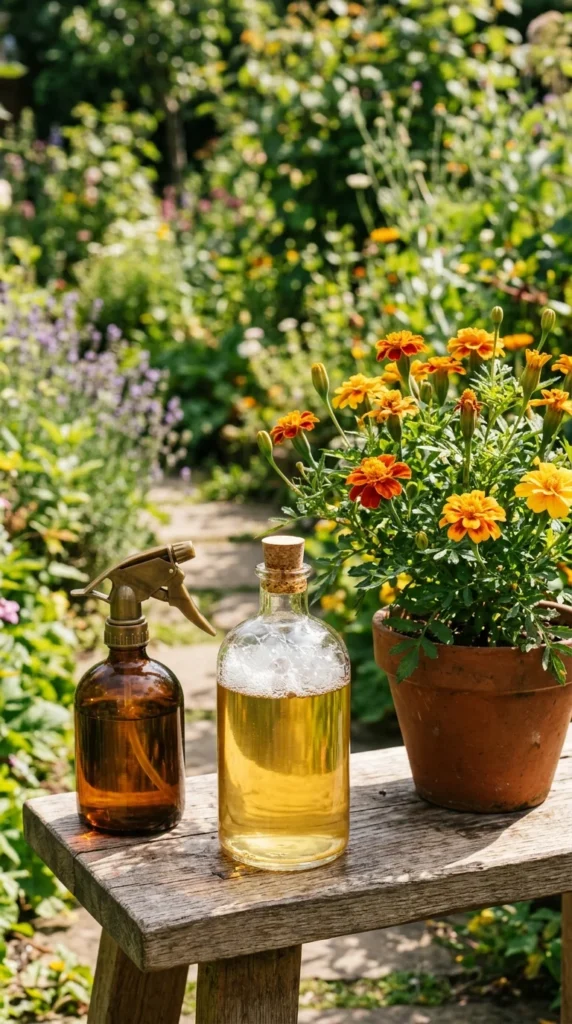
Simple soap sprays are a classic remedy for soft-bodied insects such as aphids, mealybugs, and scales. The soap works by breaking down the waxy outer coating of the insect’s exoskeleton, leading to dehydration and death.
It is crucial to use a “true” soap, such as liquid Castile soap, rather than a detergent-based dish soap, which can be too harsh for sensitive vegetable leaves. Mix one to two tablespoons of Castile soap per gallon of water. Always test this on a single leaf 24 hours before spraying the whole plant to ensure no burning occurs.
5. Tomato Leaf
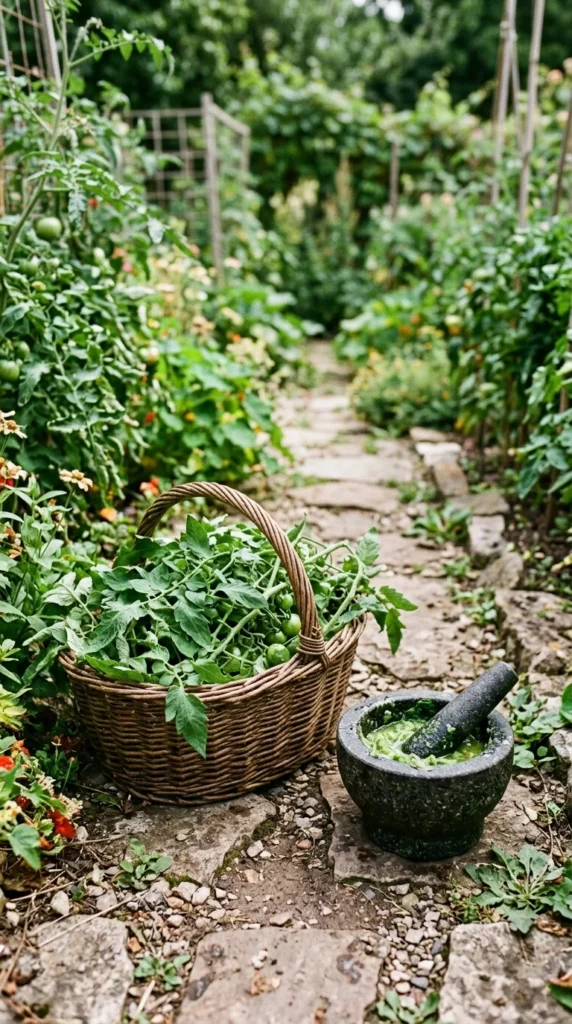
While we eat the fruit, tomato leaves contain alkaloids called “tomatine,” which are toxic to certain pests, especially aphids. This is a brilliant way to recycle the suckers you prune off your tomato plants during the growing season.
Chop two cups of fresh tomato leaves and soak them in two cups of water overnight. Strain the mixture and add another two cups of water to dilute it. Spray this liquid onto the foliage of other vegetables. Since tomatoes are part of the nightshade family, avoid using this spray on other nightshades like peppers or eggplants to prevent the potential spread of tobacco mosaic virus.
6. Vegetable Oil
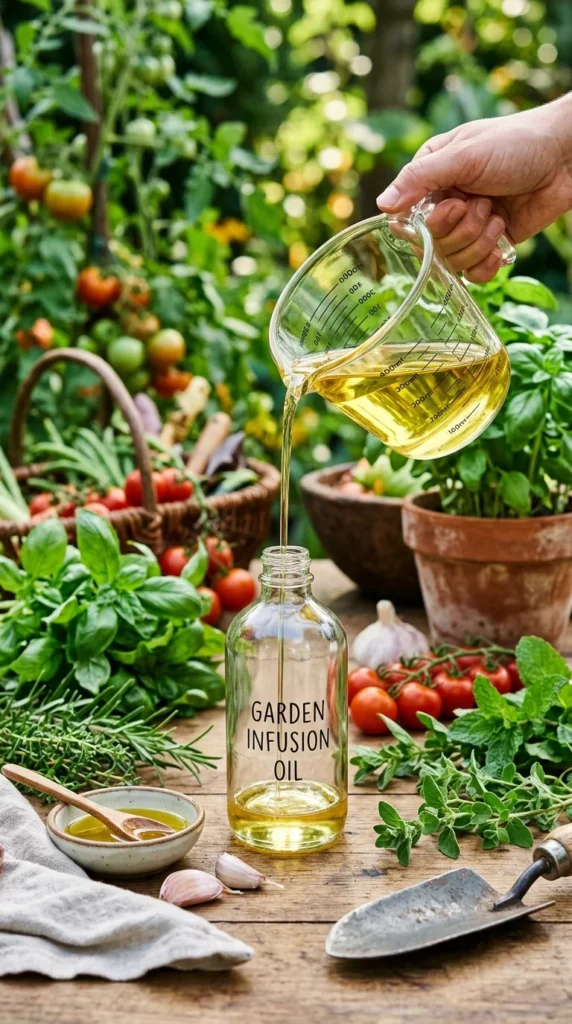
Oil sprays work by smothering insects. When the oil coats the body of an insect, it blocks their breathing pores (spiracles), causing them to suffocate. This is an excellent choice for persistent problems like thrips and mites.
Create a “concentrate” by mixing one cup of vegetable oil with one tablespoon of mild soap. When you are ready to spray, mix two teaspoons of this oil concentrate with one quart of water. Shake well before use, as the oil will naturally want to separate from the water.
7. Baking Soda
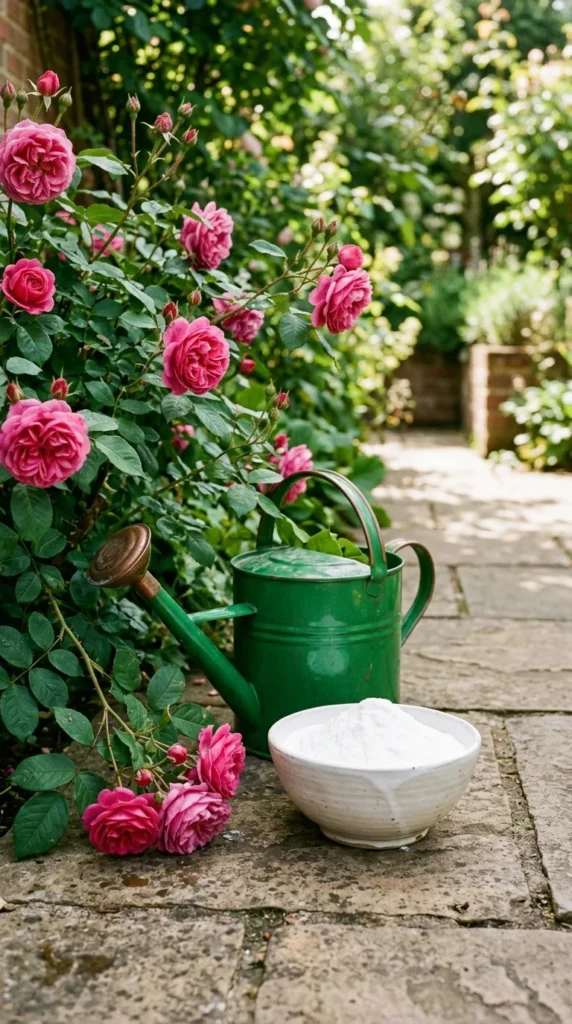
While technically more of a fungicide than an insecticide, baking soda is essential for protecting the health of your vegetables. It alters the pH level on the surface of the leaves, making it impossible for fungal spores like powdery mildew to take hold.
Mix one tablespoon of baking soda and half a teaspoon of liquid soap into a gallon of water. Spray this on plants that are prone to mildew, such as cucumbers, squash, and pumpkins. For best results, use it as a preventative measure during humid weather rather than a cure once the fungus has fully taken over.
8. Epsom Salt
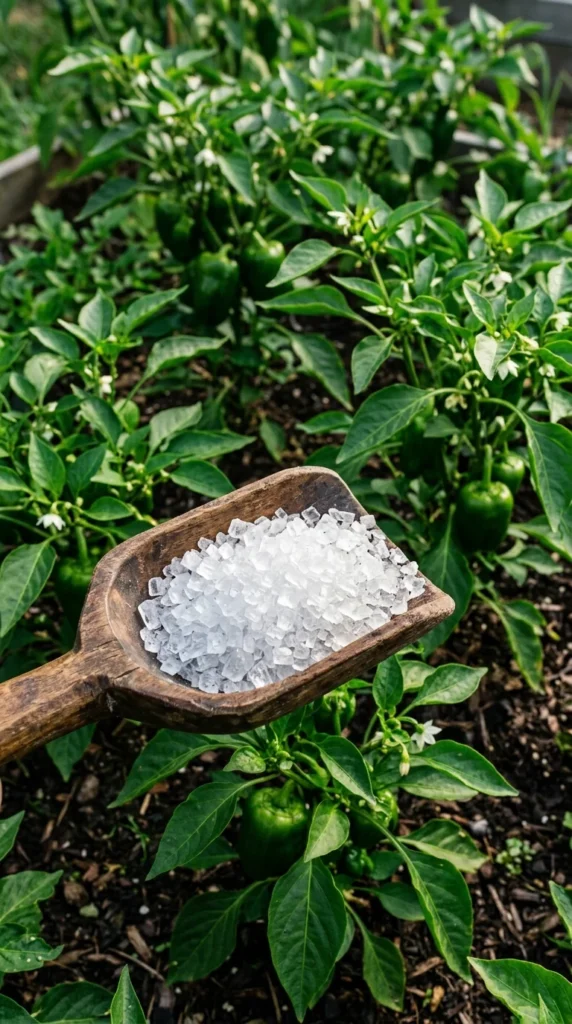
Epsom salt (magnesium sulfate) serves a dual purpose. It provides a magnesium boost to the soil, which helps with chlorophyll production, and it acts as a deterrent for slugs and snails.
You can sprinkle the dry crystals around the base of your plants to create a gritty barrier that slugs hate to cross. Alternatively, dissolve two tablespoons of Epsom salt in a gallon of water and spray it on the foliage. This strengthens the plant’s cell walls, making it more resistant to pests while also discouraging leaf-eating insects.
9. Diatomaceous Earth
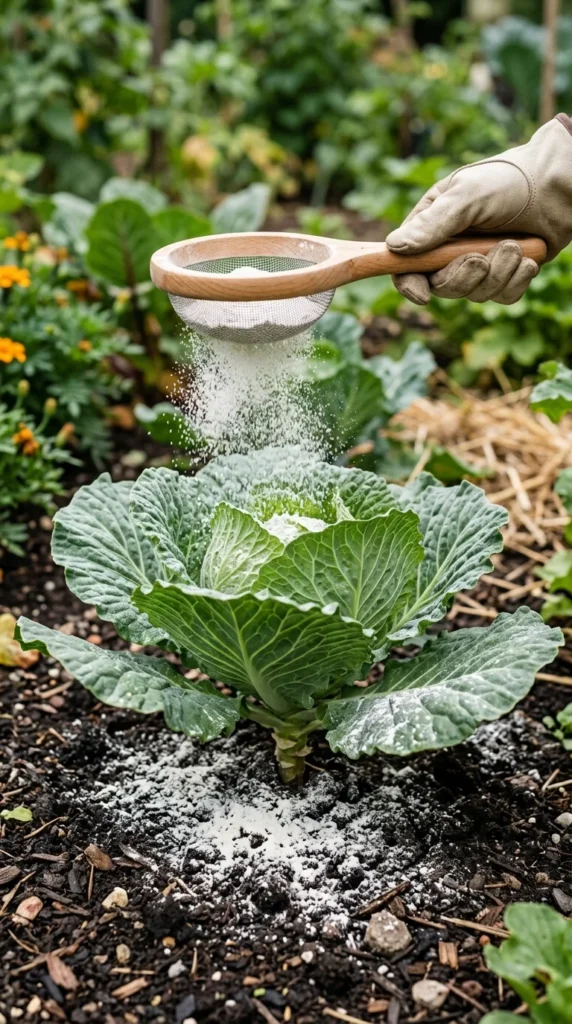
Diatomaceous Earth (DE) is made from the fossilized remains of tiny aquatic organisms called diatoms. To humans, it feels like soft powder, but at a microscopic level, the particles are razor-sharp. When an insect crawls over DE, the powder cuts their exoskeleton and absorbs their internal fluids.
Ensure you buy “Food Grade” DE. Dust it around the base of plants or directly on leaves where crawling insects like ants, earwigs, and squash bugs are present. Note that DE loses its effectiveness when wet, so you will need to reapply after rain or heavy dew.
10. Milk Spray
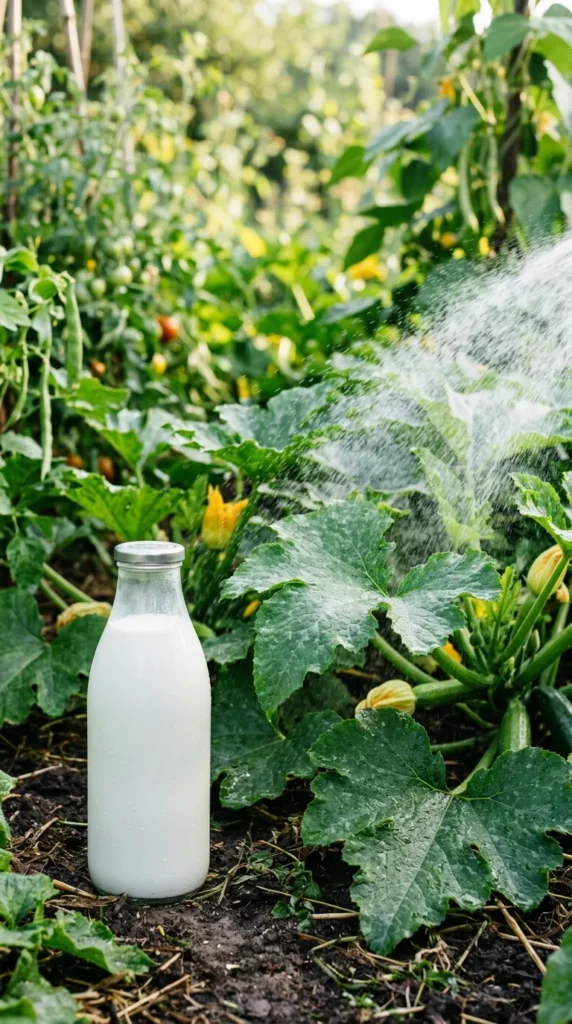
It sounds unusual, but milk is a highly effective organic treatment for powdery mildew. The proteins in milk react with sunlight to create a mild antiseptic effect that kills fungi. Some studies suggest it may be even more effective than synthetic fungicides.
Mix one part milk (skim or whole) with two to three parts water. Spray the leaves of your squash, cucumbers, and tomatoes in the full sun. The sunlight is a necessary component for the chemical reaction to occur. This method also provides a small amount of calcium to the plant’s surface.
11. Essential Oils
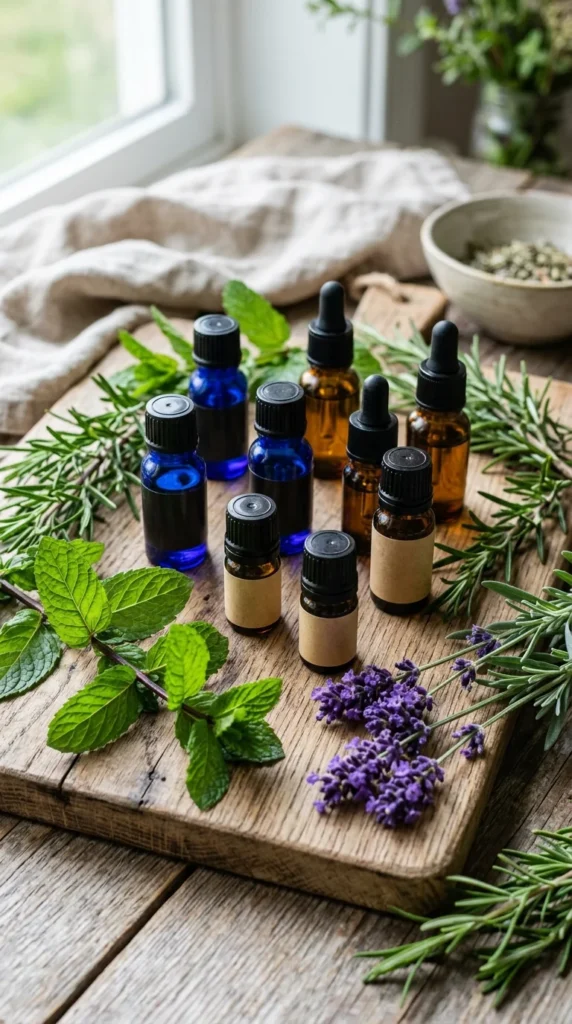
Plants produce essential oils to protect themselves in the wild, and you can harness that power in your garden. Peppermint, rosemary, thyme, and clove oils are particularly effective at repelling a variety of insects.
To make an essential oil pesticide, add 10 to 15 drops of your chosen oil (or a blend) to a quart of water with a few drops of dish soap. Peppermint is excellent for aphids and ants, while rosemary is great for repelling flies and mosquitoes that might bother you while you garden.
12. Onion Spray

Similar to garlic, onions contain sulfur compounds that act as a natural repellent. If you don’t have garlic on hand, or if you want to create a “triple threat” spray by mixing onion, garlic, and chili, onions are a fantastic base.
Mince one large onion and steep it in a quart of hot water for several hours. Once cooled, strain the mixture and use it as a spray. This is particularly useful for protecting leafy greens from small chewing insects.
13. Vinegar Spray
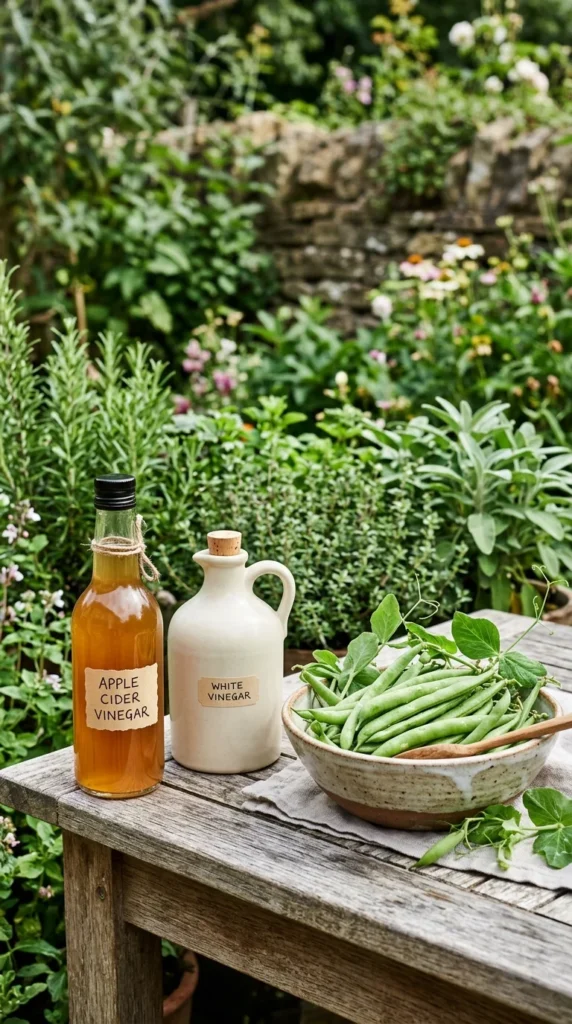
Vinegar is a powerful acetic acid that can be used to manage both pests and weeds. As a pesticide, a highly diluted vinegar solution can deter ants and kill certain soft-bodied larvae.
Mix one tablespoon of white vinegar with one gallon of water. Use this sparingly, as high concentrations of vinegar act as a herbicide and can kill your vegetable plants if sprayed too heavily. It is best used for “spot treatments” where you see ant trails leading into your garden beds.
14. Cedarwood Oil
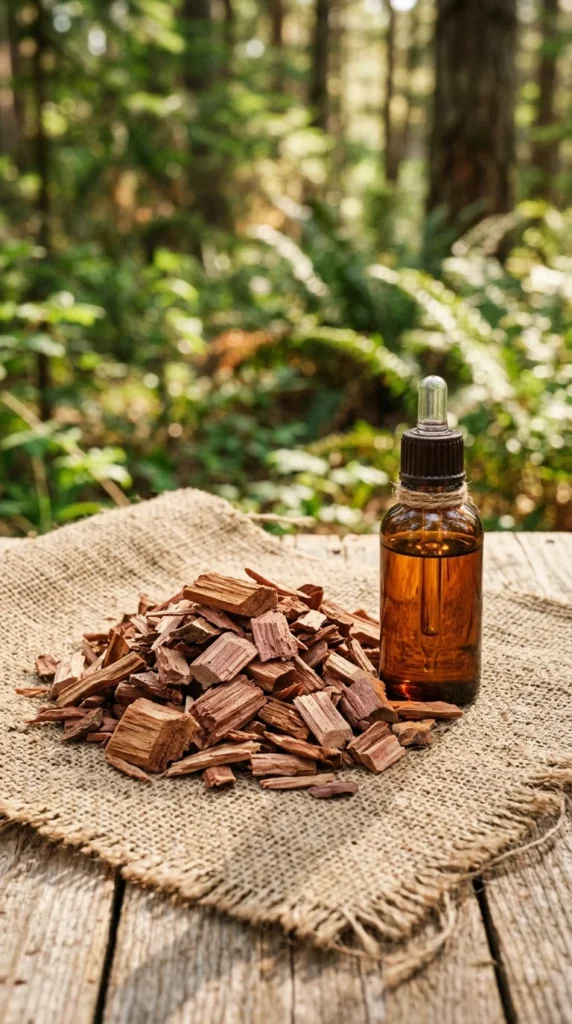
Cedarwood oil is a non-toxic way to manage pests like beetles and moths. The scent of cedar is naturally repulsive to many insects—this is why cedar chests are used to store clothes.
You can buy concentrated cedar oil and dilute it at a rate of about one teaspoon per quart of water. Spraying this around the perimeter of your garden or on the wooden frames of raised beds can create a scent barrier that keeps many migrating pests at bay.
15. Chrysanthemum Tea
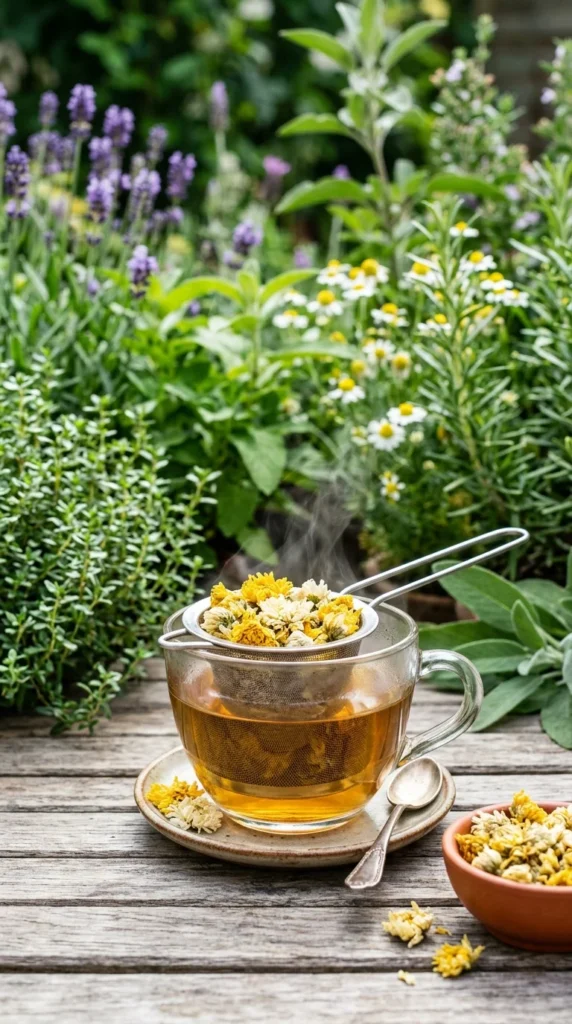
Chrysanthemums contain a natural chemical called pyrethrum, which attacks the nervous systems of insects. This is the source of many commercial “pyrethrin” sprays, but you can make a milder version at home.
Boil half a cup of dried chrysanthemum flowers in a quart of water for twenty minutes. Strain the liquid, let it cool, and use it within 24 hours for maximum potency. This is a “knockdown” pesticide, meaning it kills on contact, so use it only where you see an active infestation to avoid harming beneficial insects.
Best Practices for Organic Pest Control
To get the most out of these homemade remedies, keep the following tips in mind:
- Test First: Always apply your mixture to one or two leaves and wait 24 hours to see if any yellowing or spotting occurs.
- Apply at the Right Time: Spray in the early morning or late evening. Applying oil or soap-based sprays in the heat of the midday sun can cause the leaves to “cook” or burn.
- Target the Underside: Most pests, especially aphids and mites, hide on the undersides of leaves. Ensure your spray reaches these hidden areas.
- Consistency is Key: Organic remedies often require more frequent application than synthetic ones. Reapply after rain or every 5-7 days during a heavy infestation.
- Protect the Helpers: Avoid spraying flowering plants where bees are actively foraging. Even organic sprays can be harmful to pollinators if they are hit directly.