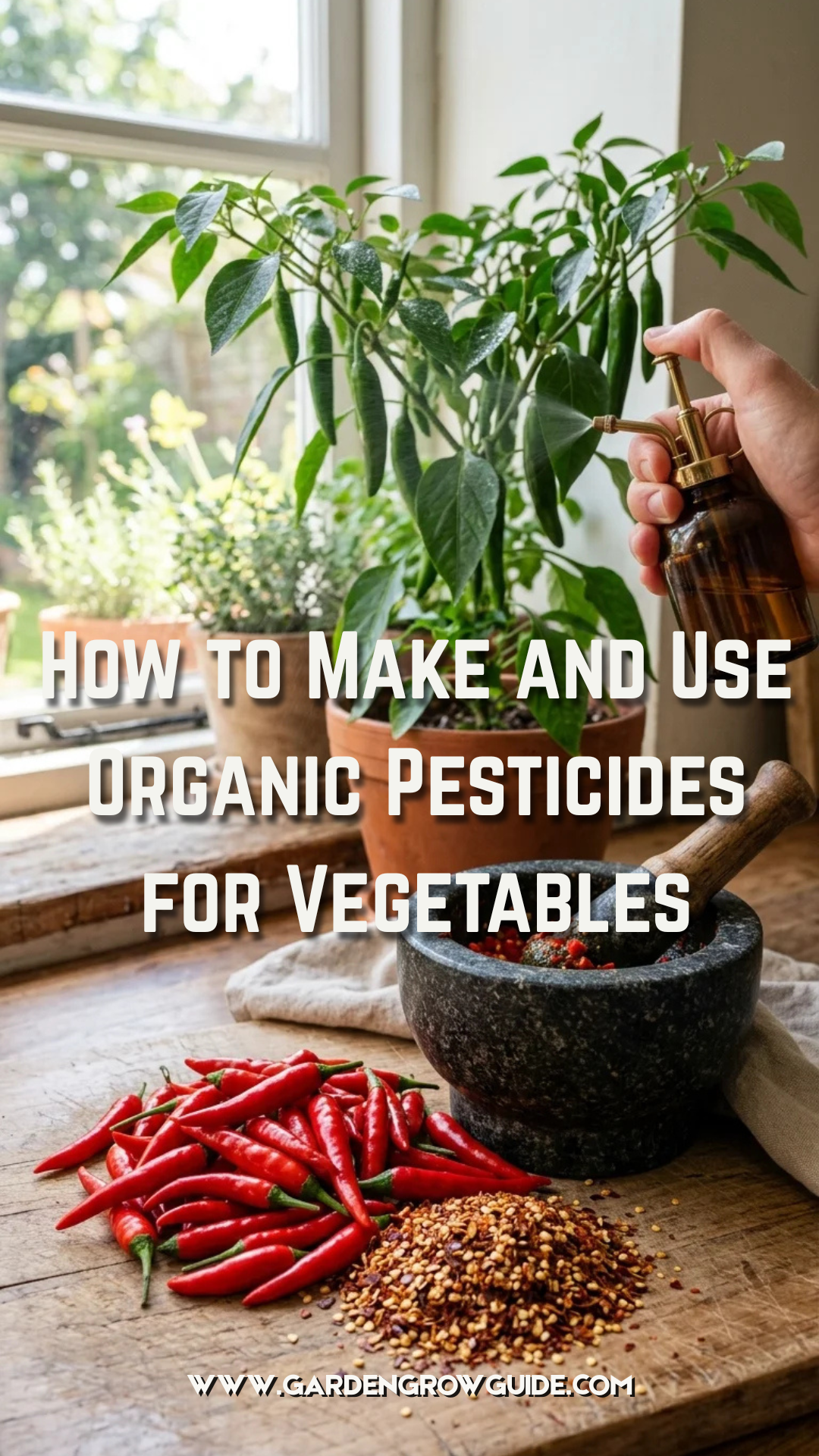
Maintaining a productive vegetable garden often feels like a constant battle against nature. From aphids devouring tender pea shoots to cabbage worms lacing kale with holes, pests are an inevitable part of the ecosystem. However, the modern gardener no longer needs to rely on harsh synthetic chemicals that can harm pollinators, degrade soil health, and leave toxic residues on the very food they intend to eat.
Organic pesticides offer a sustainable, cost-effective, and safe alternative. These solutions, often derived from common household ingredients or botanical extracts, target specific pests while minimizing the impact on beneficial insects like bees and ladybugs. By understanding how to formulate and apply these natural remedies, you can protect your harvest and foster a balanced garden environment.
1. Neem Oil
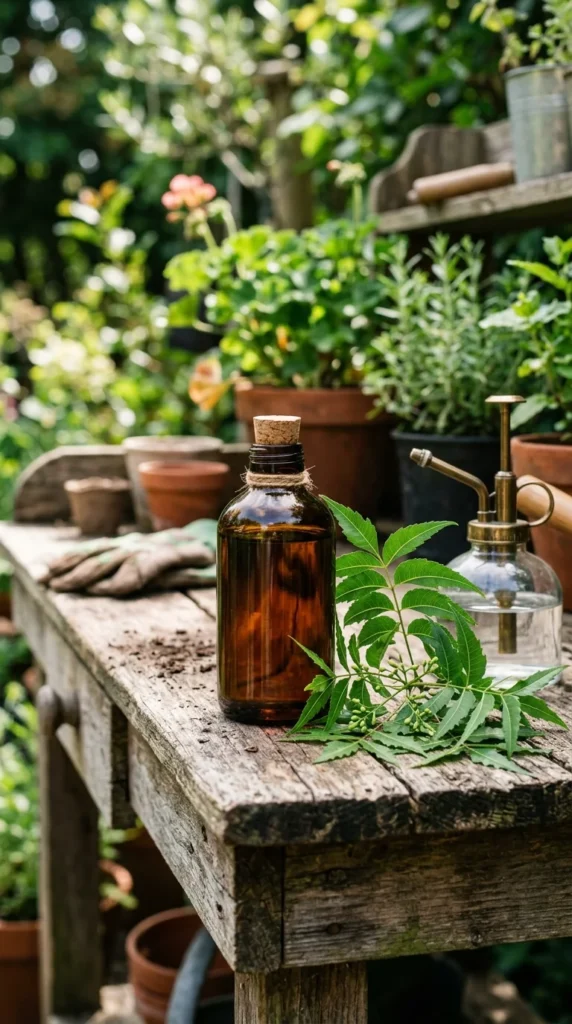
Neem oil is perhaps the most powerful tool in the organic gardener’s arsenal. Derived from the seeds of the neem tree (Azadirachta indica), it contains a compound called azadirachtin. Unlike contact poisons, neem oil works by disrupting the hormonal systems of insects, preventing them from eating, molting, or laying eggs. It is particularly effective against aphids, whiteflies, thrips, and spider mites.
To make a standard neem spray, mix two teaspoons of high-quality, cold-pressed neem oil with one teaspoon of mild liquid castile soap (which acts as an emulsifier) in one gallon of warm water. Shake the mixture vigorously and apply it to all leaf surfaces, including the undersides. Because neem oil can degrade in sunlight, it is best applied in the early morning or late evening.
2. Garlic Spray
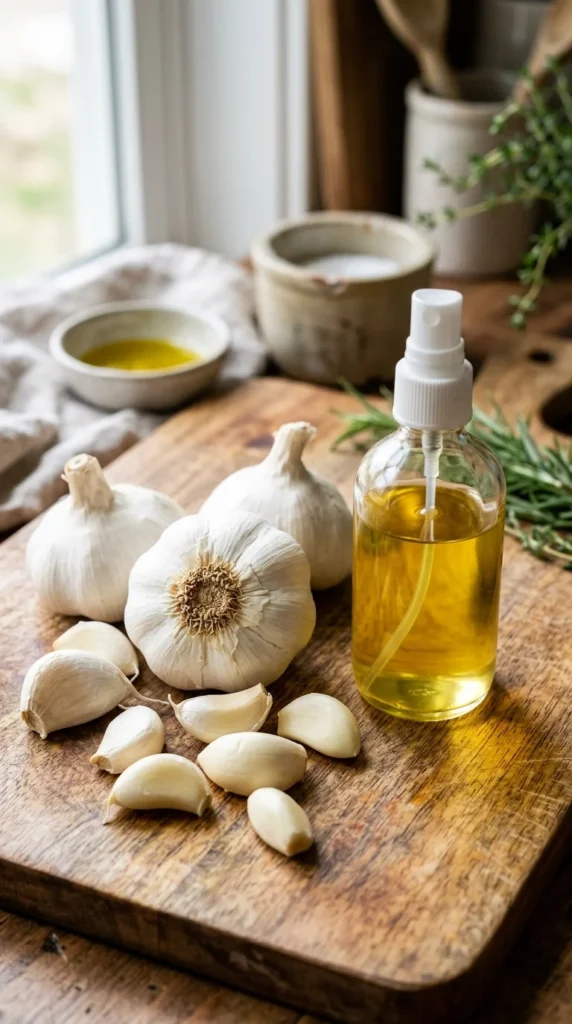
Garlic is a potent natural repellent due to its high sulfur content. While it may not kill pests instantly, its pungent aroma makes the garden environment inhospitable for a wide range of invaders, including beetles, slugs, and leafhoppers. It also possesses antifungal properties that can help prevent diseases like powdery mildew.
To create a garlic infusion, blend two whole bulbs of garlic with a small amount of water until smooth. Let the mixture sit overnight to allow the sulfur compounds to fully activate. Strain the liquid through a fine-mesh cloth or coffee filter, then dilute the concentrate with a gallon of water. Adding a few drops of dish soap will help the liquid stick to the waxy surfaces of vegetable leaves.
3. Chili Pepper
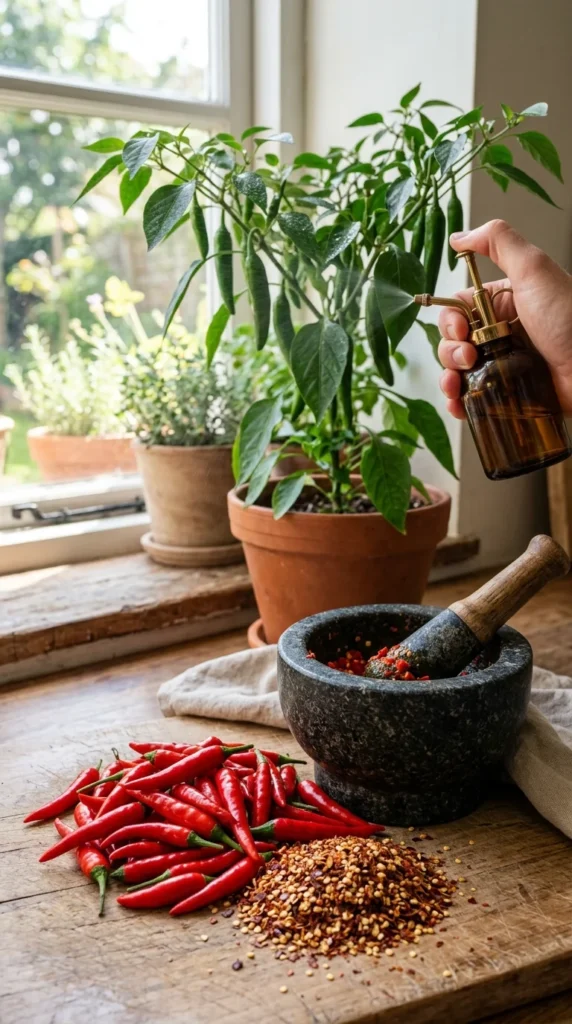
For gardeners dealing with larger pests or particularly stubborn insects, chili pepper spray provides a “hot” deterrent. The capsaicin found in peppers acts as a powerful irritant to soft-bodied insects and can even discourage mammals like rabbits or squirrels from nibbling on your crops.
To prepare this, mix one tablespoon of chili powder (or a handful of crushed fresh peppers) with one quart of water and several drops of liquid soap. For a more intensive version, boil the water and peppers together and let them steep until the water cools. Always wear gloves and eye protection when handling and spraying chili mixtures, as the capsaicin can cause significant irritation to human skin and eyes.
4. Tomato Leaf
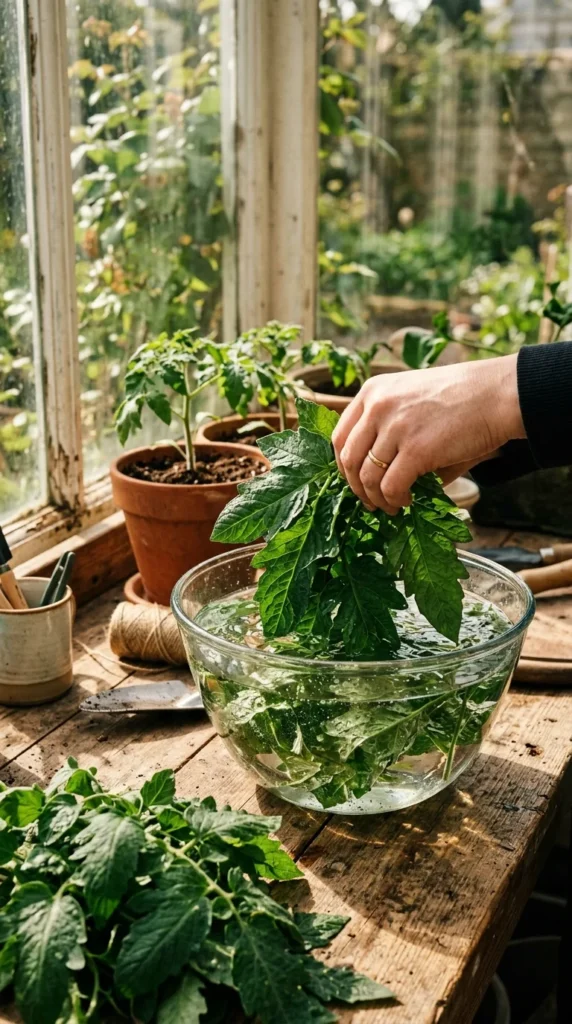
It may seem counterintuitive to use a vegetable plant to protect other vegetables, but members of the nightshade family—including tomatoes—contain alkaloids such as “tomatine.” These alkaloids are toxic to many common garden pests, particularly aphids.
To harness this natural defense, chop two cups of fresh tomato leaves and soak them in two cups of water overnight. Strain the leaves out and use the remaining liquid to spray infested plants. While this is highly effective against small insects, it is safe for the plants themselves. However, avoid using this on other nightshades like eggplants or peppers if you suspect the tomato leaves are carrying any viral diseases.
5. Baking Soda
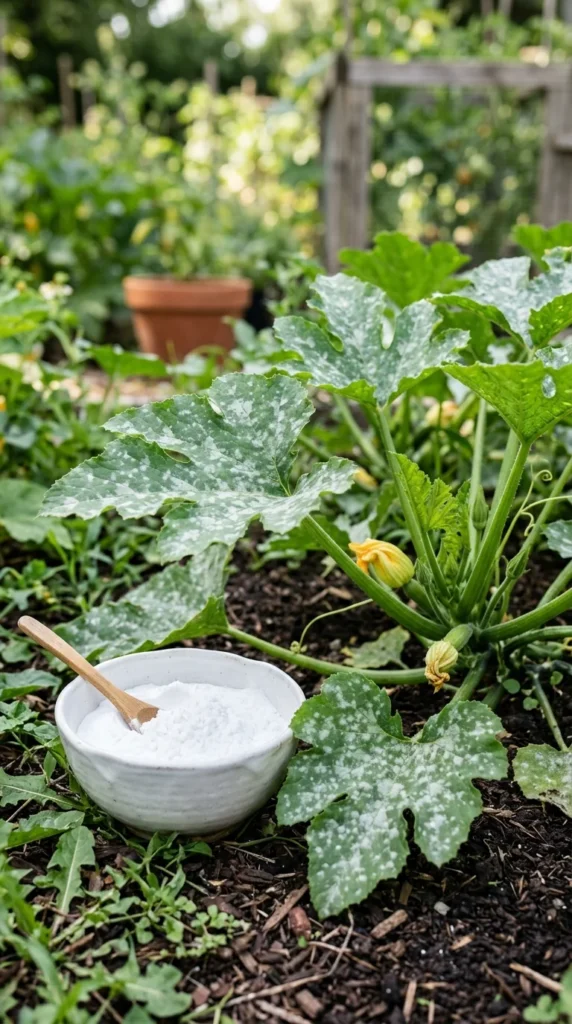
While technically a mineral rather than a botanical, baking soda (sodium bicarbonate) is a staple in organic pest and disease management. It is primarily used to alter the pH levels on leaf surfaces, making it impossible for fungal spores to germinate. This is the gold standard for treating powdery mildew on cucumbers, squashes, and pumpkins.
Mix one tablespoon of baking soda with half a teaspoon of liquid soap and one gallon of water. Spray this onto the foliage of plants at the first sign of white spots. It is important to test this on a single leaf first, as the sodium content can sometimes cause “burn” on sensitive plants.
6. Epsom Salts
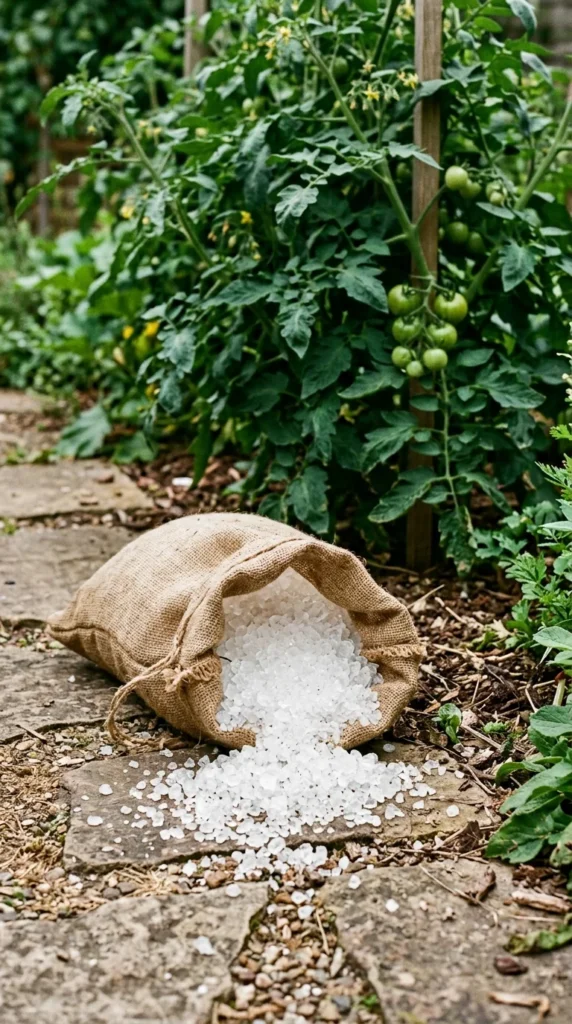
Epsom salts (magnesium sulfate) serve a dual purpose in the vegetable garden. Not only do they provide essential magnesium—which is vital for chlorophyll production—but they also act as a deterrent for slugs and certain beetles. The abrasive nature of the crystals can irritate the soft underbellies of crawling pests.
You can sprinkle the salts directly around the base of plants like peppers and tomatoes to boost their nutrient intake, or dissolve two tablespoons in a gallon of water to create a foliar spray. This spray strengthens the plant’s cell walls, making them more resistant to pest attacks.
7. Vegetable Oil
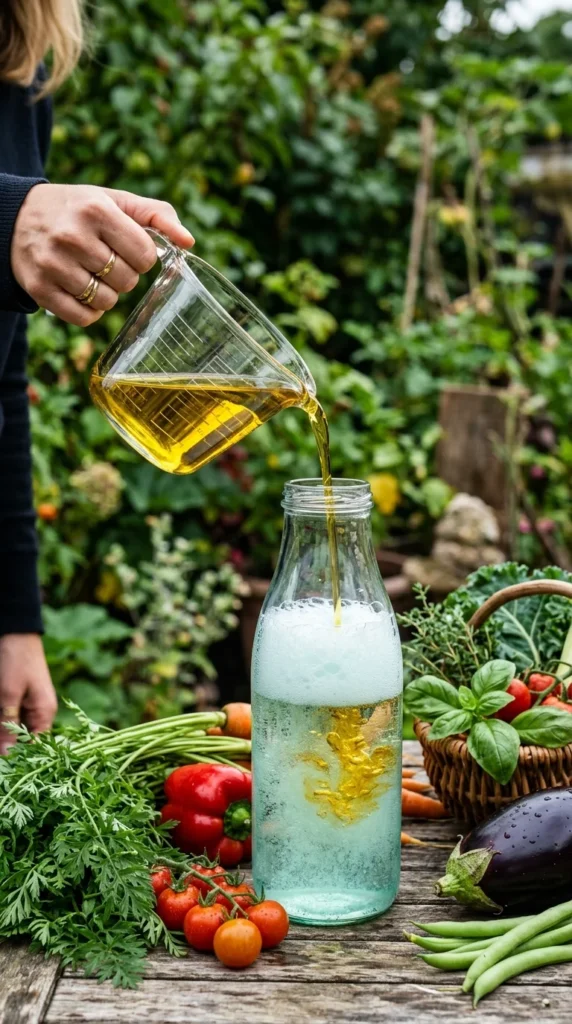
An “oil cloak” is one of the oldest methods for controlling scale insects, aphids, and mites. The oil works by coating the bodies of the insects and blocking their breathing pores (spiracles), leading to suffocation. Because it is a mechanical killer rather than a chemical one, insects cannot develop resistance to it.
To make an oil-based pesticide, mix one cup of vegetable oil with one tablespoon of mild liquid soap. This creates a concentrate. When you are ready to spray, mix two teaspoons of this oil concentrate with one quart of water. This mixture is shelf-stable for several months if kept in a cool, dark place.
8. Essential Oils
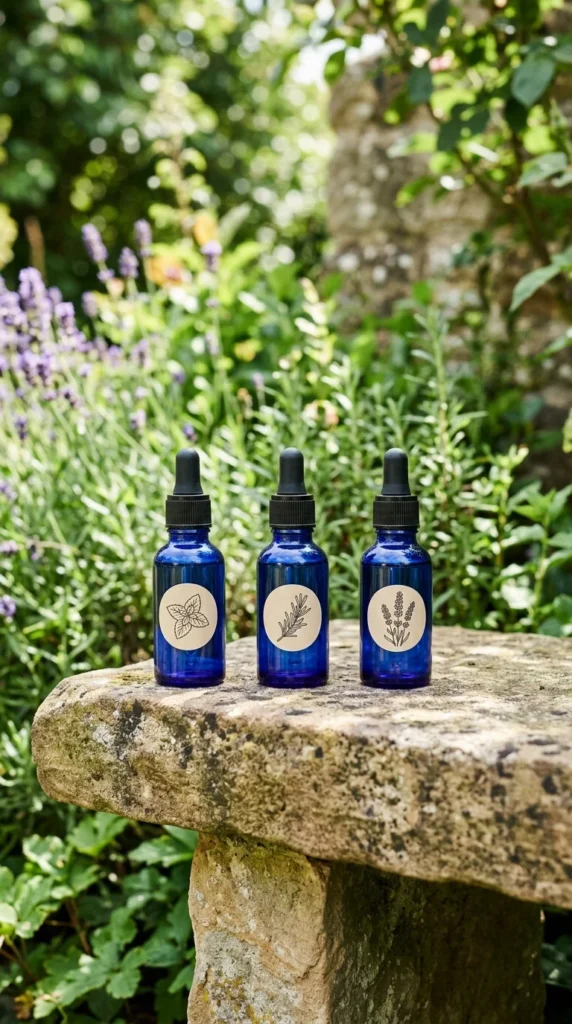
Essential oils are the concentrated essences of plants, many of which evolved specifically to ward off herbivores. Peppermint oil is excellent for repelling ants and spiders, while rosemary oil is effective against flies and mosquito larvae. Thyme and clove oils possess strong insecticidal properties that can kill larvae on contact.
To use essential oils in the garden, add about 10 to 15 drops of your chosen oil (or a blend) to a spray bottle filled with water and a dash of soap. These sprays are highly aromatic and provide a pleasant experience for the gardener while creating a “no-fly zone” for pests.
Application and Safety Best Practices
Creating the pesticide is only half the battle; how you apply it determines its success. Organic treatments are often less stable than synthetic ones, meaning they require more frequent application and careful timing.
Timing Your Sprays
Never spray your vegetables in the heat of the day. The combination of water, oils, and intense sunlight can act like a magnifying glass, scorching the delicate tissues of the leaves. The best times are early morning (before the dew has fully evaporated) or late evening (after the sun has lost its intensity).
The Under-Leaf Rule
Most garden pests, such as aphids and whiteflies, congregate on the undersides of leaves to stay protected from the sun and predators. When spraying, ensure you tilt the nozzle upward to thoroughly coat the bottom of the foliage. If you only spray the tops, the pest population will likely survive and rebound quickly.
Testing for Sensitivity
Every plant variety reacts differently to treatments. Before spraying your entire crop of heirloom tomatoes, test your mixture on a small, inconspicuous leaf. Wait 24 to 48 hours to check for signs of wilting, spotting, or browning. If the plant looks healthy, proceed with the full application.
Reapplication Cycles
Organic pesticides break down quickly when exposed to oxygen, UV rays, and rain. As a general rule, reapply your treatments every 7 to 10 days, or immediately after a heavy rainfall. If you are dealing with a severe infestation, you may need to spray every 3 to 5 days until the pest population is under control.
Promoting a Balanced Ecosystem
The ultimate goal of organic gardening is not to create a sterile environment, but a balanced one. Encourage beneficial insects—the “good bugs”—like ladybugs, lacewings, and predatory wasps. These natural predators will do much of the heavy lifting for you. Avoid over-spraying, even with organic mixtures, to ensure you aren’t accidentally removing the food source for these helpful garden allies. By integrating these homemade solutions with good cultural practices, you can enjoy a bountiful, chemical-free harvest.