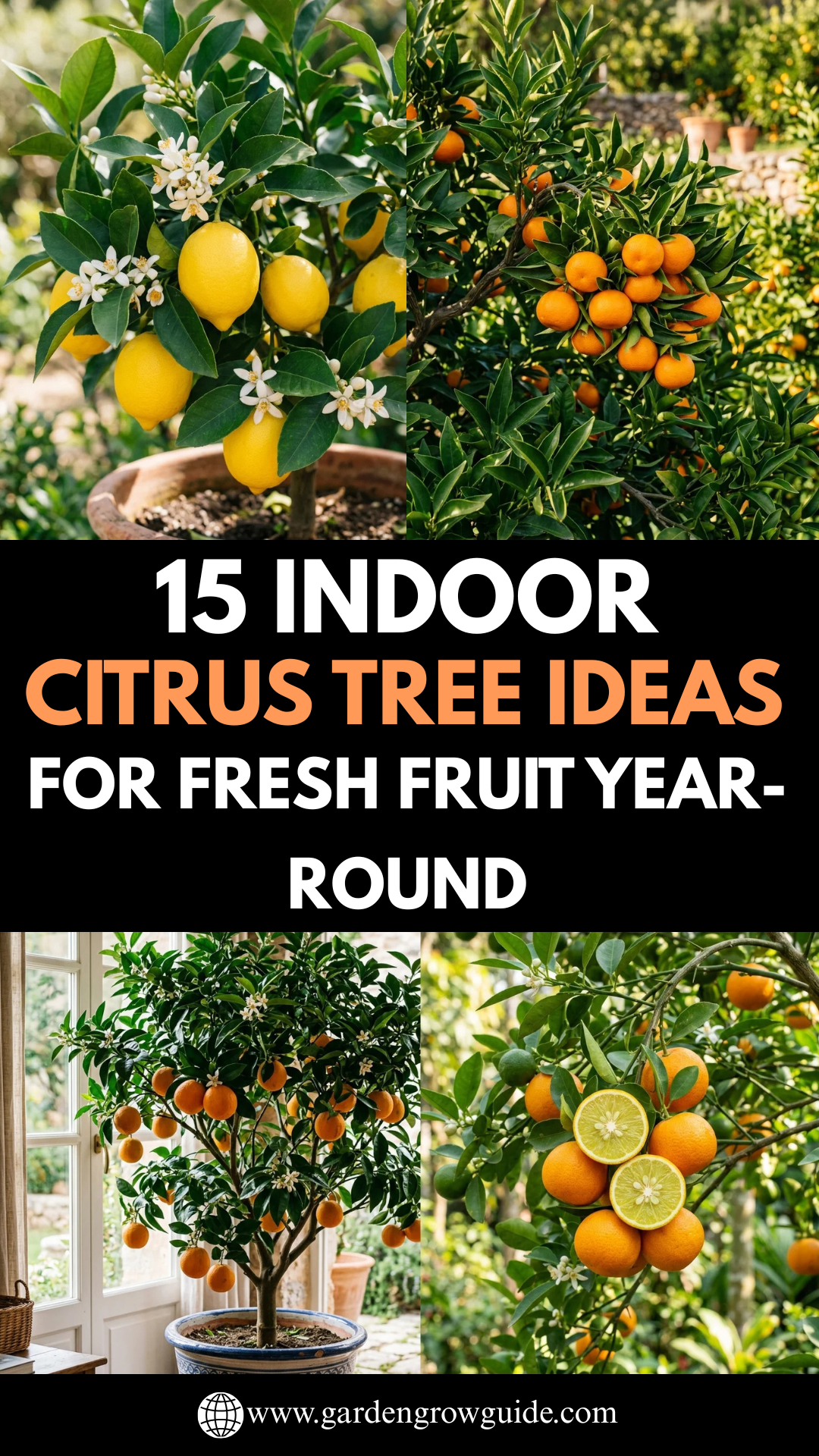
Bringing the essence of a Mediterranean grove into your home is more than just a design trend; it is a way to ensure a steady supply of vitamin C and a constant infusion of floral fragrance. While citrus trees are traditionally associated with sprawling outdoor orchards, many dwarf varieties are perfectly suited for life in a pot. With the right light, consistent watering, and a bit of patience, you can harvest everything from tart limes to sweet kumquats right in your living room or kitchen.
Cultivating citrus indoors requires an understanding of their unique needs—specifically high light requirements and humidity. However, the reward of glossy evergreen leaves and the intoxicating scent of citrus blossoms makes the effort well worth it. Here are 15 of the best indoor citrus tree varieties to transform your home into a year-round fruit-bearing sanctuary.
1. Meyer Lemon
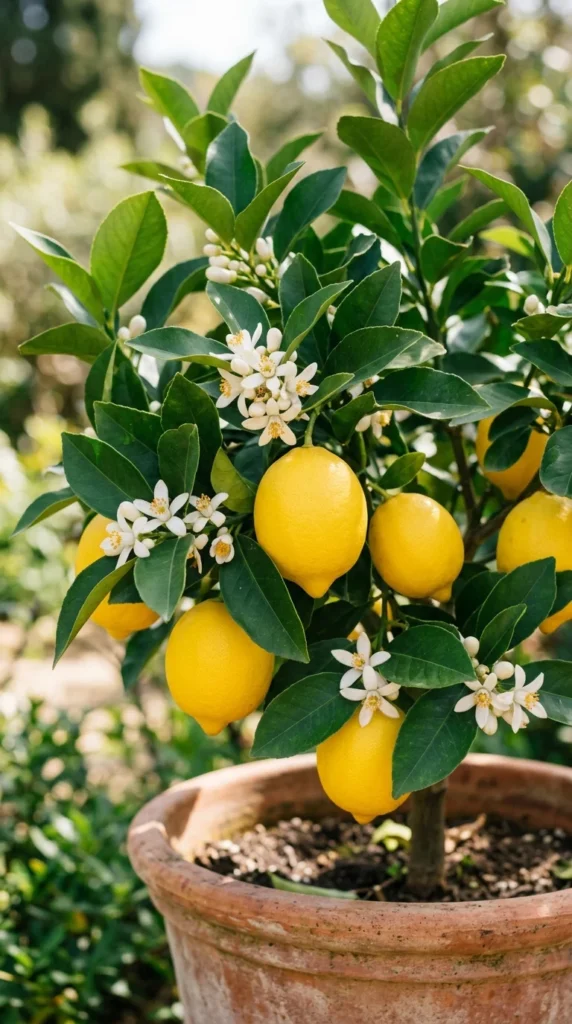
The Meyer Lemon is the undisputed king of indoor citrus. A cross between a regular lemon and a Mandarin orange, it produces fruit that is sweeter and less acidic than the lemons found in grocery stores. Its compact size and prolific blooming habit make it ideal for containers. Meyer lemons bloom and fruit throughout the year, meaning you can often see buds, flowers, and ripe fruit all on the same branch.
2. Calamondin Orange
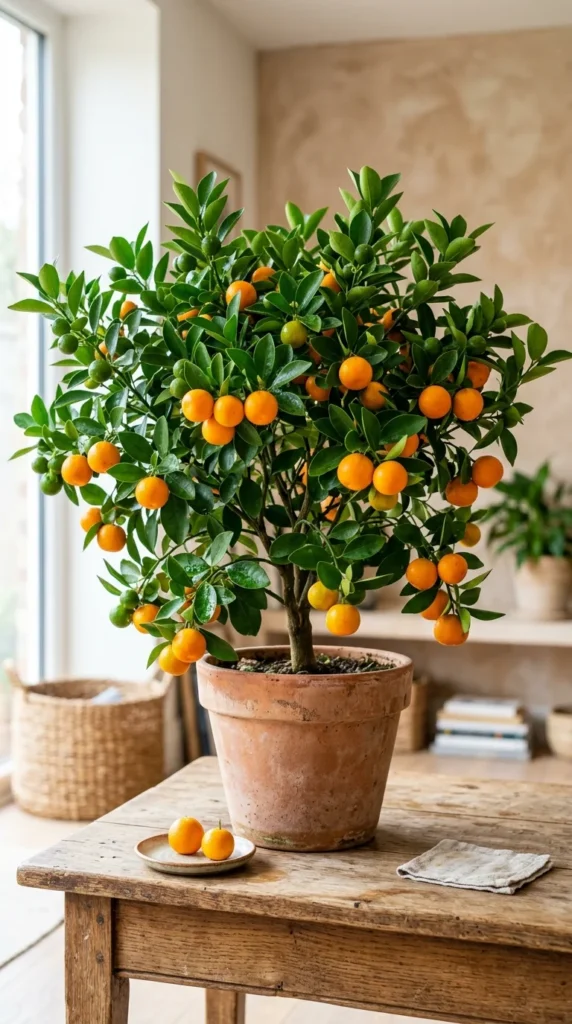
If you are a beginner, the Calamondin orange is perhaps the easiest citrus to grow indoors. Often grown as an ornamental plant, it produces tiny, tart oranges that are excellent for marmalades or as a substitute for lime in drinks. It is highly cold-tolerant (for a citrus) and handles the lower humidity of indoor environments better than most other varieties.
3. Key Lime
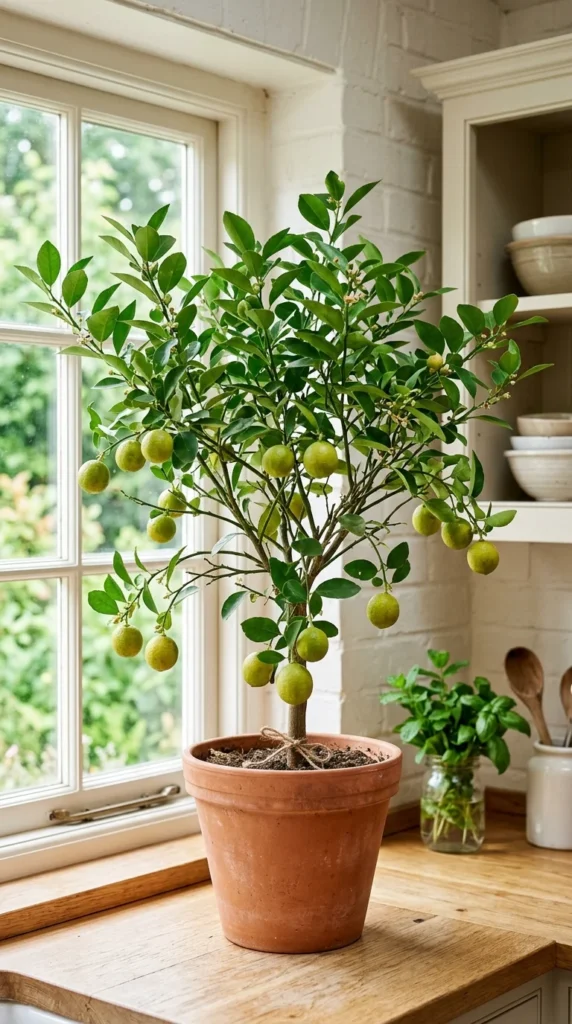
Known for the famous pie that bears its name, the Key Lime (or Mexican Lime) is a tropical favorite. These trees produce small, seedy, and highly aromatic fruits with a thin rind. Because they are true tropicals, they require a very warm, sunny spot. Indoors, they stay relatively small and respond well to pruning, making them a perfect fit for a sunny windowsill or a dedicated plant stand.
4. Kaffir Lime
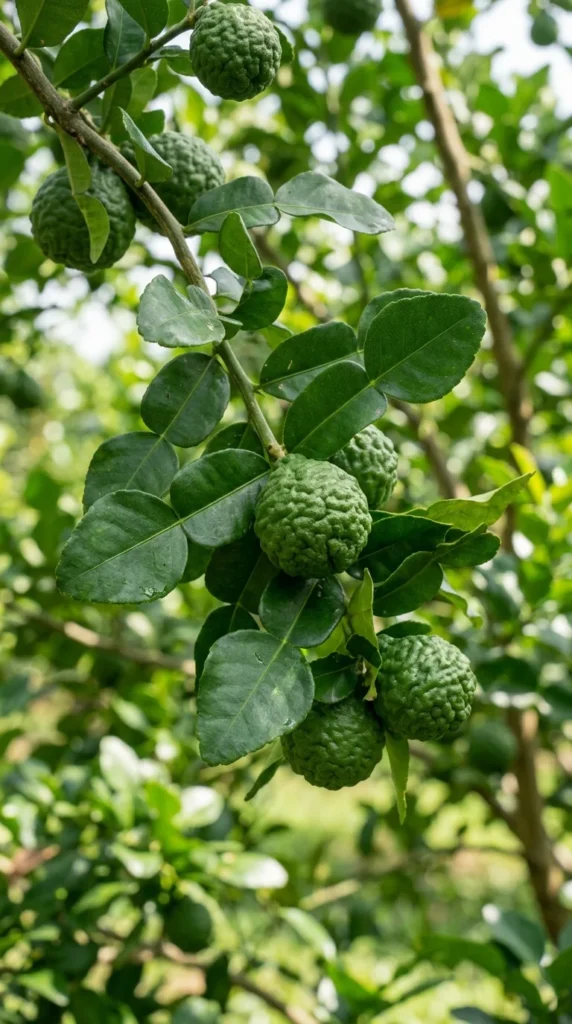
Often called the Makrut lime, this tree is grown as much for its leaves as for its fruit. The leaves have a distinct “double-leaf” shape and are a staple in Thai and Indonesian cuisine. While the juice is sparse and the rind is bumpy, the fragrance of the crushed leaves is unmatched. It is a slow grower, which is a benefit for those with limited indoor space.
5. Kumquat
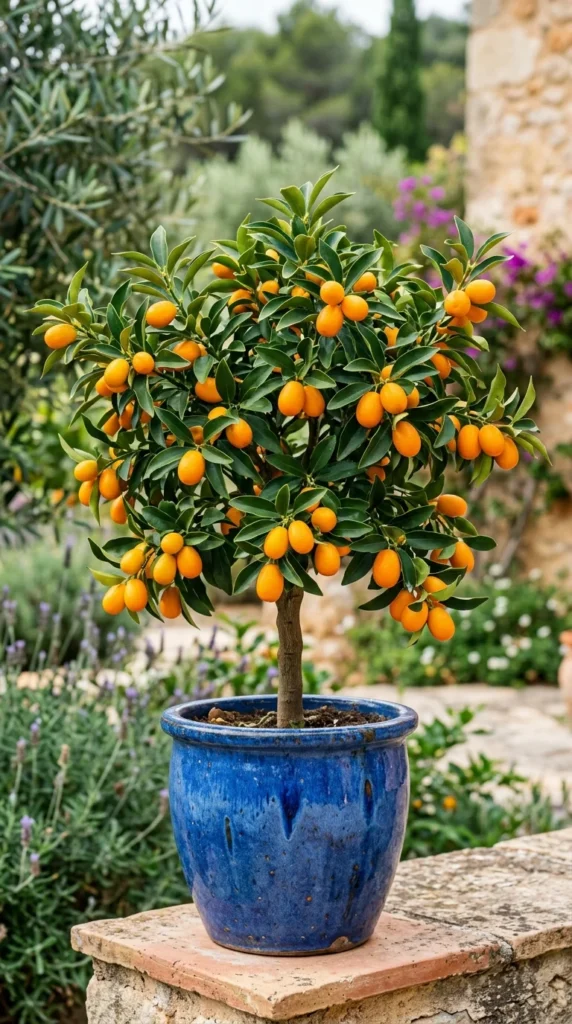
Kumquats are unique because you eat the entire fruit—peel and all. The peel is surprisingly sweet, while the flesh inside is tart. Varieties like the ‘Nagami’ (oval) or ‘Meiwa’ (round) are naturally shrub-like and stay very manageable indoors. They are also among the most cold-hardy citrus, making them resilient to the occasional draft near a window.
6. Eustis Limequat
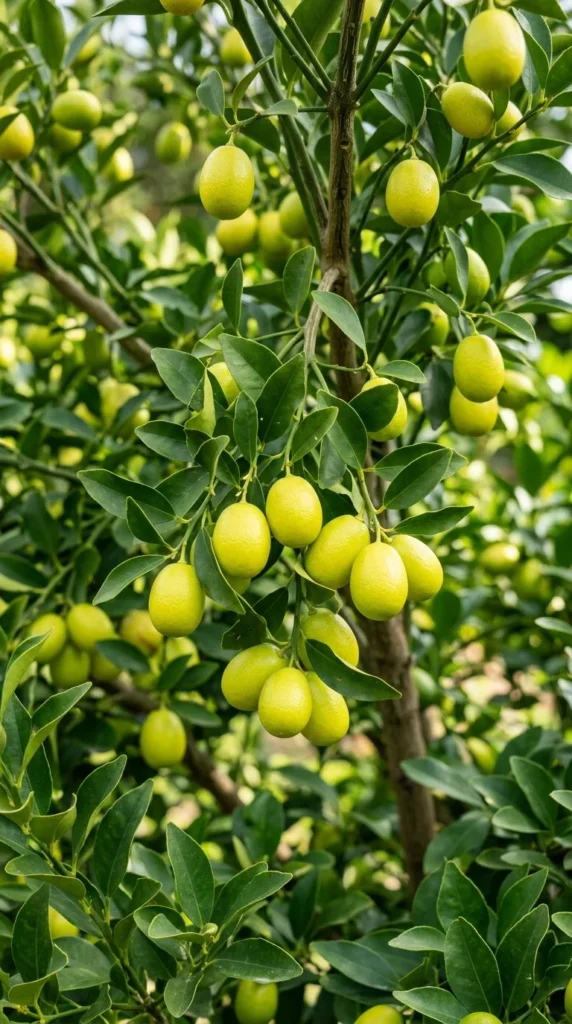
The Limequat is a hybrid of the Key lime and the Kumquat. The result is a tree that produces fruit with the flavor of a lime but the cold-hardiness and skin-eating qualities of a kumquat. They are incredibly prolific fruiters, often producing large crops on very small, young trees. Their compact growth habit makes them a top choice for small apartments.
7. Ponderosa Lemon
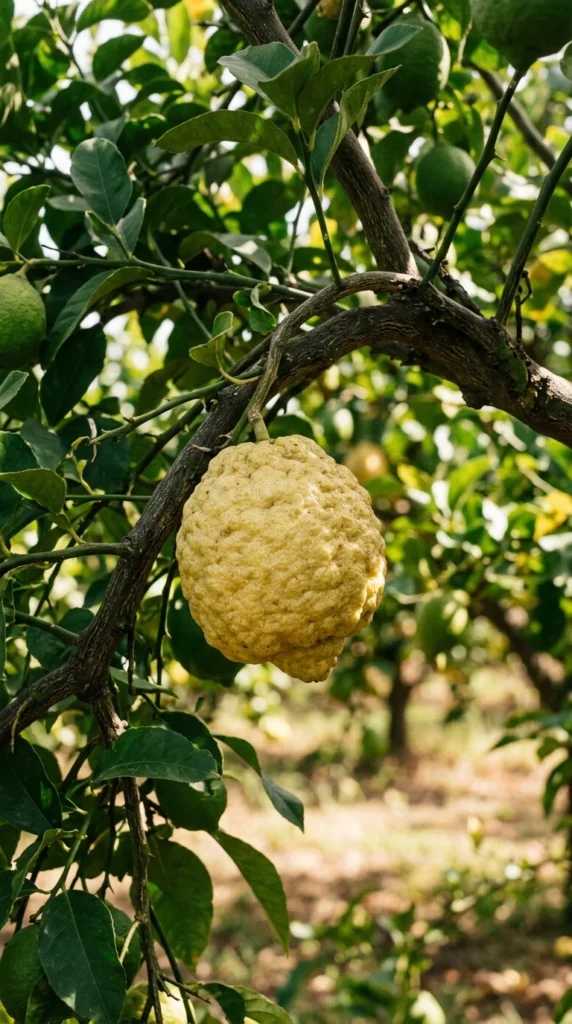
If you want a conversation piece, the Ponderosa lemon is it. This tree produces gargantuan lemons, sometimes weighing several pounds each, on a relatively small plant. While it is a slower grower, the sheer size of the fruit compared to the tree is a visual marvel. The fruit tastes like a standard lemon and can be used in any recipe requiring lemon juice or zest.
8. Trovita Orange
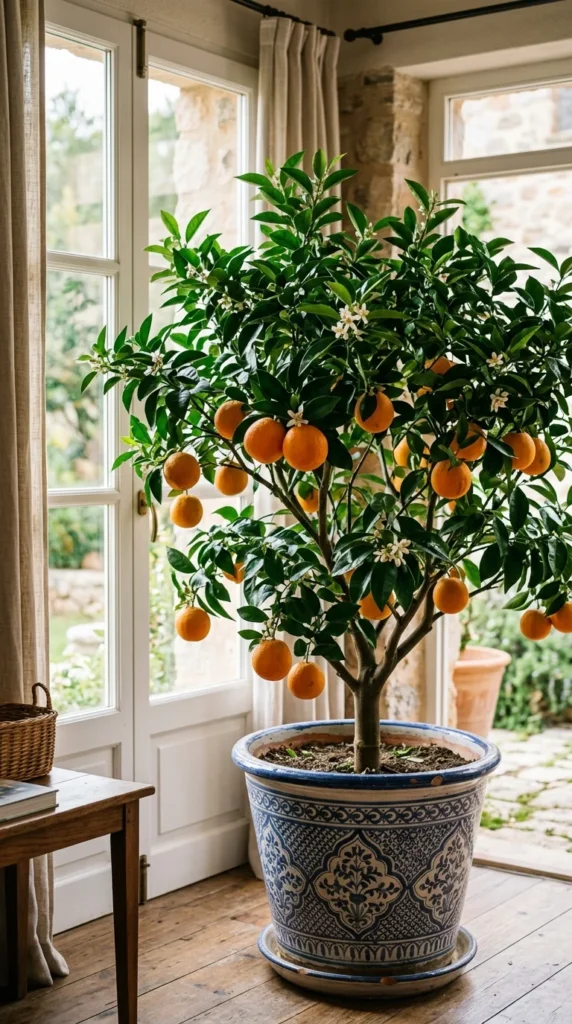
Most sweet oranges struggle indoors because they require a significant amount of heat to develop sugars. However, the ‘Trovita’ is an exception. It is a sport of the Washington Navel that is adapted to cooler conditions and does remarkably well in indoor environments. It produces heavy crops of thin-skinned, juicy, and sweet fruit that are excellent for morning juice.
9. Buddha’s Hand
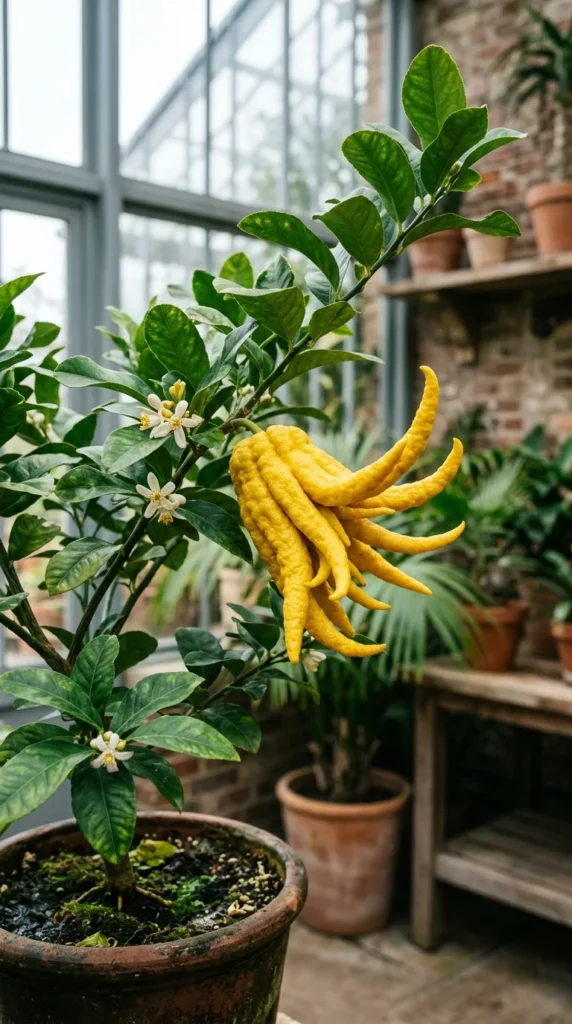
The Buddha’s Hand is a variety of citron that produces no pulp or juice—only a highly fragrant, zesty rind. The fruit looks like a hand with many long fingers. It is prized for its intense citrus perfume and is often used for candying or infusing spirits. As an indoor plant, it is visually stunning and serves as a natural air freshener.
10. Oroblanco Grapefruit
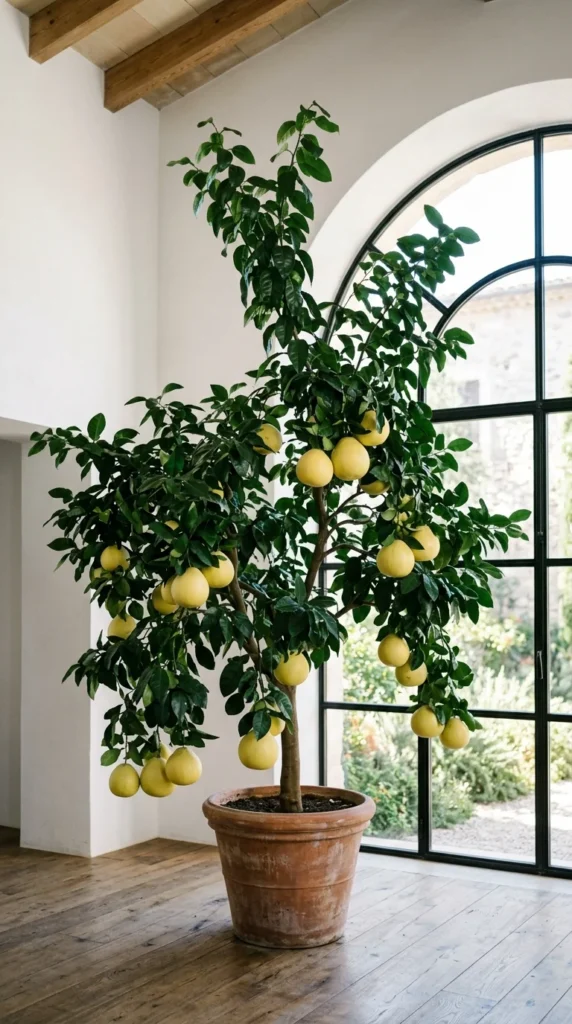
Traditional grapefruits are often too large for indoor cultivation, but the Oroblanco (a pummelo-grapefruit hybrid) is a great alternative. It produces large, sweet, seedless fruit with a thick rind. While the tree wants to grow large, it can be kept in check with regular pruning and a large container. It requires the sunniest spot in the house to thrive.
11. Rangpur Lime
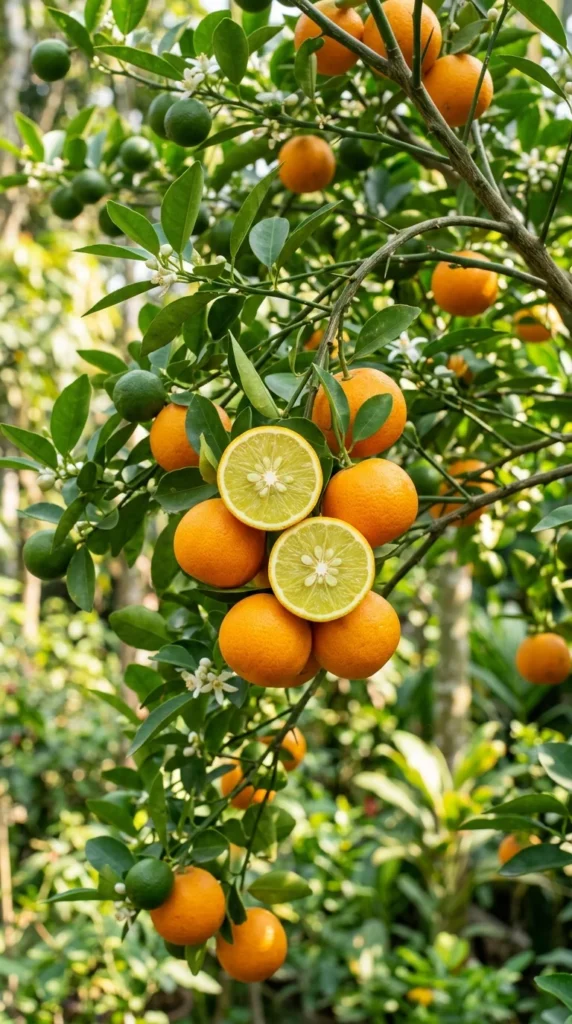
Despite the name, the Rangpur is not a true lime; it is a hybrid of a mandarin and a citron. The fruit looks like a small orange but tastes incredibly acidic, similar to a lime. They are prized by mixologists for their unique floral-citrus flavor. The tree is very vigorous and features attractive purple-tinged blossoms.
12. Clementine
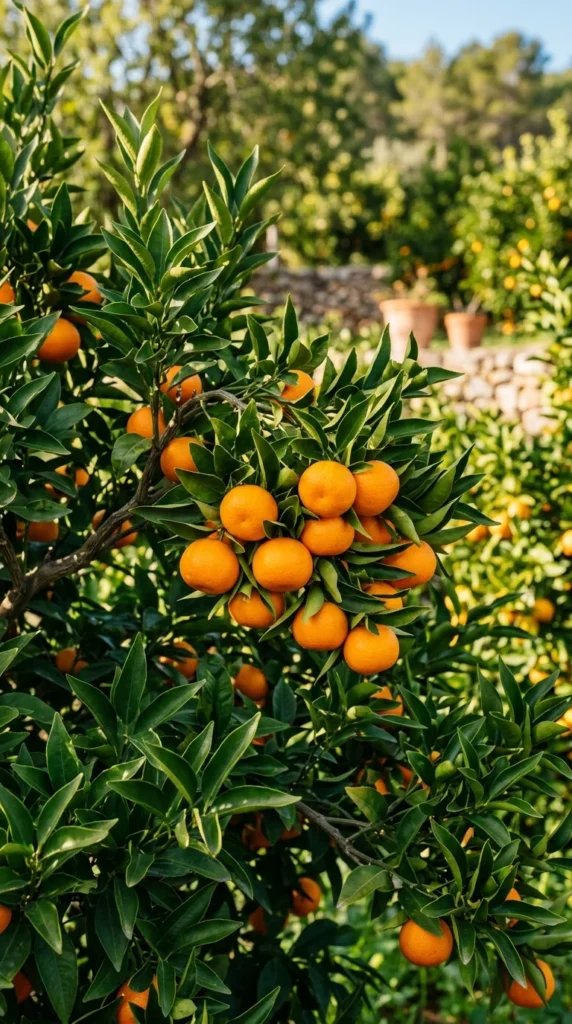
Clementines, often sold as “Cuties” or “Halos,” can be grown indoors if you choose a grafted dwarf variety. They are loved for their seedless fruit and easy-to-peel skin. These trees require a bit more attention to humidity and light than the Calamondin, but the reward of home-grown “snack” oranges is worth the extra care.
13. Persian Lime
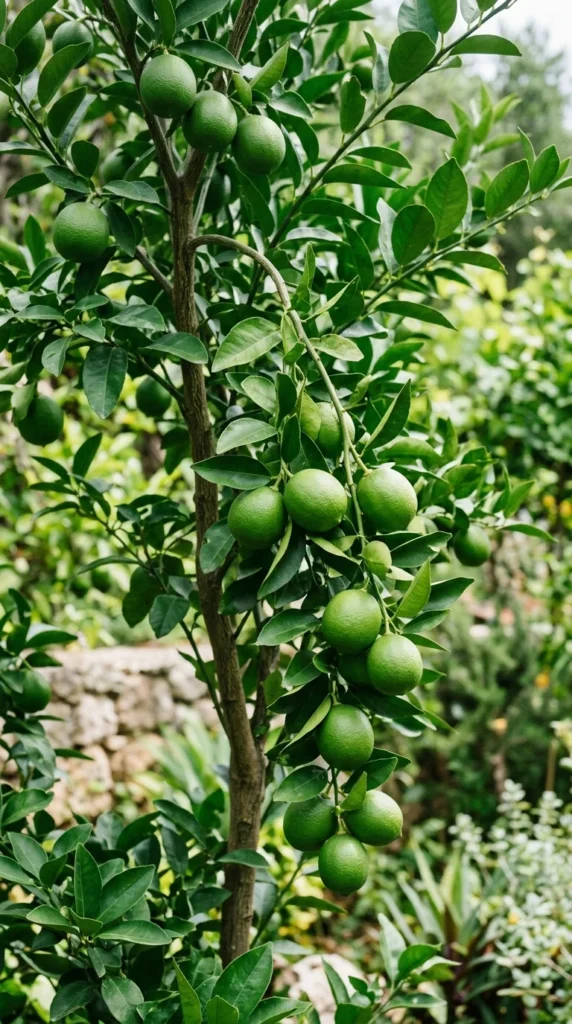
The Persian lime (or Bearss lime) is the standard lime you find in the supermarket. It is seedless, juicy, and larger than the Key lime. Indoors, the Persian lime is a vigorous grower and will need a bit of space, but it is reliable and produces fruit that is very versatile for cooking and beverages.
14. Variegated Pink Lemon
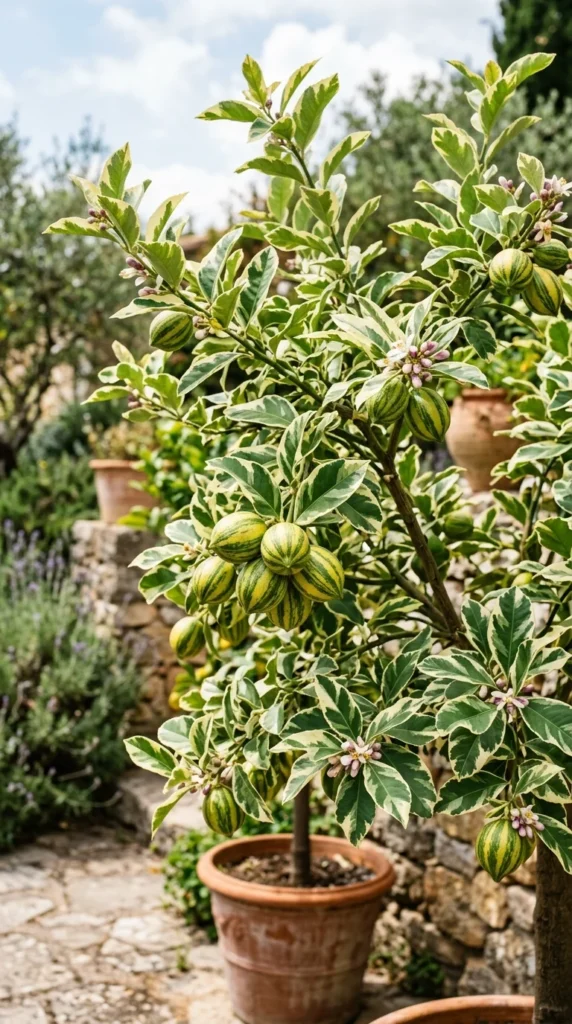
For the indoor gardener who loves aesthetics, the Variegated Pink Lemon is a must-have. Not only are the leaves beautifully multi-colored, but the fruit is also striped when young. As the fruit matures, it turns a classic yellow, but the flesh inside is a surprising light pink. It is a mutation of the Eureka lemon and adds a high-end designer look to any room.
15. Australian Finger Lime
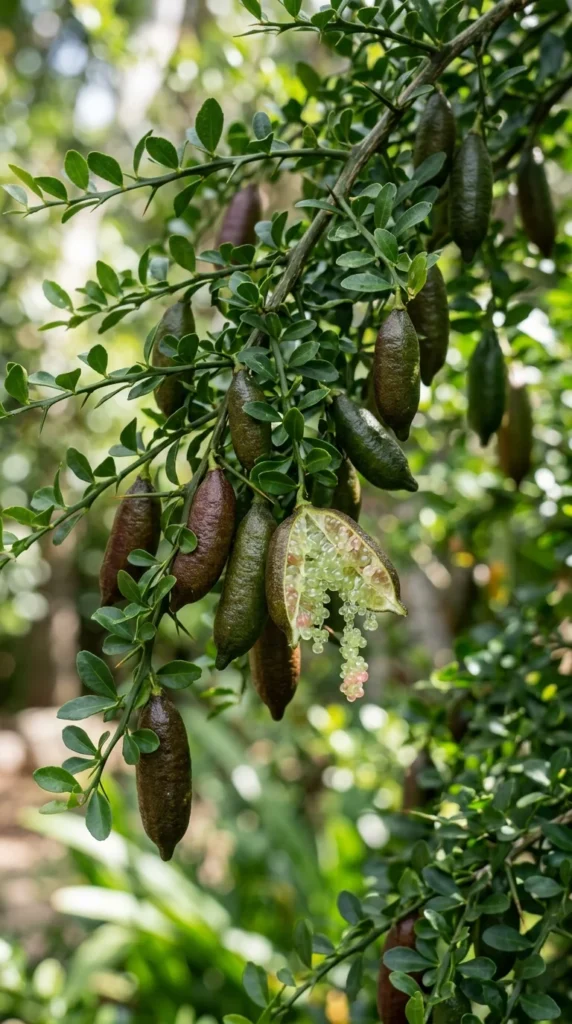
Often called “Citrus Caviar,” the finger lime is one of the most unique citrus plants in the world. The fruit is long and thin, and when cut open, it releases tiny juice-filled spheres that pop in your mouth. The tree has small leaves and thorns, giving it a delicate, almost fern-like appearance that contrasts beautifully with broader-leafed citrus.
Essential Indoor Citrus Care Guide
To ensure your indoor citrus trees thrive and actually produce fruit, you must mimic their natural environment as closely as possible.
Lighting Requirements
Citrus trees are “sun-hungry.” They require at least 6 to 8 hours of direct sunlight daily. A south-facing window is usually the best spot. If your home doesn’t get enough natural light, you will need to supplement with a full-spectrum LED grow light. Without enough light, the tree may drop its leaves or fail to produce flowers.
Watering and Soil
Citrus trees hate “wet feet.” Use a well-draining potting mix—specifically one formulated for citrus or cactus. Wait until the top two inches of soil are dry before watering deeply. Ensure your pot has plenty of drainage holes. Overwatering is the most common cause of death for indoor citrus.
Temperature and Humidity
Most citrus varieties prefer temperatures between 65°F and 85°F. They also crave humidity, which is often lacking in heated homes during winter. Use a pebble tray with water beneath the pot or a humidifier to keep the air moist. Avoid placing your trees near heaters or air conditioning vents, as the dry air can cause fruit drop.
Pollination
Indoors, there are no bees to move pollen from flower to flower. While many citrus varieties are self-fertile, you can increase your fruit set by acting as the pollinator. Simply take a small paintbrush or cotton swab and gently rub the center of each flower to distribute the pollen.
Fertilizing
Citrus trees are heavy feeders. Use a high-nitrogen fertilizer specifically designed for citrus. During the active growing season (spring through summer), fertilize once a month. Scale back during the winter months when the tree’s growth slows down.