
Cultivating grapevines is one of the most rewarding endeavors a home gardener can undertake. Beyond the aesthetic beauty of sprawling vines and lush foliage, the reward of plucking sweet, sun-warmed fruit directly from your own backyard is incomparable. Whether you aim to produce your own wine, stock your pantry with homemade jellies, or simply enjoy fresh table grapes, success depends on understanding the specific needs of these ancient plants. Grapes are resilient and long-lived, often producing fruit for 30 years or more when given the right start and consistent care.
1. Variety Selection
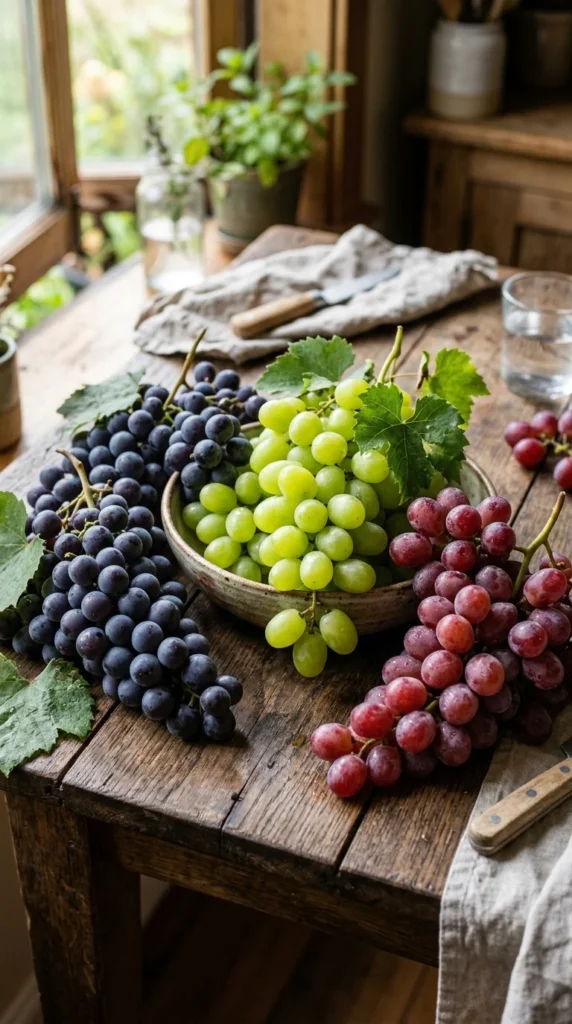
Choosing the right variety is the most critical first step. Grapes are generally categorized into three main types: American (Vitis labrusca), European (Vitis vinifera), and Muscadine (Vitis rotundifolia). American varieties, like the famous Concord, are hardy and resistant to many North American diseases. European varieties include the classic wine grapes like Cabernet Sauvignon or Chardonnay; they prefer warmer, Mediterranean climates and require more intensive care. Muscadines are native to the Southern United States and thrive in heat and humidity.
When selecting your plant, consider your USDA hardiness zone. If you live in a cold climate, look for “cold-hardy” hybrids developed to withstand sub-zero temperatures. Furthermore, decide if you want “slip-skin” grapes (where the skin easily separates from the pulp, common in jellies) or “European-style” table grapes with thin skins.
2. Site Selection
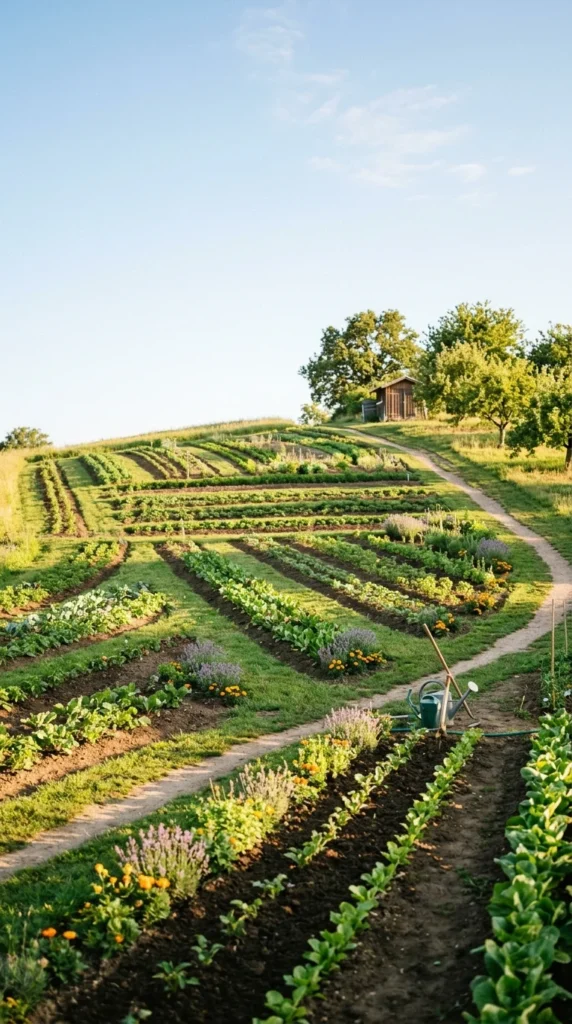
Grapevines are sun-worshippers. To produce high sugar content and prevent fungal diseases, they require full sun—at least seven to eight hours of direct sunlight daily. The location should also have excellent air circulation; stagnant air promotes mildew. Avoid “frost pockets,” which are low-lying areas where cold air settles in the spring. A late spring frost can kill tender new buds and destroy your entire crop for the year. If possible, plant on a south-facing slope to maximize sun exposure and facilitate drainage.
3. Soil Quality
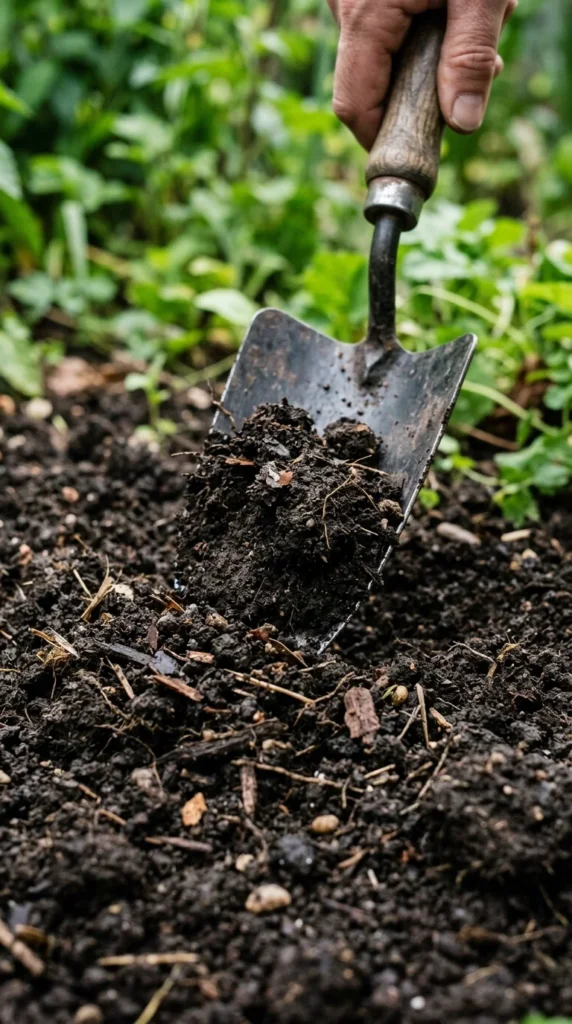
While grapes can grow in a variety of soils, they despise “wet feet.” Deep, well-drained sandy loam is ideal. The roots of a grapevine can grow very deep, so ensure there is no hardpan or high water table that could rot the root system. Before planting, test your soil pH. Grapes prefer a slightly acidic environment, typically between 5.5 and 6.5. If your soil is too acidic, you can add lime; if it is too alkaline, sulfur can help lower the pH. Incorporating organic matter like aged compost into the soil a few months before planting provides a slow-release nutrient boost.
4. Support Systems
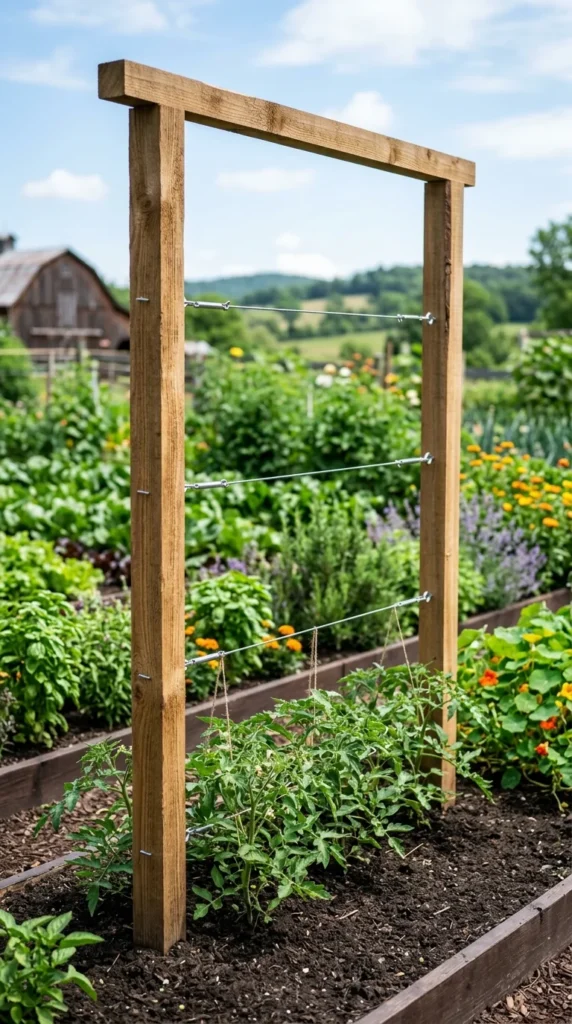
A grapevine is a liana—a woody climbing vine—and without support, it will become a tangled, unproductive mess on the ground. You must install a support system before or immediately after planting. Common systems include the “High-Wire Trellis,” where the main trunk grows to a height of five or six feet and branches out along a wire, or a “Double-Guyot” system used in many commercial vineyards. For home gardeners with limited space, a sturdy wooden arbor or a chain-link fence can also serve as a functional support, though they make pruning slightly more difficult.
5. Planting Process
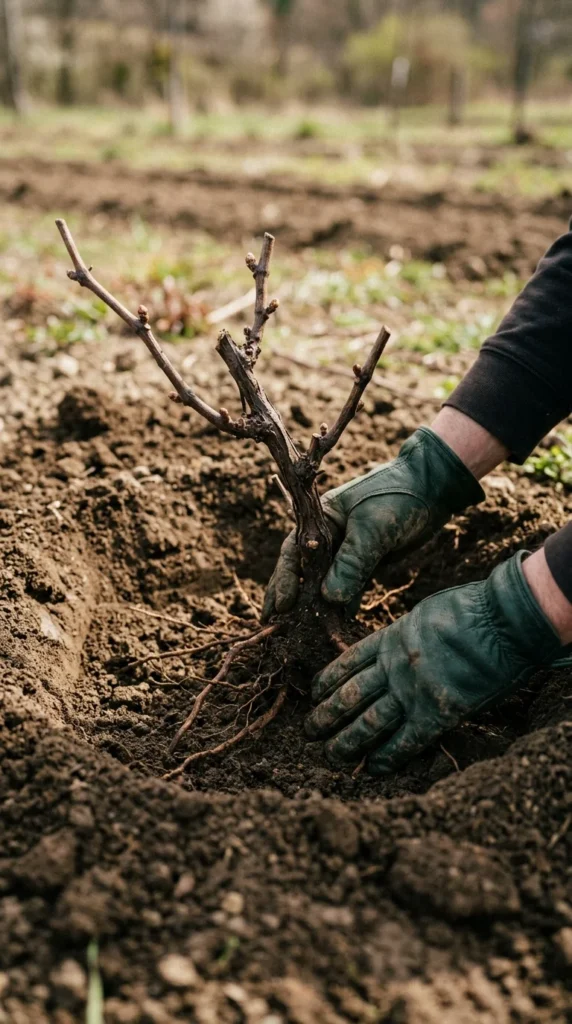
The best time to plant grapevines is in early spring, as soon as the soil can be worked and before the vine starts growing. If you are planting bare-root vines, soak the roots in water for two to three hours before planting to rehydrate them. Dig a hole about 12 inches deep and 12 inches wide. Spread the roots out evenly and backfill with soil, ensuring the graft union (the bump where the fruiting vine meets the rootstock) remains at least two inches above the soil line. Space your vines about 6 to 10 feet apart to ensure they aren’t competing for nutrients and light.
6. Proper Watering
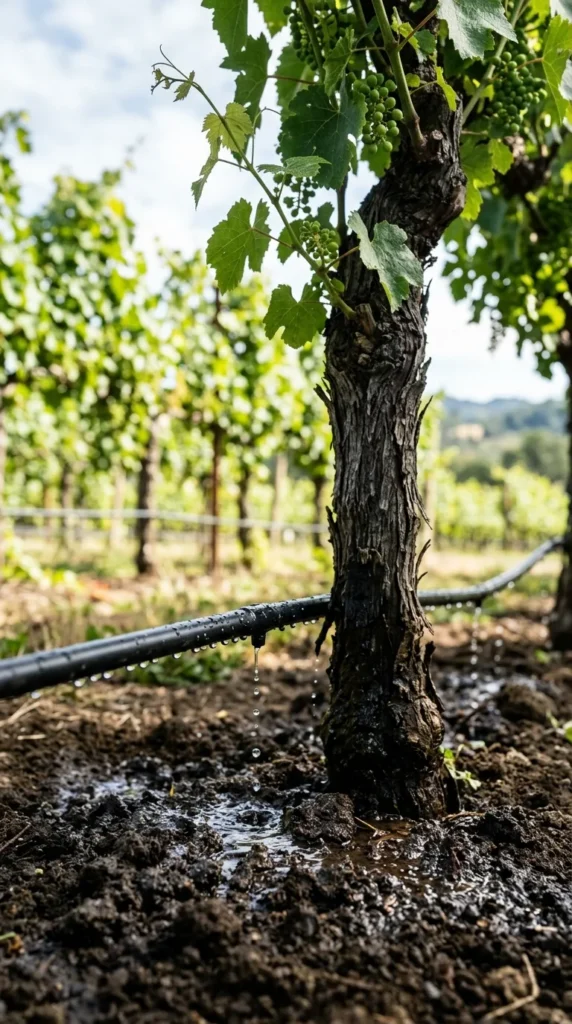
Young vines require consistent moisture to establish their root systems. During the first two years, ensure the vines receive about an inch of water per week. Once established, grapevines are remarkably drought-tolerant because of their deep roots. In fact, overwatering mature vines can lead to bland fruit and excessive leaf growth at the expense of berries. The best practice is to water deeply at the base of the plant using drip irrigation or a soaker hose, which keeps the foliage dry and reduces the risk of leaf diseases.
7. Annual Pruning
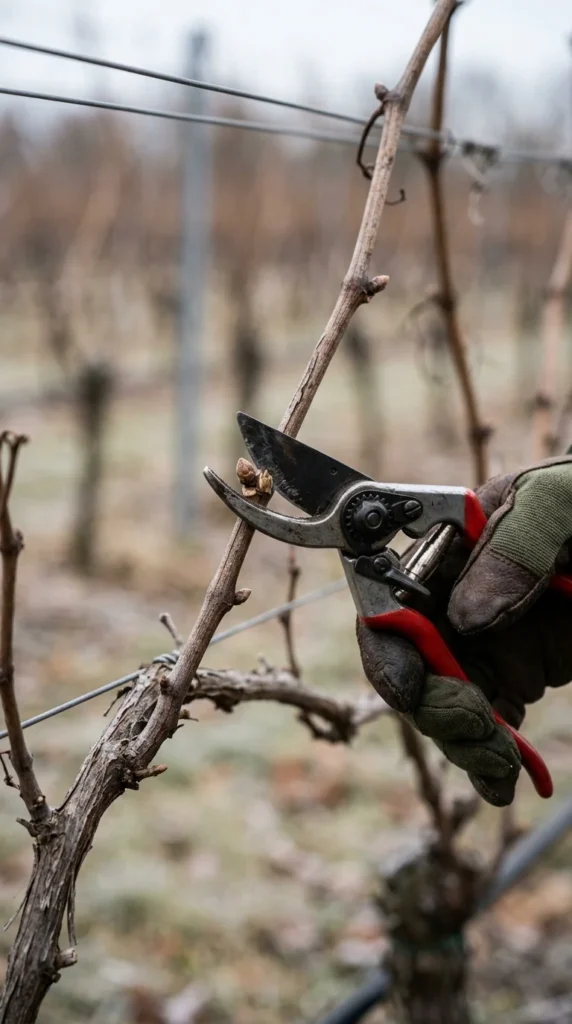
Pruning is the most intimidating but essential part of grape growing. Grapes produce fruit on wood that grew during the previous year. If you don’t prune, the vine will produce a massive amount of foliage but very little, poor-quality fruit. Pruning should be done in late winter while the vine is still dormant. The goal is to remove about 80% to 90% of the previous year’s growth. There are two main methods: “Cane Pruning,” where you select two long canes from last year to produce this year’s crop, and “Spur Pruning,” where you trim the permanent arms (cordons) of the vine down to short nubs or “spurs.”
8. Pest Management
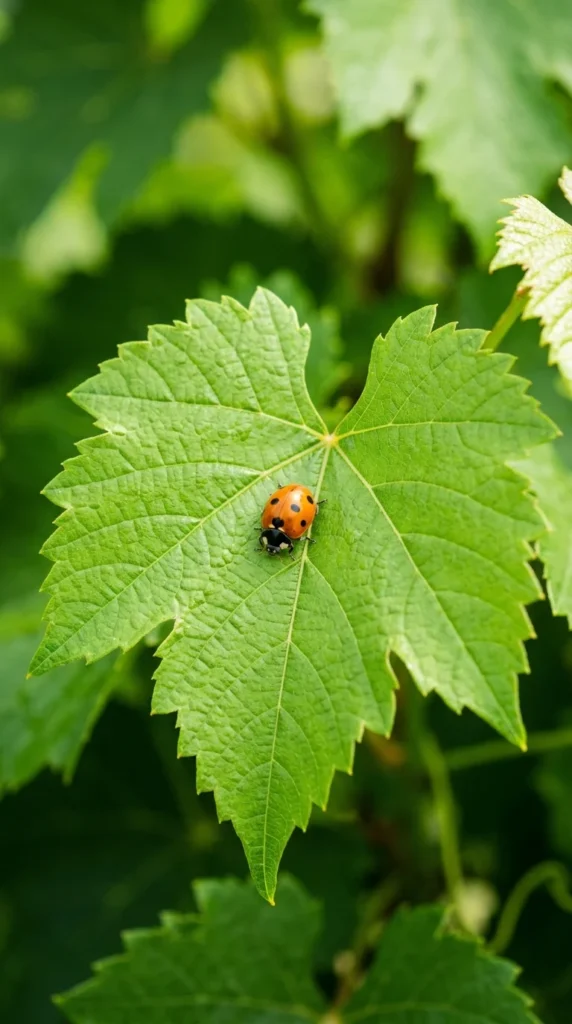
Grapes are susceptible to several pests and diseases, most notably powdery mildew, downy mildew, and black rot. The best defense is proactive: choose disease-resistant varieties and ensure maximum sunlight and airflow. If you notice white, dusty spots on leaves or shriveling fruit, you may need to apply an organic fungicide like sulfur or neem oil. Japanese beetles and aphids can also be an issue; these can often be managed by hand-picking or using insecticidal soaps. Birds are perhaps the most common “pest” once the fruit ripens; many gardeners use bird netting to protect their harvest.
9. Fertilization Timing
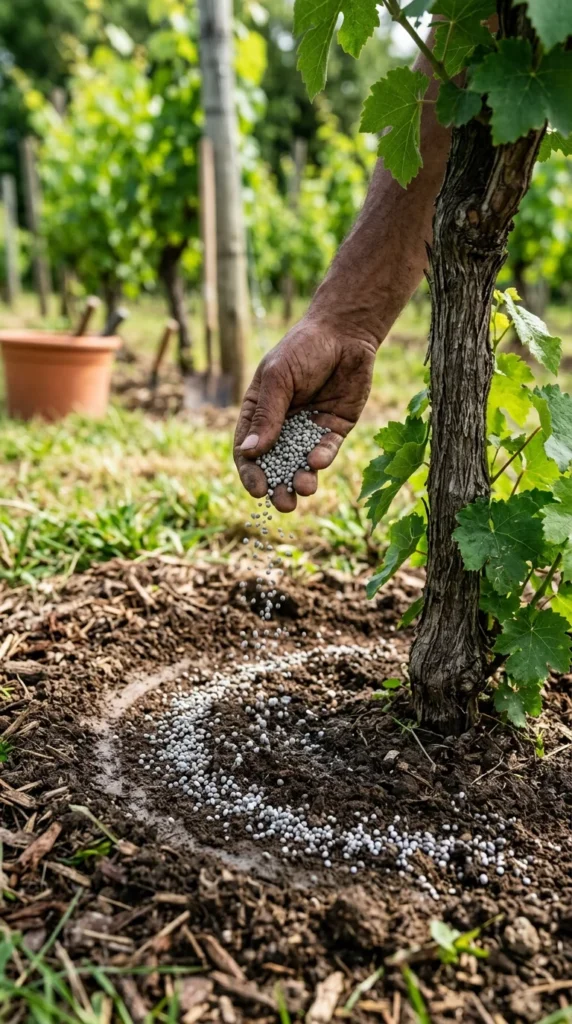
Grapes generally do not require heavy fertilization. In fact, too much nitrogen will lead to “rank” growth—lots of leaves and vines but no grapes. In the first year, a light application of a balanced 10-10-10 fertilizer in early spring can help. In subsequent years, you should only fertilize if the vine is showing poor growth or yellowing leaves. Often, a yearly mulch of well-rotted compost or manure provides all the nutrients the plant needs while also suppressing weeds and retaining soil moisture.
10. Harvesting Techniques
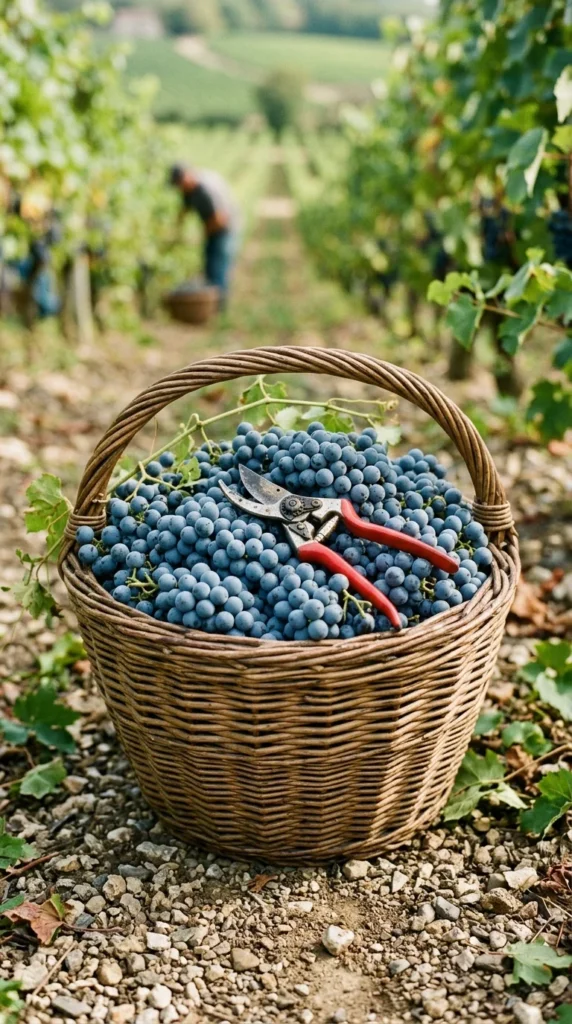
The final step is the harvest. Unlike many fruits, grapes do not continue to ripen or get sweeter once they are picked. Therefore, timing is everything. You cannot judge ripeness by color alone, as many varieties change color weeks before they are actually sweet. The best way to test is by tasting. Pick a few grapes from the bottom of a cluster (these ripen last). If they are sweet and the seeds have turned from green to brown, the cluster is ready. Use sharp garden shears to cut the entire cluster from the vine; pulling them by hand can damage the delicate fruit and the vine itself.