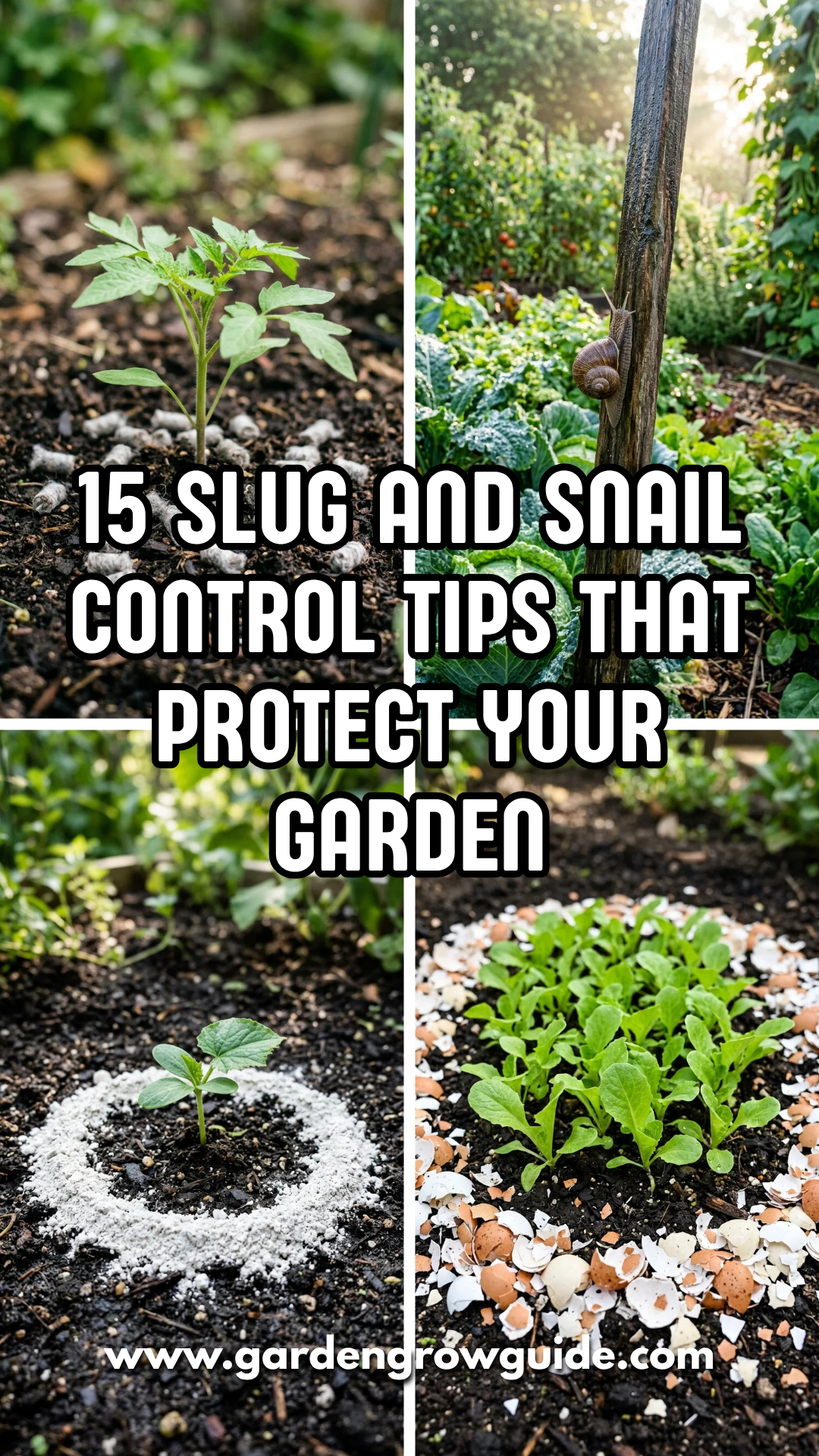
For many gardeners, the sight of shimmering slime trails and Swiss-cheese holes in hostas or lettuce leaves is a call to arms. Slugs and snails, members of the gastropod family, are some of the most persistent and frustrating pests in the horticultural world. Operating primarily under the cover of darkness or during damp, overcast days, these soft-bodied creatures can decimate a seedling patch overnight. While they play a role in the ecosystem by breaking down organic matter, their presence in a curated garden often leads to significant crop loss. Protecting your green space requires a multi-faceted approach, combining physical barriers, biological controls, and habitat management to keep these slimy invaders at bay without harming the local environment.
1. Beer Traps
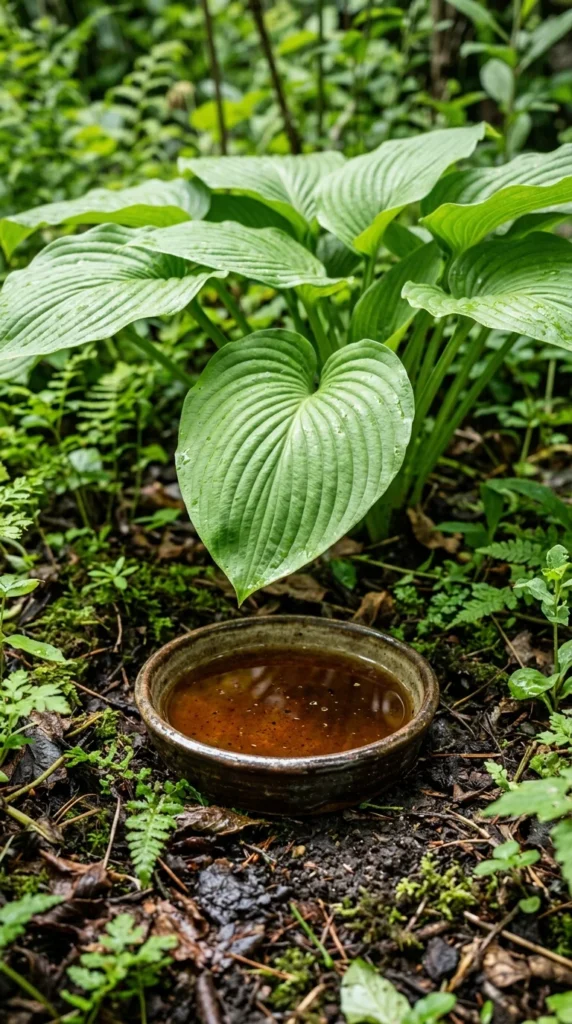
Beer traps are a classic organic remedy that exploits a slug’s attraction to the scent of fermenting yeast. By burying a shallow container—such as a tuna tin or a small plastic tub—into the soil so that the rim is level with the surface, you create a pitfall trap. Fill the container halfway with beer; the slugs are drawn to the aroma, crawl over the edge, and fall in. Because they cannot easily escape the liquid, they eventually drown. To make this method most effective, empty and refill the traps every few days, especially after rain, which can dilute the yeast concentration.
2. Copper Tape
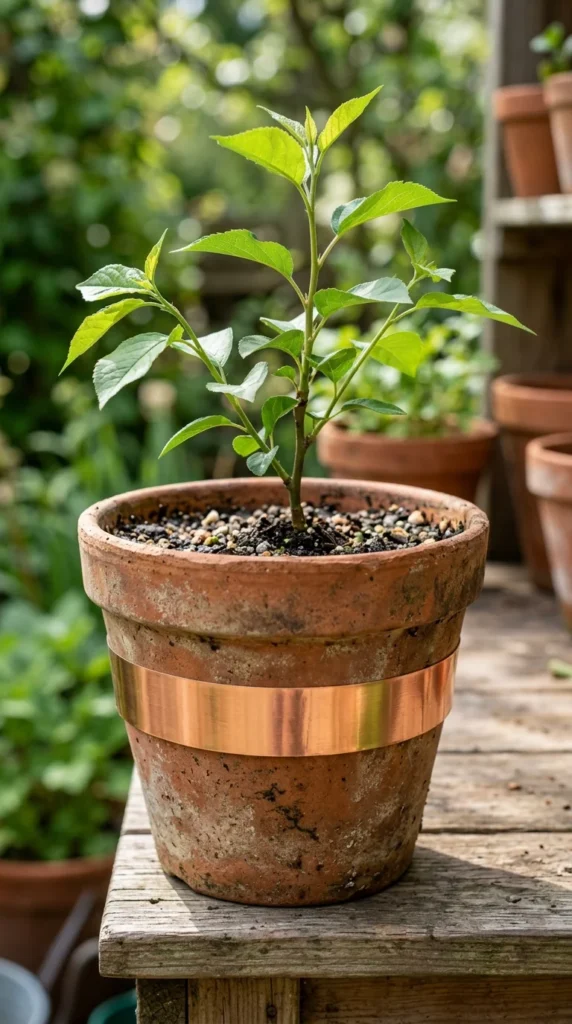
Copper serves as a physical and “electrical” deterrent for gastropods. When a slug or snail attempts to cross a strip of copper, a chemical reaction occurs between their mucus and the metal, creating a tiny, unpleasant electric-like sensation. This discomfort usually prompts the pest to turn back immediately. For the best results, ensure the copper tape is wide enough (at least two inches) and that no leaves or twigs are draping over the tape, as these can act as bridges. Keep the copper clean and bright; if it tarnishes significantly, its effectiveness may decrease.
3. Diatomaceous Earth
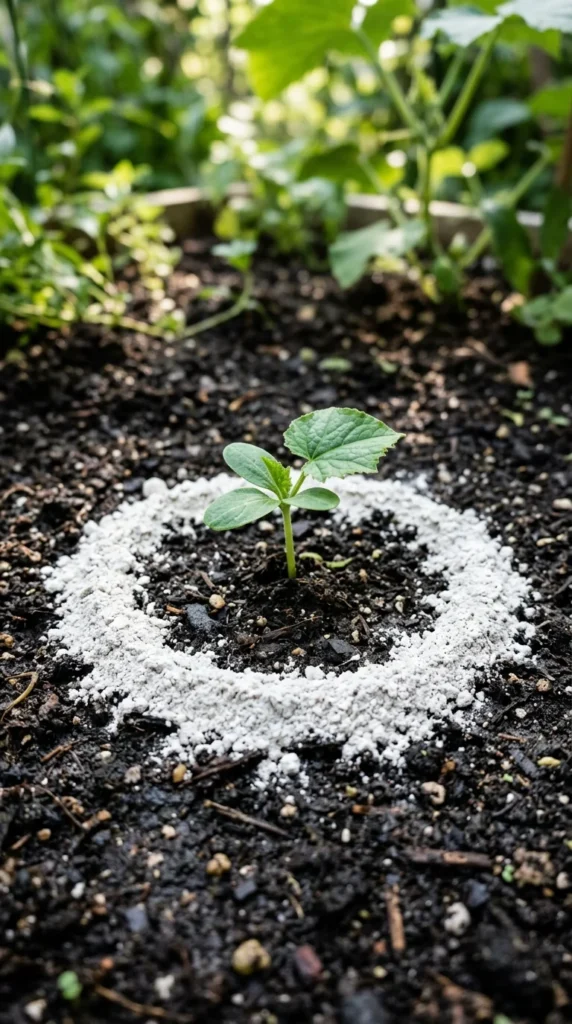
Diatomaceous Earth (DE) is a powder made from the fossilized remains of tiny aquatic organisms called diatoms. While it feels like soft flour to humans, it is composed of microscopic, razor-sharp edges that are lethal to soft-bodied insects. When a slug crawls over DE, the powder lacerates its underside and absorbs its vital moisture, leading to dehydration. For this to work, you must use “food-grade” DE and reapply it after every rainfall or heavy watering, as the powder loses its abrasive qualities when it becomes soggy.
4. Eggshells
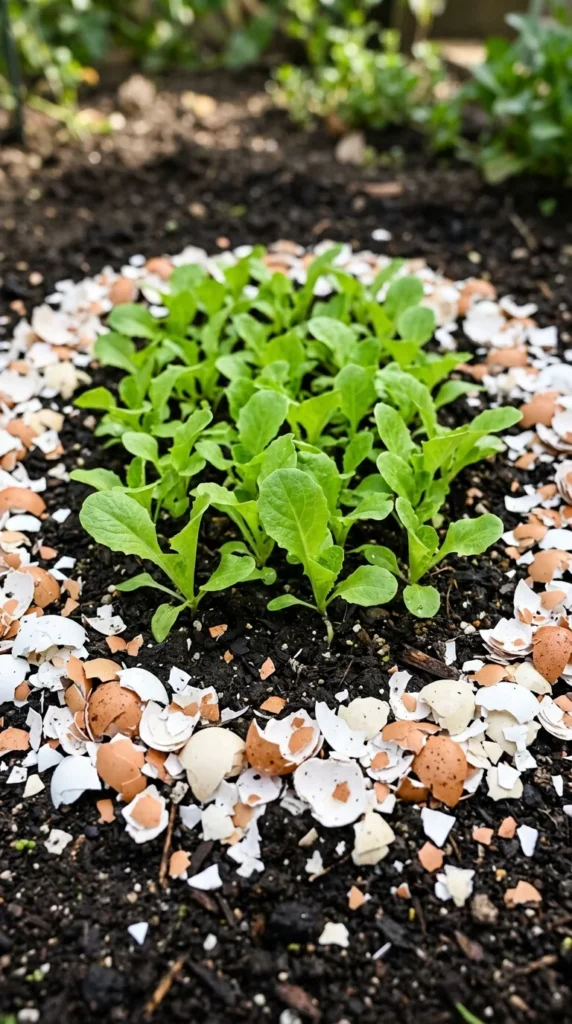
Using crushed eggshells is a popular home remedy that serves a dual purpose: deterring pests and adding calcium to the soil. The theory is that the sharp, jagged edges of the shells make it painful for slugs to slide over. While some gardeners find this method highly effective, the key lies in the preparation. The shells should be thoroughly cleaned of any protein membrane and crushed into small, sharp shards rather than a fine powder. This creates an uncomfortable “bed of nails” for the intruders.
5. Coffee Grounds
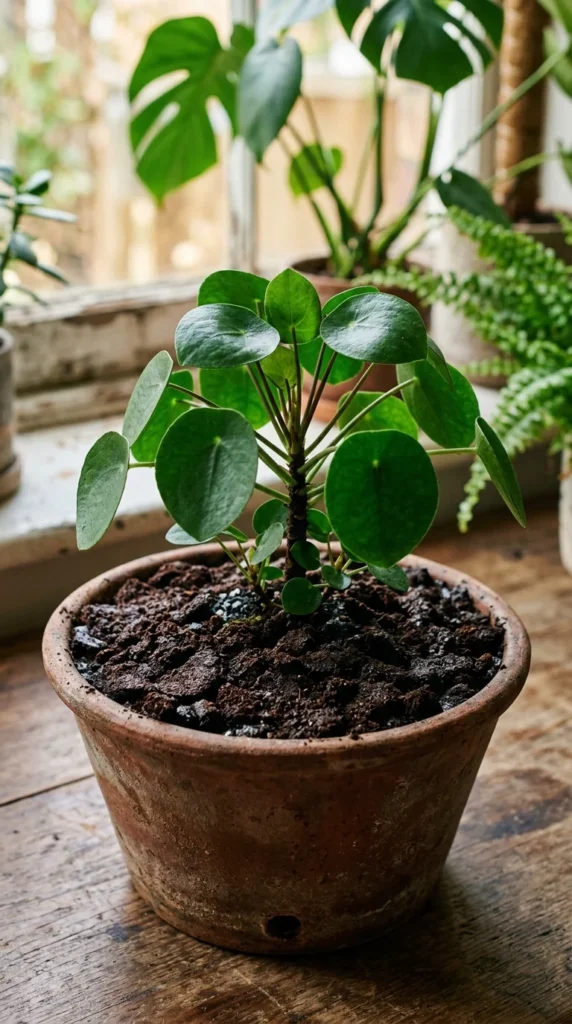
Recent studies have shown that caffeine is a potent neurotoxin for slugs and snails. While a strong caffeine spray is very effective, many gardeners find success simply by spreading used coffee grounds around the base of vulnerable plants. The gritty texture of the grounds acts as a mild deterrent, while the residual caffeine provides a chemical barrier. Additionally, coffee grounds are nitrogen-rich, making them an excellent mulch that slowly improves soil quality as it decomposes.
6. Duck Patrol
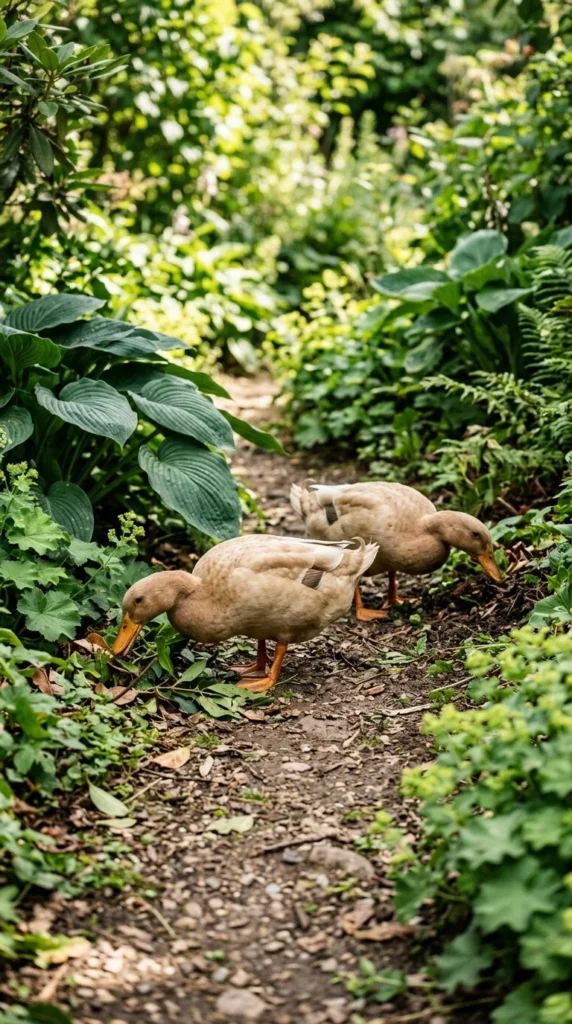
If you have the space and the resources, livestock can be the ultimate solution to a slug problem. Ducks, particularly breeds like Indian Runners or Khaki Campbells, are famous for their love of slugs and snails. Unlike chickens, which may scratch up your flower beds and peck at your vegetables, ducks are generally more focused on hunting for pests. They will meticulously comb through the garden, turning a nuisance into a high-protein snack. This biological control creates a closed-loop system where the pests feed the animals that protect the garden.
7. Midnight Hunting
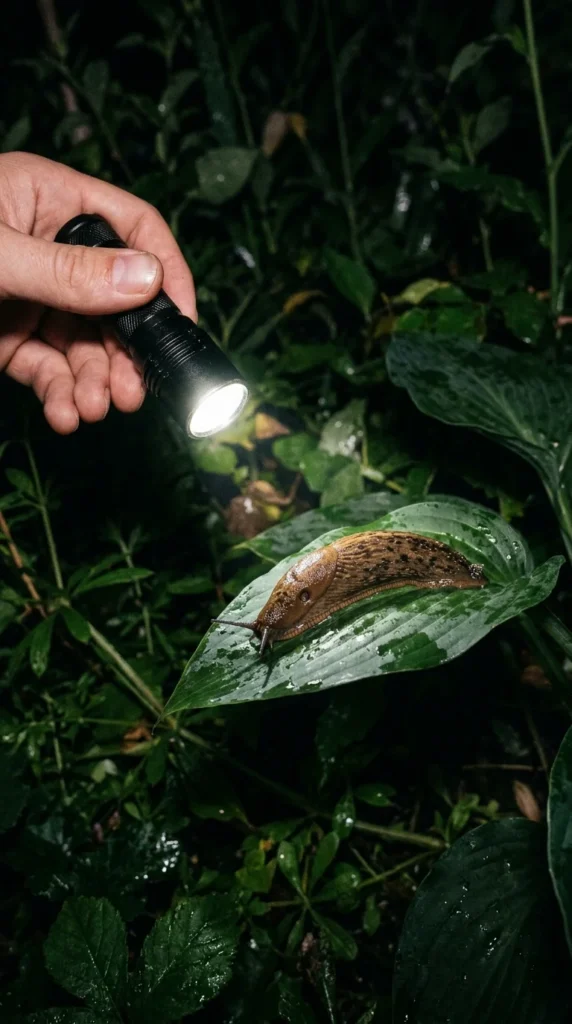
Sometimes the most effective method is the most direct one. Because slugs and snails are nocturnal, they are easiest to catch after the sun goes down. Equipped with a flashlight and a bucket of soapy water, you can manually remove dozens of pests in a single session. This is particularly effective in the early spring when the population is just starting to boom. For those who are squeamish, using tongs or wearing gloves makes the task easier. Consistent “night hunts” for a week can significantly reduce the local population for the remainder of the season.
8. Gravel Barriers
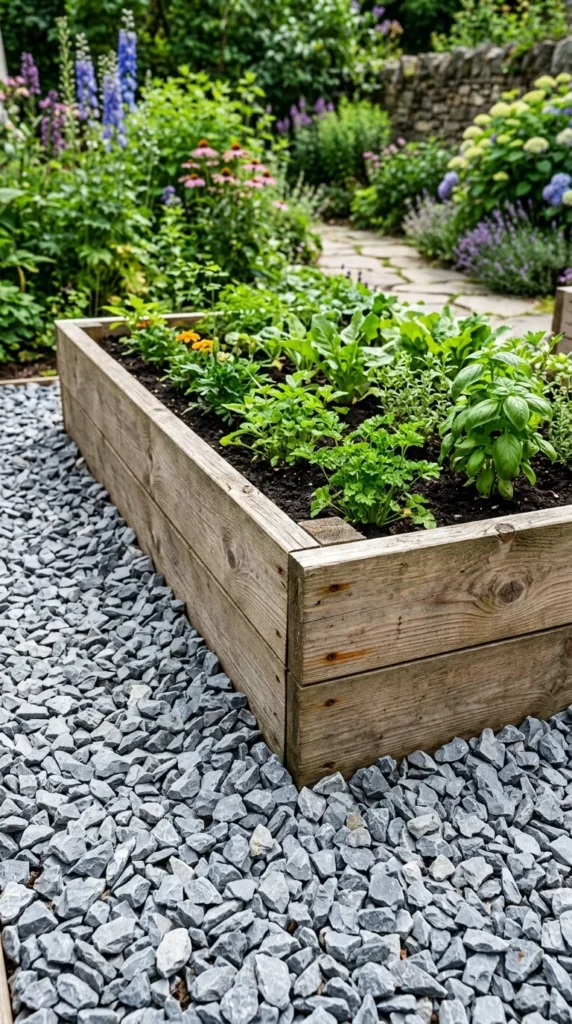
Slugs prefer smooth, damp surfaces that allow them to glide effortlessly. Sharp, coarse materials like horticultural grit, gravel, or crushed volcanic rock create a difficult terrain for them. By surrounding your garden beds with a wide border of sharp stone, you create a physical barrier that most gastropods will avoid. To be effective, the barrier must be wide enough that the slug cannot simply bridge itself across the stones.
9. Wool Pellets
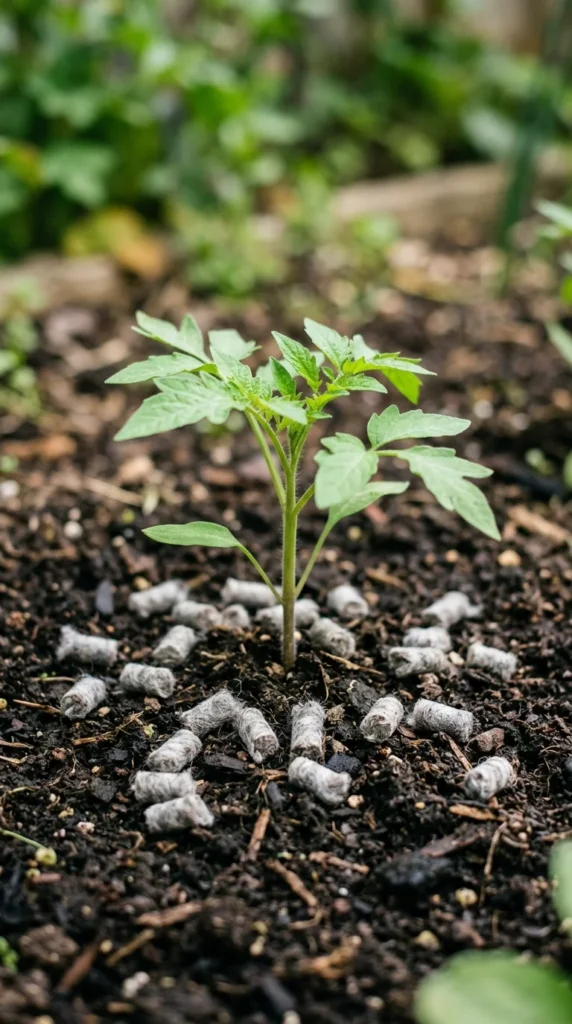
Wool pellets are a sustainable and biodegradable option that has gained popularity in recent years. When these pellets are watered, they swell up to form a fibrous, felt-like mat. The tiny hairs in the wool are irritating to the slug’s foot, and the wool naturally absorbs the moisture from the slug’s body, making it a highly unattractive surface for them to traverse. As a bonus, as the wool breaks down, it releases nitrogen, potassium, and sulfur into the soil, acting as a slow-release fertilizer.
10. Iron Phosphate
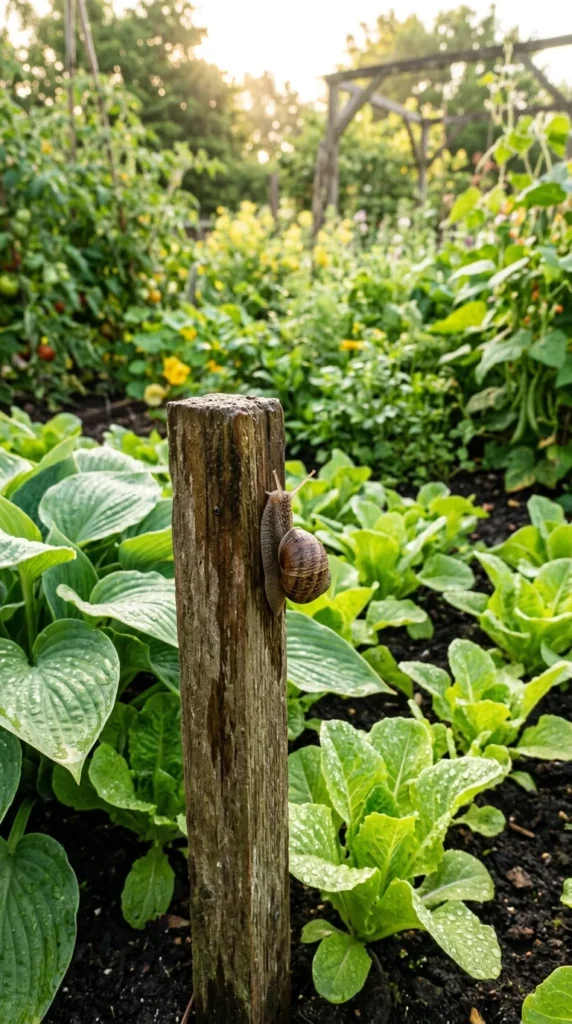
For those who need a more heavy-duty solution but want to avoid the high toxicity of traditional metaldehyde pellets, iron phosphate is the answer. These granules are considered safe for use around pets and wildlife when used as directed. When slugs ingest the iron phosphate, it causes them to stop feeding immediately; they typically retreat to their hiding spots and die within a few days. Unlike older chemical baits, iron phosphate breaks down into iron and phosphate, which are naturally occurring soil nutrients.
11. Nematodes
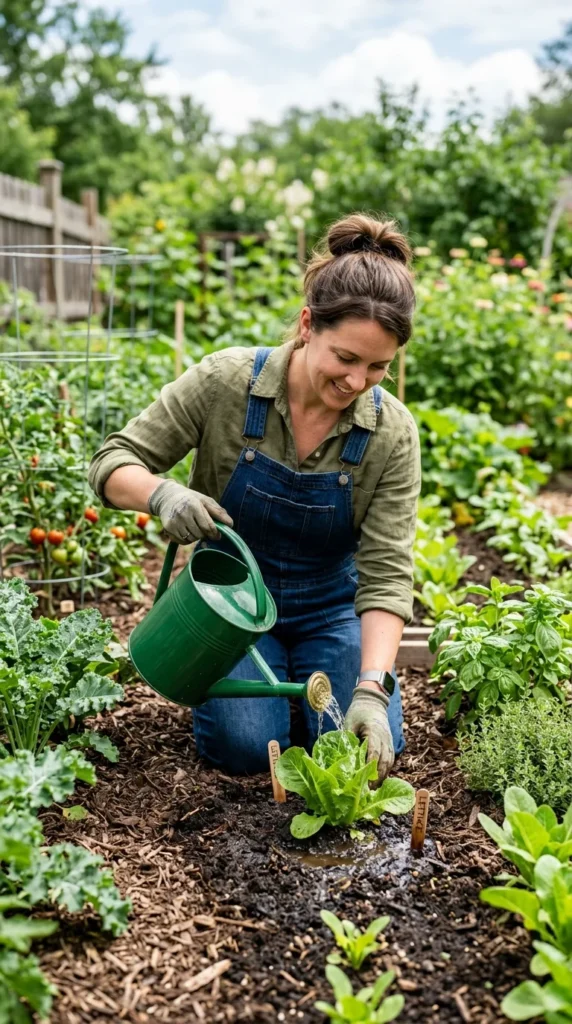
Biological warfare in the garden often involves the use of Phasmarhabditis hermaphrodita, a species of microscopic nematode that specifically targets slugs. These nematodes are purchased in a dormant state, mixed with water, and applied to the soil. They seek out slugs, enter their bodies, and release bacteria that eventually kills the host. This method is incredibly effective because it targets the slugs where they hide—underground. One application can protect a garden for up to six weeks, and it is completely harmless to humans, pets, and beneficial insects like bees.
12. Drip Irrigation
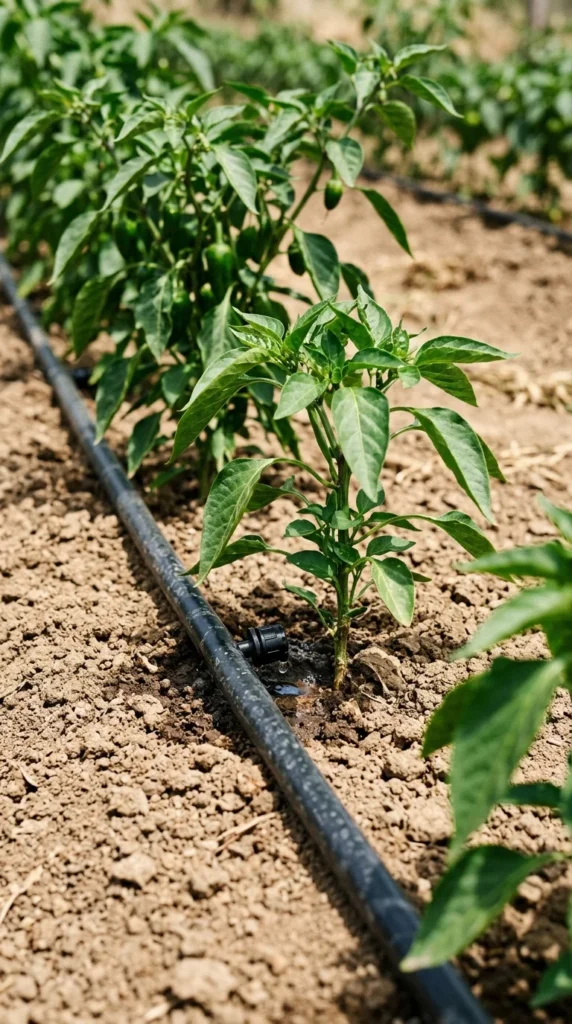
Slugs thrive in moisture. Traditional overhead watering leaves foliage damp and creates a humid environment throughout the entire garden bed, which is an open invitation for gastropods. By switching to drip irrigation or using a soaker hose, you deliver water directly to the roots of the plants while keeping the surface soil and leaves dry. This creates “dry zones” between your plants, making it much harder for slugs to move from one host plant to another.
13. Decoy Plants
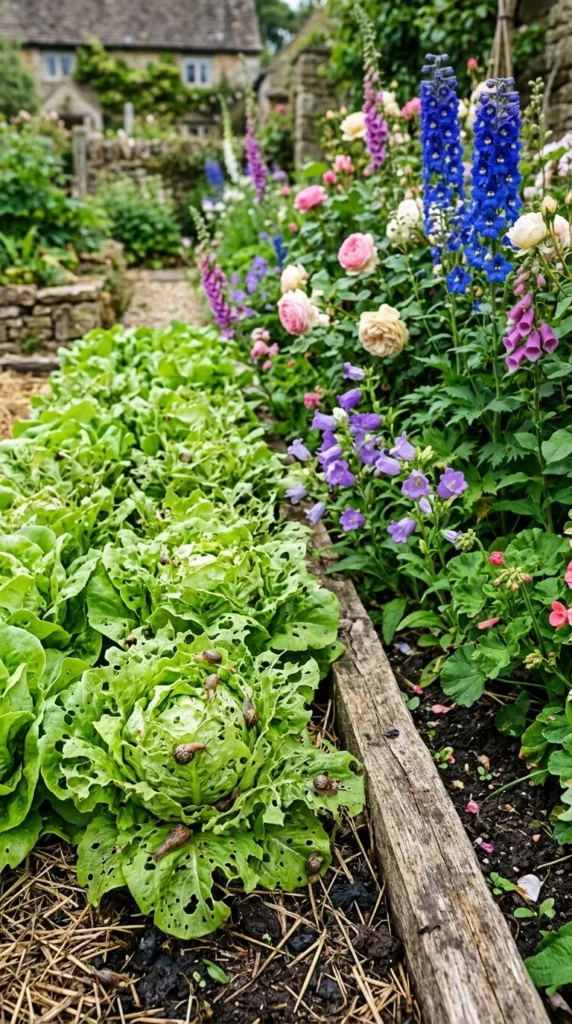
The “trap crop” strategy involves planting highly attractive species away from your prized vegetables to lure the pests elsewhere. Slugs are particularly fond of marigolds, lettuce, and hostas. By planting a sacrificial border of these favorites in a far corner of the garden, you can congregate the slugs in one area. Once they have gathered on the decoy plants, you can easily remove them en masse or apply targeted treatments, leaving your main crops untouched and healthy.
14. Frogs and Toads
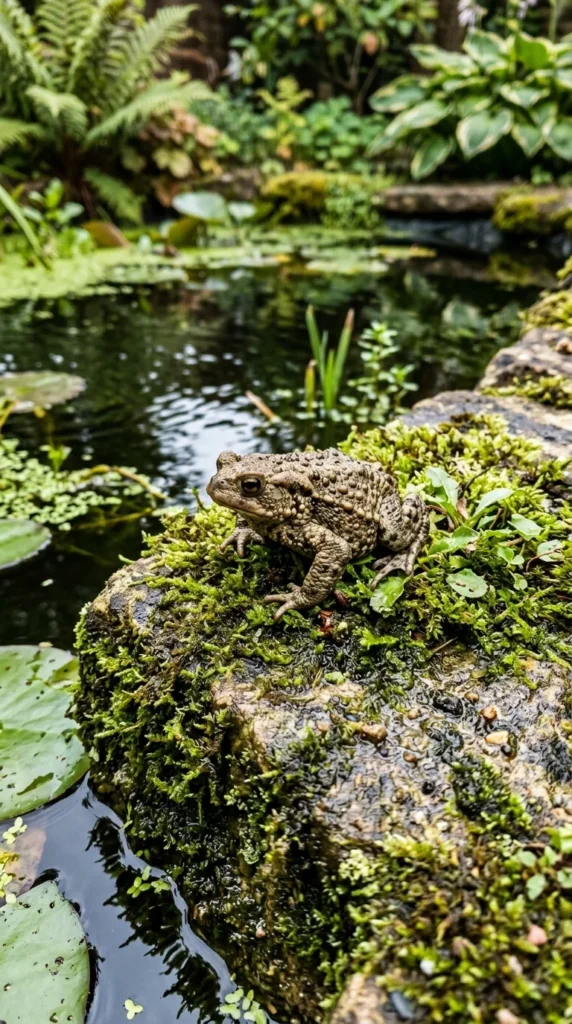
Encouraging natural predators is the most sustainable way to manage any pest. Frogs, toads, and newts are voracious consumers of slugs and snails. To attract these helpful amphibians, consider adding a small pond or a simple “toad house” (an upturned ceramic pot in a cool, shady spot) to your garden. By providing a habitat with water and shelter, you create a permanent security force that hunts for you every night, maintaining a healthy ecological balance in your backyard.
15. Garlic Spray
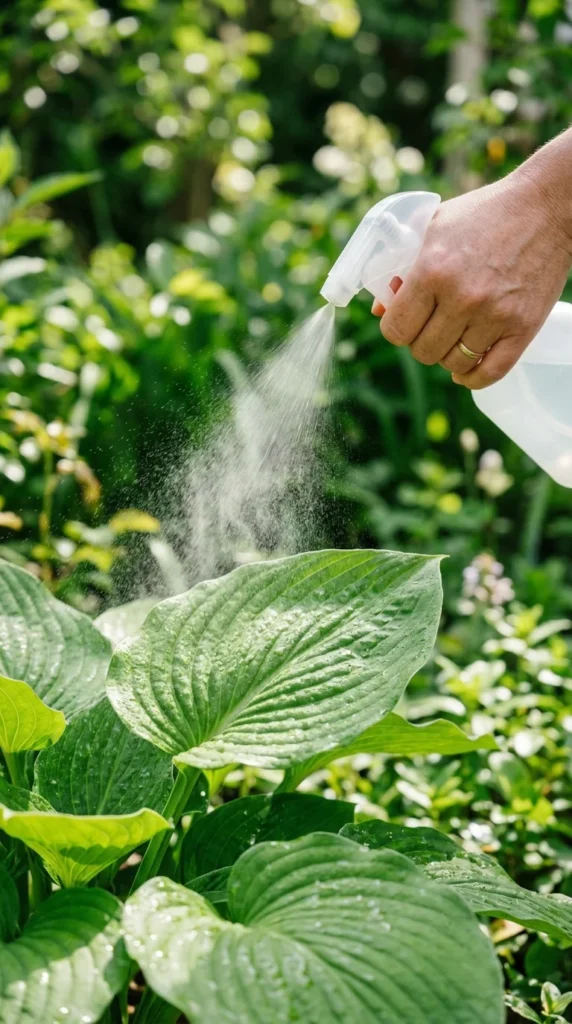
Garlic contains compounds that are not only pungent but also toxic to slugs upon contact. A homemade garlic spray can be created by boiling crushed garlic cloves in water, straining the liquid, and diluting it into a spray bottle. When applied to the leaves of vulnerable plants, it acts as a strong repellent. The scent masks the plant’s natural odors and creates a chemical barrier that slugs find repulsive. For the best results, reapply the spray once a week or after a rain shower to ensure the protective coating remains potent.