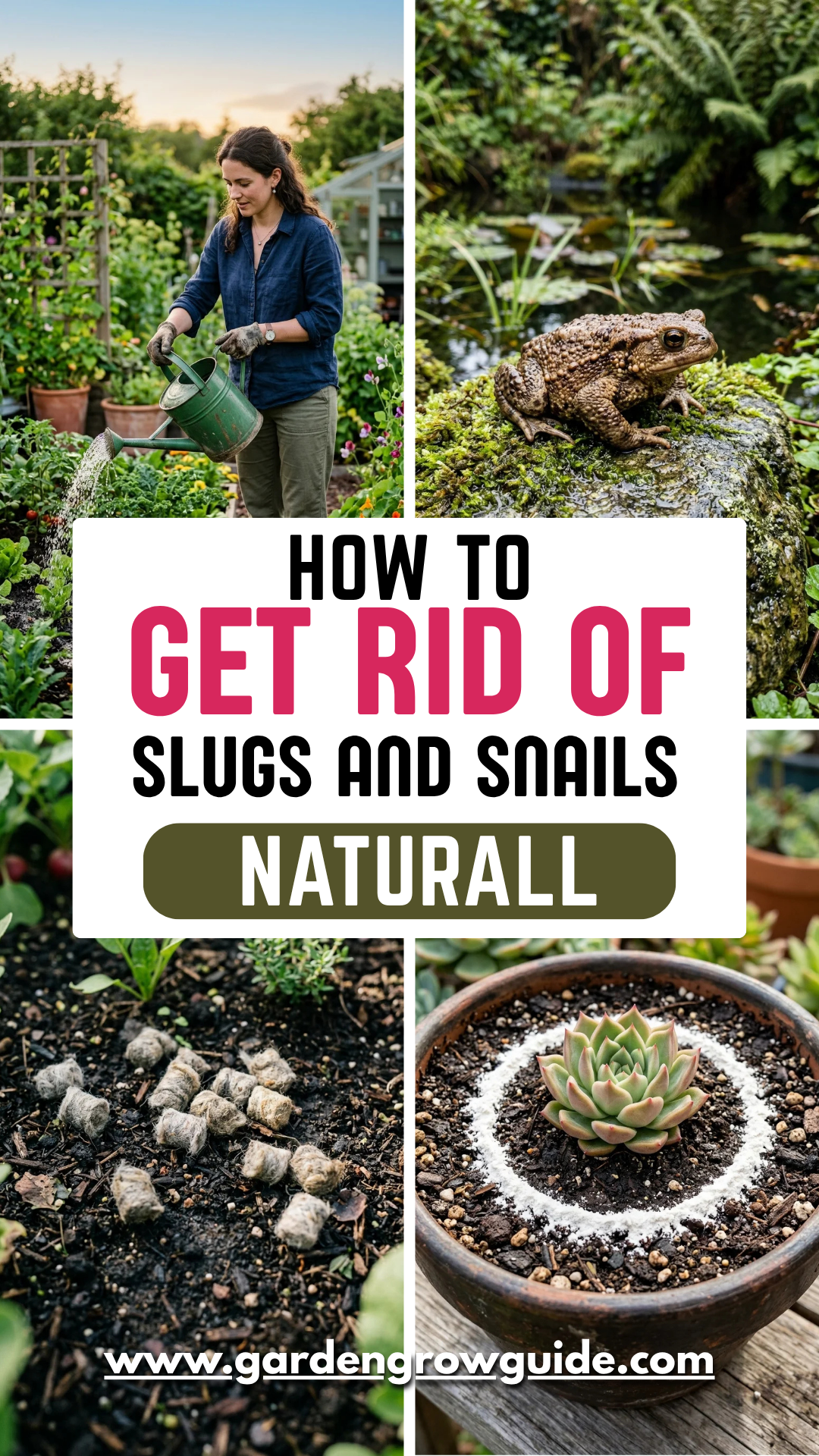
Gardening is a labor of love, but nothing breaks a gardener’s heart faster than waking up to find their prized hostas or tender lettuce seedlings reduced to Swiss cheese overnight. Slugs and snails are among the most persistent garden pests, capable of consuming several times their body weight in a single night. While chemical pellets are a common quick fix, they pose significant risks to pets, local wildlife, and the delicate balance of your soil’s ecosystem.
Transitioning to natural methods is not only safer for the environment but often more effective in the long term. By understanding the biology of these gastropods and using a multi-pronged approach, you can reclaim your garden without resorting to toxins.
1. Copper Tape
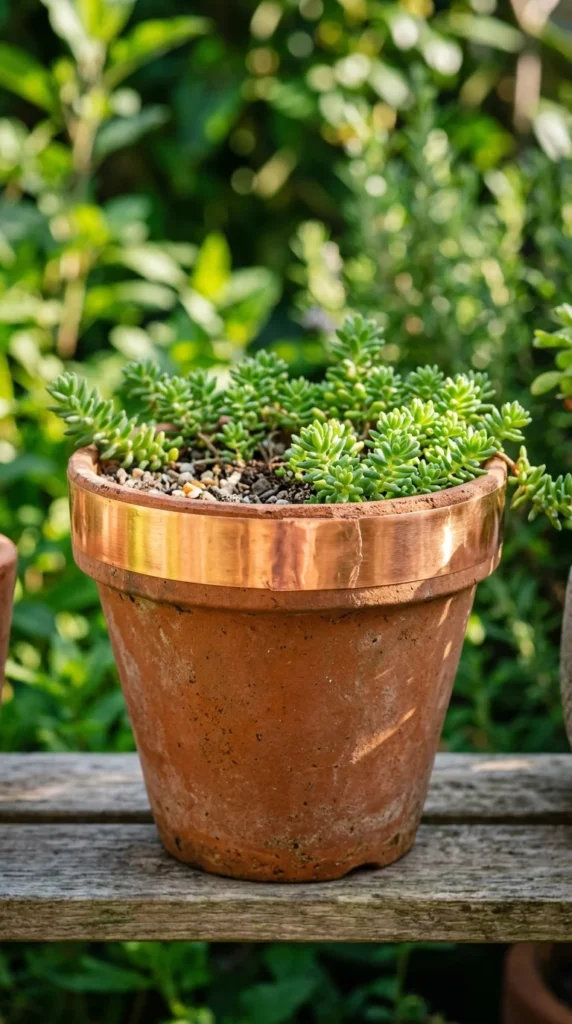
Copper tape is one of the most popular and aesthetically pleasing physical barriers. When a slug or snail attempts to cross the copper, it experiences a minute biochemical reaction—essentially a tiny electric shock—caused by the reaction between the copper and their mucus. This sensation is unpleasant enough to force the pest to turn back.
To use copper tape effectively, ensure the surface of the pot or garden bed is clean and dry before applying. The tape must form a complete, unbroken circle around the plant or container. Over time, the copper will develop a patina; while this doesn’t completely stop the effect, keeping the copper relatively clean will maximize its “shock” value.
2. Eggshells
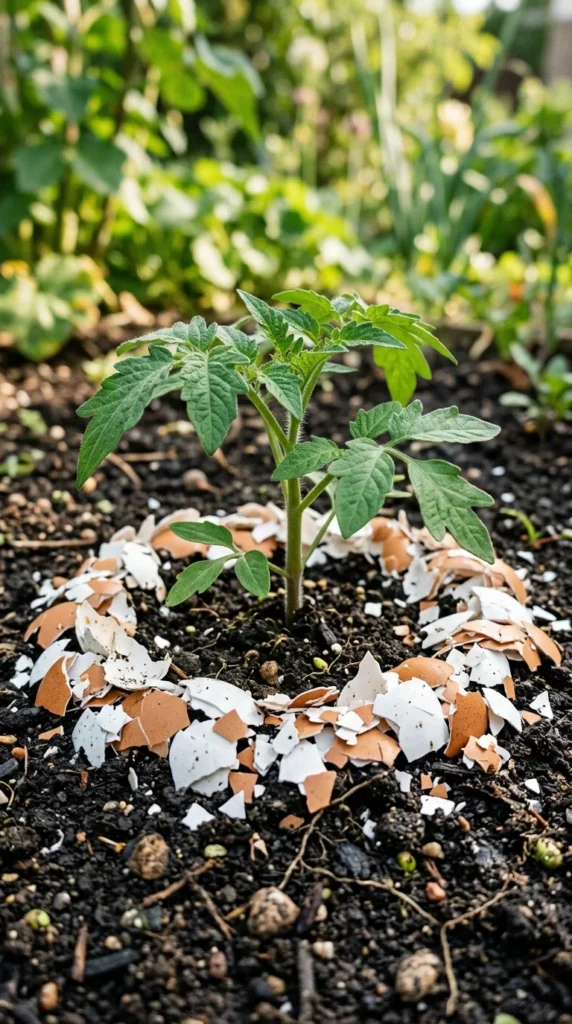
Crushed eggshells serve a dual purpose in the garden. Firstly, the sharp, jagged edges of the shells are incredibly uncomfortable for the soft underbellies of snails and slugs to traverse. They act like a bed of glass shards, deterring pests from reaching the plant at the center.
Secondly, as the eggshells break down, they leach calcium into the soil, which is a vital nutrient for plant cell wall development. For the best results, rinse the shells to remove any residue, let them dry, and crush them into small, sharp pieces rather than a fine powder.
3. Coffee Grounds
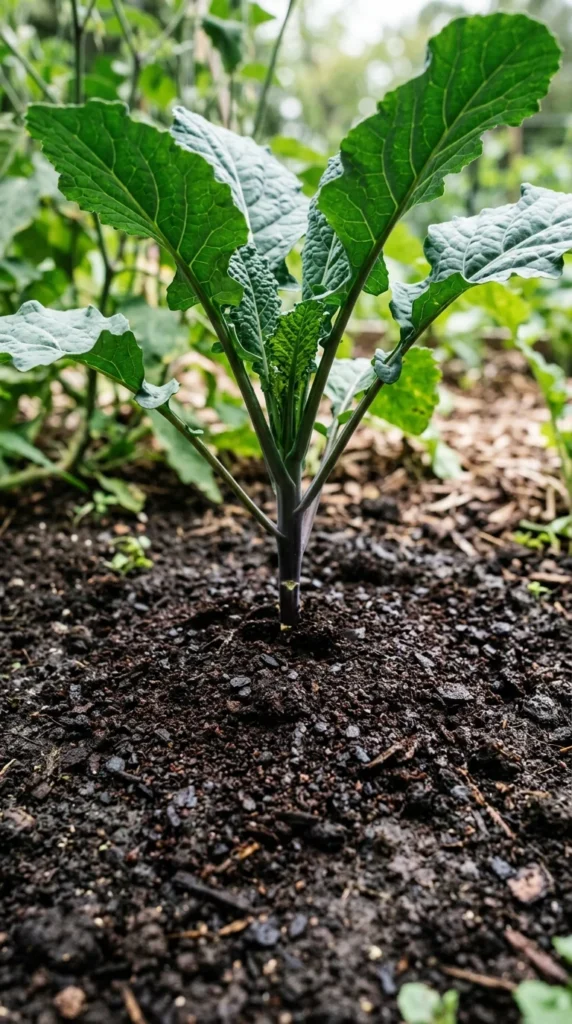
If you are a coffee drinker, your morning habit could be the key to a pest-free garden. Slugs and snails have a strong aversion to the smell and texture of used coffee grounds. More importantly, caffeine is a potent neurotoxin to gastropods. While the levels in used grounds are usually not high enough to kill them instantly, they act as a powerful repellent.
Spread a thin layer of grounds around the base of vulnerable plants. As an added bonus, coffee grounds are rich in nitrogen, providing a slow-release fertilizer that many leafy greens and acid-loving plants adore.
4. Diatomaceous Earth
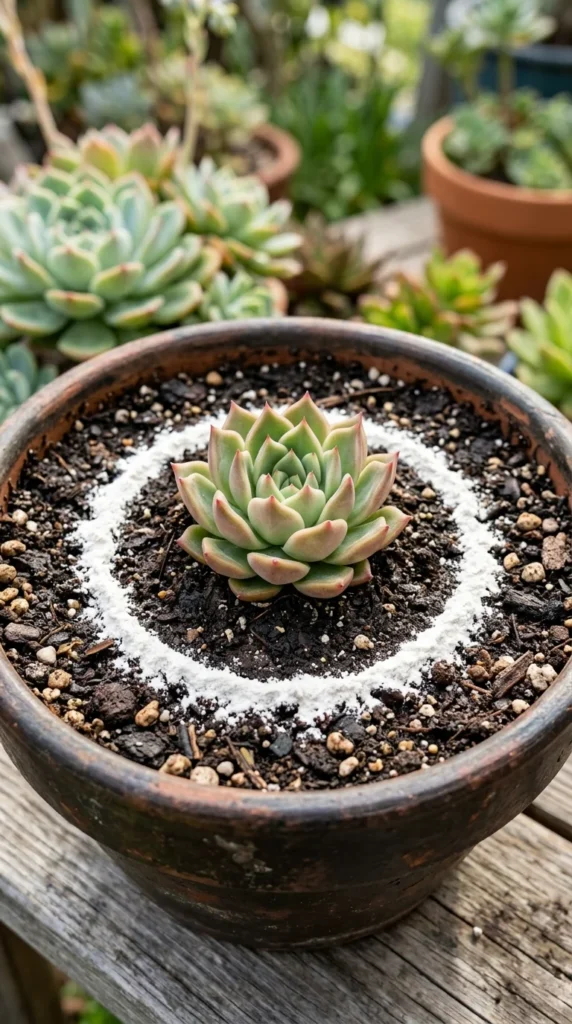
Diatomaceous Earth (DE) is a naturally occurring sand made from the fossilized remains of tiny aquatic organisms called diatoms. To the human touch, it feels like a soft powder, but at a microscopic level, it consists of incredibly sharp edges.
When a slug crawls over DE, the powder lacerates their skin and absorbs the oils and fats from their bodies, causing them to dehydrate. It is vital to use “Food Grade” DE to ensure it is safe for pets and humans. Note that DE loses its effectiveness when wet, so you will need to reapply it after rain or heavy watering.
5. Wool Pellets
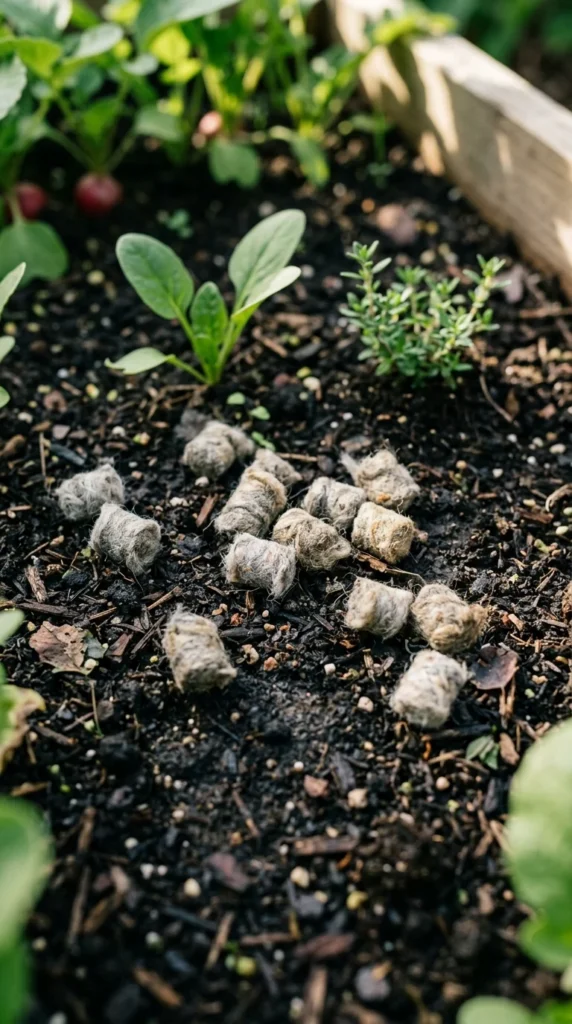
Wool pellets are a sustainable and innovative way to deter slugs. These pellets are made from waste wool that is compressed into small cylinders. When they get wet, they swell and create a felt-like mat with tiny abrasive fibers.
Slugs find it very difficult to crawl over wool because the fibers irritate their undersides and soak up the moisture they need to move. Like eggshells and coffee, wool pellets eventually decompose, adding valuable nutrients and improving the water retention of your soil.
6. Beer Traps
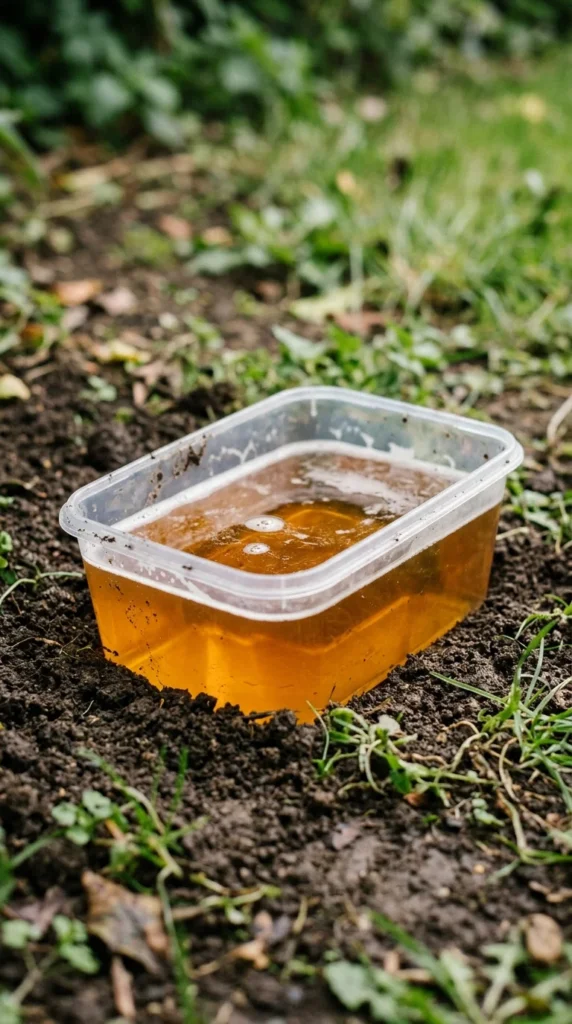
The “Beer Trap” is a classic gardening trick for a reason: it works. Slugs are highly attracted to the yeast and carbohydrates found in beer. By burying a small container—like a tuna tin or a cut-down plastic bottle—at soil level and filling it with beer, you create a lure they cannot resist.
The pests crawl into the container to reach the liquid and eventually drown. To keep the trap effective, empty it every few days and refill it with fresh beer. Placing a “roof” (like a large leaf or a piece of wood) over the trap can prevent rain from diluting the beer while still allowing slugs to enter.
7. Grapefruit Halves
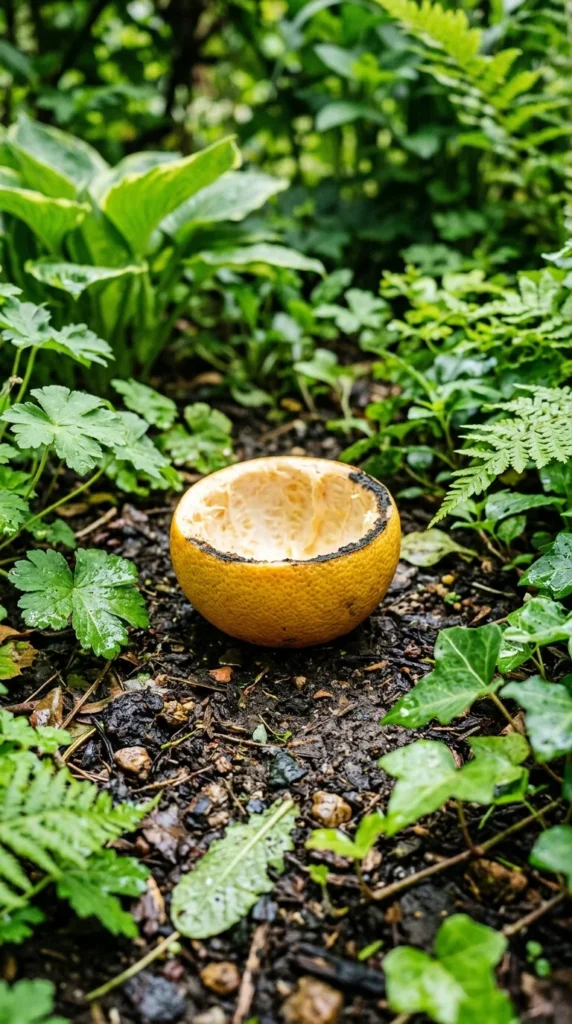
If you prefer a trap that doesn’t involve alcohol, citrus halves are an excellent alternative. After eating a grapefruit or orange, place the empty, hollowed-out rinds upside down in the garden. The rinds provide a damp, dark, and sweet-smelling sanctuary for slugs to hide during the heat of the day.
In the morning, simply lift the rinds to find the slugs huddled underneath. You can then collect them and move them to a compost heap far away or dispose of them as you see fit. This method is particularly effective because it uses household waste to create a “trap” that requires no maintenance other than a morning check.
8. Duck Patrol
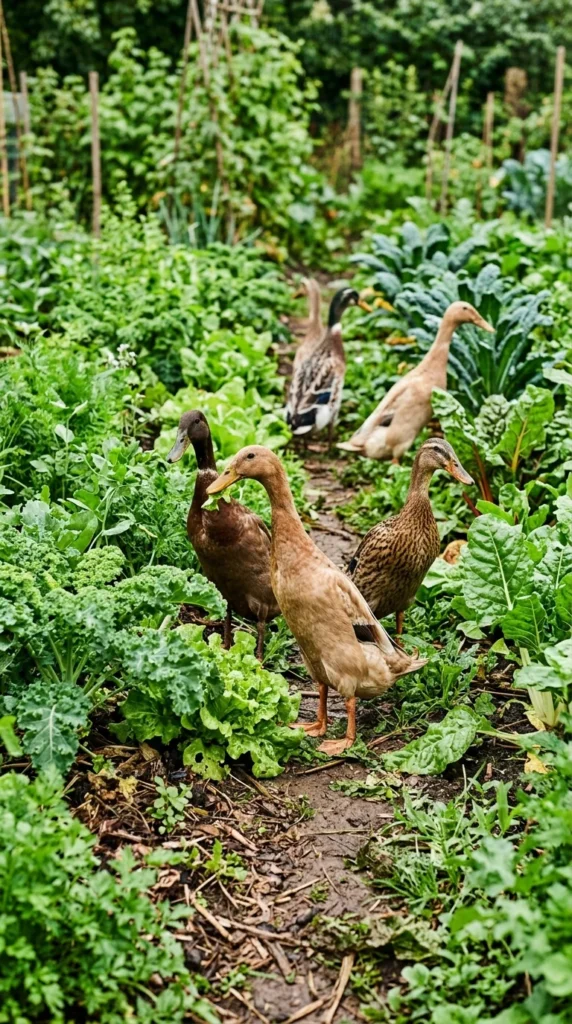
For those with a bit more space, biological control is the most hands-off method. Ducks, particularly breeds like Indian Runner ducks or Khaki Campbells, are famous for their love of slugs and snails. Unlike chickens, which may scratch up your plants and eat your crops, ducks are generally more focused on the “meat” (the pests).
A small flock of ducks can keep a large garden completely free of gastropods within weeks. They are highly efficient foragers and will actively hunt through the foliage to find hidden pests, turning your slug problem into high-protein snacks for the birds.
9. Toads and Frogs
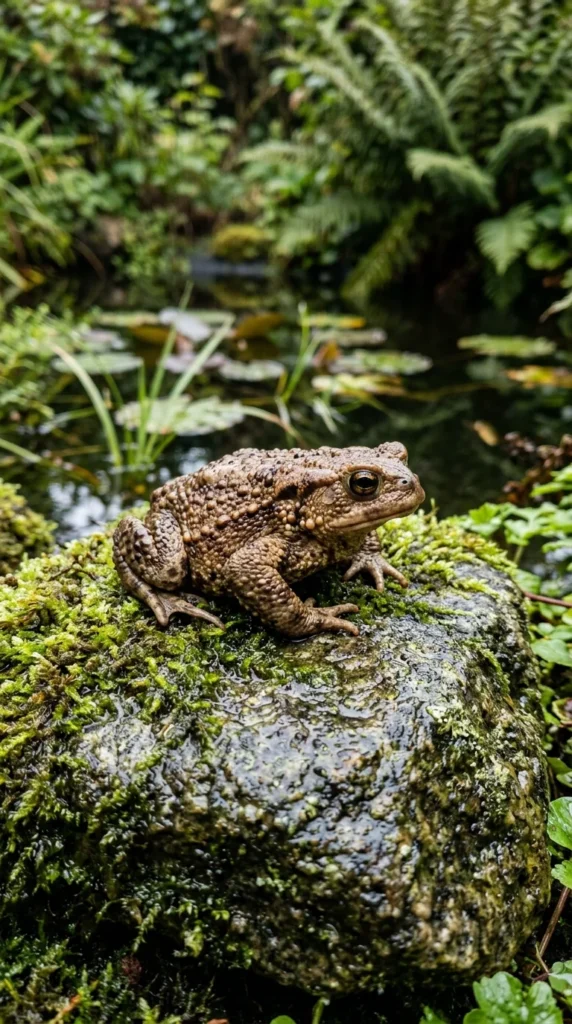
Creating a habitat for natural predators is a sustainable way to manage pests. Toads and frogs are natural enemies of slugs. A single toad can eat dozens of slugs in a single night. To encourage these amphibians to stay in your garden, provide them with a “toad abode”—a cool, damp, shaded area.
This can be as simple as an overturned ceramic pot propped up with a stone or a dedicated garden pond. Avoid using any chemical pesticides or herbicides, as amphibians have very permeable skin and are highly sensitive to toxins.
10. Nematodes
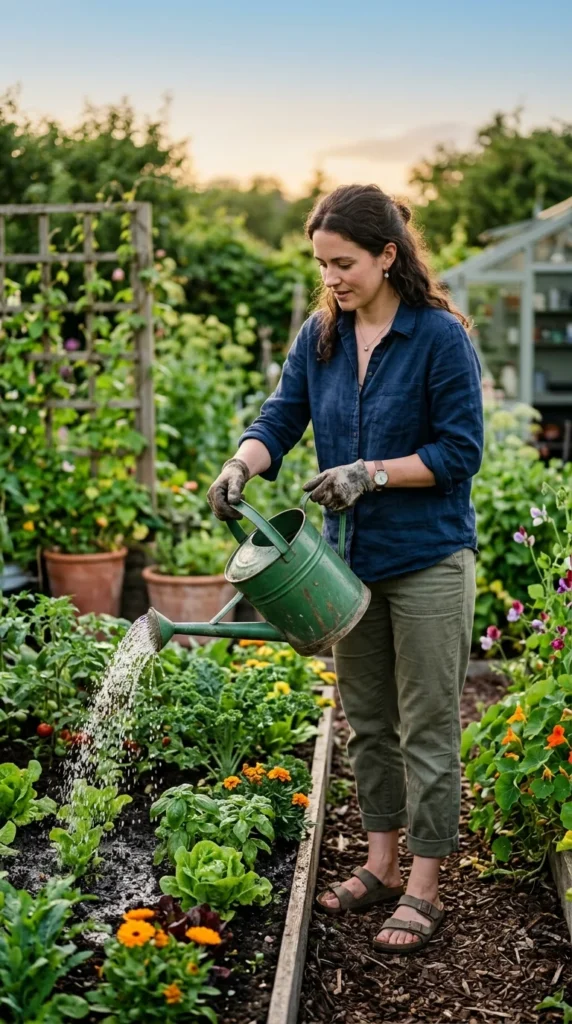
Nematodes (Phasmarhabditis hermaphrodita) are microscopic worms that naturally occur in the soil and specifically target slugs. You can buy these in a concentrated “biological control” form. You simply mix the powder with water and apply it to the soil using a watering can.
The nematodes seek out slugs, enter their bodies, and release a bacteria that stops the slug from eating and eventually kills it. This method is incredibly effective because it targets the slugs where they hide—underground. It is completely safe for humans, pets, birds, and other beneficial insects like bees and ladybugs.
11. Companion Planting
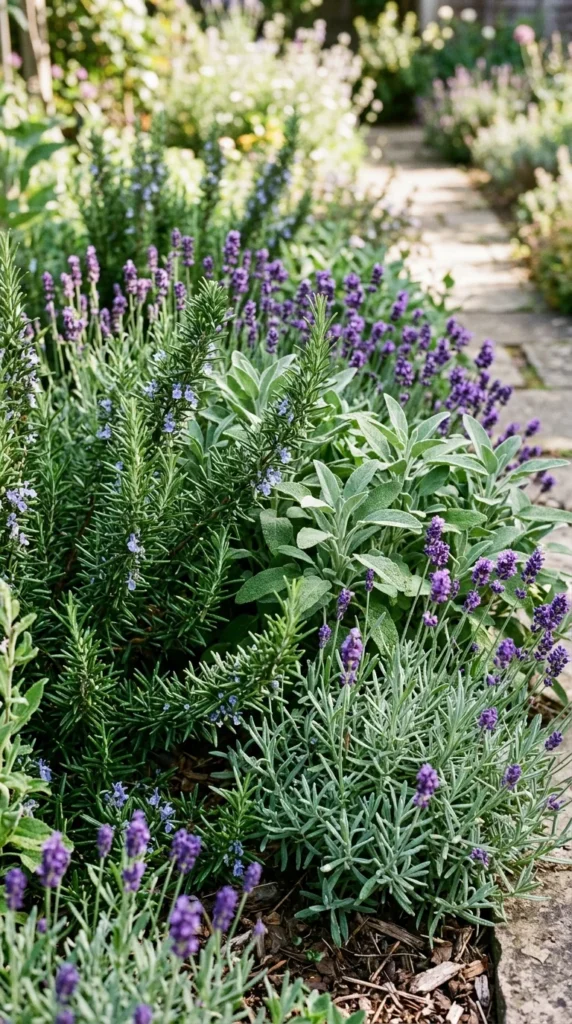
Strategic planting can make your garden far less attractive to snails and slugs. Certain plants have strong scents or textures that gastropods find repulsive. By interplanting these among your vulnerable crops, you create a natural deterrent.
Effective repellent plants include:
- Aromatic Herbs: Rosemary, lavender, sage, and thyme.
- Strong Scents: Alliums (onions, garlic, chives) and geraniums.
- Hairy Leaves: Stachys byzantina (Lamb’s Ear) or poppies. By surrounding your lettuce with a “moat” of chives or lavender, you make the journey to the prize much less appealing.
12. Morning Watering
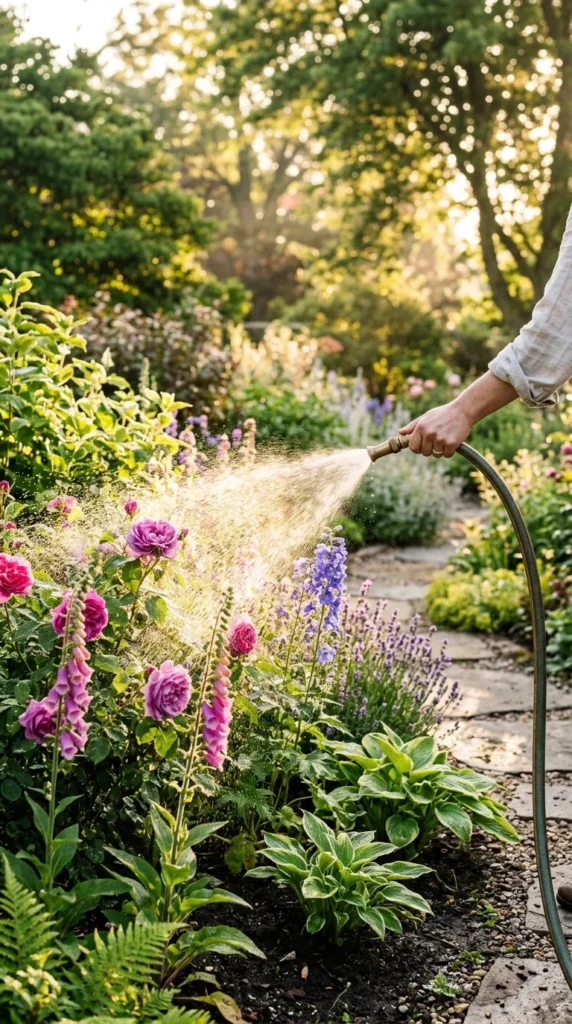
Timing is everything when it comes to pest management. Slugs and snails are nocturnal and require moisture to move. If you water your garden in the evening, you are essentially rolling out a wet red carpet for them, providing the perfect conditions for a night of feasting.
By switching to early morning watering, the surface of the soil and the foliage have time to dry out before the sun sets. A dry garden surface makes it much harder for slugs to travel, significantly reducing their activity levels during the night.
13. Night Picking
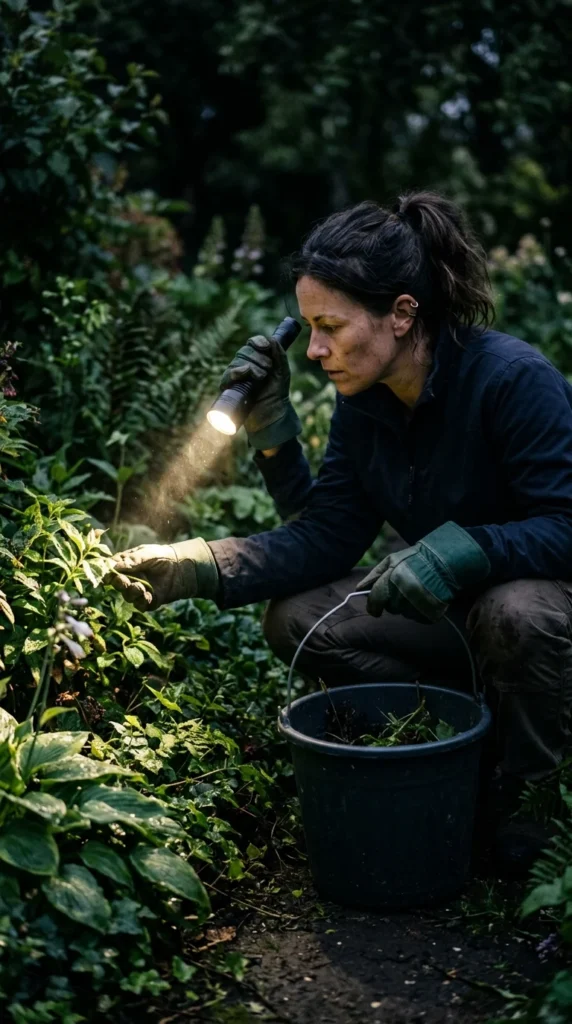
If you have a localized infestation and want immediate results, nothing beats the “search and destroy” mission. Armed with a flashlight and a bucket of soapy water (or a relocation container), head out into the garden about two hours after sunset.
Check the undersides of leaves, the base of pots, and along garden borders. While it may seem tedious, doing this for several nights in a row during the peak of spring can drastically reduce the breeding population in your garden. It is a highly targeted, 100% natural way to get your pest problem under control immediately.