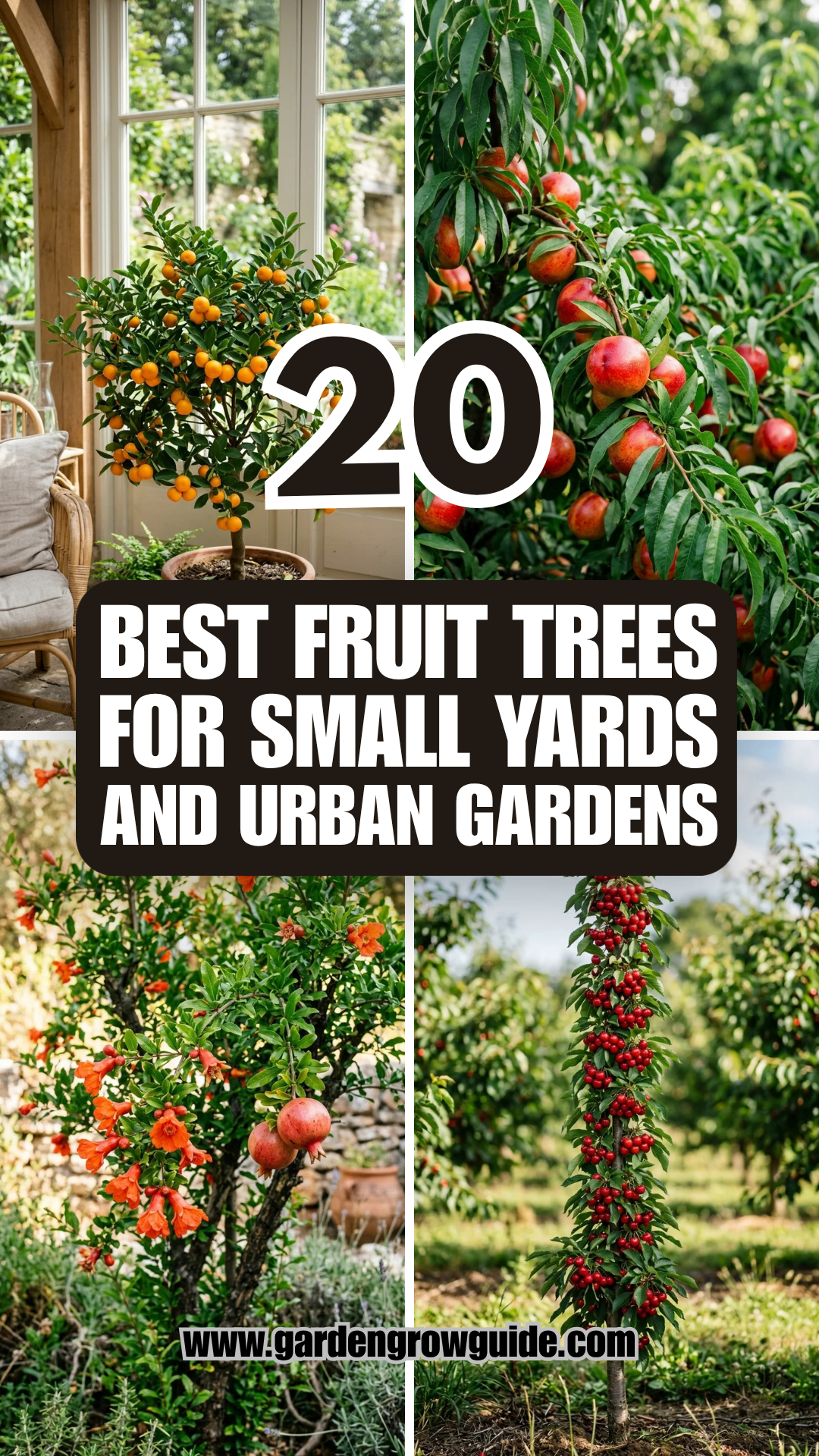
The dream of picking fresh, sun-ripened fruit from your own backyard shouldn’t be limited by the size of your property. In the modern era of horticulture, “space-challenged” no longer means “fruitless.” Thanks to advancements in grafting techniques, the development of dwarf rootstocks, and the discovery of naturally compact species, urban gardeners can now cultivate a veritable orchard on a balcony, patio, or tiny suburban strip.
When selecting fruit trees for small spaces, the focus shifts to three main categories: dwarf varieties, columnar trees, and multi-grafted “fruit salad” trees. These specimens provide the same high-quality harvest as their full-sized counterparts but in a fraction of the footprint. Below are 20 of the best fruit trees tailored for small-scale cultivation.
1. Meyer Lemon
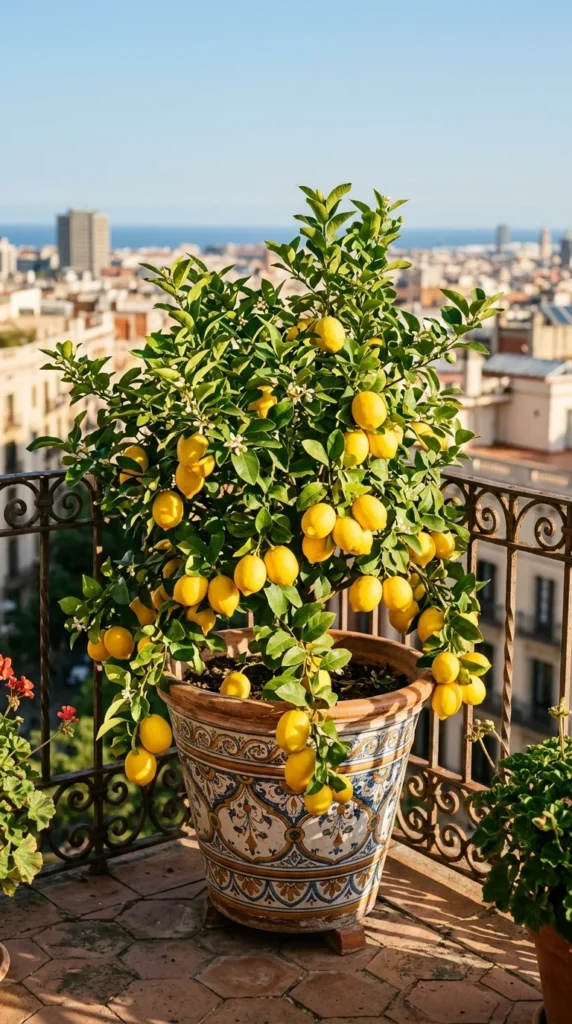
The Meyer lemon is the undisputed king of the container orchard. A cross between a regular lemon and a mandarin orange, this tree produces fruit that is sweeter and more fragrant than store-bought varieties. Because they are naturally shrub-like and adapt well to pruning, they can thrive in large pots for decades. They are also prized for their incredibly fragrant white blossoms, which can perfume an entire patio.
2. Columnar Apple
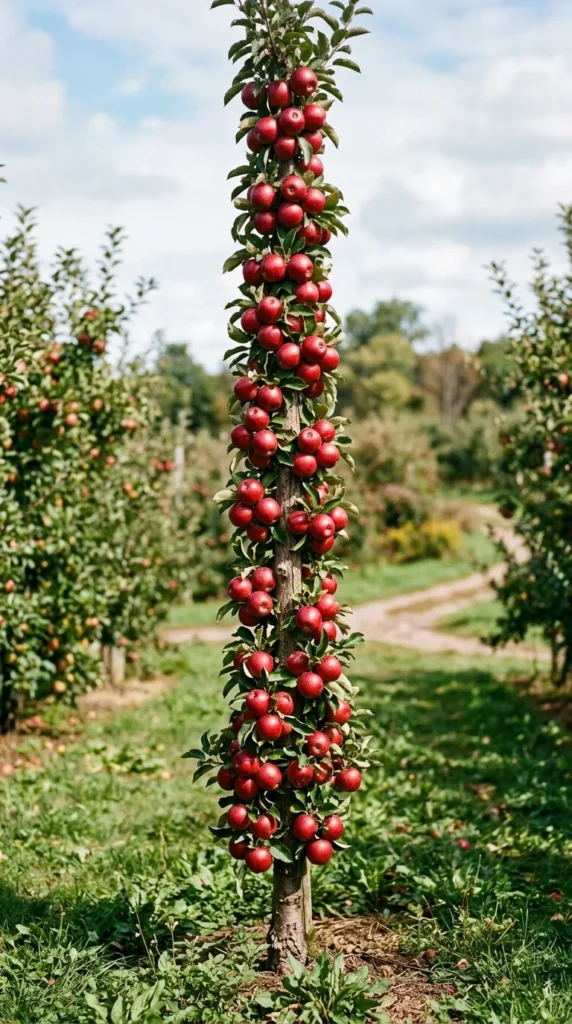
Columnar apples, such as the ‘Northpole’ or ‘Golden Sentinel’ varieties, are a biological marvel for small spaces. These trees grow straight up in a narrow pillar, usually reaching no more than 2-3 feet in width. Because they have no sprawling side branches, you can plant them as close as two feet apart, making them ideal for creating a “fruiting fence” or lining a narrow walkway.
3. Fig Tree
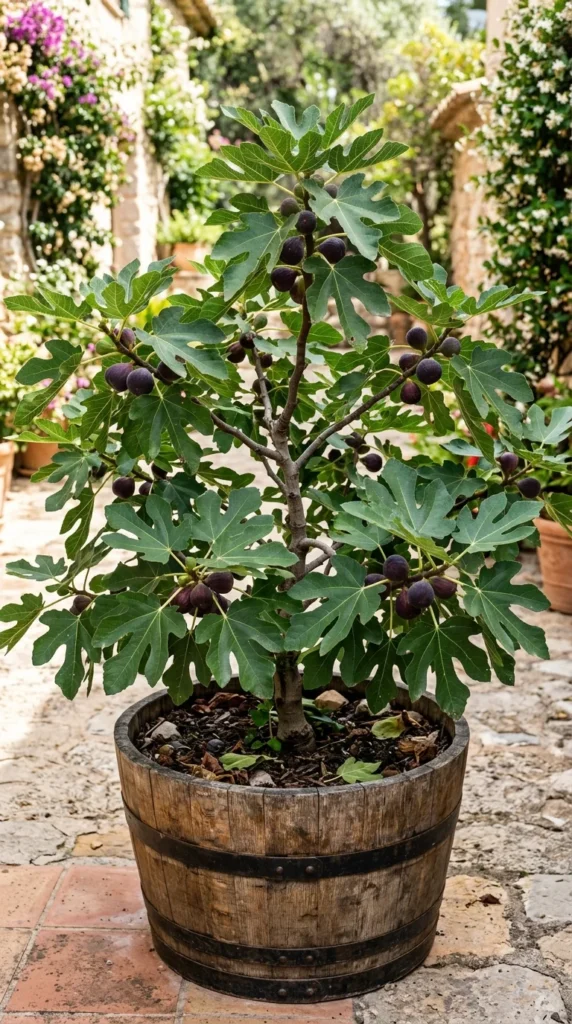
Figs are exceptionally well-suited to small yards because their growth is naturally restricted when their roots are confined. In fact, many gardeners prefer growing them in pots to encourage more fruit production rather than leafy growth. Varieties like ‘Brown Turkey’ or ‘Celeste’ are hardy and prolific, offering two harvests a year in many climates. Their large, sculptural leaves also provide an exotic, Mediterranean aesthetic.
4. Kumquat
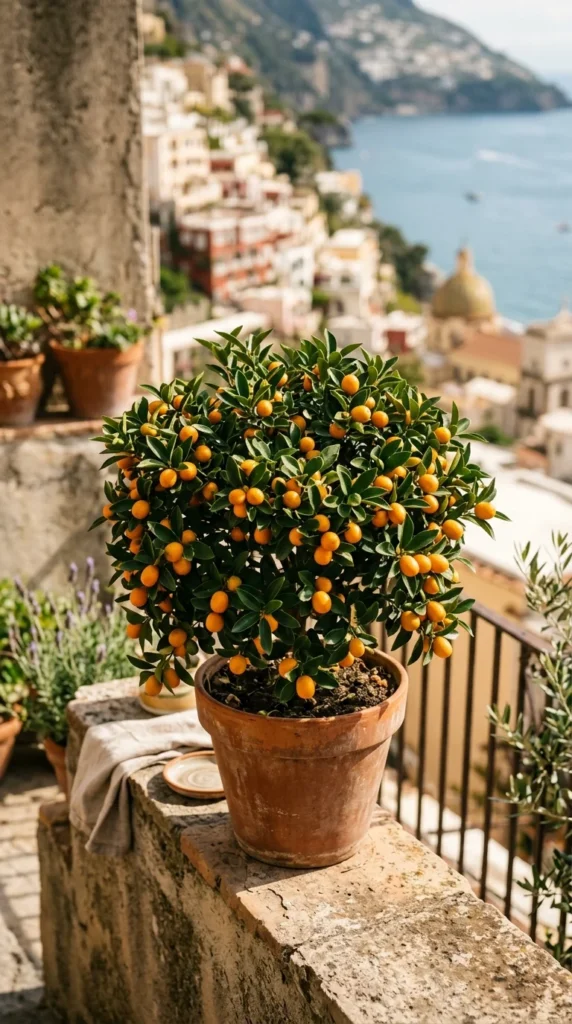
Kumquats are the jewels of the small garden. These trees stay naturally small and are among the most cold-hardy of all citrus. Unlike other citrus, you eat the fruit whole—peel and all—resulting in a burst of sweet-tart flavor. They are highly ornamental, often covered in hundreds of tiny orange fruits that persist on the tree for months, providing visual interest throughout the winter.
5. Dwarf Peach
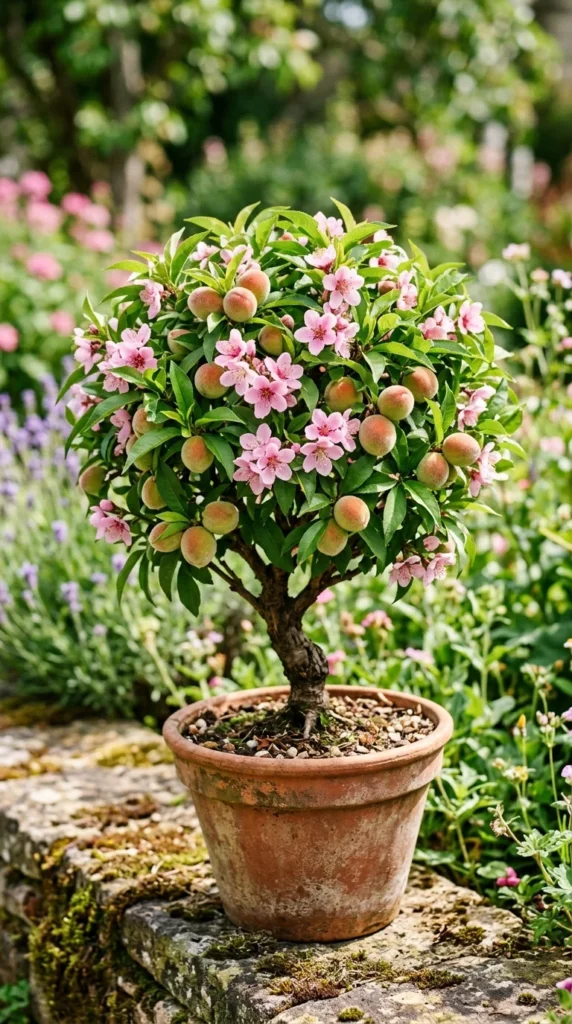
Traditional peach trees are known for their wide, spreading canopies, but dwarf varieties like ‘Bonanza’ or ‘Garden Gold’ rarely exceed five or six feet in height. These trees are genetically “short-jointed,” meaning the fruit grows closely together on a compact frame. They produce full-sized, juicy peaches and feature stunning pink floral displays in the spring that rival ornamental cherry trees.
6. Pomegranate
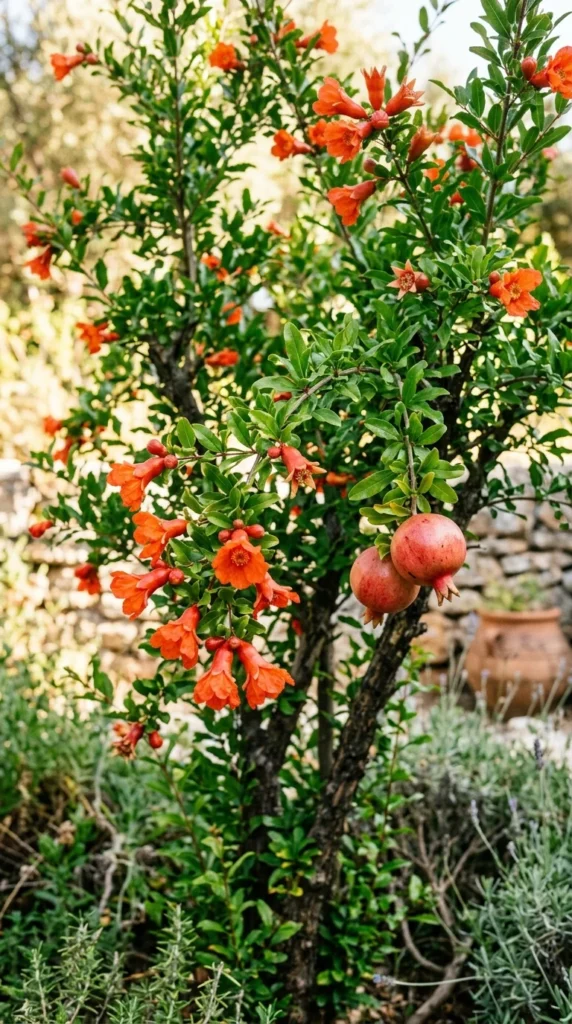
Pomegranates are tough, drought-tolerant, and naturally bushy, making them easy to keep small with regular pruning. For the smallest spaces, the ‘Nana’ variety is a true dwarf that stays under three feet tall. While the fruit of the ‘Nana’ is more ornamental, other compact cultivars like ‘Wonderful’ can be maintained at a manageable size while providing large, antioxidant-rich fruits.
7. Columnar Cherry
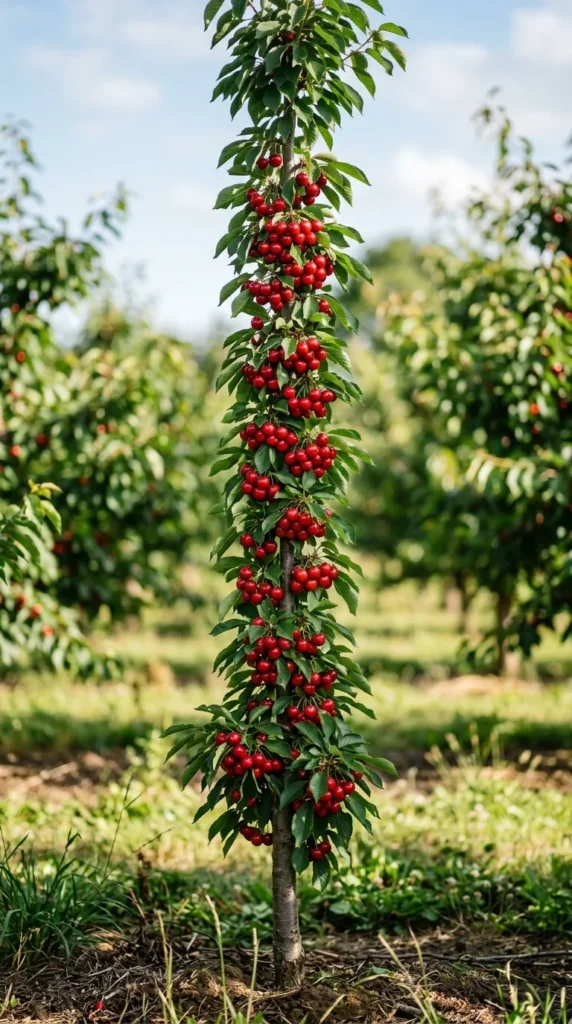
Similar to columnar apples, columnar cherries like the ‘Sylvia’ or ‘Victoria’ varieties allow for vertical fruit production. Cherries are traditionally difficult in small spaces due to their size and the need for pollinators, but many columnar versions are now self-fertile. This means you only need one tree to get a successful harvest of sweet, juicy cherries.
8. Calamondin
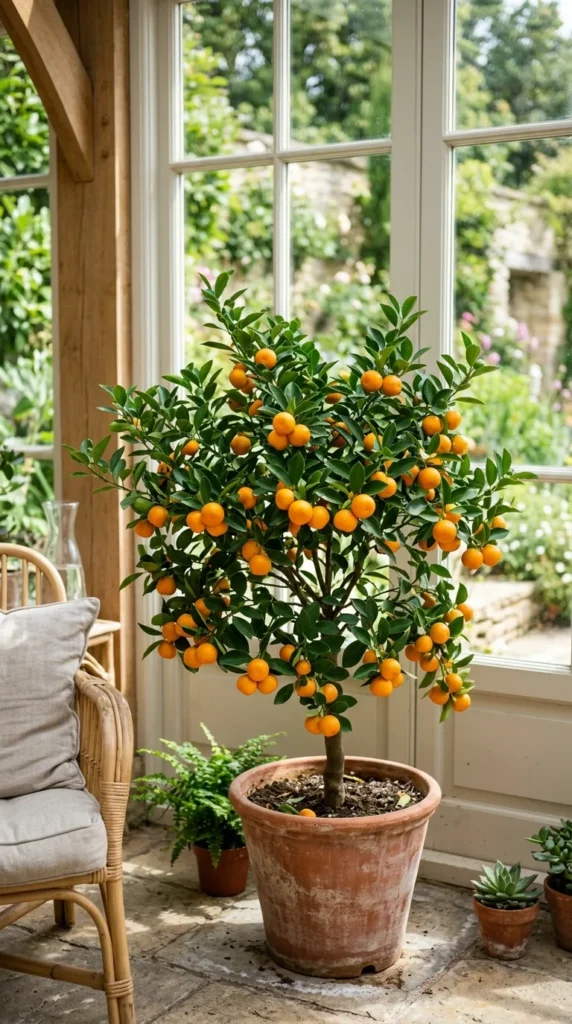
Often grown as an indoor-outdoor plant, the Calamondin (or Calamansi) is a prolific producer of small, sour citrus fruits. It is incredibly resilient and can handle the lower light levels of an urban balcony better than most citrus. The juice is a staple in Southeast Asian cuisine and makes an excellent substitute for lime or lemon in cocktails and marinades.
9. Dwarf Mulberry
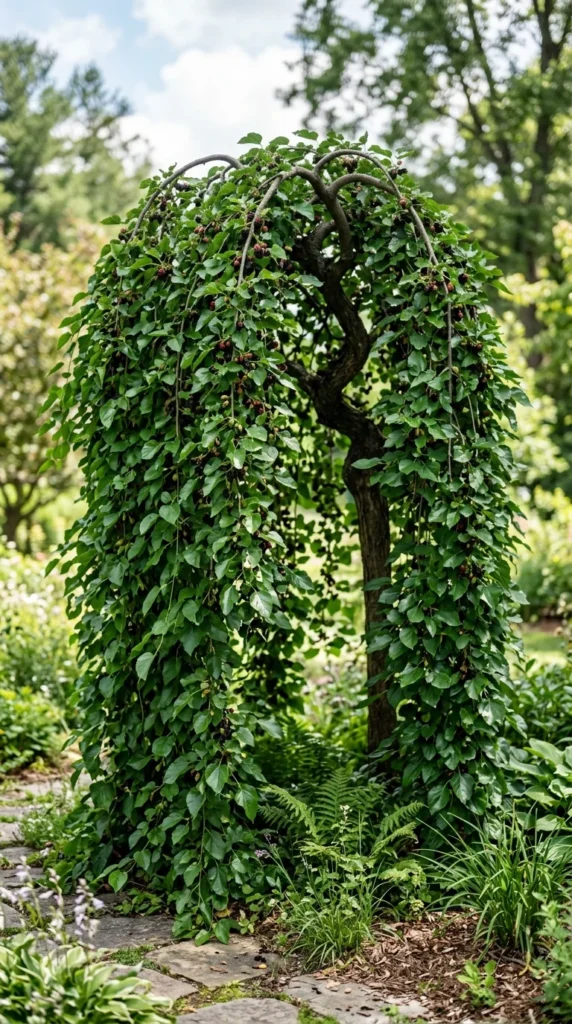
Standard mulberry trees are giants that can take over a yard, but the ‘Dwarf Everbearing’ variety is a game-changer for urbanites. It can be kept as small as 4 feet tall with pruning. It produces fruit continuously throughout the warm months, providing a steady supply of sweet, blackberry-like fruits that are rarely found in grocery stores due to their short shelf life.
10. Persimmon
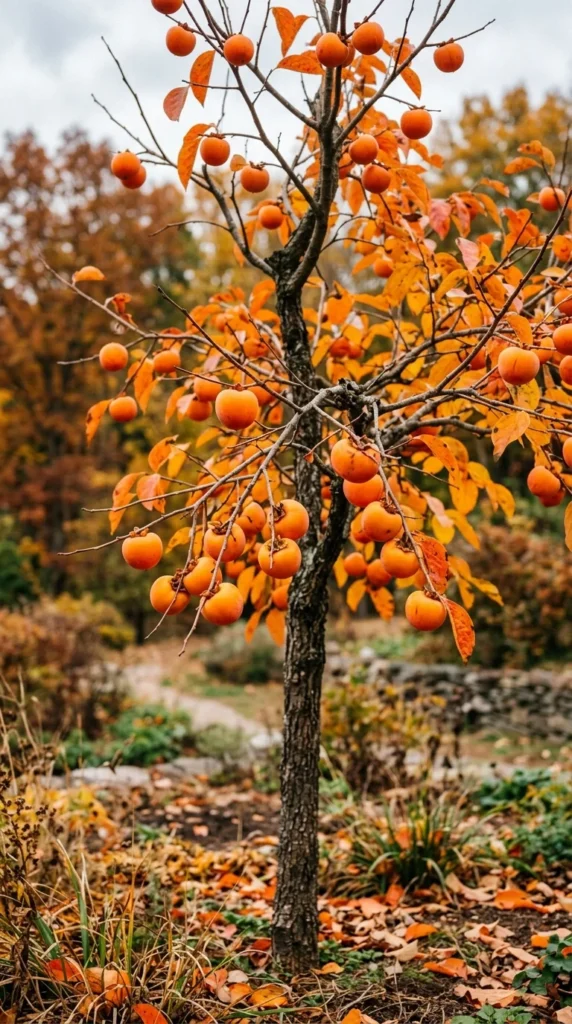
Persimmons are excellent “dual-purpose” trees. They offer spectacular fall color and beautiful, hanging fruits that look like orange ornaments long after the leaves have fallen. Varieties like ‘Fuyu’ are non-astringent (meaning they can be eaten while firm) and grow slowly, making them easy to manage in a small backyard or a large container.
11. Dwarf Nectarine
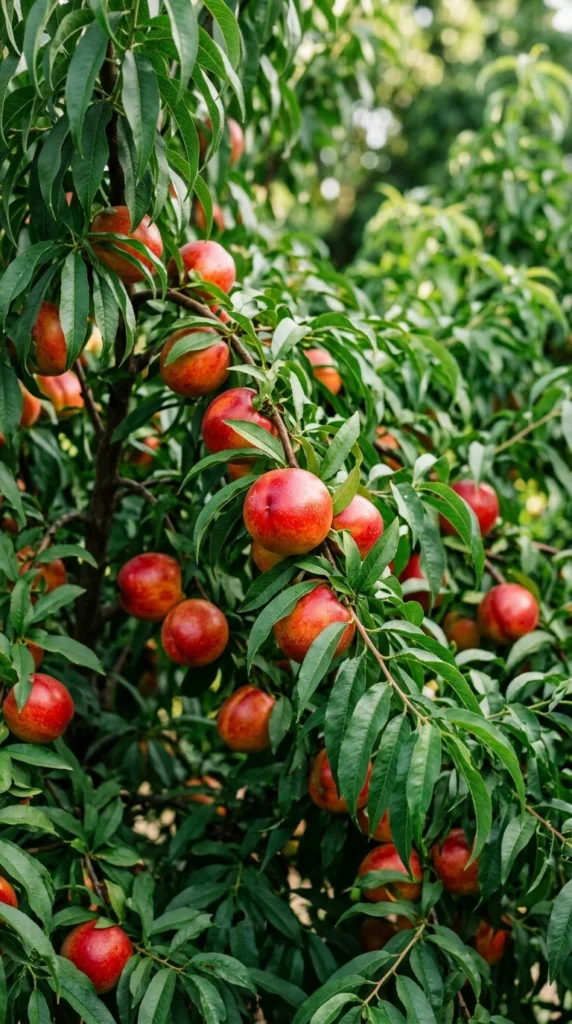
Nectarines offer the flavor of a peach without the fuzz. Dwarf nectarines, such as the ‘Nectarina’ or ‘Garden Delight’, are specifically bred for patio living. They have a naturally rounded, compact shape and require very little pruning to maintain their form. In spring, they are covered in deep pink blossoms, making them as decorative as they are delicious.
12. Apricot
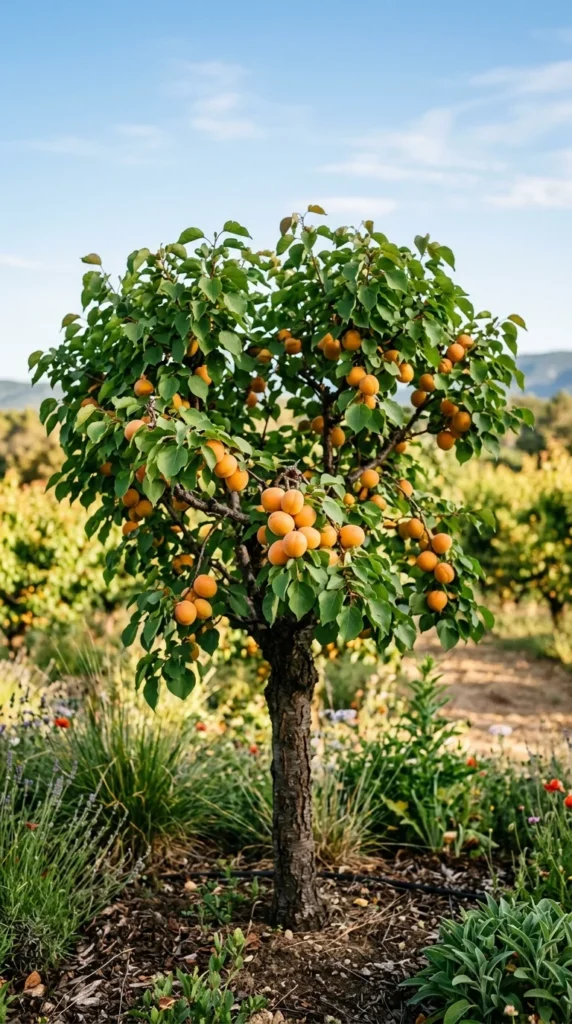
Apricots are often the first fruit trees to bloom in the spring. Dwarf varieties like ‘Pixie-cot’ bring this early-season bounty to small gardens. They are exceptionally productive for their size, often yielding more fruit than a small family can eat fresh. Because they bloom so early, they are best placed in a sheltered spot in the yard to protect the blossoms from late frosts.
13. Loquat
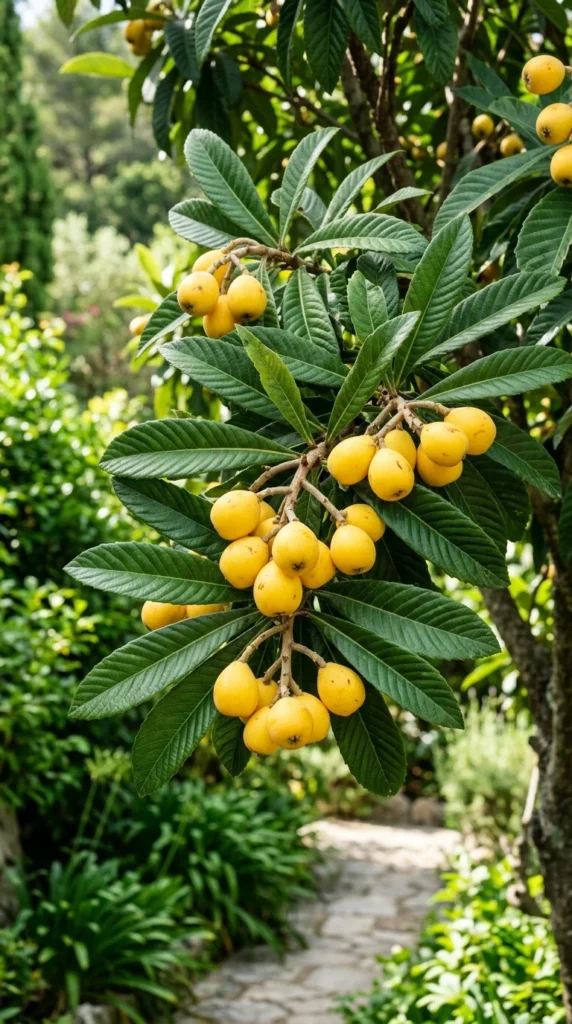
The loquat is an underrated gem for urban landscapes. It is an evergreen tree with large, tropical-looking foliage that provides year-round privacy. While it can grow large, it responds very well to “espalier”—the practice of training a tree to grow flat against a wall or fence. This allows you to grow a substantial amount of fruit in a space only a few inches wide.
14. Olive Tree
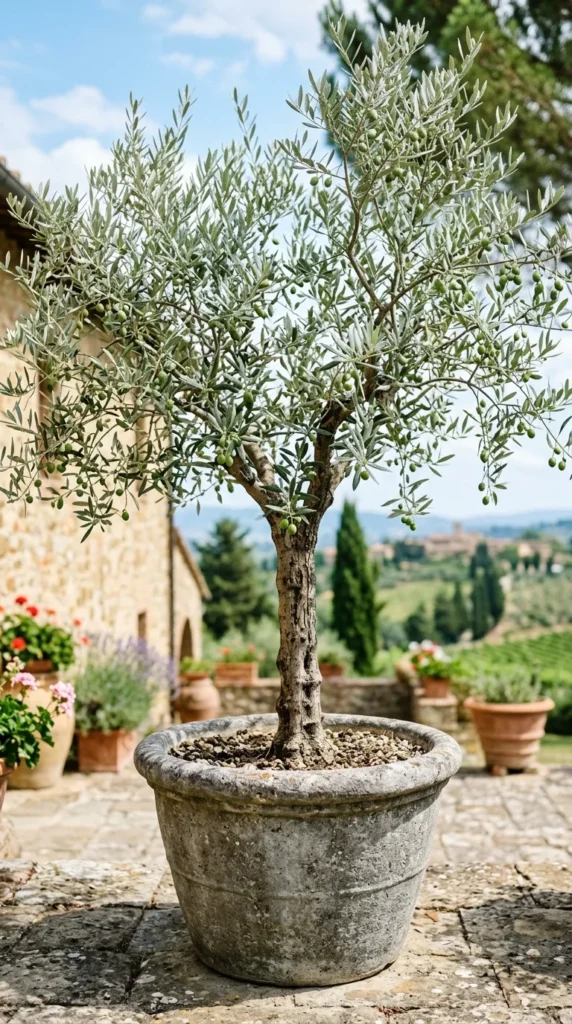
For those in Mediterranean climates, the olive tree is a symbol of elegance and endurance. Dwarf cultivars like ‘Arbequina’ are slow-growing and highly productive at a young age. Even if you don’t intend to cure the olives for eating, the silvery-blue foliage provides a sophisticated, drought-tolerant aesthetic that fits perfectly in modern urban garden designs.
15. Guava
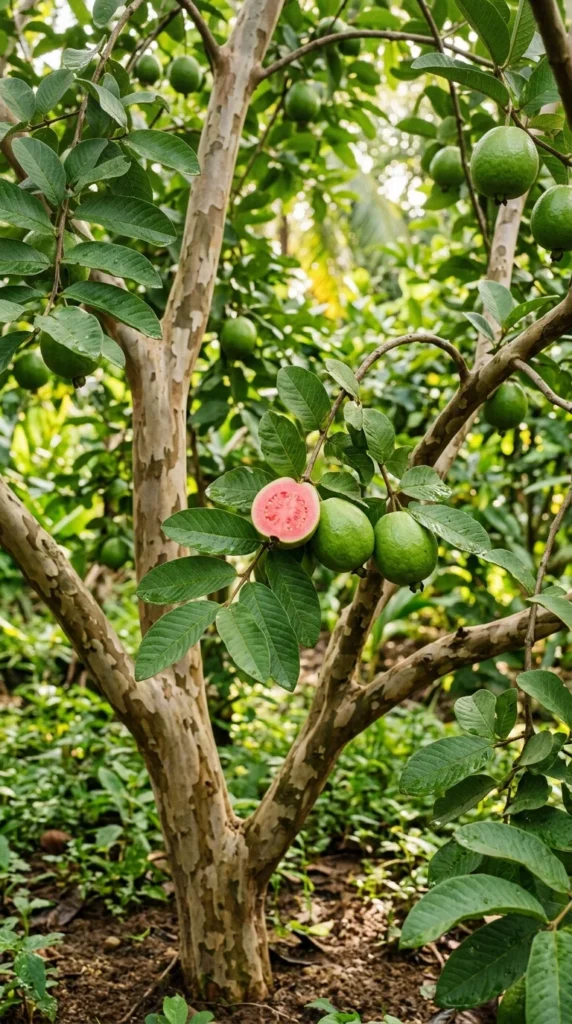
In warmer climates (or moved indoors for winter), dwarf guavas are fantastic additions. The ‘Pineapple Guava’ (Feijoa) is particularly popular in urban settings because it is incredibly hardy and features stunning edible flowers that taste like marshmallows. The fruit is tangy and aromatic, adding a tropical flair to the small-space orchard.
16. Starfruit
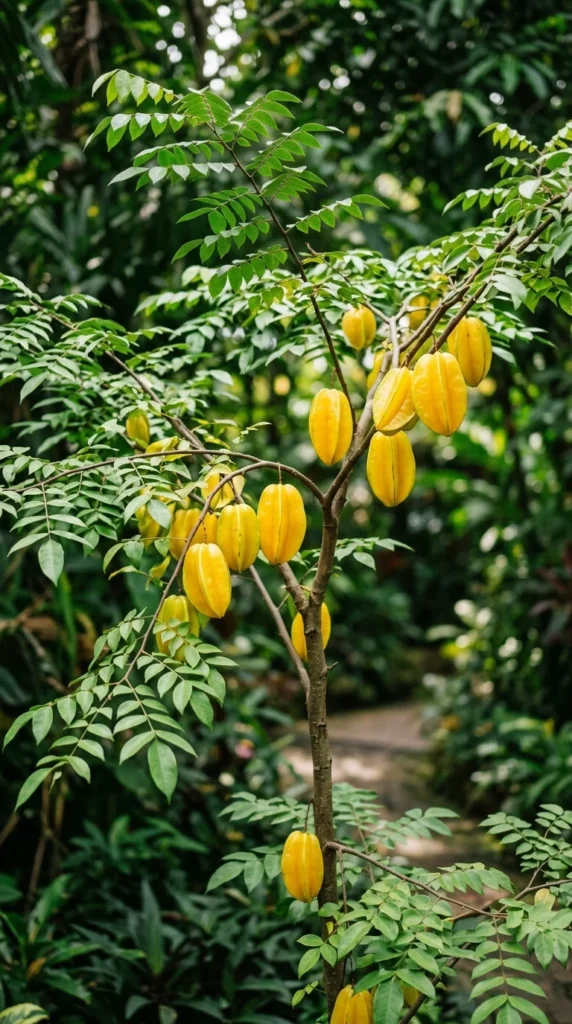
The starfruit (Averrhoa carambola) is a naturally small, slow-growing tree that is perfect for tropical or subtropical urban gardens. Dwarf varieties can be maintained at 6 feet and will produce fruit multiple times a year. The unique shape of the fruit makes it a conversation piece, and the tree’s delicate, fern-like foliage provides a soft texture to the garden.
17. Jujube
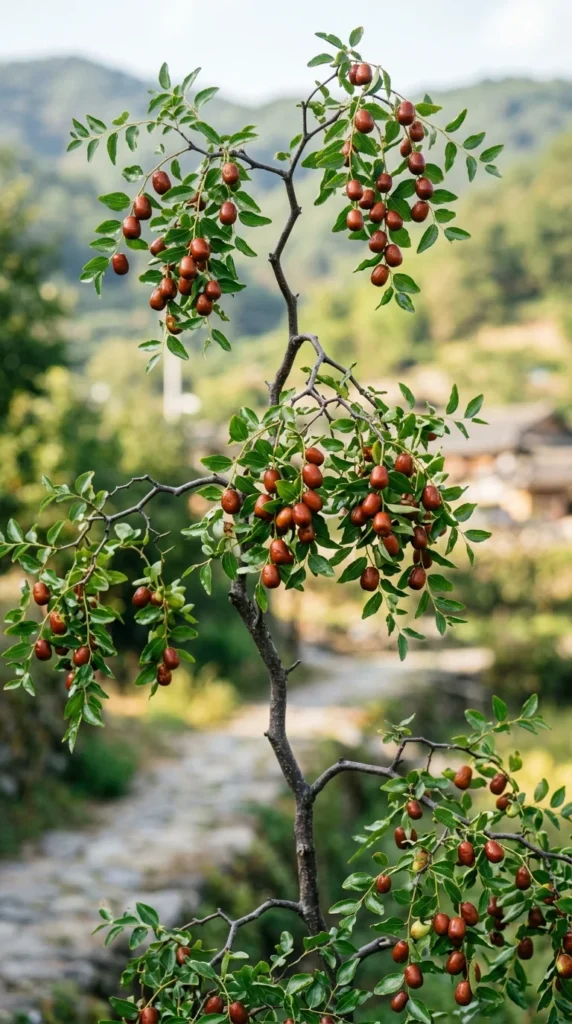
Known as the “Chinese Date,” the jujube is one of the toughest fruit trees available. It is drought-tolerant, pest-resistant, and can handle extreme temperature swings. They have a naturally narrow growth habit and can be easily tucked into a corner of a small yard. The fruit is crisp like an apple when fresh and sweet like a date when dried.
18. Serviceberry
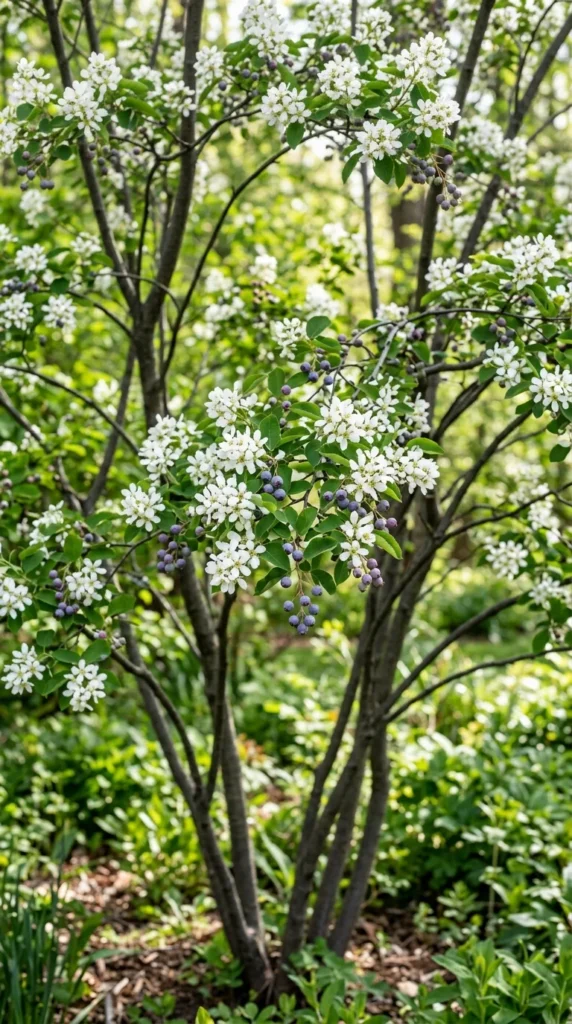
The serviceberry (or Saskatoon) is a native North American tree that bridges the gap between an ornamental shrub and a fruit tree. It produces berries that look and taste very similar to blueberries but grows on a plant that is much easier to maintain. They are exceptionally hardy and offer four-season interest: white flowers in spring, berries in summer, brilliant orange foliage in fall, and silver bark in winter.
19. Pawpaw
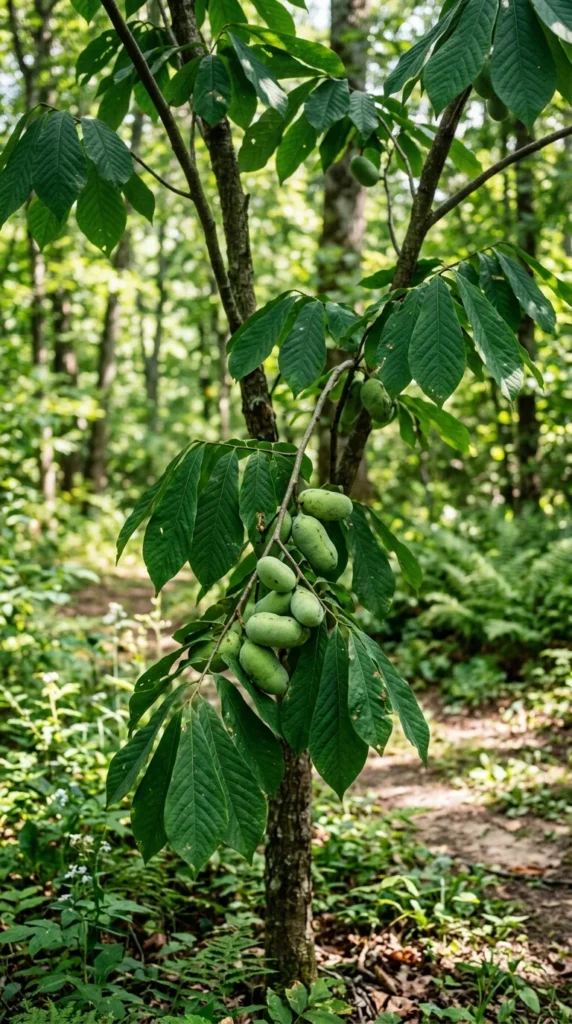
The pawpaw is North America’s largest native fruit, often described as having a custard-like texture with a flavor profile between a banana and a mango. While the wild species can be large, newer grafted cultivars like ‘Sunflower’ or ‘Shenandoah’ are slower-growing and can be kept compact. They are unique among fruit trees because they actually prefer a bit of shade when young, making them ideal for small yards shaded by tall buildings.
20. Elderberry
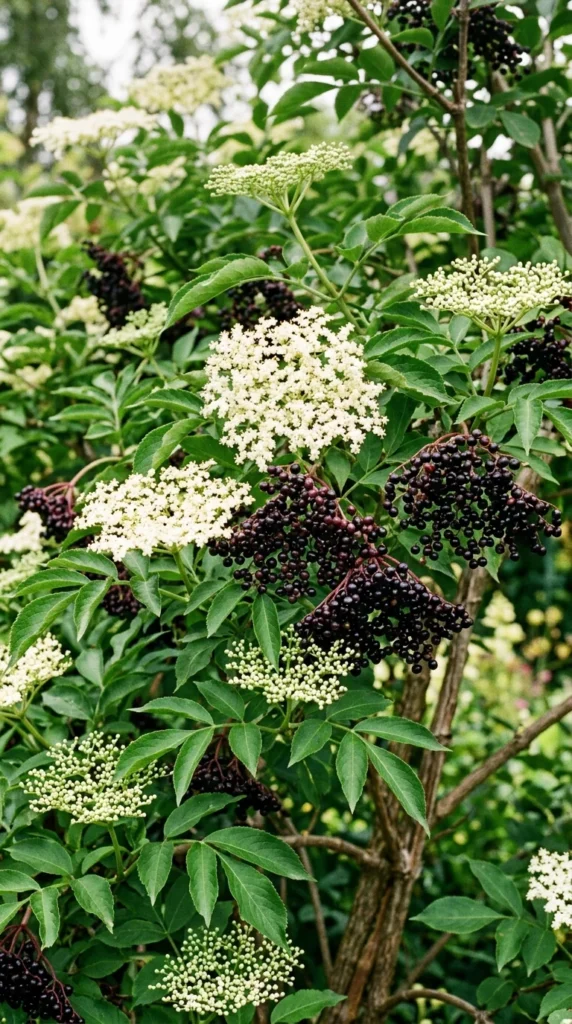
Elderberries are the ultimate “functional” fruit tree for the urban garden. They are technically large shrubs but can be trained into a small tree form. They are incredibly fast-growing and provide excellent screening for privacy. The flowers can be used to make syrups and cordials, while the berries are a powerhouse for immune-boosting jams and wines.
Key Considerations for Urban Fruit Gardening
To ensure success with your small-space orchard, keep these essential tips in mind:
- Pollination: Many fruit trees require a second tree of a different variety to cross-pollinate and produce fruit. In a small yard, look specifically for “self-fertile” varieties, or consider a “multi-graft” tree where 2-3 different varieties are grafted onto a single trunk.
- Rootstock Matters: When buying, always check that the tree is grafted onto “dwarf” or “semi-dwarf” rootstock. This genetic foundation is what prevents the tree from reaching its full, massive height.
- Container Quality: If growing in pots, ensure they have excellent drainage. Use a high-quality potting mix rather than garden soil, which can compact and suffocate the roots in a container environment.
- Sunlight: Most fruit trees require at least 6-8 hours of direct sunlight to produce sugar and ripen fruit. In urban canyons, track the sun’s movement before deciding where to place your trees.