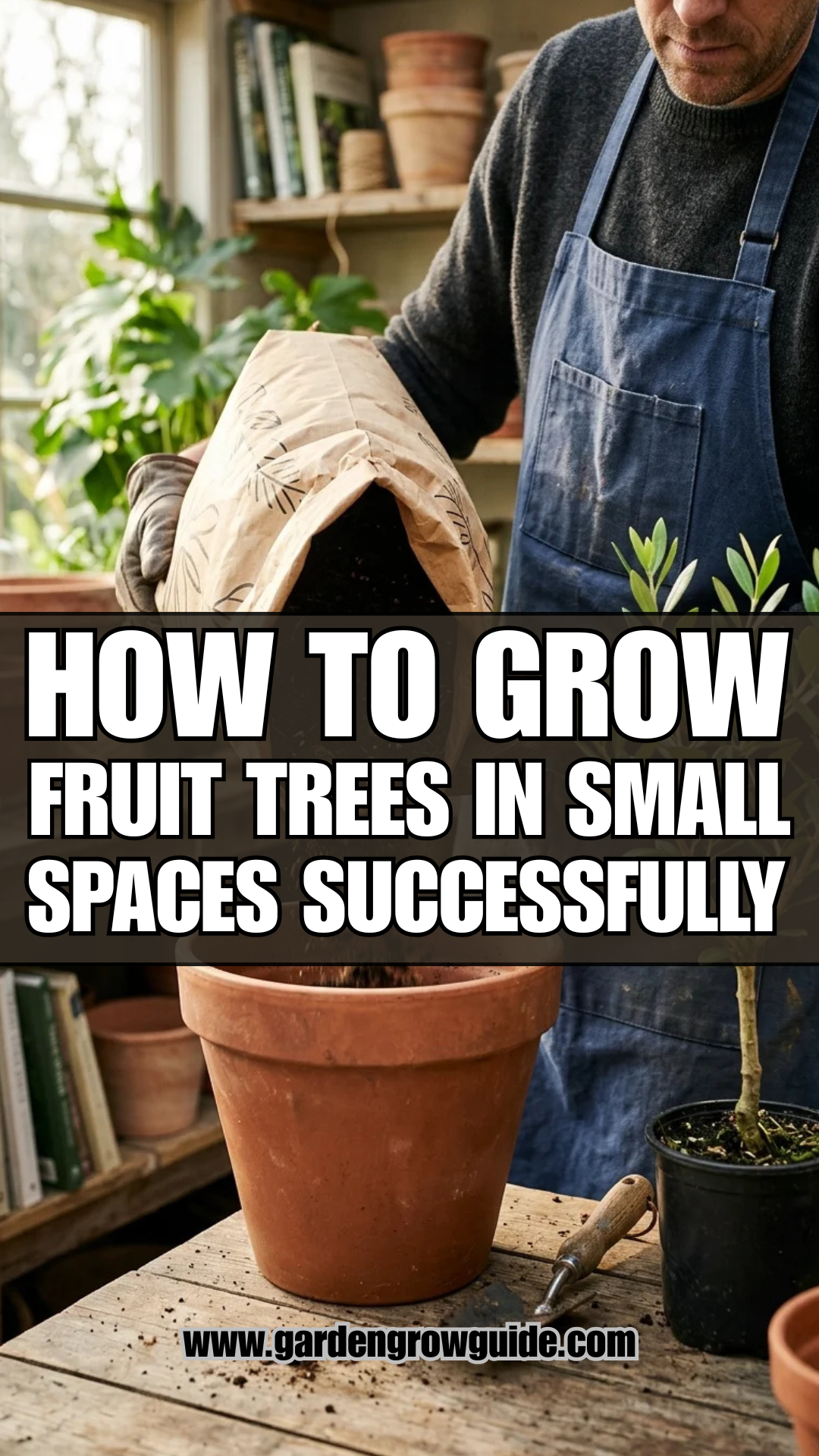
The dream of picking fresh, sun-ripened fruit from your own backyard is often sidelined by the reality of modern living: small yards, balconies, or paved patios. However, space is no longer a barrier to a bountiful harvest. Through a combination of genetic breakthroughs in dwarfing rootstocks and ancient horticultural techniques like espalier, anyone can transform a tiny footprint into a highly productive mini-orchard. Success in small-space fruit gardening depends on selecting the right varieties, mastering container dynamics, and understanding the specific physiological needs of trees grown in confined environments.
1. Dwarfing Rootstock
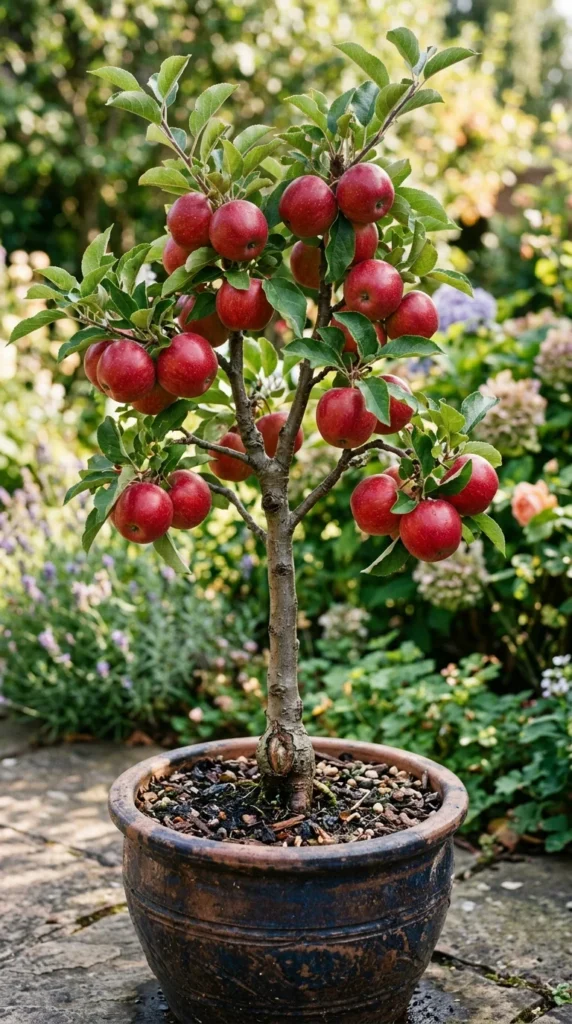
The most critical factor in small-space orcharding is the rootstock. Most commercial fruit trees are not grown from seed but are grafted—a process where the fruiting part of the tree (the scion) is joined to the root system of another tree (the rootstock). For small spaces, you must choose “dwarfing” or “ultra-dwarfing” rootstocks. These roots naturally limit the tree’s vigor, ensuring it never reaches the towering heights of a standard orchard tree. For example, an apple tree on an M27 rootstock may only reach six feet in height, whereas a standard tree could reach thirty. This genetic dwarfing does not result in smaller fruit; in many cases, the fruit is just as large and flavorful as that from a full-sized tree, but the tree itself remains manageable.
2. Container Gardening
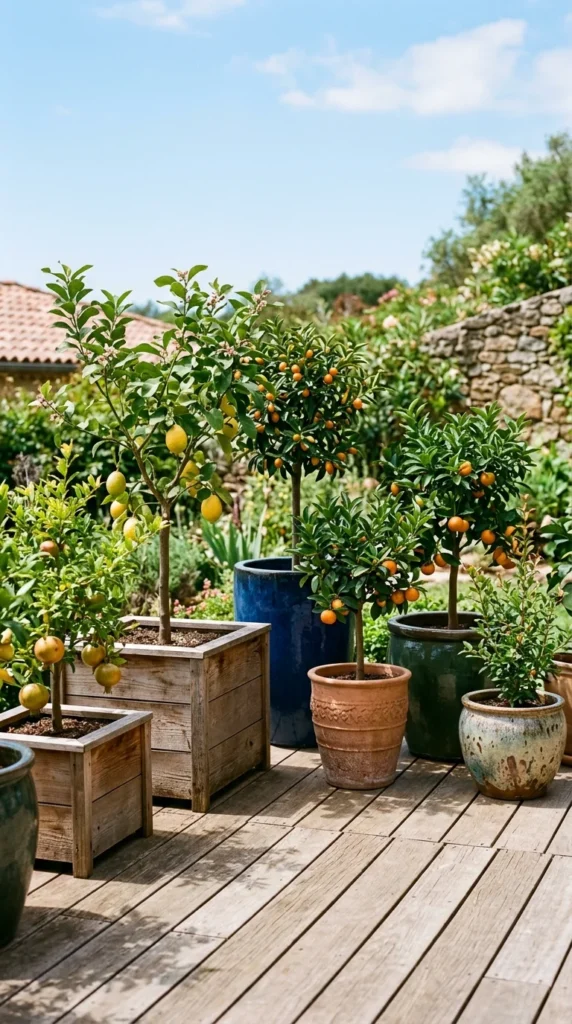
Containers are the ultimate solution for those with no soil access, such as apartment dwellers with balconies. Growing in pots allows for total control over the growing medium and the ability to move the tree to follow the sun or protect it from frost. When selecting a container, size and drainage are paramount. A young tree might start in a 5-gallon pot, but most fruit trees eventually require a 15- to 20-gallon container to thrive long-term. Breathable materials like terracotta or fabric pots are excellent for air-pruning roots, though they dry out faster. Regardless of the material, ensure the pot has ample drainage holes to prevent root rot, which is the primary killer of container-grown trees.
3. Espalier Training
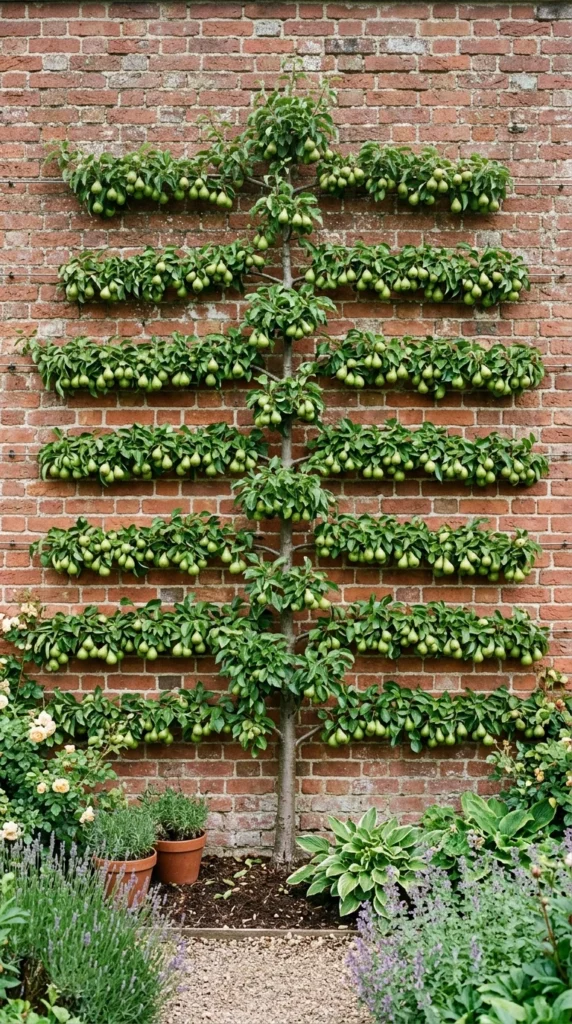
Espalier is an ancient Roman and French technique of training trees to grow flat against a wall or fence. This method is perfect for narrow side yards or “dead space” along a driveway. By pruning and tying branches to a wire frame, you can grow apples, pears, and even stone fruits in a two-dimensional plane. This maximizes sunlight absorption as the entire canopy is exposed to the sun, and it also simplifies harvesting. Espaliered trees act as living art, providing a structural aesthetic to the garden while producing a surprisingly high yield per square foot.
4. Columnar Varieties
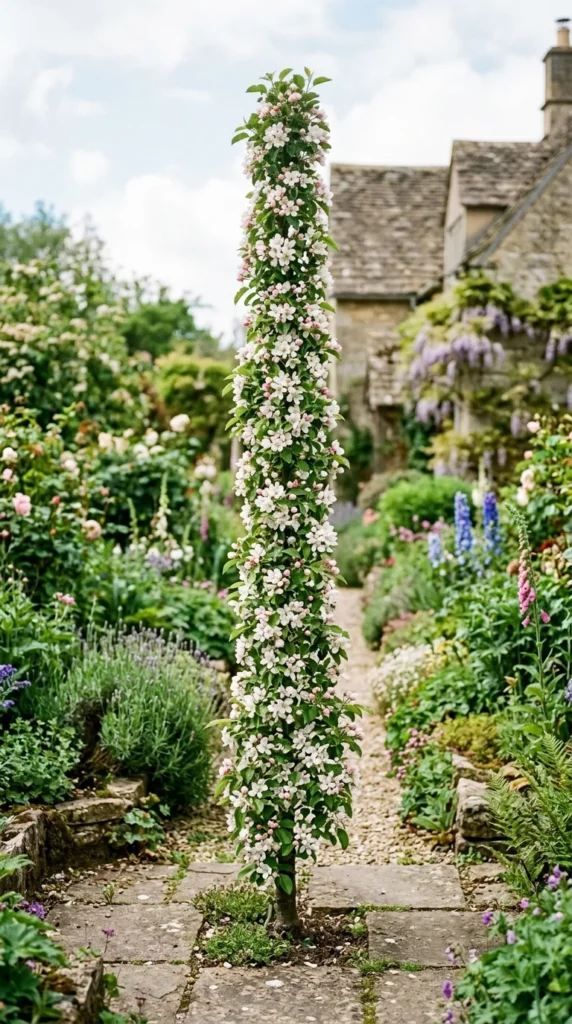
Specifically bred for the tightest of spaces, columnar trees (often called “ballerina” trees) grow straight up like a pillar. They typically reach only two or three feet in width but can grow eight feet tall. These trees do not produce traditional side branches; instead, the fruit develops on short spurs along the main trunk. They are ideal for planting in a row to create a fruiting screen or for placing in pots on either side of a doorway. Most columnar varieties currently available are apples, though breeders are working on bringing this “fastigiate” growth habit to other species.
5. Solar Exposure
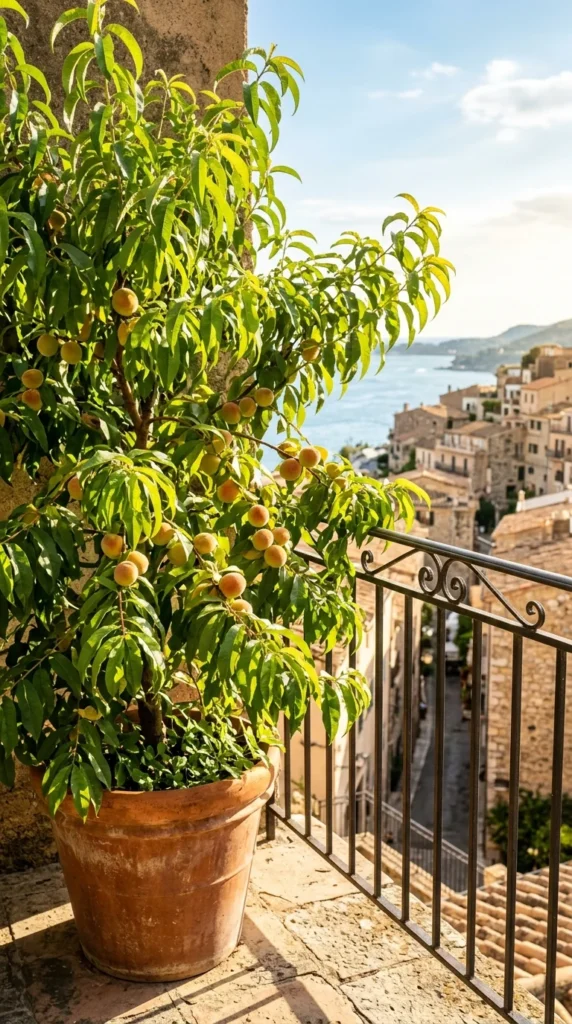
Fruit production is an energy-intensive process for a plant, and that energy comes from the sun. To succeed in a small space, you must place your trees in a location that receives at least six to eight hours of direct sunlight daily. In urban environments, this can be challenging due to shadows cast by buildings or tall fences. If you have a movable container, you can shift the tree throughout the seasons to maximize light. For those with permanent beds, choosing a south-facing wall (in the Northern Hemisphere) provides a “heat trap” effect, which is particularly beneficial for heat-loving fruits like figs, citrus, and peaches.
6. Soil Management
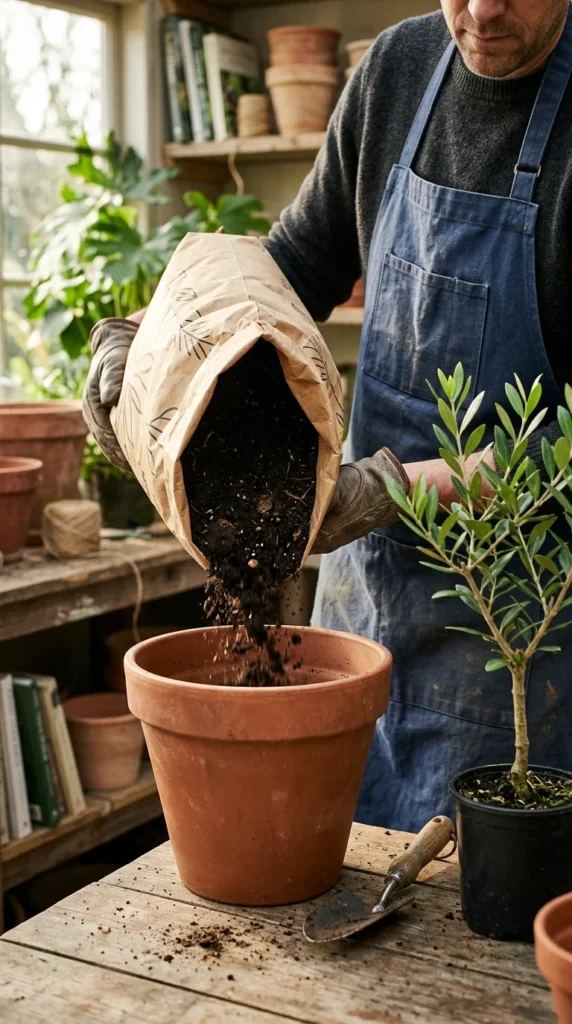
In a small space or container, the tree has a limited volume of soil from which to draw nutrients. Using garden soil in a pot is a mistake; it is too heavy and will compact, suffocating the roots. Instead, use a high-quality potting mix amended with perlite or vermiculite for aeration and organic compost for nutrition. Because frequent watering leaches nutrients out of the soil, “spoon-feeding” your trees with organic liquid fertilizers or slow-release granules during the growing season is essential. Aim for a balanced N-P-K (Nitrogen, Phosphorus, Potassium) ratio, with a slight emphasis on potassium as the fruit begins to develop.
7. Summer Pruning
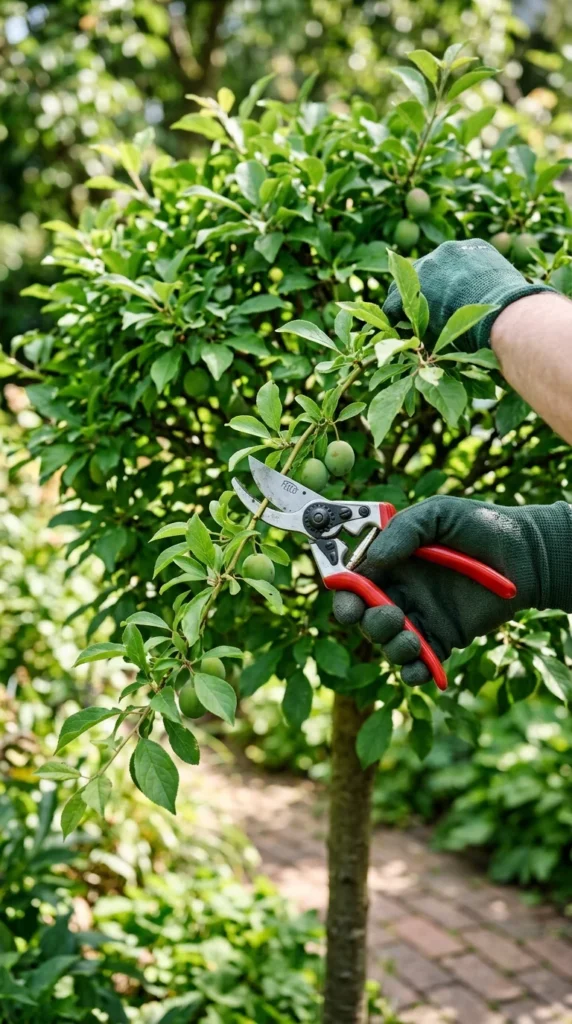
While traditional orchards are pruned in winter, small-space gardeners should embrace summer pruning. Winter pruning tends to stimulate vigorous new growth, which can quickly overwhelm a small space. Summer pruning, performed in late July or August, removes the current season’s growth, which reduces the tree’s vigor and helps maintain its compact size. It also allows more sunlight to reach the interior of the tree, which encourages the development of fruiting buds for the following year. Focus on removing “water sprouts”—the thin, vertical shoots that grow rapidly—to keep the tree’s energy focused on fruit production.
8. Pollination Partners
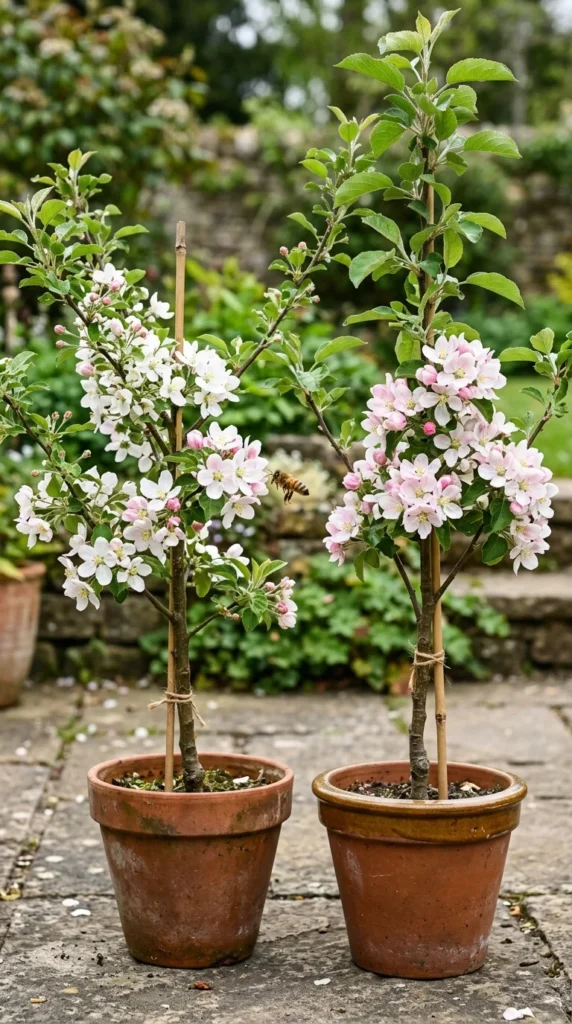
Many fruit trees are not self-fertile, meaning they require a second tree of a different variety to bloom at the same time for cross-pollination. In a small space, you might not have room for two trees. To solve this, look for “self-fertile” varieties, such as Stella cherries or many types of peaches and apricots. Alternatively, you can purchase “multi-graft” or “family” trees, where two or three different varieties are grafted onto a single trunk. This allows you to have a self-pollinating orchard in the space of a single pot. If you do have room for two, ensure they are placed within 50 feet of each other so that bees and other pollinators can easily travel between them.
9. Irrigation Strategies
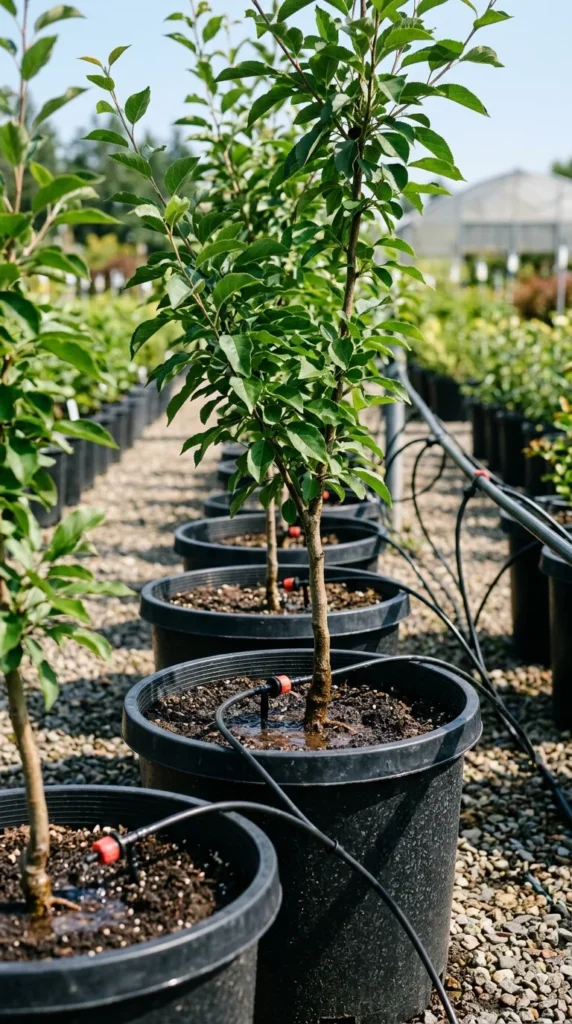
Consistency is the secret to fruit quality. Small containers and raised beds dry out much faster than the open ground. If a tree experiences “drought stress” while the fruit is developing, it may drop its crop prematurely or produce cracked, bitter fruit. For small spaces, an automated drip irrigation system is the most efficient choice. These systems deliver water directly to the root zone, reducing evaporation and preventing water from getting on the leaves, which can lead to fungal diseases. During the peak of summer, a container-grown tree may need watering every single day, especially if it is in a porous pot like terracotta.
10. Winter Protection
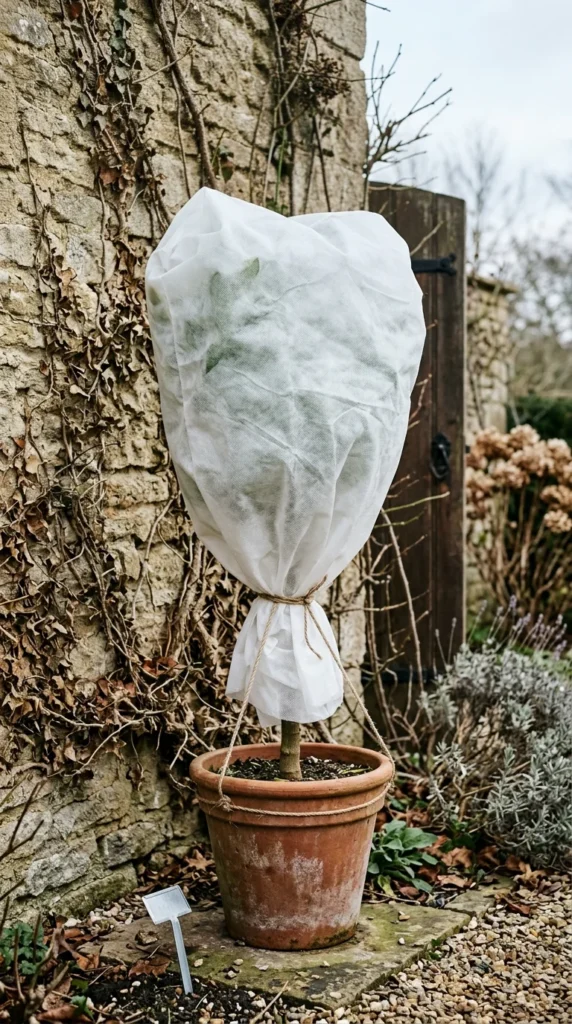
Trees in small spaces, particularly those in containers, are more vulnerable to temperature extremes. In winter, the roots of a potted tree are not insulated by the mass of the earth, making them susceptible to freezing. If you are growing fruit that is slightly “marginal” for your climate—such as a lemon tree in a temperate zone—you must have a plan for winter. This might involve wrapping the pot in burlap or bubble wrap, moving the container into a garage or unheated greenhouse, or using horticultural fleece to protect the branches from heavy frost. Selecting varieties that are hardy to at least two zones colder than your actual location can provide an extra safety net for container-grown specimens.