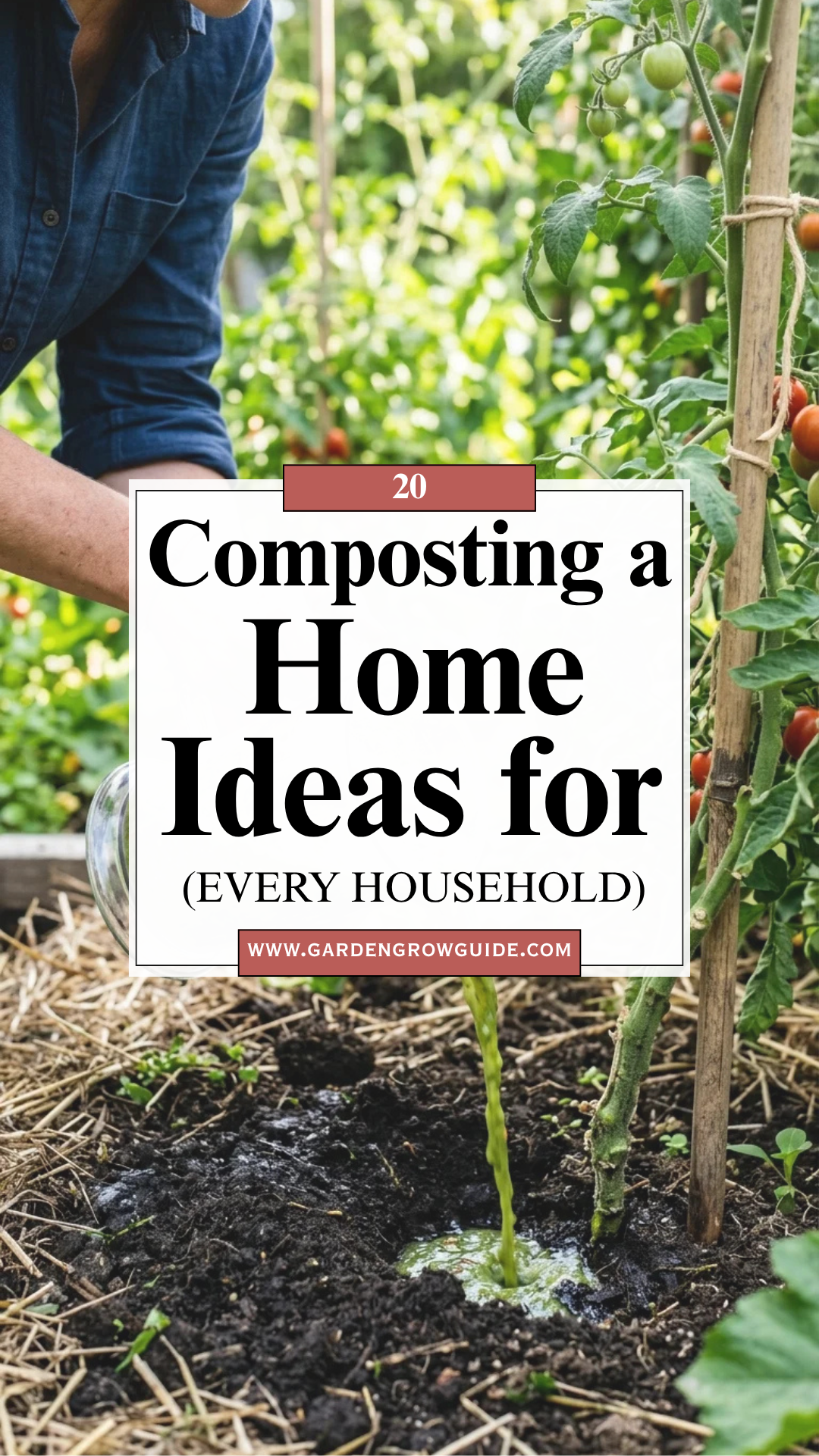
Composting is often called “black gold” by gardeners, and for good reason. It is a natural process that transforms organic waste—like kitchen scraps and yard trimmings—into a nutrient-rich soil conditioner. Beyond the benefits for your plants, composting significantly reduces the amount of waste sent to landfills, where organic matter releases methane, a potent greenhouse gas. Whether you live in a tiny city apartment or on a sprawling rural estate, there is a composting method that fits your lifestyle.
1. Tumbling Bin
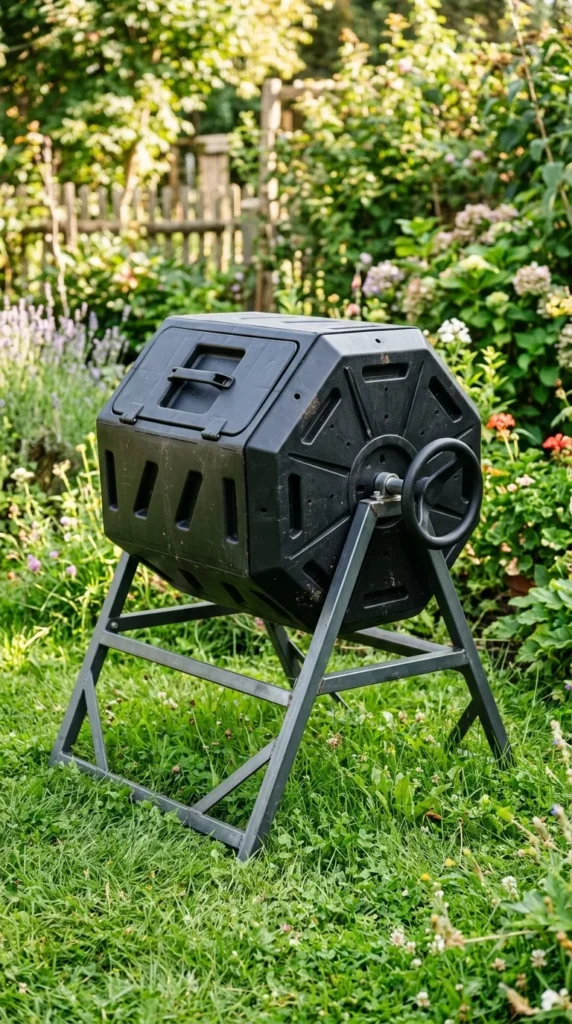
A tumbling composter is one of the most popular choices for suburban households. These bins consist of a drum—usually made of heavy-duty plastic—mounted on a frame that allows it to be rotated easily.
- How it works: You add your “greens” (nitrogen-rich scraps like vegetables) and “browns” (carbon-rich materials like dried leaves). Every few days, you give the handle a few turns.
- Pros: The rotation aerates the mixture, speeding up decomposition and preventing odors. It is also pest-proof due to its enclosed design and elevation.
- Best for: People who want finished compost quickly without the physical labor of turning a pile with a pitchfork.
2. Vermicomposting
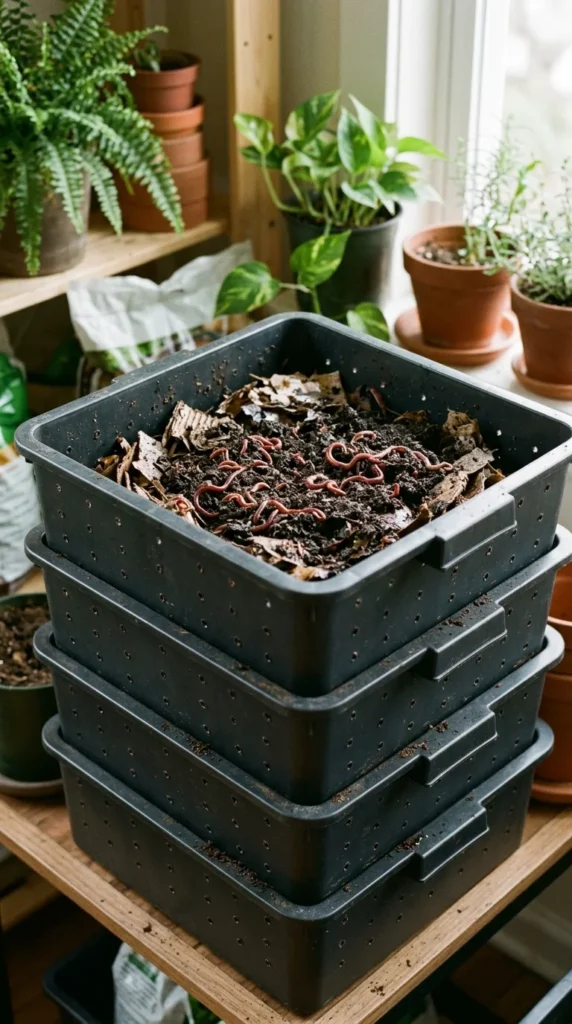
Vermicomposting uses specific types of earthworms, usually Red Wigglers, to break down organic matter. This method is incredibly efficient and produces “worm castings,” which are among the most nutrient-dense fertilizers available.
- How it works: You set up a “worm hotel” with layers of bedding (shredded cardboard or newspaper) and add your food scraps. The worms eat the waste and leave behind castings.
- Pros: It can be done entirely indoors (under a sink or in a closet) because it is virtually odorless when maintained correctly.
- Best for: Apartment dwellers or those without outdoor space.
3. Bokashi Bucket
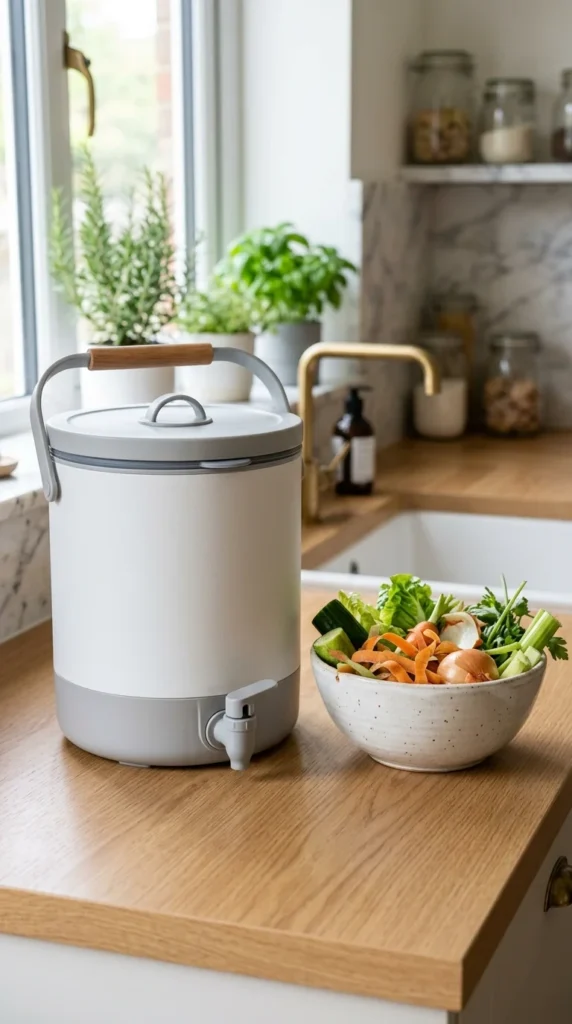
Bokashi is a Japanese method that uses fermentation rather than traditional aerobic decomposition. It utilizes a specific microbial bran to “pickle” the waste.
- How it works: You place scraps into an airtight bucket and sprinkle Bokashi bran over each layer. Once the bucket is full, it sits for two weeks.
- Pros: Unlike other methods, you can compost meat, dairy, and oily foods in a Bokashi system. It is very compact.
- Best for: Small kitchens and households that produce a variety of food waste types.
4. Hot Pile
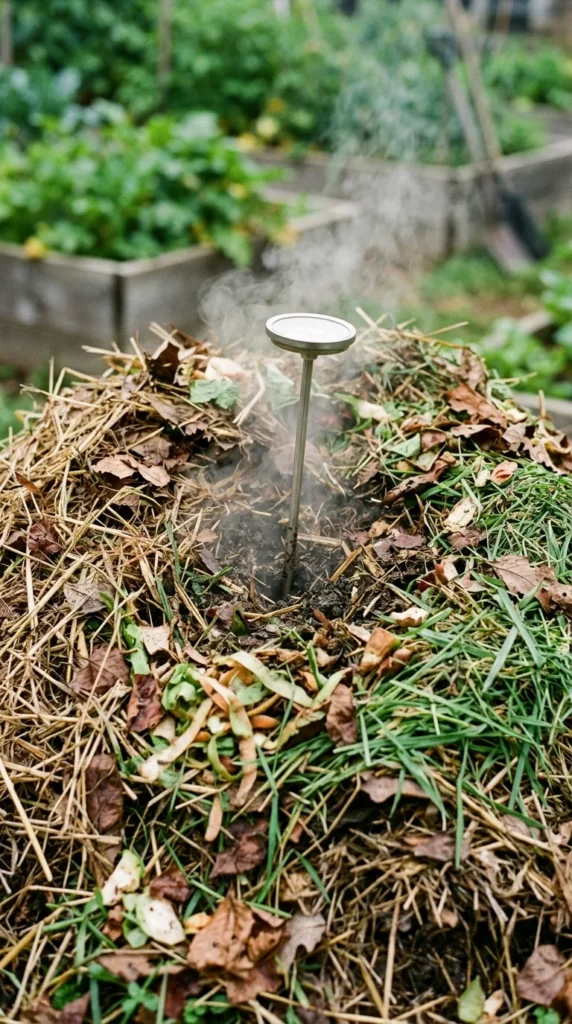
Hot composting is the “pro” level of traditional composting. It requires a specific ratio of carbon to nitrogen (usually 30:1) and a minimum size (at least 3x3x3 feet) to generate internal heat.
- How it works: The mass of the pile allows thermophilic bacteria to thrive, raising the internal temperature to between 130°F and 160°F.
- Pros: It kills weed seeds and pathogens, and can produce finished compost in as little as four to six weeks.
- Best for: Avid gardeners with plenty of yard waste and the time to monitor temperatures.
5. Cold Pile
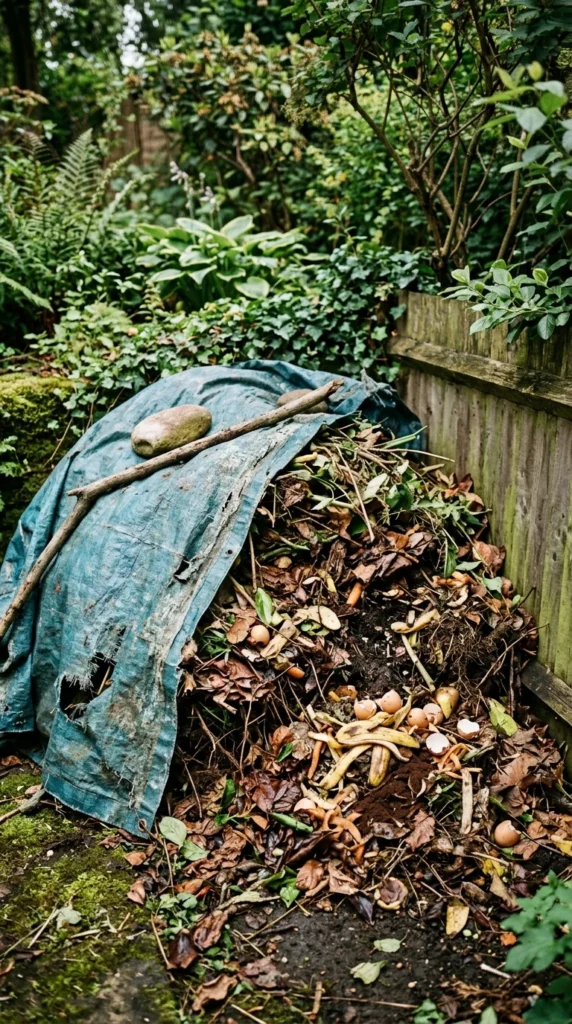
Also known as “passive composting,” this is the easiest method available. It requires almost zero effort beyond simply piling up your organic waste.
- How it works: You add materials as you have them and let nature take its course. Fungi and slow-moving bacteria do the work over a long period.
- Pros: No turning, no measuring, and no special equipment required.
- Best for: People with extra space who are in no rush to use the finished product.
6. Trench Composting
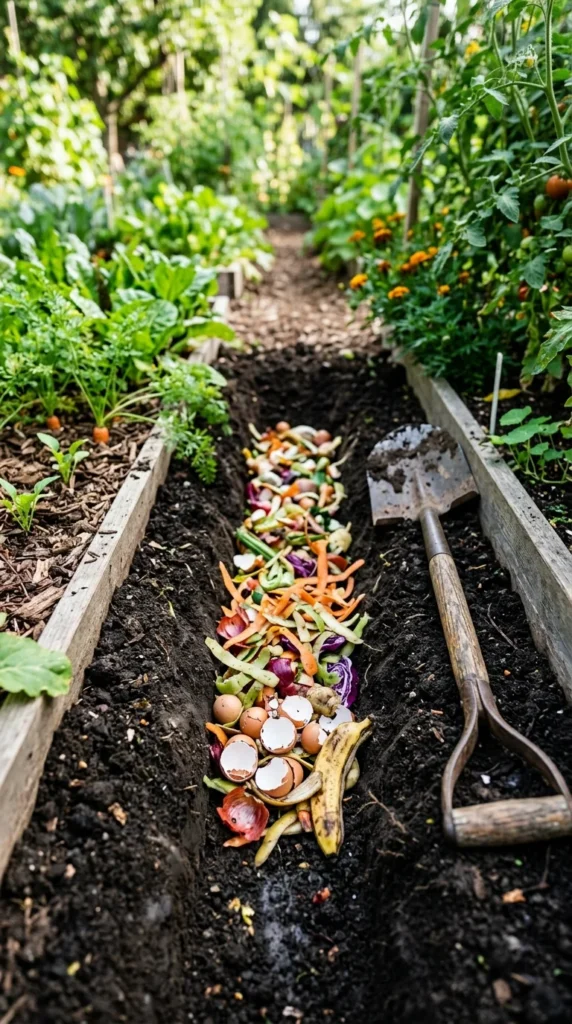
Trench composting is an invisible method where you bury your waste directly in the garden soil.
- How it works: Dig a hole or trench about 12 inches deep, drop in your kitchen scraps, and cover them with soil. The waste decomposes underground over several months.
- Pros: There is no “bin” to look at, no smell, and no maintenance. The nutrients are delivered directly to the roots of nearby plants.
- Best for: Vegetable gardeners who want to improve their soil structure without managing a pile.
7. Electric Composter
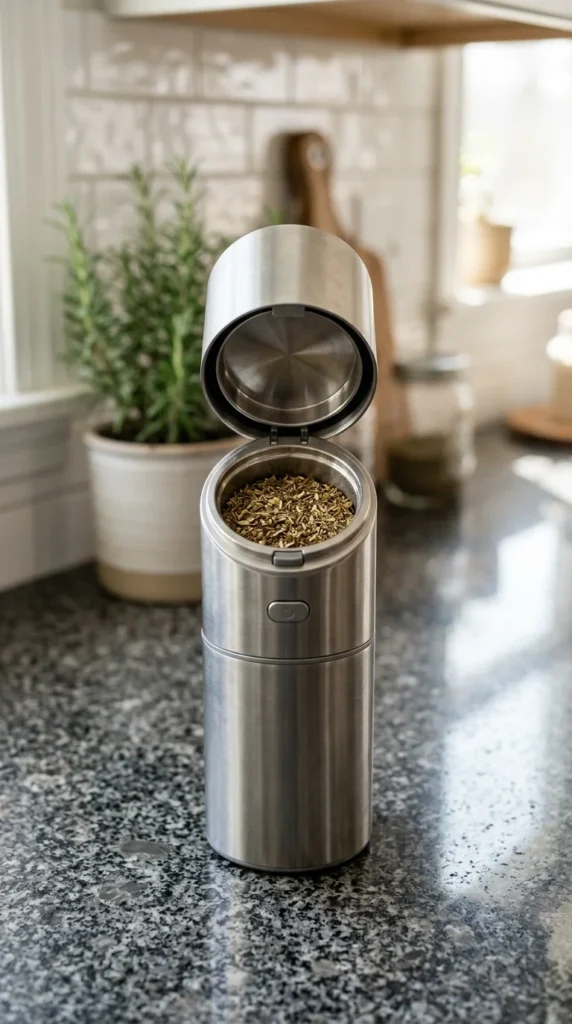
For those who want the ultimate convenience, electric countertop composters (or “food recyclers”) use heat and grinding blades to process waste in hours.
- How it works: You put your scraps into the machine, press a button, and it dehydrates and grinds the food into a dry, soil-like substance.
- Pros: Extremely fast (4-8 hours), fits on a counter, and creates no odors.
- Best for: Tech-savvy individuals and those who want zero-mess indoor waste management.
8. Straw Bales
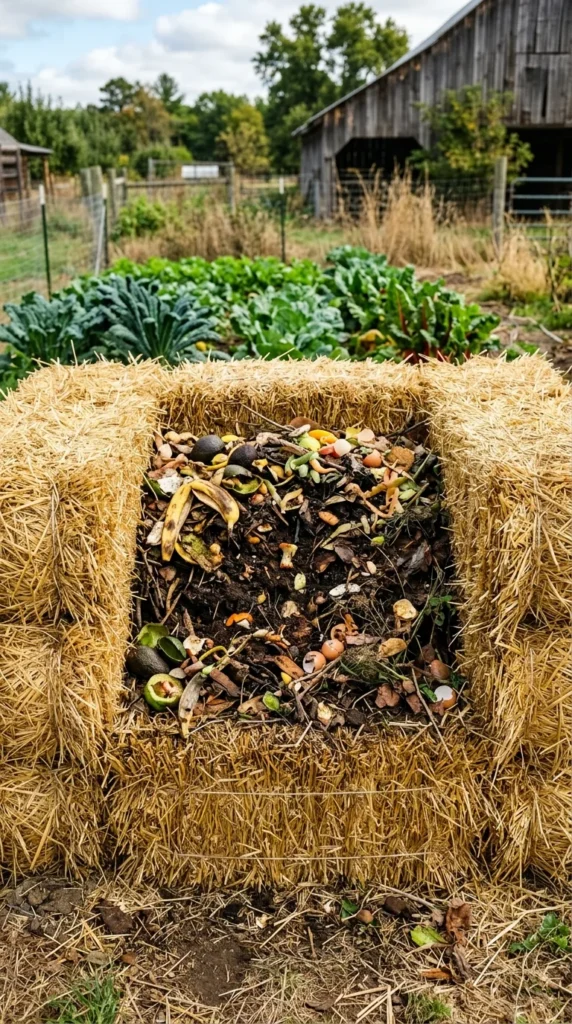
Using straw bales to create a composting enclosure is a rustic and highly effective DIY method.
- How it works: Arrange four or five straw bales into a square or “U” shape. Fill the center with your compostable materials. As the contents decompose, the straw bales themselves eventually break down and can be added to the mix.
- Pros: The straw provides excellent insulation, helping the pile stay warm even in cooler weather.
- Best for: Large properties and budget-conscious gardeners.
9. Wire Mesh
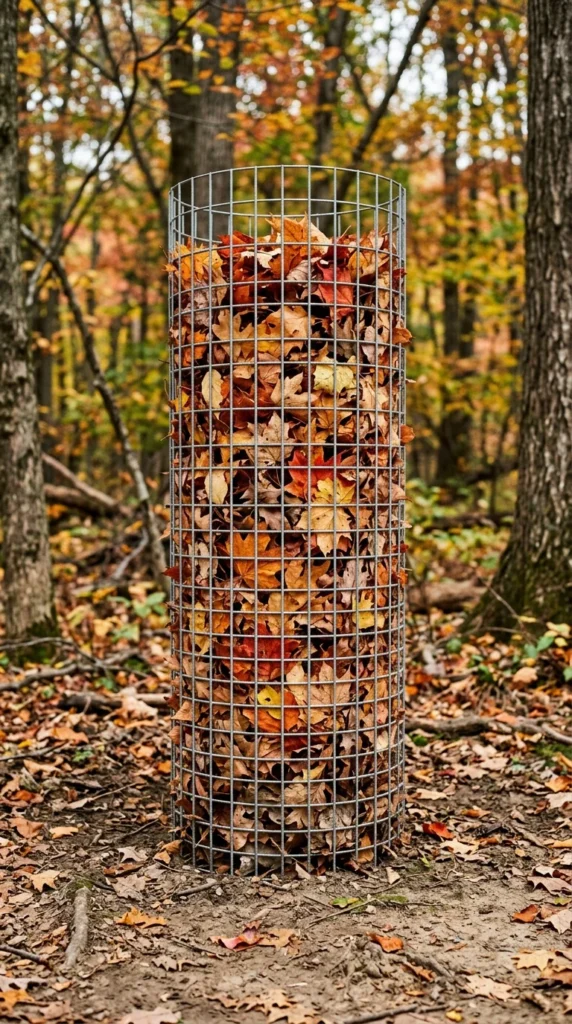
A wire mesh bin is a simple, lightweight, and inexpensive way to contain a compost pile while ensuring maximum airflow.
- How it works: You form a circle out of galvanized hardware cloth or poultry wire and secure it with ties. Fill it with yard waste and scraps.
- Pros: It is easy to move; when you need to turn the pile, you can simply lift the wire cage off, move it over a few feet, and fork the material back into it.
- Best for: Managing large amounts of “brown” materials like autumn leaves.
10. Wood Pallets
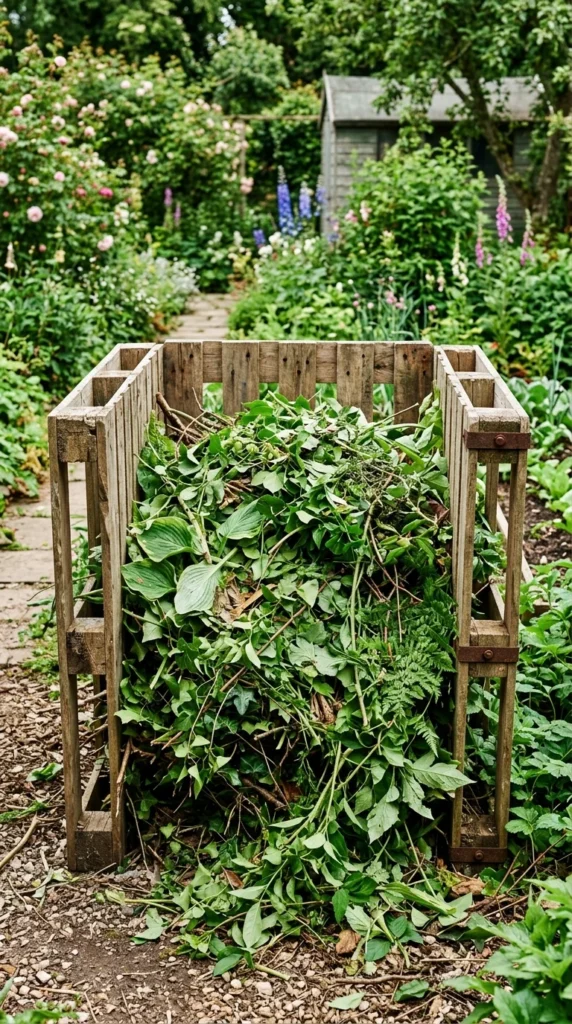
One of the most sustainable ways to compost is to build your bin out of recycled materials like wooden shipping pallets.
- How it works: Secure three or four pallets together using wire or brackets to create a large bin. The gaps between the slats provide natural ventilation.
- Pros: Extremely cheap (often free) and very durable.
- Best for: DIY enthusiasts and those with a medium-to-large backyard.
11. Green Cone
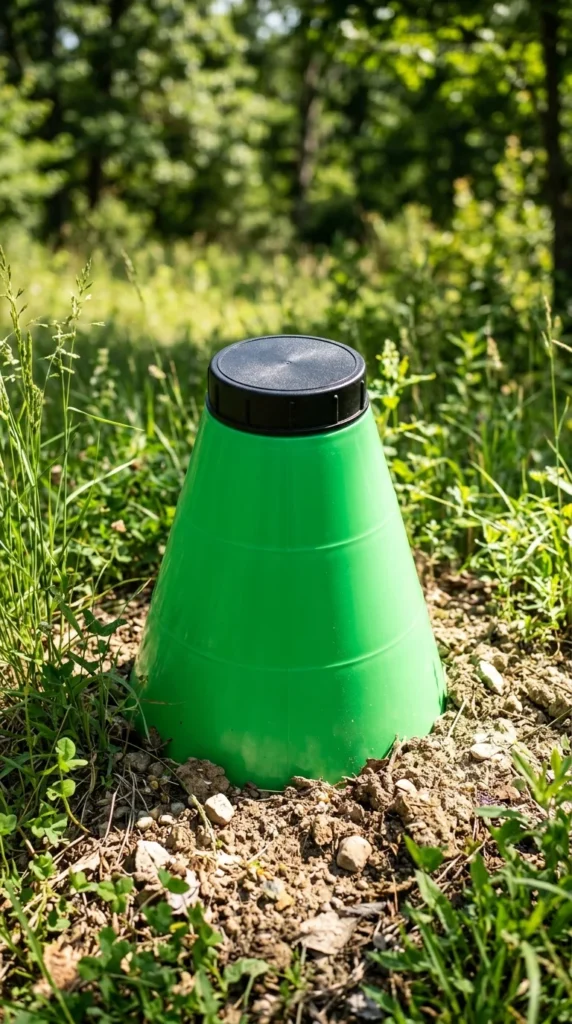
The Green Cone is a “solar digester.” Unlike traditional composters, its main goal is to dispose of waste rather than produce a soil amendment you can harvest.
- How it works: The bottom basket is buried in the ground, and the double-walled cone sits on top. Solar heat accelerates the breakdown of waste into a liquid that leaches into the surrounding soil.
- Pros: Can handle meat, bones, and pet waste (depending on local regulations). It requires zero turning.
- Best for: People who want to get rid of food waste without the intention of gardening.
12. Leaf Mold
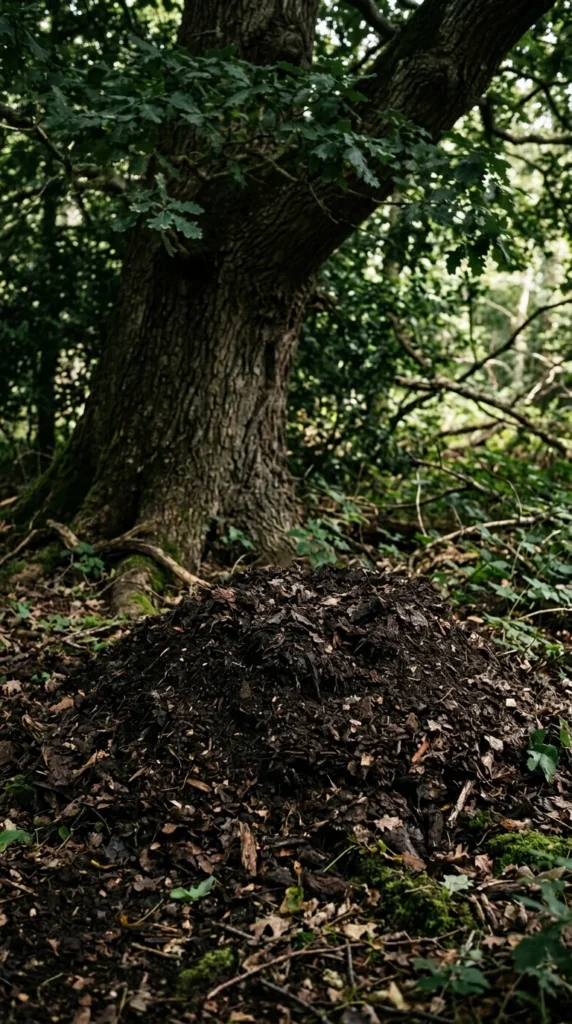
Leaf mold is a specific type of compost made entirely from fallen leaves. It is a slow process but results in a fantastic soil conditioner that improves water retention.
- How it works: Gather leaves into a pile or a wire bin, dampen them, and let them sit for one to two years. Fungi do most of the work here.
- Pros: Produces a high-quality mulch that is excellent for delicate seedlings.
- Best for: Homeowners with many deciduous trees.
13. Pit Composting
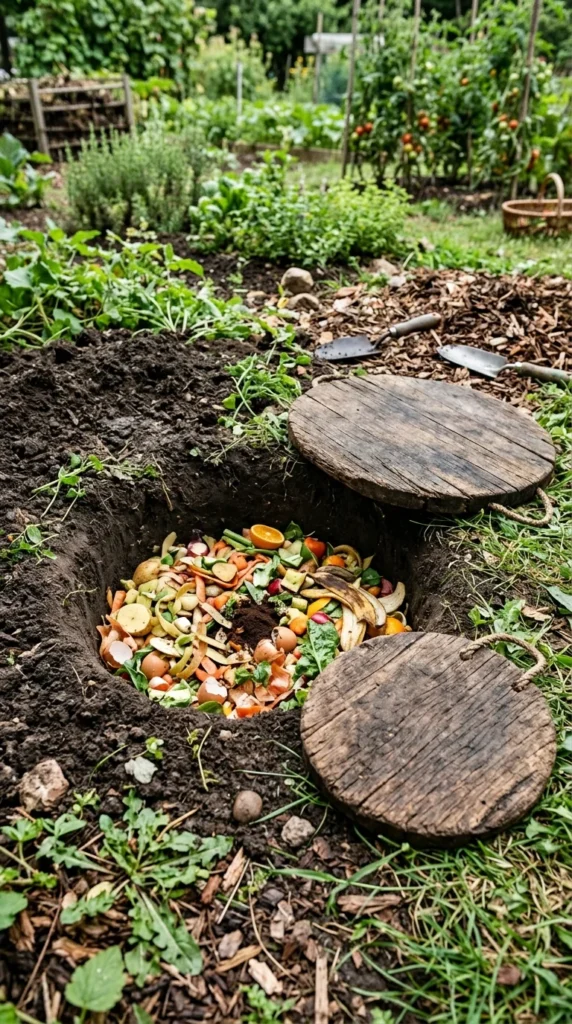
Pit composting is essentially a more permanent version of trench composting.
- How it works: Dig a deep pit (about 2-3 feet) and fill it with waste over time. Once it is nearly full, cover it with a layer of soil and start a new pit.
- Pros: The ground provides insulation, keeping the process going even in winter. It is completely hidden from view.
- Best for: Rural areas or large gardens where aesthetics are a priority.
14. Countertop Collection
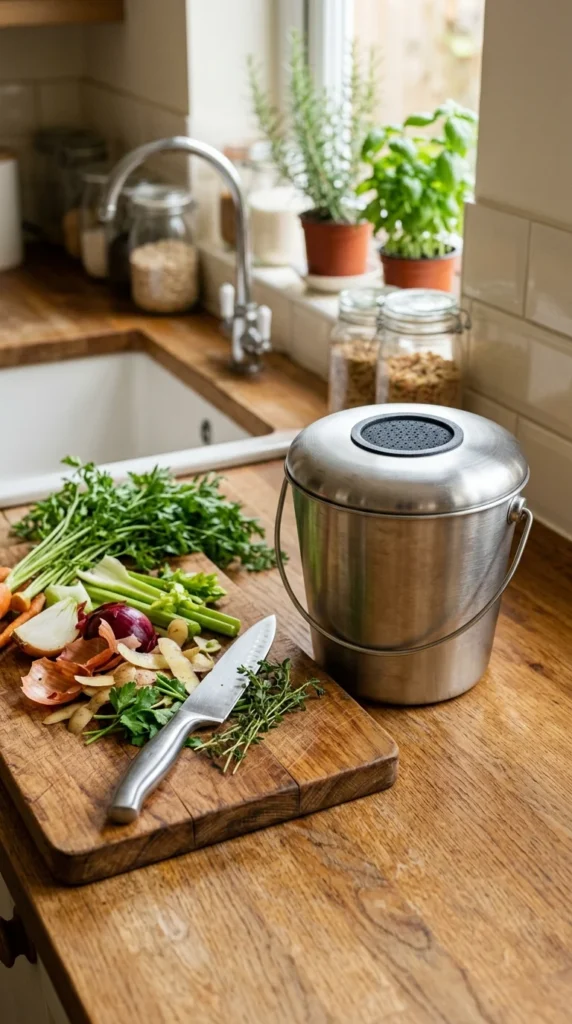
If you don’t want to compost at home but want to participate in a municipal program, a countertop collection bin is your best friend.
- How it works: You collect scraps daily and then empty the small bin into a larger curbside bin provided by your city or a private pickup service.
- Pros: Keeps the kitchen tidy and makes it easy to separate waste at the source.
- Best for: People living in cities with green waste pickup services.
15. Hugelkultur
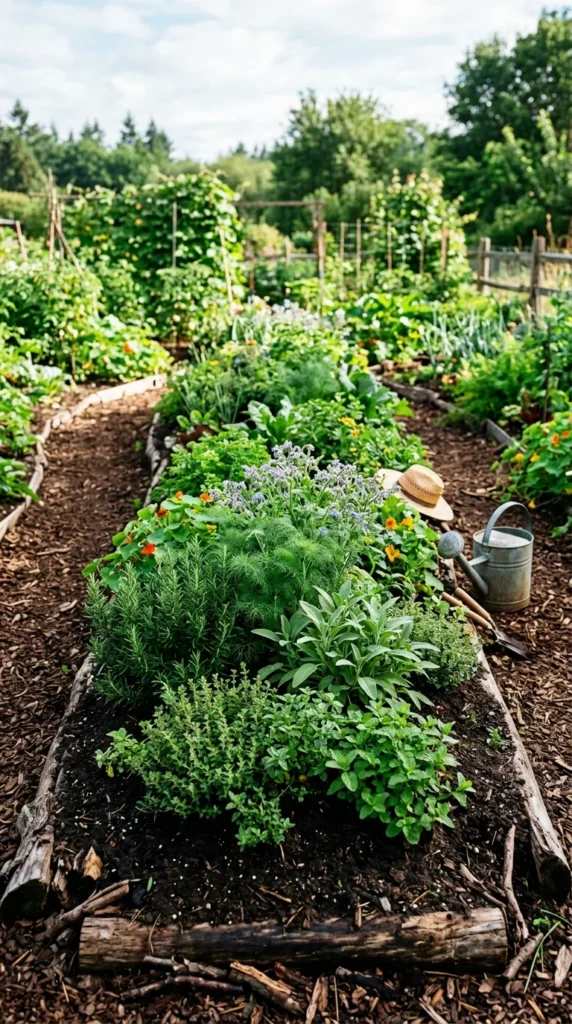
Hugelkultur is a German horticultural technique that involves building “mound beds” over rotting wood.
- How it works: You stack logs, branches, and woody debris, then cover them with compost, soil, and straw. You plant directly into the mound.
- Pros: The wood acts like a sponge, holding water and slowly releasing nutrients over several years as it decays.
- Best for: Permaculture enthusiasts and areas with poor soil or low rainfall.
16. Trash Can
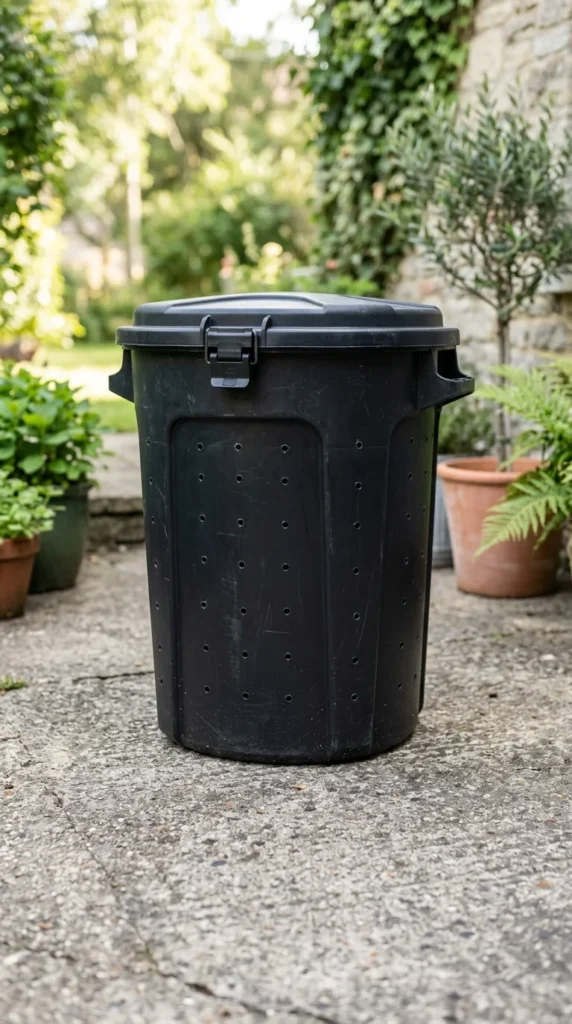
You can easily convert a standard plastic trash can into a functional compost bin.
- How it works: Drill dozens of small holes into the sides and bottom of a trash can to allow for drainage and airflow. Fill it with organic material.
- Pros: Low cost and portable. The lid keeps pests out and retains moisture.
- Best for: Small backyards or renters who need a portable system.
17. Community Composting
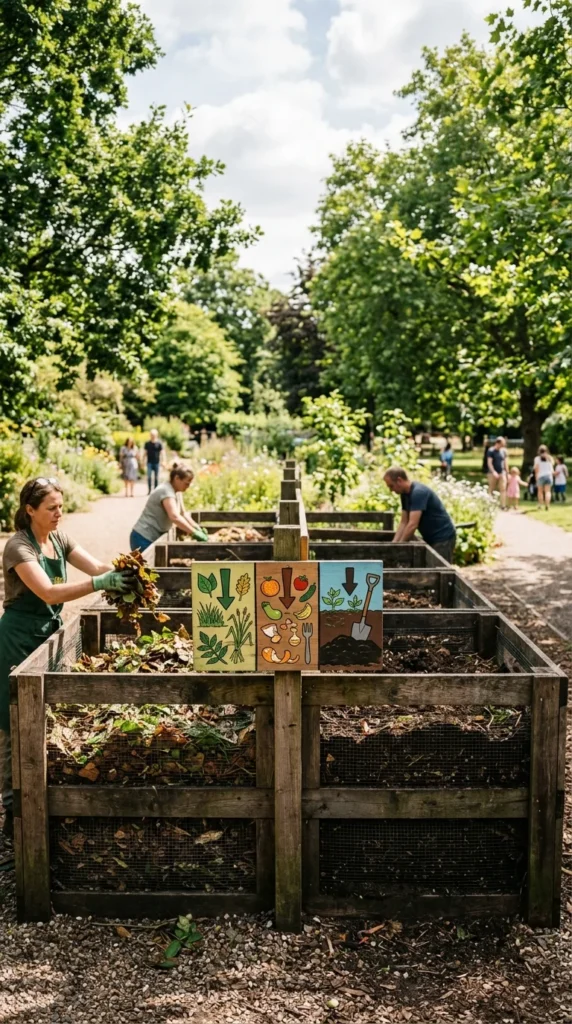
If you lack space or interest in managing a bin, community composting allows you to drop off your scraps at a shared site.
- How it works: You bring your kitchen waste to a community garden, school, or local hub where volunteers manage large-scale piles.
- Pros: No maintenance on your part, and it fosters community engagement.
- Best for: Urban dwellers and those who enjoy social environmentalism.
18. Soil Injection
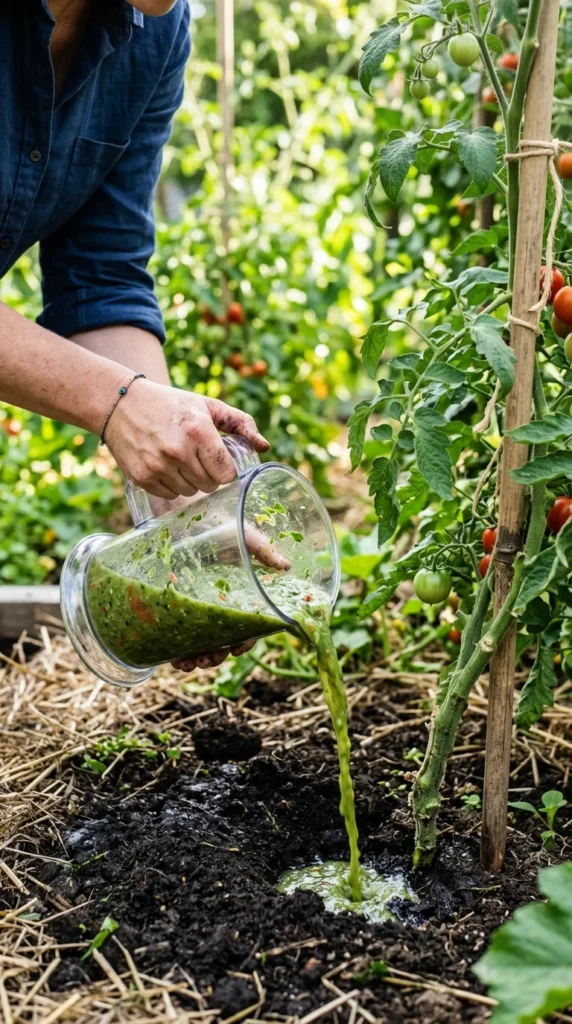
This is a modern, high-speed take on trench composting often called “blender composting.”
- How it works: You take your daily kitchen scraps, put them in a blender with water, and liquefy them. You then pour this “smoothie” directly into the soil around your plants.
- Pros: Nutrients are immediately available to soil microbes, and there is zero visible waste.
- Best for: People with indoor houseplants or very small outdoor flower beds.
19. 3-Bin System
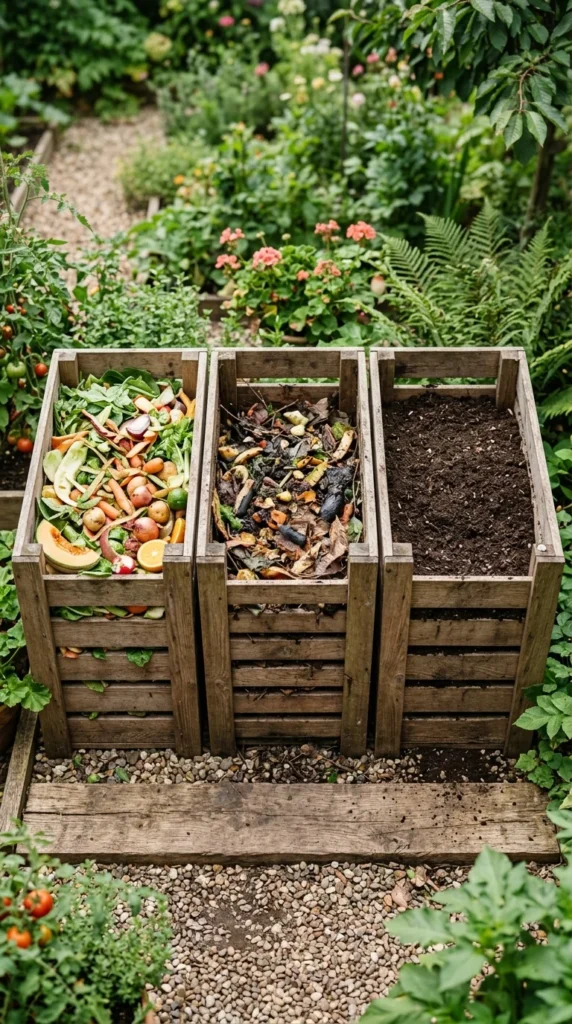
The three-bin system is the gold standard for high-volume composting.
- How it works: One bin is for “active” filling, the second is for “cooking” (decomposing), and the third holds “finished” compost ready for the garden. You move material from one to the next as it breaks down.
- Pros: Provides a continuous supply of compost and keeps the process highly organized.
- Best for: Serious gardeners and large families with lots of organic waste.
20. Bio-digester
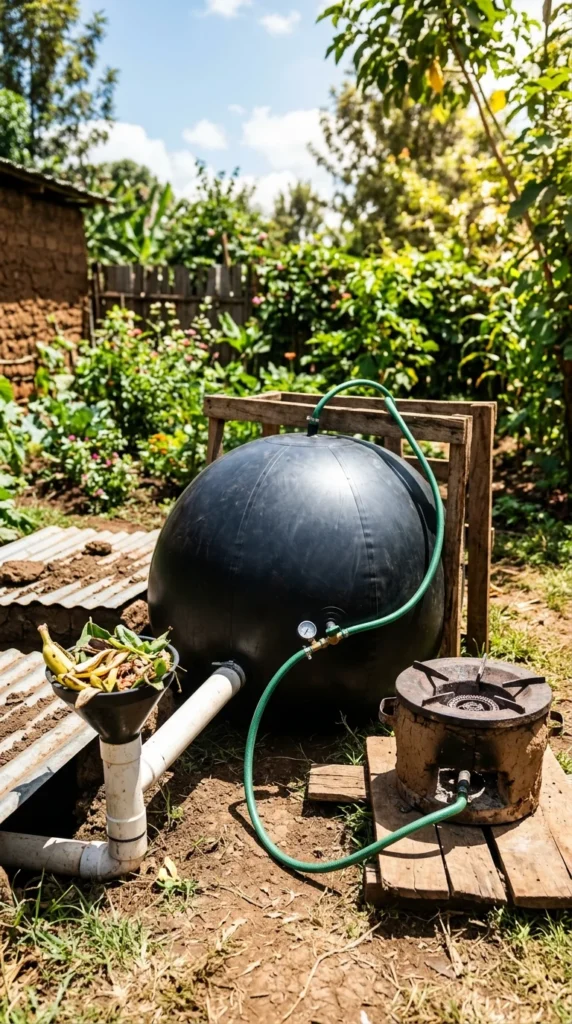
A home bio-digester is an advanced system that turns food waste into both liquid fertilizer and biogas for cooking.
- How it works: Using anaerobic (oxygen-free) digestion, the machine breaks down waste and captures the methane produced. This gas is piped to a specialized stove.
- Pros: It provides a renewable energy source and handles “difficult” waste like meat and fats.
- Best for: Eco-pioneers and households looking for off-grid solutions.