
Growing your own berries is one of the most rewarding endeavors for any home gardener. Unlike store-bought varieties, which are often picked early for transport, home-grown berries can be harvested at the peak of ripeness, ensuring maximum sweetness and nutritional value. Whether you have a sprawling estate or a tiny balcony, there is a berry variety that will thrive in your space. This guide explores 20 creative and easy berry garden ideas to help you cultivate a bountiful harvest.
1. Strawberries
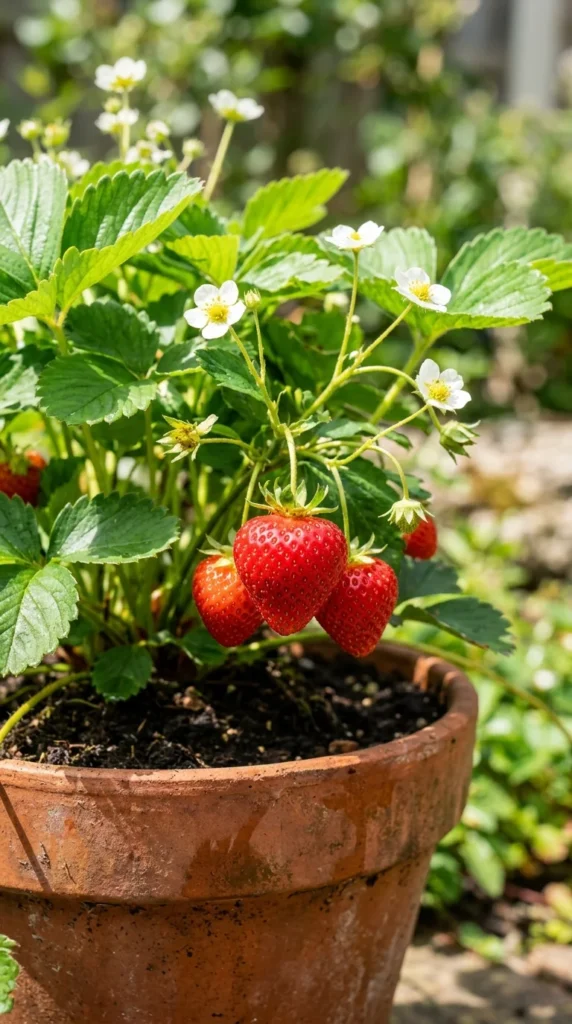
Strawberries are the quintessential starter berry for home growers. They are incredibly versatile, growing well in traditional garden beds, raised planters, or hanging baskets. For continuous harvests, choose “everbearing” or “day-neutral” varieties, which produce fruit from late spring until the first frost. If you prefer a massive summer blowout for jam-making, “June-bearing” varieties are your best bet. Ensure they receive at least six to eight hours of direct sunlight and well-draining soil to prevent root rot.
2. Blueberries
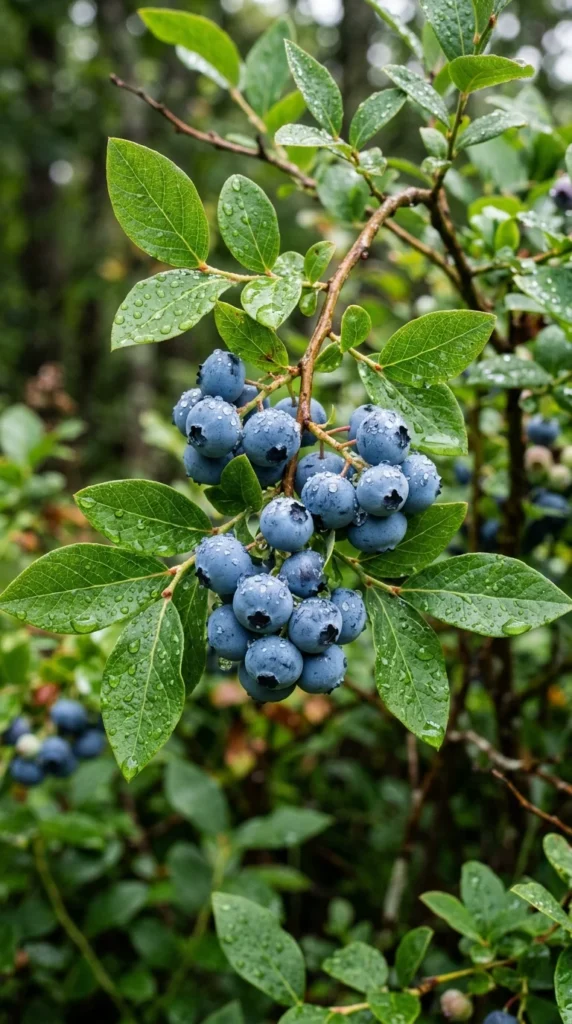
Blueberries are as ornamental as they are delicious. In the spring, they produce delicate bell-shaped flowers, and in the autumn, their foliage turns a stunning fiery red. The secret to success with blueberries is soil acidity; they require a low pH between 4.5 and 5.5. Many home growers find success planting them in large containers using an ericaceous (acidic) potting mix. Planting at least two different varieties will encourage cross-pollination and result in larger, more abundant fruit.
3. Raspberries
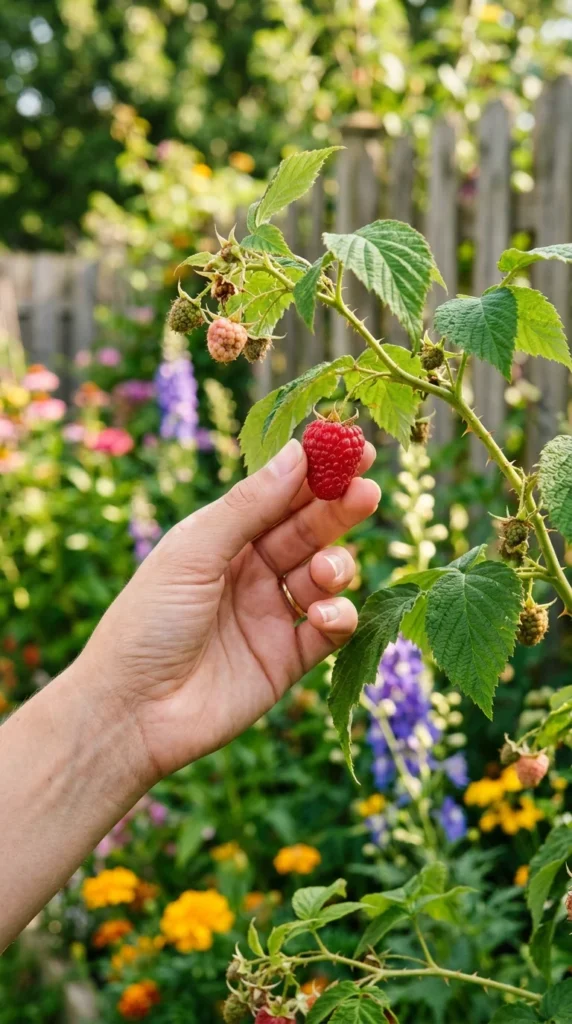
Raspberries come in two main types: summer-fruiting and autumn-fruiting (everbearing). Summer-fruiting types produce fruit on two-year-old canes, while autumn-fruiting types produce on new wood. This means you can simplify your pruning by cutting autumn varieties all the way to the ground in late winter. They prefer a sunny spot with shelter from strong winds. Because they can spread via underground runners, many gardeners choose to grow them in dedicated trenches or large raised beds.
4. Blackberries
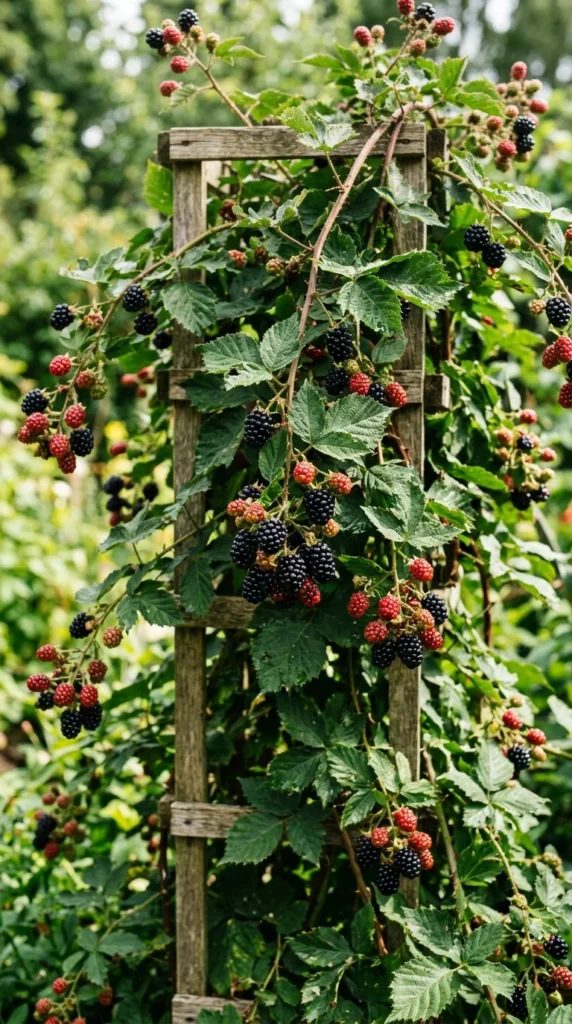
Modern blackberry cultivars have come a long way from their wild, thorny ancestors. Today, home growers can choose “thornless” varieties, making the harvest a pain-free experience. Blackberries are vigorous growers and benefit significantly from a trellis or wire support system. They are exceptionally hardy and can tolerate a wider range of soil types than many other berries, though they still crave plenty of organic matter and consistent moisture during the fruiting season.
5. Elderberries
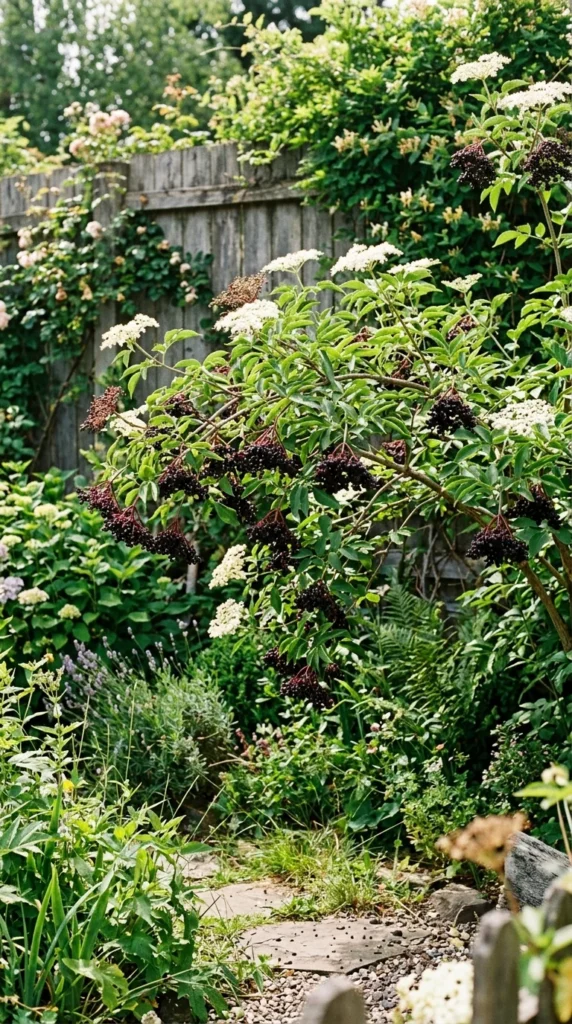
Elderberries are a fantastic addition to a “food forest” or a wilder corner of the garden. While the berries shouldn’t be eaten raw due to mild toxicity, they are incredible when cooked into syrups, jellies, or wines. They are also highly prized for their immune-boosting properties. Elderberry shrubs are fast-growing and can reach heights of 10 to 12 feet, making them excellent for privacy screens. They love damp soil and can even handle “wet feet” better than most fruit plants.
6. Currants
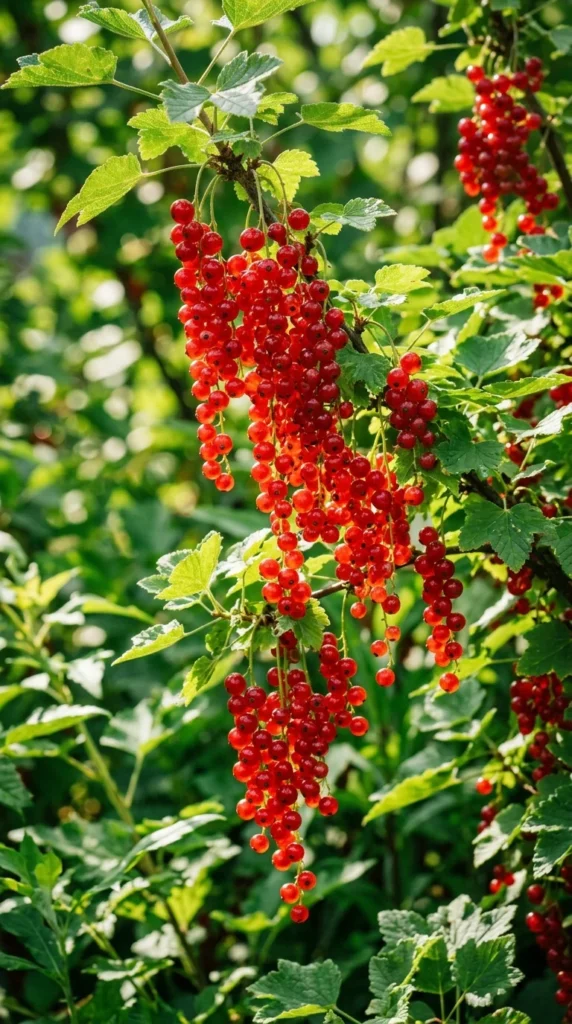
Red, black, and white currants offer a tart, sophisticated flavor profile that is hard to find in supermarkets. Red and white currants are usually eaten fresh or used in desserts, while black currants have a deep, earthy flavor perfect for cordials and jams. They are unique because they are quite shade-tolerant, making them ideal for gardens with less-than-perfect sun exposure. They prefer cool, moist conditions and benefit from a thick layer of mulch.
7. Gooseberries
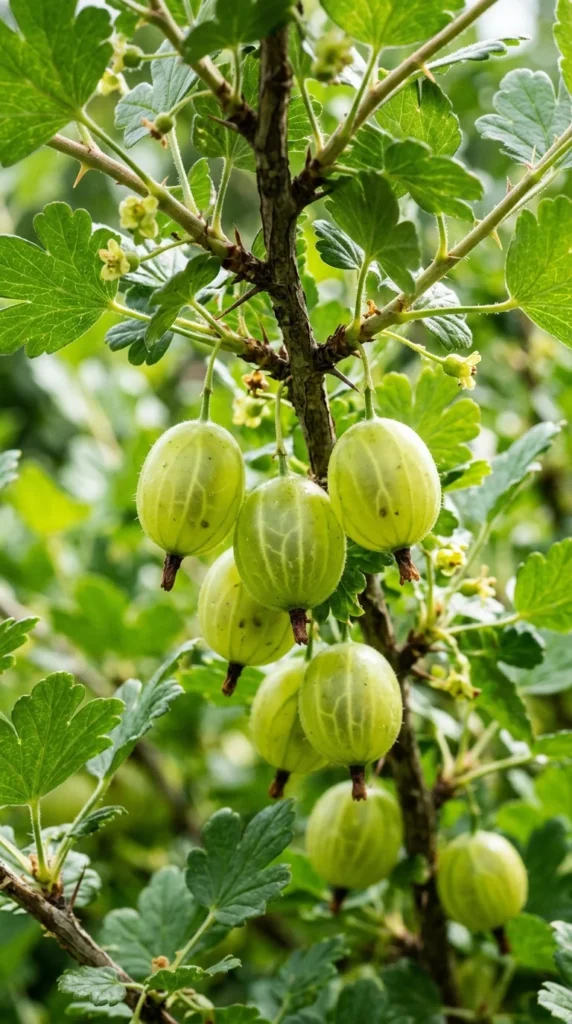
Gooseberries are a nostalgic favorite that produces large, grape-like fruits with a unique tangy-sweet flavor. They are exceptionally hardy and thrive in cooler climates. Some varieties are specifically bred for eating fresh (dessert types), while others are better suited for cooking. Note that gooseberry bushes often have sharp spines, so look for “Invicta” or other modern varieties that are easier to handle. They respond well to “spur pruning” to keep the center of the bush open for airflow.
8. Mulberries
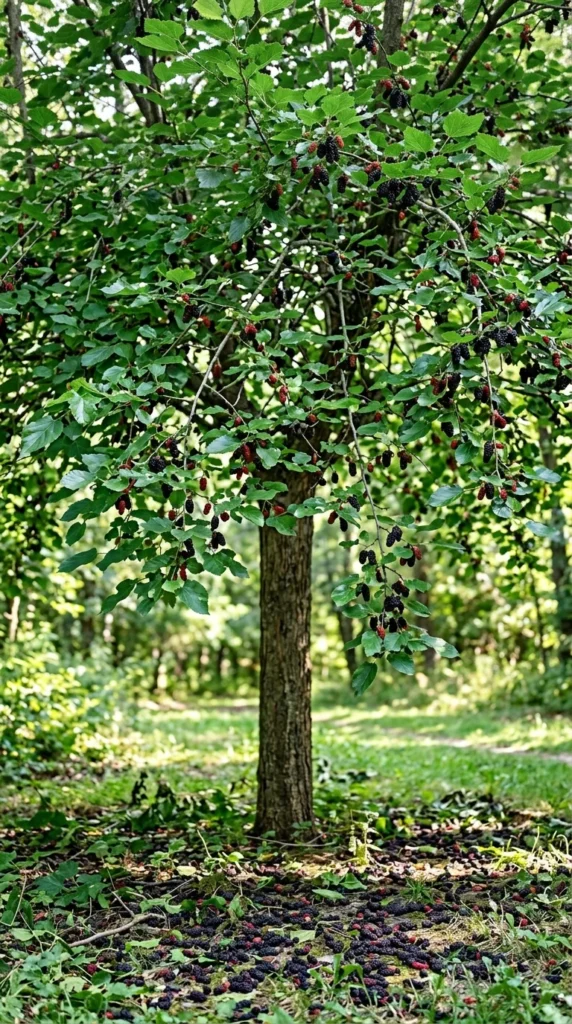
If you have the space, a mulberry tree is a gift that keeps on giving. These trees are incredibly prolific, dropping hundreds of sweet, blackberry-like fruits over several weeks. For home gardens, the “Everberry” or dwarf varieties are recommended to keep the height manageable. Be mindful of where you plant them, as the dark juice from fallen berries can stain walkways and patios. They are very low-maintenance once established and can live for decades.
9. Goji Berries
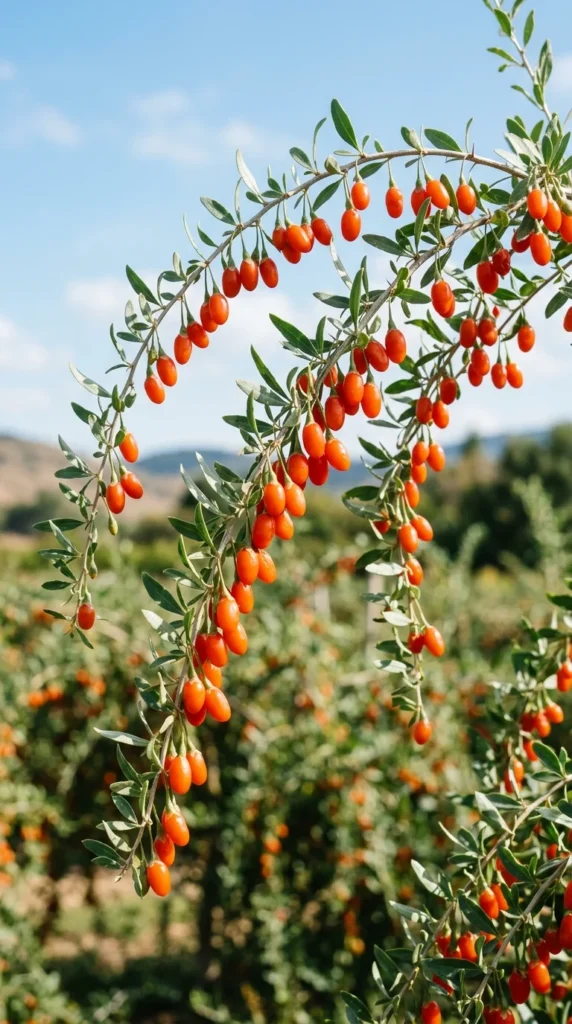
Often marketed as a “superfood,” goji berries are surprisingly easy to grow at home. These deciduous shrubs are drought-tolerant and can handle poor soil conditions, though they produce more fruit in well-drained, sunny spots. The berries have a mild, slightly savory sweetness and are often dried for use in smoothies or teas. Because the plants have a sprawling, vine-like habit, they are often staked or grown against a fence to keep the fruit off the ground.
10. Honeyberries
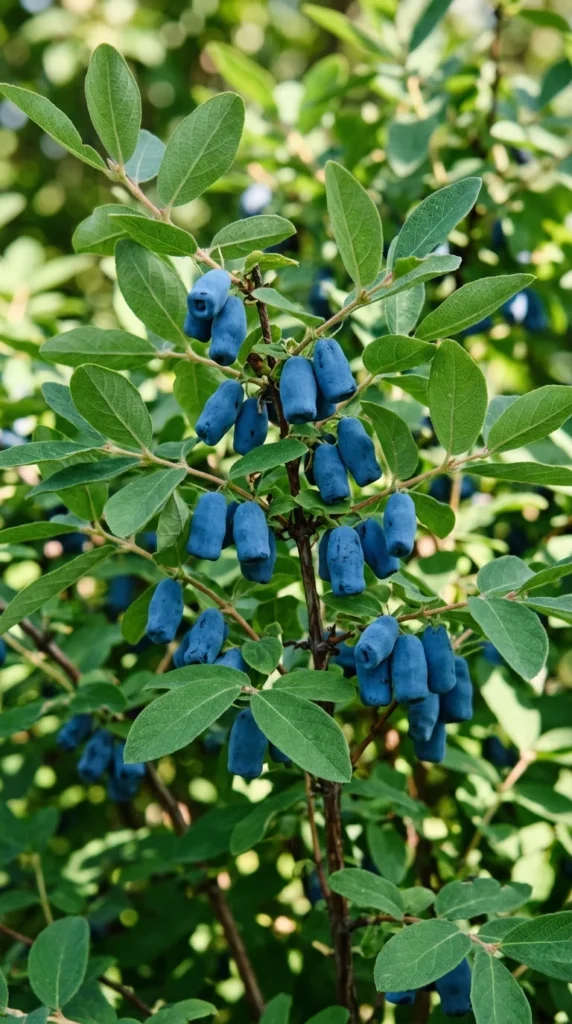
Also known as Haskaps, honeyberries are one of the first fruits to ripen in the spring, often beating strawberries to the table. They are incredibly cold-hardy, surviving temperatures as low as -40 degrees Fahrenheit. The flavor is a delightful mix of blueberry, raspberry, and a hint of tartness. Like blueberries, they need a partner for pollination, so be sure to plant two different varieties that bloom at the same time. They are not picky about soil pH, making them an easier alternative to blueberries in alkaline areas.
11. Serviceberries
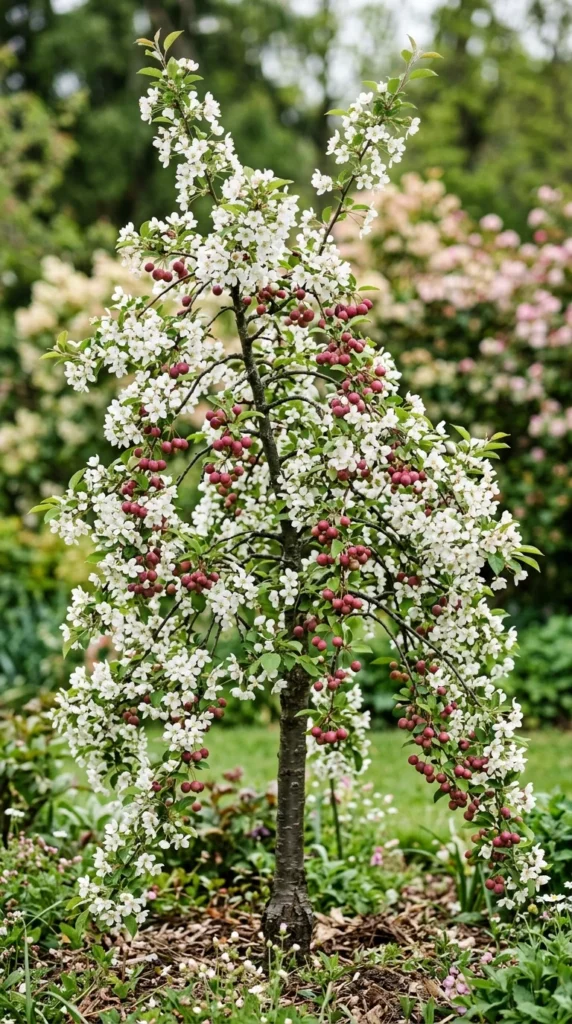
Serviceberries (also known as Juneberries or Saskatoon berries) are the perfect “edible landscaping” plant. In spring, they are covered in white flowers; in summer, they produce berries that taste like a cross between a blueberry and an almond; and in fall, the leaves turn brilliant shades of orange and gold. They can be grown as large shrubs or small multi-stemmed trees. They are highly adaptable and very attractive to songbirds, so you may need netting if you want to keep the harvest for yourself.
12. Lingonberries
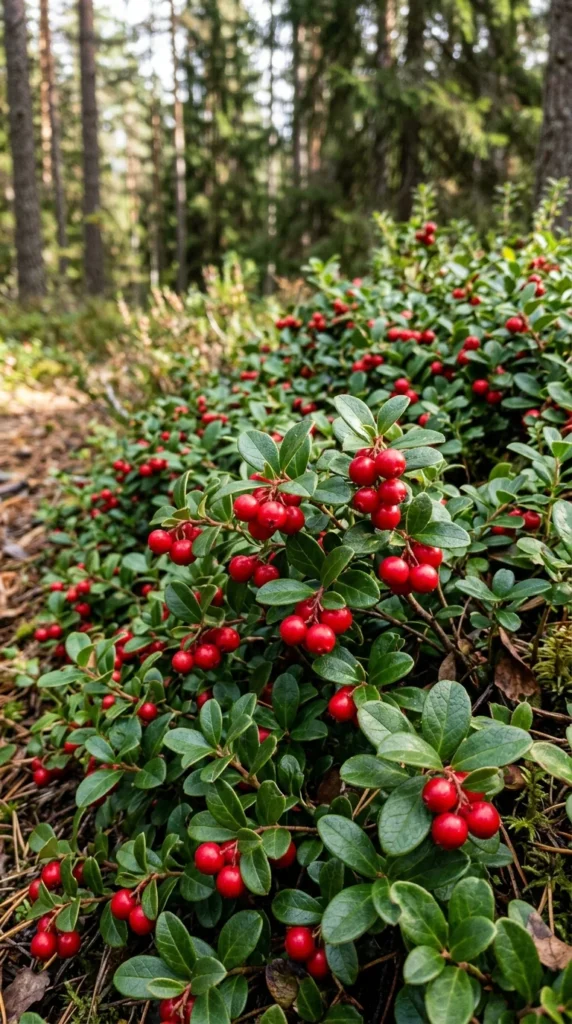
Lingonberries are a staple of Scandinavian cuisine and make a wonderful evergreen groundcover for acidic soils. They are low-growing (usually under 12 inches) and spread slowly via runners. The berries are quite tart and are best used in sauces for savory dishes or sweetened into jams. Because they are native to boreal forests, they are extremely cold-tolerant and prefer partial shade in hotter climates. They look beautiful as an edging plant in a blueberry patch.
13. Boysenberries
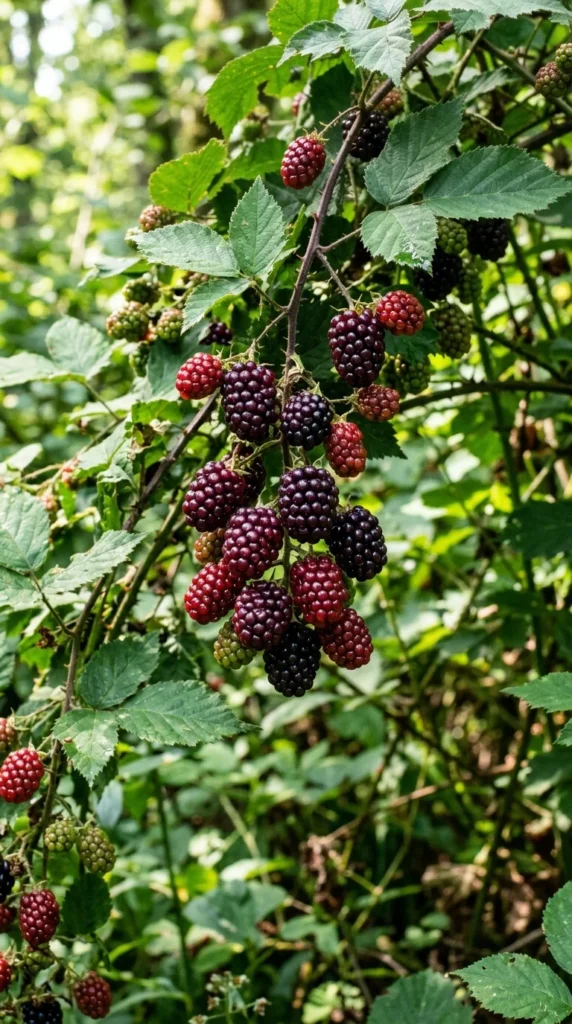
A complex hybrid of a blackberry, raspberry, and loganberry, the boysenberry is famous for its large size and rich, wine-like flavor. These berries are very soft when ripe, which is why you rarely see them in stores—they simply don’t travel well. This makes them a “must-grow” for the home gardener. They are vigorous climbers and require a sturdy trellis. Because they fruit on second-year wood, keep track of which canes have already produced and prune them out after the harvest.
14. Loganberries
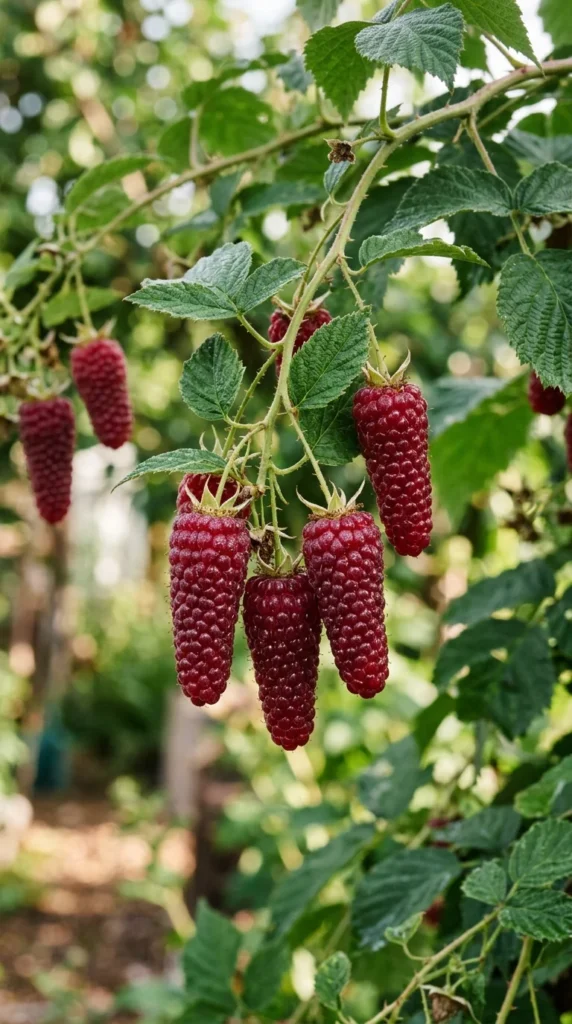
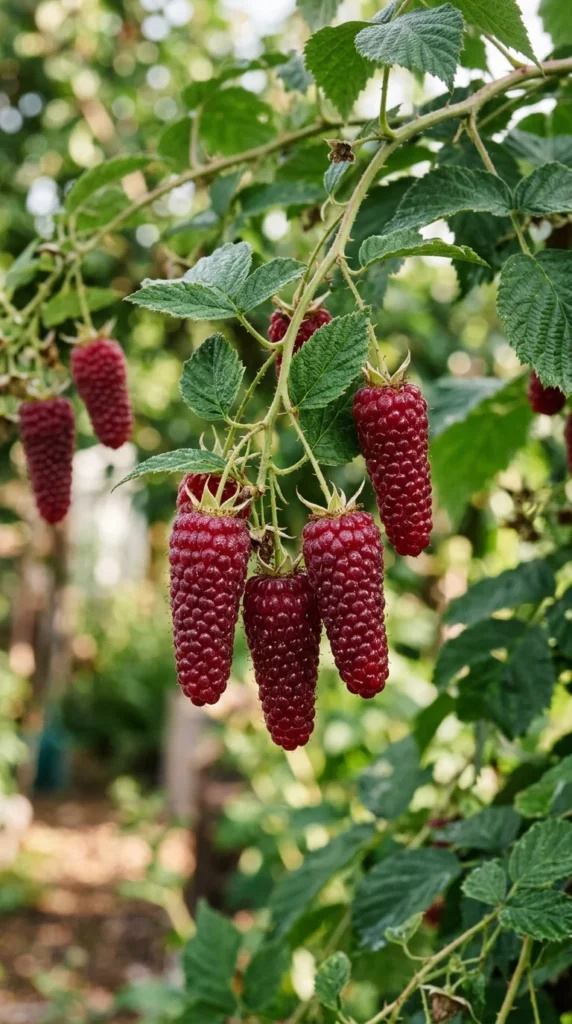
The loganberry was an accidental cross between a wild blackberry and a red raspberry. It inherited the vigor of the blackberry and the color of the raspberry. The fruit is generally longer and more tart than a raspberry, making it a favorite for pies and crumbles. Like many brambles, thornless versions are available and highly recommended for home gardens. They are very productive and generally more resistant to pests and diseases than their parent plants.
15. Salmonberries
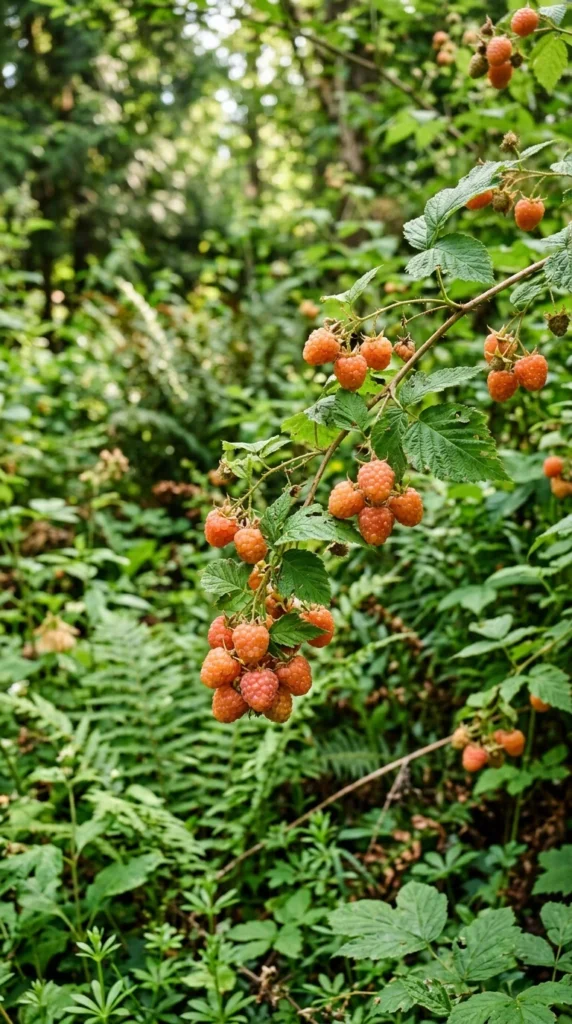
Native to the Pacific Northwest, salmonberries thrive in moist, shady environments where other berries might struggle. They produce beautiful pink flowers followed by fruit that ranges from yellow to deep reddish-orange. The flavor is milder and more watery than a raspberry, but they are a delight to forage in your own backyard. They are perfect for a “wild” garden aesthetic or a damp corner that receives limited direct sun.
16. Huckleberries
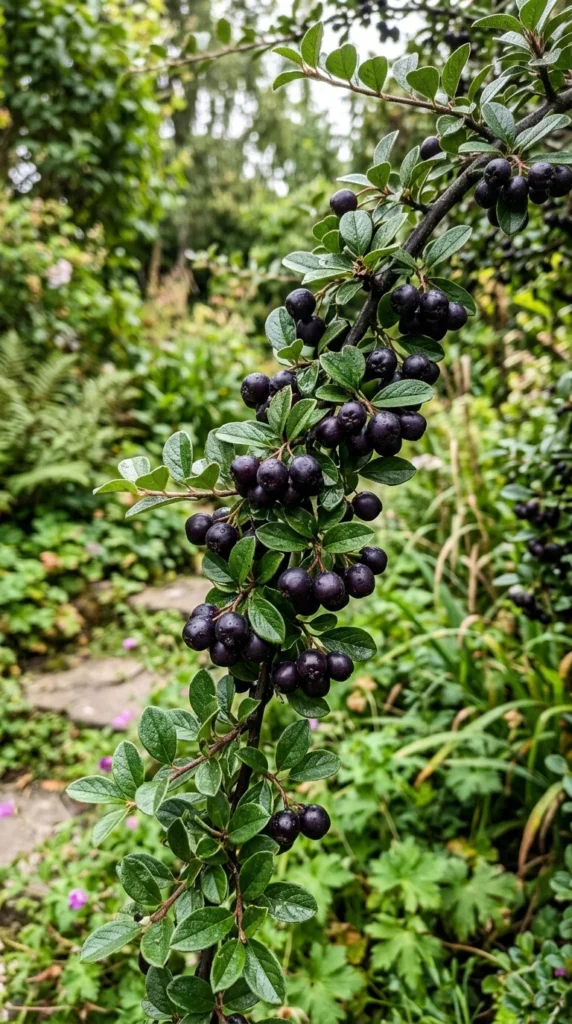
Huckleberries are often confused with blueberries, but they have a distinct, more intense flavor and larger seeds. The “Evergreen Huckleberry” is a popular choice for home growers because it can be used as a formal hedge and tolerates deep shade. The berries ripen late in the season, often into October, providing a late-year treat. They prefer acidic soil and lots of organic mulch, much like their blueberry cousins.
17. Container Berries
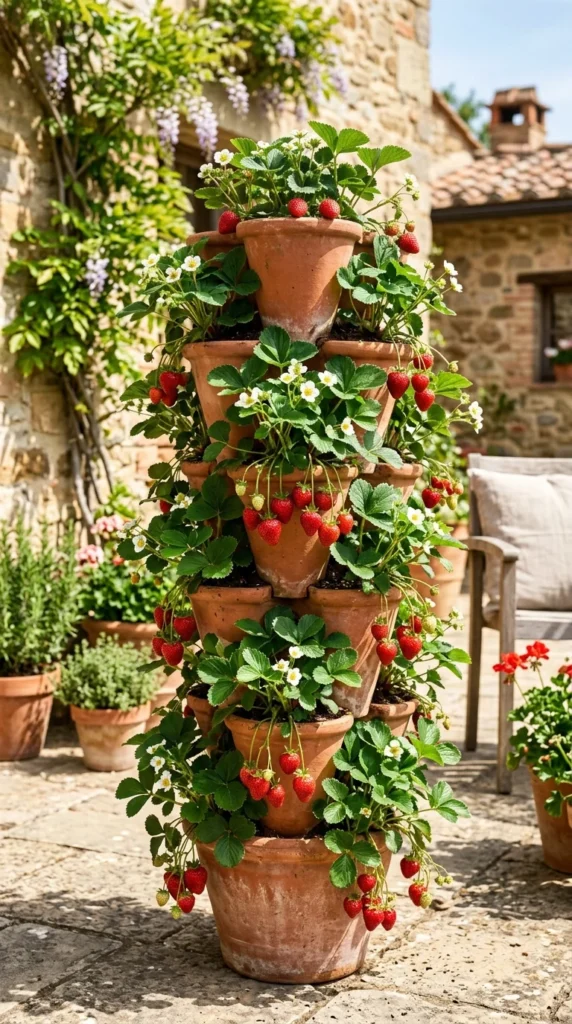
Don’t let a lack of yard space stop you. Many modern berry varieties are bred specifically for “patio life.” Look for “Bushel and Berry” collections which include dwarf blueberries, thornless raspberries, and compact blackberries that grow perfectly in 5-gallon pots. Container gardening allows you to control the soil quality and move the plants into the sun or shade as needed throughout the season. Just remember that container plants dry out faster and require more frequent watering.
18. Vertical Berries
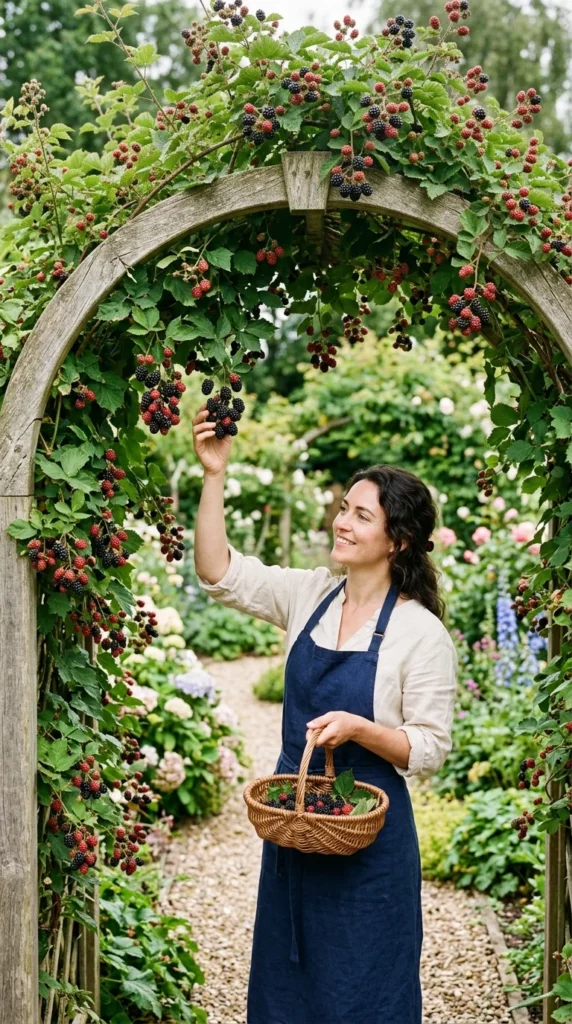
Vertical gardening is an excellent way to maximize production in small spaces. By training blackberries, loganberries, or climbing strawberries up a trellis, fence, or arbor, you keep the fruit off the ground and improve airflow. This reduces the risk of fungal diseases and makes harvesting much easier on your back. Use soft garden ties to secure the canes as they grow, and enjoy the visual appeal of a “living wall” of fruit.
19. Mixed Berry Hedges
Instead of planting a boring boxwood hedge, why not plant a “fedge” (fruit hedge)? By mixing blueberries, currants, and elderberries, you create a diverse ecosystem that provides privacy, flowers for pollinators, and food for your family. This approach also helps with pest management, as a monoculture is more likely to attract a single devastating pest. A mixed hedge provides a staggered harvest, giving you different types of fruit throughout the summer.
20. Indoor Berries
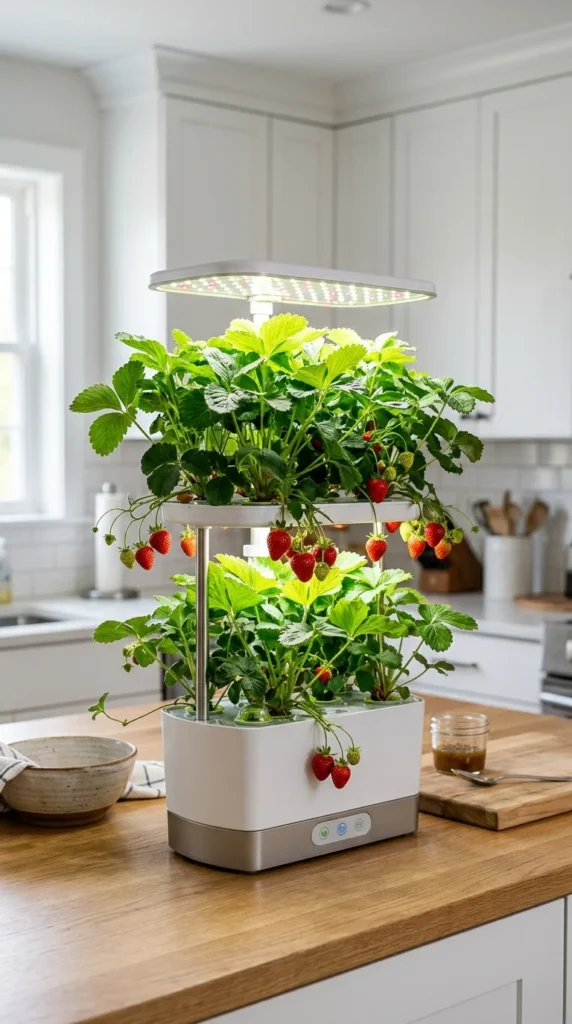
With the advancement of LED grow lights and hydroponic systems, you can now grow berries indoors year-round. Alpine strawberries are particularly well-suited for indoor life because they are compact and don’t require as much light as larger varieties. Growing indoors eliminates the threat of birds and squirrels, ensuring you get every single berry. It’s a great way to satisfy your gardening itch during the cold winter months.
Tips for Success
To ensure your berry garden thrives, keep these fundamental principles in mind:
- Sunlight: Most berries require at least 6-8 hours of full sun to produce sweet fruit.
- Watering: Berries have shallow root systems. They need consistent moisture, especially during fruit development. Drip irrigation is highly effective.
- Mulching: Apply a thick layer of organic mulch (like straw, wood chips, or pine needles) to retain moisture, suppress weeds, and regulate soil temperature.
- Bird Protection: Once the berries turn color, birds will take notice. Use lightweight bird netting or shiny reflective tape to protect your harvest.
- Soil Health: Add compost annually to provide the nutrients these heavy feeders need to produce a massive crop year after year.