
Growing your own berries is one of the most rewarding endeavors a home gardener can undertake. Unlike store-bought varieties, which are often bred for durability during transport rather than flavor, homegrown berries are allowed to ripen fully on the vine, resulting in an explosion of sweetness and nutrients. Whether you have a sprawling backyard or a small balcony, there is a berry variety suited to your space. This guide provides a comprehensive roadmap for beginners to start their own berry patch from scratch.
1. Strawberries
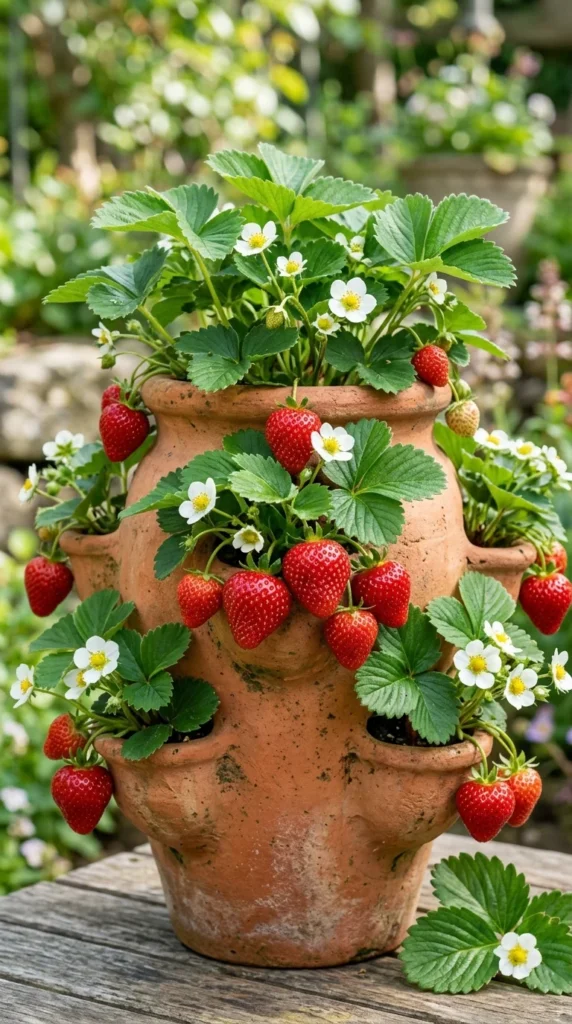
Strawberries are the quintessential beginner’s berry. They are fast-growing, relatively hardy, and can be grown in almost any container or garden bed. There are three main types: June-bearing, which produce one large crop in early summer; ever-bearing, which produce two crops (one in spring and one in fall); and day-neutral, which produce fruit consistently throughout the growing season as long as temperatures remain moderate.
When planting strawberries, ensure the “crown”—the point where the leaves meet the roots—is level with the soil surface. Planting too deep can cause rot, while planting too shallow can cause the roots to dry out. They thrive in full sun and well-draining soil enriched with organic compost.
2. Blueberries
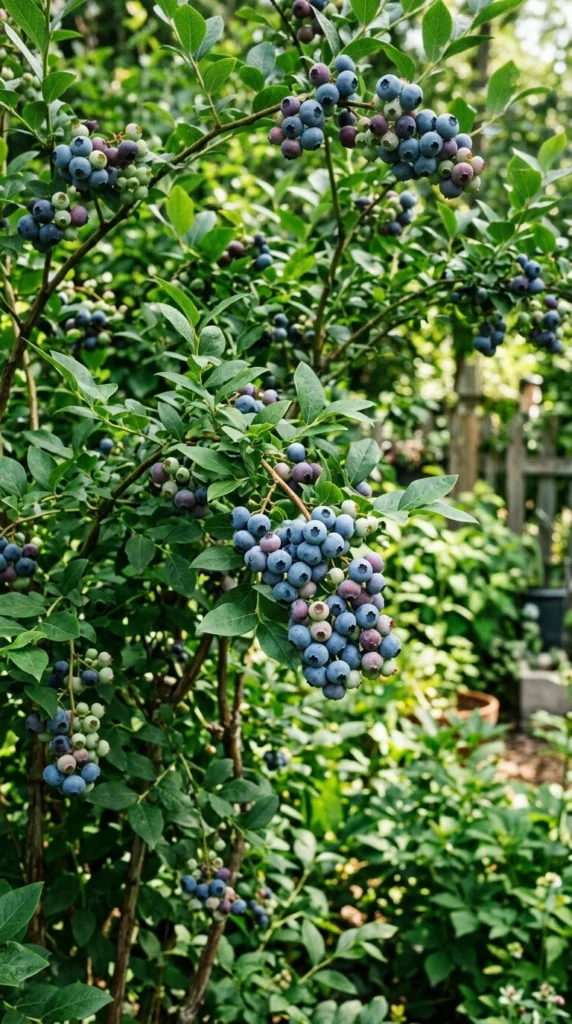
Blueberries are ornamental as well as productive, offering beautiful white spring flowers and stunning red foliage in the autumn. However, they have one specific requirement that is non-negotiable: acidic soil. Most garden soil has a neutral pH, but blueberries require a pH between 4.5 and 5.5.
To achieve this, many home gardeners choose to grow blueberries in large containers or raised beds where they can easily control the soil chemistry using peat moss and elemental sulfur. It is also highly recommended to plant at least two different varieties near each other. While many blueberries are self-fertile, cross-pollination typically results in significantly larger berries and more abundant harvests.
3. Raspberries
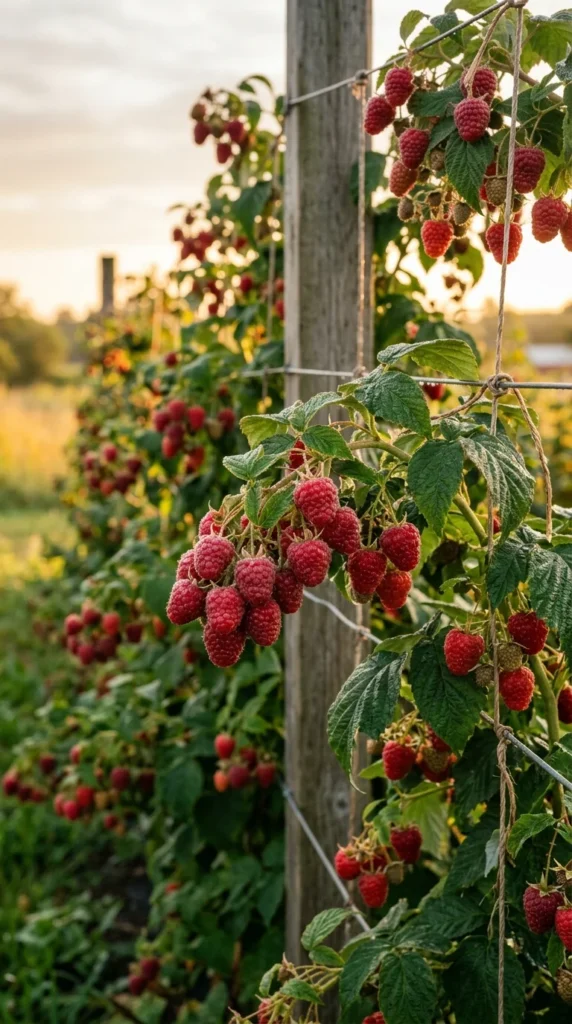
Raspberries are prolific producers that come in two main categories: summer-bearing and fall-bearing (also known as primocane-bearing). Summer-bearing varieties produce fruit on two-year-old canes, while fall-bearing varieties produce fruit on the tips of the current year’s growth.
Because raspberries spread via underground runners, they can become invasive if not managed. Many gardeners install a simple T-bar trellis system to keep the canes upright and manageable. Pruning is the “secret sauce” to raspberry success; removing old canes after they have fruited allows the plant to channel its energy into new, productive growth for the following season.
4. Blackberries
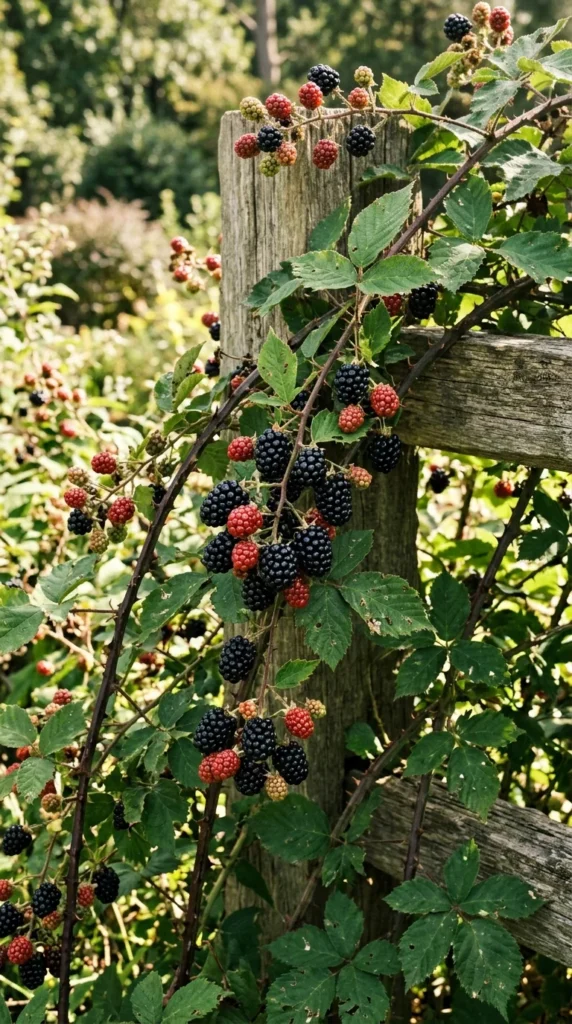
Modern horticulture has gifted home gardeners with “thornless” blackberry varieties, making the harvest much more pleasant than the wild foraging experiences of the past. Blackberries are incredibly vigorous and can tolerate a wider range of soil types than blueberries or strawberries.
They generally fall into three growth habits: trailing, erect, or semi-erect. Trailing varieties require a sturdy trellis for support, while erect varieties can stand on their own but benefit from a small stake. Blackberries are heavy feeders, so a generous application of balanced fertilizer in early spring will help maximize your yield.
5. Gooseberries
Gooseberries are a fantastic choice for gardeners with less-than-perfect sun exposure. Unlike most berries that demand 6–8 hours of direct sunlight, gooseberries can thrive in partial shade. These berries are often tart when eaten raw but transform into a complex, sweet-tart delicacy when cooked into jams, pies, or crumbles.
They prefer cooler climates and may struggle in regions with extreme summer heat. Because they grow on compact shrubs, they are excellent for small-space gardening. Be mindful that gooseberries, like some blackberries, can have thorns, so wearing gloves during the harvest is often a wise choice.
6. Preparation
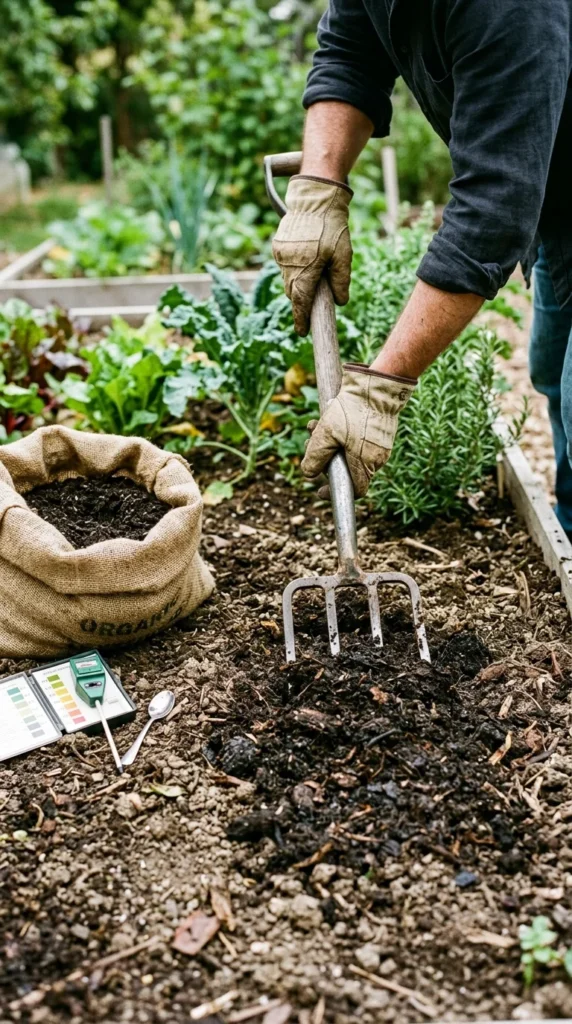
The success of your berry garden is determined long before the first plant goes into the ground. Site selection is critical. Most berries require a spot with excellent drainage, as “wet feet” can lead to root rot. If your soil is heavy clay, consider building raised beds to improve aeration.
Soil testing is another vital step for beginners. A simple kit from a garden center can tell you the pH and nutrient levels of your soil. Preparing the site several months in advance by digging in well-rotted manure or compost will create a nutrient-rich environment that encourages deep root development.
7. Maintenance
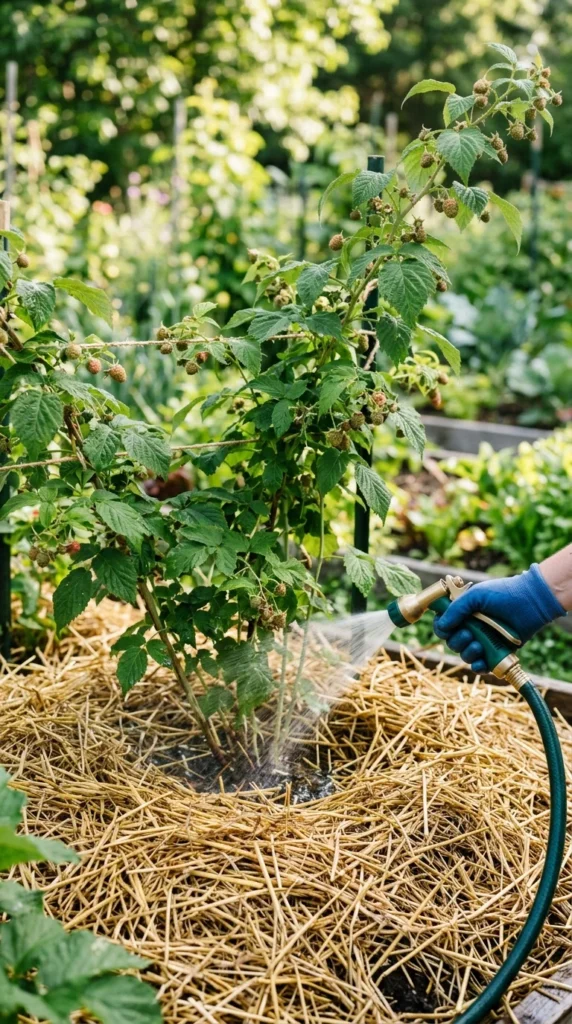
Berries are thirsty plants, especially when the fruit is setting and ripening. Consistent moisture is key; fluctuating between bone-dry and soaking wet can cause berries to split or drop prematurely. Soaker hoses or drip irrigation systems are ideal because they deliver water directly to the roots without wetting the foliage, which helps prevent fungal diseases.
Mulching is another essential maintenance task. A thick layer of straw, wood chips, or pine needles helps suppress weeds, regulates soil temperature, and retains moisture. For blueberries, using pine needles or acidic bark mulch can also help maintain the low soil pH they crave.
8. Protection
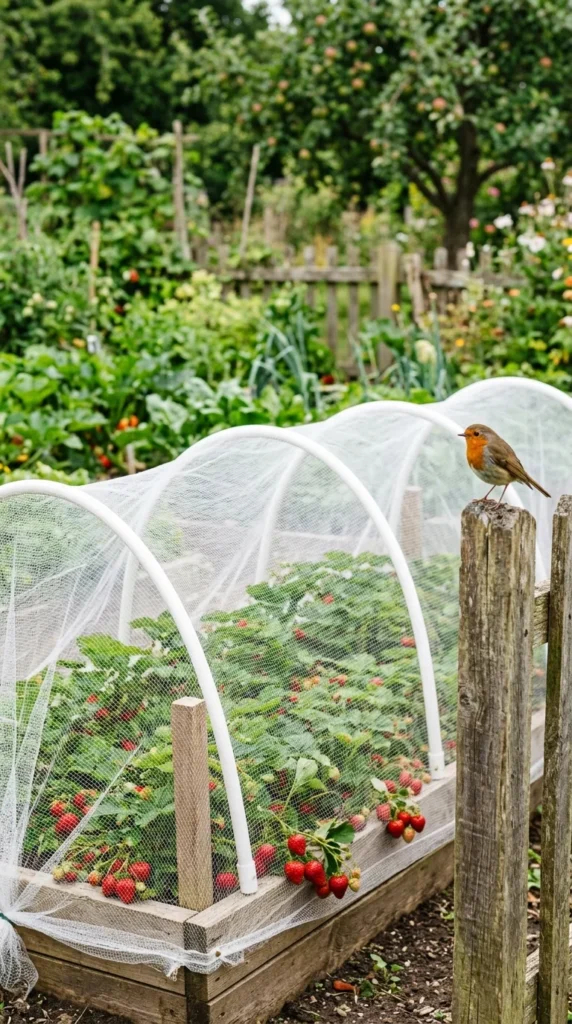
You aren’t the only one who enjoys fresh berries. Birds, squirrels, and various insects will be quick to claim your harvest if you don’t take precautions. Bird netting is the most effective way to protect your crop. Ensure the netting is pulled taut and secured at the ground so birds don’t get tangled or find a way underneath.
For insect pests like aphids or spider mites, a blast of water from a hose or an application of organic neem oil is usually sufficient. Keeping the garden free of debris and fallen fruit will also discourage pests and minimize the risk of disease.
9. Harvesting
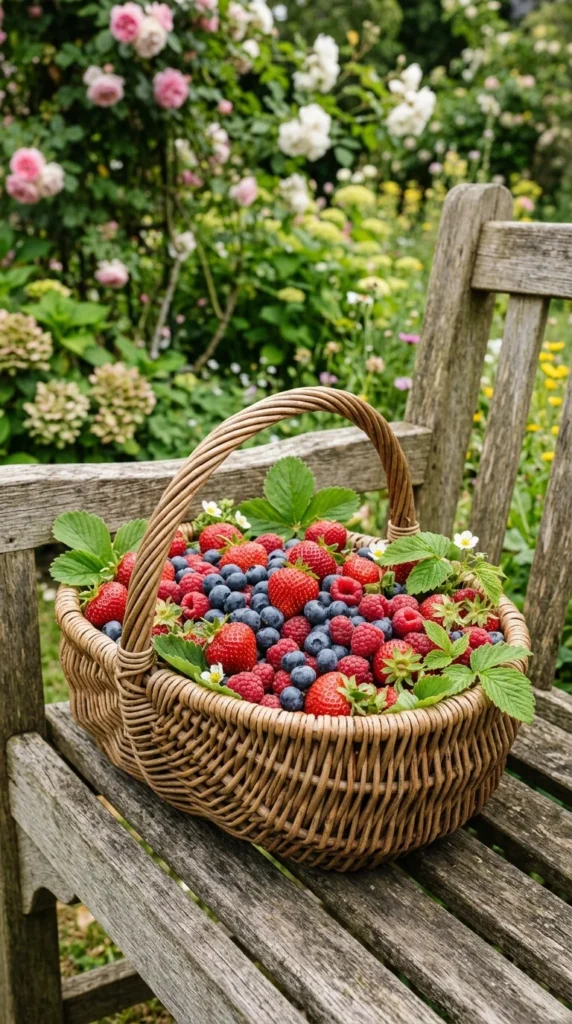
The final and most rewarding step is the harvest. Berries do not continue to ripen significantly after they are picked, so timing is everything. Strawberries should be fully red with no white or green tips. Blueberries should be a deep blue-gray and pull away from the stem with the slightest touch. Raspberries and blackberries are ready when they lose their shiny “plastic” look and become slightly duller, indicating maximum sugar content.
Harvest in the cool of the morning when the berries are firmest. Use shallow containers to avoid crushing the bottom layer of fruit, and avoid washing them until you are ready to eat them, as moisture leads to rapid mold growth. Enjoy your harvest fresh, or freeze them on a baking sheet before transferring to bags to enjoy the taste of summer all winter long.