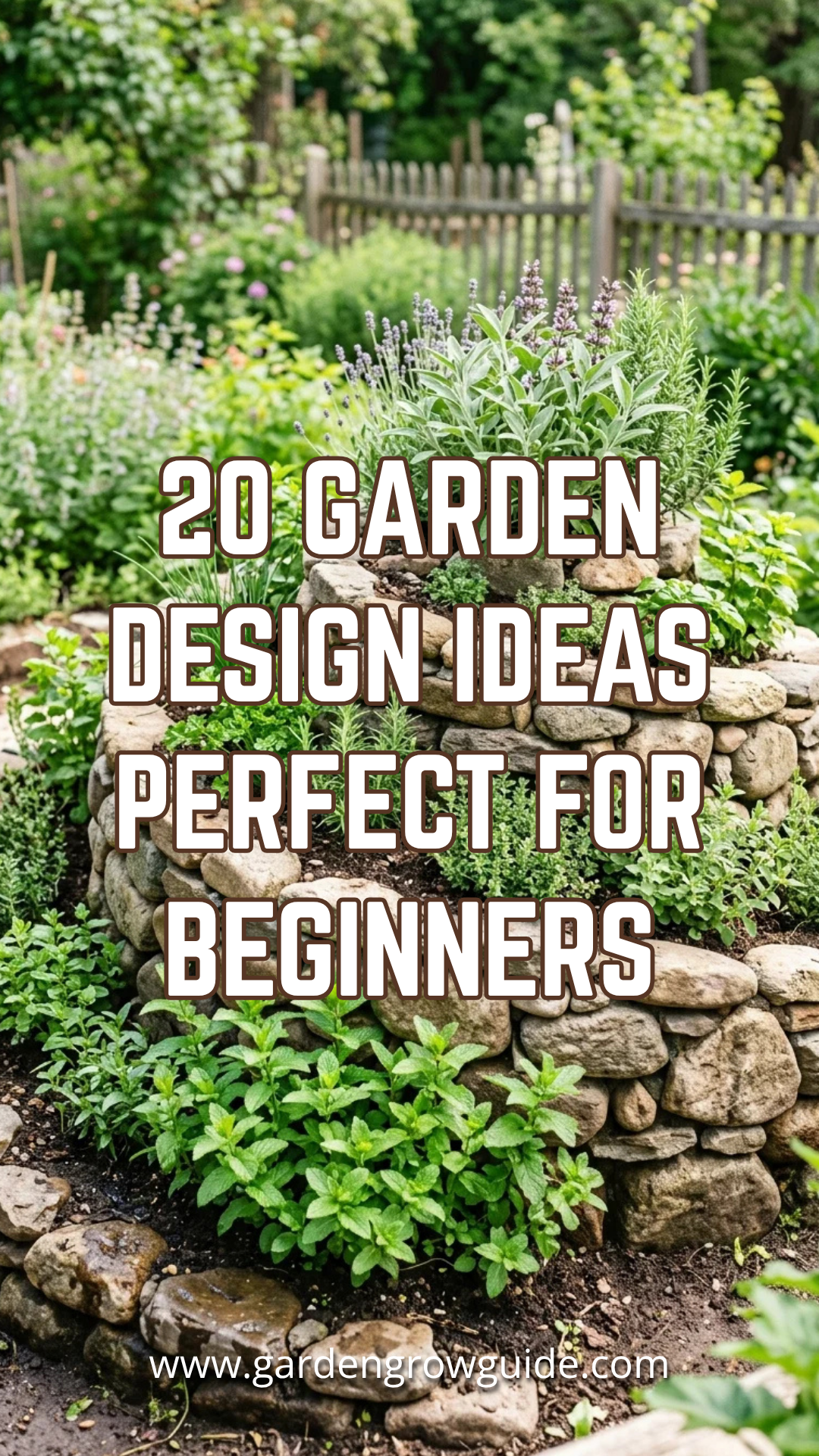
Transforming an outdoor space can feel like a daunting task for a novice gardener. However, garden design doesn’t have to be complicated or expensive. By focusing on simple structures, hardy plants, and manageable layouts, anyone can create a stunning sanctuary. Whether you have a sprawling lawn or a tiny balcony, these 20 ideas provide a roadmap to a beautiful and functional garden.
1. Raised Beds
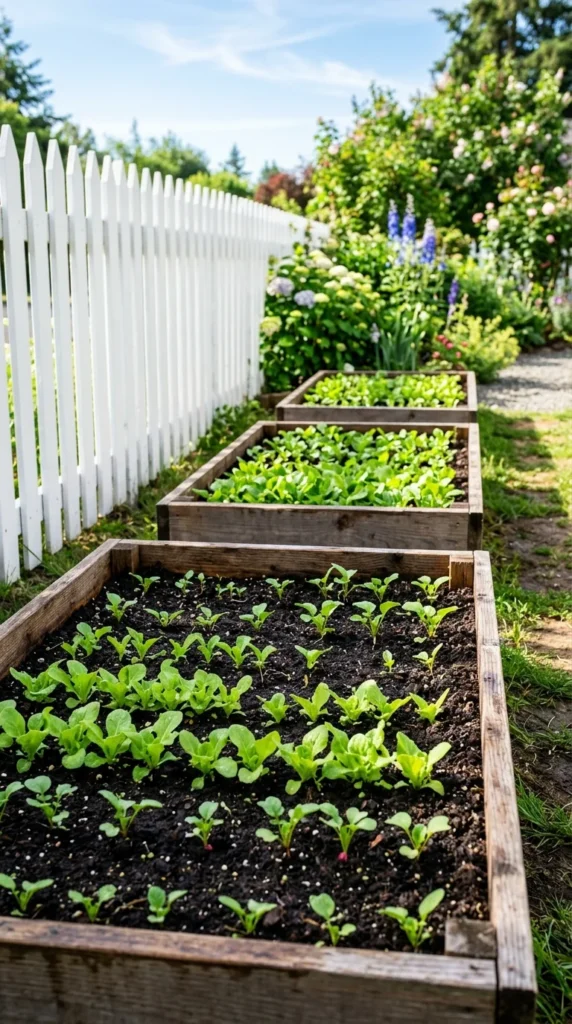
Raised beds are the gold standard for beginner gardeners. They offer several distinct advantages: better drainage, controlled soil quality, and a physical barrier against many common garden pests. Because the soil is elevated, it also warms up faster in the spring, allowing for an earlier planting season. For beginners, using 4×4 or 4×8 foot kits ensures you can reach the center of the bed from either side without stepping on and compacting the soil.
2. Container Gardening
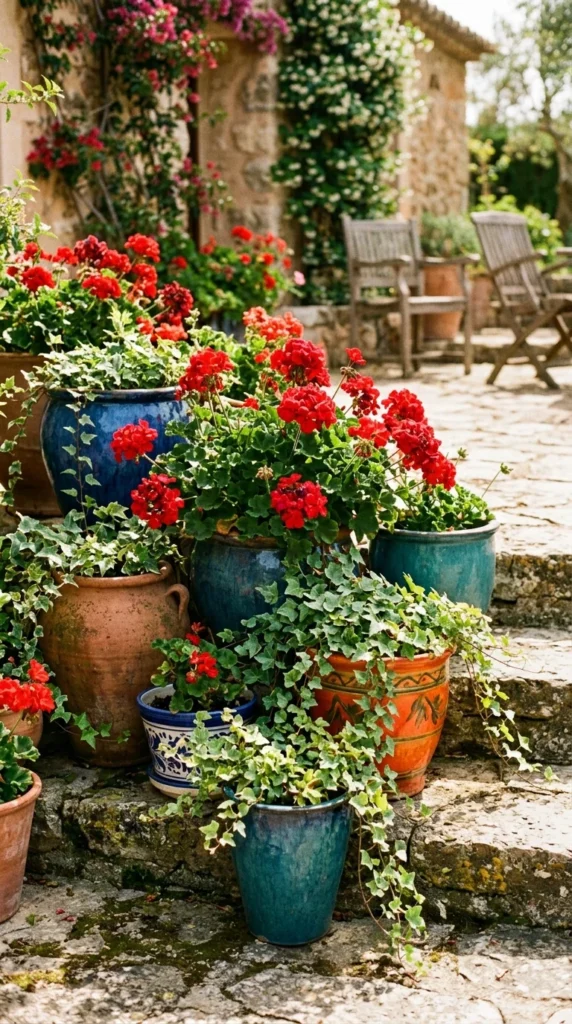
If you are short on space or hesitant to dig up your lawn, container gardening is the perfect entry point. It allows for total mobility—you can move your plants to follow the sun or protect them from harsh weather. Containers are also excellent for controlling invasive plants like mint, which would otherwise take over a traditional garden bed. Ensure every pot has drainage holes to prevent root rot.
3. Native Plants
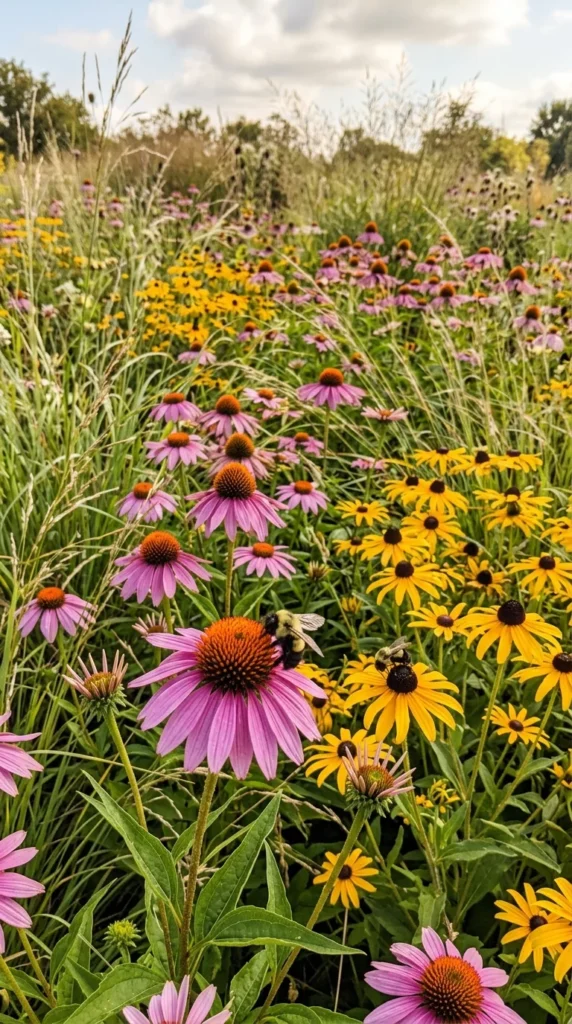
One of the biggest mistakes beginners make is trying to grow plants that aren’t suited for their local climate. Designing with native species ensures that your garden is naturally adapted to the local rainfall, soil conditions, and temperature fluctuations. Native plants require significantly less fertilizer and water once established, and they provide essential habitats for local wildlife and beneficial insects.
4. Gravel Paths
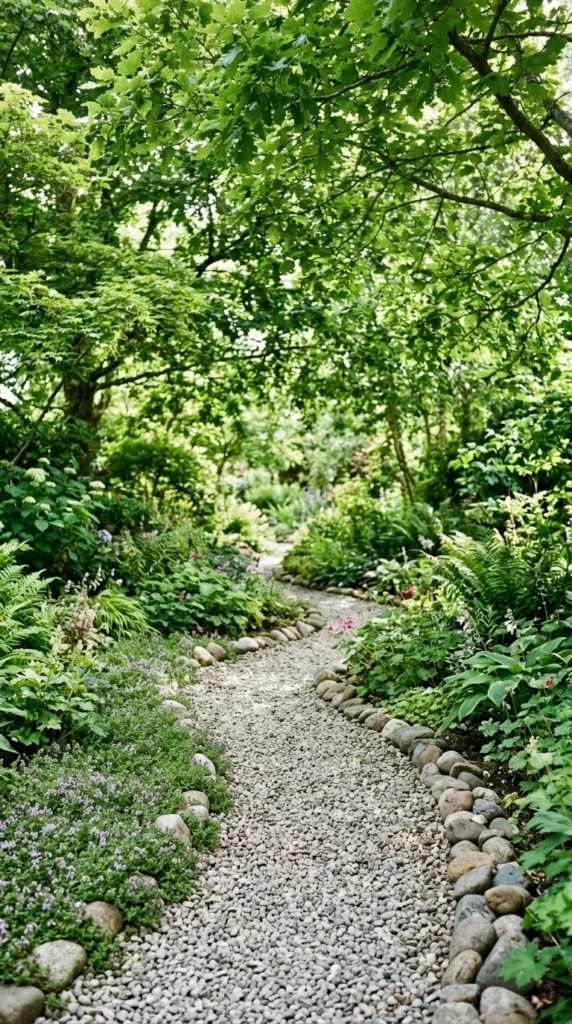
A garden needs structure to feel intentional. Gravel paths are an affordable and “DIY-friendly” way to define different zones in your yard. Unlike pavers or poured concrete, gravel is permeable, allowing rainwater to soak into the ground rather than running off. It adds a satisfying crunch underfoot and creates a clear visual line that guides the eye through the landscape.
5. Vertical Planters
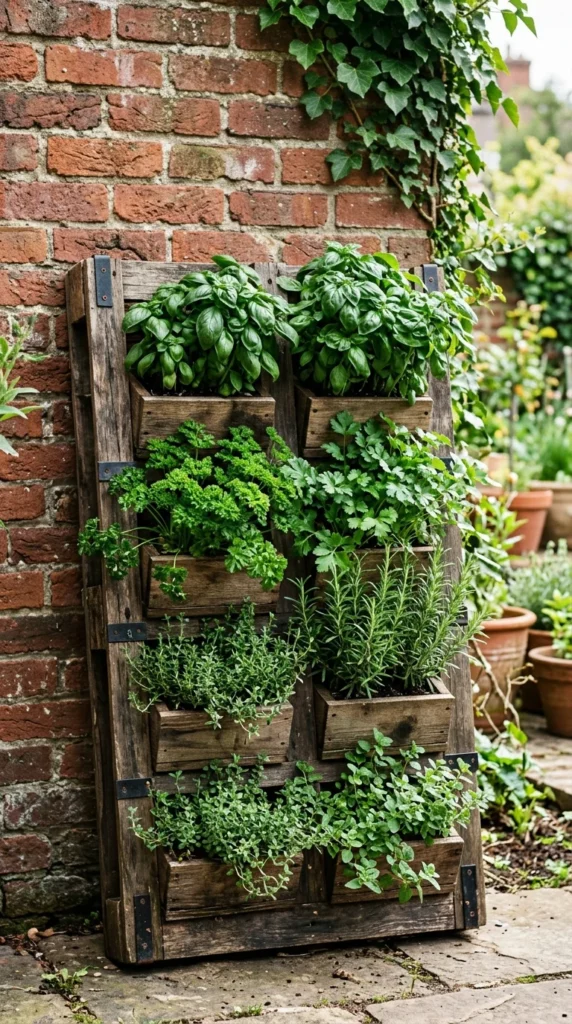
When you run out of horizontal space, look up. Vertical gardening is a brilliant solution for small patios or balconies. You can use hanging baskets, wall-mounted planters, or even repurposed wooden pallets. This method is particularly effective for growing strawberries, herbs, and certain types of trailing flowers. It also keeps your harvest away from ground-dwelling pests like slugs.
6. Pollinator Gardens
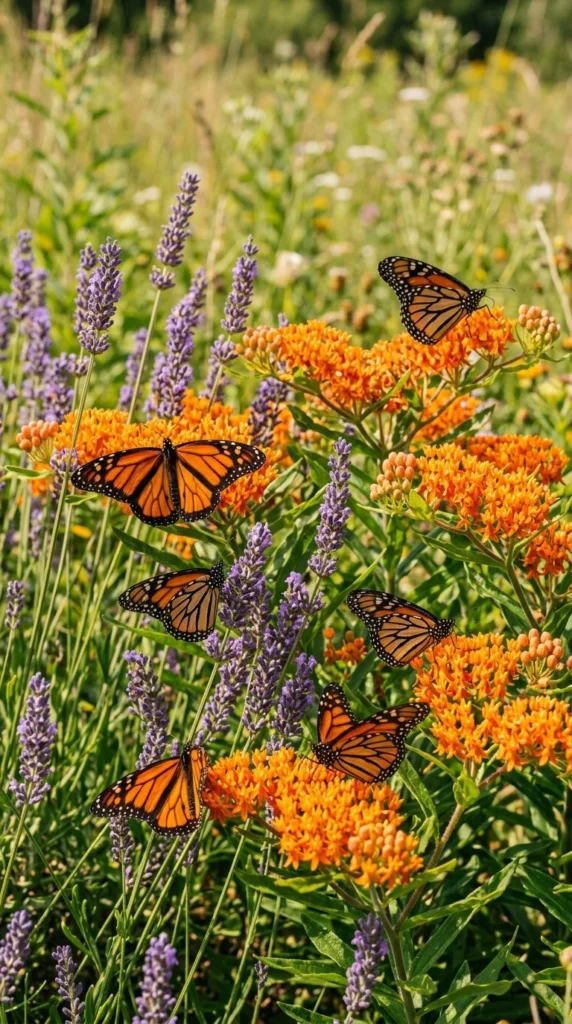
Designing a garden with the specific goal of attracting bees, butterflies, and hummingbirds is deeply rewarding. A pollinator garden focuses on “host plants” (where insects lay eggs) and “nectar plants” (where they feed). By including a variety of flower shapes and blooming times, you ensure your garden is a buzzing hub of activity from early spring through late autumn.
7. Herb Spirals
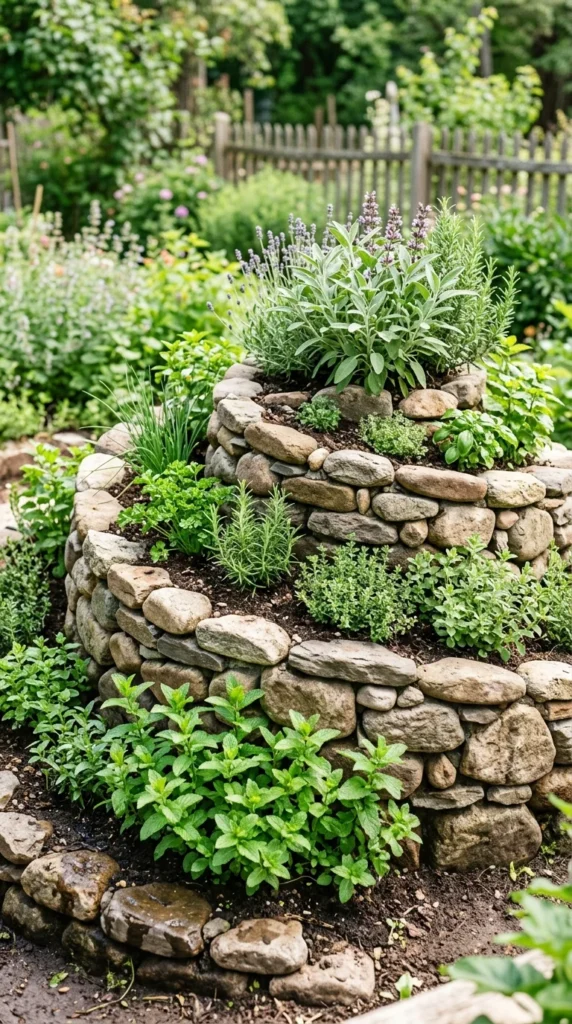
An herb spiral is a permaculture classic that is surprisingly easy to build. By stacking stones or bricks in a circular ramp, you create different microclimates in a very small footprint. The top is dry and sunny (perfect for rosemary and thyme), while the bottom remains cooler and more moist (ideal for parsley and chives). It’s a functional piece of edible art right outside your kitchen door.
8. Mulched Borders
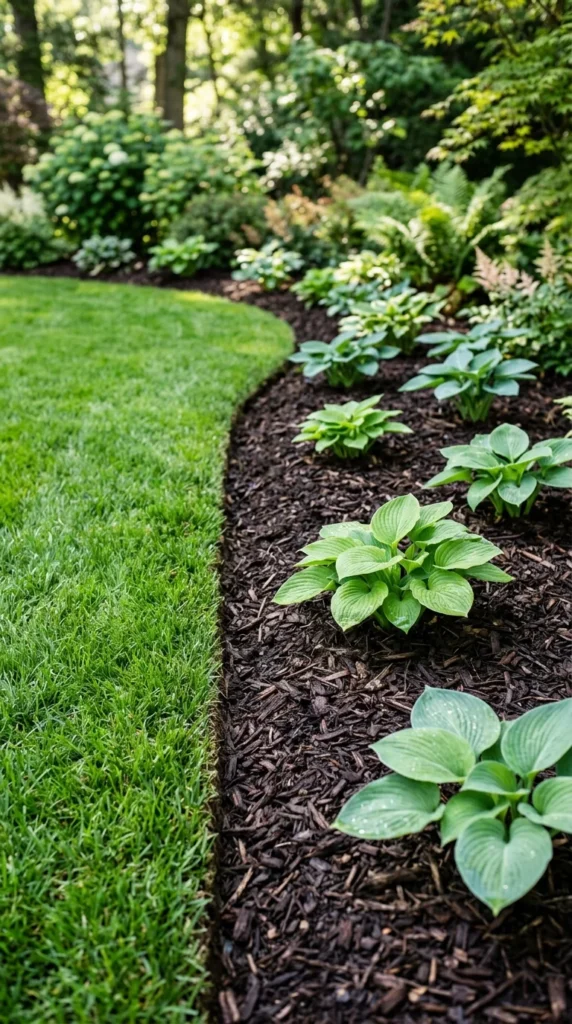
Nothing makes a garden look “finished” like a fresh layer of mulch. For beginners, mulching is a secret weapon. It suppresses weeds, retains soil moisture, and regulates ground temperature. Using organic mulch like shredded bark or wood chips also improves the soil quality as it decomposes over time. A crisp edge between the grass and the mulch creates an instant professional look.
9. Picket Fencing
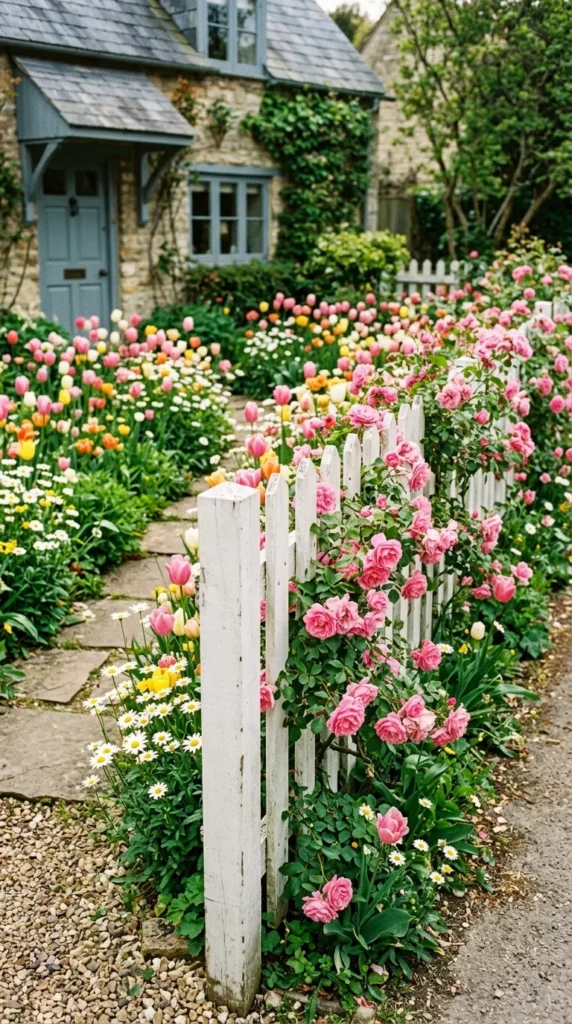
A low picket fence serves as a “frame” for your garden. It provides a sense of enclosure and charm without blocking the view. For beginners, a fence can also act as a physical support for climbing plants like sweet peas or clematis. It defines the boundary of your garden, making it easier to manage the space within and protecting delicate plants from foot traffic or pets.
10. Bird Baths
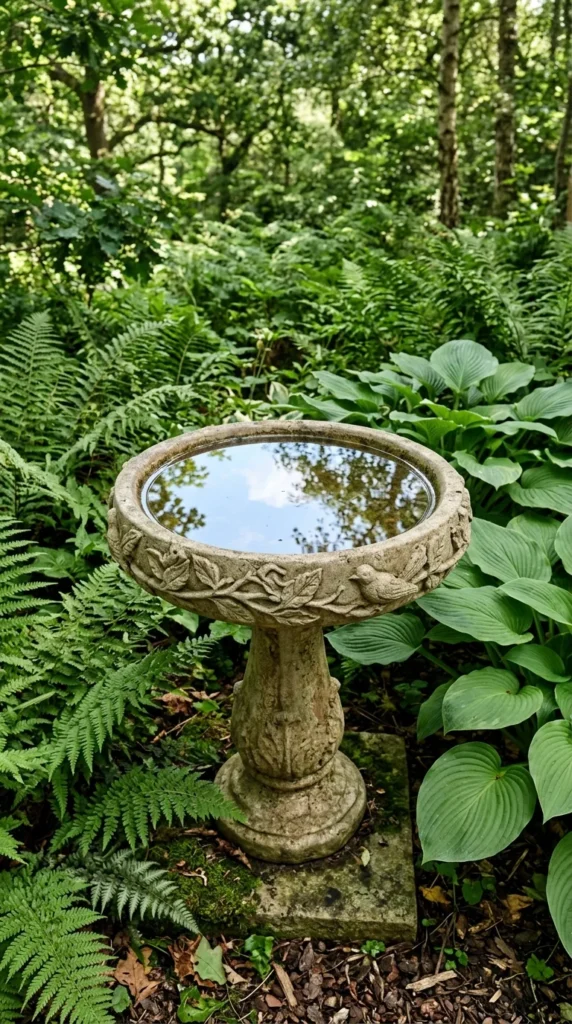
Water features don’t have to be complex ponds or waterfalls. A simple bird bath adds a focal point and sound (if you add a small solar bubbler) to the garden. It encourages birds to visit, which in turn helps control pest populations naturally. Place your bird bath in a spot where you can view it from a window to enjoy the daily antics of your feathered visitors.
11. Succulent Rockeries
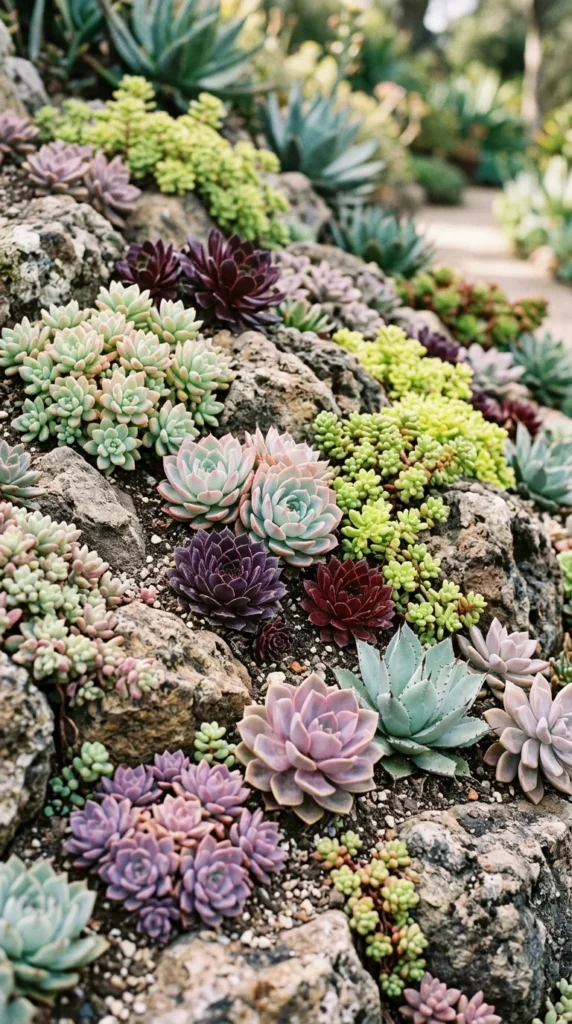
For those in drier climates or for gardeners who want a “set it and forget it” approach, a succulent rockery is ideal. Succulents are incredibly hardy and come in a stunning array of textures and colors. By nestling them among rocks and gravel, you create a low-maintenance, drought-tolerant landscape that looks like a miniature mountain range.
12. Solar Lighting
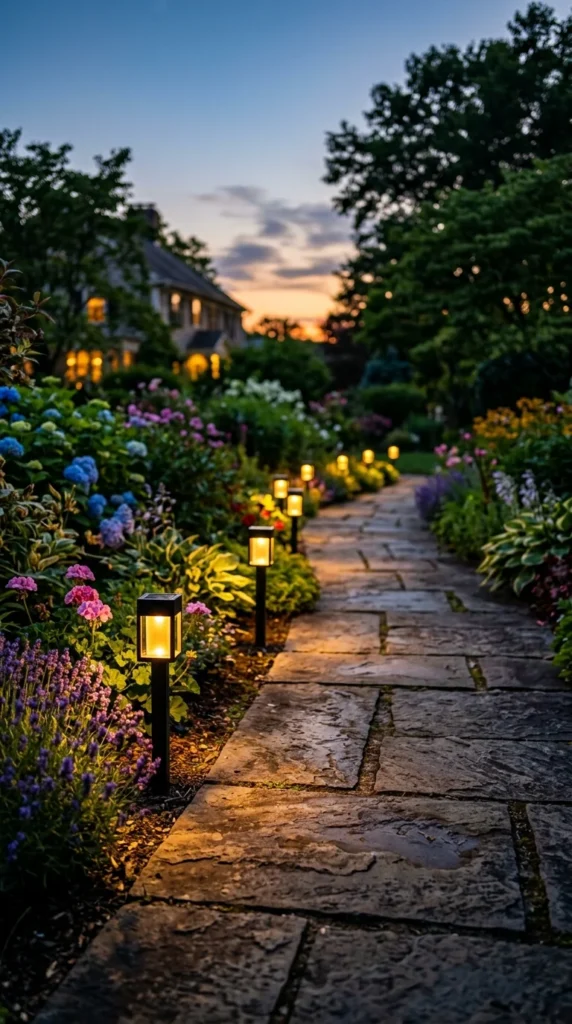
Lighting is the most overlooked element of garden design. Solar lights are perfect for beginners because they require no wiring or electricity. Placing stakes along paths or spotlighting a favorite tree can extend the hours you spend enjoying your garden. It creates an enchanting atmosphere for evening relaxation and improves the safety of your outdoor space after dark.
13. Edible Landscaping
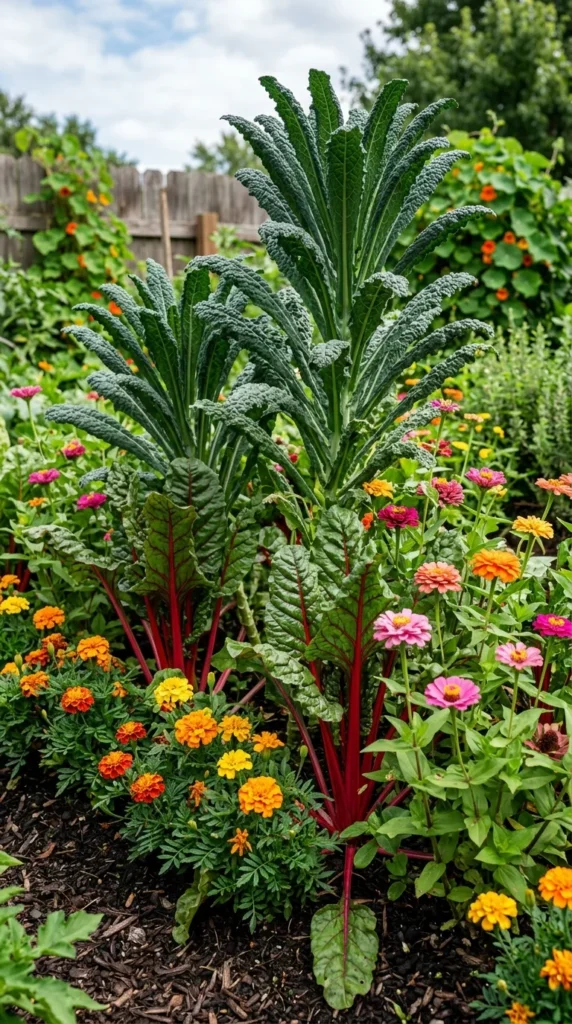
Who says vegetables have to be hidden in the backyard? Edible landscaping involves mixing food-producing plants with ornamental ones. Kale, swiss chard, and purple basil are beautiful enough to sit alongside roses and lilies. This approach maximizes your space and ensures that your garden is both productive and aesthetically pleasing.
14. Garden Arbors
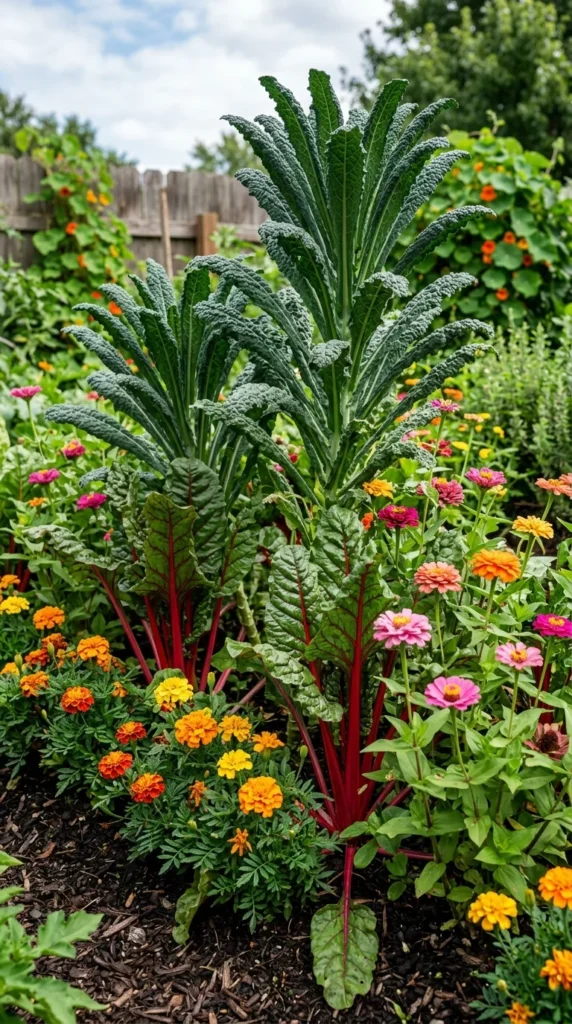
An arbor creates a “gateway” into your garden, offering a sense of transition and mystery. It provides height in a landscape that can often feel flat. For beginners, a simple wooden or metal kit is easy to assemble. Within a season or two, climbing plants like jasmine or honeysuckle will cover the structure, providing shade and a wonderful fragrance.
15. Window Boxes
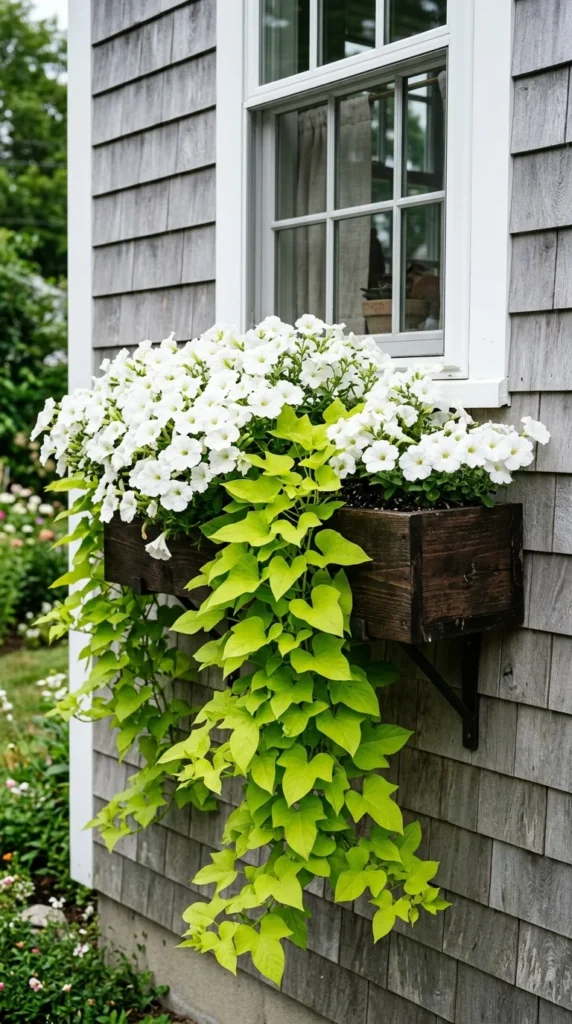
If you have no yard at all, window boxes are your best friend. They bring the garden directly to your eye level and can be changed seasonally. They are perfect for small-scale experiments with color combinations and textures. Ensure they are securely fastened and that you choose plants that match the light exposure of that specific window.
16. Wildflower Meadows
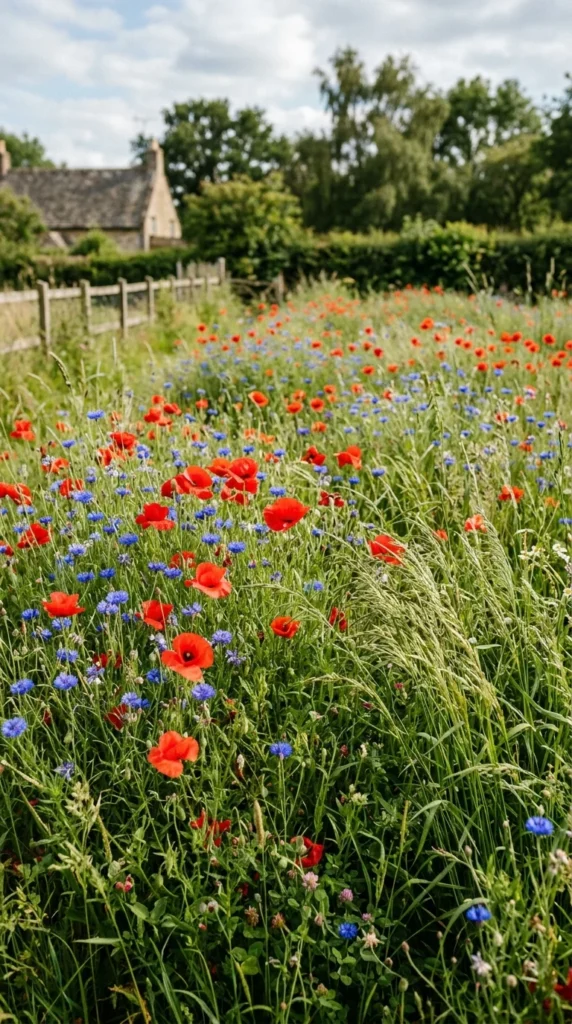
If you have a corner of the yard that is difficult to mow or maintain, turn it into a mini-wildflower meadow. For beginners, this is as simple as clearing the grass, tilling the top inch of soil, and scattering a regional wildflower seed mix. It requires very little maintenance—usually just one mow at the end of the season—and provides a massive boost to local biodiversity.
17. Potting Stations
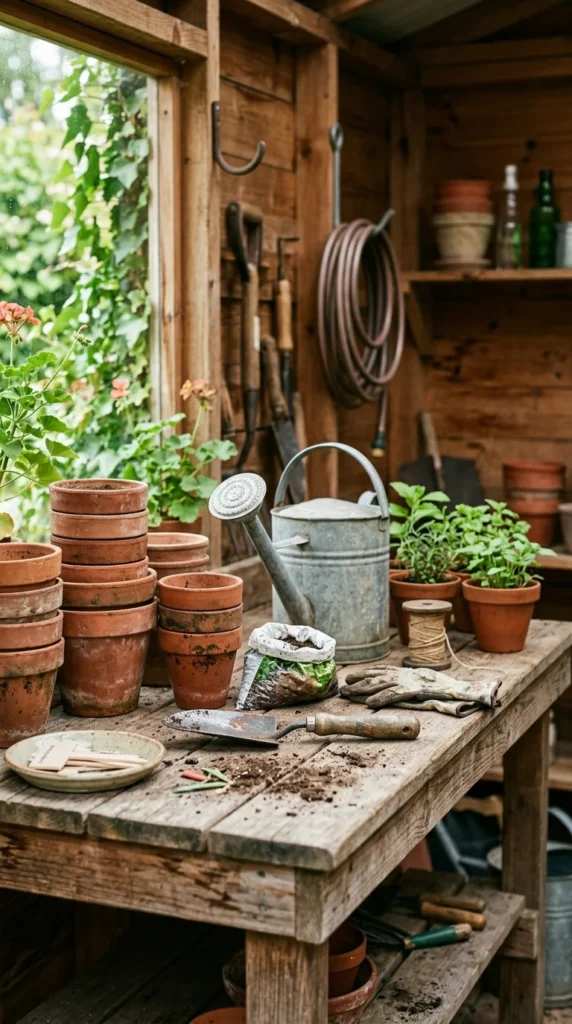
Staying organized makes gardening much more enjoyable. A dedicated potting station—whether it’s a repurposed old table or a purpose-built bench—gives you a place to transplant seedlings and store your tools. Having everything in one spot prevents the “where did I leave my clippers?” frustration and keeps the mess of soil in a controlled area.
18. Layered Planting
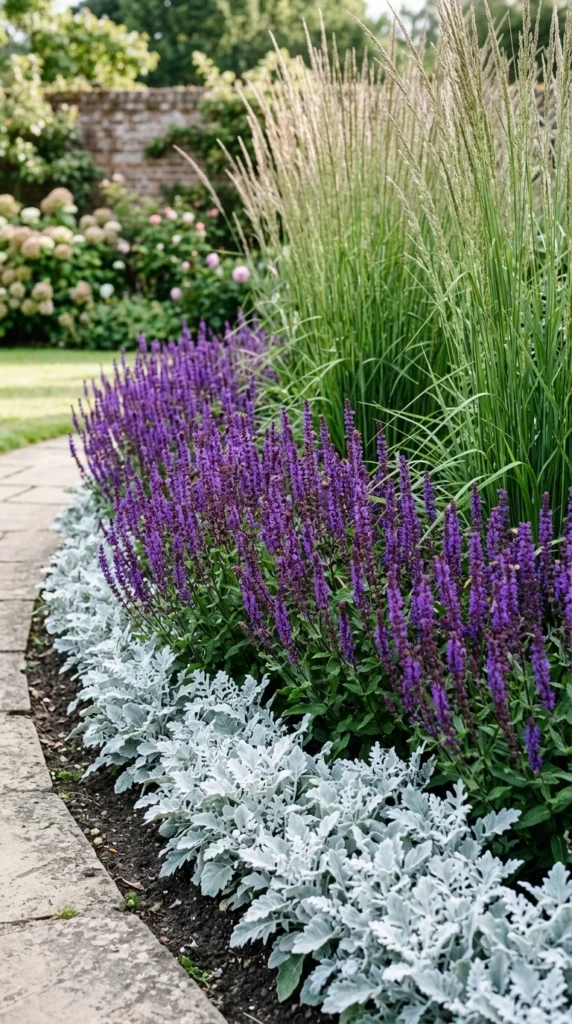
To give your garden a professional, “full” look, think in layers. Arrange your plants by height: tall plants in the back (or center if the bed is visible from all sides), medium plants in the middle, and low, creeping plants at the front. This ensures that every plant is visible and creates a lush, tiered effect that mimics natural landscapes.
19. Water Features
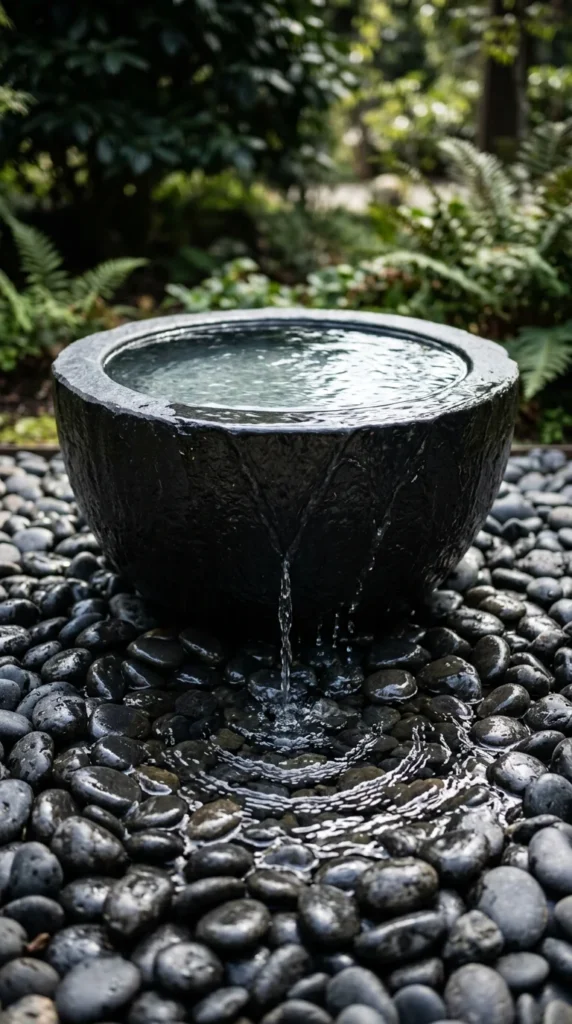
A small, self-contained water feature can transform the mood of a garden. The sound of moving water masks neighborhood noise and creates a sense of tranquility. Many modern units are “plug and play,” requiring only a nearby outdoor outlet. Even a simple tabletop fountain on a patio table can provide the soothing benefits of water without the maintenance of a full-scale pond.
20. Seating Nooks
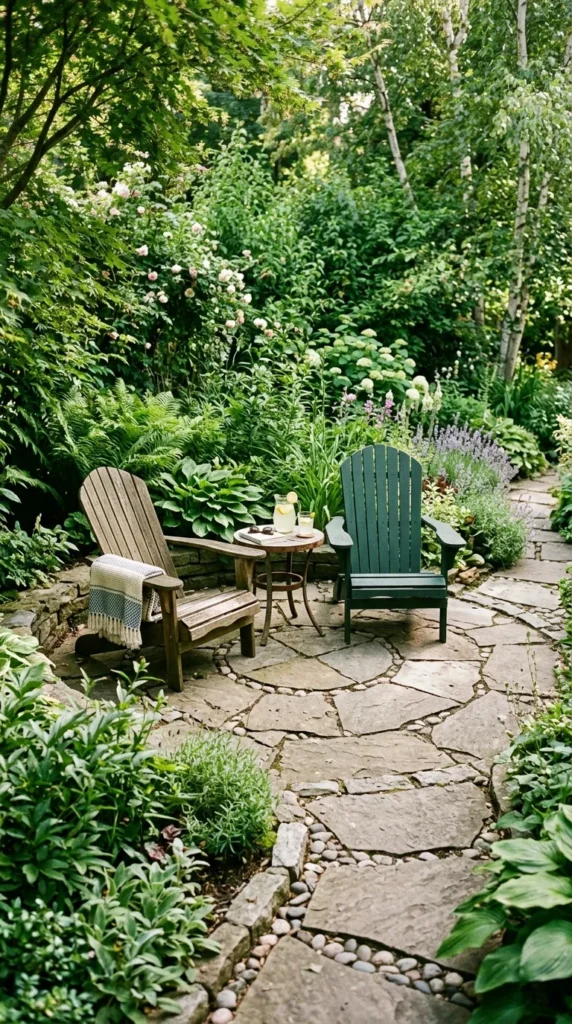
The most important part of a garden is the ability to enjoy it. Design your garden with yourself in mind by creating a dedicated seating nook. Whether it’s a single bench under a tree or a small bistro set on a patio, having a place to sit allows you to observe your plants’ growth, listen to the birds, and truly appreciate the hard work you’ve put into your new hobby.