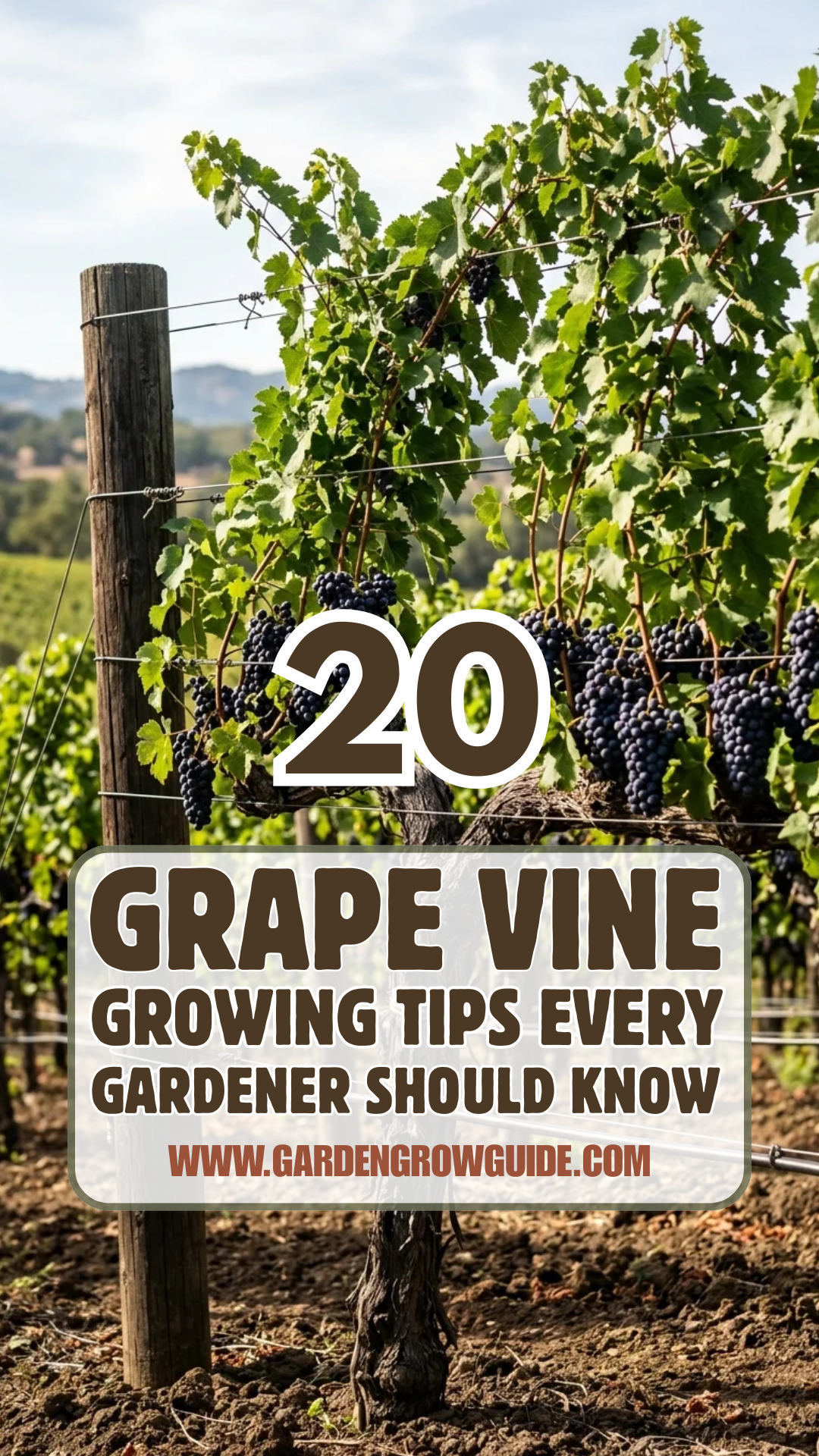
Growing grapes is one of the most rewarding endeavors a gardener can undertake. Whether you are dreaming of homemade wine, fresh table grapes, or simply the aesthetic beauty of a vine-covered arbor, success requires more than just sticking a plant in the ground. Grapes are long-lived perennials that require specific care to reach their full potential. Here are 20 essential tips to guide you from planting to harvest.
1. Varietal Selection
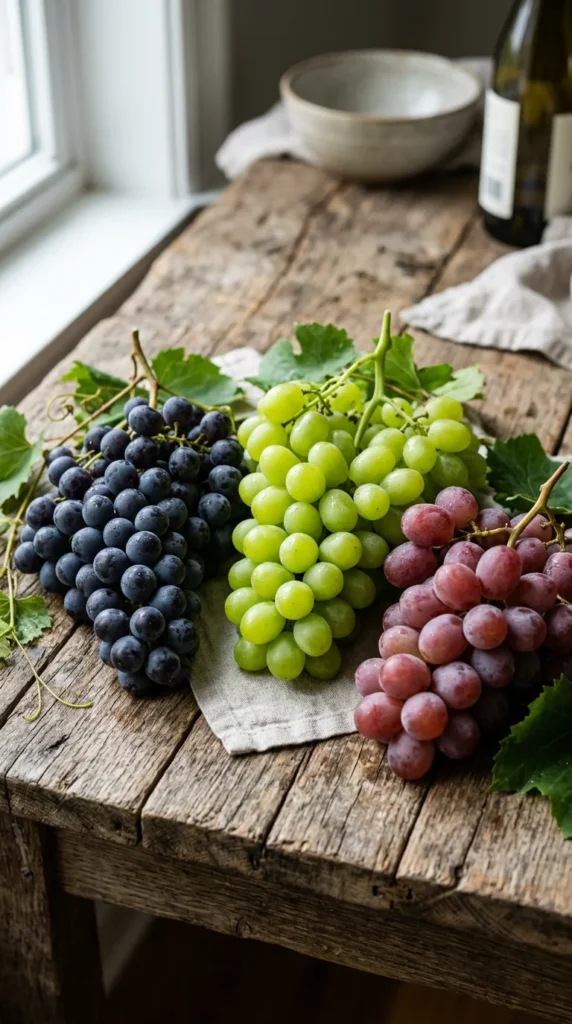
The first step to success is choosing a grape variety that thrives in your specific climate. Grapes are generally categorized into three groups: American (Vitis labrusca), European (Vitis vinifera), and French-American hybrids. American varieties are often more cold-hardy and disease-resistant, while European varieties are the gold standard for winemaking but require a Mediterranean-like climate. Always check your USDA hardiness zone and look for “disease-resistant” labels if you live in a humid area.
2. Sun Exposure
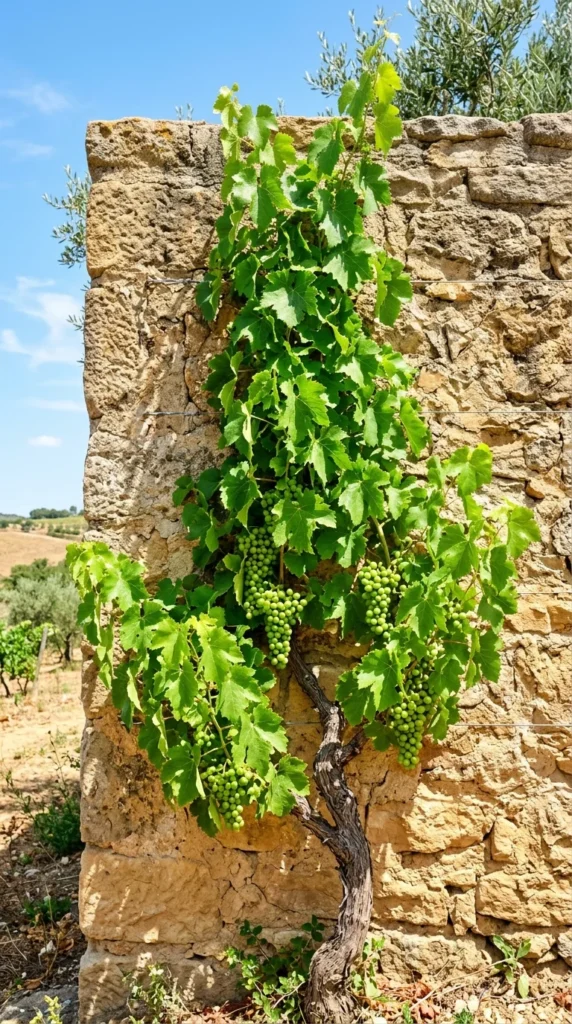
Grapes are solar-powered. To produce the sugars necessary for sweet fruit, vines require full sun—at least seven to eight hours a day. Sunlight also helps dry the morning dew quickly, which is critical for preventing fungal diseases like powdery mildew. If you plant grapes in the shade, you will get plenty of foliage but very little, sour fruit.
3. Soil Drainage
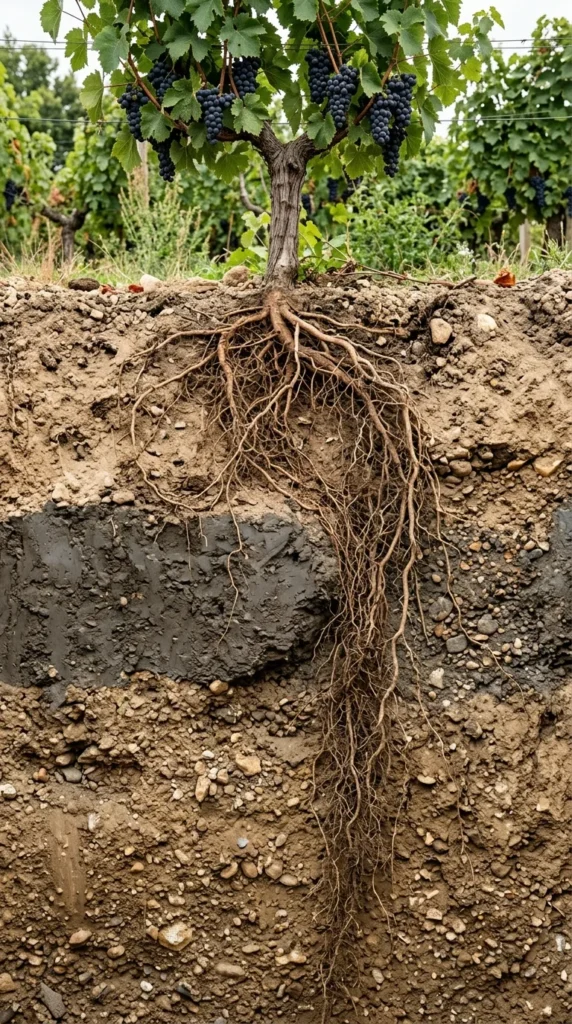
Grapes have deep root systems and do not like “wet feet.” Soil that remains soggy will cause root rot and kill the vine. While they are adaptable to many soil types, they perform best in well-draining, sandy loam. If your garden has heavy clay soil, consider planting your vines in raised beds or on a slope to ensure excess water drains away from the root zone.
4. Proper Spacing
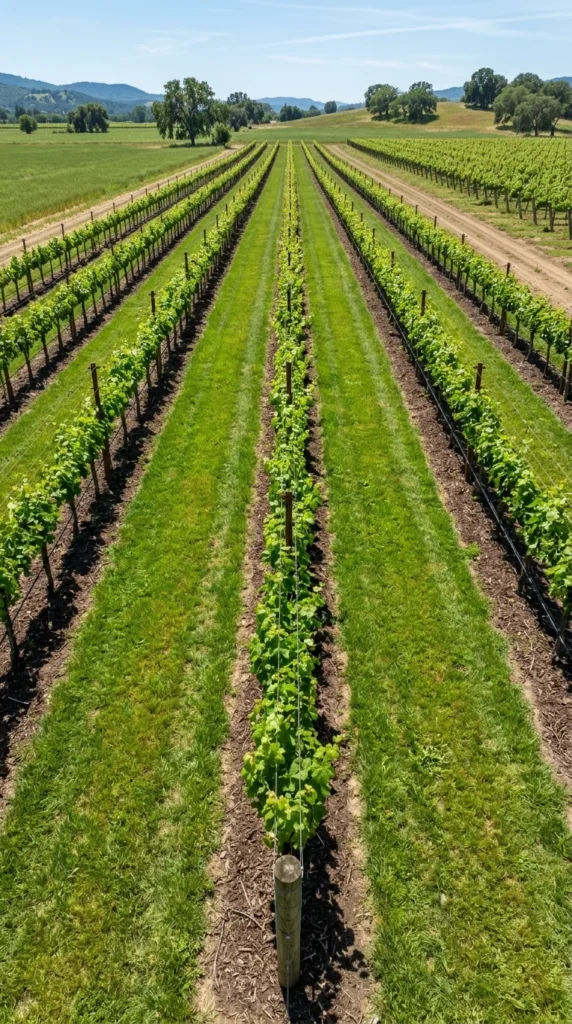
Crowding is a common mistake. Each vine needs enough space to expand its root system and canopy without competing with its neighbors. For most table grapes, space vines about 8 feet apart. If you are planting multiple rows, keep the rows 9 to 10 feet apart. Proper spacing ensures that each plant receives adequate nutrients and, more importantly, sufficient airflow.
5. Sturdy Support
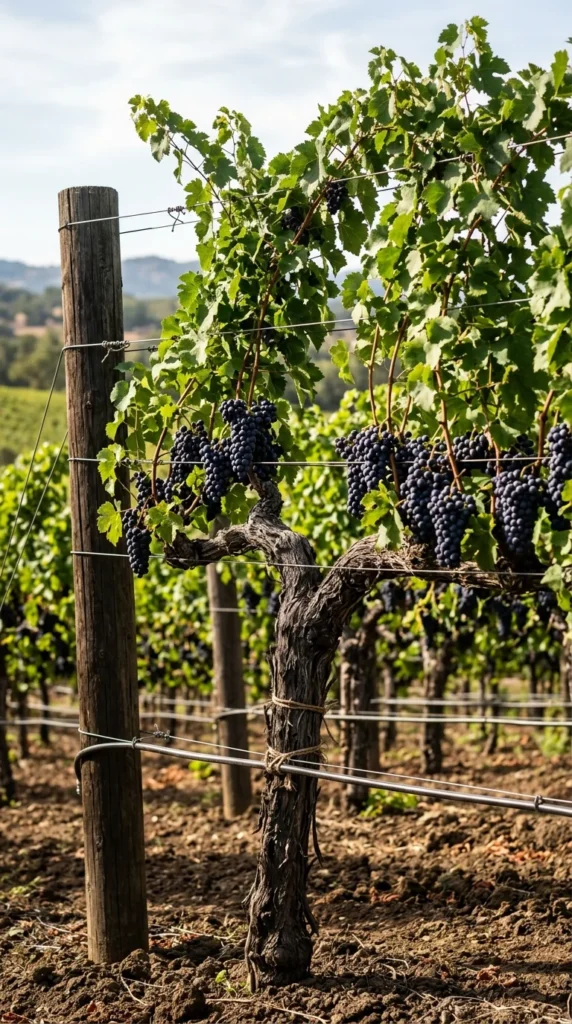
A grape vine is essentially a vigorous liana (woody vine) that cannot support its own weight once loaded with fruit. You must install a permanent support system, such as a trellis, arbor, or fence, at the time of planting. A simple two-wire trellis is usually sufficient for home gardens, with one wire at 3 feet and another at 6 feet. Ensure the posts are anchored deeply, as a mature vine laden with fruit can weigh hundreds of pounds.
6. Planting Depth
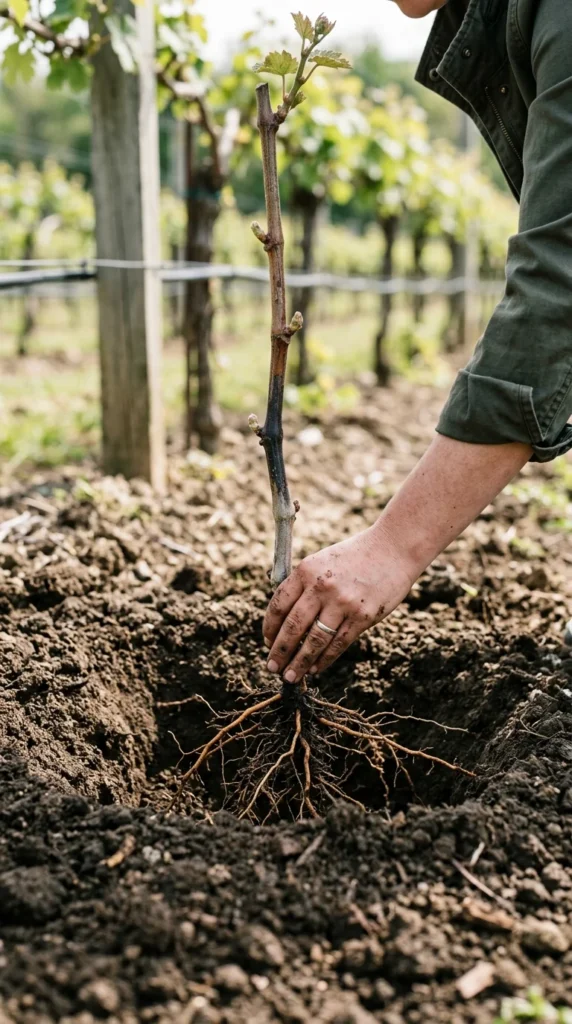
When planting a bare-root vine, dig a hole large enough to spread the roots out comfortably without bending them. Plant the vine at the same depth it was growing in the nursery. If you are planting a grafted vine (common with European varieties), ensure the graft union—the bump where the fruiting variety meets the rootstock—is at least 2 inches above the soil line to prevent the top portion from growing its own roots.
7. First-Year Focus
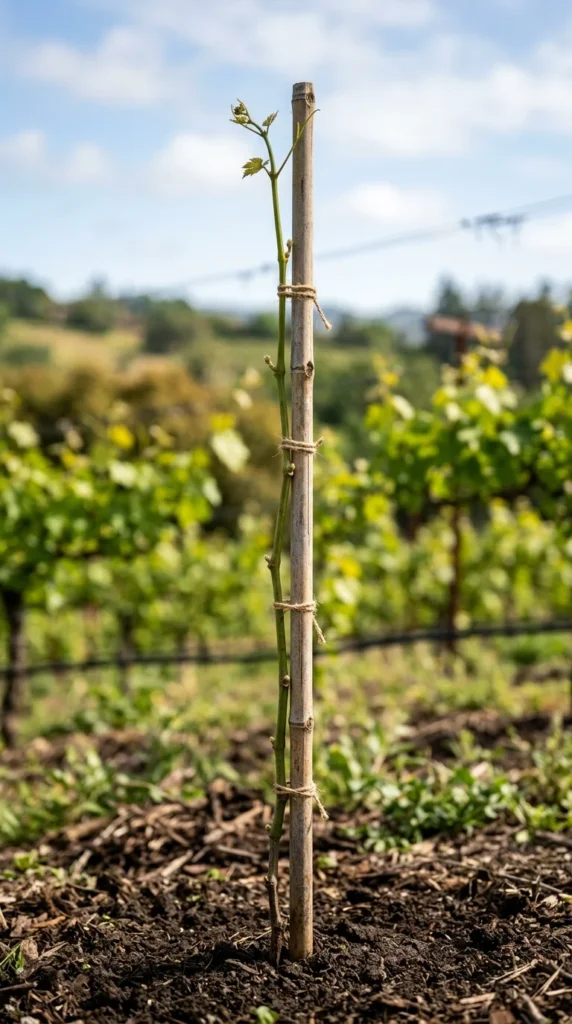
In the first year, your goal is not fruit; it is root development and the establishment of a strong “trunk.” After planting, prune the vine back to just two or three buds. As these buds grow, select the strongest shoot and tie it to your support stake, removing the others. This single shoot will become the permanent trunk of your vine.
8. Deep Watering
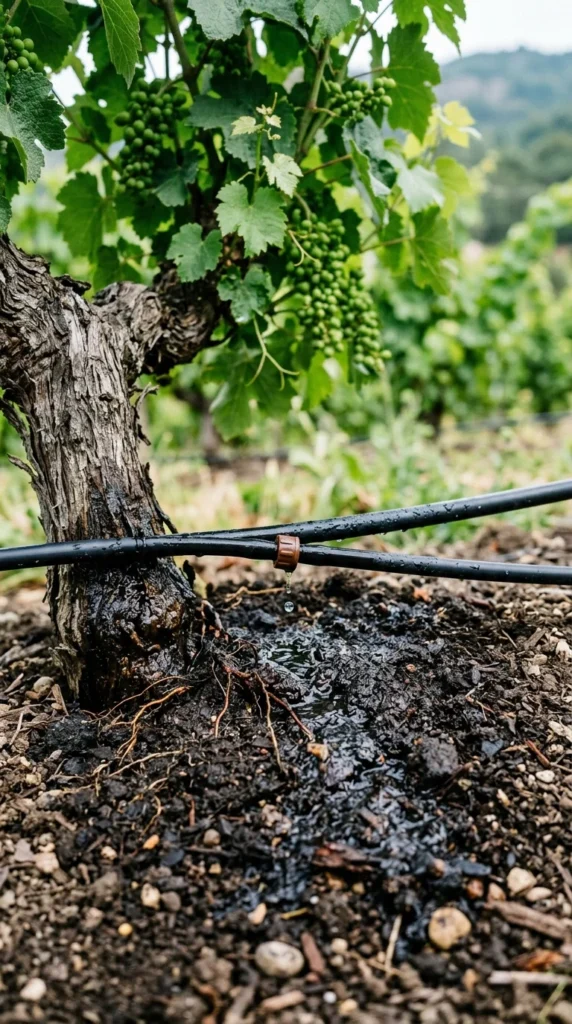
Young vines need consistent moisture to establish their roots, usually about an inch of water per week. However, once vines are established (after 2-3 years), they are remarkably drought-tolerant. It is better to water deeply and infrequently than to give them a light sprinkle every day. Deep watering encourages the roots to grow downward, making the plant more resilient during hot summers.
9. Dormant Pruning
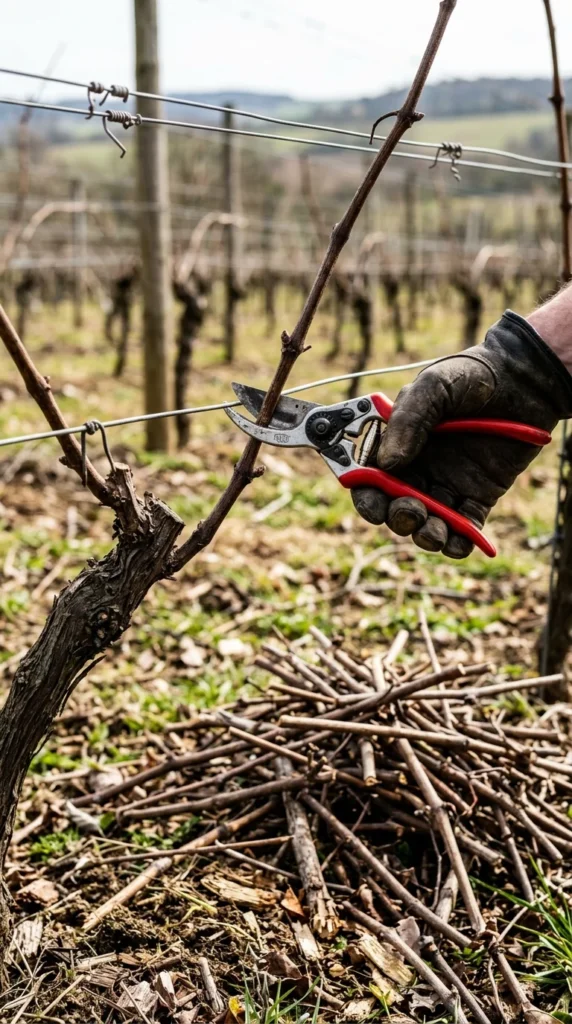
This is the most important maintenance task. Grapes produce fruit on wood that grew during the previous season. If you don’t prune, the vine will become a tangled mess of unproductive wood. Every winter, while the vine is dormant, you should remove 70% to 90% of the previous year’s growth. This radical pruning forces the vine to put its energy into producing high-quality fruit rather than excessive foliage.
10. Trunk Training
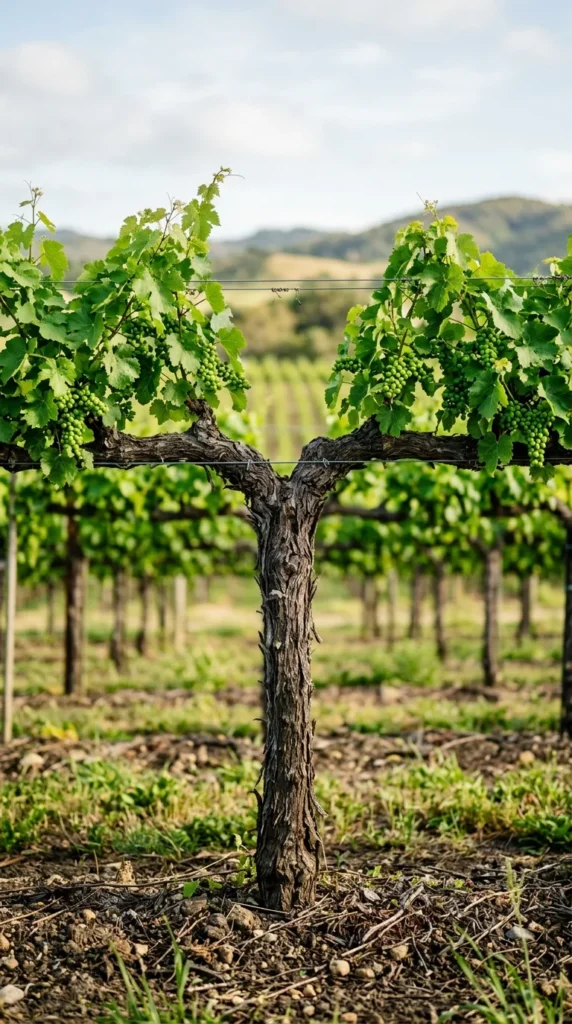
Training your vine into a specific shape makes harvesting and pruning much easier. The most common method is the “Four-Cane Kniffin” or “Cordon” system. You want to encourage the main trunk to grow vertically and then “train” side branches (arms) to grow horizontally along your trellis wires. These horizontal arms will produce the vertical “fruiting canes” that bear your grapes.
11. Mulching Secrets
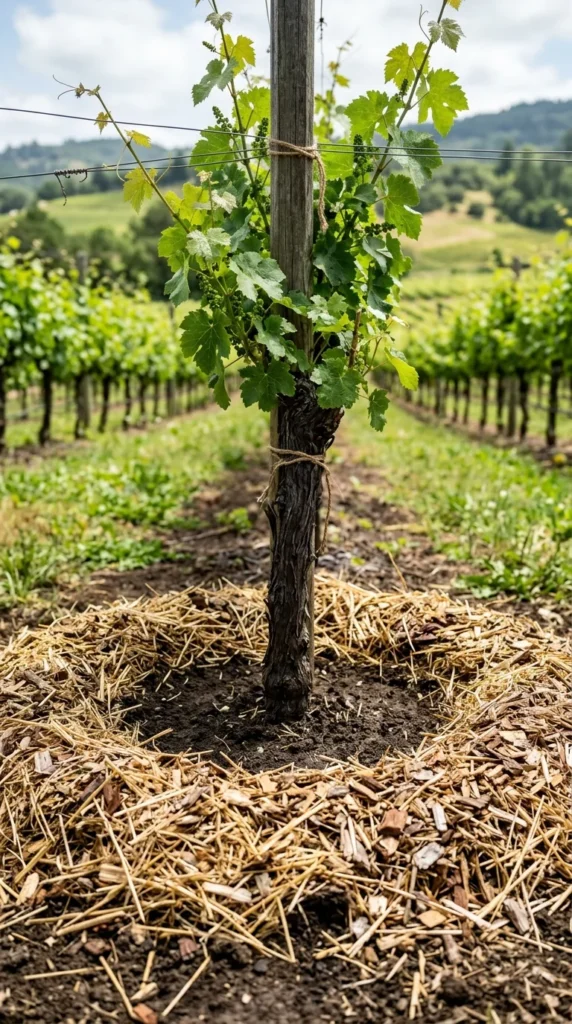
Apply a 2- to 3-inch layer of organic mulch, such as bark chips or straw, around the base of your vines. Mulch serves three purposes: it suppresses weeds that compete for nutrients, it retains soil moisture, and it adds organic matter as it breaks down. Be careful not to pile the mulch directly against the trunk, as this can trap moisture and encourage rot or pests.
12. Nutrient Timing
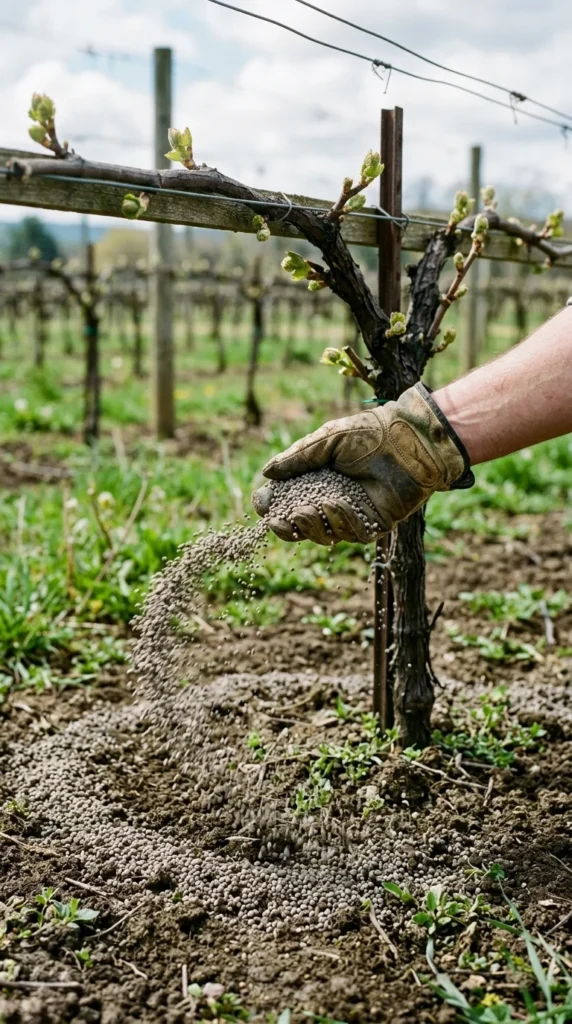
Grapes generally do not need heavy fertilization, especially if your soil is healthy. In fact, too much nitrogen will result in massive leaf growth but very little fruit. If your vines seem sluggish, apply a balanced 10-10-10 fertilizer in early spring as the buds begin to break. Avoid fertilizing late in the summer, as this encourages soft new growth that can be damaged by winter frost.
13. Weed Management
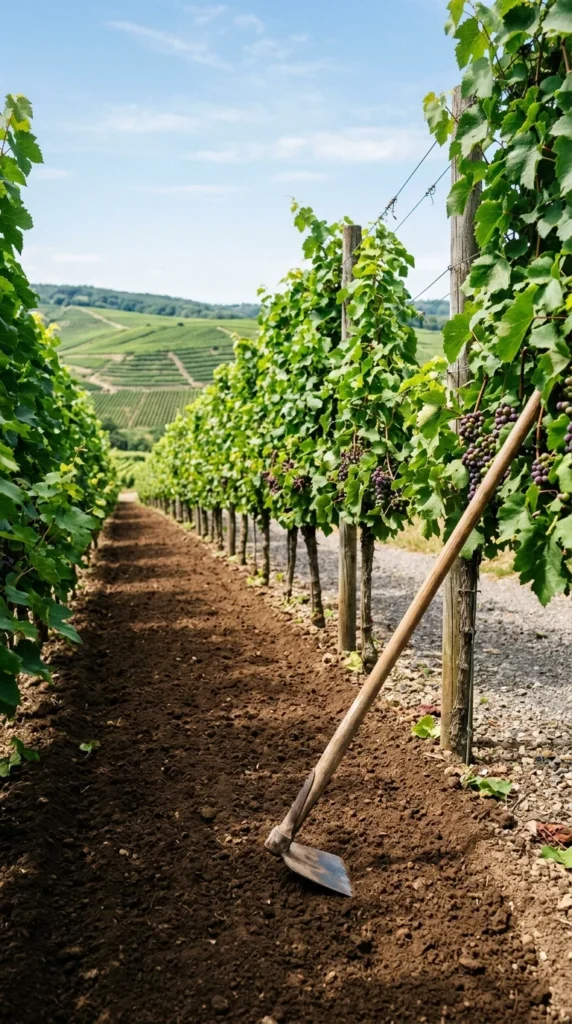
Grape vines have relatively shallow feeder roots that do not compete well with aggressive weeds or grass. Keep a 2- to 3-foot radius around the base of each vine clear of vegetation. Using a hoe or hand-pulling is safer than using herbicides, as grape leaves are extremely sensitive to chemical drift.
14. Airflow Importance
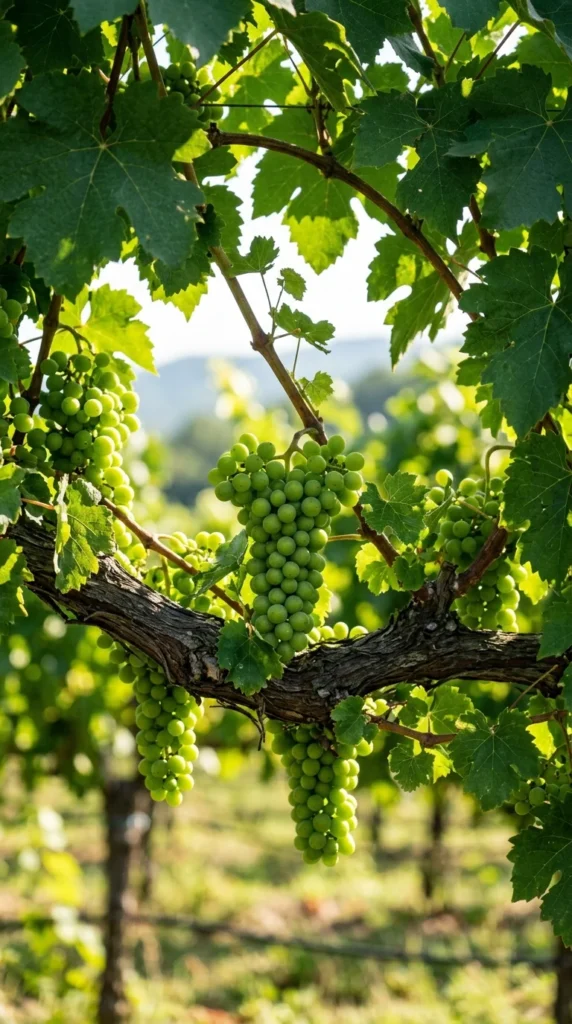
Good airflow is the best defense against fungal diseases. By pruning correctly and occasionally removing “fan leaves” that block the fruit clusters, you allow wind to move through the canopy. This dries the leaves and fruit after rain or dew, significantly reducing the risk of botrytis (gray mold) and downy mildew.
15. Fruit Thinning
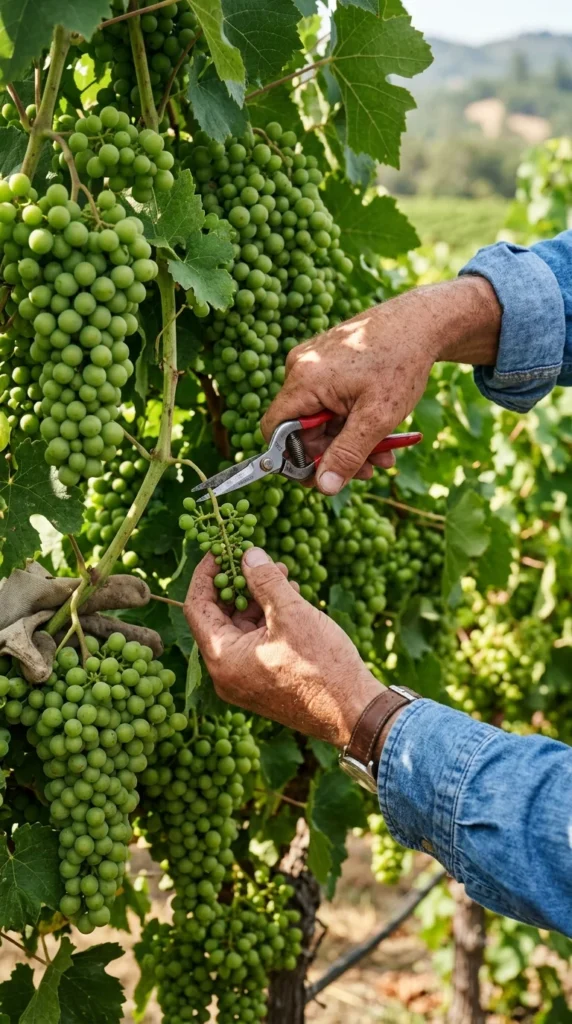
It is tempting to keep every cluster of grapes that appears, but “overcropping” can stress the vine and result in small, sour fruit. If a young vine (2-3 years old) produces too many clusters, remove some of them. For mature vines, thinning ensures that the remaining clusters receive more sugar and grow larger. Aim for about one to two clusters per fruiting shoot.
16. Pest Protection
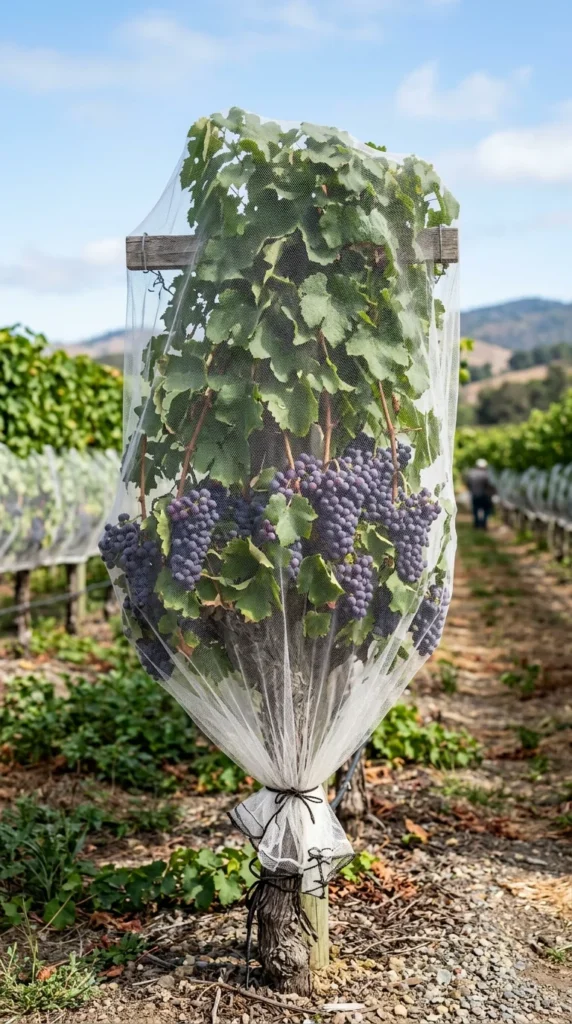
As grapes ripen and their sugar content rises, they become a magnet for birds, wasps, and raccoons. Bird netting is the most effective way to protect your harvest. Install the netting as soon as the grapes begin to change color (a process called veraison). Ensure the netting is tucked in at the bottom, or birds will find their way underneath it.
17. Identifying Veraison
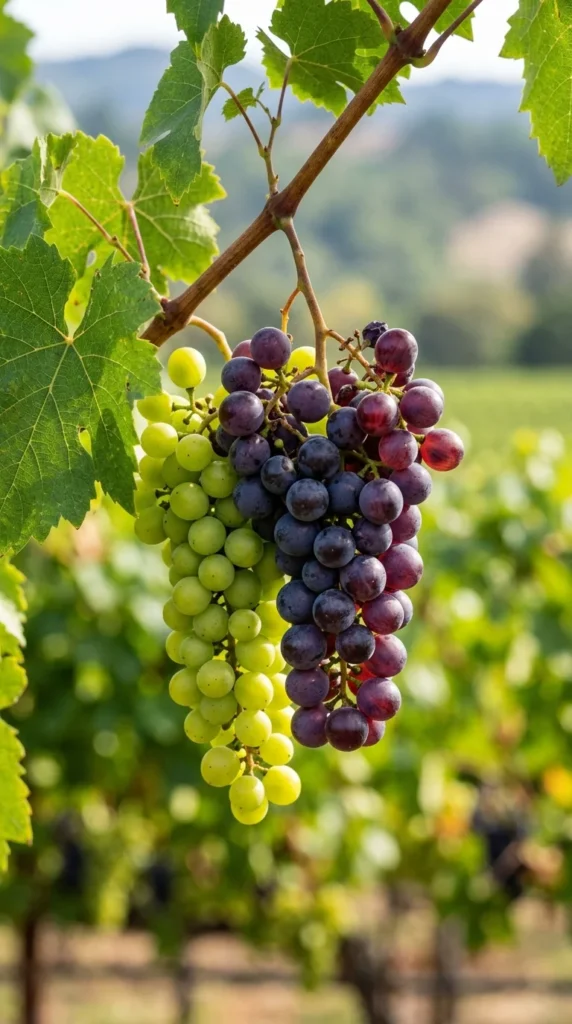
Veraison is the onset of ripening. During this stage, the grapes change color, soften, and begin to accumulate sugar. This is a critical indicator for the gardener. Once veraison begins, you should stop any heavy watering to prevent the skins from cracking, and you should increase your vigilance against pests.
18. Harvest Testing
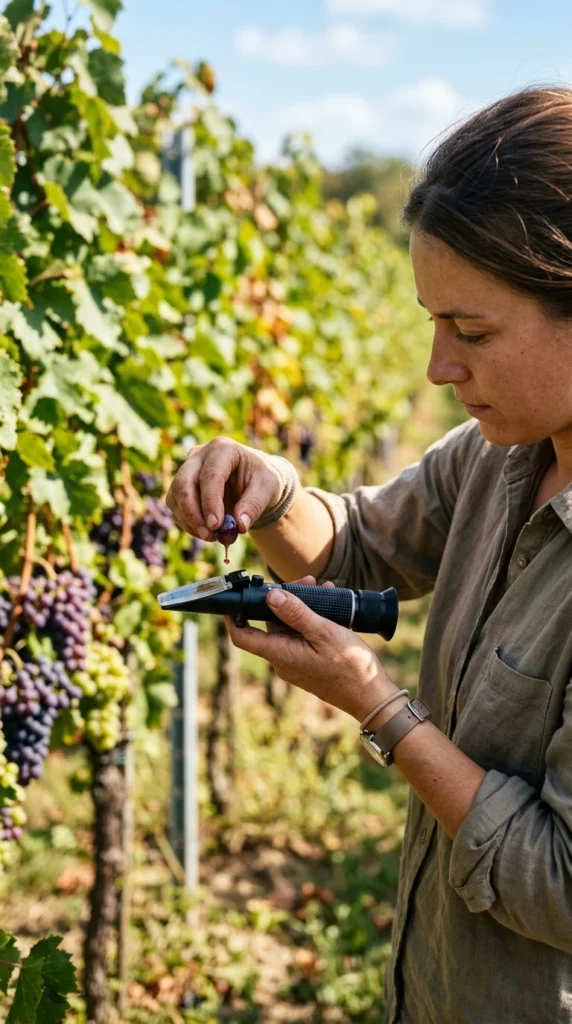
Color is not a reliable indicator of ripeness; some grapes turn purple weeks before they are actually sweet. To determine if they are ready, taste the grapes at the tip of the cluster (which ripen last). The seeds should turn from green to brown. If you want to be scientific, you can use a refractometer to measure the “Brix” (sugar content). Most table grapes are harvested between 17 and 20 Brix.
19. Winter Protection
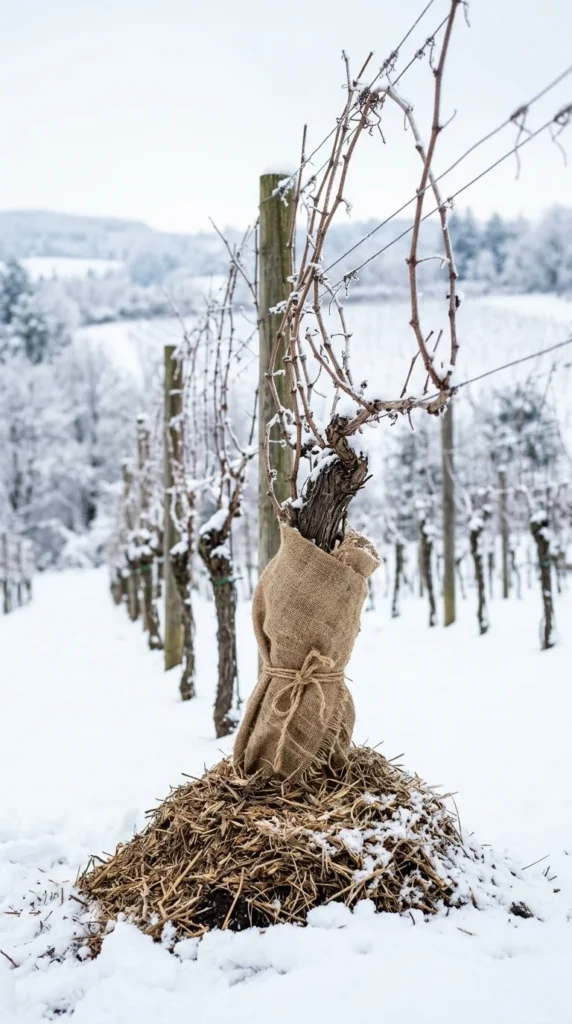
In very cold climates, even “hardy” grapes can suffer from winter kill. You can protect your vines by “hilling up” soil or mulch over the graft union in late autumn. Some gardeners in extreme northern climates even take the vines off the trellis, lay them on the ground, and cover them with straw or soil for the duration of the winter.
20. Patience and Longevity
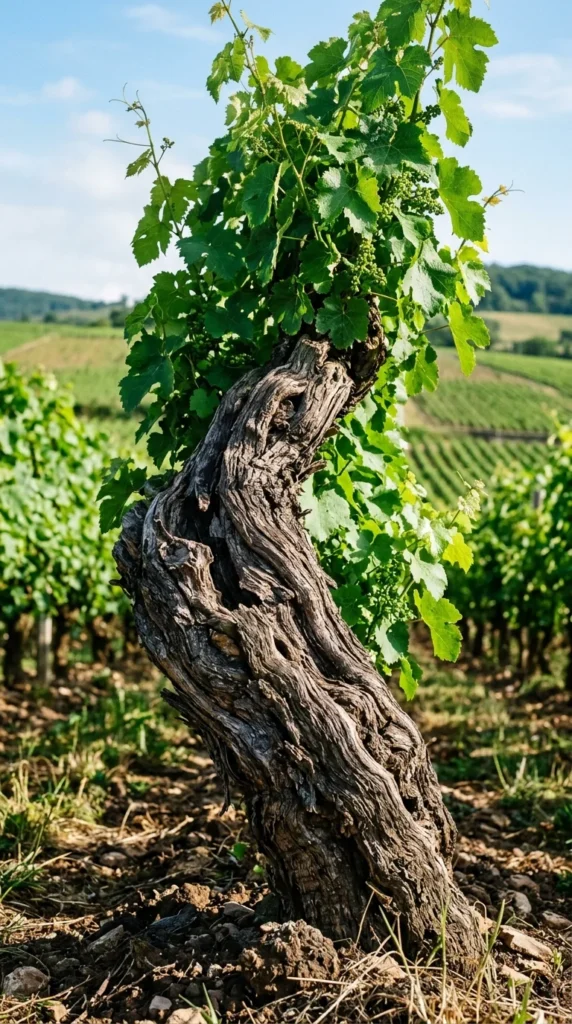
Grapes are a long-term investment. You should generally not expect a harvest in the first or second year. By the third year, you may get a small “teaser” crop, but the vine won’t reach full production until years five or six. However, a well-cared-for grape vine can live and produce fruit for 50 to 100 years. Treat them well, and they will provide for generations.