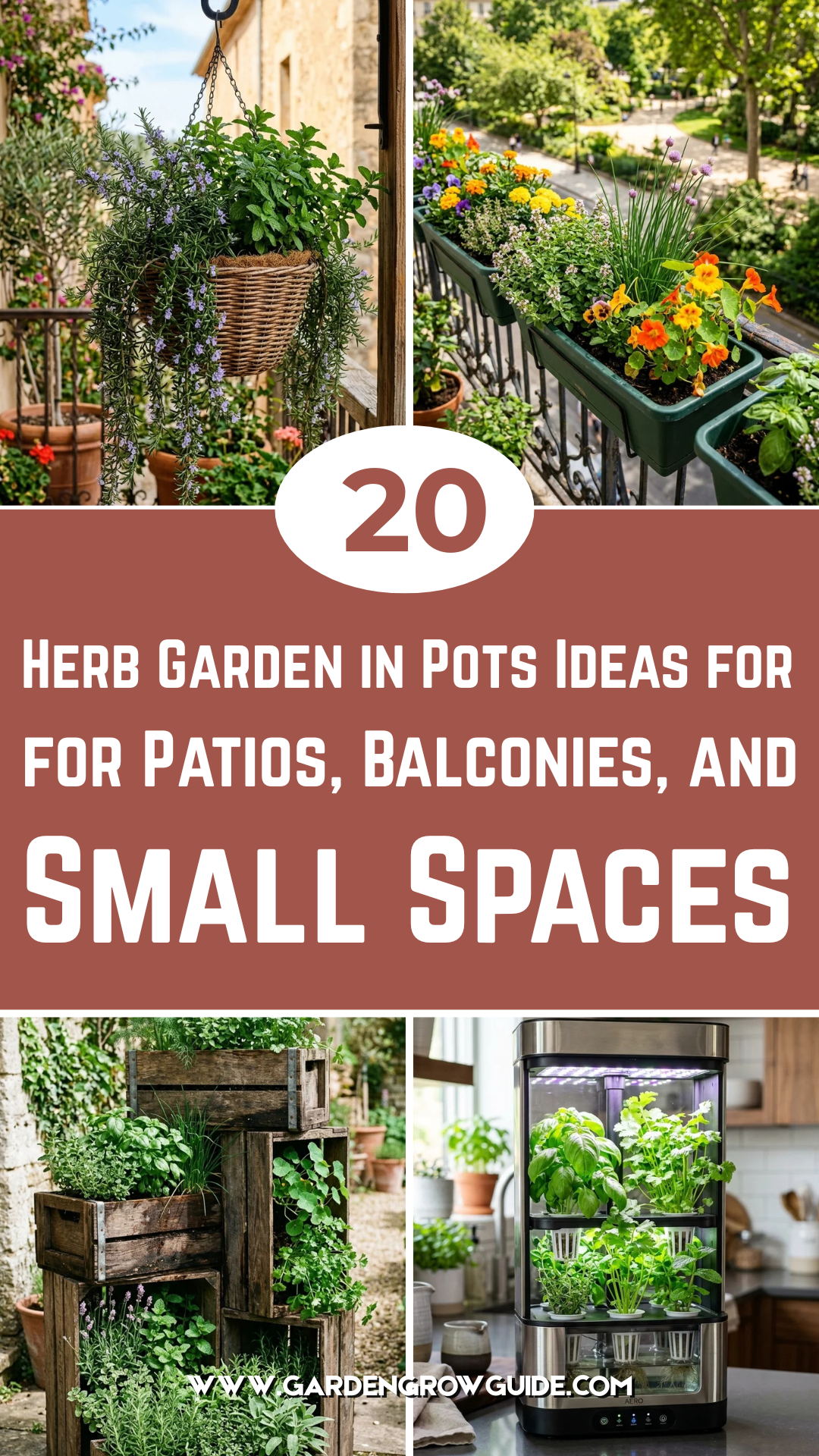
The dream of harvesting fresh basil for a homemade pesto or clipping sprigs of rosemary for a Sunday roast shouldn’t be limited by the size of your backyard. For those living in urban environments, apartments, or homes with limited outdoor space, container gardening offers a versatile and rewarding solution. Herb gardens are particularly suited for pots because most culinary herbs are resilient, adapt well to confined root spaces, and thrive in the microclimates created on patios and balconies.
Transforming a small corner into a fragrant, edible oasis requires a blend of creativity and horticultural knowledge. By choosing the right containers and arrangement styles, you can maximize your yield and elevate your outdoor aesthetic. Here are 20 innovative herb garden ideas designed specifically for small spaces.
1. Tiered Planters
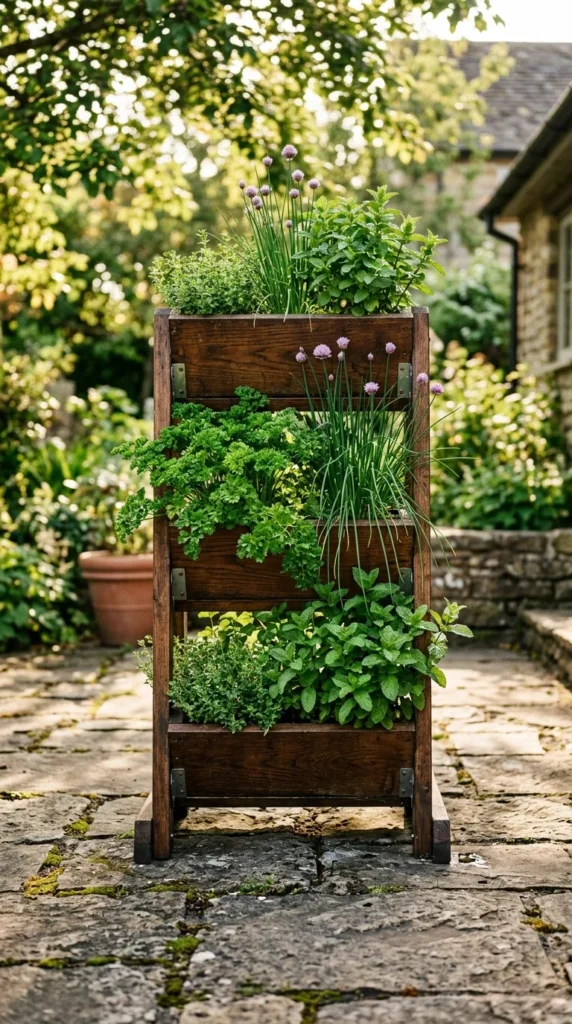
Tiered planters are the ultimate space-savers. By stacking growing areas vertically, you triple your planting surface without increasing the footprint on your floor. This setup is ideal for categorizing herbs; for instance, you can place sun-loving Mediterranean herbs like oregano and thyme on the top tier and moisture-loving herbs like chives on the bottom.
2. Vertical Walls
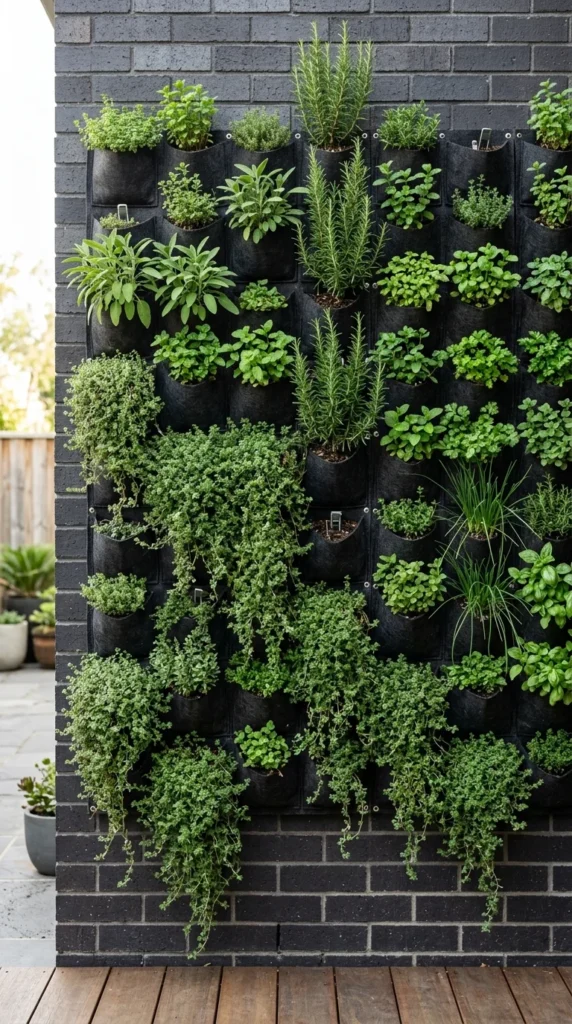
A vertical herb wall turns a bare fence or balcony side into a living piece of art. Using modular wall pockets or felt systems allows for excellent drainage and air circulation. This method is particularly effective for trailing herbs that look beautiful as they spill over the edges of the pockets, creating a lush, jungle-like atmosphere in a compact area.
3. Window Boxes
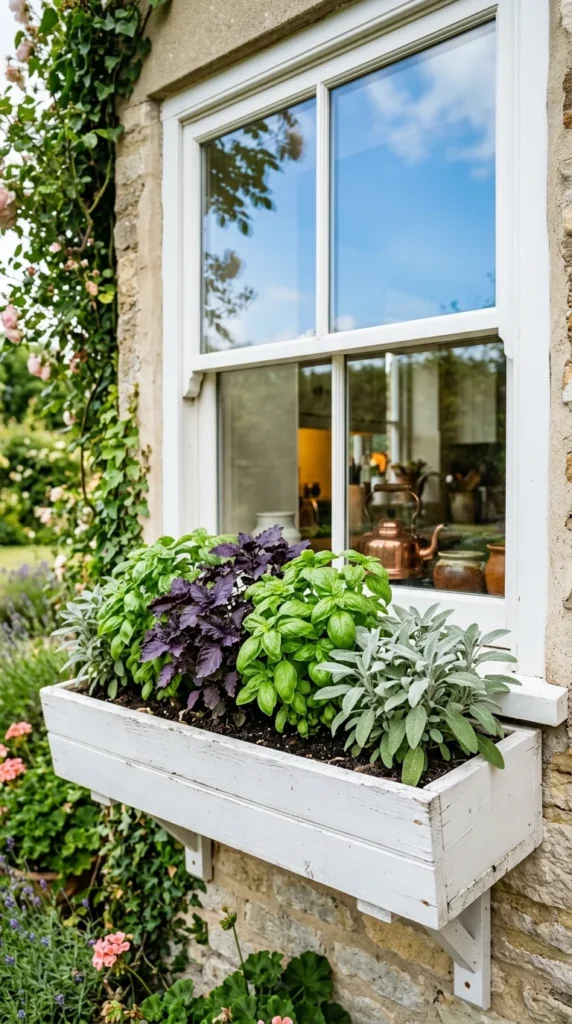
Window boxes bring your herb garden right to your fingertips. Mounted outside a kitchen window, they provide instant access to fresh ingredients while you cook. They are perfect for herbs that stay relatively low to the ground, such as cilantro, parsley, and dwarf varieties of basil.
4. Hanging Baskets
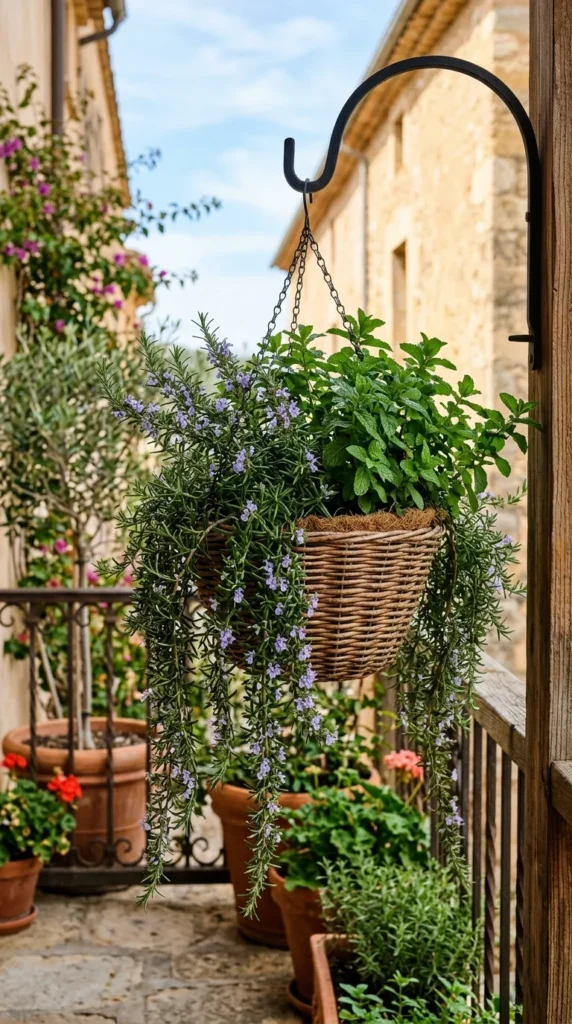
If floor space is non-existent, look up. Hanging baskets utilize the “airspace” of your balcony or porch. They are particularly well-suited for trailing herbs. Mint, which can be invasive in ground gardens, is perfectly contained in a hanging basket where its runners have nowhere to go but down.
5. Repurposed Pallets
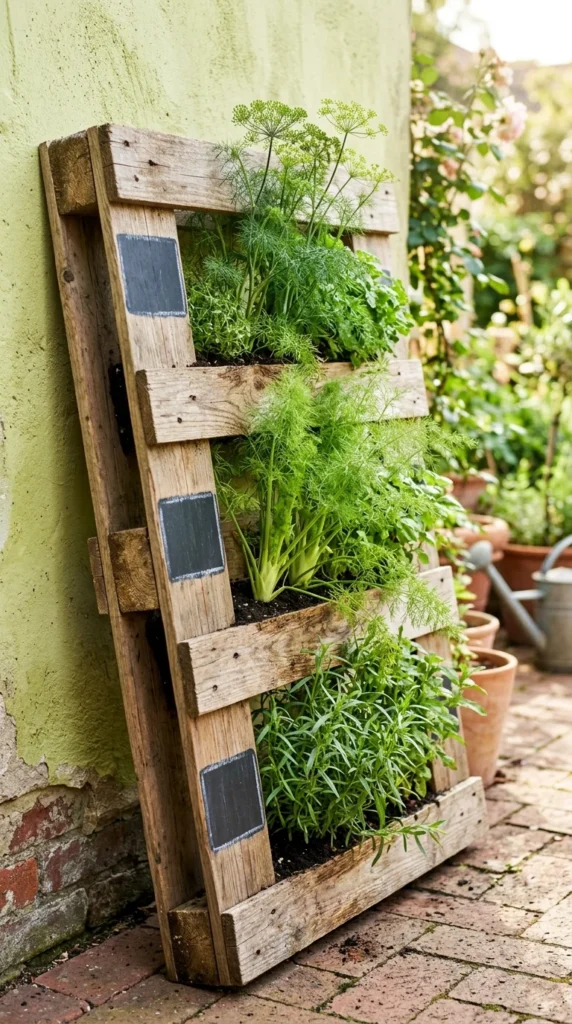
Repurposing a wooden pallet is an eco-friendly and budget-conscious way to create a vertical garden. By sealing the back and bottom of the slats with landscaping fabric, you create troughs for soil. This creates a farmhouse-chic look that provides ample space for a wide variety of herbs in a very narrow profile.
6. Terracotta Pots
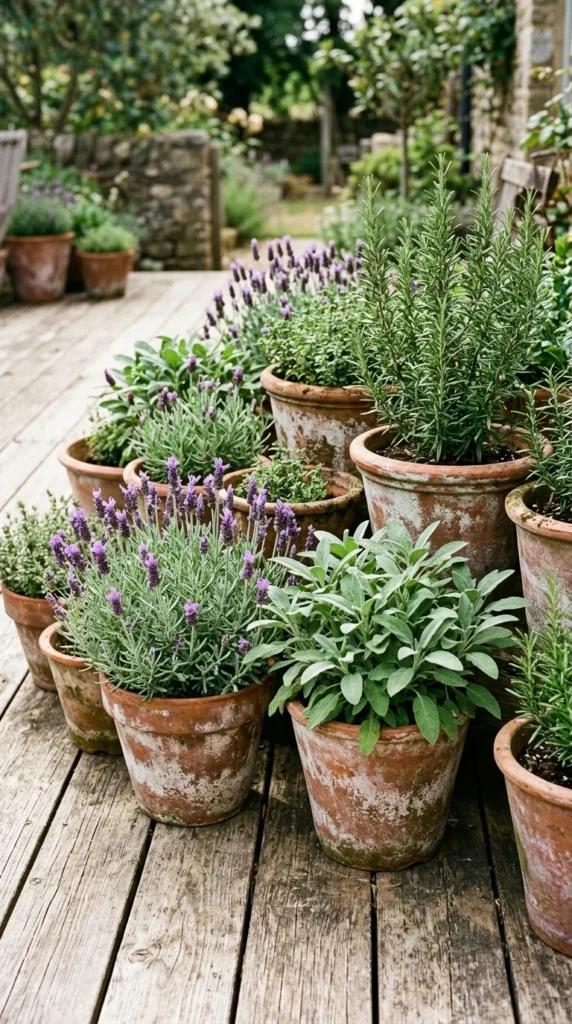
Terracotta is a classic choice for a reason. The porous nature of the clay allows the soil to “breathe” and prevents root rot by wicking away excess moisture. This makes terracotta ideal for Mediterranean herbs like lavender, rosemary, and sage, which prefer “dry feet” and well-drained soil.
7. Galvanized Tubs
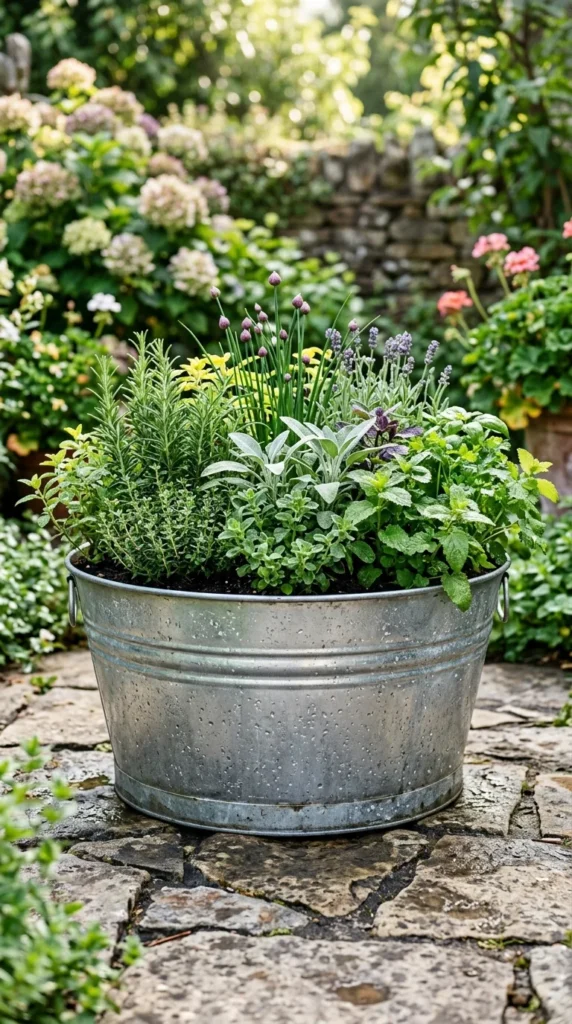
Galvanized steel tubs offer a rustic, industrial aesthetic and a large volume of soil for root expansion. Because metal can heat up in direct sunlight, these are best used for herbs that enjoy warmth. It is crucial to drill drainage holes in the bottom of these tubs to ensure the herbs don’t become waterlogged during heavy rains.
8. Mason Jars
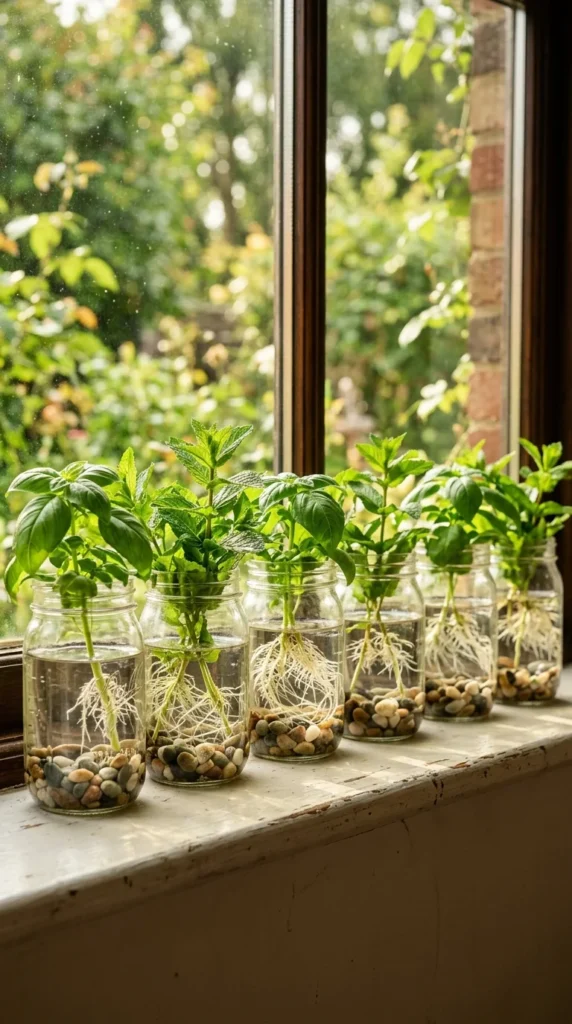
For the smallest of spaces—or for those who want an indoor garden—mason jars are a charming option. While they lack drainage, they can be used for “hydroponic” style growing or by adding a thick layer of pebbles at the bottom to prevent the roots from sitting directly in water. They are perfect for a “tea garden” featuring mint and lemon balm.
9. Self-Watering Pots
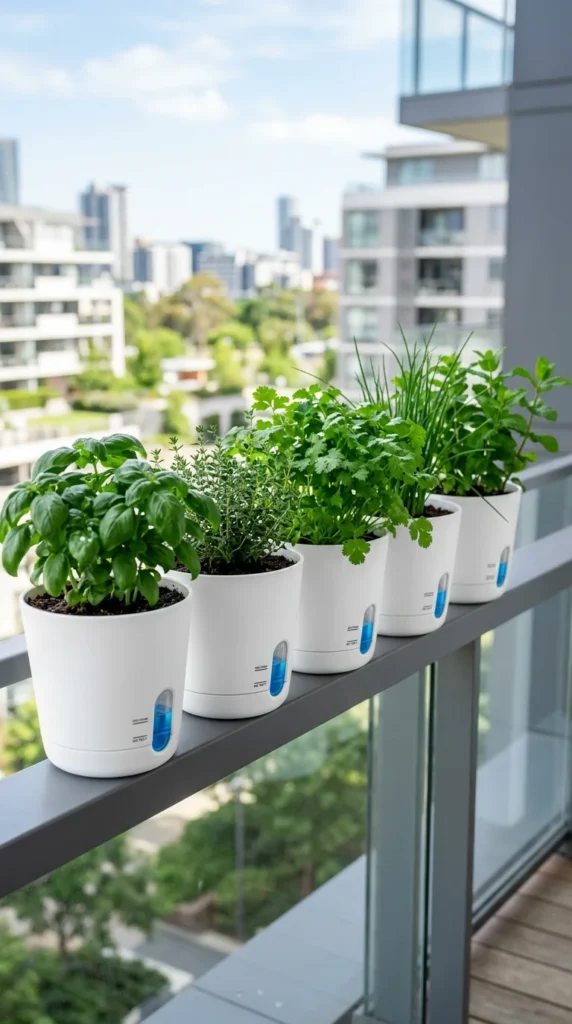
Self-watering containers are a lifesaver for busy gardeners or those living in hot climates where pots dry out quickly. These pots feature a reservoir at the bottom that provides a consistent moisture level to the plants via a wicking system. Herbs like basil and parsley, which prefer consistently moist soil, thrive in this environment.
10. Railing Planters
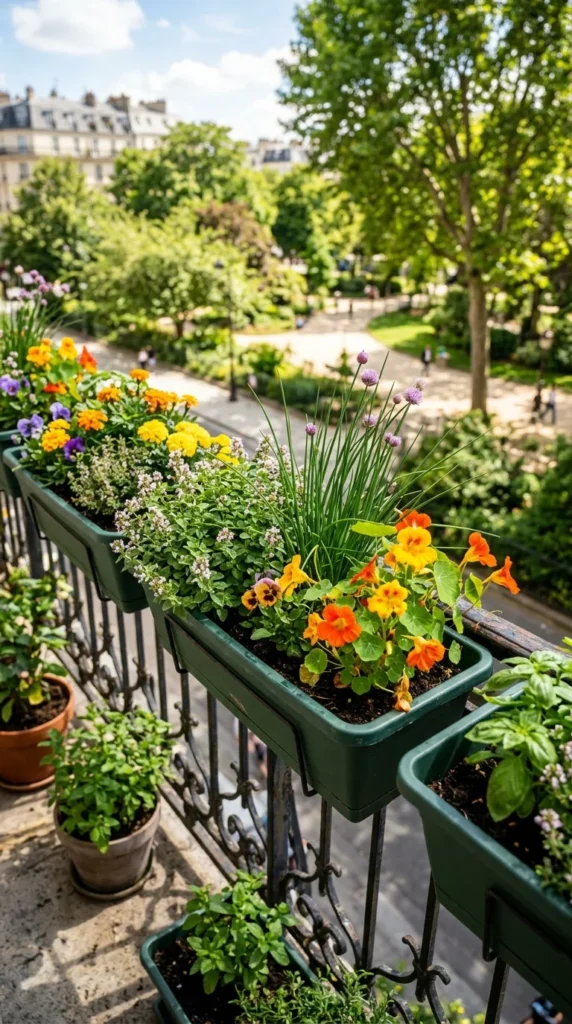
Railing planters utilize the perimeter of your space, keeping the floor clear for furniture. These “saddlebag” style pots are easy to install and move. They provide excellent drainage and put your herbs at waist height, making harvesting comfortable and convenient.
11. Ladder Shelves
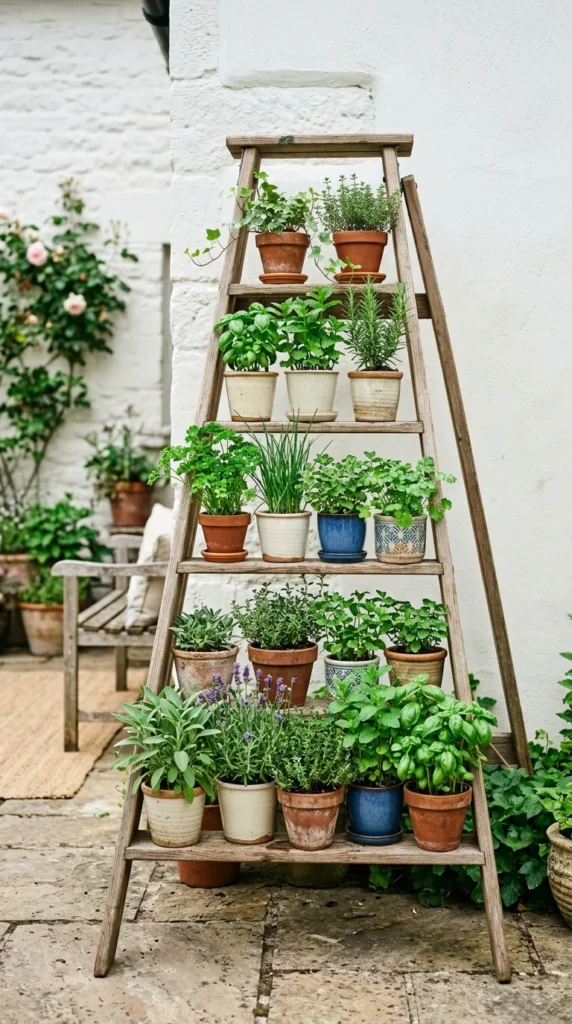
A ladder shelf is a stylish way to organize a collection of individual pots. It creates a focal point in your outdoor space and allows you to move individual plants easily if they need more or less sun. This setup is perfect for a diverse collection where each herb has its own specific watering needs.
12. Strawberry Jars
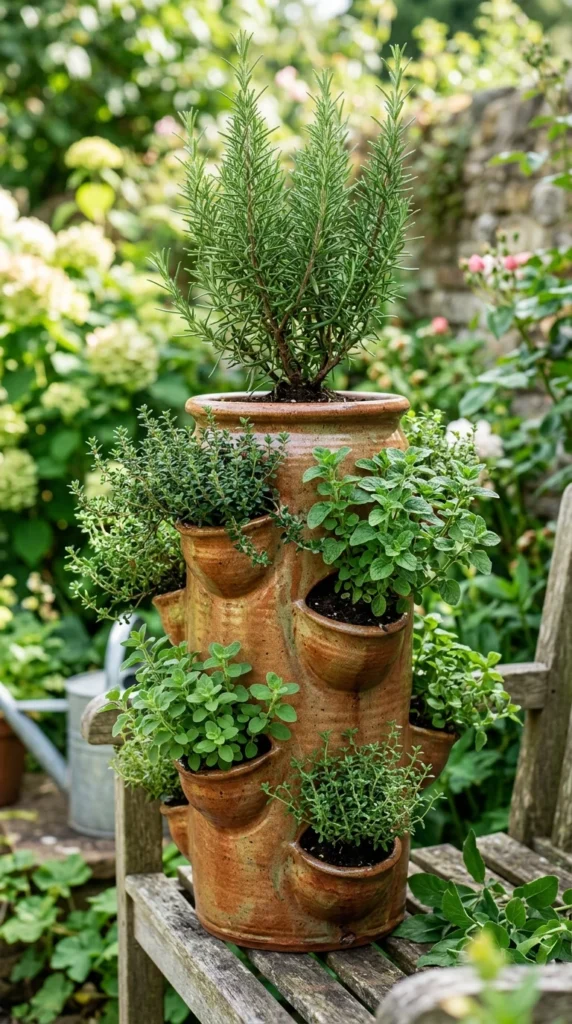
Strawberry jars are not just for berries. The side pockets are perfect for small, creeping herbs like thyme or marjoram. The main top opening can house a larger, more structural herb like rosemary. This design allows you to grow a “herb tower” in a very small circular footprint.
13. Tea Tins
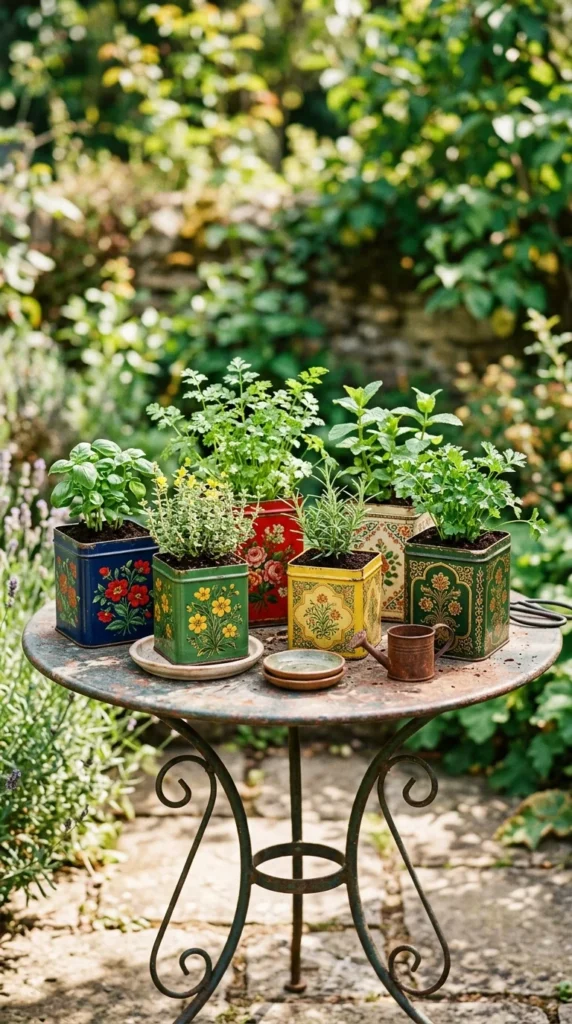
Upcycling vintage tea tins or decorative food cans adds a whimsical, eclectic touch to your herb garden. These are perfect for small “micro-herbs” or for starting seeds. Because they are small, they can be moved around easily to follow the path of the sun throughout the day.
14. Fabric Grow Bags
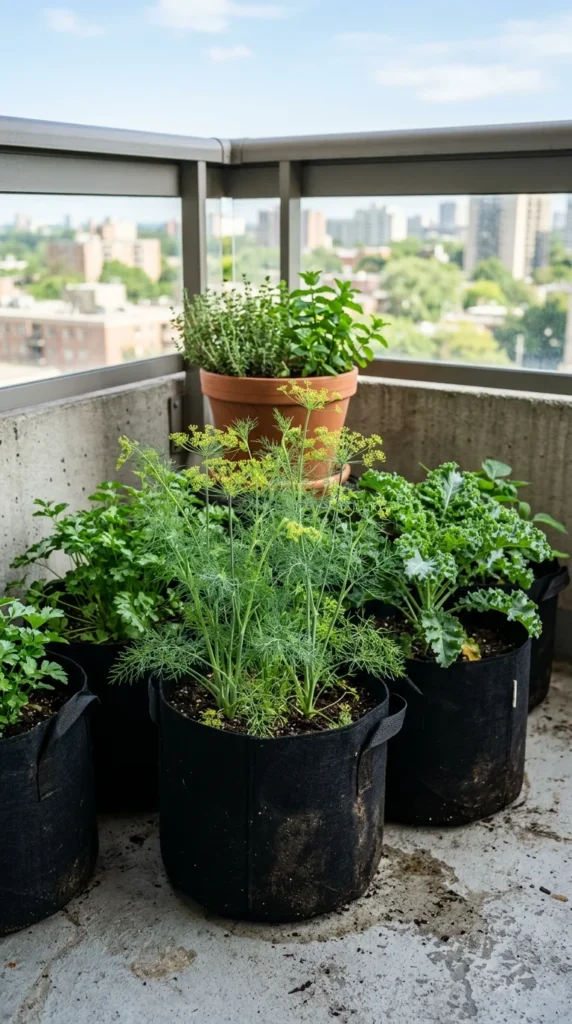
Fabric grow bags are a favorite among professional urban gardeners. The breathable fabric “air-prunes” the roots, preventing them from circling and becoming root-bound. They are lightweight, easy to move, and can be folded and stored away during the winter months.
15. Wooden Crates
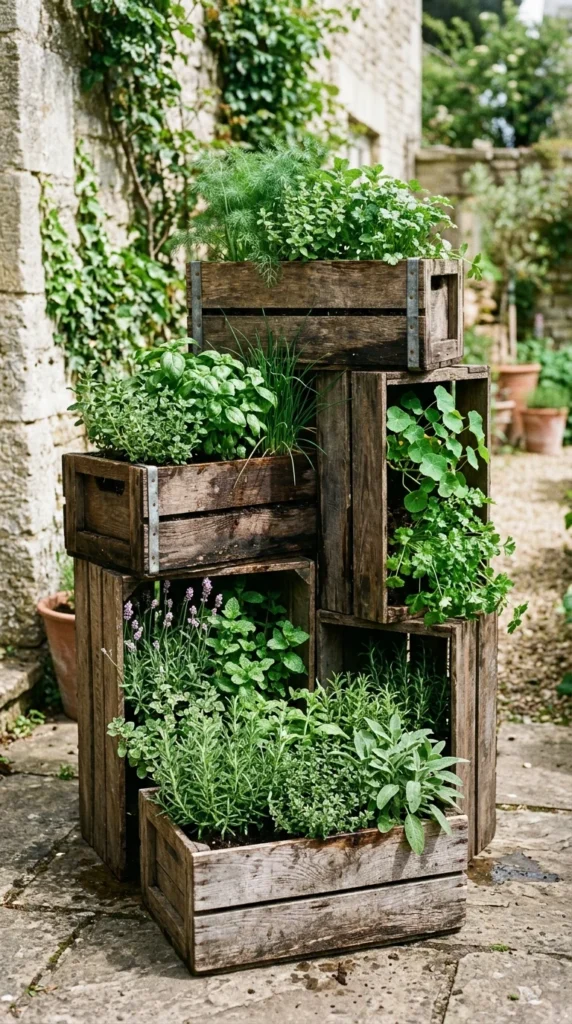
Wooden crates provide a deep root zone and a classic aesthetic. You can line them with plastic (with drainage holes) to extend the life of the wood. They are sturdy enough to hold larger herbs like bay laurel or large rosemary bushes that might top-heavy in smaller pots.
16. Hydroponic Pods
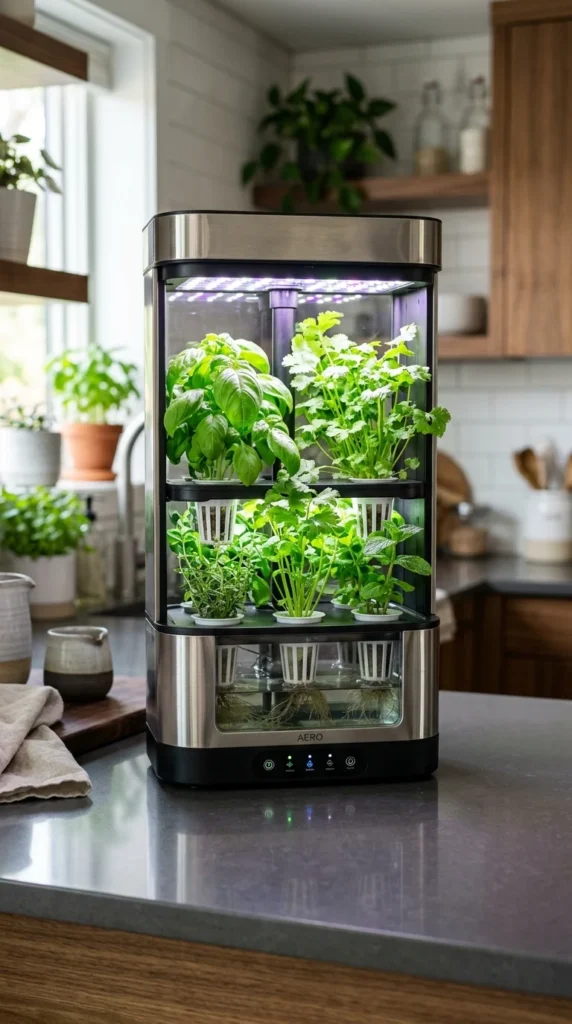
For those with no outdoor space or very low light, smart hydroponic systems are the solution. These units automate the lighting and watering process, allowing you to grow herbs year-round in your kitchen. They are incredibly efficient and produce very fast-growing, tender herbs.
17. Concrete Planters
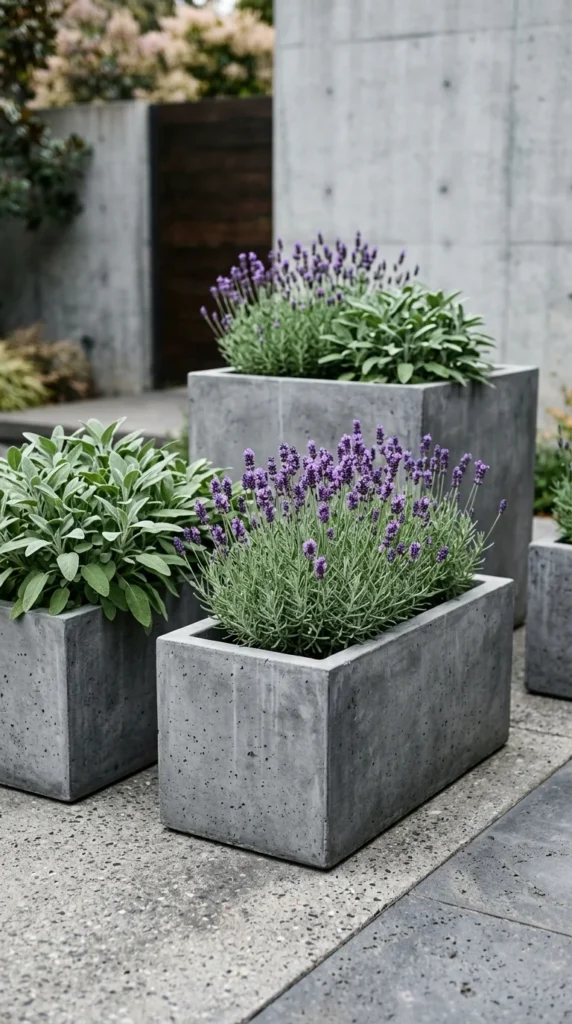
Concrete planters are perfect for windy balconies or rooftops where lightweight pots might blow over. They have excellent thermal mass, helping to regulate soil temperature. Their minimalist look fits perfectly in contemporary or industrial-style outdoor spaces.
18. Rolling Carts
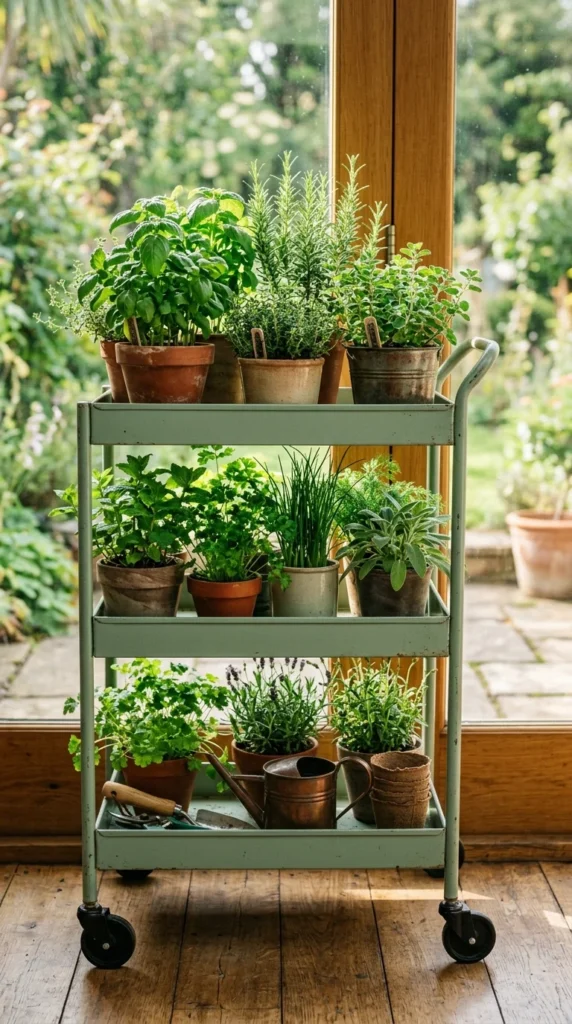
A rolling cart allows you to move your entire garden to follow the sun or to bring it indoors during a frost. It’s also a great way to bring the “garden” to the table during an outdoor dinner party, allowing guests to snip their own fresh garnishes.
19. Woven Baskets
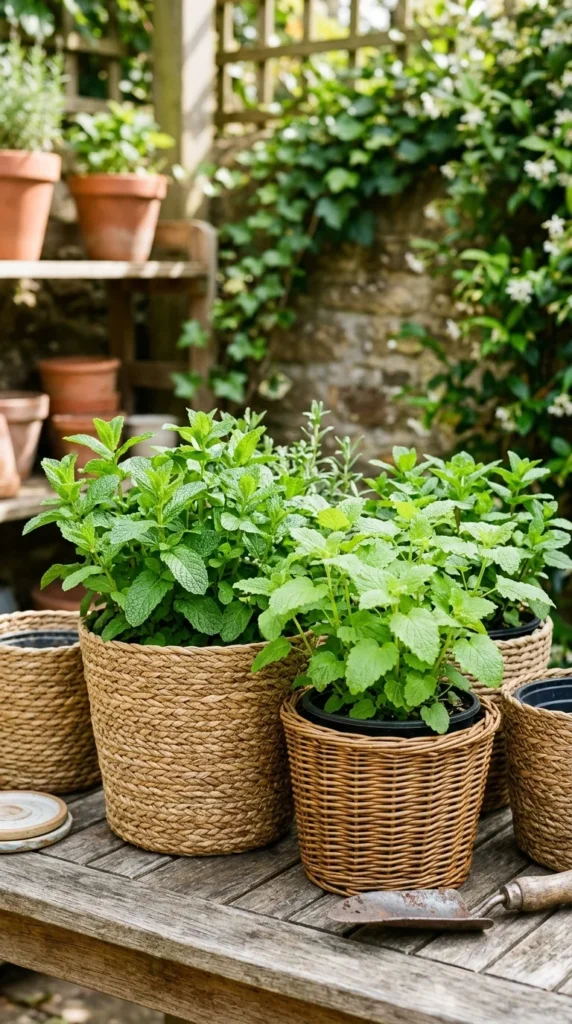
Woven baskets add warmth and texture to a balcony. By using a plastic liner or a hidden pot inside the basket, you get the beautiful natural look of weaving without the rot associated with constant moisture. This creates a cozy, Mediterranean or “boho” vibe.
20. Color-Coded Pots
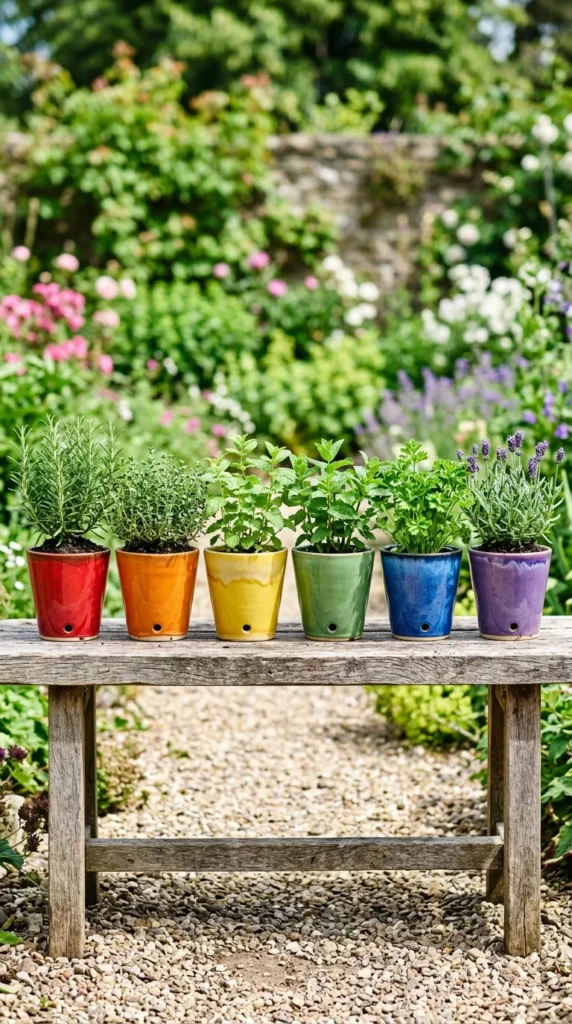
Using color-coded pots is not only visually striking but also functional. You can use different colors to categorize your herbs by use: red for spicy (like Thai basil or peppers), green for salad herbs (parsley, chives), and blue for tea herbs (mint, chamomile).
Essential Tips for Container Herb Success
Growing herbs in pots is slightly different than growing them in the ground. To ensure your small-space garden flourishes, keep these three pillars of care in mind:
- Sunlight is Non-Negotiable: Most herbs need at least 6 to 8 hours of direct sunlight per day. If your balcony is shaded, stick to “soft” herbs like mint, parsley, and cilantro, which can tolerate partial shade. For sun-drenched spots, rosemary, thyme, and oregano will thrive.
- Drainage is the Priority: More container plants die from overwatering than underwatering. Always ensure your pots have drainage holes. If you find a beautiful decorative pot without a hole, use it as a “cachepot” (an outer sleeve) for a functional plastic pot with holes inside.
- Harvest Often: Herbs are unique in that the more you harvest them, the better they grow. Regular “pinching” of the stems encourages the plant to branch out and become bushy rather than tall and “leggy.” Never harvest more than one-third of the plant at a time to ensure it has enough energy to regrow.