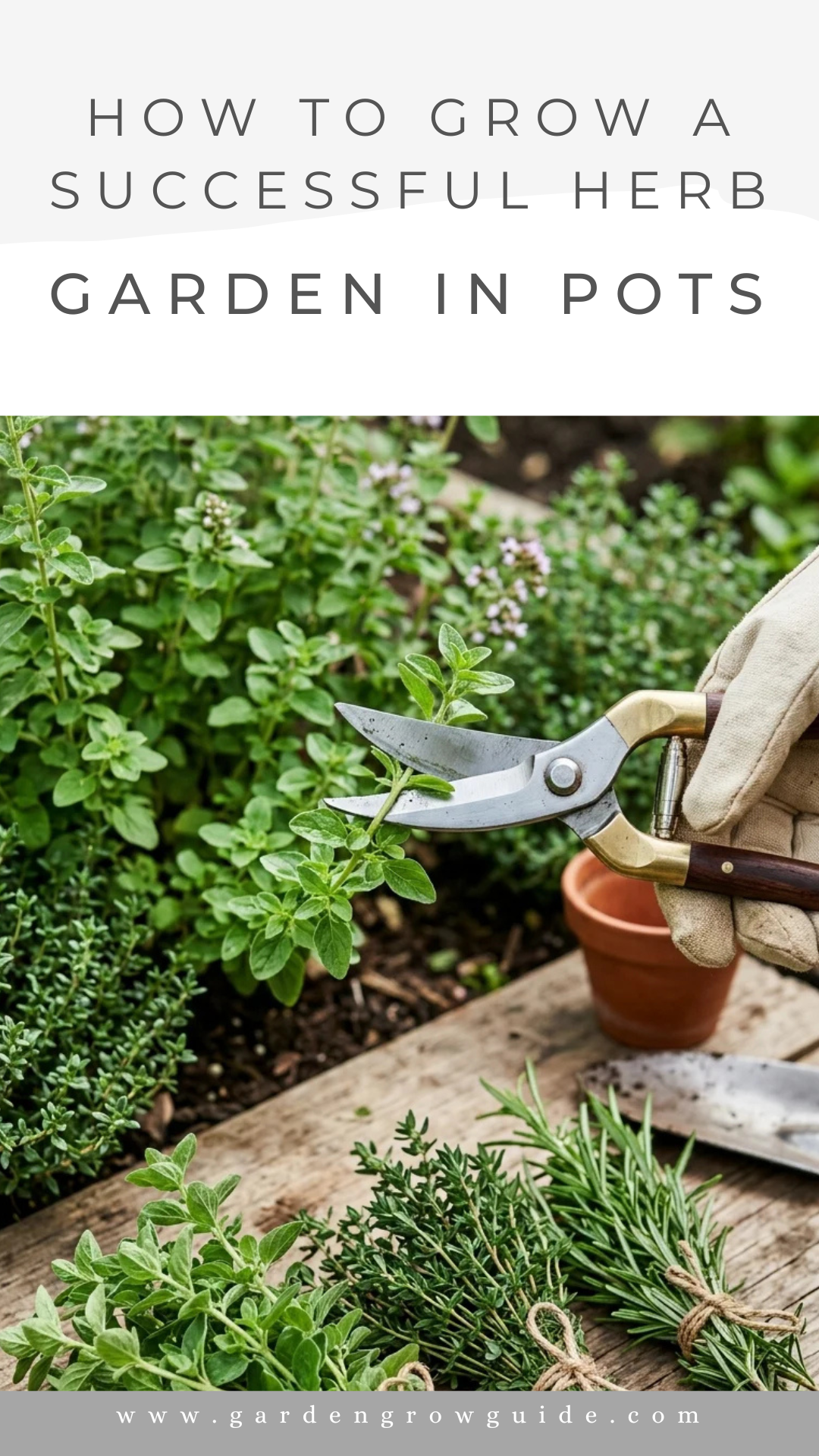
Cultivating an herb garden in containers is one of the most rewarding endeavors for both novice and experienced gardeners. Whether you live in a sprawling rural estate or a compact city apartment with only a small balcony, pots provide the flexibility to grow fresh, aromatic ingredients right at your fingertips. Container gardening allows for precise control over soil quality, drainage, and sunlight exposure, often resulting in healthier plants than those grown in the ground.
1. Containers
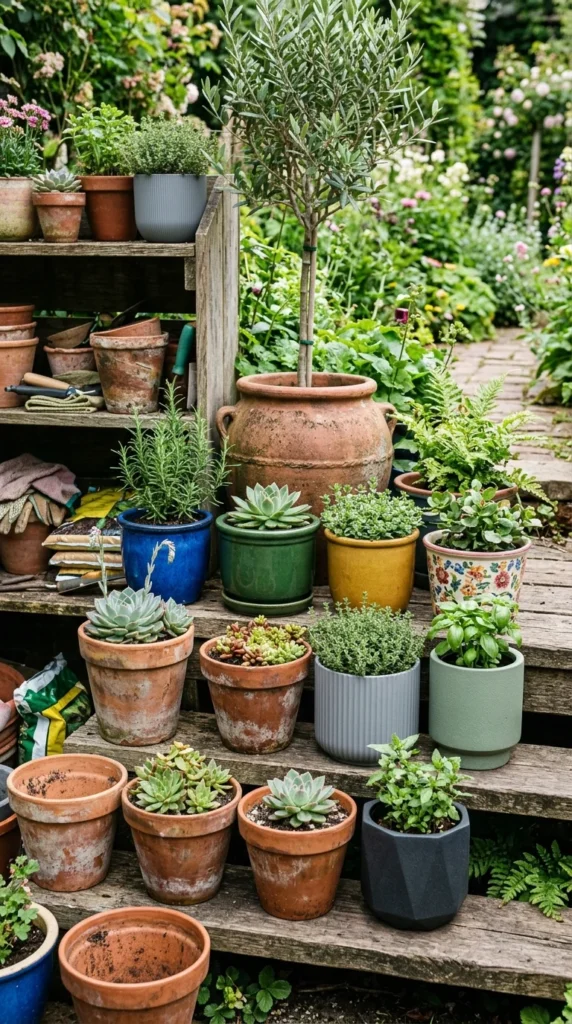
The choice of container is the foundation of your herb garden’s success. While almost anything that holds soil can technically be a pot, certain materials offer distinct advantages.
- Terra Cotta: These classic clay pots are porous, allowing the soil to breathe and moisture to evaporate. This is ideal for Mediterranean herbs like rosemary and thyme that prefer “dry feet.”
- Plastic and Resin: These are lightweight and excellent at retaining moisture. They are perfect for water-loving herbs like mint or chervil.
- Size Matters: Always choose a pot that allows for at least 6 to 12 inches of depth. Herbs with deep taproots, such as dill or parsley, require deeper containers, while spreading herbs like oregano can thrive in shallower, wider bowls.
- Drainage: This is non-negotiable. Ensure your pot has at least one large drainage hole at the bottom. Without proper drainage, water collects at the base, leading to root rot and the eventual death of the plant.
2. Soil
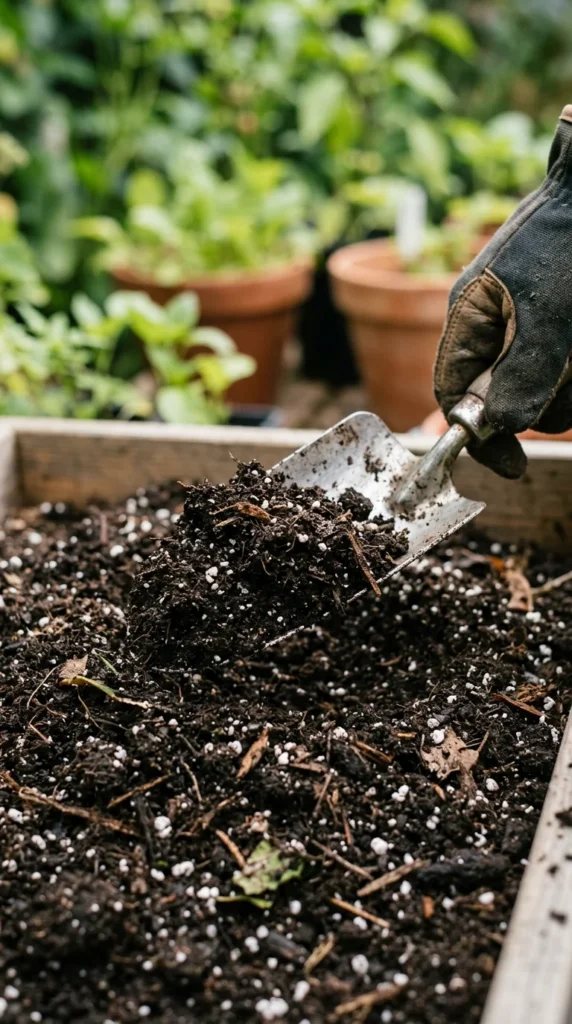
One of the most common mistakes beginners make is using garden soil in pots. Garden soil is too heavy and compacts easily in a container environment, suffocating the roots.
- Potting Mix: Always use a high-quality organic potting mix. These mixes are soil-less, usually consisting of peat moss, pine bark, and perlite or vermiculite. This structure ensures the mix remains light, fluffy, and well-aerated.
- Nutrient Density: Look for mixes that include organic compost or aged manure. This provides a slow-release source of nutrients that herbs need to produce the essential oils responsible for their flavor.
- Aeration: Ingredients like perlite (the small white “stones”) are vital because they create air pockets, allowing roots to expand easily and access oxygen.
3. Sunlight
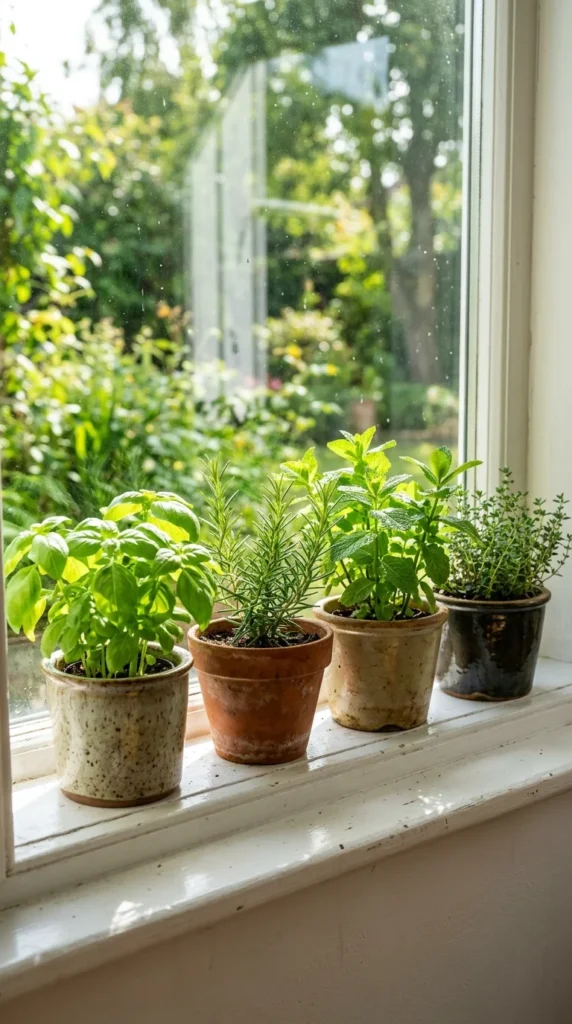
Sunlight is the fuel that powers herb growth. Most culinary herbs are native to sunny climates and require a significant amount of light to thrive.
- Direct Sun: Aim for at least 6 to 8 hours of direct sunlight per day. A south-facing window or balcony is usually the best location.
- Partial Shade: Some herbs, such as mint, parsley, and cilantro, can tolerate partial shade, especially in hotter climates where the afternoon sun might be too intense.
- Artificial Light: If your home lacks natural light, you can use LED grow lights. Keep the lights about 6 inches above the plants and run them for 12 to 14 hours a day to simulate a full day of sun.
4. Watering
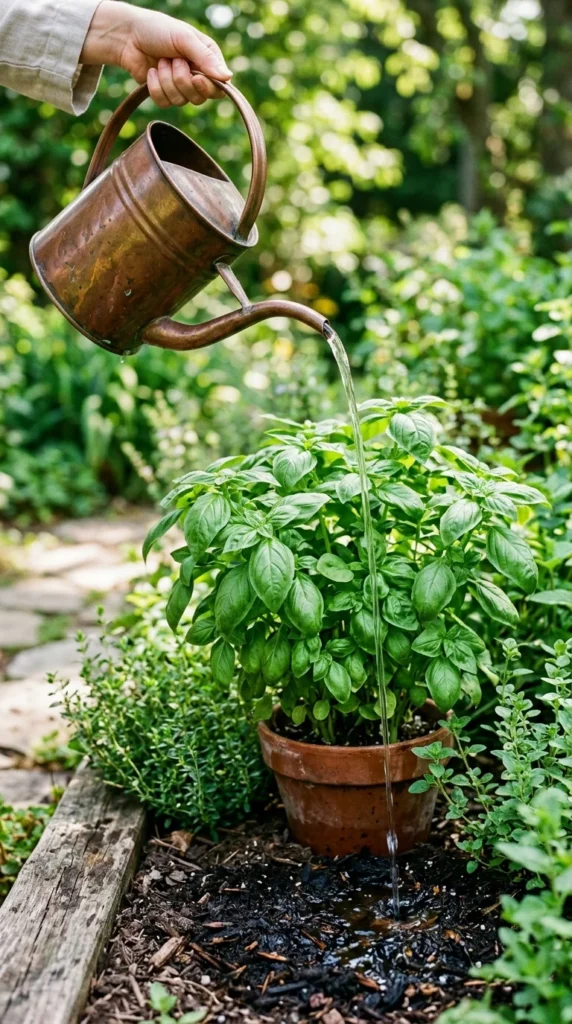
Watering is an art form in container gardening. Because pots have a limited volume of soil, they dry out much faster than the ground.
- The Finger Test: Before watering, stick your finger about an inch into the soil. If it feels dry, it’s time to water. If it’s still moist, wait another day.
- Consistent Moisture: Herbs like basil and mint prefer consistently moist soil, while others like lavender and sage need the soil to dry out significantly between waterings.
- Bottom Watering: For sensitive herbs, you can place the pot in a tray of water for 30 minutes, allowing the soil to wick up moisture from the bottom. This keeps the foliage dry and prevents fungal issues.
5. Basil
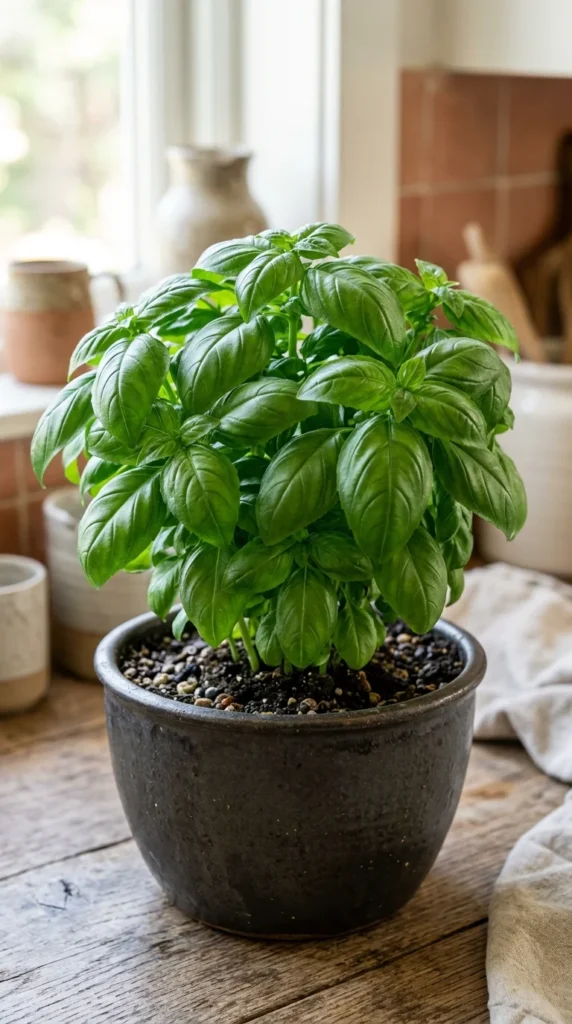
Basil is perhaps the most popular container herb. It is a heat-loving annual that grows rapidly under the right conditions.
- Variety: Choose ‘Genovese’ for traditional pesto or ‘Thai Basil’ for spicy, anise-flavored dishes.
- Pinching: To keep basil from becoming leggy and going to seed (bolting), pinch off the top sets of leaves regularly. This encourages the plant to grow outward rather than upward, resulting in a bushy, productive plant.
- Temperature: Basil is extremely sensitive to cold. Do not move your pots outside until night temperatures consistently stay above 50°F (10°C).
6. Rosemary
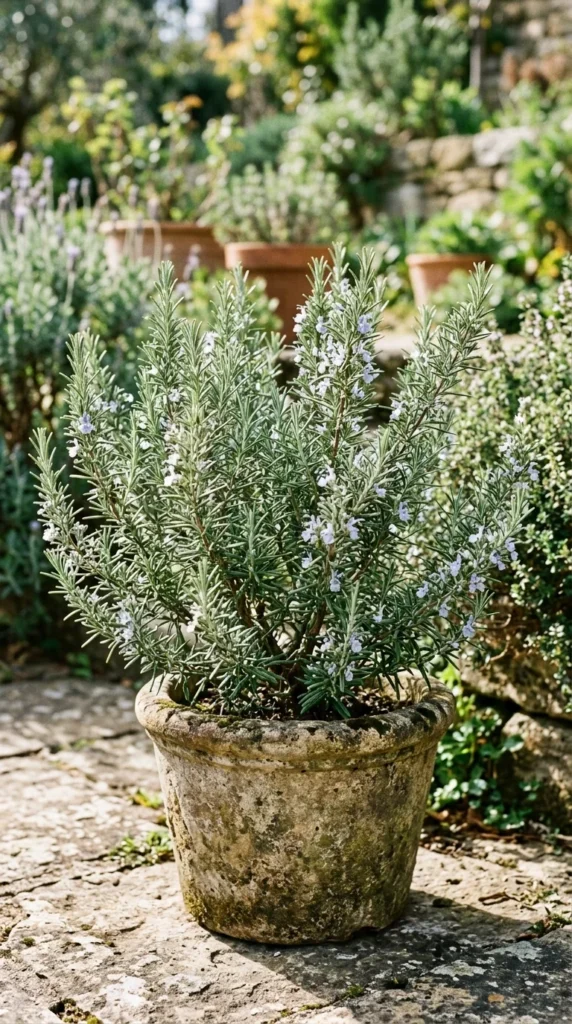
Rosemary is a perennial shrub that adds a Mediterranean flair to your garden. It is hardy and drought-tolerant once established.
- Drainage is King: Rosemary hates sitting in wet soil. Use a potting mix with extra perlite or sand to ensure rapid drainage.
- Air Circulation: Rosemary can be prone to powdery mildew if the air is stagnant. Ensure there is plenty of space between your pots for air to flow.
- Winter Care: In colder zones, rosemary should be brought indoors during the winter. Place it in your sunniest window and reduce watering frequency.
7. Mint
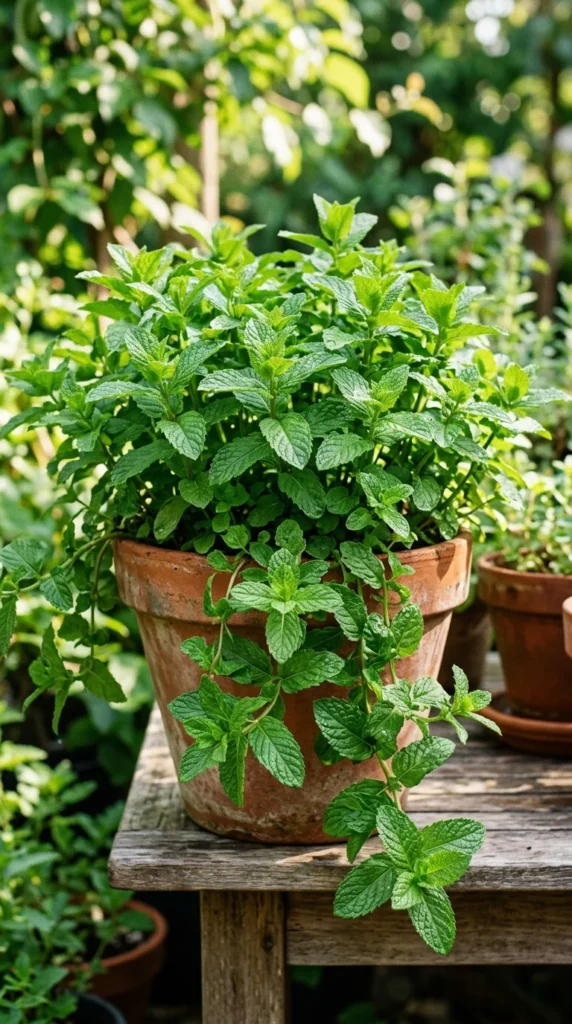
Mint is notoriously invasive when planted in the ground, making it the perfect candidate for container gardening.
- Containment: By keeping mint in its own pot, you prevent its underground runners from taking over your entire garden.
- Water Requirements: Mint loves water more than most herbs. It thrives in damp soil and can handle less sunlight than rosemary or basil.
- Pruning: Don’t be afraid to harvest mint aggressively. Cutting it back to a few inches above the soil every few months will result in a fresh flush of tender, flavorful leaves.
8. Thyme
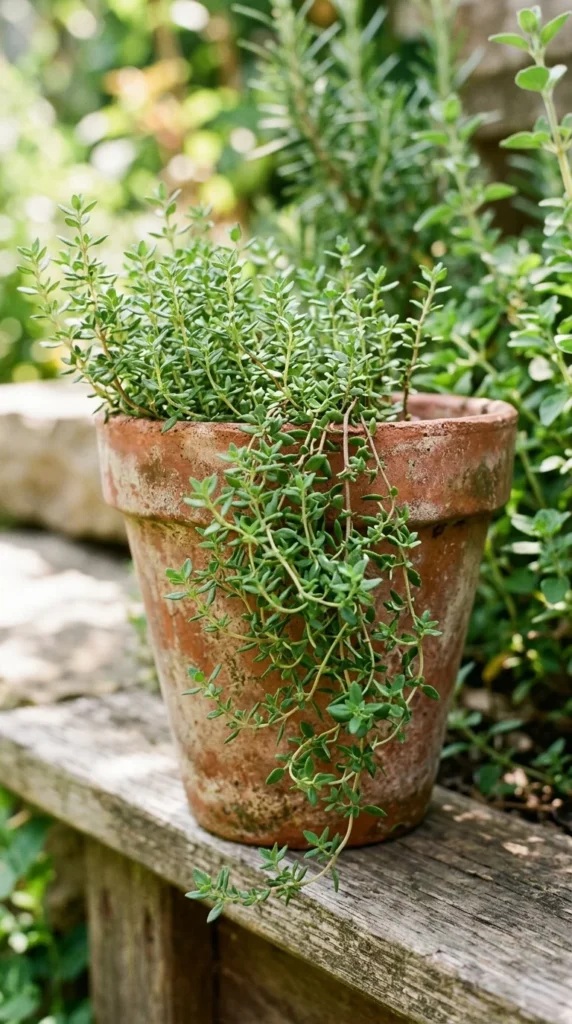
Thyme is a versatile, low-growing herb that comes in many varieties, including lemon thyme and English thyme.
- Low Maintenance: Thyme is incredibly hardy and requires very little intervention. It thrives on neglect as long as it has sun and well-draining soil.
- Flavor Intensity: The flavor of thyme is most intense just before the plant flowers. Harvest sprigs in the morning after the dew has dried for the best taste.
- Rock Garden Style: Because of its trailing habit, thyme looks beautiful when planted in the edges of large containers or “strawberry jars” with multiple side pockets.
9. Fertilizing
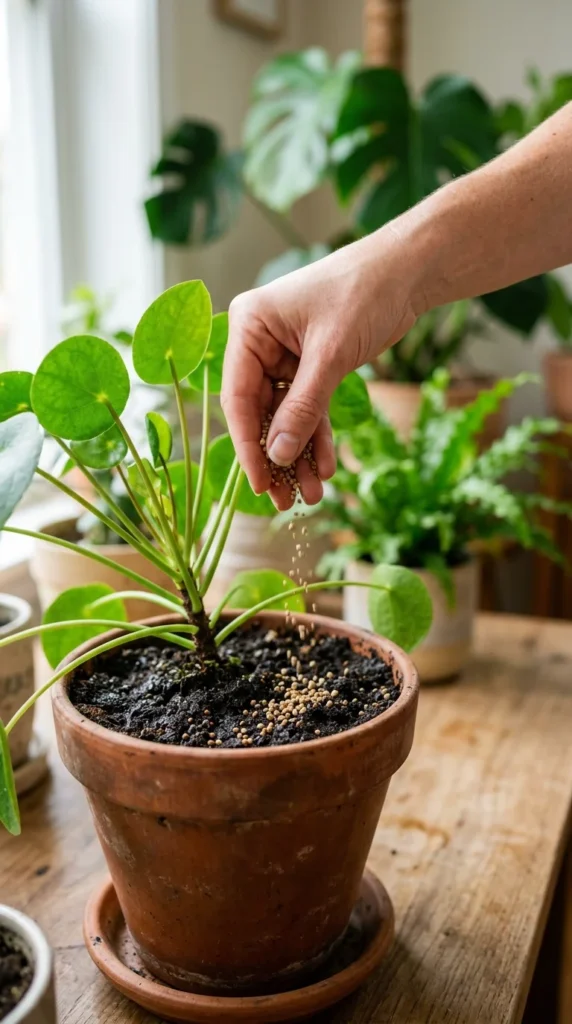
While herbs don’t require as much “food” as vegetables like tomatoes, they do benefit from occasional fertilization, especially in pots where nutrients leach out during watering.
- Organic Options: Use a liquid seaweed or fish emulsion fertilizer diluted to half-strength every 4 to 6 weeks during the growing season.
- Avoid Over-Fertilizing: Too much nitrogen will make your herbs grow fast, but it will dilute the concentration of essential oils, making them less flavorful.
- Slow-Release: Alternatively, you can mix organic slow-release fertilizer granules into the potting mix at the start of the season.
10. Harvesting
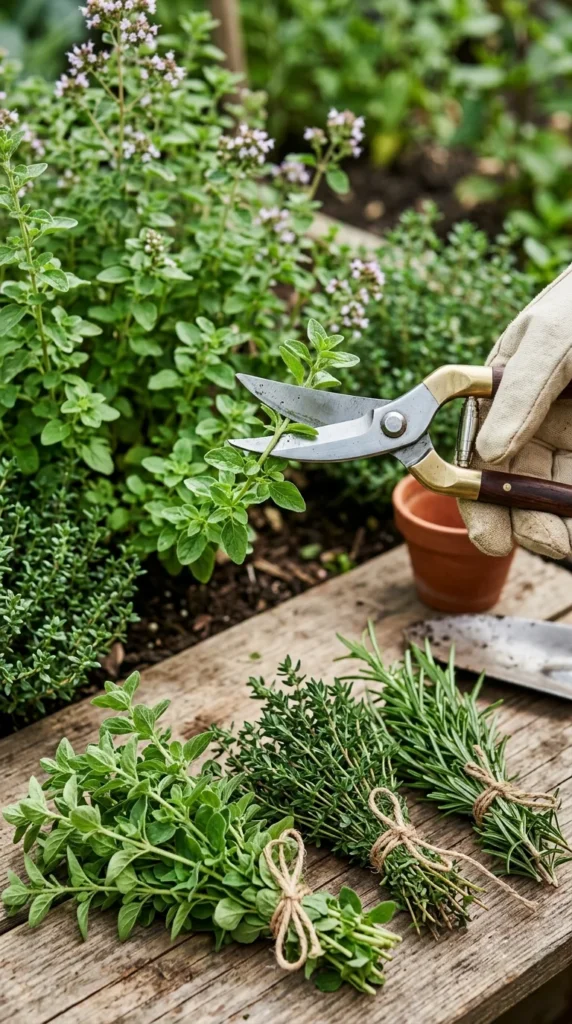
The goal of a successful herb garden is, of course, the harvest. Knowing how and when to pick your herbs will keep the plants productive for longer.
- The 1/3 Rule: Never harvest more than one-third of the plant at a time. This ensures the herb has enough foliage left to photosynthesize and recover.
- Morning Harvest: The best time to harvest is in the morning after the dew has evaporated but before the sun is at its hottest. This is when the essential oils are at their peak.
- Flowering: Once an herb flowers, the energy shifts from leaf production to seed production, often making the leaves bitter. Snip off flower buds as soon as they appear to extend the harvest.
11. Pest Control
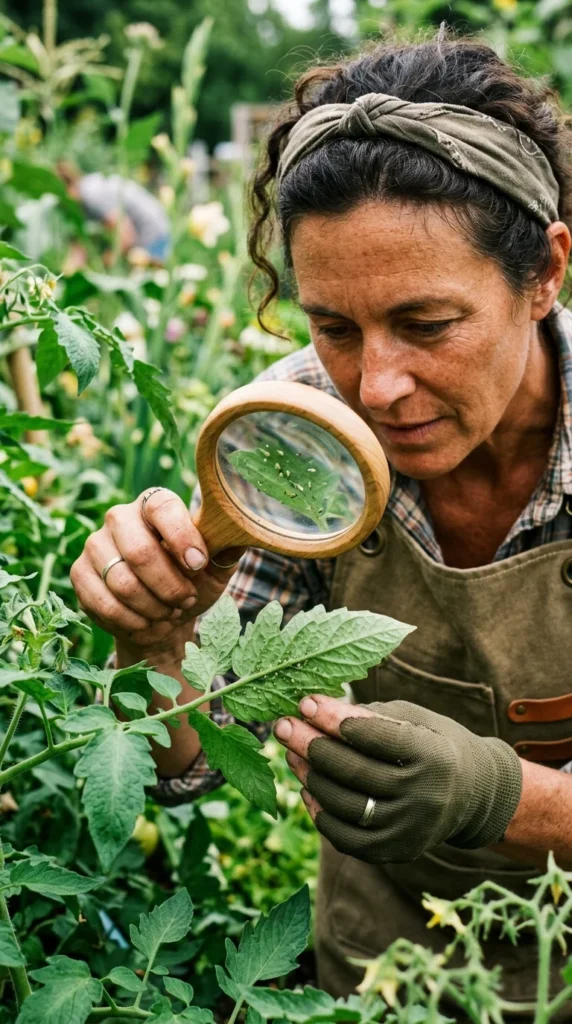
Even in pots, herbs can attract pests like aphids, spider mites, or whiteflies.
- Manual Removal: For small infestations, a sharp blast of water from a spray bottle can knock pests off the leaves.
- Neem Oil: This organic solution is effective against a wide range of pests. Spray it in the evening to avoid burning the leaves in the sun.
- Companion Planting: Even in containers, you can group certain plants together. For example, planting chives near other herbs can help deter aphids due to their onion-like scent.