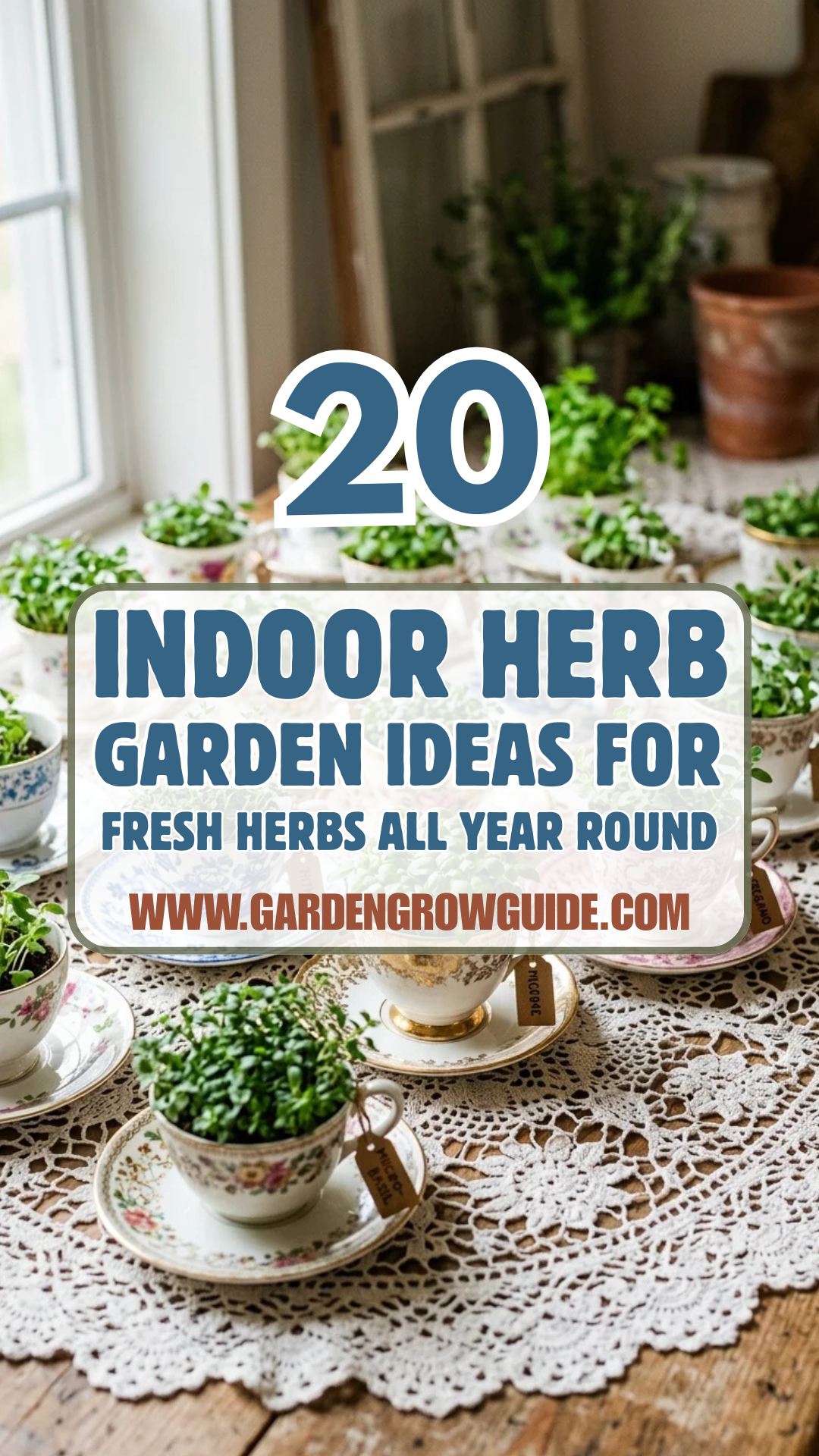
The dream of having fresh ingredients at your fingertips doesn’t require a massive backyard or a Mediterranean climate. Indoor herb gardening has transformed from a niche hobby into a staple of modern interior design and culinary practice. By bringing your garden inside, you bypass the limitations of seasons, pests, and unpredictable weather, ensuring a steady supply of basil, mint, thyme, and rosemary throughout the year.
Beyond the culinary benefits, indoor herb gardens act as natural air purifiers and mood boosters. The aromatic oils released by herbs like lavender and eucalyptus can reduce stress, while the simple act of nurturing a plant provides a sense of accomplishment. Whether you live in a sprawling farmhouse or a compact urban apartment, there is a configuration that fits your space.
1. Window Sill
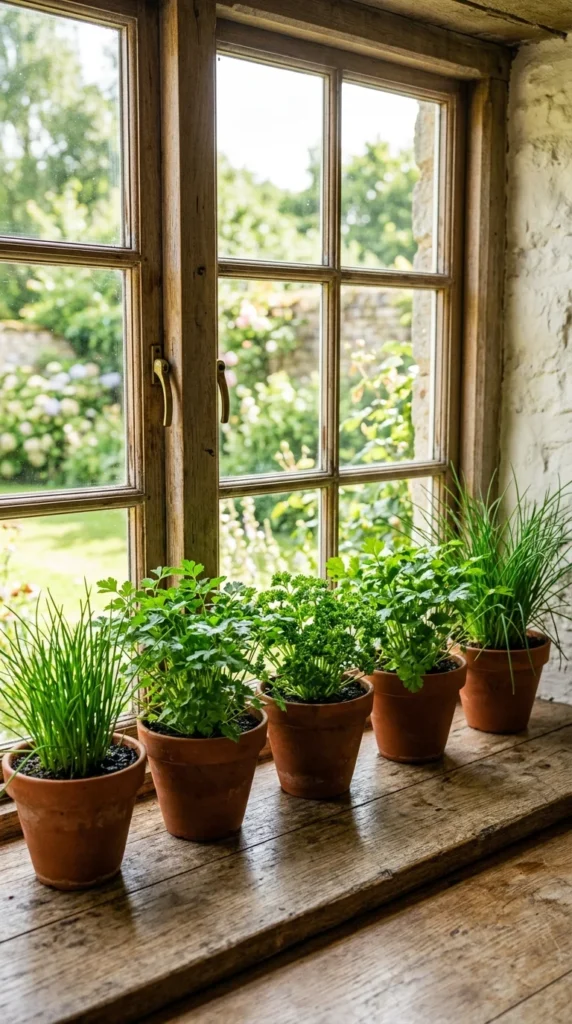
The window sill is the quintessential home for an indoor herb garden. Most culinary herbs, particularly those from Mediterranean climates like oregano and rosemary, require at least six to eight hours of direct sunlight. A south-facing window provides the most consistent light throughout the day. By placing your pots directly on the sill, you maximize natural energy while keeping the plants at eye level for easy harvesting during meal prep. To prevent water damage to your woodwork, utilize a long narrow tray beneath the pots to catch runoff.
2. Vertical Wall
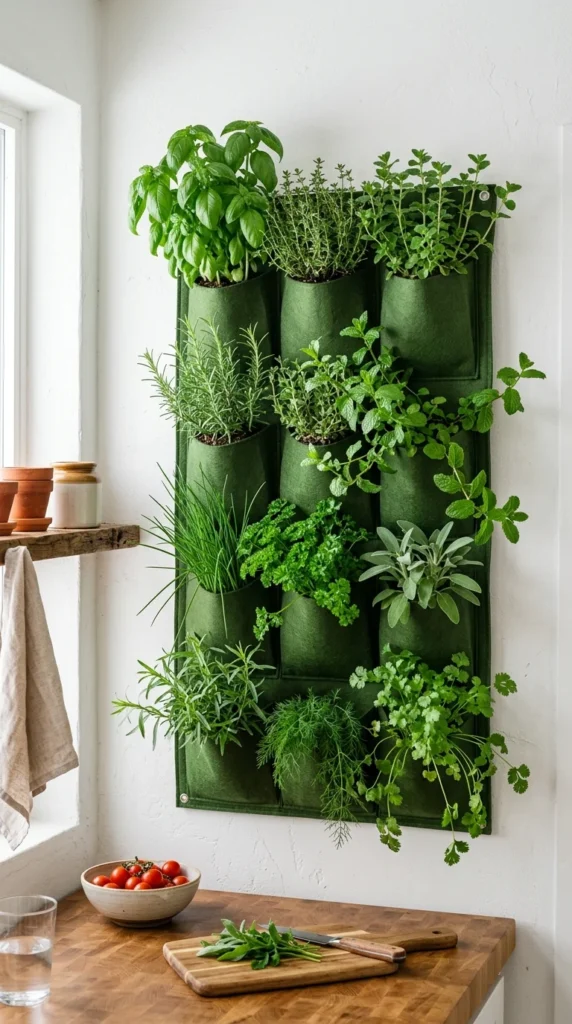
For those with limited counter space, a vertical wall garden is a transformative solution. This involves mounting a series of planters, felt pockets, or wooden crates directly onto a wall. Not only does this save valuable real estate, but it also creates a stunning “living wall” that serves as a focal point in your kitchen or dining area. Vertical systems are excellent for herbs that like to trail, such as creeping thyme or certain varieties of mint. Ensure the wall is protected with a moisture barrier if using fabric pockets.
3. Hanging Planters
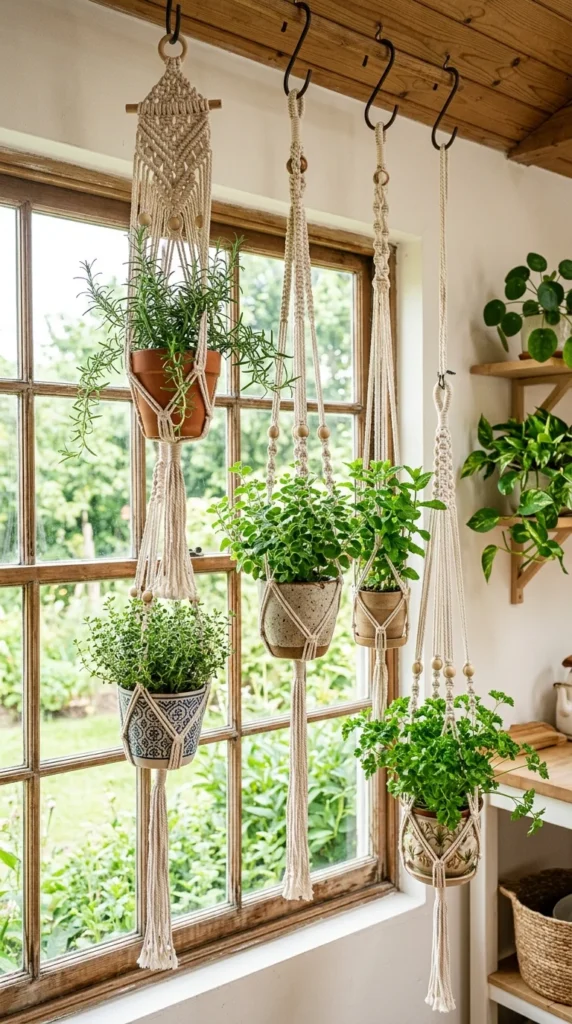
Hanging planters utilize the often-ignored vertical space near ceilings and windows. Using macramé holders, sleek metal hoops, or ceramic globes, you can suspend your herbs at varying heights. This arrangement is particularly effective in kitchens with high ceilings. Hanging herbs are also kept safe from curious pets or toddlers. When choosing herbs for hanging pots, consider those that are visually striking when they drape over the sides, such as trailing rosemary or nasturtiums.
4. Mason Jars
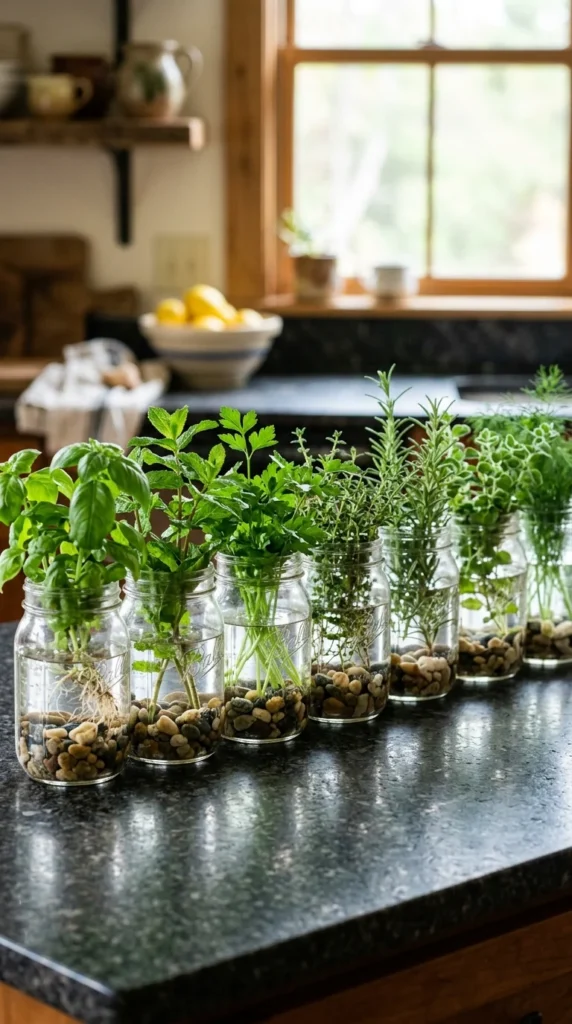
Mason jars offer a charming, rustic aesthetic that fits perfectly with farmhouse or shabby-chic decor. While they lack drainage holes, you can manage moisture by placing a layer of small stones or activated charcoal at the bottom to prevent root rot. Mason jars are also ideal for “water gardening,” where you grow herb cuttings directly in water rather than soil. This method works exceptionally well for peppermint, spearmint, and lemon balm, providing a clean, soil-free look.
5. Tiered Trays
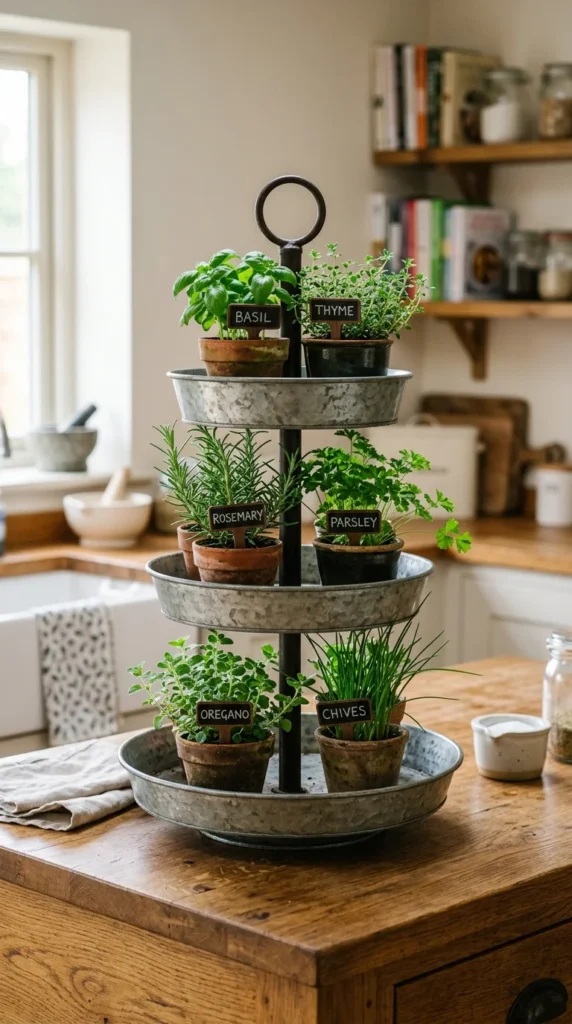
A tiered tray, often used for serving cupcakes or appetizers, can be easily repurposed into a compact herb station. The multi-level design allows you to group several different herb varieties in a small footprint. You might place sun-loving herbs like basil on the top tier and those that tolerate slightly less light, like parsley or chives, on the lower levels. This setup is highly portable, allowing you to move the entire “garden” to the dining table for guests to pick their own garnishes.
6. Hydroponic Systems
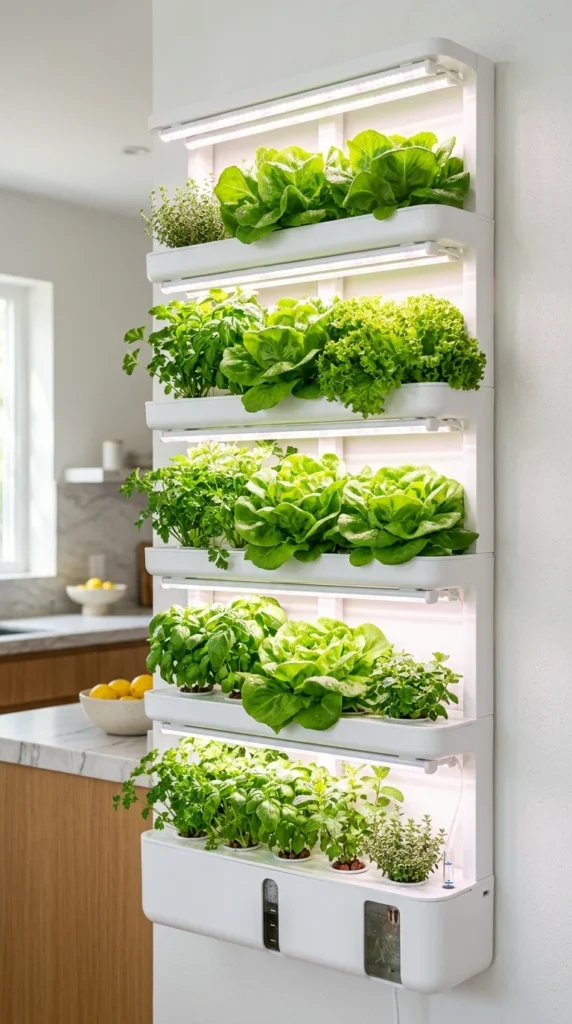
Hydroponic systems are the gold standard for high-yield, low-effort indoor gardening. these systems use nutrient-rich water instead of soil, and many come with built-in LED grow lights that simulate the solar spectrum. This means you can grow herbs in a windowless basement or a dark corner of the kitchen. Smart hydroponic kits often feature automated timers for light and water, making them perfect for busy individuals or those who claim to have a “black thumb.”
7. Tea Cup Garden
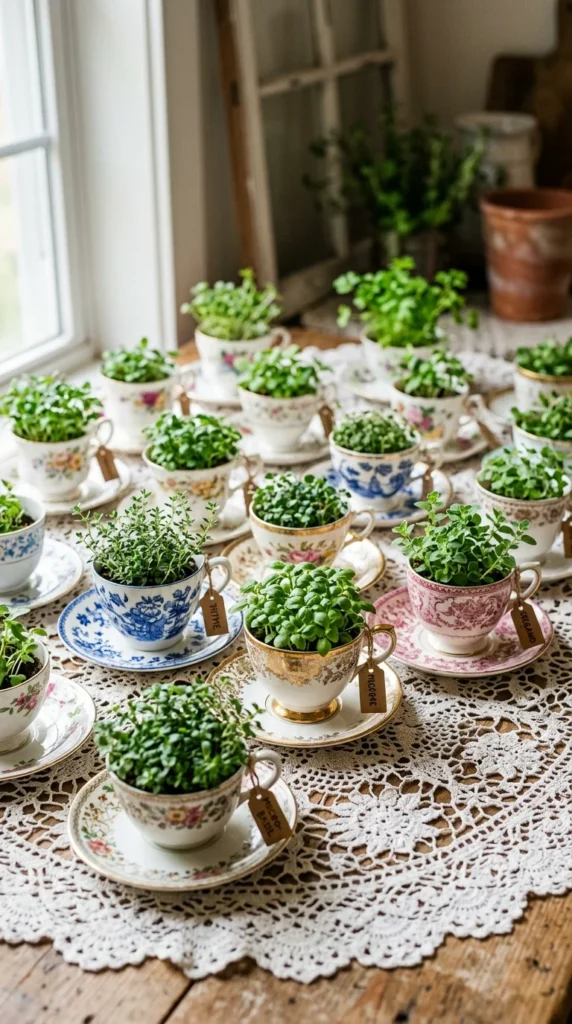
If you are short on space or want a whimsical decorative touch, a tea cup garden is a delightful choice. Vintage tea cups found at thrift stores make excellent small-scale planters for slow-growing herbs or microgreens. Because tea cups are small, they are best suited for herbs that don’t develop extensive root systems quickly. Ensure you add a layer of gravel at the bottom for drainage, and enjoy these miniature botanical displays on a bookshelf or bedside table.
8. Ladder Shelves
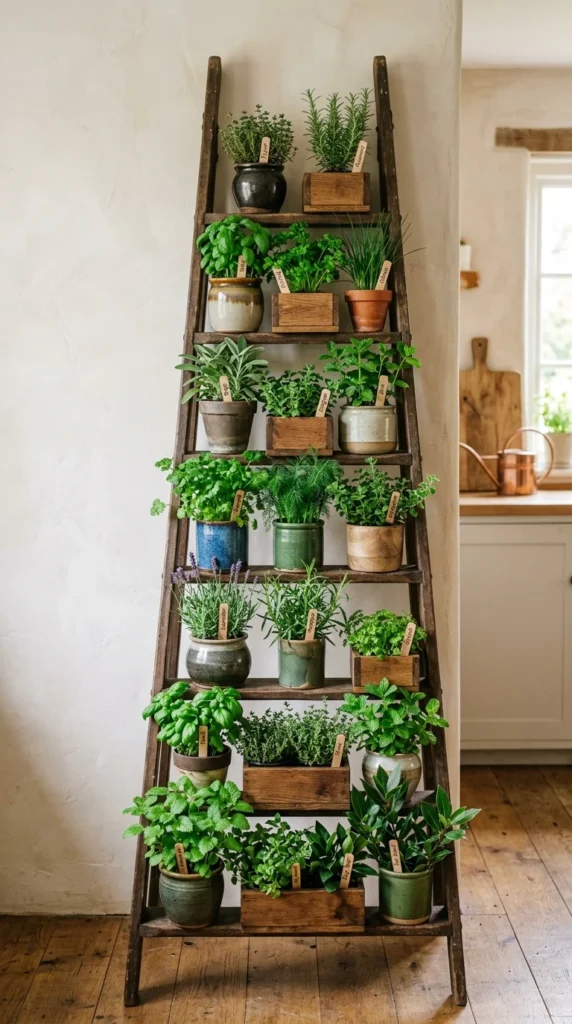
An old wooden ladder or a modern ladder shelf provides a structured yet organic way to display a large herb collection. The graduated depths of the shelves allow for different pot sizes, from large pots of woody rosemary at the bottom to small pots of delicate cilantro at the top. This setup allows for excellent air circulation around the plants, which is vital for preventing fungal issues in indoor environments.
9. Magnetic Tins
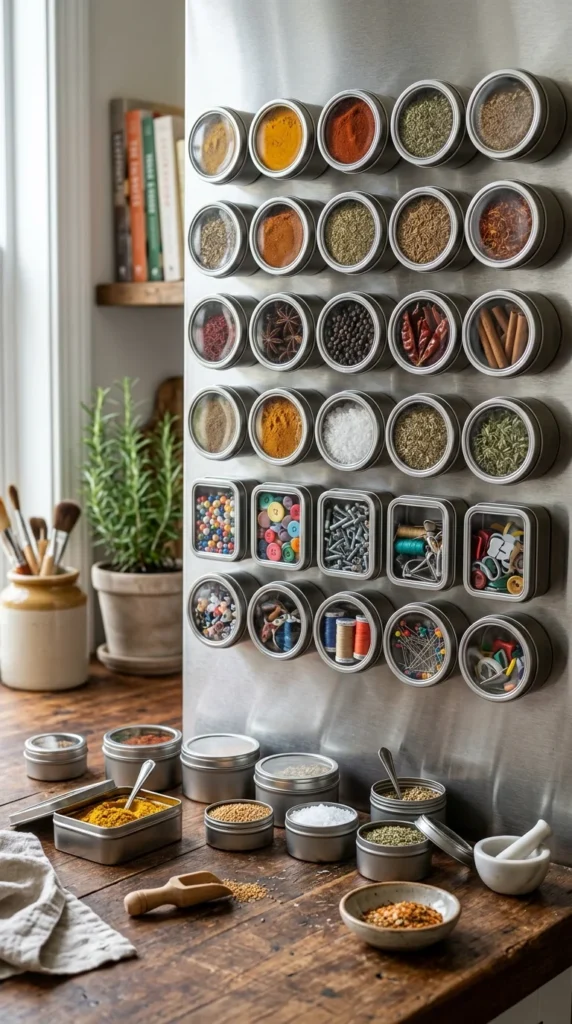
Magnetic tins are the ultimate space-saver for urban dwellers. By attaching small, lightweight tins to the side of your refrigerator or a dedicated magnetic board, you keep your herbs within arm’s reach of the stove. This method is best for herbs that don’t mind a bit of a smaller root environment, such as chives or thyme. It’s important to use strong magnets and ensure the tins are sealed well at the bottom to prevent leaks onto your appliances.
10. Repurposed Pallets
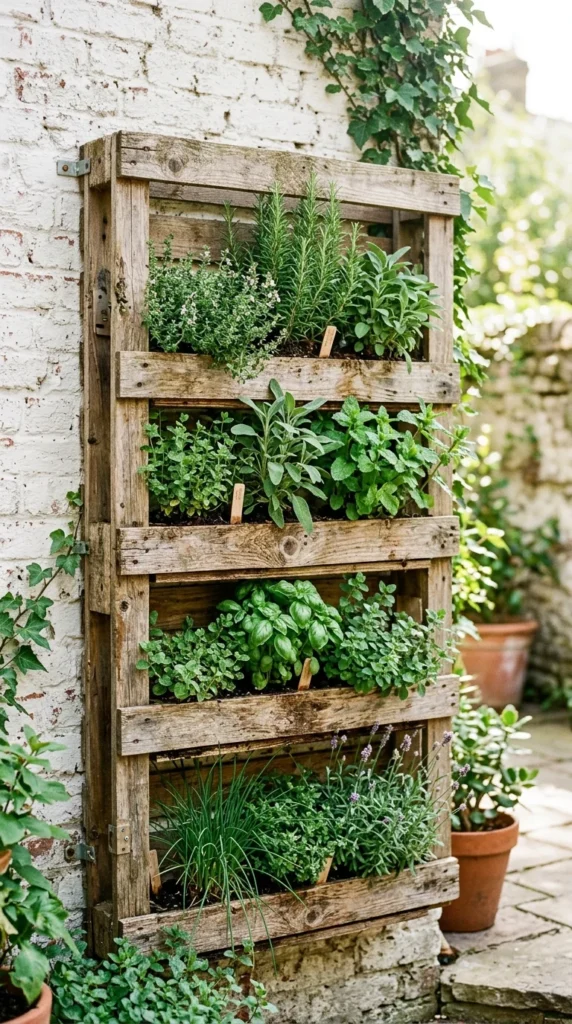
For a DIY project with a rugged, industrial feel, a repurposed wooden pallet is ideal. By adding backing and landscape fabric to the slats, you create long, horizontal planting troughs. This allows you to grow a significant volume of herbs in a relatively thin profile against a wall. Pallet gardens are heavy, so ensure they are securely anchored to wall studs. They are particularly effective on an indoor balcony or in a sunroom.
11. Gutter Gardens
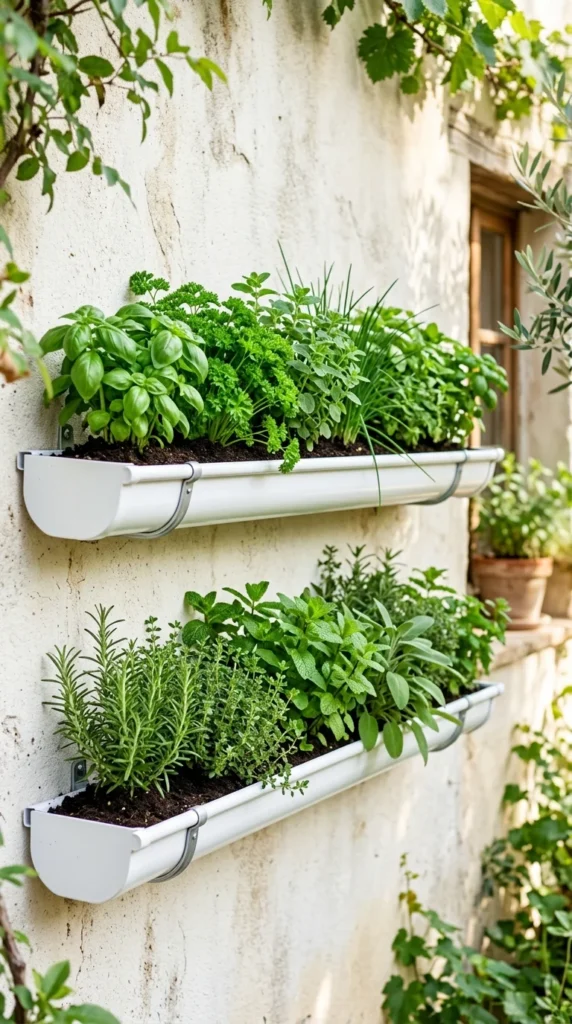
Using sections of rain gutters as planters is a creative way to achieve a sleek, linear look. Gutter gardens can be mounted directly to the wall or suspended from the ceiling using aircraft cable. Because they are long and shallow, they are perfect for herbs that have shallow root systems, such as lettuce, spinach, and many common culinary herbs. The long, continuous line of green provides a modern architectural element to the room.
12. Bar Cart Herbs
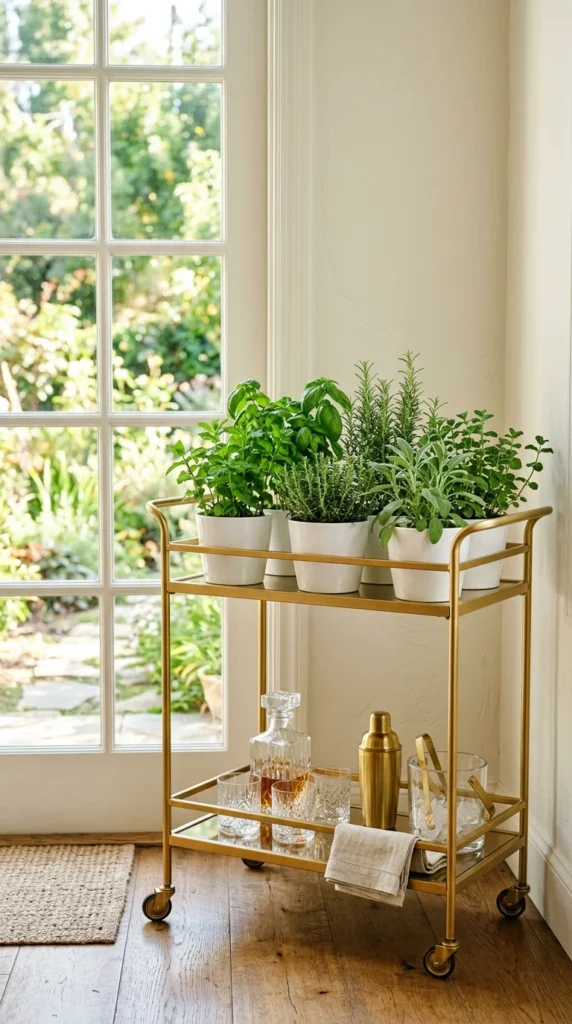
The bar cart herb garden is the perfect intersection of style and functionality. Since most bar carts are on wheels, you can easily move your garden to follow the path of the sun throughout the day. In the evening, the cart can be rolled into the dining area, allowing you to snip fresh mint for mojitos or basil for a Caprese salad right in front of your guests. It’s a mobile accessory that brings life to any social gathering.
13. Floating Shelves
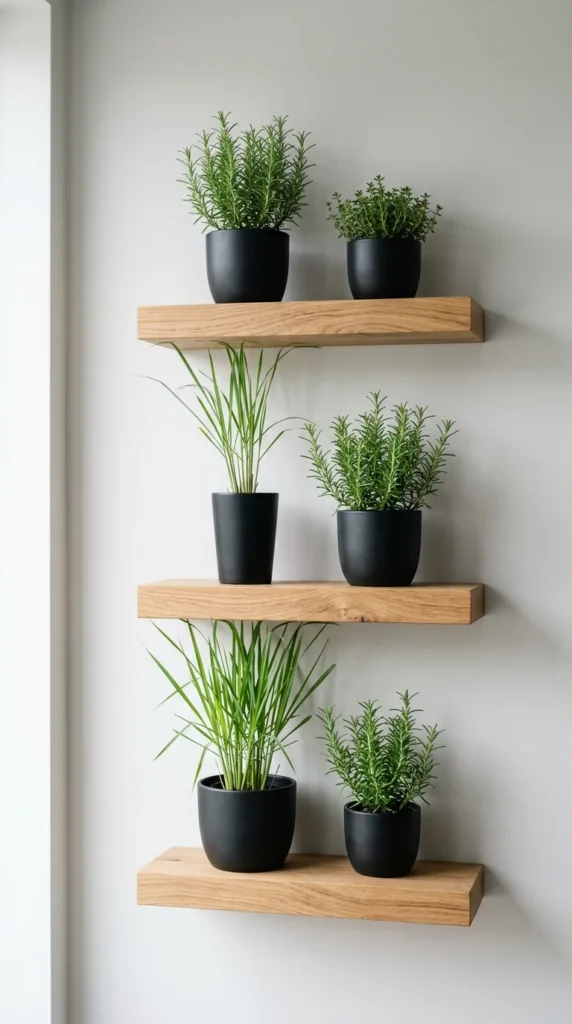
Floating shelves provide a clean, uncluttered look that suits minimalist and Scandinavian design. By installing these shelves near a light source, you create a dedicated “gallery” for your herbs. Using uniform pots in a single color can make the vibrant greens of the herbs pop against the wall. This setup keeps your countertops completely clear while still benefiting from the proximity to your cooking area.
14. Terrariums
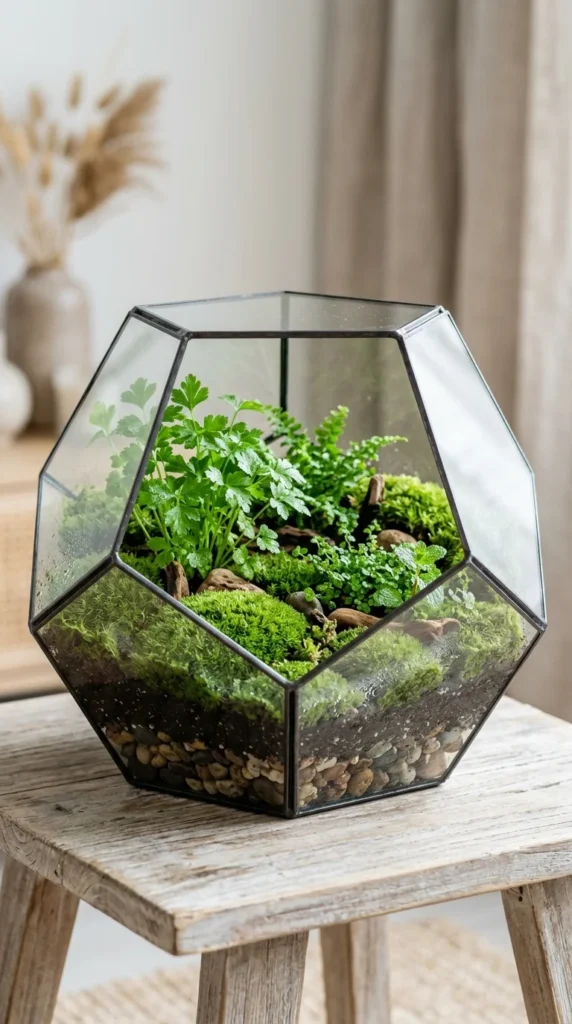
While most herbs prefer dry air and well-drained soil, some varieties thrive in the humid microclimate of a terrarium. Herbs like mint, parsley, and chervil enjoy the higher moisture levels found within a glass enclosure. A large, open-top geometric terrarium can act as a beautiful centerpiece. The glass helps to trap heat and moisture, simulating a tropical environment that can speed up growth during the colder winter months.
15. Clothespin Pots
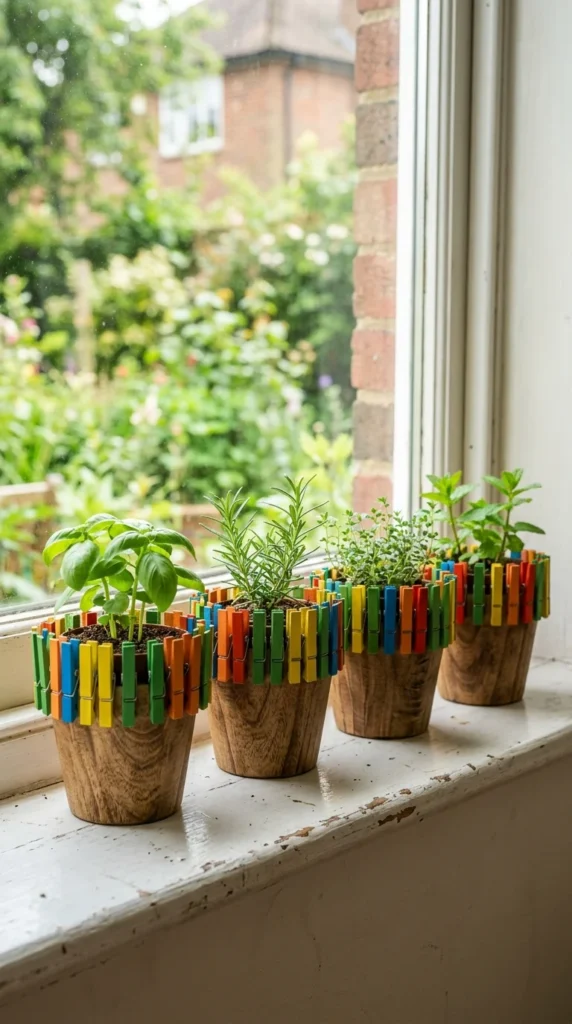
This is a fun, crafty idea that adds texture and a “handmade” feel to your herb garden. By clipping wooden clothespins around the rim of a shallow tin or plastic container, you create a picket-fence effect. These are perfect for small starter plants or for teaching children about gardening. The clothespins can be painted or left natural to match your kitchen’s color scheme.
16. Copper Pipe Rack
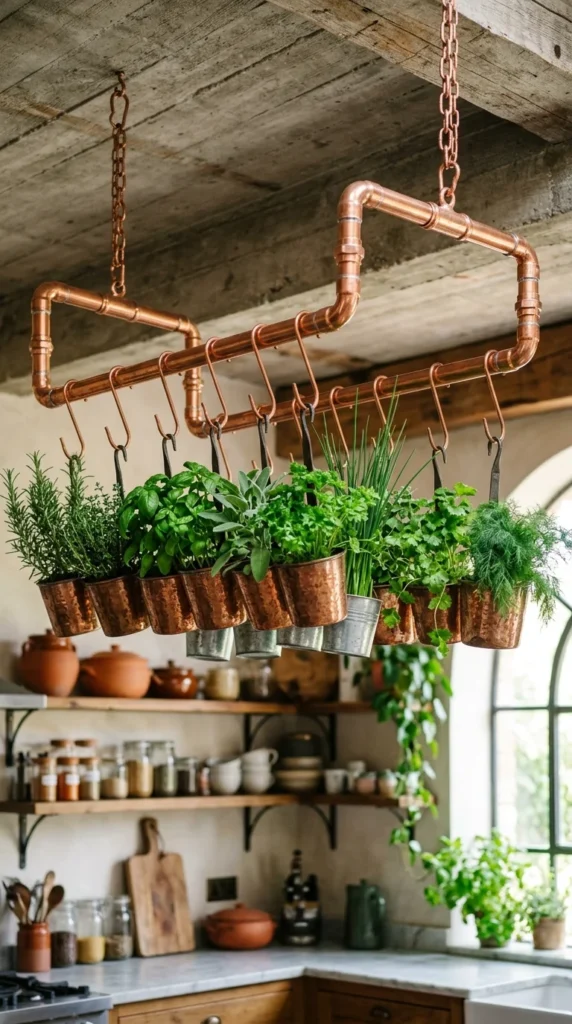
For an industrial or modern farmhouse look, a copper pipe rack is a stunning choice. You can construct a simple frame using copper pipes and elbows, then hang your pots using S-hooks. The warm tones of the copper contrast beautifully with the deep greens of the herbs. As the copper ages, it develops a patina that adds even more character to your indoor garden.
17. Chalkboard Pots
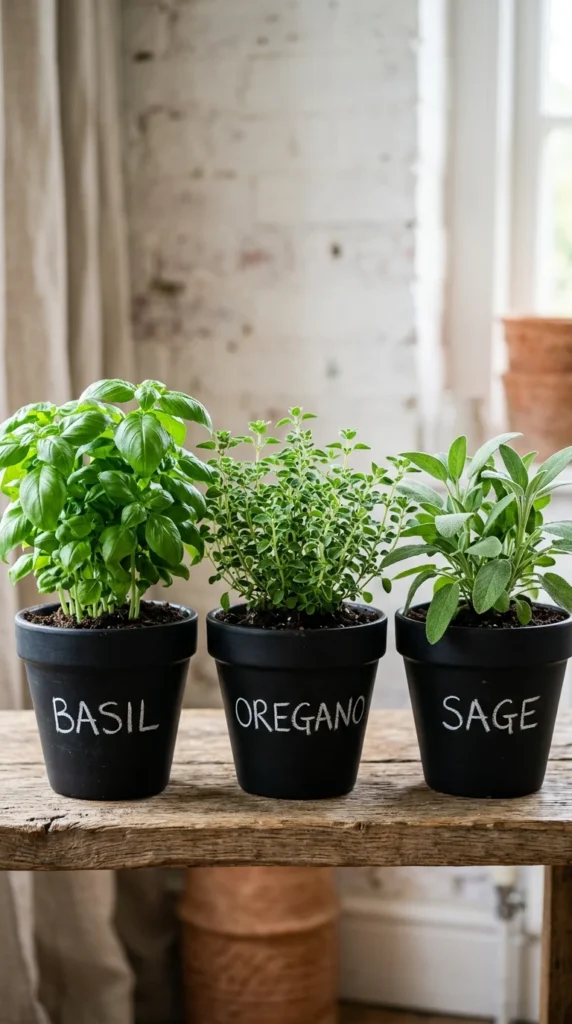
Chalkboard pots are as functional as they are stylish. By using pots coated in chalkboard paint, you can easily label each herb, which is incredibly helpful if you are growing several varieties that look similar (like flat-leaf parsley and cilantro). It also allows you to write down the date of the last watering or specific care instructions directly on the vessel.
18. Upside Down Planters
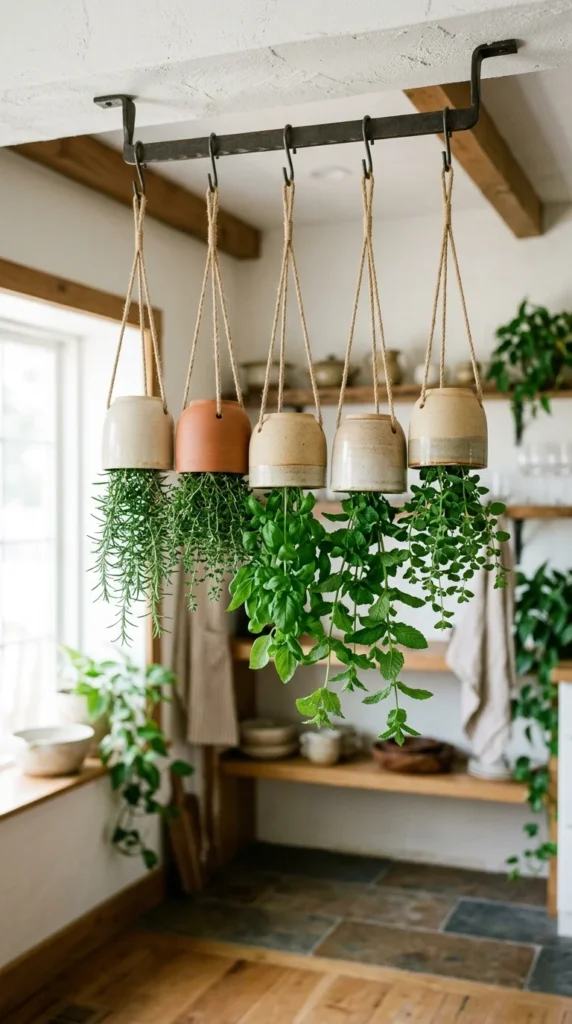
Upside-down gardening is a space-saving technique that also helps prevent certain soil-borne pests and diseases. Specific planters are designed to hold the soil and plant securely while allowing the foliage to grow downward. This is particularly effective for herbs like tomatoes (which are often grown with herbs) and trailing herbs. It creates a striking visual “jungle” effect in the kitchen.
19. Woven Baskets
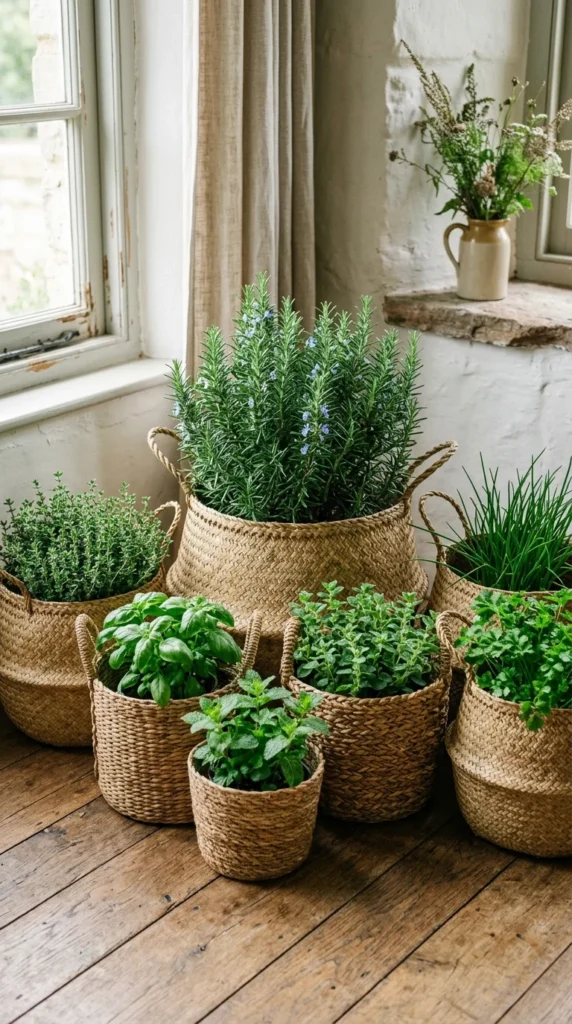
Woven baskets bring a soft, bohemian, and organic texture to your indoor garden. Instead of planting directly into the basket (which would rot the fibers), use the baskets as decorative “cachepots” for standard plastic nursery pots. This allows you to maintain proper drainage while hiding the functional pots behind beautiful, natural materials like seagrass, jute, or wicker.
20. Smart Garden Kits
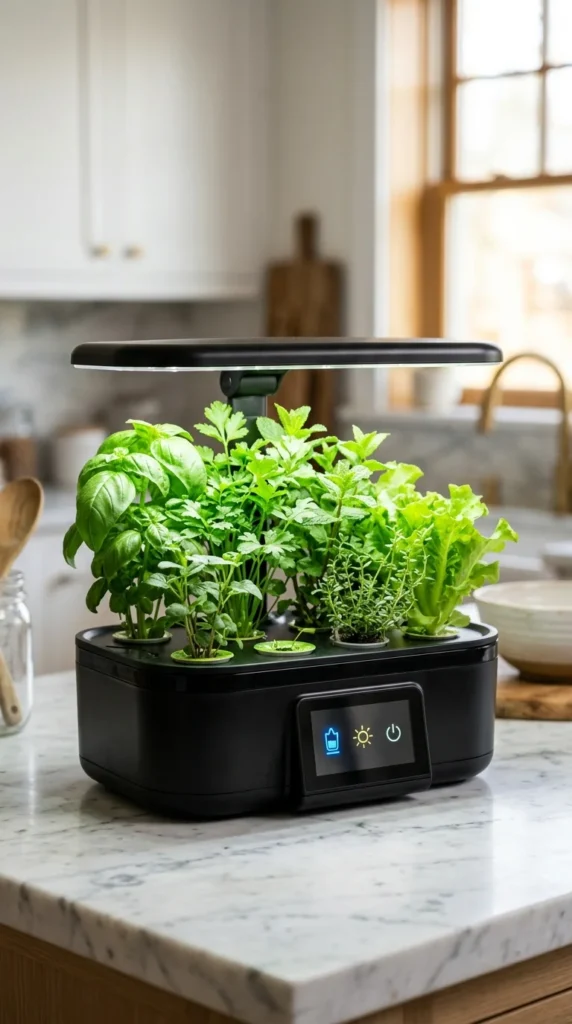
If you want the benefits of fresh herbs without the guesswork, a smart garden kit is the answer. These devices often include “pods” that contain pre-seeded soil and nutrients. The device monitors the moisture levels and provides the exact spectrum of light needed for optimal growth. Many even connect to smartphone apps to alert you when it’s time to add water or harvest your crop, making indoor gardening truly foolproof.
Tips for Indoor Herb Success
To ensure your indoor herb garden thrives regardless of the method you choose, keep these three factors in mind:
- Light: Most herbs need at least 6 hours of sunlight. If your home is dark, supplement with full-spectrum LED grow lights.
- Drainage: Herbs hate “wet feet.” Always ensure your containers have drainage holes or a significant layer of rocks at the bottom to keep roots out of standing water.
- Airflow: Indoor air can become stagnant. Occasionally opening a window or using a small fan can prevent mold and keep your plants strong.