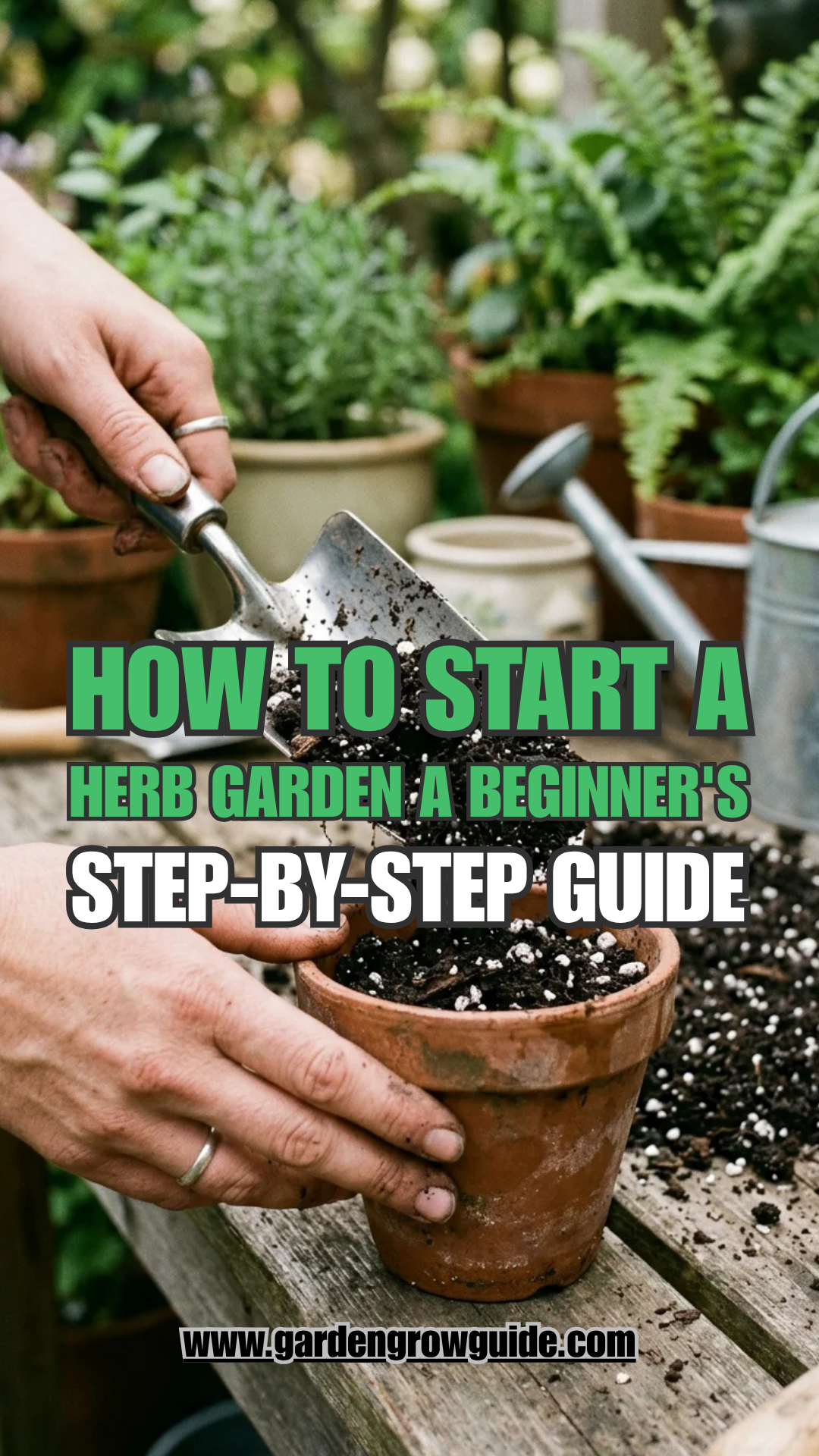
The journey from a blank windowsill or a patch of dirt to a thriving, fragrant herb garden is one of the most rewarding endeavors a beginner gardener can undertake. Herbs are resilient, versatile, and provide immediate culinary rewards. Whether you are looking to add a pinch of fresh basil to your pasta, brew a soothing mint tea, or simply enjoy the aromatic presence of lavender in your yard, starting a herb garden is the perfect entry point into the world of horticulture.
Herbs are generally hardier than many vegetable crops, making them forgiving of minor mistakes. They require relatively little space and can be grown in almost any environment—from high-rise apartment balconies to expansive suburban backyards. This guide will walk you through every critical step to ensure your green thumb gets off to a flourishing start.
1. Location
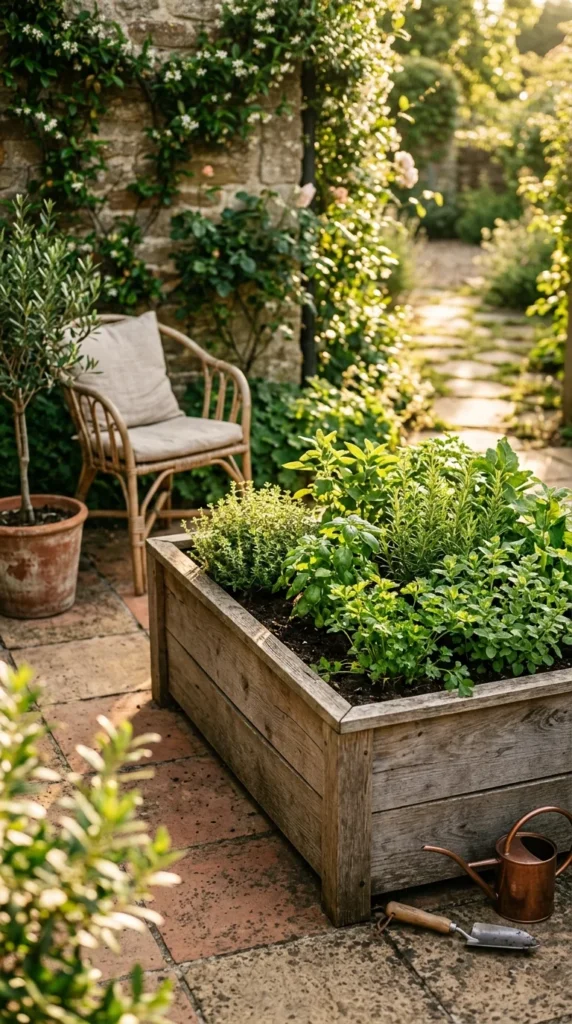
The success of your herb garden hinges almost entirely on where you place it. Most culinary herbs are native to the Mediterranean region, meaning they crave light and warmth. When selecting a spot, your primary goal is to find a location that receives at least six to eight hours of direct sunlight daily.
If you are planting indoors, a south-facing window is the gold standard, as it provides the most consistent light throughout the day. If you notice your herbs growing tall, thin, and “leggy,” they are likely reaching for more light. Outdoors, ensure the spot is protected from harsh, drying winds but still has enough air circulation to prevent fungal diseases. Proximity to the kitchen is also a tactical advantage; you are much more likely to use your herbs if they are just a few steps away from your cutting board.
2. Selection
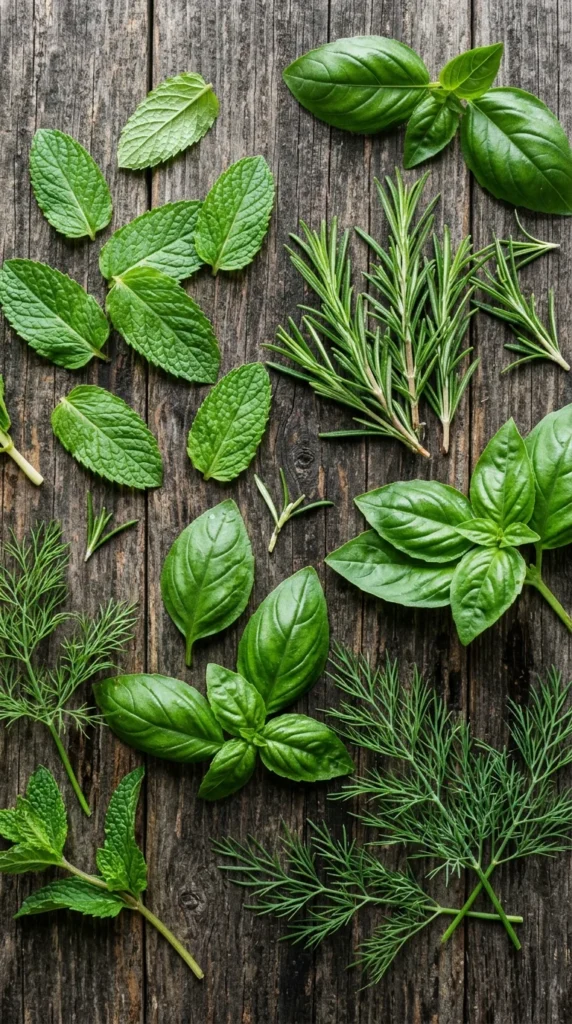
It is tempting to buy every herb available at the nursery, but for a beginner, a curated selection is better. Start with the herbs you actually enjoy eating. Generally, herbs fall into two categories: annuals and perennials. Annuals, like basil, cilantro, and dill, complete their life cycle in one season and will need to be replanted next year. Perennials, such as rosemary, thyme, sage, and oregano, will return year after year once established.
Consider the growth habits of your choices. Mint, for instance, is notorious for its invasive nature. If planted directly in the ground, it will quickly overtake your entire garden. Knowing these traits allows you to plan your space effectively, perhaps keeping the aggressive spreaders in their own dedicated pots while letting the more sedate herbs share a raised bed.
3. Containers
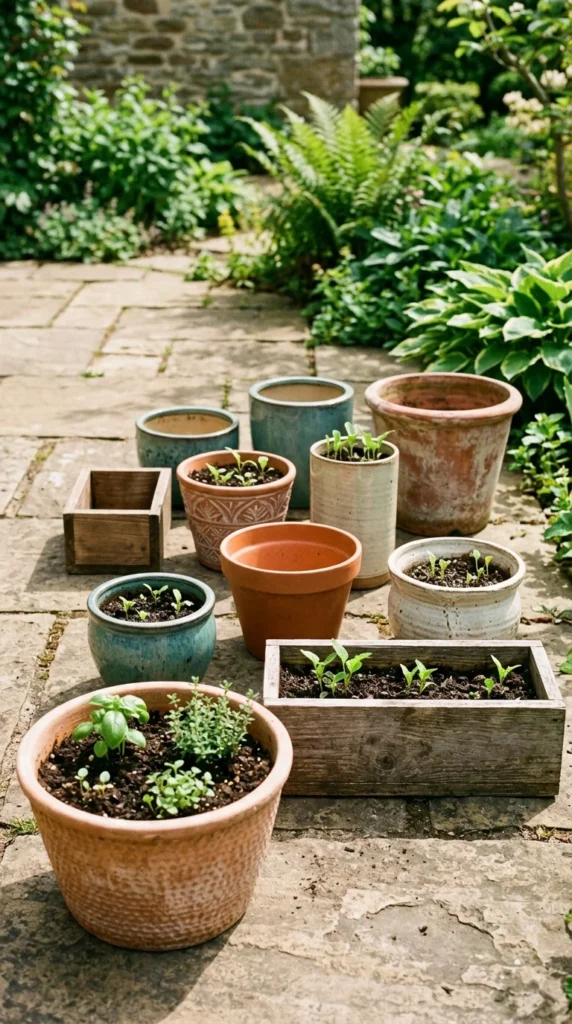
Choosing between planting in the ground or in containers depends on your available space and soil quality. Containers are excellent for beginners because they offer total control over the growing environment. They allow you to move plants around to follow the sun and make it easy to bring sensitive herbs indoors during a frost.
The most critical factor in choosing a container is drainage. Herbs hate “wet feet,” or sitting in stagnant water, which leads to root rot. Ensure any pot you use has at least one large drainage hole at the bottom. Terracotta is a favorite among herb gardeners because the porous clay allows the soil to breathe and helps prevent overwatering. If you choose plastic or glazed ceramic, you will need to be much more careful with your watering frequency.
4. Soil
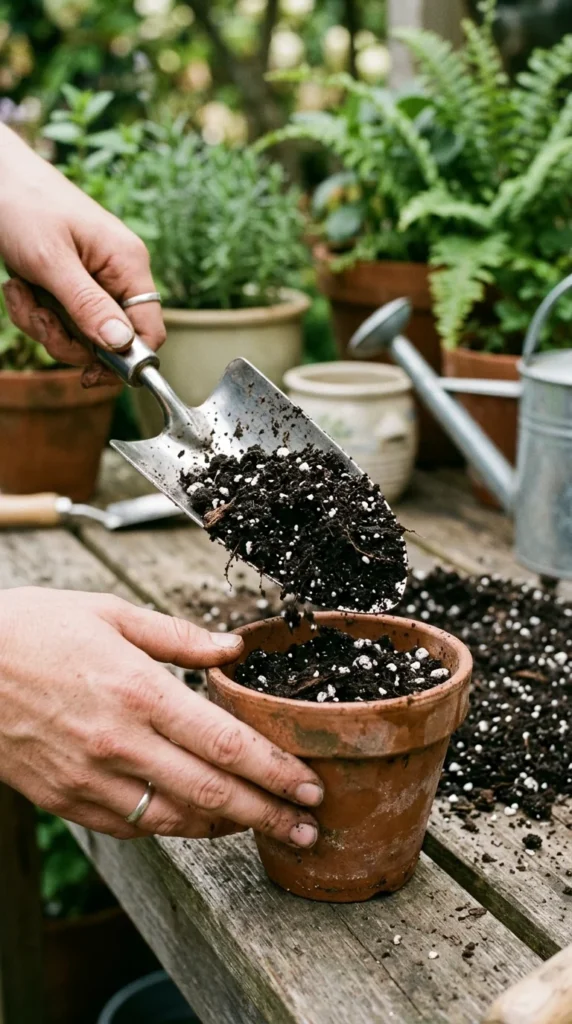
Soil is the foundation of plant health. For container gardening, never use “garden soil” or “topsoil” from the ground; it is too heavy, lacks proper aeration, and may contain weed seeds or pathogens. Instead, opt for a high-quality organic potting mix. These mixes are specifically engineered to be lightweight and to provide the perfect balance of moisture retention and drainage.
If you are planting directly in the ground, you may need to amend your soil. Most herbs prefer well-draining, slightly alkaline soil. If your ground is heavy clay, the herbs will struggle. Adding compost or well-rotted organic matter can improve the texture and nutrient profile of the earth. Remember, herbs generally don’t need highly fertilized soil; in fact, many herbs produce more potent essential oils (and thus better flavor) when grown in slightly leaner conditions.
5. Planting
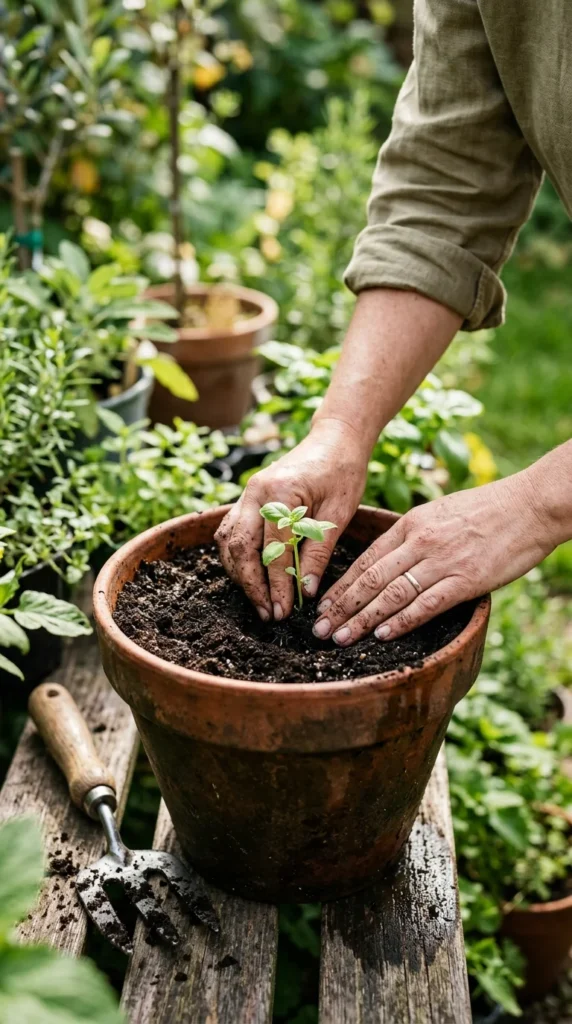
When it comes to starting your garden, you have two choices: starting from seed or buying “starts” (seedlings). For beginners, buying seedlings from a local nursery is the fastest route to success. It bypasses the delicate germination phase and gives you an immediate garden. When transplanting a seedling, dig a hole twice the width of the root ball but no deeper. Gently tease the roots if they are circling the pot, place the plant in the hole, and firm the soil around it.
If you choose to start from seed, basil and cilantro are the easiest to handle. Follow the packet instructions regarding depth—usually, seeds only need to be covered by a thin layer of soil. Keep the soil consistently moist (but not soaked) until the sprouts emerge. Whether using seeds or starts, be sure to leave enough space between plants for air to circulate; overcrowding is a primary cause of mold and pest issues.
6. Watering
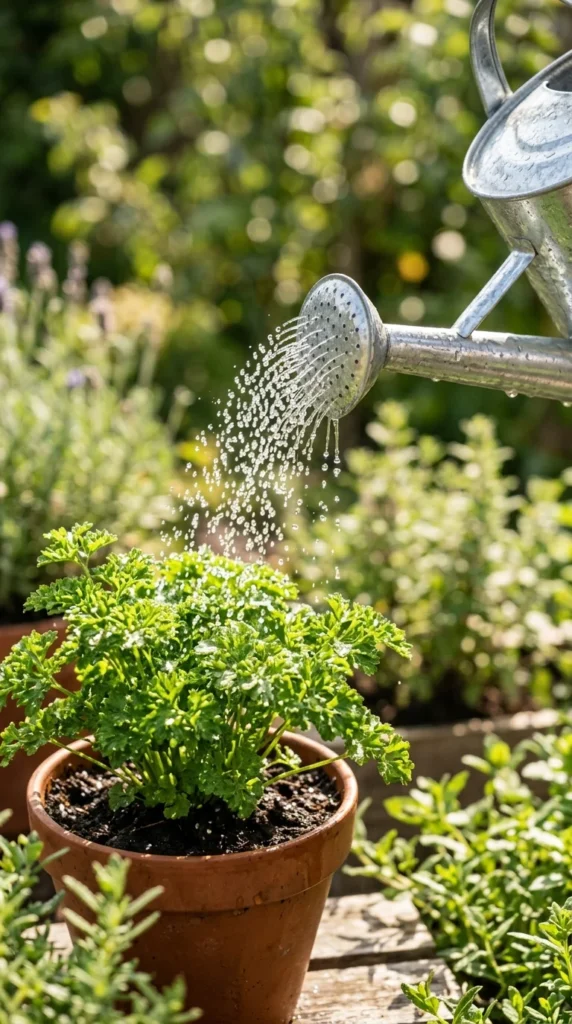
Watering is the area where most beginners stumble. The “finger test” is your most reliable tool: stick your finger about an inch into the soil. If it feels dry, it is time to water. If it feels damp, wait another day. It is better to water deeply and less frequently than to give your plants shallow daily spritzes. Deep watering encourages the roots to grow further down into the pot or ground, making the plant more resilient.
Always aim your watering can at the base of the plant rather than over the leaves. Wet foliage can encourage mildew and other diseases, especially in humid environments. During the heat of summer, containers may need watering once or even twice a day, whereas herbs in the ground can often go several days between waterings once their root systems are established.
7. Harvesting
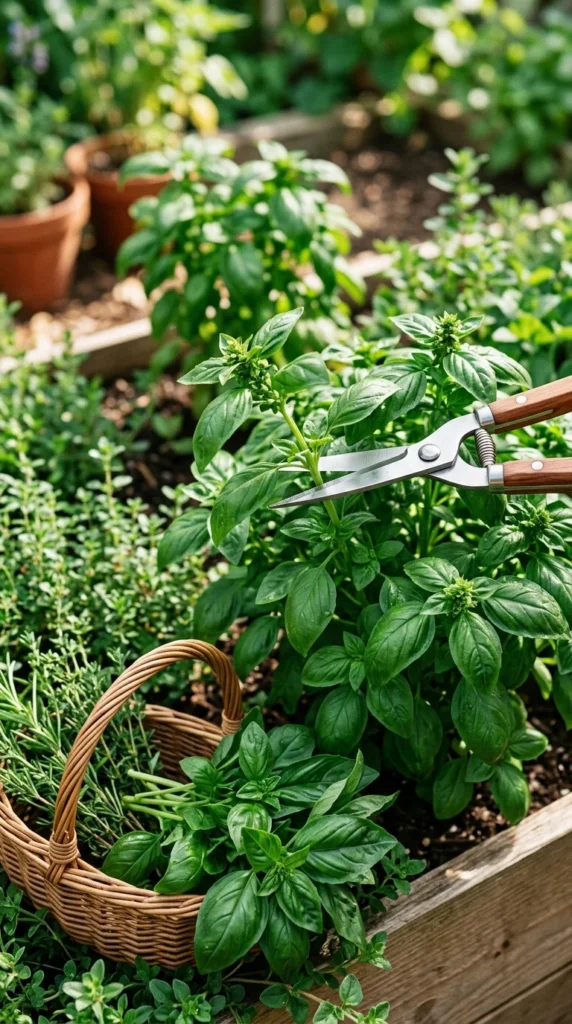
Harvesting is not just about getting ingredients for dinner; it is a vital part of plant maintenance. Frequent harvesting encourages the plant to branch out and become bushier rather than tall and spindly. The general rule is never to harvest more than one-third of the plant at any given time, as the plant needs its leaves to photosynthesize and stay healthy.
For most herbs, the best time to harvest is in the morning after the dew has dried but before the sun is at its hottest. This is when the essential oils are most concentrated. Use sharp scissors or shears to make clean cuts just above a leaf node (the spot where new leaves emerge). Regular pruning prevents herbs like basil from “bolting” (flowering and going to seed), which can turn the leaves bitter. By keeping your herbs trimmed, you ensure a continuous supply of fresh, flavorful greens throughout the growing season.