
Bringing nature indoors can transform a living space into a tranquil sanctuary, but for pet owners, the choice of greenery requires careful consideration. Many common houseplants, such as Lilies, Sago Palms, and Monsteras, contain compounds that are highly toxic to dogs and cats. Fortunately, a vast array of stunning, vibrant, and architecturally interesting plants are entirely non-toxic.
Whether you are looking for trailing vines, tall palms, or colorful succulents, this guide explores twenty pet-safe varieties that allow you to grow your indoor jungle without compromising the safety of your furry companions.
1. Spider Plant
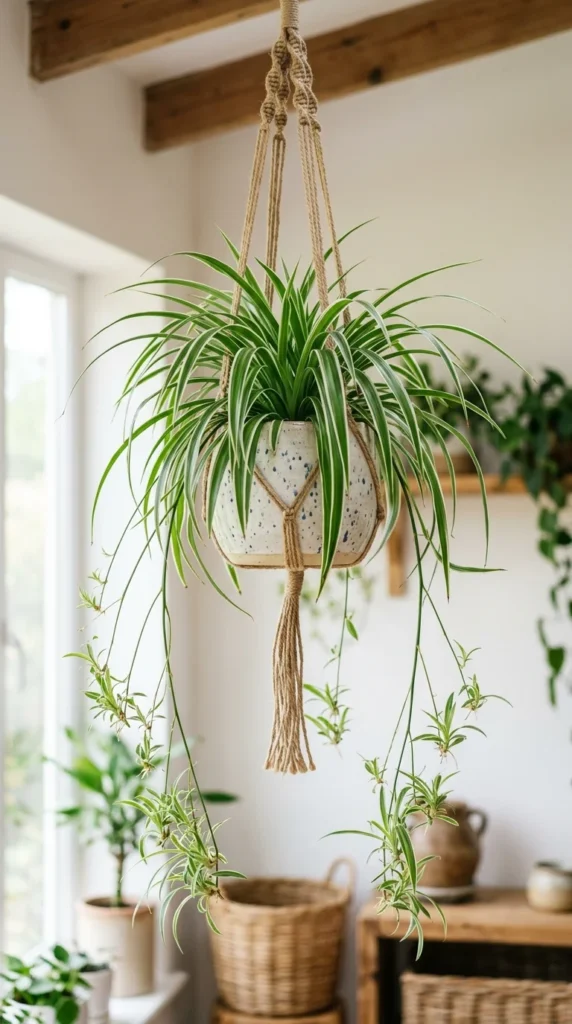
The Spider Plant (Chlorophytum comosum) is perhaps the most iconic pet-safe houseplant. Known for its air-purifying qualities and extreme resilience, it is an ideal choice for beginners. Its long, slender leaves grow in a fountain-like rosette, and it frequently produces “pups” or baby plants that dangle from the mother plant, creating a beautiful tiered effect.
Care Tips:
- Light: Prefers bright, indirect light but can tolerate lower light levels.
- Water: Keep the soil moist but not soggy. They are drought-tolerant but appreciate regular watering.
- Safety: Entirely non-toxic to both cats and dogs.
2. Boston Fern
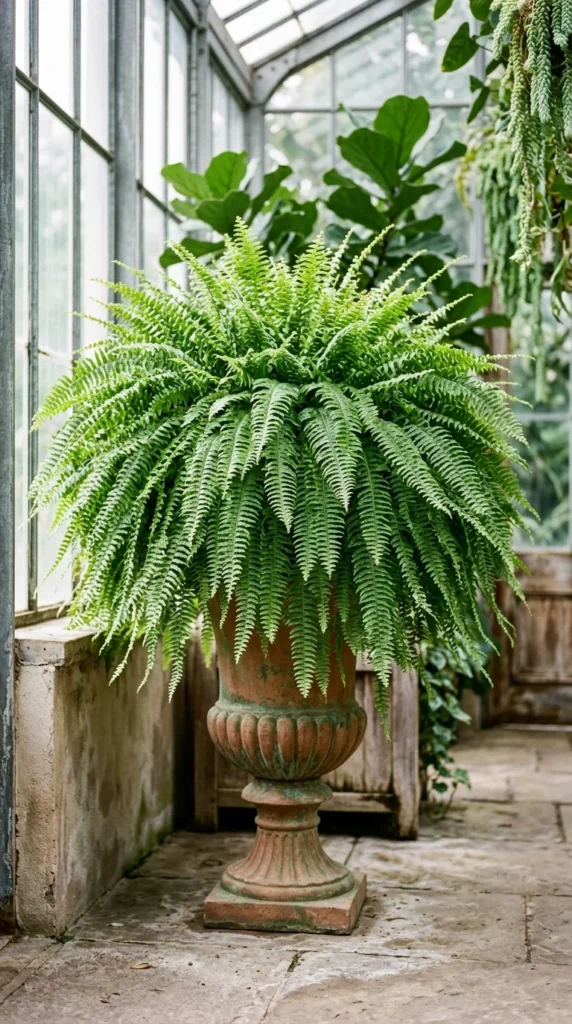
For those who love a classic, Victorian aesthetic, the Boston Fern (Nephrolepis exalta) is a perfect choice. Unlike many other ferns, the Boston Fern is non-toxic, making it safe for curious cats who might be tempted by its fluttering fronds. It thrives in humid environments, making it a stellar candidate for a bathroom or a well-lit kitchen.
Care Tips:
- Light: Indirect light is best; harsh direct sun will scorch the delicate leaves.
- Water: Ferns love moisture. Mist frequently and keep the soil consistently damp.
- Safety: Safe for ingestion, though its texture may still cause minor stomach upset if eaten in large quantities.
3. Areca Palm
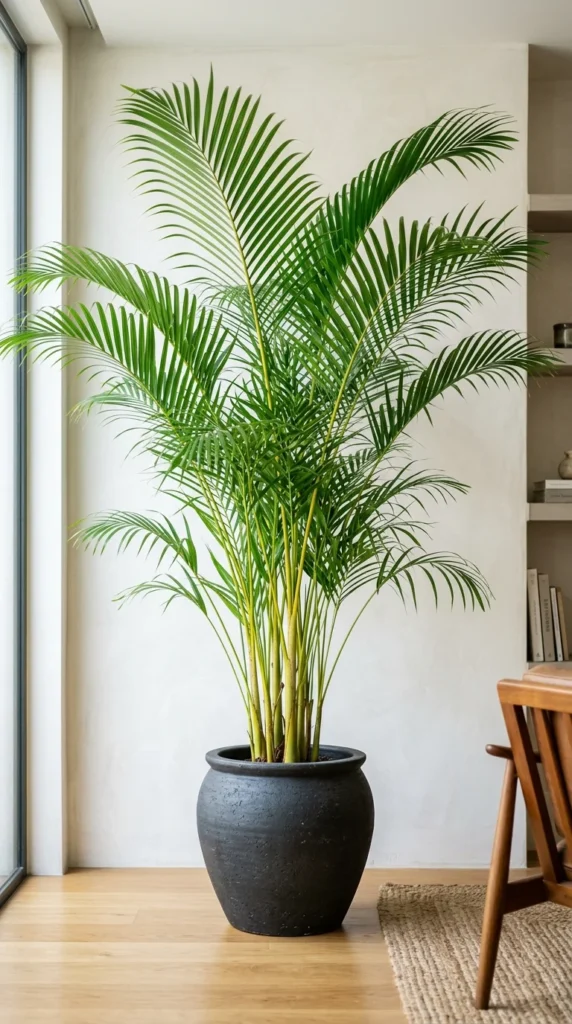
If you want to add a tropical, architectural element to a room, the Areca Palm (Dypsis lutescens) is a top-tier selection. It can grow quite large, acting as a natural room divider or a focal point. Beyond its beauty, it is recognized as one of the best air-purifying plants available.
Care Tips:
- Light: Needs bright, filtered light.
- Water: Sensitive to fluoride in tap water; use distilled or rainwater if possible and keep the soil slightly dry between waterings.
- Safety: Non-toxic to dogs and cats.
4. Calathea
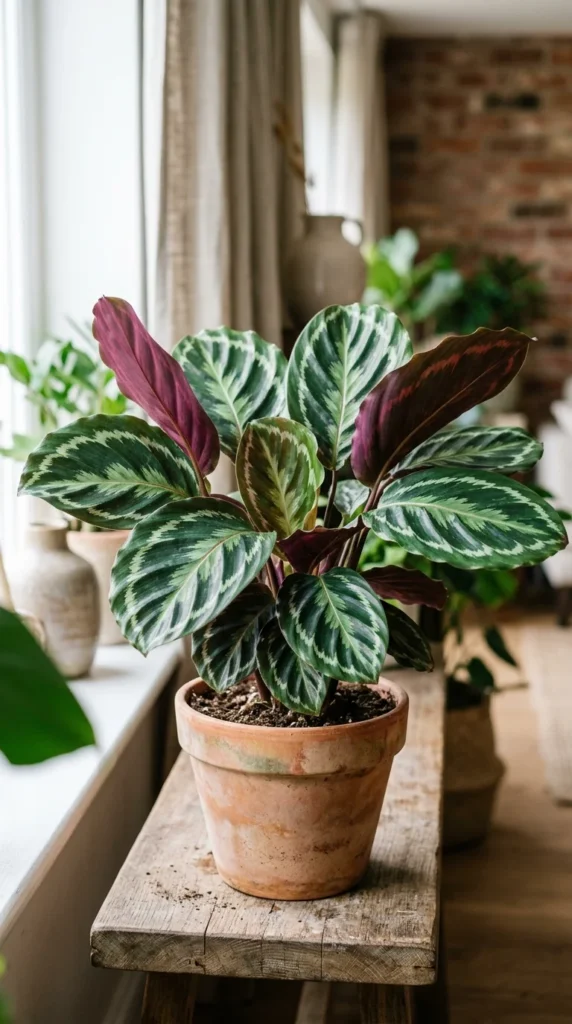
Often called “Prayer Plants” because their leaves fold up at night, the Calathea genus offers some of the most beautiful foliage in the plant world. With patterns that look hand-painted, these plants are safe for pets and add a high-end designer feel to any interior.
Care Tips:
- Light: Thrives in medium to low indirect light.
- Water: Prefers consistent moisture and high humidity. Use filtered water to prevent brown edges on the leaves.
- Safety: Safe for all pets.
5. Parlor Palm
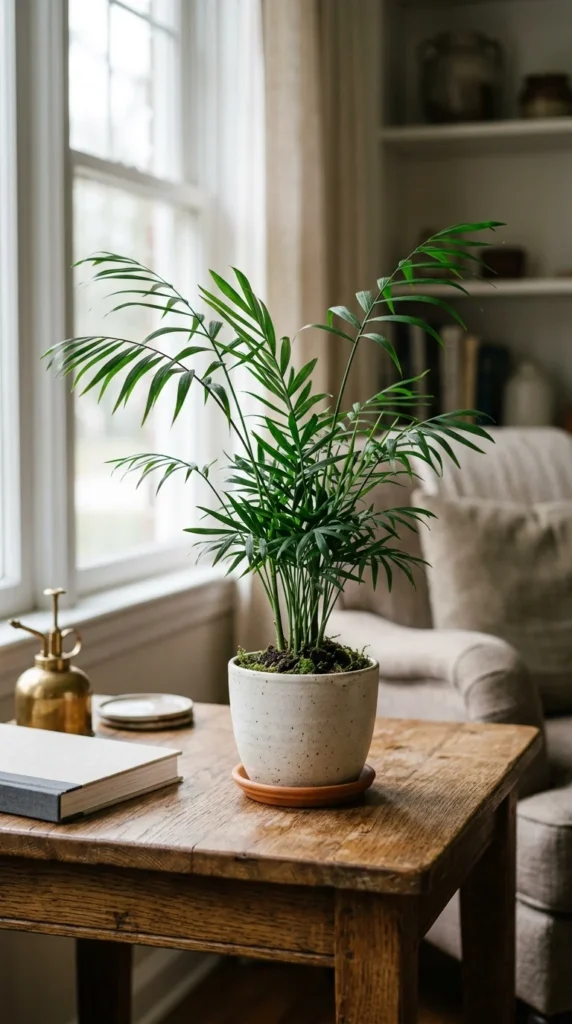
The Parlor Palm (Chamaedorea elegans) has been a favorite indoor plant since the Victorian era. Its slow growth and ability to thrive in low-light conditions make it perfect for apartments or offices. It maintains a manageable size, rarely exceeding two to three feet indoors.
Care Tips:
- Light: Prefers low light but can handle bright, indirect light.
- Water: Water when the top inch of soil feels dry.
- Safety: Completely safe and non-toxic.
6. Ponytail Palm
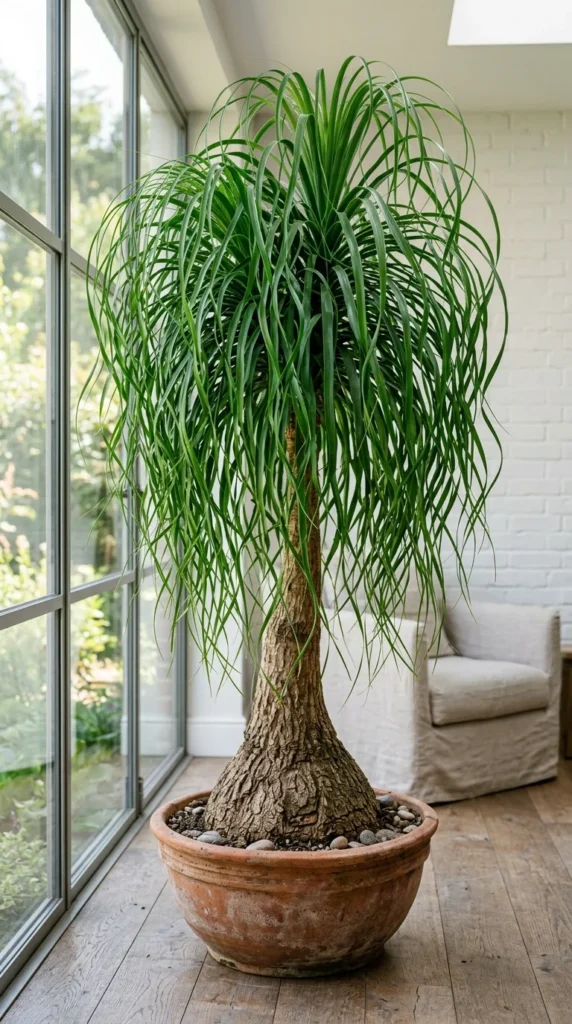
Despite its name and appearance, the Ponytail Palm (Beaucarnea recurvata) is actually a succulent. Its distinctive “elephant foot” trunk stores water, making it incredibly low-maintenance. The long, wispy leaves are often irresistible to cats, but fortunately, they are entirely safe if nibbled.
Care Tips:
- Light: Thrives in bright light; can even handle some direct sun.
- Water: Water sparingly, allowing the soil to dry out completely between sessions.
- Safety: Non-toxic, though the leaves are tempting “toys” for cats.
7. Phalaenopsis Orchid
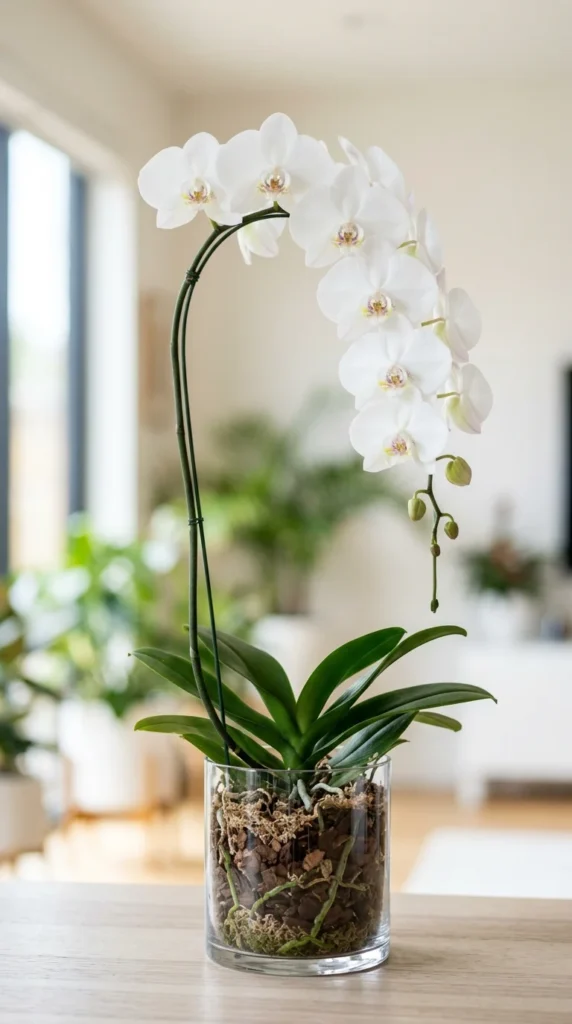
Many people assume orchids are difficult to care for or toxic, but the Phalaenopsis (Moth Orchid) is surprisingly resilient and perfectly safe for pets. These plants provide long-lasting blooms that can add a touch of elegance to your home for months at a time.
Care Tips:
- Light: Bright, indirect light near an east or west window.
- Water: Soak the roots once a week and let them drain completely; do not let the plant sit in water.
- Safety: ASPCA-approved as non-toxic to dogs and cats.
8. Hoya
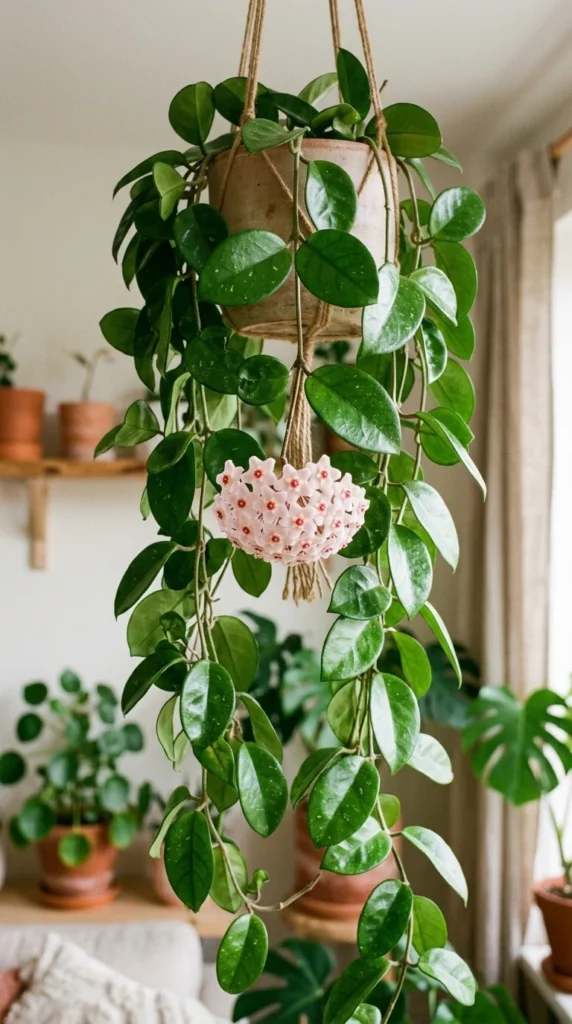
Hoyas, also known as Wax Plants, are famous for their thick, succulent-like leaves and stunning, fragrant flower clusters. They are excellent for hanging baskets or trailing along bookshelves. Because they are non-toxic, they are a great alternative to the toxic English Ivy.
Care Tips:
- Light: Bright, indirect light will encourage blooming.
- Water: Allow the soil to dry out almost completely before watering.
- Safety: Safe for curious pets.
9. Bromeliad
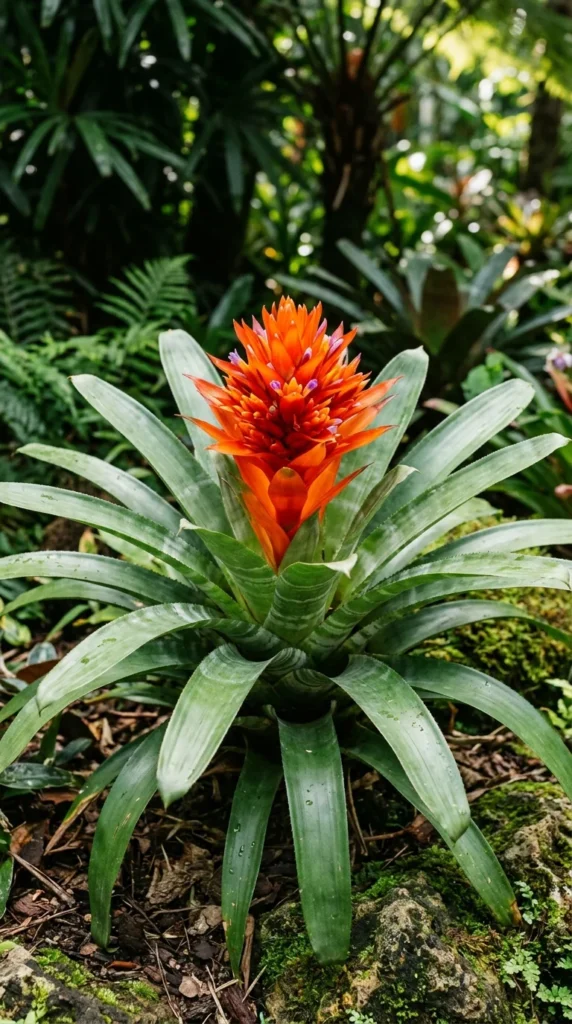
Bromeliads bring a burst of tropical color to the home. They are unique in that they take in water through their central “cup” rather than just through their roots. Their exotic look often leads people to think they might be dangerous, but they are entirely pet-friendly.
Care Tips:
- Light: Bright, indirect light.
- Water: Keep water in the central cup and change it regularly to prevent stagnation; keep the soil lightly moist.
- Safety: Non-toxic to dogs and cats.
10. Money Tree
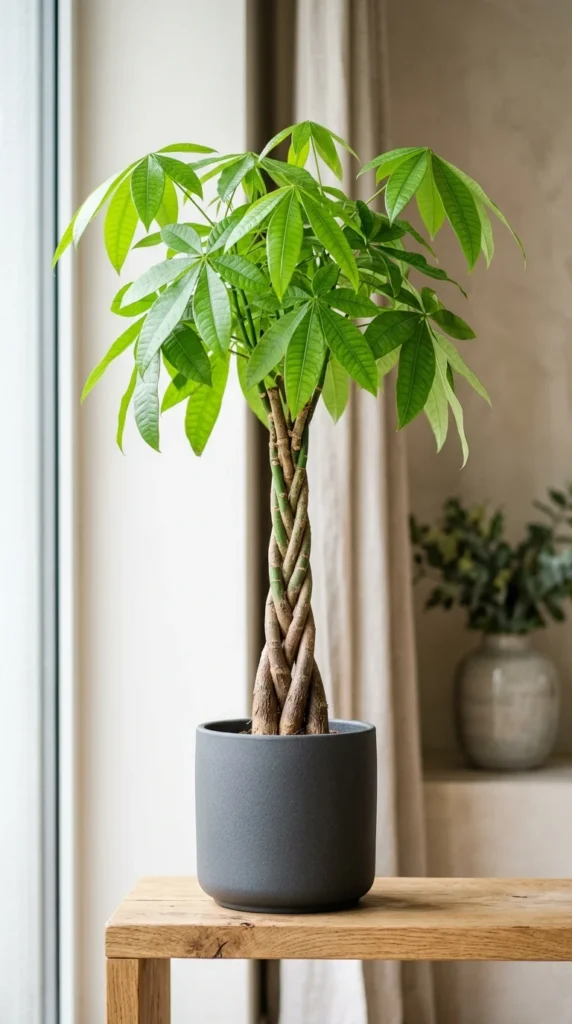
The Money Tree (Pachira aquatica) is often associated with good luck and financial prosperity. Its braided trunk and palm-like leaves make it a popular gift. For pet owners, it is a fantastic choice because it is hardy and safe if your dog or cat decides to investigate it.
Care Tips:
- Light: Prefers bright, indirect light but can adapt to lower light.
- Water: Water thoroughly when the top few inches of soil are dry; avoid overwatering the trunk.
- Safety: Non-toxic.
11. African Violet
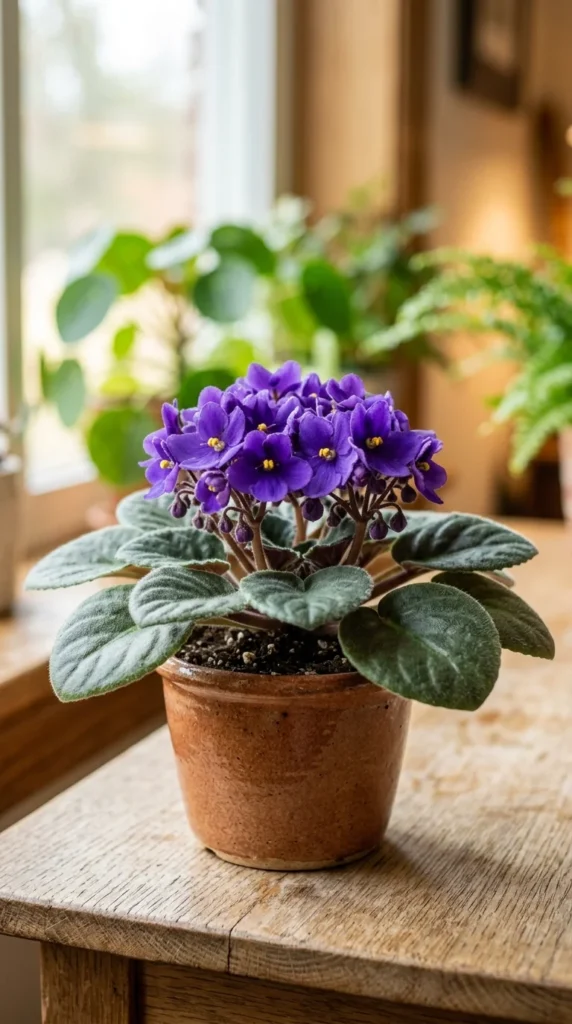
If you have limited space, African Violets (Saintpaulia) are perfect. These small plants bloom in a variety of colors, including purple, pink, and white. Their fuzzy leaves are soft to the touch and, most importantly, they contain no toxins that could harm your pets.
Care Tips:
- Light: Bright, indirect light; keep away from cold drafts.
- Water: Water from the bottom to avoid getting the fuzzy leaves wet, which can cause spotting.
- Safety: Safe for all household pets.
12. Christmas Cactus
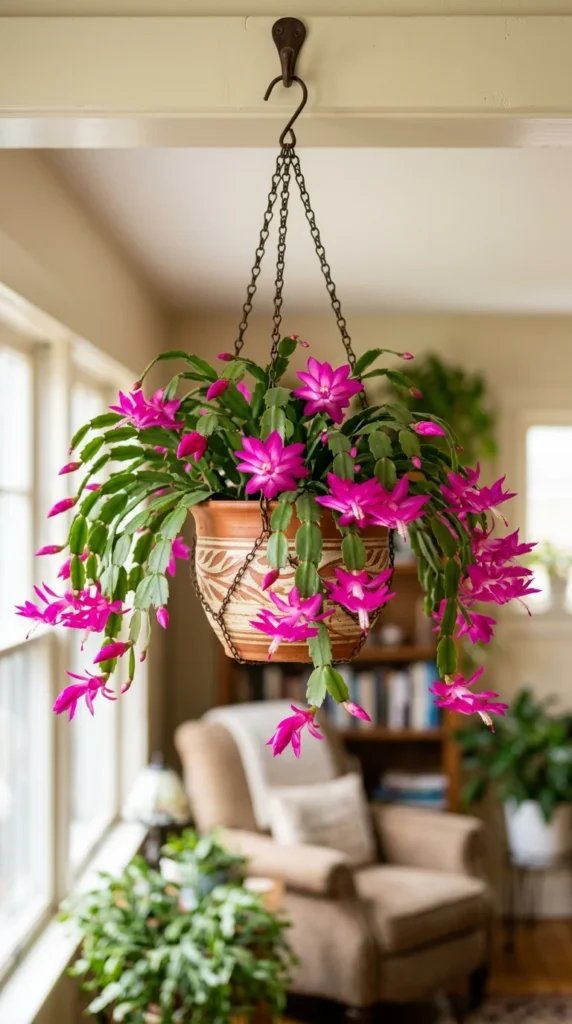
Unlike the prickly desert cacti, the Christmas Cactus (Schlumbergera) is a forest cacti that is smooth to the touch and non-toxic. It is famous for its spectacular floral display during the winter months, providing color when most other plants are dormant.
Care Tips:
- Light: Bright, indirect light.
- Water: Water when the top inch of soil is dry; they prefer more moisture than desert cacti.
- Safety: Safe, though ingestion of the fibrous stems may cause mild digestive upset.
13. Polka Dot Plant
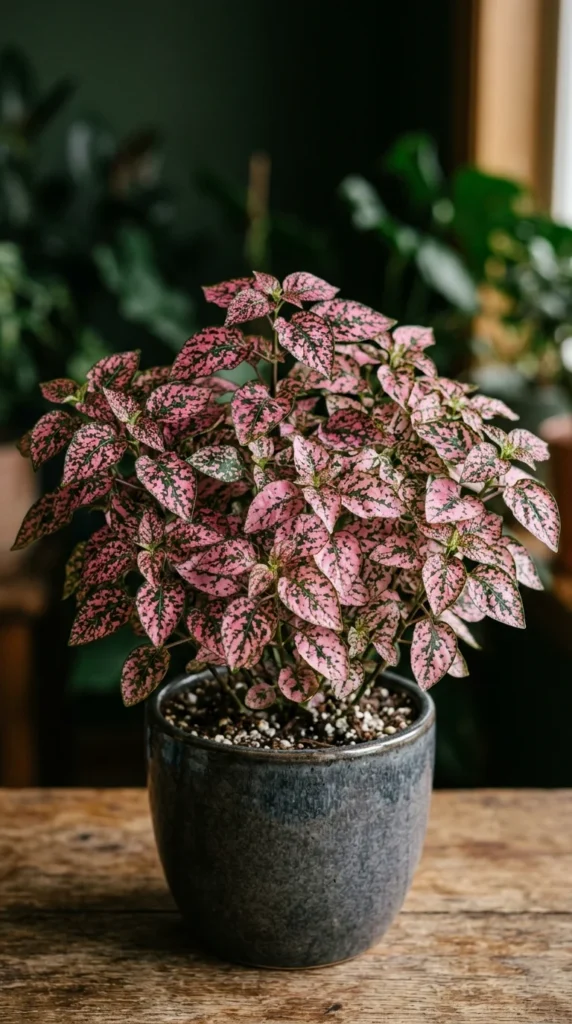
The Polka Dot Plant (Hypoestes phyllostachya) is a charming addition to a windowsill or terrarium. Its leaves appear as though they have been splashed with paint. While many colorful “variegated” plants are toxic (like the Croton), the Polka Dot Plant is a safe alternative.
Care Tips:
- Light: Bright, indirect light helps maintain the vibrant pink color.
- Water: Keep the soil consistently moist; the plant will “faint” or wilt visibly when it needs water.
- Safety: Non-toxic to pets.
14. Swedish Ivy
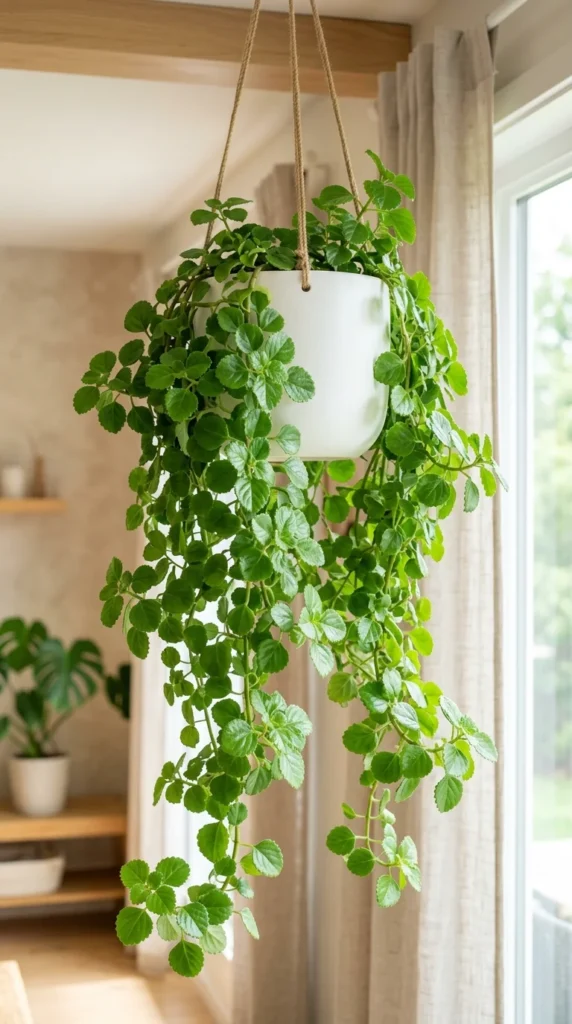
Swedish Ivy (Plectranthus verticillatus) is a fast-growing trailer that is incredibly easy to propagate. Despite its name, it is not a true ivy (most of which are toxic). It produces small, delicate white or pale purple flowers and has a pleasant, slightly aromatic scent.
Care Tips:
- Light: Thrives in bright, indirect light.
- Water: Allow the soil to dry out slightly between waterings.
- Safety: Completely pet-safe.
15. Cast Iron Plant
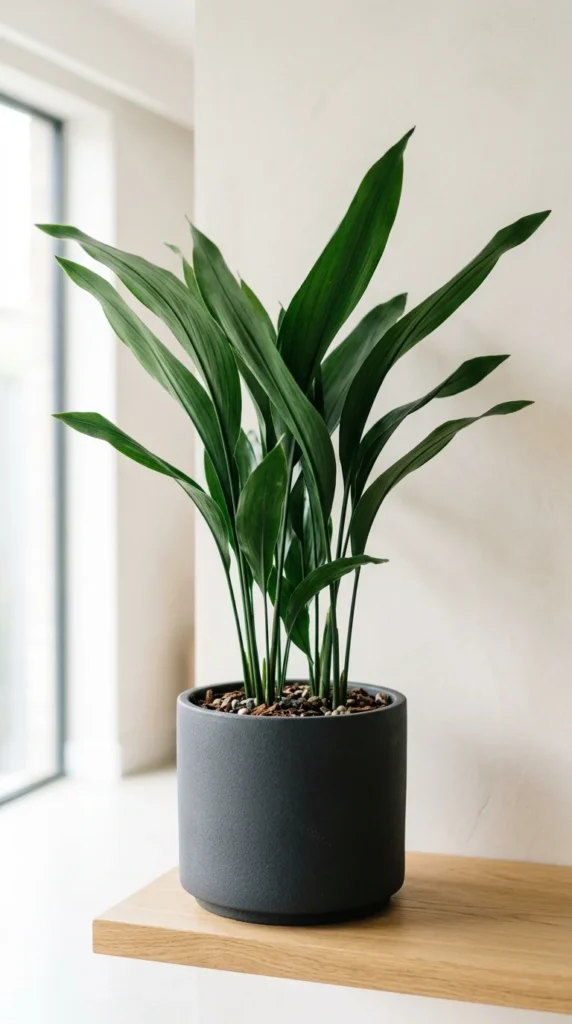
Named for its ability to survive near-total neglect, the Cast Iron Plant (Aspidistra elatior) is the ultimate choice for low-light corners where other plants might struggle. It is virtually indestructible and poses no threat to your cats or dogs.
Care Tips:
- Light: Can survive in very low light; avoid direct sun.
- Water: Water occasionally; it is very drought-tolerant.
- Safety: Non-toxic and very sturdy.
16. Banana Tree
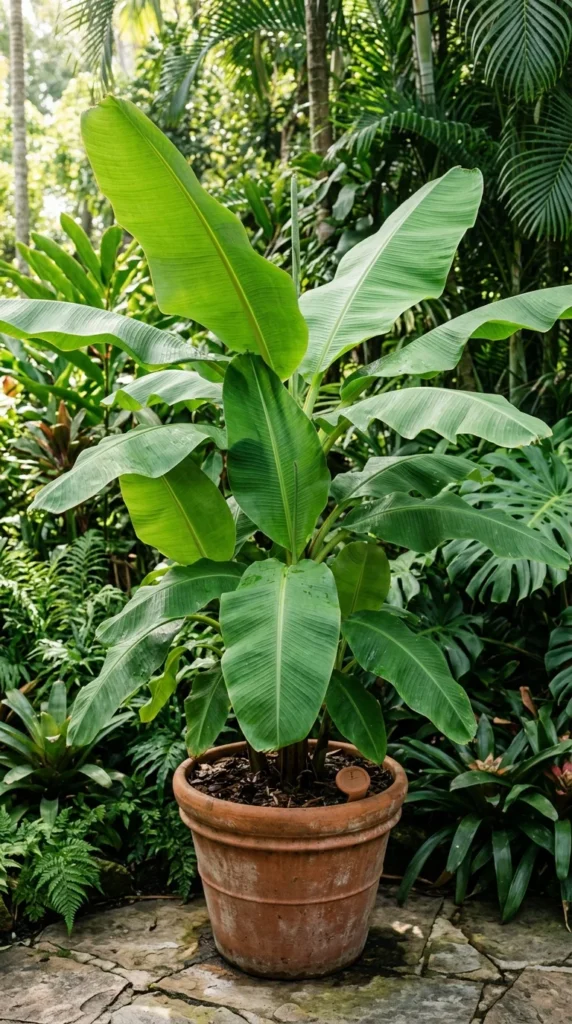
While some “ornamental” trees like the Fiddle Leaf Fig are toxic, the Banana Tree (Musa) is safe. Dwarf varieties are well-suited for indoor life, provided they have enough space. Their massive, paddle-shaped leaves create a dramatic, jungle-like atmosphere.
Care Tips:
- Light: Needs very bright light, including some direct sun.
- Water: Requires frequent watering and high humidity.
- Safety: Non-toxic to cats and dogs.
17. Gloxinia
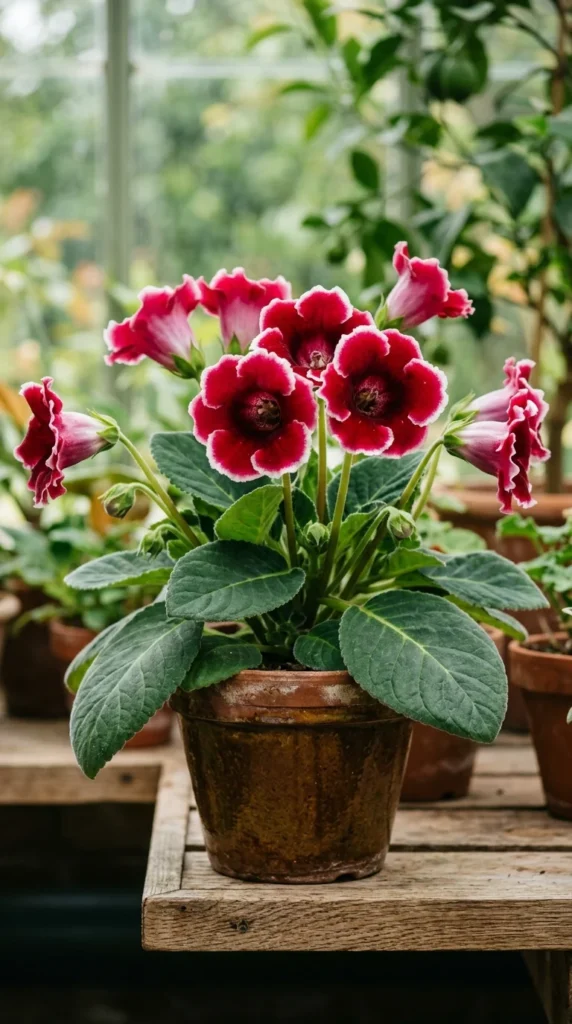
Gloxinias are relatives of the African Violet and offer similarly stunning flowers on a slightly larger scale. Their blooms are often ruffled and come in jewel-toned colors. They are a great way to add seasonal color to a room without worrying about the pets.
Care Tips:
- Light: Bright, indirect light.
- Water: Keep the soil moist but avoid getting water on the velvety leaves.
- Safety: Entirely non-toxic.
18. Haworthia
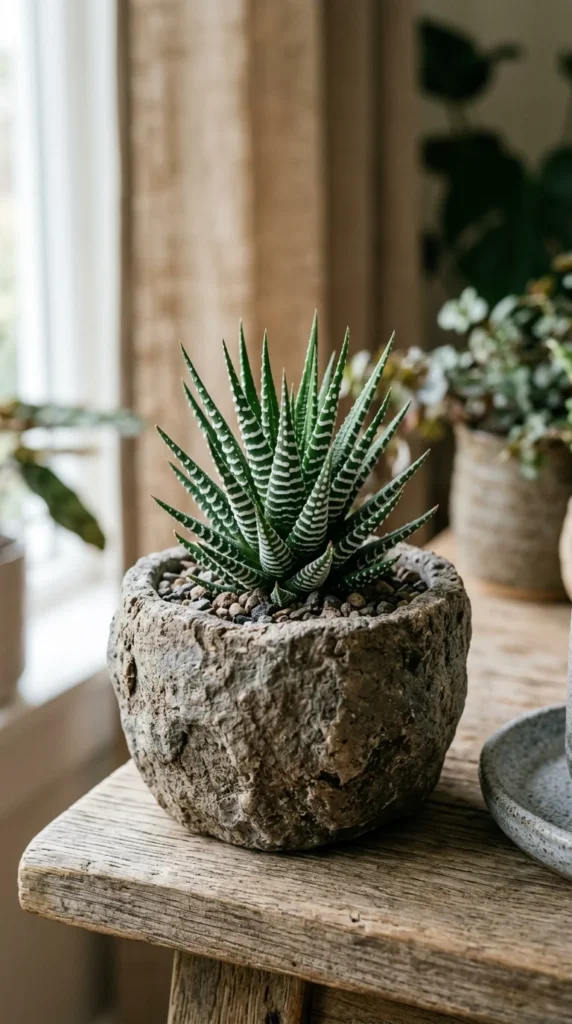
If you love the look of Aloe Vera but want a pet-safe version, Haworthia is the answer. While Aloe Vera can cause vomiting and diarrhea in pets, Haworthia is harmless. These small succulents are perfect for desks or sunny windowsills.
Care Tips:
- Light: Bright light; can tolerate some direct sun.
- Water: Soak the soil and let it dry out completely; water roughly every 2-3 weeks.
- Safety: Non-toxic alternative to Aloe.
19. Echeveria
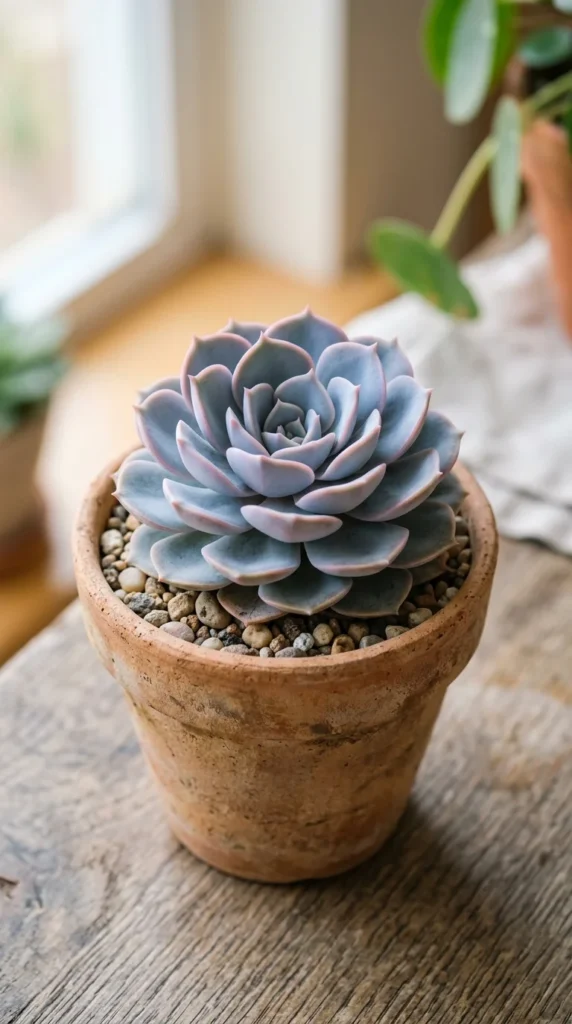
Echeverias are among the most popular succulents due to their perfect geometric rosette shapes. They come in a variety of colors, from pale blue to deep burgundy. Unlike some other succulents (like Jade or Kalanchoe), Echeverias are safe for pets.
Care Tips:
- Light: Needs plenty of direct sunlight to maintain its tight shape.
- Water: Use the “soak and dry” method; do not let water sit in the rosette.
- Safety: Safe and non-toxic.
20. Bamboo Palm
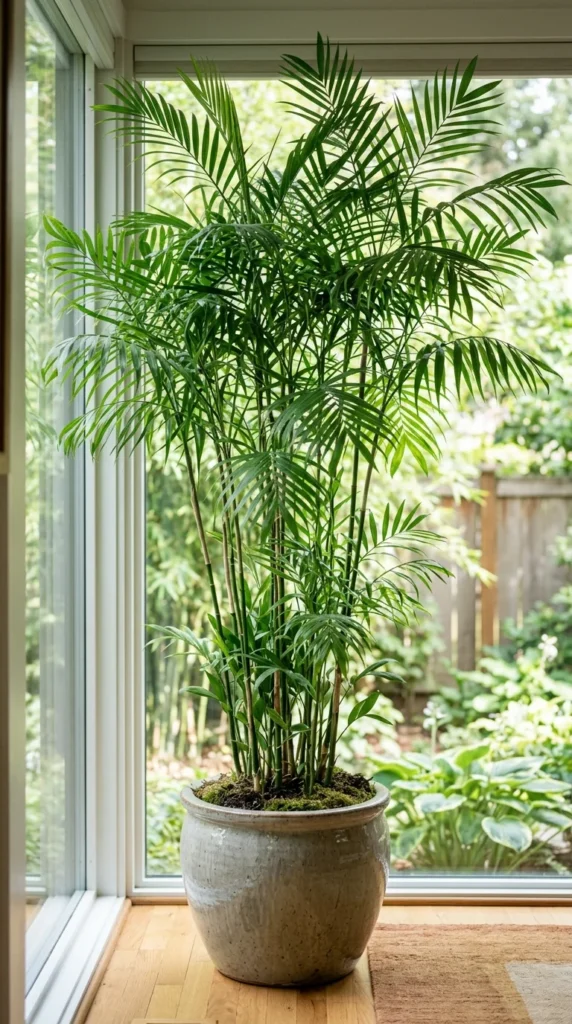
The Bamboo Palm (Chamaedorea seifrizii) is a fantastic choice for adding height and a sense of serenity to a room. It is a powerhouse for filtering indoor air toxins like formaldehyde and benzene, all while being completely safe for your pets to brush against.
Care Tips:
- Light: Prefers bright, indirect light but is quite adaptable.
- Water: Keep the soil moist but ensure proper drainage to avoid root rot.
- Safety: Non-toxic and pet-friendly.