
Bringing nature indoors can transform a living space into a tranquil sanctuary, offering benefits such as improved air quality and reduced stress. However, for pet owners, the aesthetic appeal of a houseplant must always come second to the safety of their furry companions. Many common and popular indoor plants contain chemical compounds that, while harmless to humans, can be life-threatening to cats and dogs.
Choosing pet-safe plants requires more than just a quick glance at a label. It involves understanding plant families, identifying toxic irritants, and creating an environment where greenery and pets can coexist harmoniously. This guide explores the best non-toxic options for your home and how to ensure your indoor jungle remains a safe haven.
1. Spider Plant
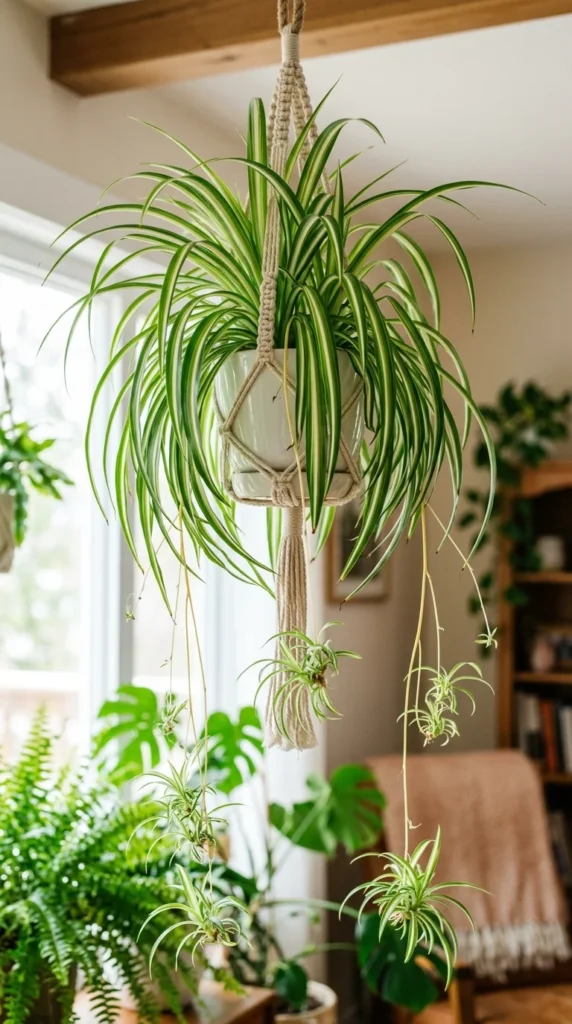
The Spider Plant (Chlorophytum comosum) is a staple for pet owners. Not only is it incredibly resilient and easy to care for, but it is also entirely non-toxic to both cats and dogs. Its long, grass-like leaves are particularly attractive to cats, who often enjoy batting at them or taking an occasional nibble. While the plant is safe, it does contain mild hallucinogenic properties for felines, similar to catnip, so don’t be surprised if your cat seems extra fond of it.
Spider plants are excellent air purifiers, removing toxins like formaldehyde and xylene from the indoor environment. They thrive in indirect light and only require watering when the top inch of soil feels dry, making them perfect for beginners.
2. Boston Fern
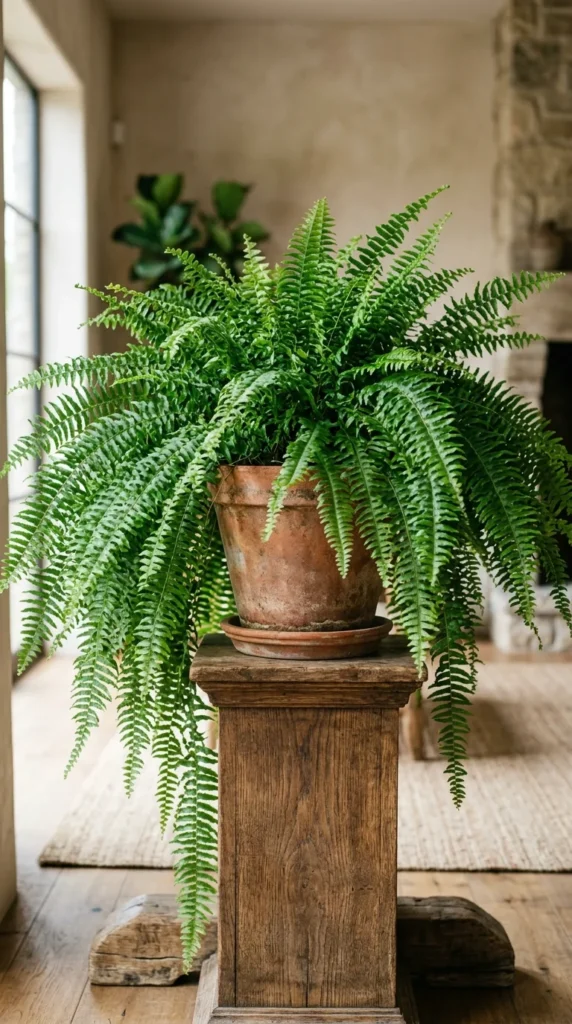
If you are looking for a lush, prehistoric aesthetic, the Boston Fern (Nephrolepis exaltata) is a premier choice. Unlike “True Ferns,” some “Asparagus Ferns” (which are not actually ferns) can be toxic, but the Boston Fern is completely safe. These plants love high humidity and indirect light, making them ideal candidates for bathrooms or kitchens.
Their feathery fronds are soft to the touch and won’t harm your pet if they decide to brush up against them or investigate the foliage. To keep them thriving, ensure the soil remains consistently moist and provide a frequent misting to replicate their native tropical environment.
3. Areca Palm
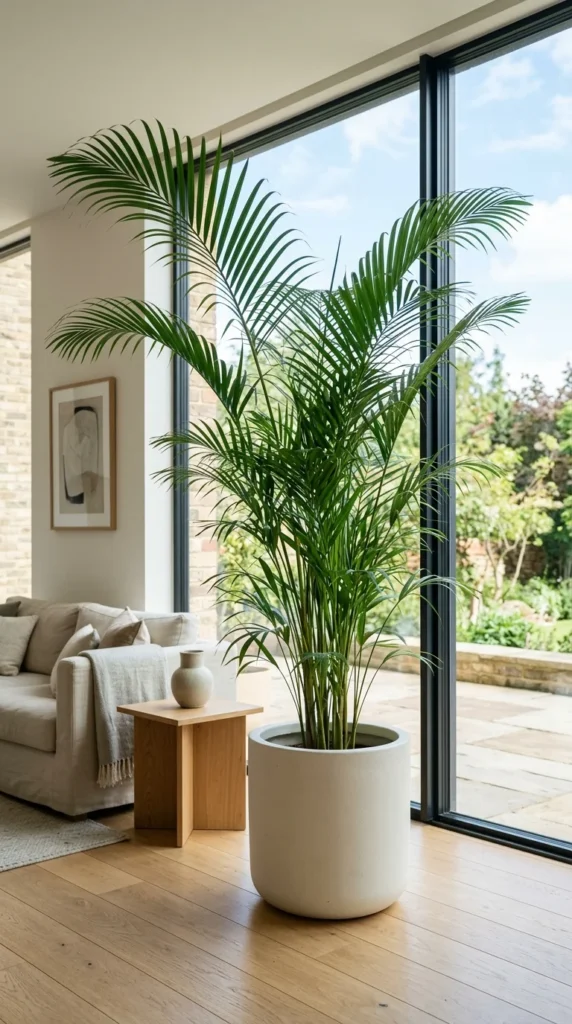
Many palms, such as the Sago Palm, are extremely dangerous to pets, but the Areca Palm (Dypsis lutescens) is a safe and stunning alternative. Known for its tall, graceful fronds that fan out like a fountain, the Areca Palm can grow several feet tall, serving as a beautiful focal point in a living room.
Beyond being non-toxic, the Areca Palm acts as a natural humidifier, releasing moisture into the air. It prefers bright, filtered sunlight and well-draining soil. Because it can grow quite large, it is a great way to add “big leaf” energy to your home without the risks associated with toxic Monstera or Fiddle Leaf Figs.
4. Calathea
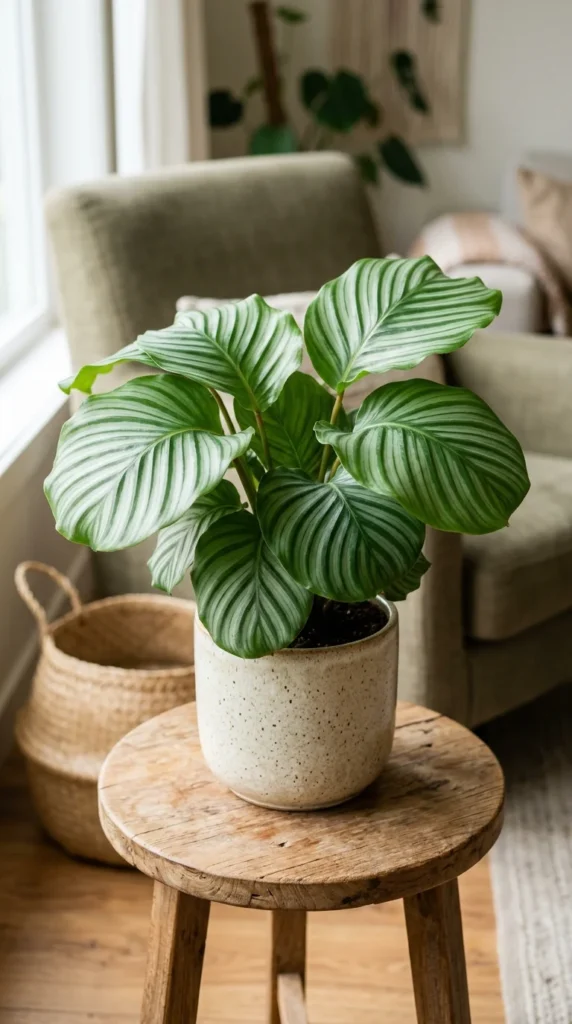
Commonly known as “Prayer Plants” because their leaves fold upward at night, the Calathea genus is entirely pet-friendly. These plants are famous for their stunning leaf patterns, featuring various shades of green, purple, and burgundy. Whether you choose the Calathea Orbifolia, Medallion, or Rattlesnake plant, you can rest easy knowing they won’t harm your pets.
Calatheas can be a bit more “finicky” than other houseplants. They prefer distilled or rainwater, as they are sensitive to the minerals in tap water, and they require high humidity to prevent their leaf edges from browning. However, their beauty and safety make the extra effort worthwhile.
5. Haworthia
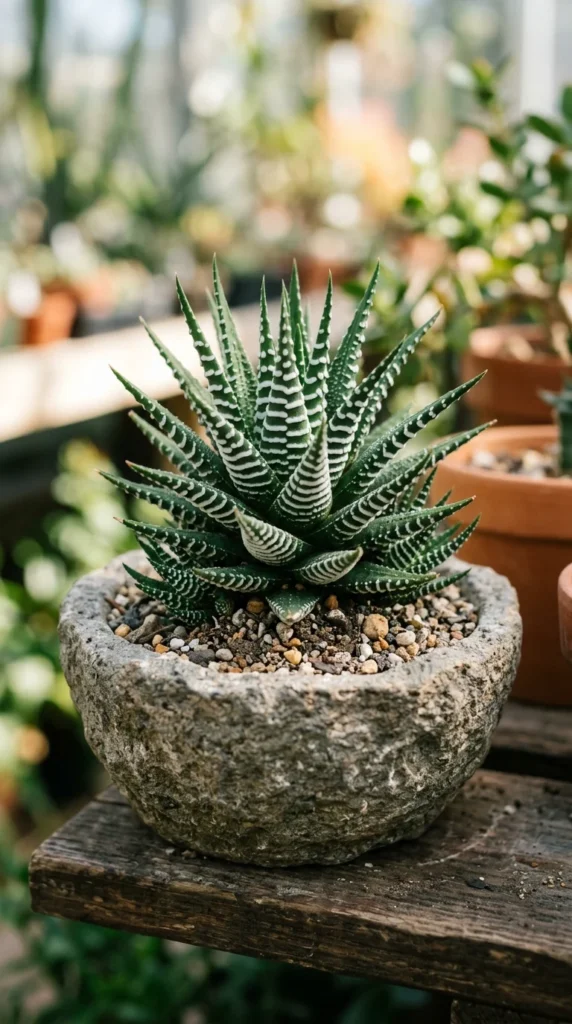
While Aloe Vera is a household favorite for its medicinal properties, it is unfortunately toxic to dogs and cats if ingested. If you love the look of spiked succulents, the Haworthia is the perfect pet-safe substitute. These small, slow-growing succulents are hardy and require very little maintenance.
Haworthia plants do well in bright, indirect light and need very little water. They are perfect for windowsills or desks where a pet might be tempted to sniff. Because they are structurally firm and lack the bitter sap found in Aloe, they are much safer for a curious kitten or puppy.
6. African Violet
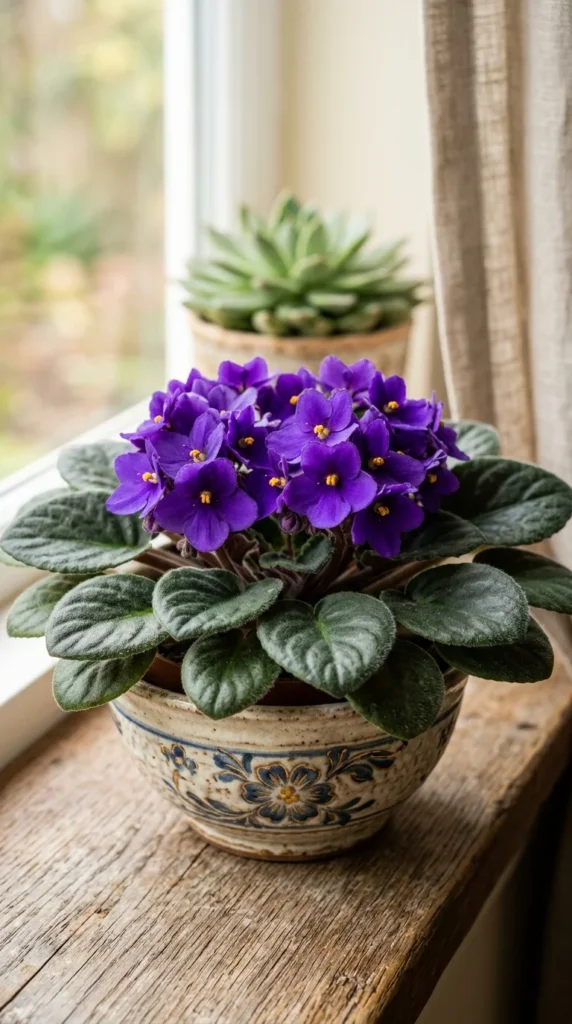
For pet owners who want a splash of color, the African Violet (Saintpaulia) is a classic choice. These compact plants produce beautiful blooms in shades of purple, pink, and white. Both the flowers and the fuzzy, dark green leaves are non-toxic to pets.
They thrive in moderate to bright indirect light and prefer “bottom watering” to keep their leaves dry, as water on the foliage can cause spotting. Their small size makes them easy to place on high shelves or mantels, safely away from wagging tails but within sight for you to enjoy.
7. Polka Dot Plant
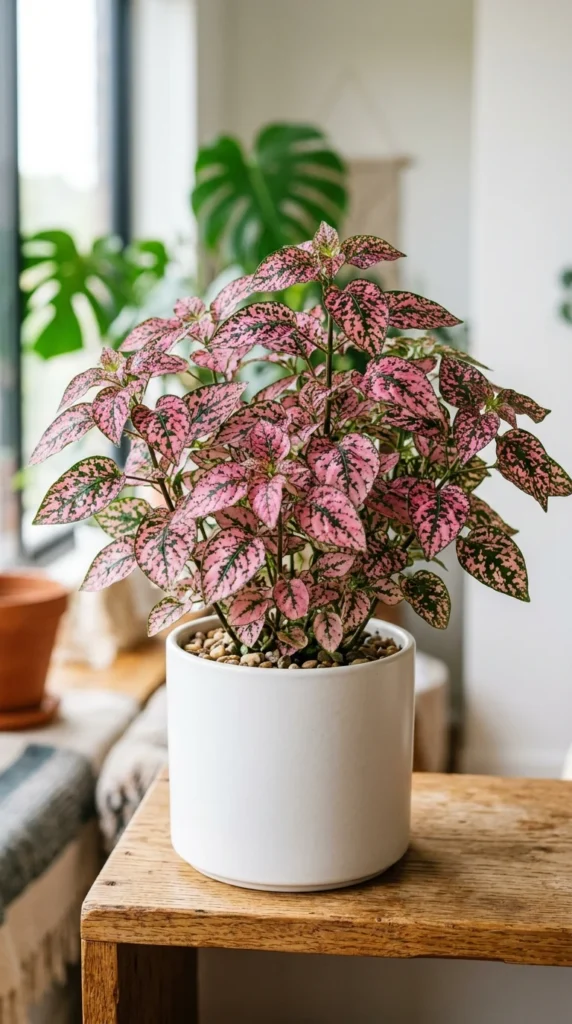
The Polka Dot Plant (Hypoestes phyllostachya) is a cheerful, eye-catching addition to any pet-friendly home. Its leaves look as though they have been splashed with pink, red, or white paint. These plants are completely safe for cats and dogs, though they are so pretty your pet might be tempted to investigate the bright colors.
They prefer bright, indirect light to maintain their vibrant variegation. If they don’t get enough light, they can become “leggy,” but a quick trim will keep them bushy and full. They are relatively short-lived compared to woody shrubs, but they are easy to propagate from cuttings.
Understanding the Risks: What to Avoid
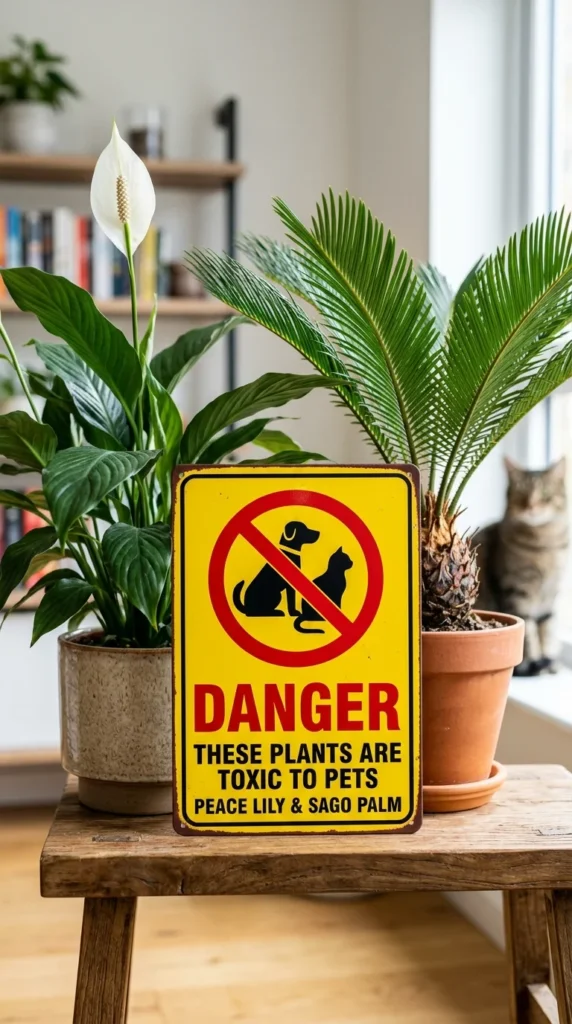
While the plants listed above are safe, it is equally important to recognize the common household plants that pose a significant threat. Toxicity levels range from mild stomach upset to organ failure and death.
- Lilies (Lilium and Hemerocallis): These are exceptionally dangerous for cats. Even consuming a small amount of pollen or drinking the water from a vase of lilies can cause fatal kidney failure in felines.
- Sago Palm: This is one of the most toxic plants for dogs. Every part of the plant is poisonous, particularly the seeds. Ingestion often leads to liver failure and has a high mortality rate.
- Pothos and Philodendron: These contain insoluble calcium oxalate crystals. While rarely fatal, chewing on these plants causes intense mouth irritation, drooling, and swelling of the throat.
- Snake Plants and ZZ Plants: Often touted as “indestructible,” these are mildly toxic. They can cause nausea, vomiting, and diarrhea in pets.
Proactive Tips for a Pet-Safe Jungle
Choosing the right species is the first step, but how you manage your indoor garden matters just as much for your pet’s safety and your plants’ survival.
Research the Scientific Name
Common names can be misleading. For example, a “Palm” could be a safe Areca Palm or a deadly Sago Palm. Always check the scientific (Latin) name against a reliable database like the ASPCA Poison Control website before bringing a new plant home.
Strategic Placement
Even if a plant is non-toxic, it can still cause an upset stomach if a pet eats a large quantity of it. Use vertical space to your advantage:
- Hanging Planters: Keep trailing plants like Spider Plants or Boston Ferns out of reach by hanging them from the ceiling or wall brackets.
- Floating Shelves: Place your “prayer plants” and succulents on high shelves where cats cannot jump.
- Terrariums: Small, pet-safe plants can be kept inside glass terrariums to prevent nibbling.
Watch the Fertilizer
Sometimes it isn’t the plant that is the problem, but what you put in the soil. Organic fertilizers containing bone meal or blood meal can be very attractive to dogs, leading them to dig up the plant and ingest the soil, which can cause gastrointestinal blockages or toxicity. Stick to liquid fertilizers that are diluted and absorbed quickly, or ensure pots are out of reach.
Provide “Legal” Greens
If your cat or dog is obsessed with chewing on leaves, provide them with a safe alternative. Growing a small pot of “Cat Grass” (usually wheat, barley, or rye) gives them a dedicated place to satisfy their grazing instincts, which may distract them from your decorative houseplants.
What to Do in an Emergency

Despite your best efforts, accidents can happen. If you suspect your pet has ingested a toxic plant, time is of the essence.
- Identify the Plant: Take a photo of the plant or take a small sample of it with you to the vet.
- Monitor Symptoms: Look for signs of distress such as excessive drooling, vomiting, lethargy, loss of appetite, or difficulty breathing.
- Call the Experts: Contact your local veterinarian immediately or call a pet poison helpline. Do not attempt to induce vomiting unless specifically instructed to do so by a professional.
By being diligent and selecting the right species, you don’t have to choose between your love for greenery and your love for your pets. A thoughtfully curated, pet-safe indoor garden provides beauty for you and a safe, stimulating environment for your four-legged friends.