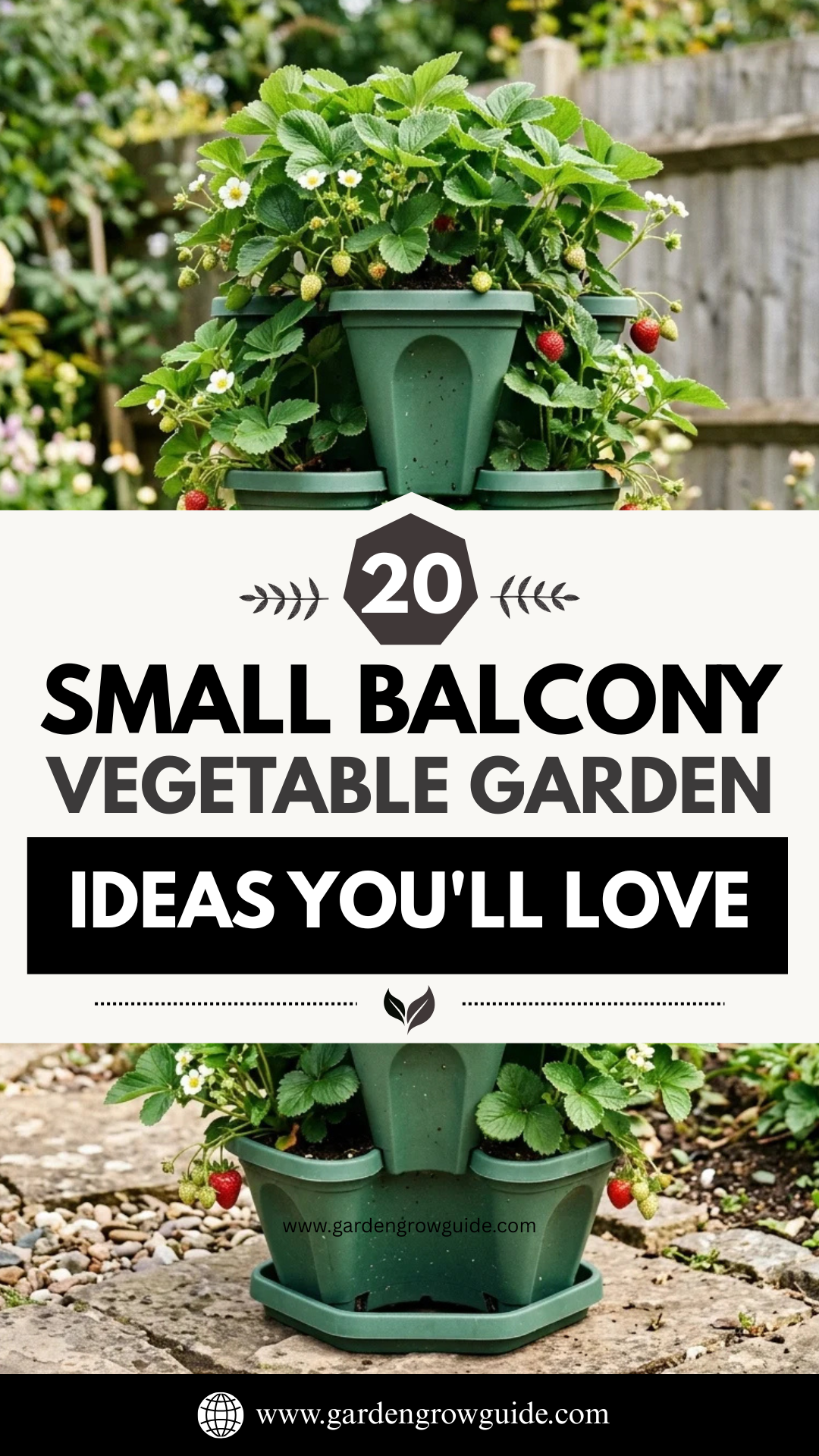
Living in an urban environment doesn’t mean you have to sacrifice the joy of harvesting your own fresh produce. Small-space gardening has evolved into a sophisticated art form, allowing apartment dwellers to turn even the tiniest balcony into a productive “sky farm.” Whether you have a sprawling terrace or a narrow fire escape-style balcony, there are creative ways to maximize every square inch.
Growing your own food offers more than just organic snacks; it provides a therapeutic connection to nature, improves air quality, and ensures your kitchen is always stocked with nutrient-dense greens. From vertical structures to high-tech watering systems, the following twenty ideas will inspire you to transform your outdoor nook into a thriving vegetable sanctuary.
1. Vertical Trellis
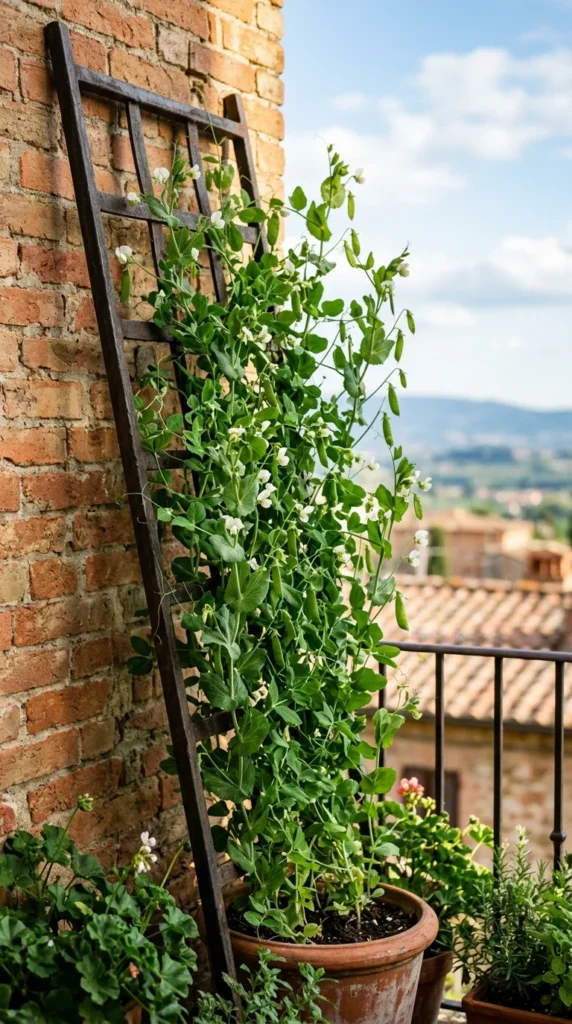
A vertical trellis is the ultimate space-saver for small balconies. Instead of letting plants spread across the floor, you encourage them to reach for the sky. This method is perfect for “vining” vegetables like sugar snap peas, pole beans, and even small varieties of cucumbers. By utilizing the vertical plane, you free up floor space for seating or larger pots. Trellises come in various styles, from rustic bamboo stakes to modern geometric metal frames, allowing you to match the aesthetic of your home while providing essential support for your climbing crops.
2. Railing Planters
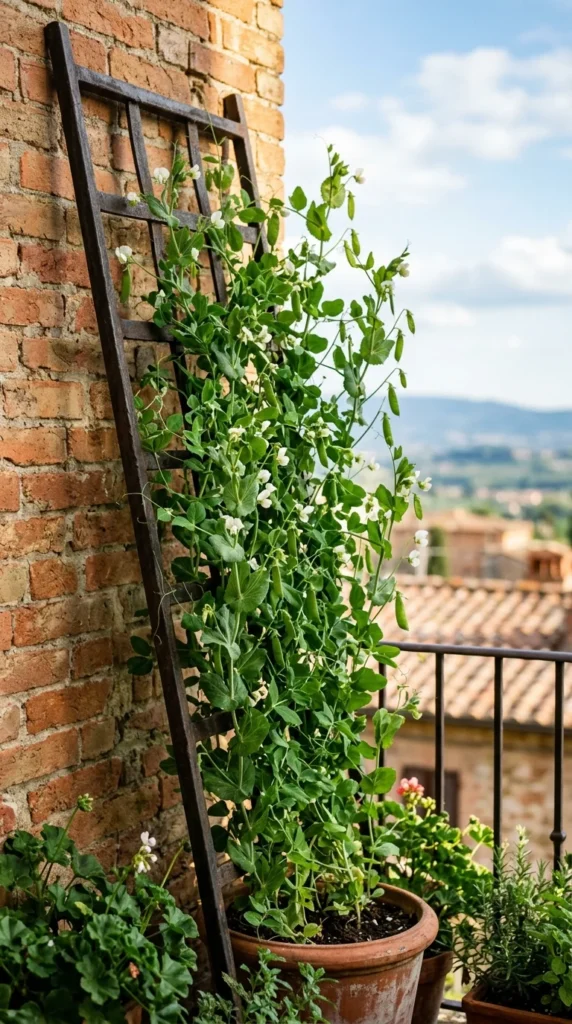
The balcony railing is often overlooked real estate. Specially designed railing planters “saddle” the banister, providing a secure place to grow shallow-rooted vegetables without taking up any floor space. These are ideal for “cut-and-come-again” greens like spinach, arugula, and Swiss chard. Because they sit at waist height, they are easy to water and harvest. Ensure you choose containers with secure attachment mechanisms to prevent them from tipping during high winds.
3. Hanging Baskets
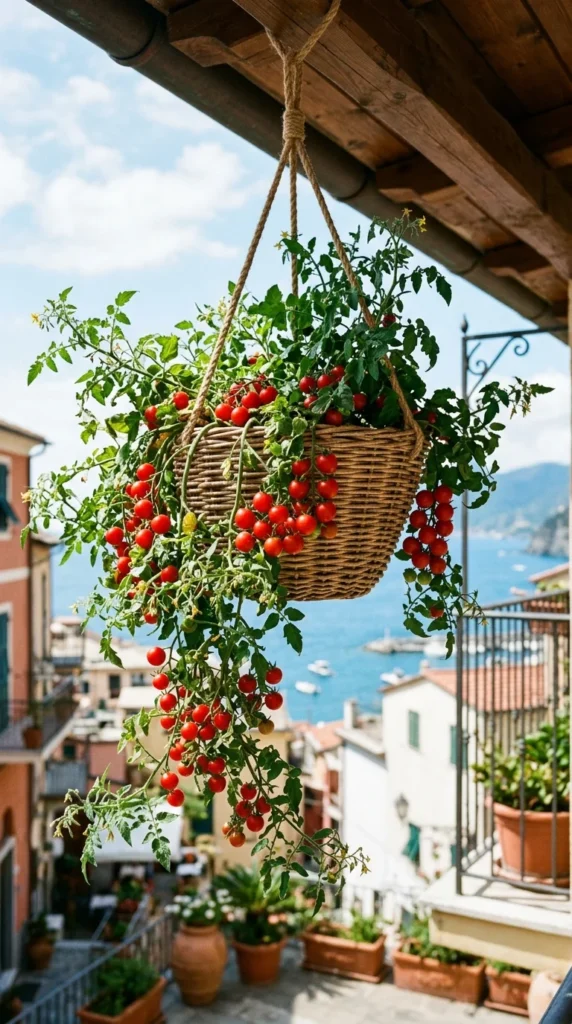
Hanging baskets aren’t just for petunias. Many vegetable varieties, particularly “tumbling” tomatoes and strawberries, thrive when suspended from above. This approach utilizes the overhead space and keeps the fruit off the ground, which can help prevent rot and pests. Hanging baskets also benefit from excellent air circulation. Look for self-watering inserts for your hanging pots, as they can dry out quickly when exposed to the breeze at higher elevations.
4. Tiered Shelving
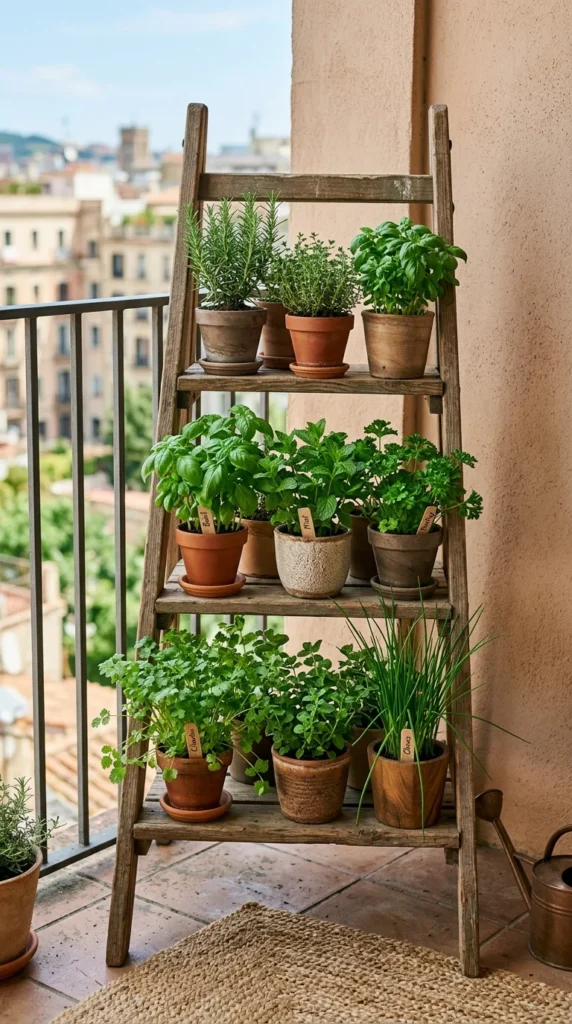
Tiered shelving units or “plant stands” allow you to stack your garden vertically. By using a multi-level rack, you can triple your growing surface area within the same footprint. Place sun-loving plants like peppers and eggplants on the top shelf where they get the most light, and shade-tolerant greens like kale or bok choy on the lower levels. This organization not only looks beautiful but also makes organizing your “crops” by their water and light needs much simpler.
5. Pocket Organizers
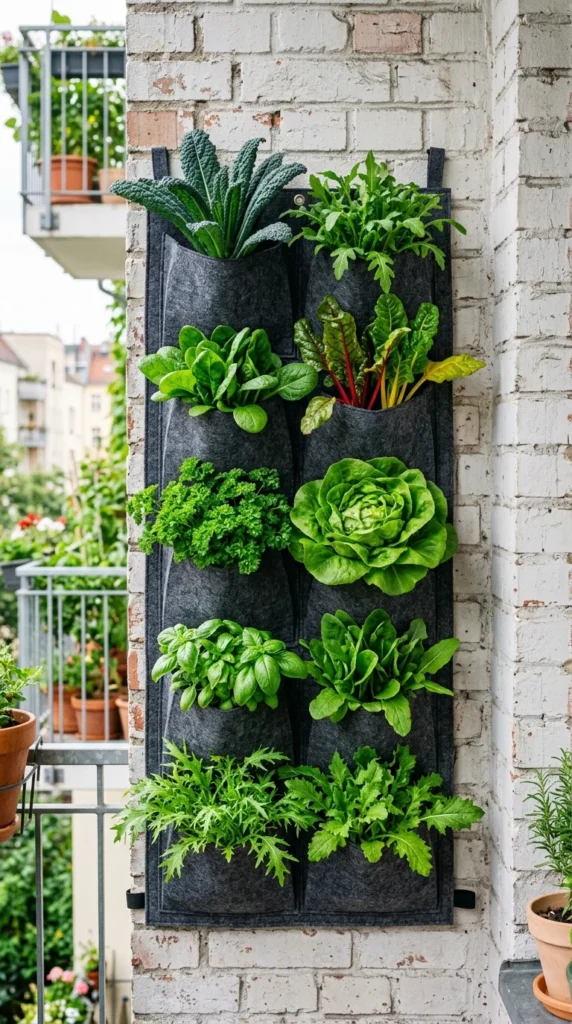
Repurposing over-the-door shoe organizers or purchasing dedicated felt pocket planters is a brilliant way to create a living wall. These breathable fabric pockets allow for excellent drainage and aeration for the roots. They are particularly effective for growing a vast array of culinary herbs or small succulents. Because they are lightweight, they can be mounted onto almost any vertical surface, turning a bland wall into a tapestry of edible foliage.
6. Self-Watering Pots
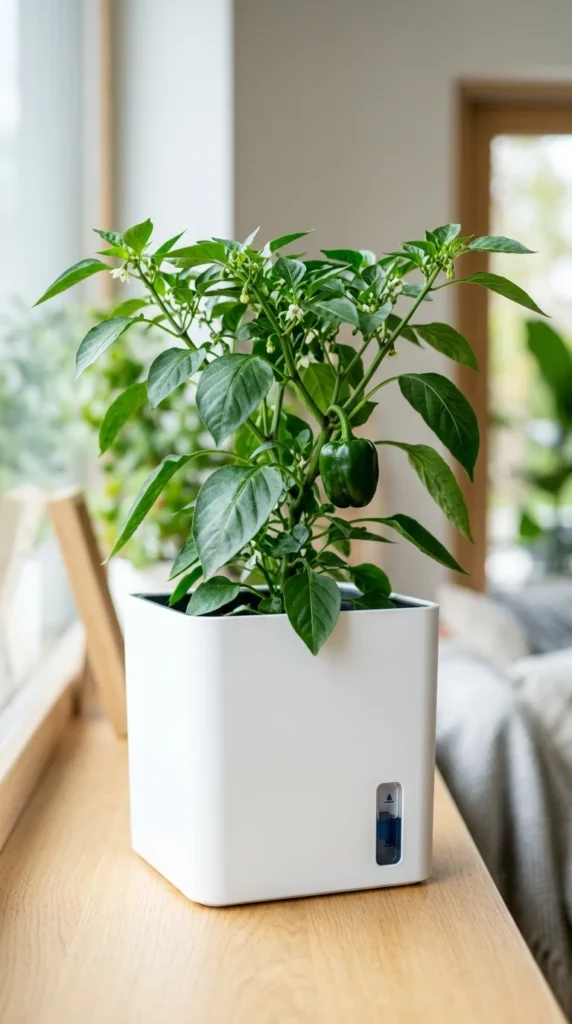
One of the biggest challenges of balcony gardening is the rapid evaporation caused by wind and sun. Self-watering pots feature a reservoir at the bottom that provides a consistent moisture source to the roots via capillary action. This is a game-changer for thirsty plants like tomatoes and peppers. These containers reduce the frequency of watering and help prevent the “stress” that occurs when plants dry out completely between waterings, leading to a more bountiful harvest.
7. Window Boxes
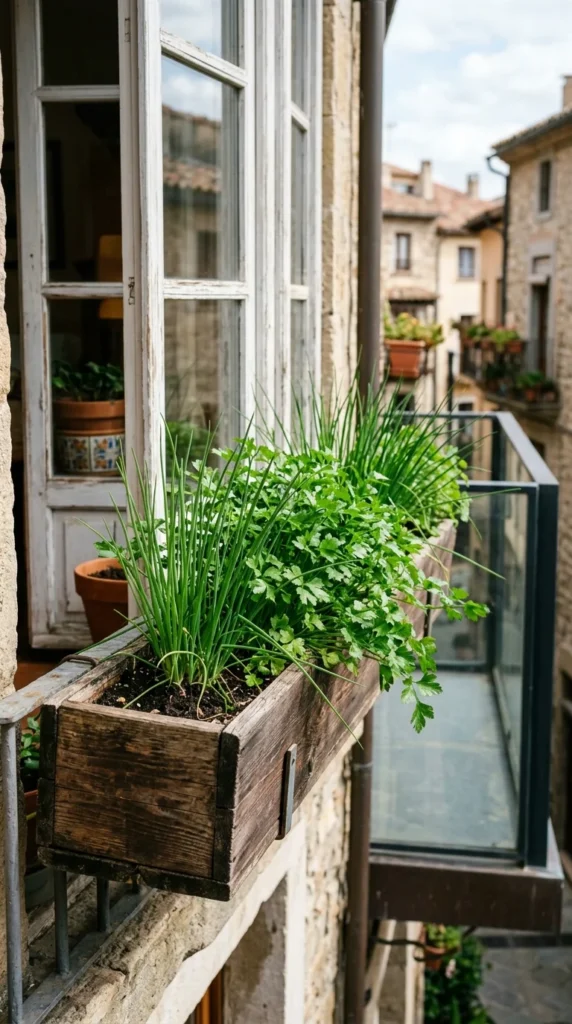
Window boxes aren’t limited to windowsills. Mounting them along the inside or outside of your balcony ledge provides a long, continuous growing space. They are perfect for creating a “salad bar” where you can grow different types of loose-leaf lettuce in a single row. Because they are shallow, they are lightweight and easy to manage. Consider mixing in some edible flowers like pansies or nasturtiums to add a pop of color to your greens.
8. Stackable Planters
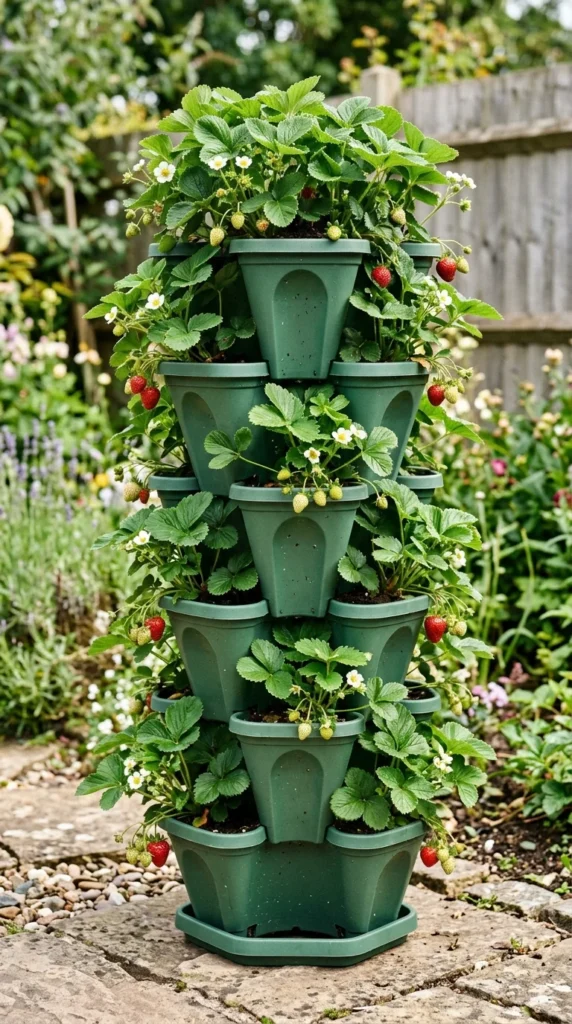
Stackable planters, often referred to as “strawberry towers,” consist of interlocking tiers that create a high-density growing environment. These are specifically designed to maximize yield in a circular footprint. While they are famous for strawberries, they are also excellent for herbs and small greens. Most models feature a central watering hole that distributes moisture to all levels, making maintenance incredibly efficient for a busy urban gardener.
9. Grow Bags
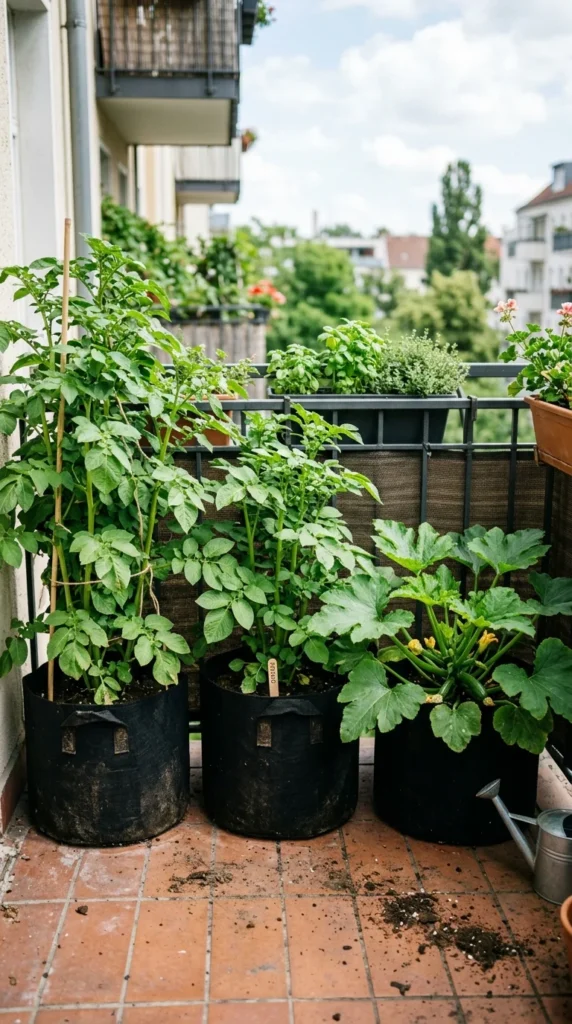
Fabric grow bags are a favorite among professional urban farmers. Unlike plastic pots, the breathable fabric “air prunes” the roots, preventing them from becoming root-bound and encouraging a more robust root system. They are incredibly lightweight, making them ideal for balconies with weight restrictions. When the growing season is over, you can simply empty them, wash them, and fold them away, saving valuable storage space in a small apartment.
10. Companion Planting
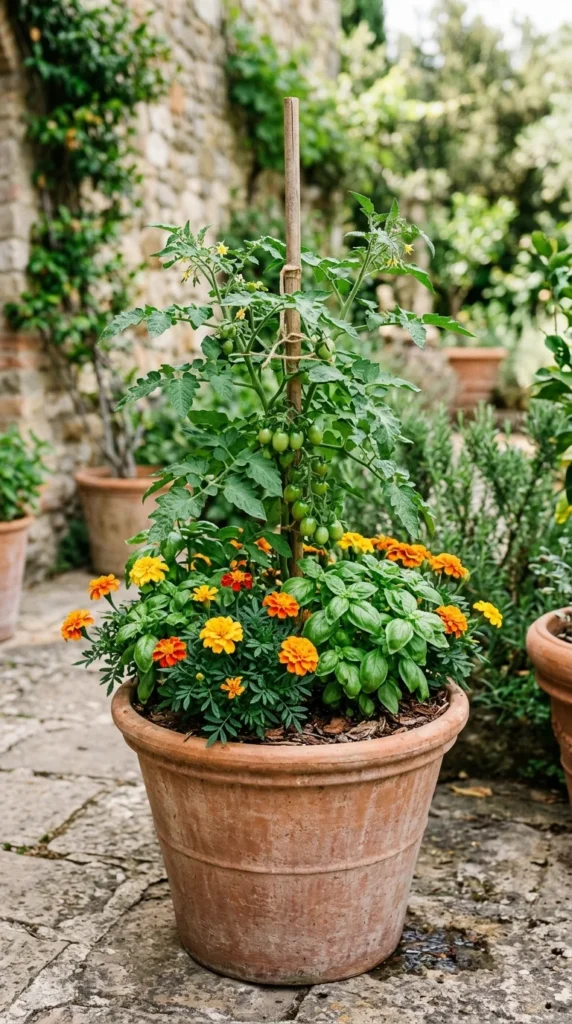
In small spaces, every pot must work overtime. Companion planting involves growing different plants together that benefit each other. For example, planting basil at the base of your tomato plants can improve the flavor of the tomatoes and help deter pests. Similarly, planting marigolds with your vegetables can help repel harmful insects. This technique maximizes the utility of a single large container and creates a mini-ecosystem on your balcony.
11. Microgreens Trays
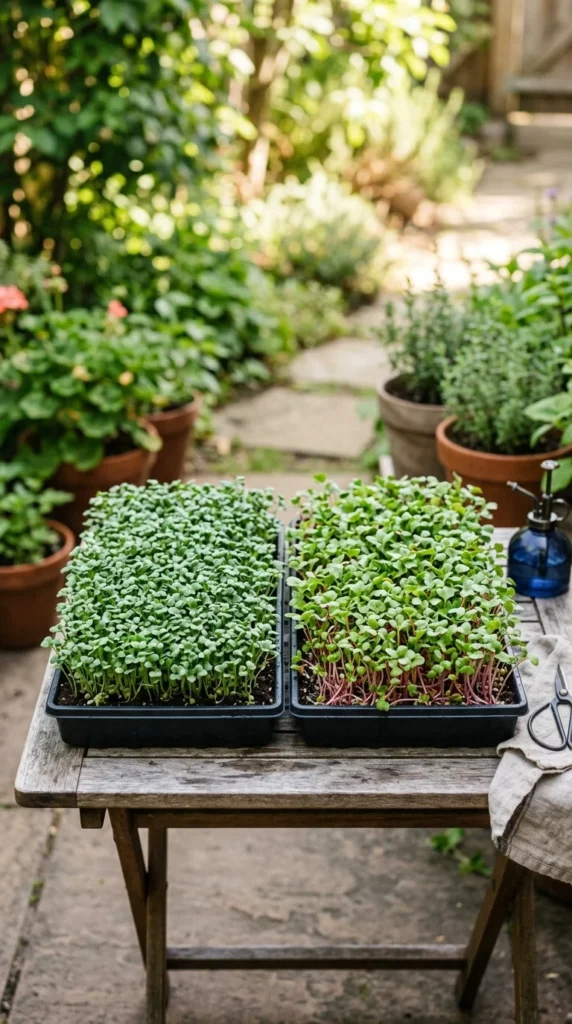
If you have very little sun or almost no space, microgreens are the answer. These are essentially seedlings harvested just as their first true leaves appear. They are packed with up to 40 times more nutrients than their mature counterparts. Because they are harvested so young, they can be grown in shallow trays on a small table or even a stool. They grow incredibly fast—often in just 7 to 14 days—giving you a constant cycle of fresh produce.
12. Wooden Pallets
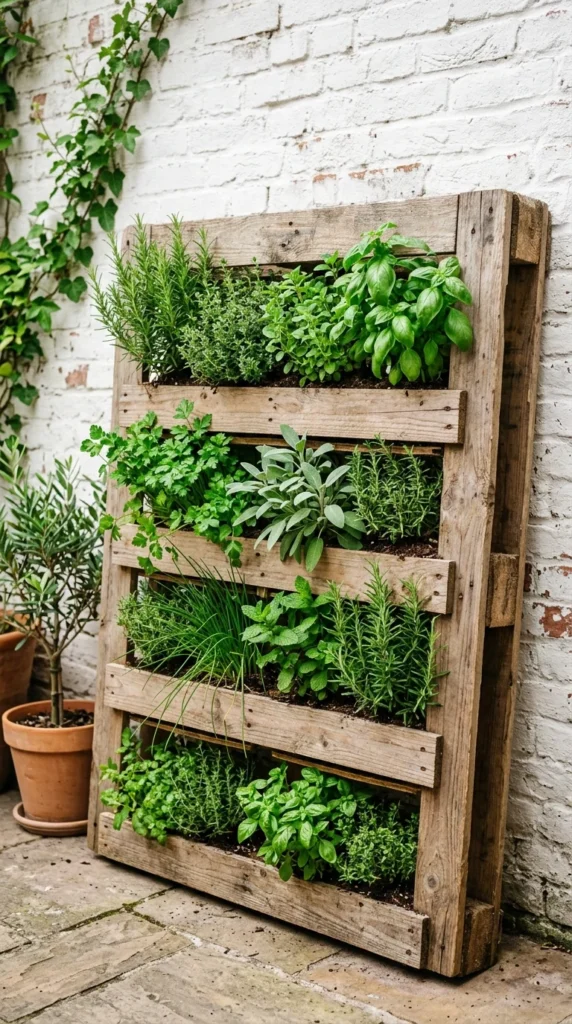
Upcycling a wooden pallet is a cost-effective and rustic way to create a vertical herb garden. By securing landscape fabric to the back and bottom of the slats, you create long, narrow troughs for soil. Pallets provide a significant amount of growing space while taking up mere inches of floor depth. Just ensure the pallet you use is marked “HT” (Heat Treated) rather than chemically treated to ensure your vegetables remain organic and safe for consumption.
13. Gutter Systems
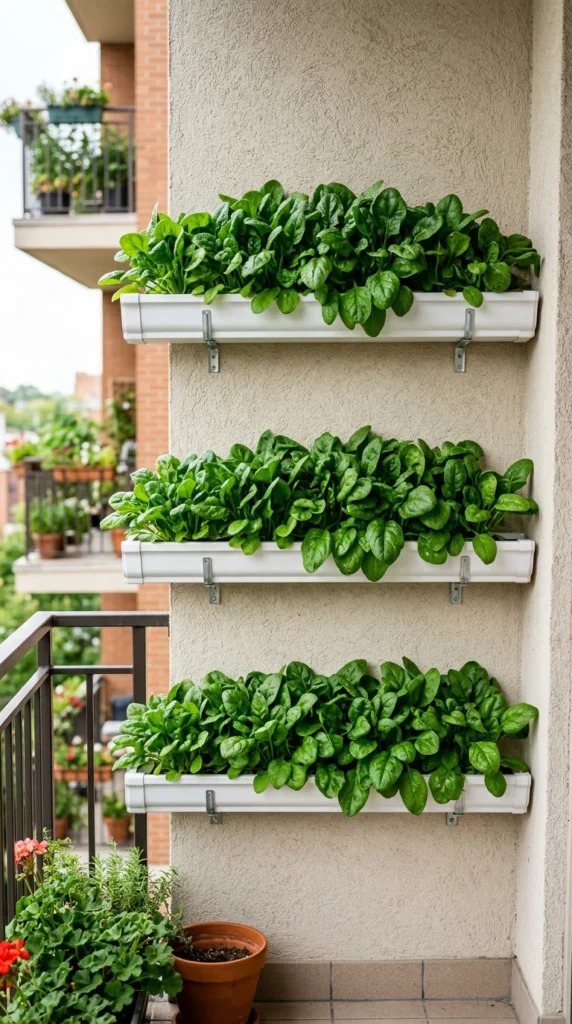
Vinyl or aluminum rain gutters can be repurposed into sleek, modern-looking planters. When mounted in rows on a wall, they create a streamlined “hydroponic-style” look. They are the perfect depth for shallow-rooted crops like lettuce, radishes, and strawberries. This system is incredibly lightweight and allows you to grow a large volume of leafy greens without cluttering the floor. It also creates a stunning visual “green wall” effect.
14. Rolling Carts
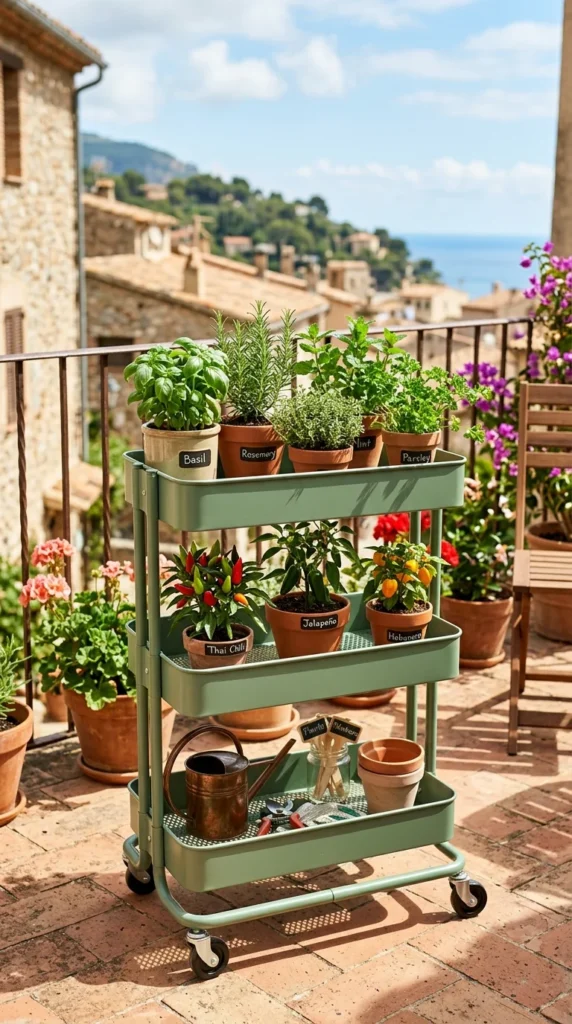
Sunlight on a balcony can be unpredictable, shifting as the seasons change or as nearby buildings cast shadows. A rolling cart (like a bar cart or utility cart) allows you to move your entire garden to follow the sun throughout the day. It also makes cleaning the balcony much easier. You can use the different tiers to organize plants by their light requirements, moving the cart closer to the railing during the morning and pulling it back during harsh afternoon heat.
15. Hydroponic Towers
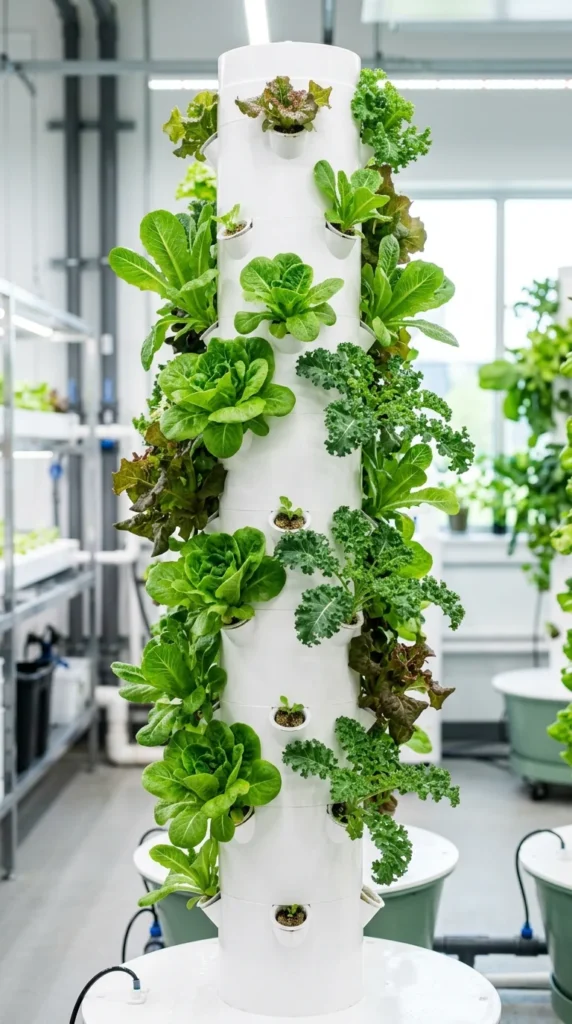
For the high-tech gardener, a vertical hydroponic tower is the pinnacle of balcony productivity. These systems use water and nutrient solutions instead of soil, allowing plants to grow up to 30% faster and produce higher yields. Because they are vertical, they take up very little space. While they require an initial investment and access to an electrical outlet for the pump, they are incredibly water-efficient and eliminate the mess of heavy soil bags on your balcony.
16. Herb Spirals
While traditional herb spirals are large garden features, you can create a miniature version in a large pot or a corner of your balcony. The spiral shape creates different microclimates: the top is drier and sunnier (perfect for rosemary and thyme), while the bottom is moister and shadier (ideal for mint and parsley). This allows you to grow a diverse range of herbs with different needs in one condensed, visually striking arrangement.
17. Citrus Trees
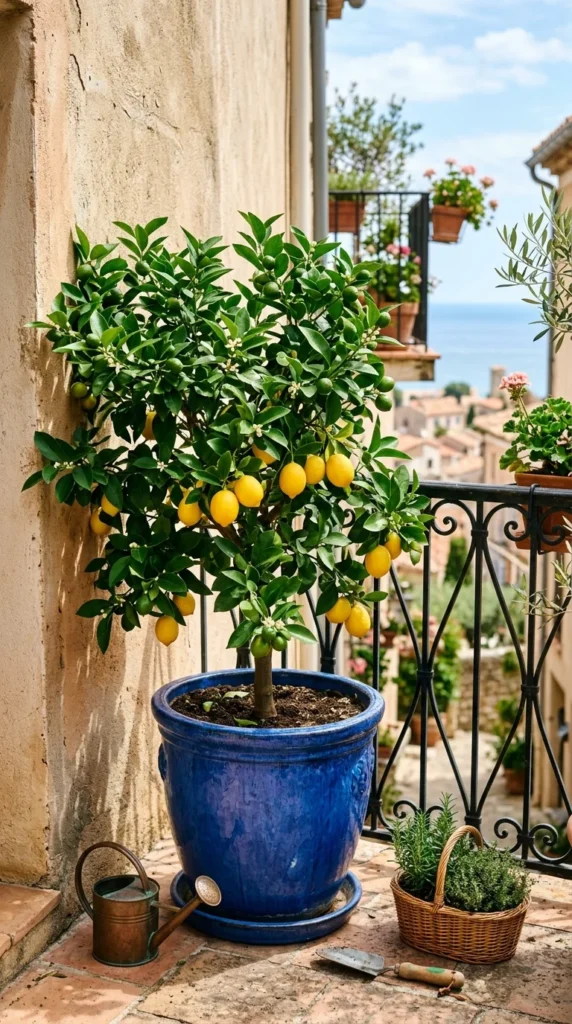
Many people don’t realize that certain fruit trees are bred specifically for containers. Dwarf citrus varieties, such as Meyer Lemons or Calamondin Oranges, thrive in large pots on sunny balconies. They offer beautiful evergreen foliage, fragrant blossoms, and edible fruit. These trees add a “luxury” feel to a small space and can be moved indoors during particularly cold winters, making them a versatile addition to an urban garden.
18. Upside-Down Planters
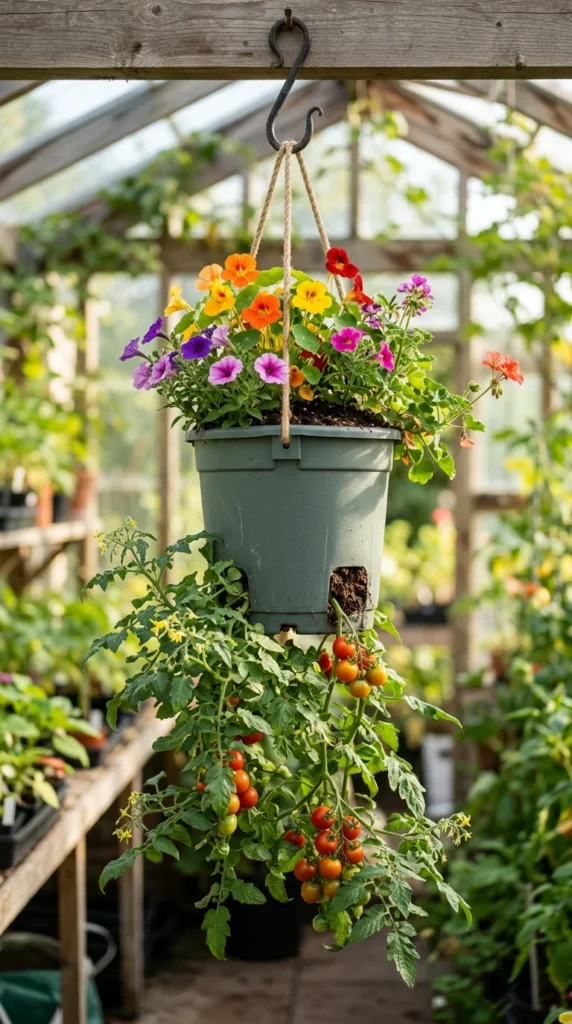
Upside-down planters are a fun and space-efficient way to grow tomatoes and peppers. By growing the plant out of the bottom of the container, you eliminate the need for stakes or cages, as gravity does the work of keeping the plant’s stems straight. This also prevents ground-based pests from reaching the fruit. Most upside-down planters have a space at the top where you can plant herbs or flowers, effectively doubling your harvest per container.
19. Step Ladders
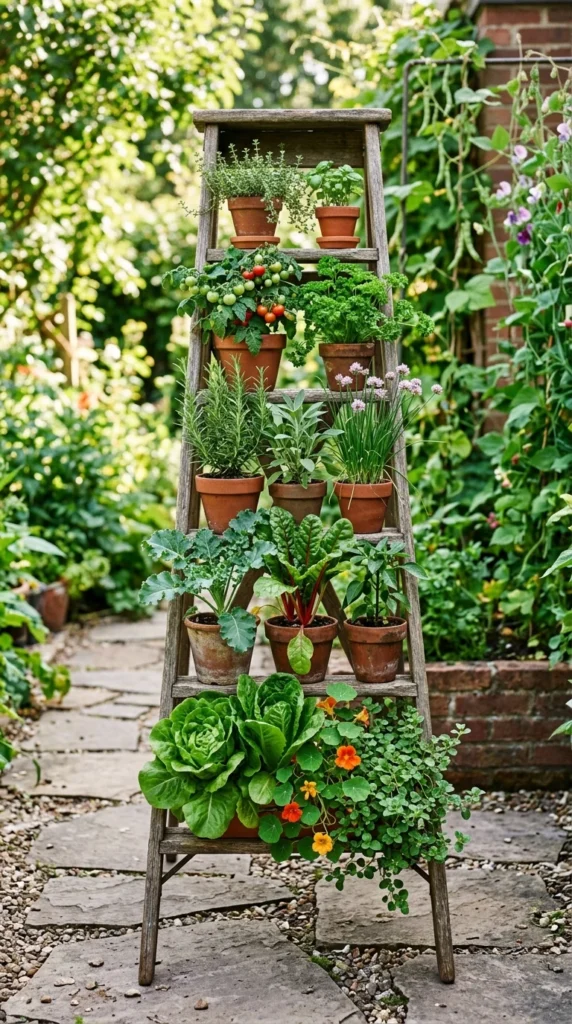
An old step ladder can be a charming and functional addition to a balcony. Each step provides a stable platform for a pot, creating a beautiful “staircase” of vegetables. This is a great way to utilize vertical space without having to mount anything to the walls—perfect for renters who may have restrictions on drilling. It adds a touch of “shabby chic” decor while keeping your plants organized and accessible.
20. Greenhouse Cabinets
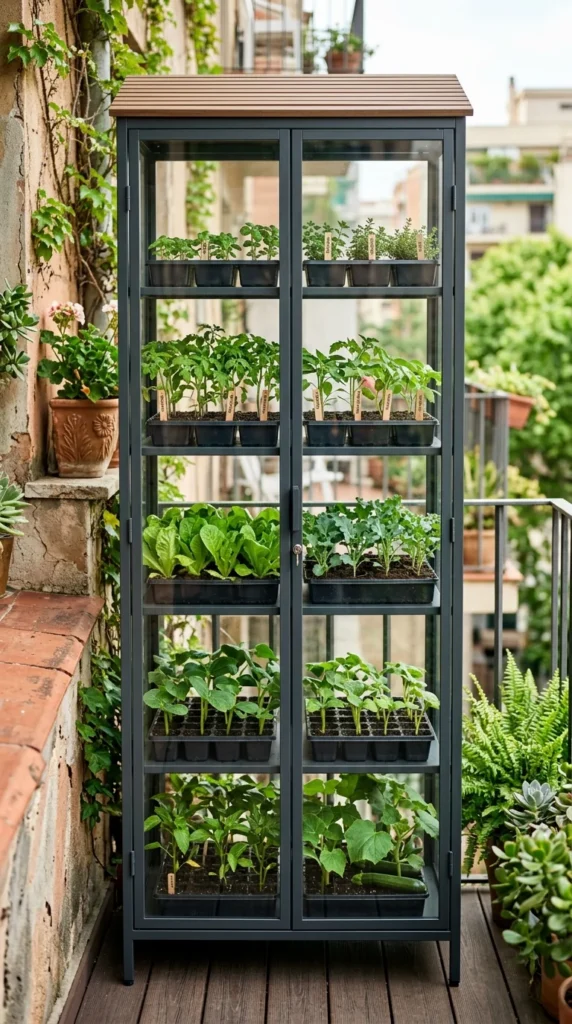
If you live in a cooler climate or want to start your garden early in the spring, a small balcony greenhouse cabinet is essential. These compact structures feature glass or plastic panels that trap heat and protect delicate seedlings from wind and frost. They allow you to extend your growing season by several weeks. Many models are designed to fit against a wall, providing a controlled environment for your most sensitive vegetable varieties.