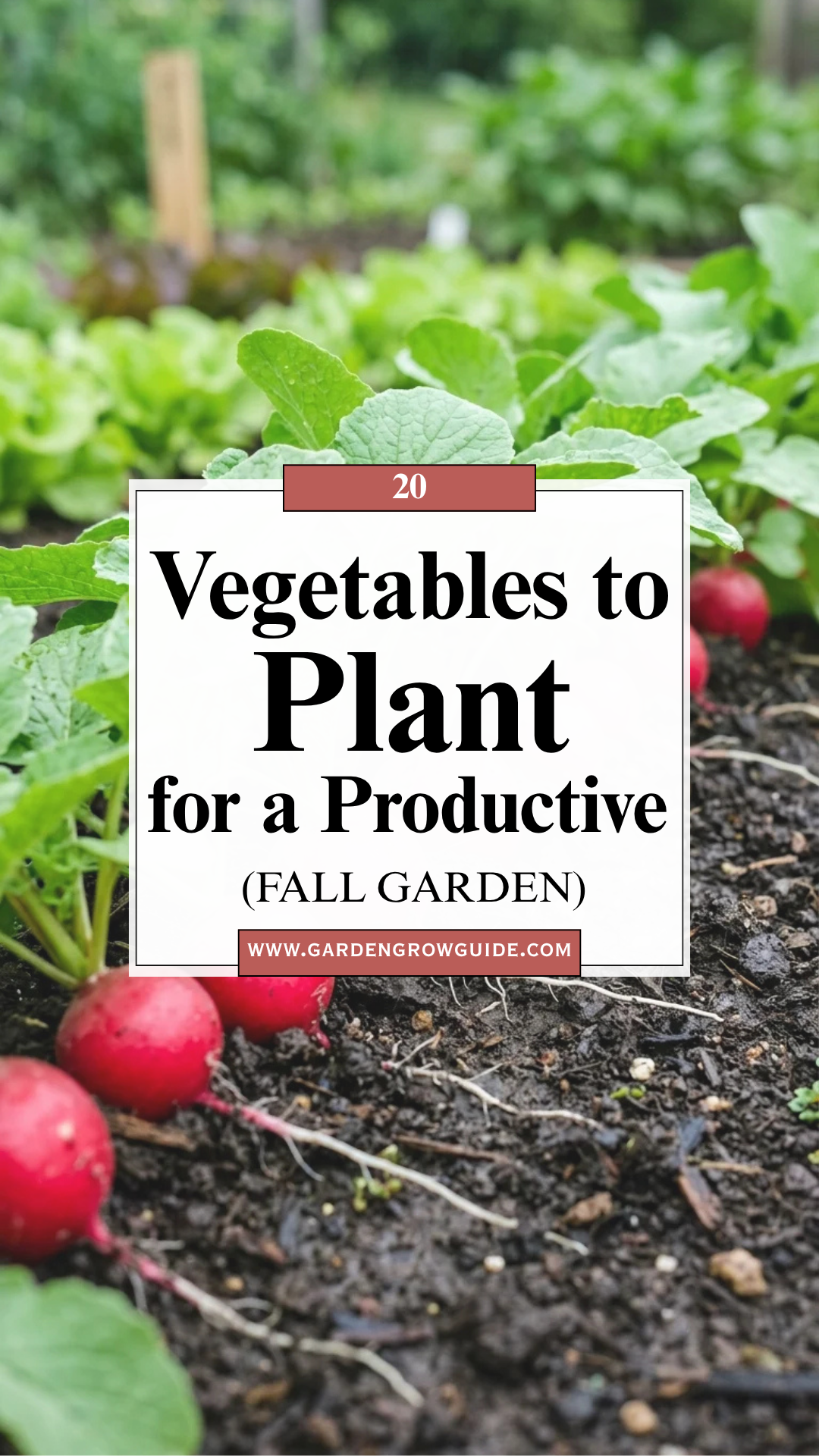
While many gardeners begin to wind down as the heat of summer fades, experienced growers know that autumn is actually a “second spring.” The transition into cooler nights and shorter days provides the perfect environment for a wide array of vegetables that struggle in the scorching July sun. Fall gardening offers several distinct advantages: fewer pests to contend with, more manageable temperatures for the gardener, and a unique phenomenon where a light frost actually improves the flavor of many crops by converting starches into sugars. To maximize your harvest before the ground freezes, here are 20 essential vegetables to plant for a thriving fall garden.
1. Kale
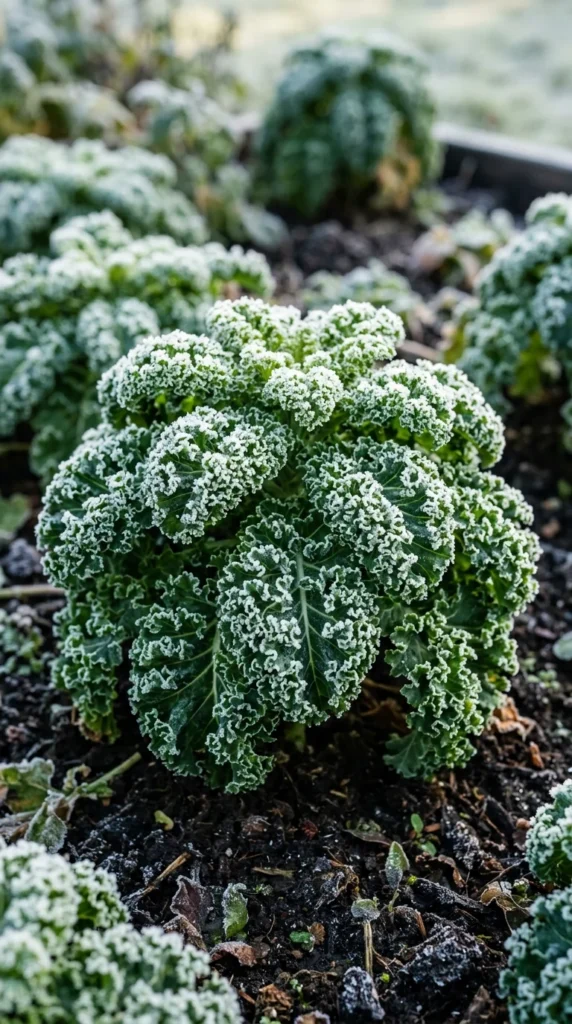
Kale is the undisputed king of the fall garden. This hardy biennial thrives in cool weather and can survive temperatures as low as 10°F. In fact, most gardeners agree that kale tastes significantly better after it has been “kissed” by a light frost, which mellows its bitterness. Whether you choose the bumpy texture of Lacinato (Dino) kale or the frilly leaves of Curly Blue, planting in late summer ensures a harvest that can last well into the winter months.
2. Spinach
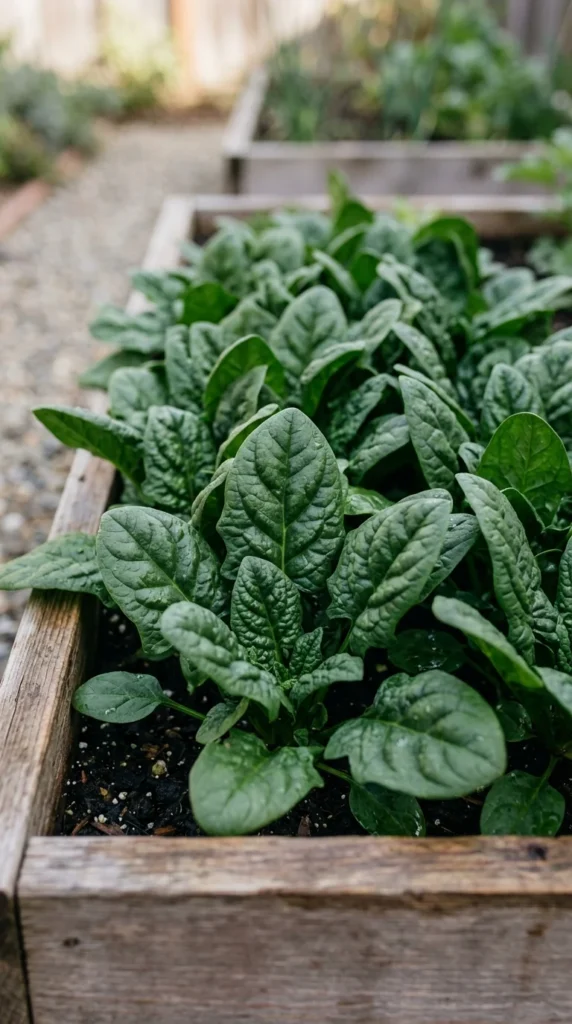
Spinach is a fast-growing leafy green that prefers the shortening days of autumn. Unlike spring-planted spinach, which often bolts (goes to seed) as soon as the weather warms up, fall spinach remains sweet and tender for a much longer period. It is incredibly cold-tolerant and can be easily protected with a simple row cover or cold frame to provide fresh salads long after the first frost.
3. Carrots
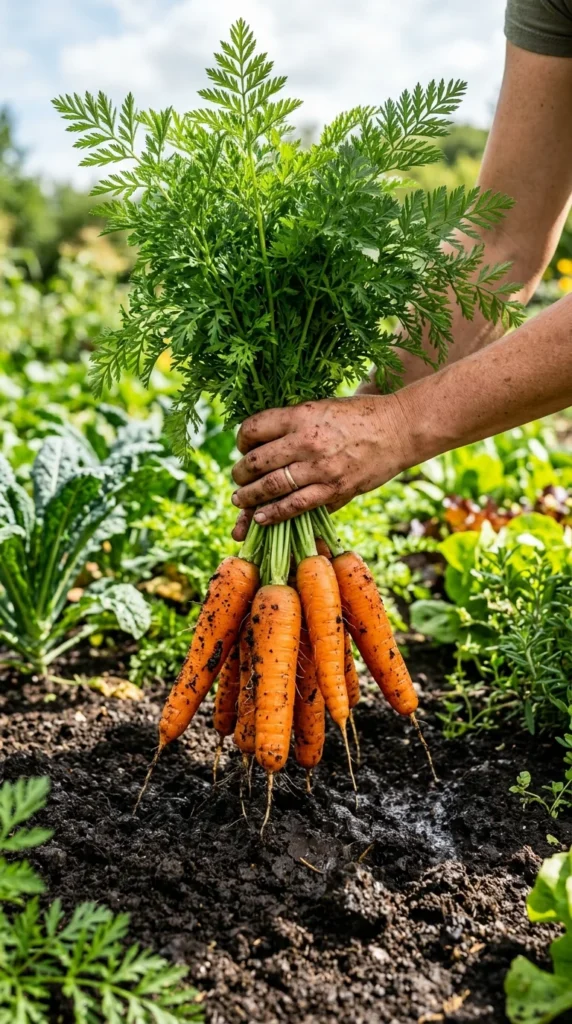
Carrots are a staple for the fall harvest because they store exceptionally well in the ground. When planted in late summer, the roots develop as the air cools. As the temperature drops, the carrot plant concentrates sugars in the root as a form of natural antifreeze, resulting in the sweetest carrots you will ever taste. If you mulch them heavily with straw, you can often dig them up even in mid-winter.
4. Broccoli
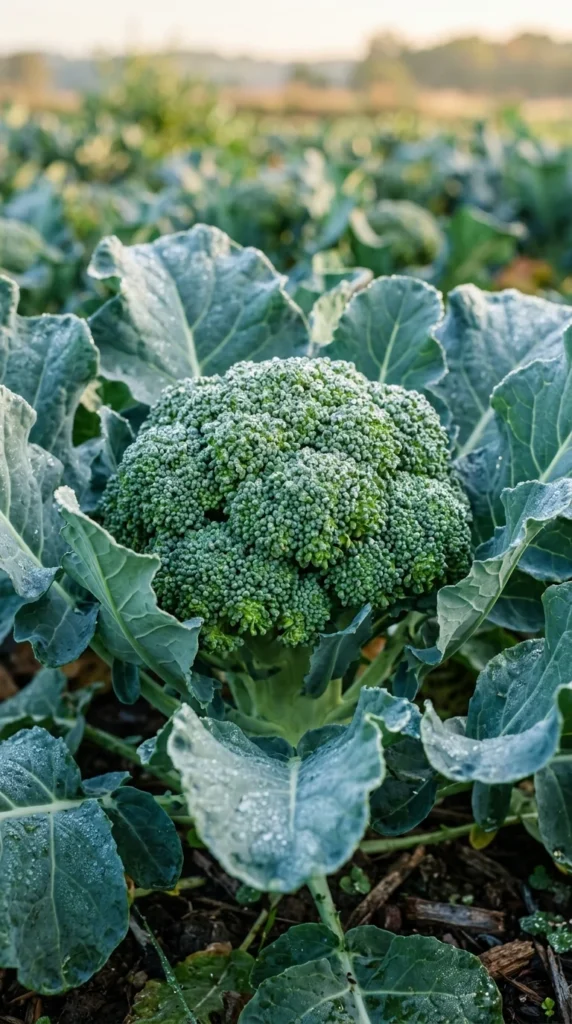
Broccoli is a cool-season specialist that often produces better heads in the fall than in the spring. In the spring, a sudden heatwave can cause broccoli to flower prematurely; however, the cooling trend of autumn encourages the plant to form large, tight heads. Once the main head is harvested, many varieties will continue to produce “side shoots,” providing a continuous supply of greens until a hard freeze.
5. Radishes
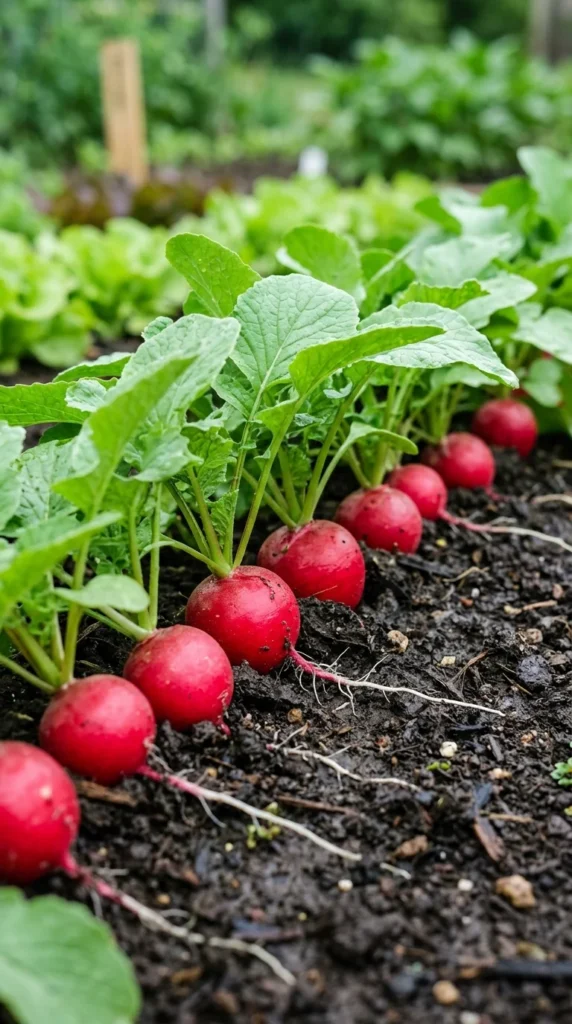
For the gardener looking for instant gratification, radishes are the perfect choice. Most varieties reach maturity in just 25 to 30 days. Fall-grown radishes tend to be crisper and less “spicy” than those grown in the heat of summer. You can also experiment with “winter radishes” like the Daikon or Watermelon radish, which take longer to grow but offer substantial, crunchy roots for pickling or roasting.
6. Lettuce
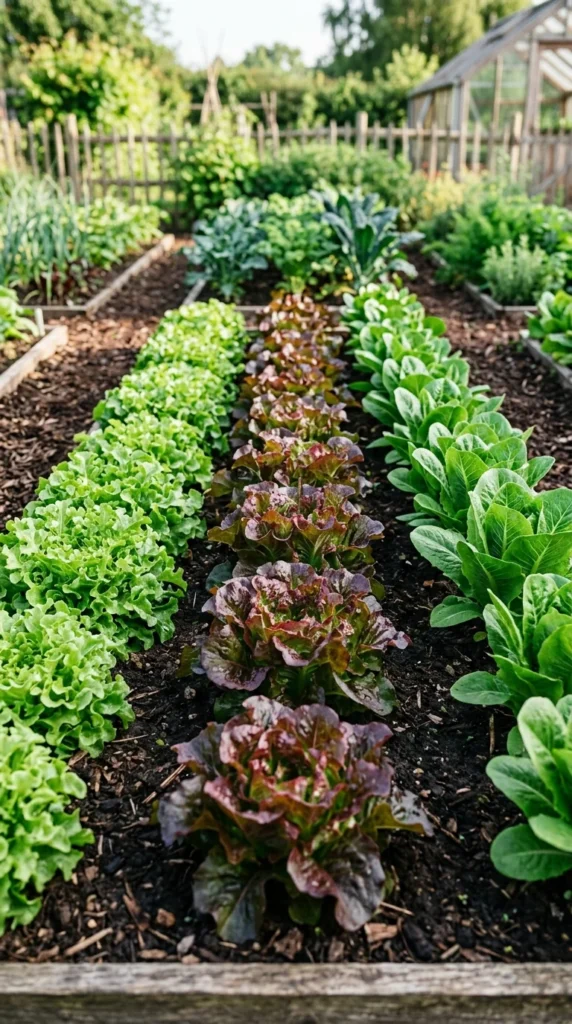
Lettuce seeds germinate poorly in hot soil, so it is best to start them in a shaded area or wait until the peak of summer has passed. Fall provides the perfect light and temperature for butterhead, romaine, and loose-leaf varieties. By planting every two weeks in the late summer, you can enjoy a continuous “cut-and-come-again” harvest of tender salad greens until the heavy frosts arrive.
7. Garlic
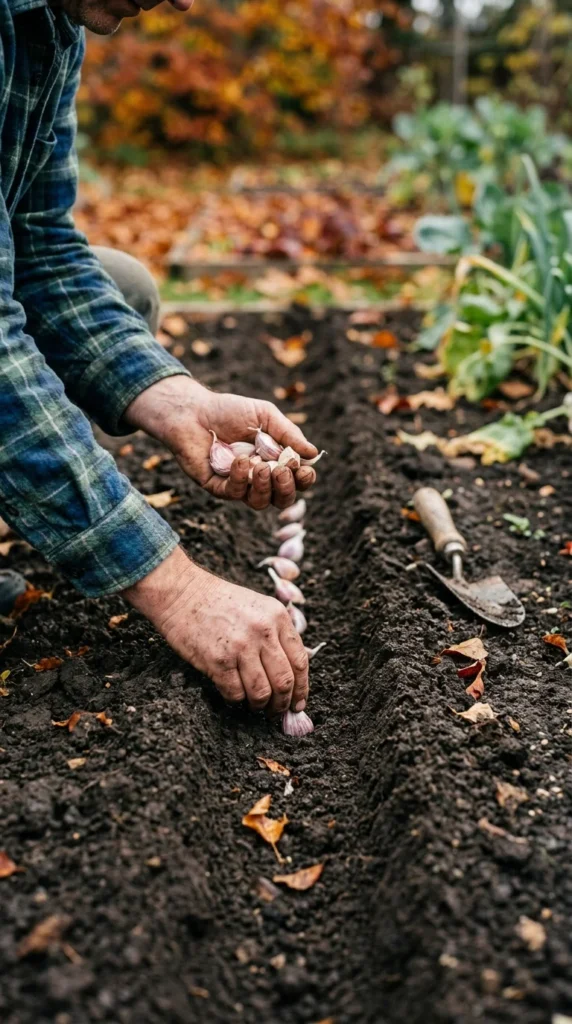
While you won’t harvest garlic in the fall, it is the most critical time to plant it. Planting garlic cloves in October or November allows them to develop a strong root system before the ground freezes. They will go dormant over winter and then explode with growth in the spring. This is the secret to producing large, pungent bulbs that far surpass anything found in a grocery store.
8. Beets
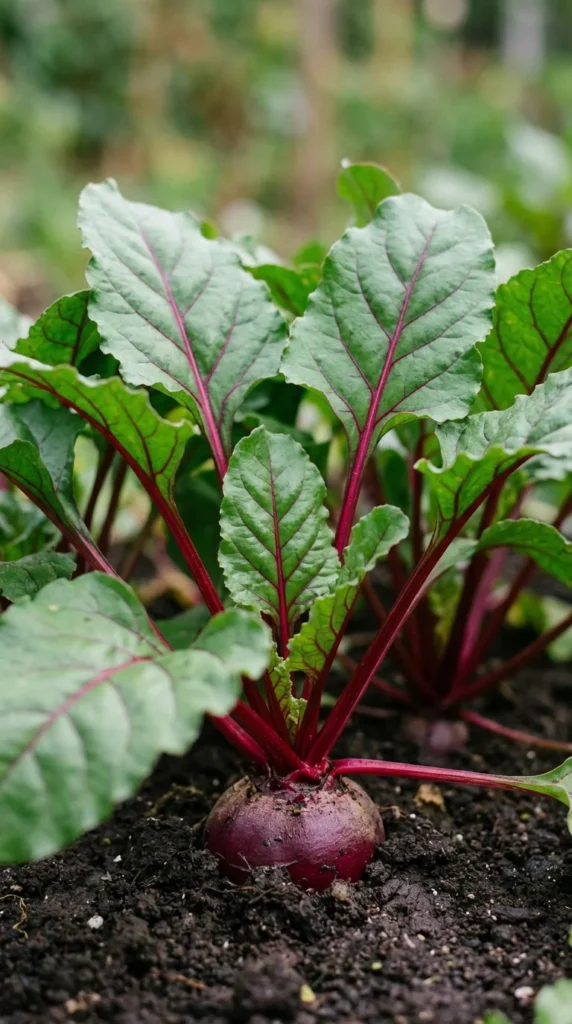
Beets are versatile fall vegetables because both the roots and the leaves are edible. The greens are similar to Swiss chard and are delicious when sautéed, while the roots become earthy and sweet as the soil cools. Beets can handle light frosts and will stay fresh in the ground for a significant amount of time, making them a reliable late-season producer.
9. Swiss Chard
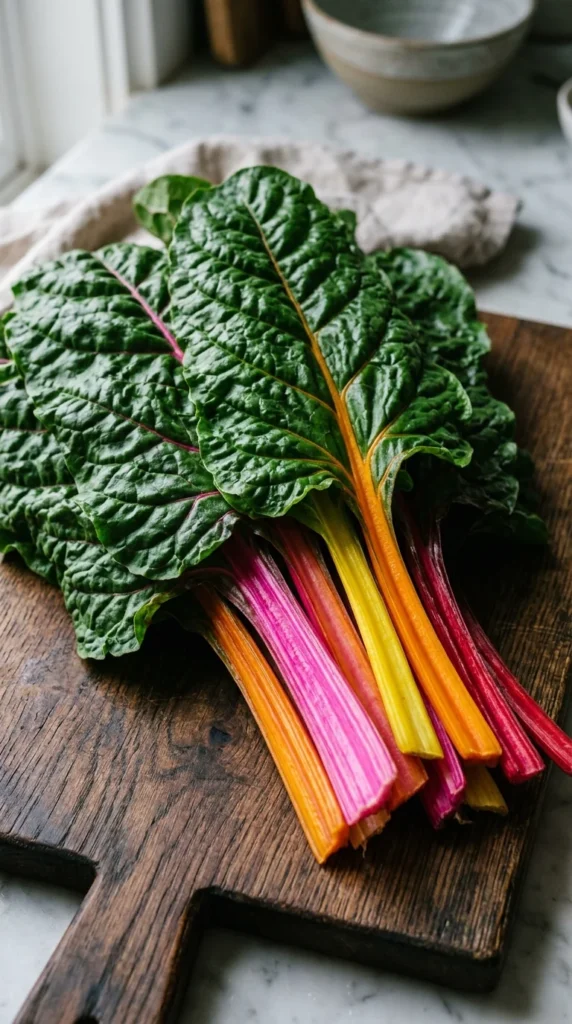
Swiss chard is one of the most ornamental vegetables you can grow, featuring stems in a rainbow of colors. It is remarkably resilient, tolerating both the tail end of summer heat and the arrival of autumn chills. It is less prone to bolting than spinach and provides a steady harvest of large leaves that can be used in soups, stews, or as a wrap for fillings.
10. Peas
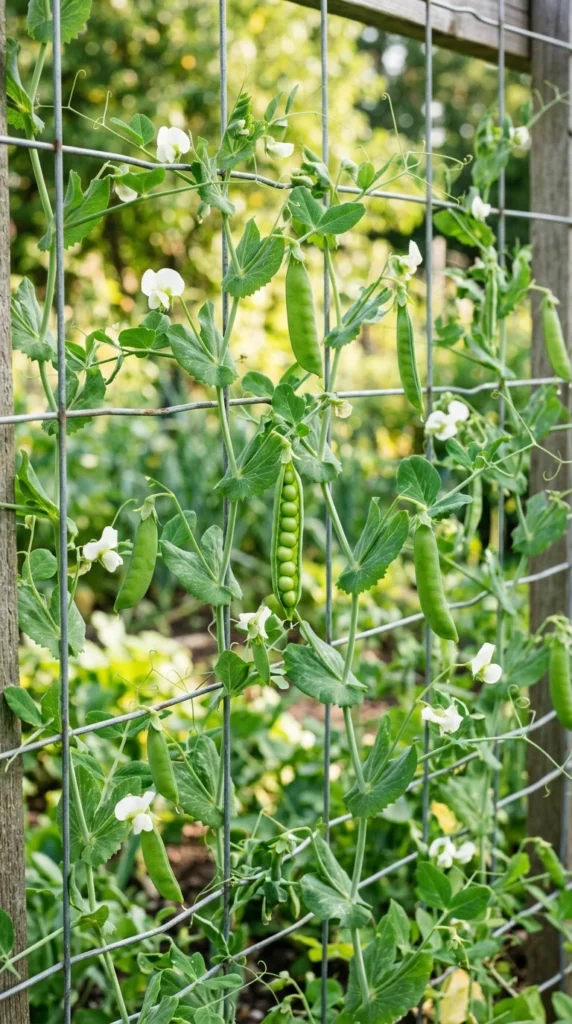
While usually associated with spring, “snow peas” and “sugar snap peas” can be successfully grown in the fall if planted early enough. They enjoy the cool, damp conditions of autumn. The key is to plant them about 8-10 weeks before your first expected frost so they have time to flower and fruit before the days become too short.
11. Cabbage
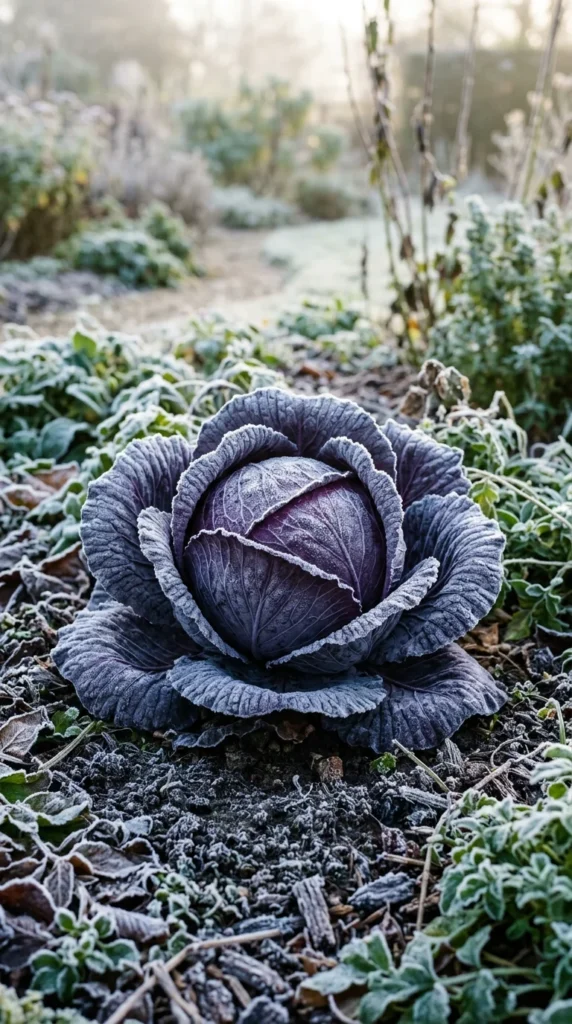
Cabbage is a quintessential fall vegetable that thrives when the temperatures drop. Late-season varieties are specifically bred to be “hard” cabbages, which have a lower water content and store much better than spring varieties. Whether you prefer green, red, or the crinkled leaves of Savoy cabbage, these plants are rugged enough to stand in the garden long after other plants have withered.
12. Kohlrabi
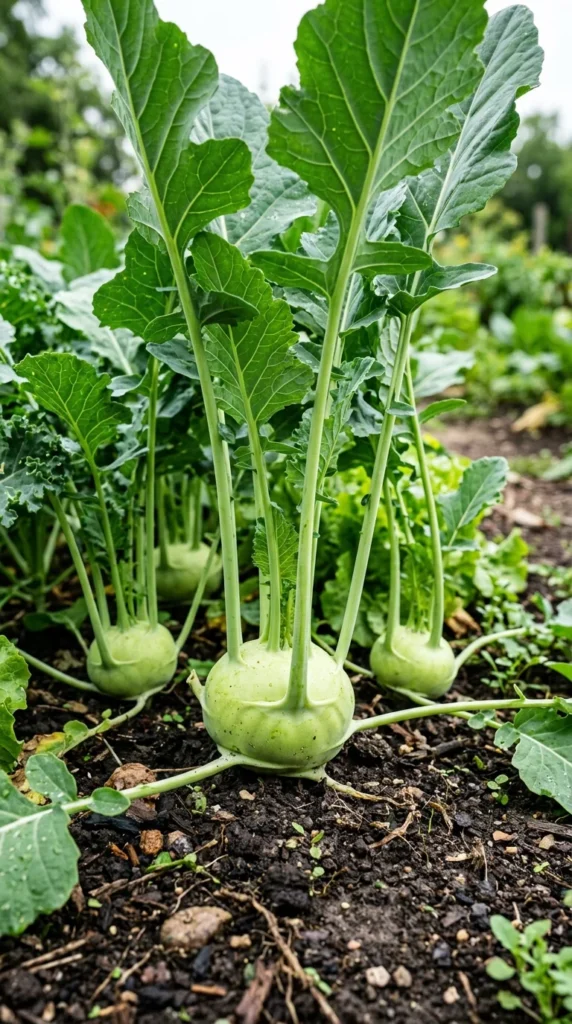
Kohlrabi is a member of the cabbage family that looks like a vegetable from another planet. It produces a swollen, bulbous stem that tastes like a cross between a radish and a broccoli stem. It grows very quickly in the cool fall air and remains crisp and juicy. It can be eaten raw in slaws or roasted for a nutty flavor.
13. Brussels Sprouts
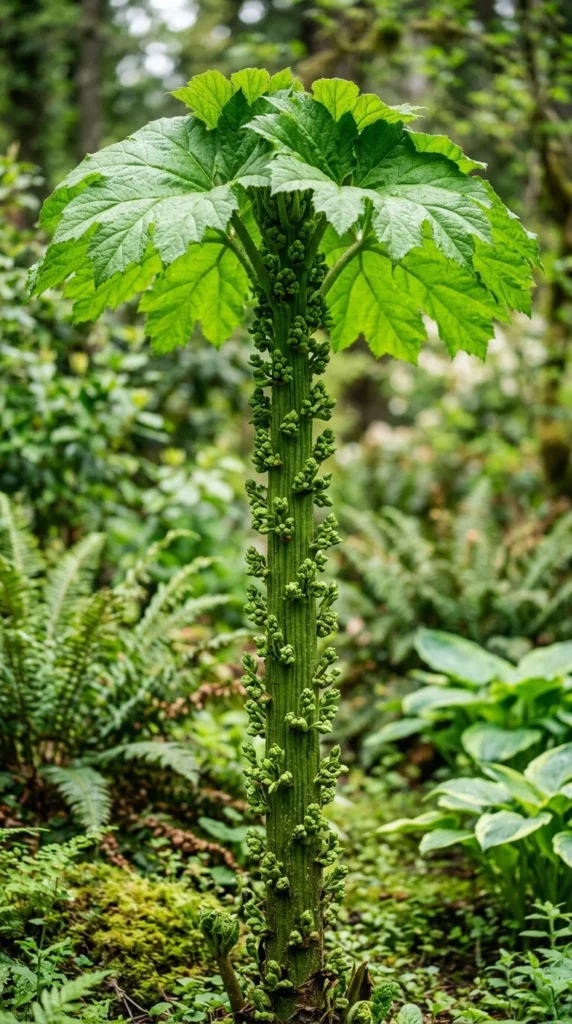
Brussels sprouts require a long growing season, but they are the stars of the late fall and early winter garden. They are incredibly cold-hardy and, like kale, their flavor improves dramatically after a hard frost. Seeing a stalk of Brussels sprouts standing tall in a snow-dusted garden is a testament to their durability.
14. Arugula
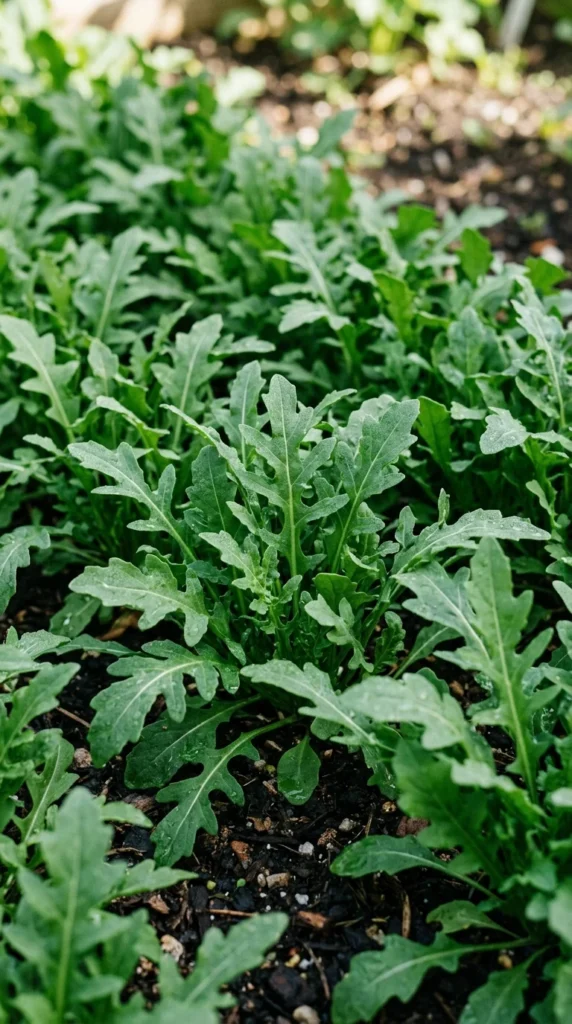
Arugula is a fast-growing green that can go from seed to salad in less than a month. In the summer, arugula becomes incredibly spicy and goes to seed almost immediately. In the fall, however, it maintains a pleasant, peppery bite and a much more tender texture. It is a great “filler” crop for empty spaces left by harvested summer tomatoes.
15. Bok Choy
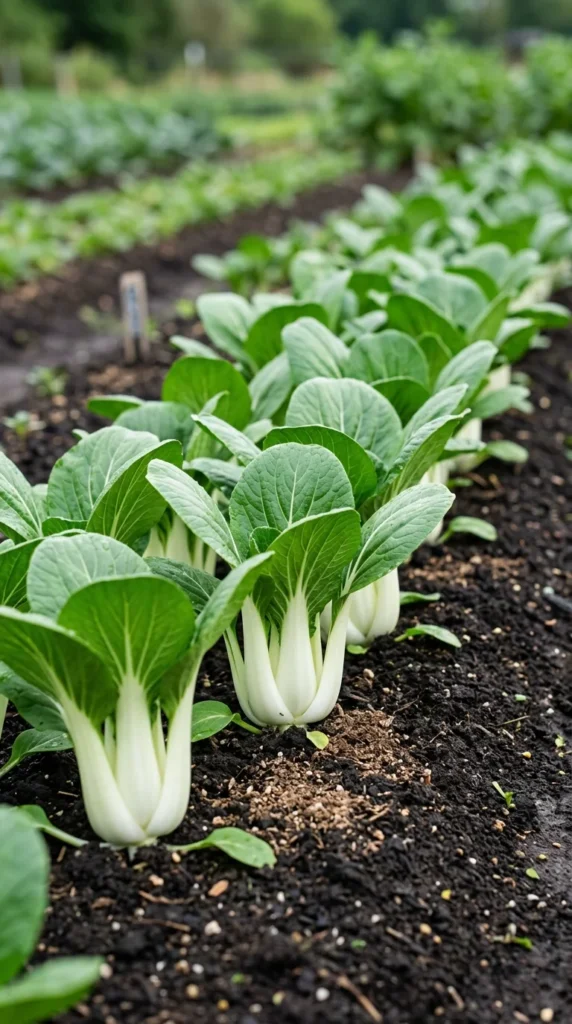
Bok choy, or Pak Choi, is a Chinese cabbage that loves the shortening days. It is prone to bolting in the spring as days get longer, but in the fall, it focuses its energy on producing thick, crunchy stalks and tender leaves. It is perfect for quick stir-fries and is remarkably easy to grow from seed.
16. Cauliflower
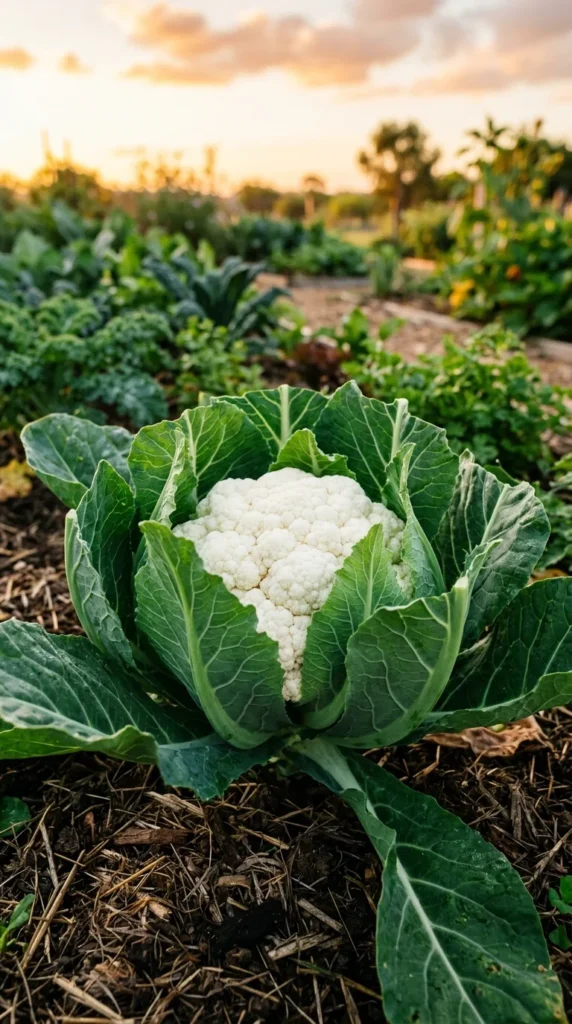
Cauliflower can be a bit temperamental, but it finds its stride in the autumn. It requires steady temperatures and consistent moisture, which are easier to provide in the fall than in the erratic spring. Because the sun is less intense in autumn, you are less likely to experience “sunscald” on the white heads, resulting in a pristine, beautiful harvest.
17. Turnips
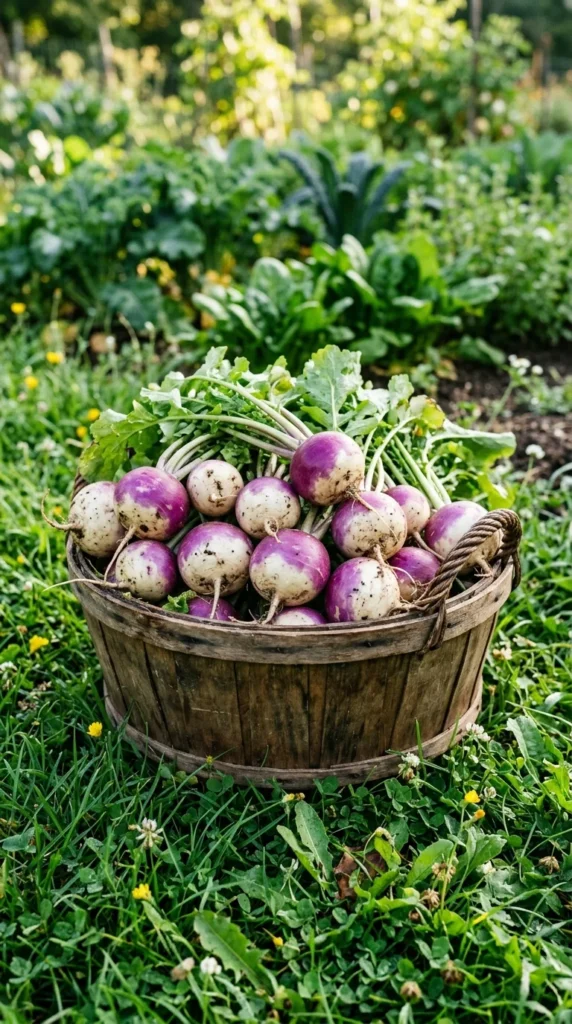
Turnips are a dual-purpose crop that offers both peppery greens and crunchy roots. They grow very quickly, often reaching maturity in 45 to 50 days. Small “salad turnips” like the Hakurei variety are exceptionally sweet when grown in the fall and can be eaten raw like an apple.
18. Green Onions
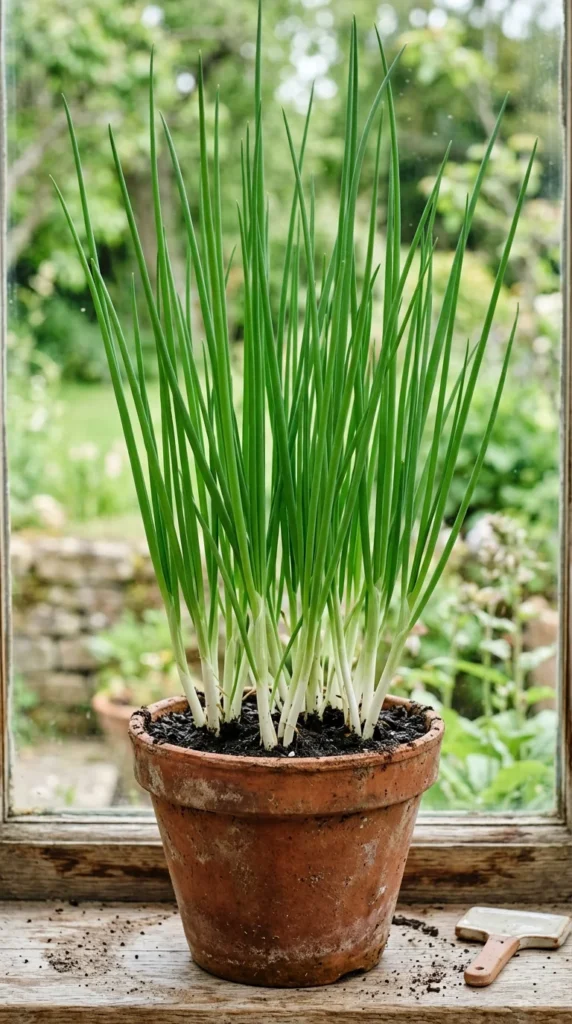
Also known as scallions, green onions are very hardy and can be planted in late summer for a fall harvest. They take up very little space and can even be tucked into the edges of beds containing larger plants. If left in the ground, they will often survive the winter and be the first things to pop up in the spring.
19. Collard Greens
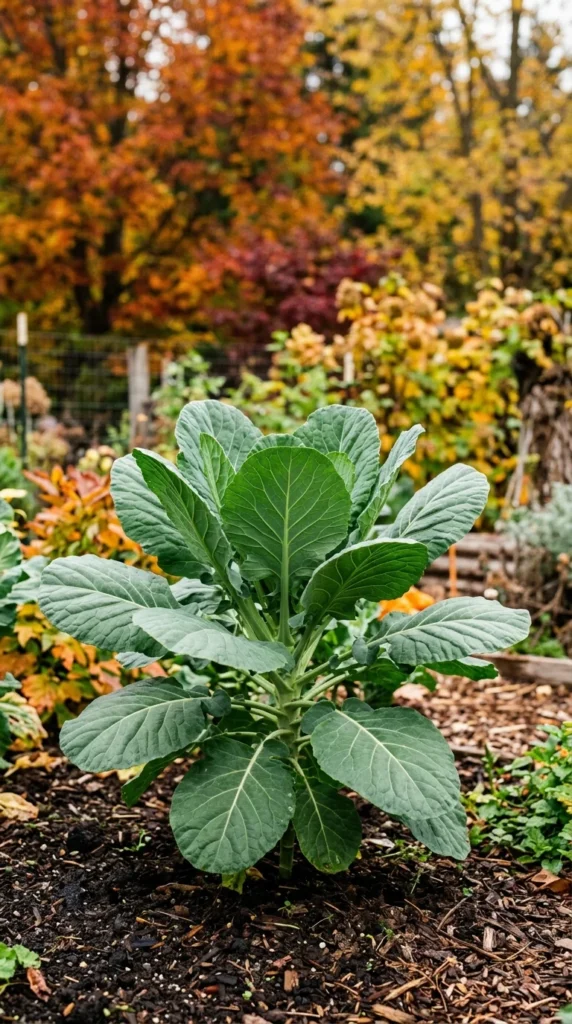
Collards are a staple of Southern cooking for a reason: they are incredibly tough. They can handle heat, but they truly shine in the cold. They are one of the most frost-tolerant greens available, often surviving temperatures down to 5°F. Their thick, waxy leaves are perfect for hearty autumn stews.
20. Fava Beans
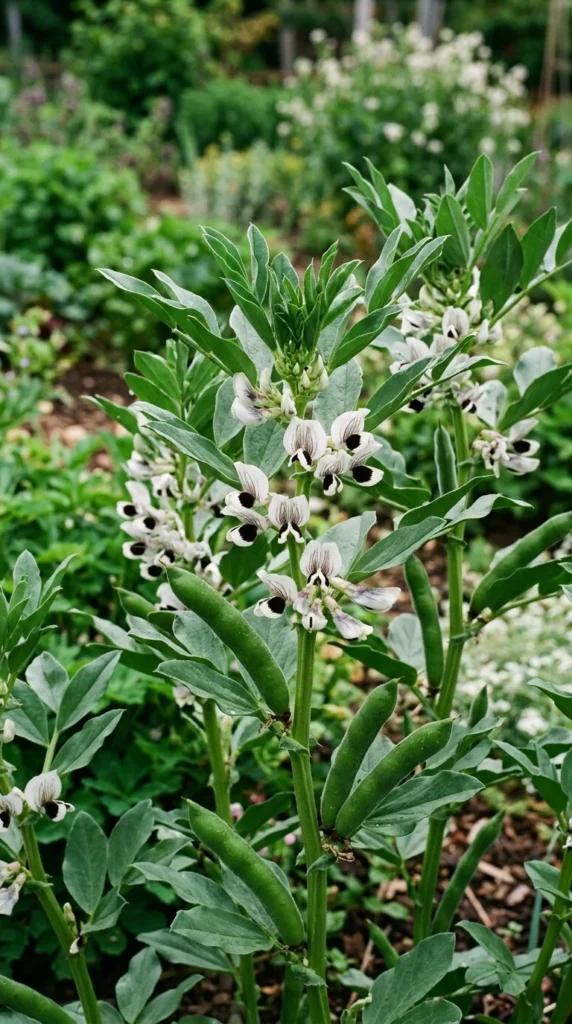
In milder climates, fava beans are an excellent fall-planted crop. They act as a “cover crop” by fixing nitrogen in the soil while also providing a delicious harvest of large beans in the late fall or very early spring. They are much hardier than standard green beans and enjoy the damp, cool air of the changing seasons.
Tips for Fall Gardening Success
To get the most out of your fall garden, keep these three strategies in mind:
- Timing is Everything: Calculate your planting date by looking at the “days to maturity” on your seed packet and counting backward from your average first frost date. Add an extra 10–14 days to account for the slower growth that occurs as the days get shorter (the “Fall Factor”).
- Prepare the Soil: Summer crops often deplete the soil of nutrients. Before planting your fall vegetables, work in some fresh compost or a balanced organic fertilizer to give the new seedlings the energy they need.
- Protect Your Crops: Keep frost blankets or heavy mulch on hand. While many of these vegetables are cold-hardy, a sudden extreme dip in temperature can still shock young plants. A little bit of protection can extend your harvesting season by several weeks or even months.