Spring is the season of renewal, but for a gardener, it is also a season of complex decision-making. The success of your harvest or the beauty of your flower beds depends significantly on your ability to synchronize your planting schedule with the unique rhythms of your local climate. Planting too early can result in frost-bitten seedlings, while planting too late might mean your crops succumb to the mid-summer heat before they can mature.
Navigating these variables requires more than just a green thumb; it requires an understanding of meteorology, soil science, and plant biology. This guide will walk you through the essential steps to determine exactly what should go into your soil this spring based on the specific environmental factors of your region.
1. Hardiness Zones
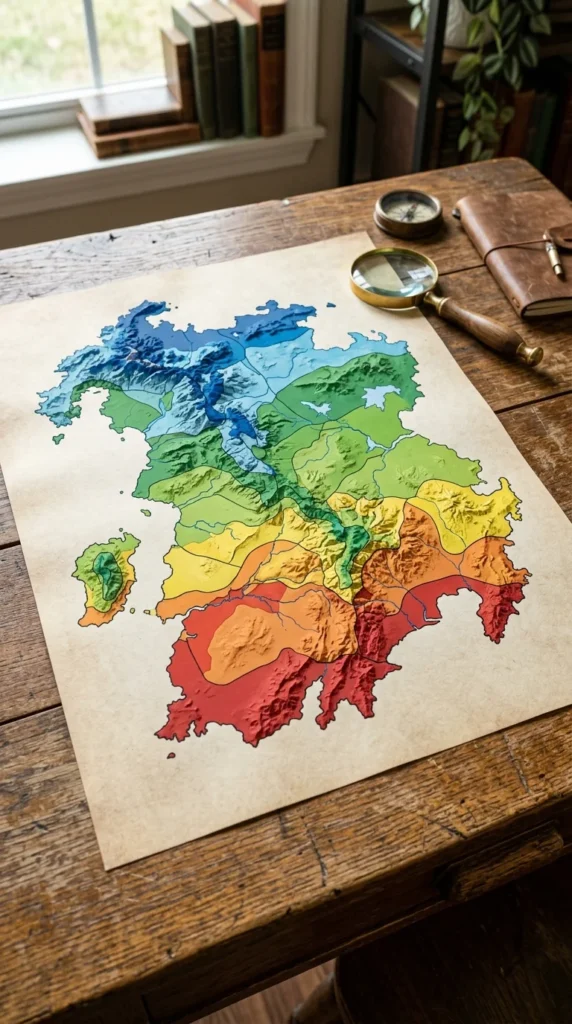
The first step in any gardening journey is identifying your Plant Hardiness Zone. These zones are geographical areas defined by their average annual minimum winter temperature. While these zones are primarily used to determine which perennial plants can survive the winter in your area, they also provide a baseline for your spring growing season’s length and intensity.
For instance, gardeners in Zone 5 will have a much shorter growing window than those in Zone 9. Knowing your zone helps you filter out plants that require a longer season than your climate can provide. When purchasing seeds or starts, you will often see zone numbers listed on the back of the packet; these are your first clue as to whether a plant is a viable candidate for your backyard.
2. Frost Dates
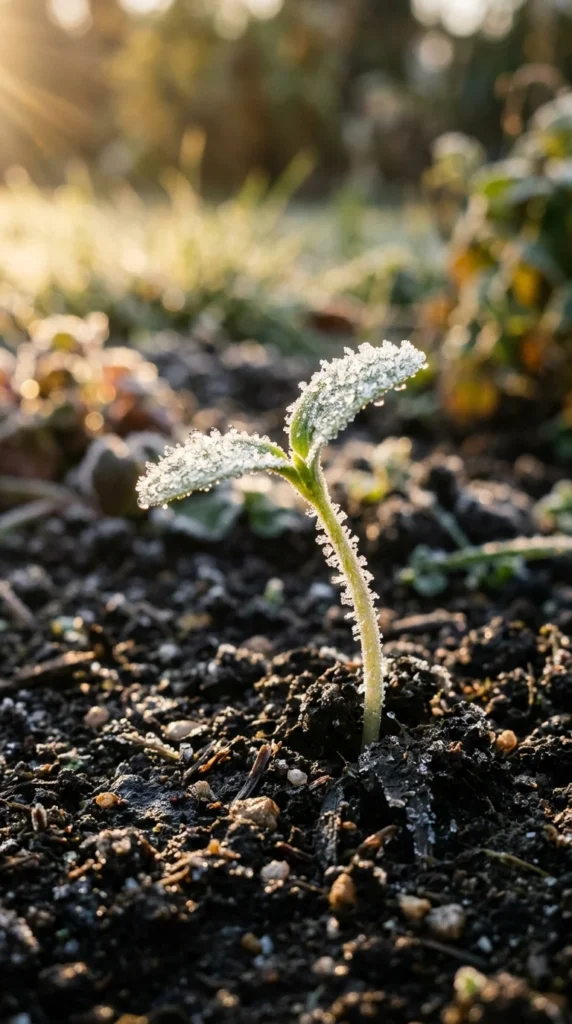
While hardiness zones give you the big picture, the “Last Frost Date” is the specific data point that dictates your spring schedule. This is the average date in spring when the last freezing temperature occurs. Most annual vegetables and flowers are categorized by how many weeks before or after this date they should be planted.
- Hardy Plants: These can be planted 4–6 weeks before the last frost (e.g., onions, peas, spinach).
- Half-Hardy Plants: These can handle a light frost and are usually planted 2–3 weeks before the last frost (e.g., lettuce, chard, cauliflower).
- Tender Plants: These will die in a frost and must wait until the date has passed and the soil has warmed (e.g., tomatoes, peppers, basil).
Consulting local historical weather data or university extension offices will provide you with the most accurate estimate for your specific zip code.
3. Soil Temperature
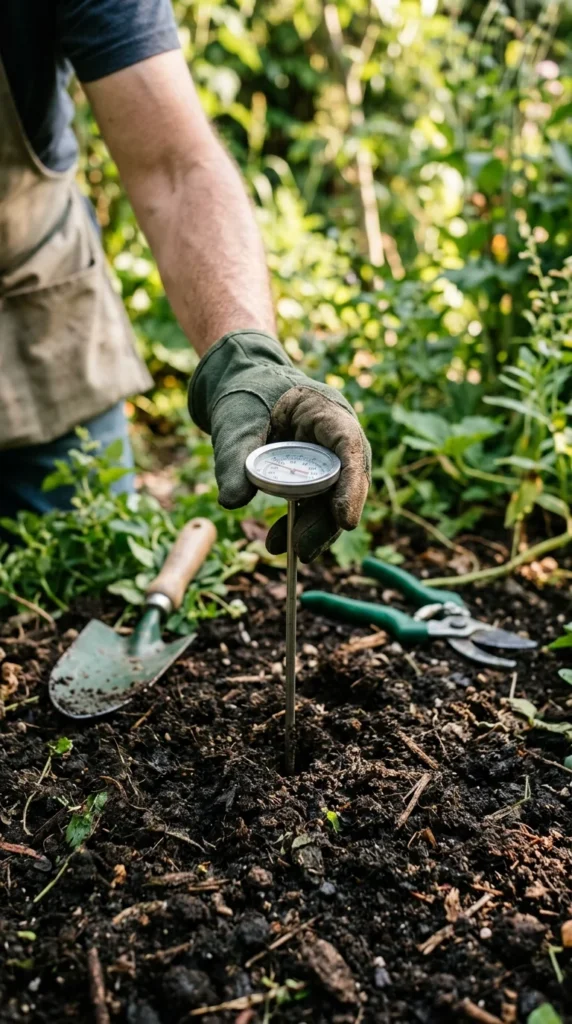
Air temperature is often deceptive. Even if the sun is shining and the air feels like summer, the soil may still be near-freezing. Seeds require specific soil temperatures to trigger germination. If you plant seeds in soil that is too cold, they will likely rot before they ever sprout.
Investing in a soil thermometer is one of the best moves a spring gardener can make. For example, peas and radishes can germinate in soil as cool as 45°F (7°C), but corn and beans really need the soil to reach at least 60°F (15°C). Tomatoes and peppers are even pickier, preferring soil consistently above 65°F (18°C). Monitoring the “floor” of your garden ensures that your seeds have the energy they need to break through the surface.
4. Microclimates
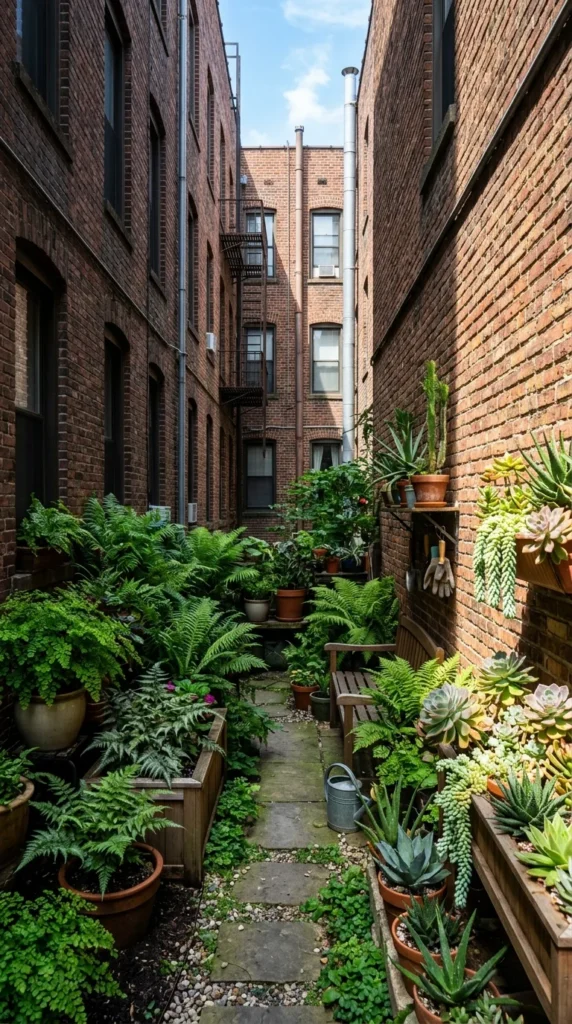
Your climate isn’t just defined by your city or state; it’s defined by your specific yard. Microclimates are small-scale variations in climate within a larger area. Factors like elevation, proximity to buildings, and wind patterns can create pockets of warmth or cold.
A south-facing wall, for example, absorbs heat during the day and radiates it at night, creating a “hot spot” where you might be able to plant heat-loving crops a week or two earlier than elsewhere. Conversely, a low-lying spot in your yard may become a “frost pocket” where cold air settles, making it dangerous for tender plants even after the official last frost date has passed. Identifying these nuances allows you to place plants where they are most likely to thrive.
5. Cool-Season Crops
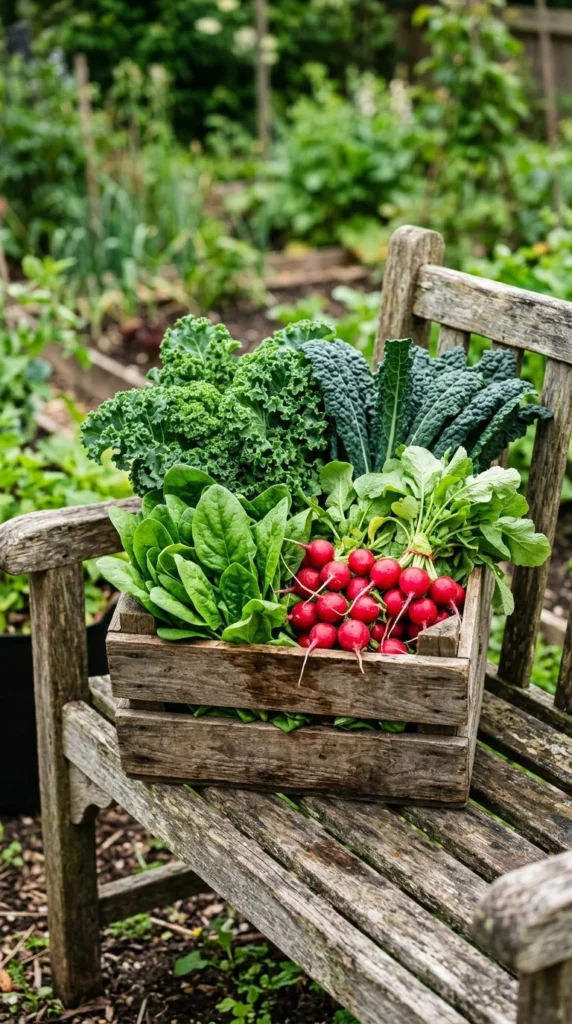
If you live in a climate with a long, cool spring, you should focus your early efforts on cool-season crops. These plants actually prefer the lower light levels and damp conditions of early spring. In many cases, high heat causes these plants to “bolt” (go to seed) and become bitter.
Key cool-season choices include:
- Root Vegetables: Carrots, radishes, beets, and turnips.
- Leafy Greens: Kale, spinach, arugula, and various lettuces.
- Cruciferous Vegetables: Broccoli, cabbage, and Brussels sprouts.
These plants are resilient. Even if a surprise late-season snow falls, most cool-season crops will survive as long as the temperatures don’t drop into a deep freeze for an extended period.
6. Warm-Season Varieties
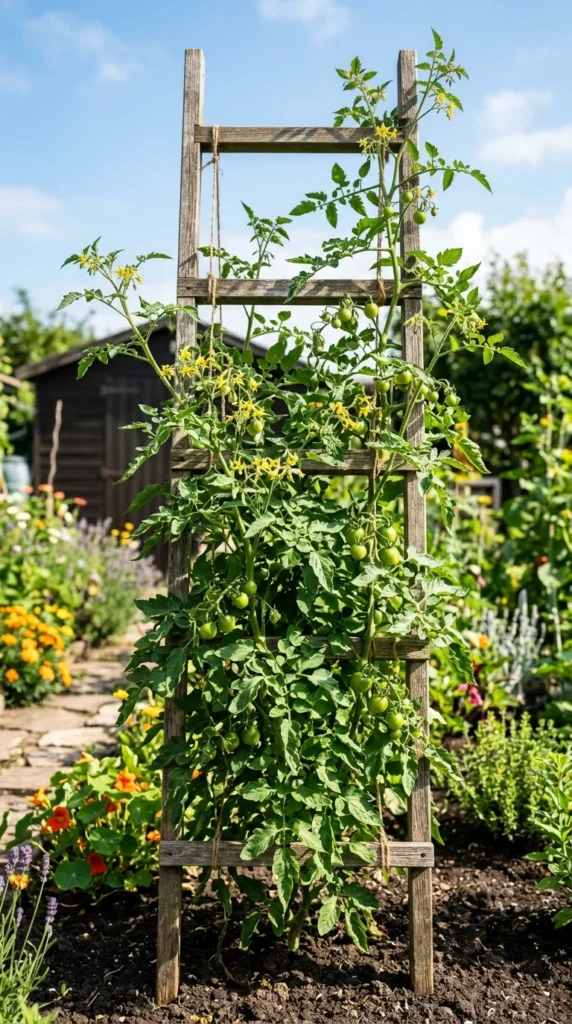
For those in southern climates or regions where spring transitions quickly into a hot summer, the strategy shifts toward warm-season varieties. These plants require consistent warmth and long hours of intense sunlight to produce fruit.
If you plant these too early in a cool climate, they may become stunted, a condition from which they may never fully recover even when the weather warms up. It is often better to wait an extra week for the weather to stabilize than to rush these into the ground. Common warm-season favorites include tomatoes, cucumbers, melons, squash, peppers, and eggplants. In shorter-season climates, look for “early-maturing” varieties of these plants to ensure they produce a harvest before the first frost of autumn.
7. Native Plants
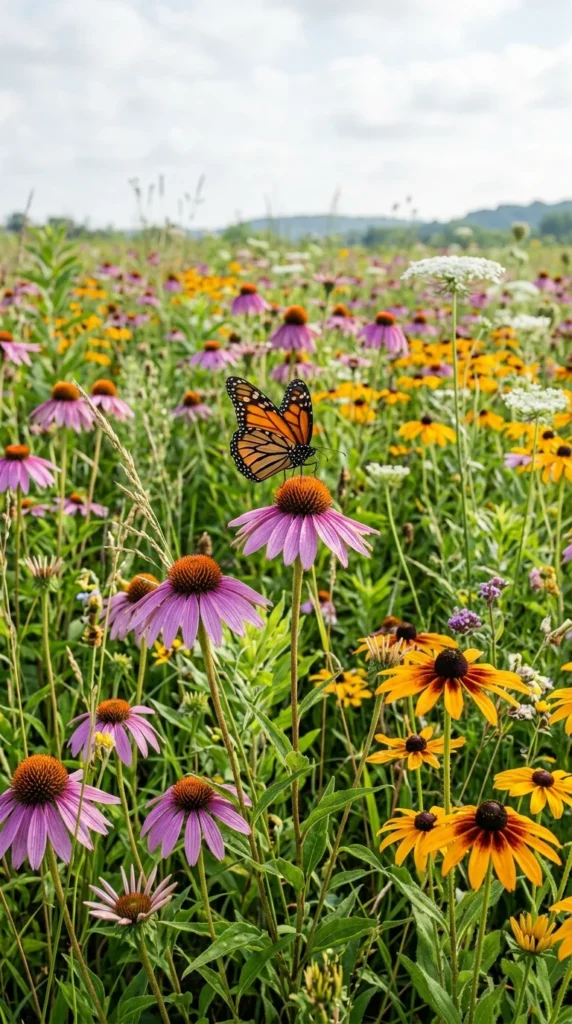
One of the most climate-resilient choices you can make is to plant species native to your region. Native plants have spent thousands of years adapting to your specific rainfall patterns, soil types, and temperature fluctuations. They are inherently better equipped to handle a “weird” spring—such as one that is unusually dry or unseasonably cold—than non-native ornamentals.
Furthermore, native plants provide essential corridors for local pollinators. By choosing spring-blooming natives, you provide an early food source for bees and butterflies that have just emerged from hibernation. Researching your local “ecoregion” will provide a list of beautiful, low-maintenance plants that are perfectly suited to your spring climate.
8. Garden Planning
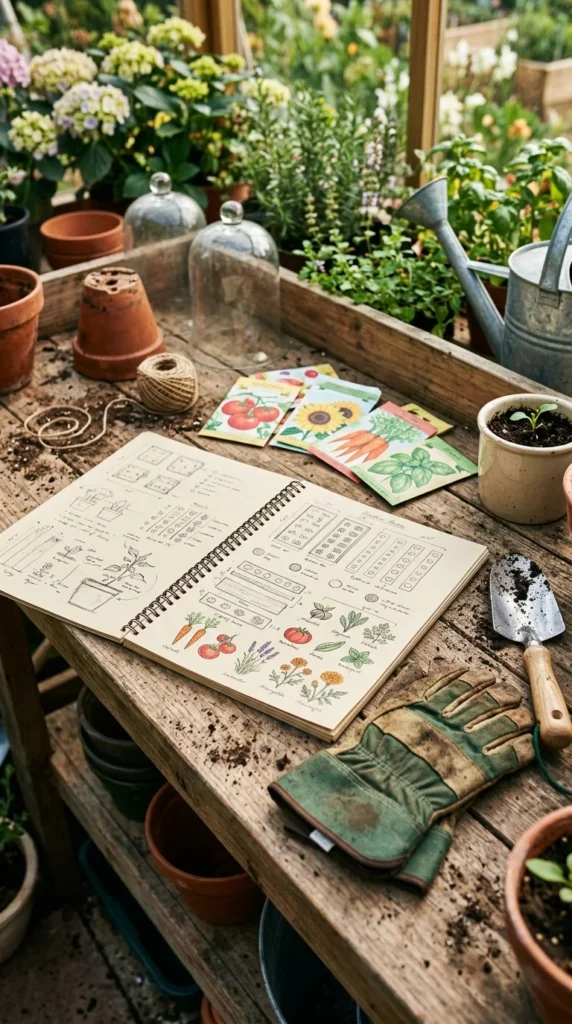
The final piece of the puzzle is documentation. Every year is a learning experience. By keeping a garden journal, you can track when you planted certain crops, what the weather was like, and how the plants responded.
Note down things like:
- The date your daffodils first bloomed (a great natural indicator of soil warming).
- Any unexpected frost events and which plants survived them.
- Which varieties thrived in your specific soil and light conditions.
Over time, this personal data becomes more valuable than any generalized climate map. It allows you to refine your “best guesses” into a precision-tuned planting schedule tailored specifically to your patch of earth. Spring gardening is a conversation with nature; the better you listen to your climate, the more bountiful your garden will become.