Transforming your backyard into a fruit garden is one of the most rewarding landscaping projects a homeowner can undertake. Unlike a traditional ornamental garden, an edible landscape provides a sensory experience that culminates in a literal harvest. Whether you have a sprawling estate or a tiny urban balcony, there are creative ways to integrate fruit-bearing plants into your outdoor living space. By focusing on both aesthetics and productivity, you can create a sanctuary that feeds your soul and your family.
1. Espalier Trees
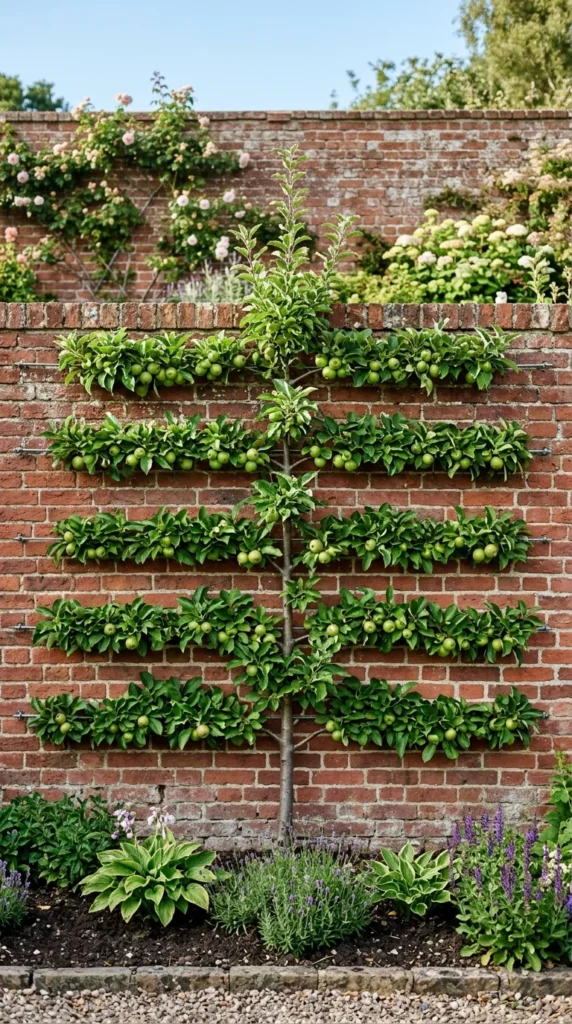
Espalier is an ancient horticultural technique where trees are trained to grow flat against a wall or fence. This is the ultimate space-saving solution for small backyards. By pruning and tying branches to a support structure, you can grow apples, pears, or even peaches in a narrow alleyway or along a boundary line. This method not only saves room but also creates a stunning architectural feature that highlights the skeletal beauty of the tree during winter and its bounty during summer.
2. Dwarf Citrus
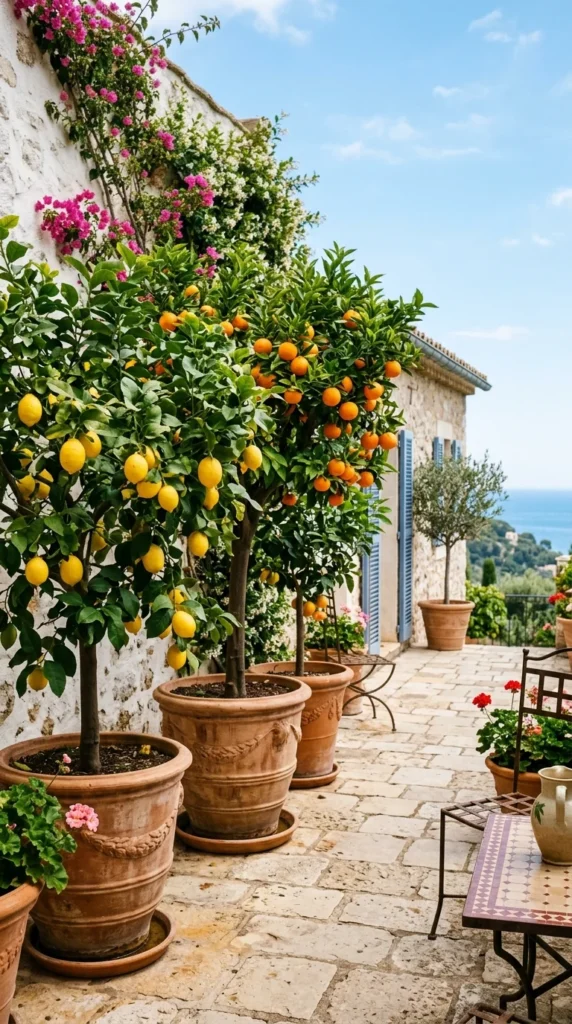
If you live in a climate with cold winters or have limited ground space, dwarf citrus trees are a perfect choice. Varieties like Meyer lemons, Key limes, and Calamondin oranges are naturally smaller and thrive in containers. Placing these pots on a patio or deck allows you to move them indoors when temperatures drop. Their glossy evergreen leaves and incredibly fragrant white blossoms provide year-round beauty, while the brightly colored fruit adds a pop of tropical vibrance to your seating area.
3. Berry Borders
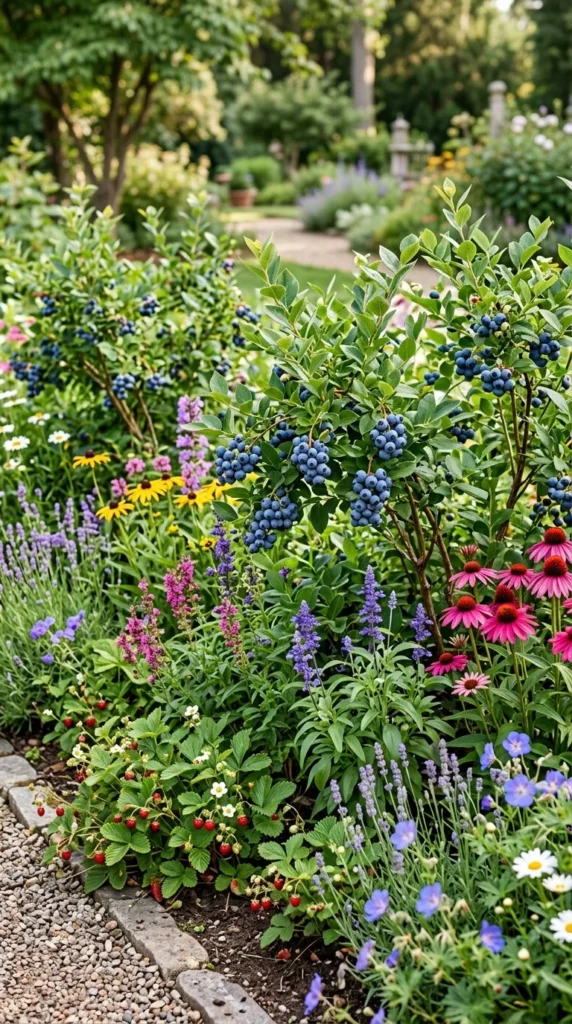
Instead of traditional boxwood or privet hedges, consider using berry bushes to define your garden’s edges. Highbush blueberries make excellent medium-sized hedges, turning a brilliant crimson in the autumn. For a lower border, alpine strawberries or cranberries can line your walkways. This “edible landscaping” approach ensures that every square inch of your garden is working for you, providing snacks for you to pick as you stroll through your yard.
4. Grape Pergolas
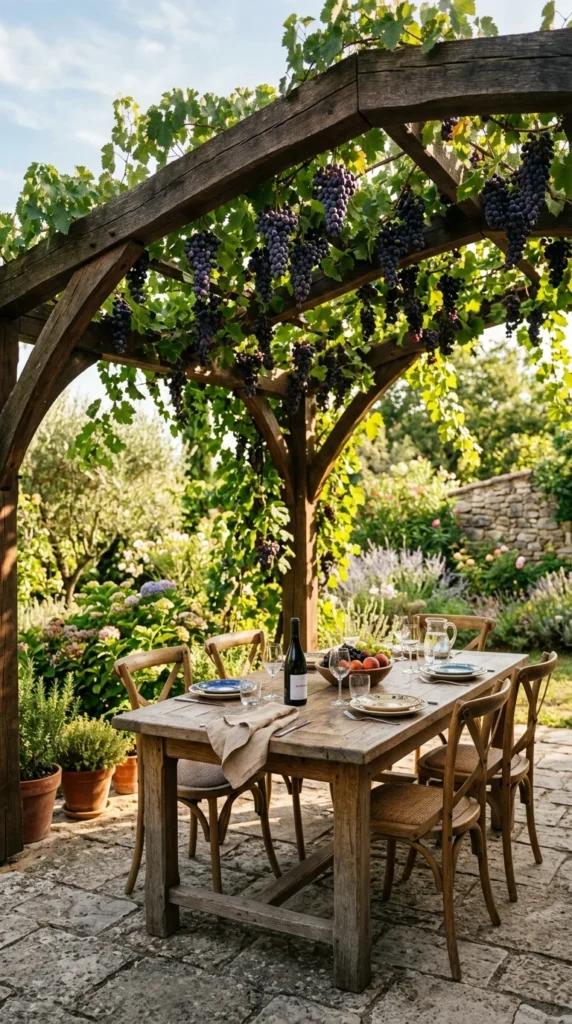
A pergola covered in grapevines offers one of the most romantic and functional backyard features. The large, broad leaves provide deep shade during the hot summer months, making it the perfect spot for outdoor dining. As late summer approaches, the hanging clusters of grapes become accessible right from your seat. Choose varieties like Concord for juice and jelly, or ‘Reliance’ for fresh table eating. Ensure the structure is sturdy, as mature grapevines can become quite heavy over time.
5. Strawberry Towers
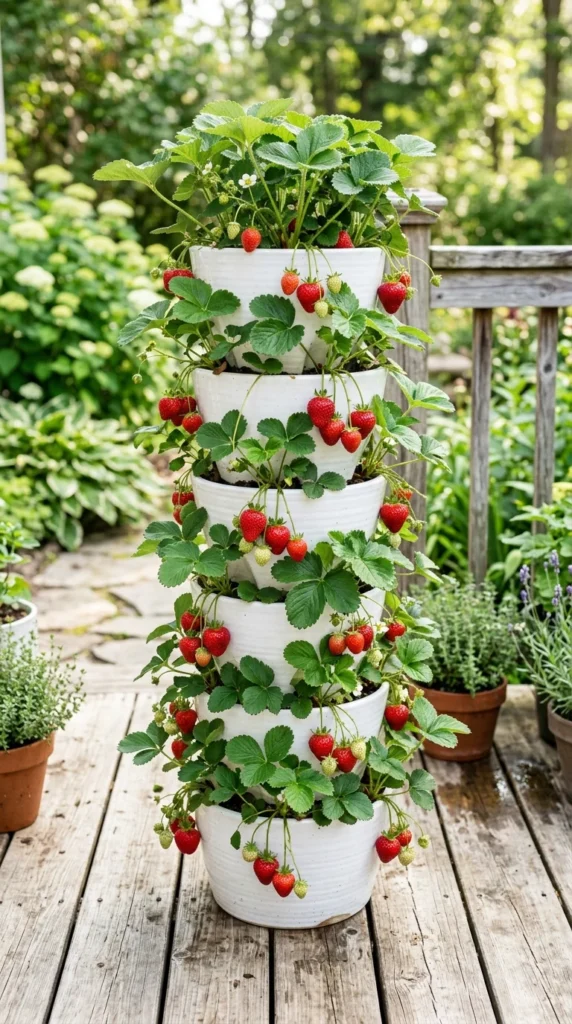
Vertical gardening is a game-changer for high-yield harvests in small footprints. A strawberry tower allows you to grow dozens of plants in just a few square feet of ground space. This elevation keeps the berries off the soil, reducing rot and making them much harder for slugs and snails to reach. Furthermore, harvesting becomes a breeze as you don’t have to bend over to find the ripe fruit hidden under the foliage.
6. Edible Hedges
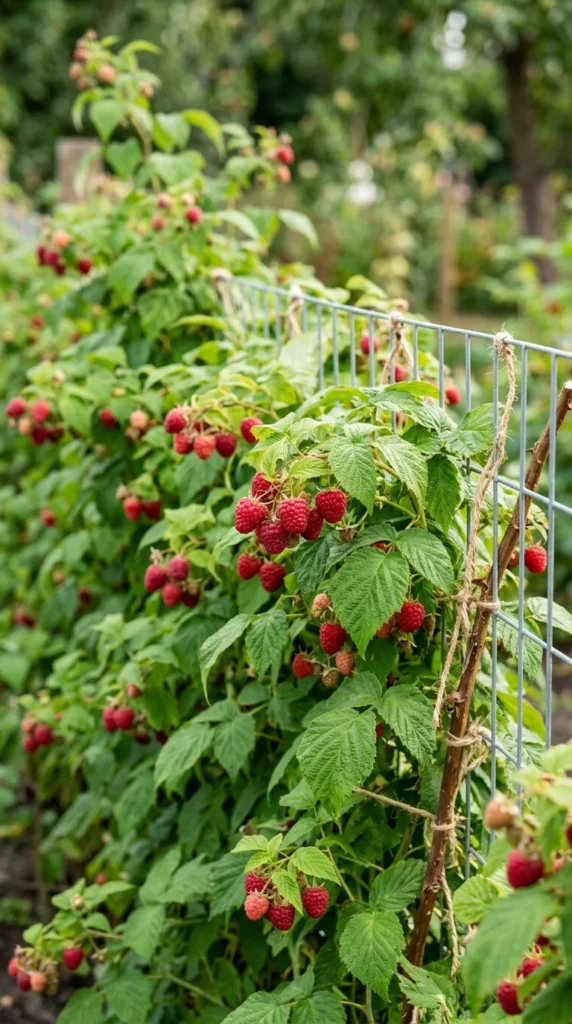
Blueberries, raspberries, and blackberries can be trained into dense, productive hedges that provide privacy while feeding your family. Unlike a static wooden fence, an edible hedge changes with the seasons, offering flowers in the spring, fruit in the summer, and often vibrant foliage in the fall. For a thorny “security” hedge that also produces fruit, consider gooseberries or Jostaberries, which have a dense growth habit that deters intruders and neighborhood pets.
7. Multi-Graft Trees
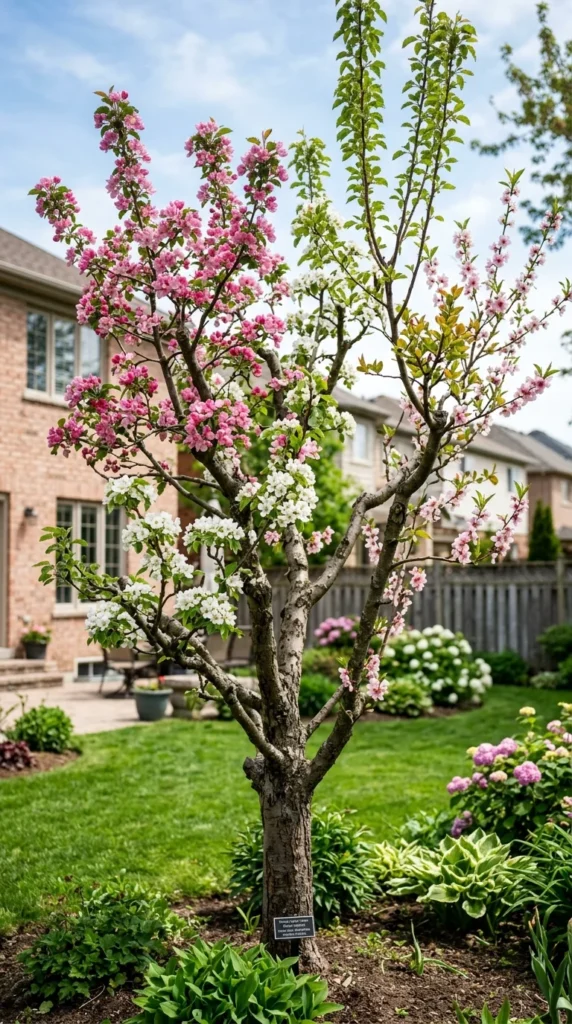
Often referred to as “Fruit Salad Trees,” multi-graft trees feature several different varieties of the same fruit (like three types of apples or four types of stone fruit) grafted onto a single rootstock. This is ideal for gardeners who want variety but only have room for one tree. It also solves pollination issues, as the different varieties on the same tree can cross-pollinate each other. You might have early-season, mid-season, and late-season apples all on one trunk, extending your harvest for months.
8. Raised Beds
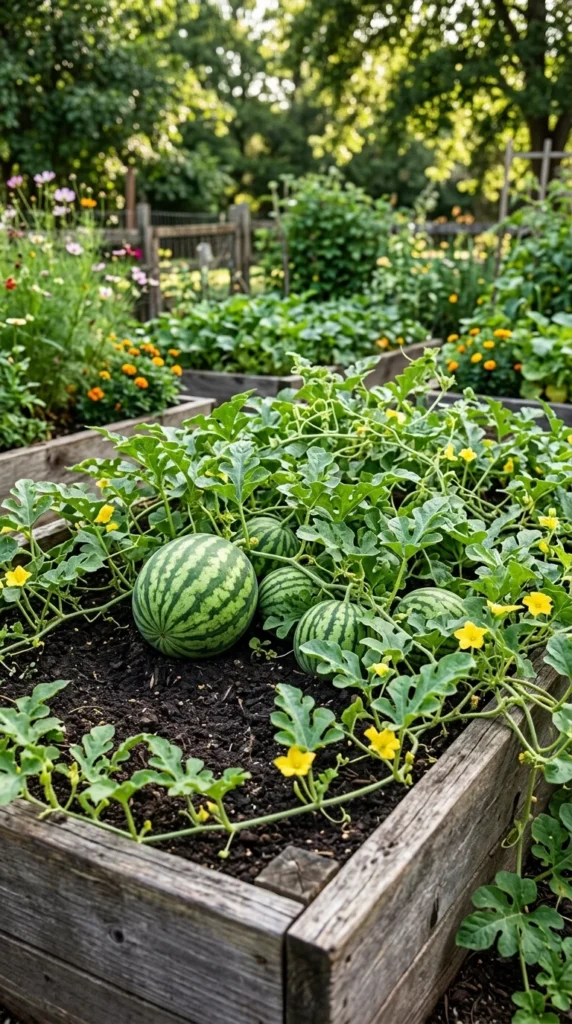
Raised beds aren’t just for vegetables; they are excellent for melons and trailing fruits. Melons like cantaloupe and watermelon require well-draining, warm soil, which raised beds provide better than the cold ground. By elevating the planting area, you can also let the vines spill over the sides, creating a lush green waterfall effect. This also keeps the fruit slightly elevated, protecting it from some ground-dwelling pests and excess moisture.
9. Fruit Guilds
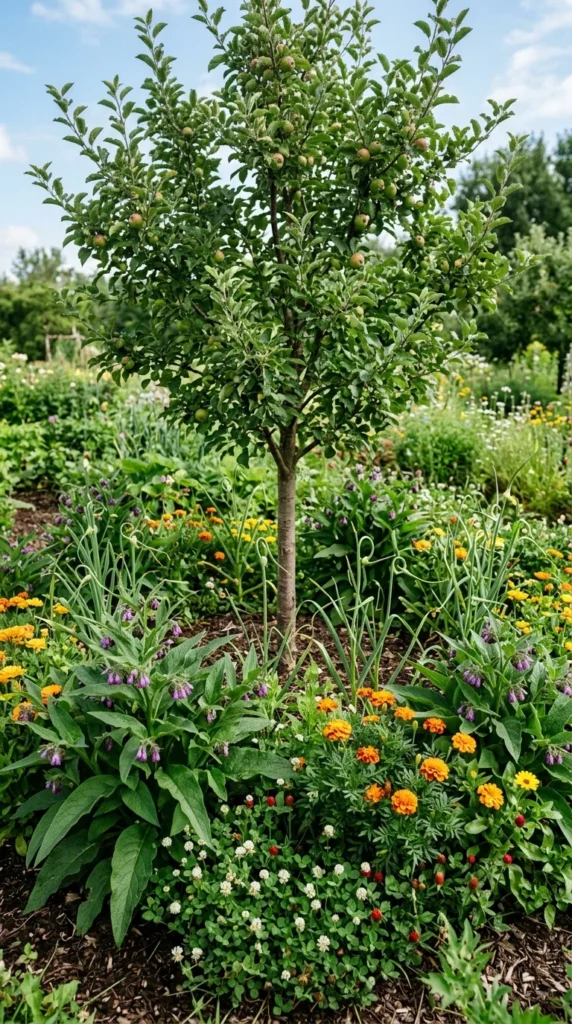
Inspired by permaculture design, a fruit tree guild is a grouping of plants that support the health of a central fruit tree. Instead of a lonely tree surrounded by grass, you plant nitrogen-fixers (like clover), pollinator-attractors (like bee balm), and pest-repellents (like garlic or chives) around the base. This creates a mini-ecosystem that reduces the need for fertilizers and pesticides while creating a beautiful, wild-looking garden bed that mimics a natural forest edge.
10. Step-Over Apples
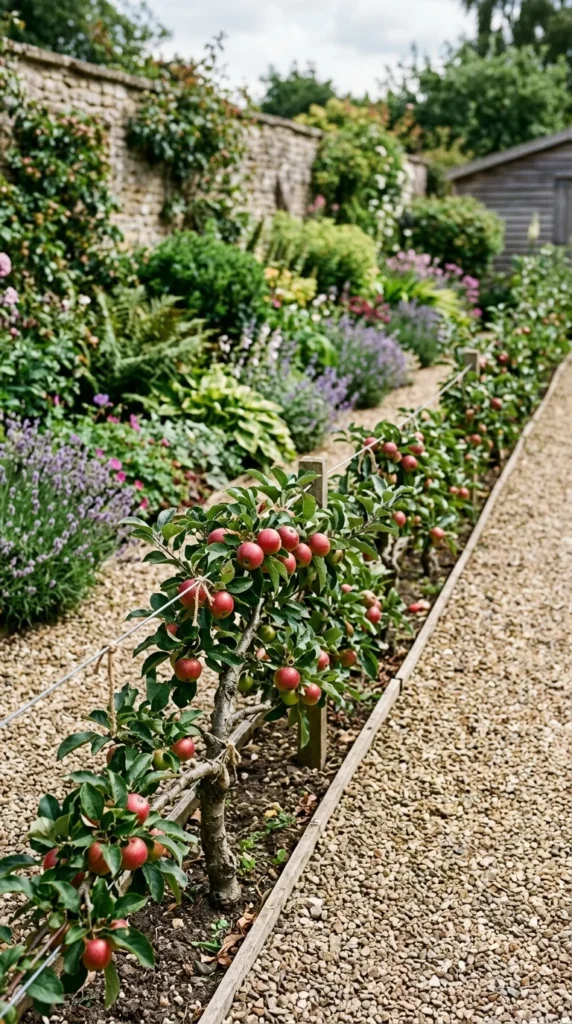
Step-over trees are essentially the shortest form of espalier. These trees are trained horizontally about 12 to 18 inches above the ground. They act as a living, fruiting fence for garden paths or vegetable plots. They are incredibly easy to prune and harvest since they never grow tall. Because the tree’s energy is focused into a single horizontal branch, the fruit produced is often surprisingly large and high in sugar content due to maximum sun exposure.
11. Tropical Oasis
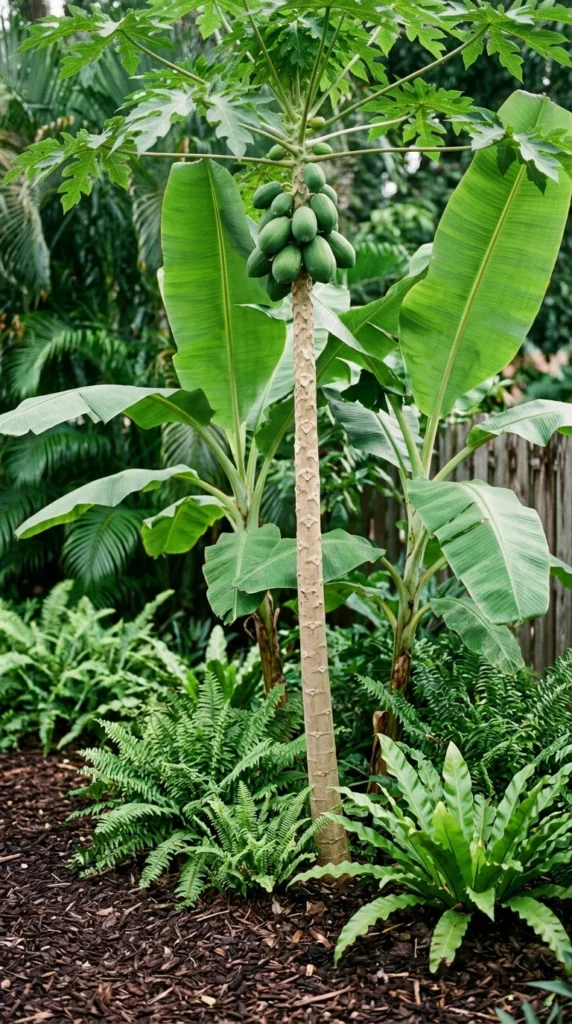
Even in temperate zones, you can create a tropical fruit garden by using cold-hardy varieties or moving plants in for the winter. Cold-hardy bananas (like Musa basjoo) provide incredible architectural foliage, while dwarf papayas and guavas can be grown in large tubs. This design style focuses on “big leaf” aesthetics, creating a lush, jungle-like feel in your backyard that makes you feel like you’re on vacation every time you step outside.
12. Herb Interplanting
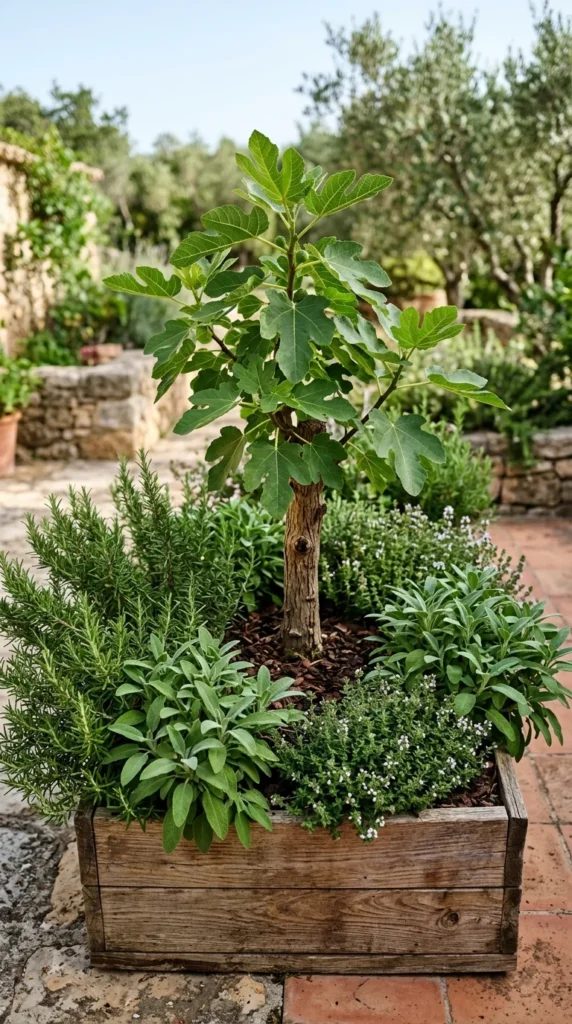
Integrating herbs with your fruit plants is a masterclass in companion planting. Strongly scented herbs like rosemary, lavender, and sage can help mask the scent of ripening fruit from pests. Additionally, many herbs thrive in the same well-drained, sunny conditions that fruit trees love. The combination of woody fruit stems and soft, silver-green herb foliage creates a sophisticated, “cottage core” aesthetic that smells as good as it looks.
13. Orchard Pathways
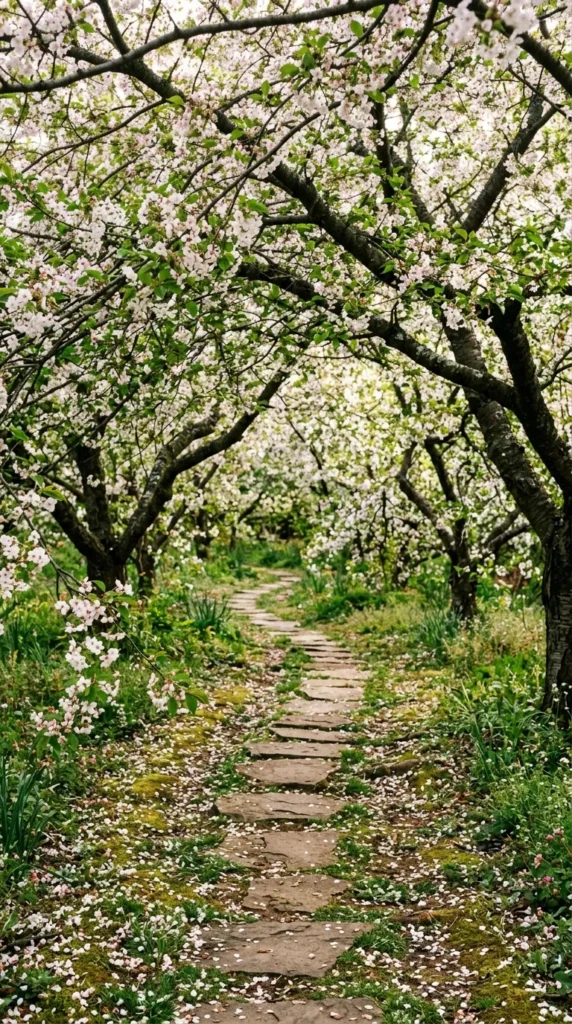
If you have a larger space, don’t just plant your trees in a grid. Create a destination by winding a path through your mini-orchard. Using materials like bark mulch, pea gravel, or stepping stones makes the garden accessible even when the grass is wet. A winding path creates a sense of mystery and allows you to enjoy the trees from different angles, turning a productive area into a peaceful stroll through your own private woods.
14. Hanging Baskets
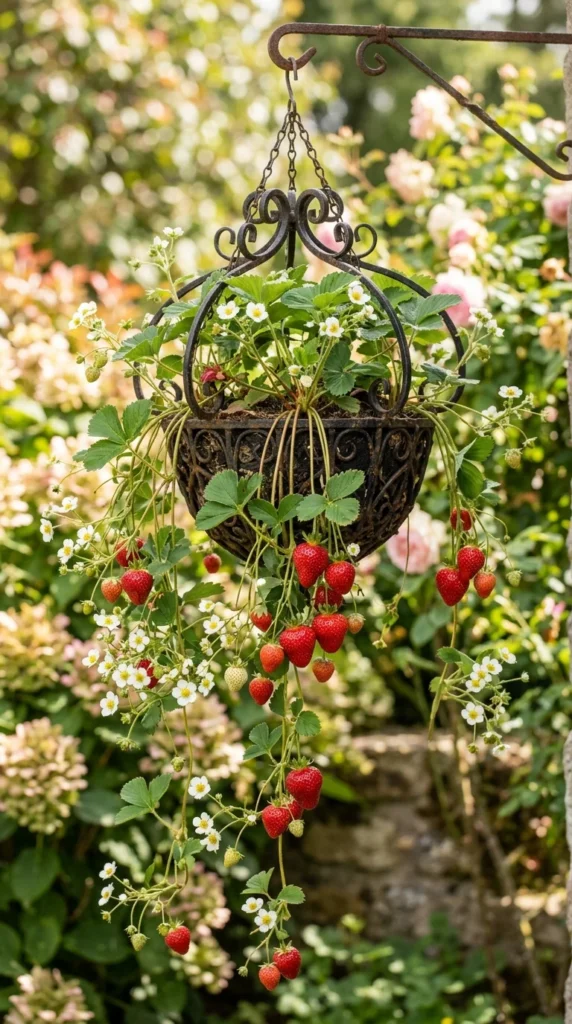
For those with absolutely no ground space, hanging baskets are the answer. Certain varieties of strawberries, particularly “everbearing” types, are bred to trail downwards. Hanging them on a porch or from a shepherd’s hook keeps the fruit away from soil-borne diseases and pests like slugs. It also brings the fruit up to eye level, making it easy to spot exactly when they are perfectly ripe for picking.
15. Wall-Side Figs
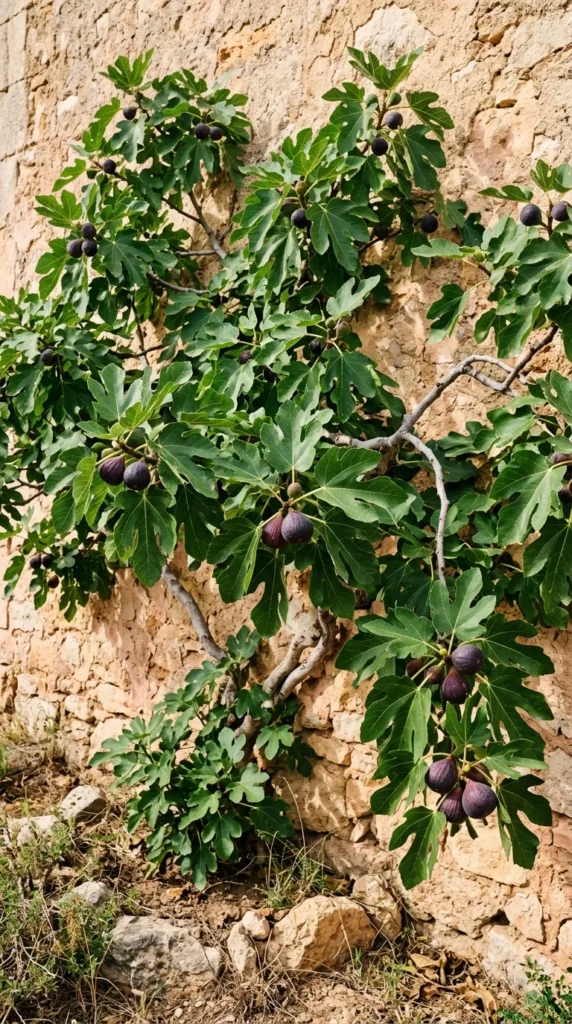
Figs love heat and do exceptionally well when planted against a south-facing wall. The wall absorbs heat during the day and radiates it back to the tree at night, which helps the fruit ripen in shorter summers. Fig trees have iconic, deeply lobed leaves that provide a Mediterranean flair. Because their root systems can be aggressive, planting them in a large “paving pocket” or a buried pot near a wall can help control their size and encourage more fruit production.
16. Columnar Trees
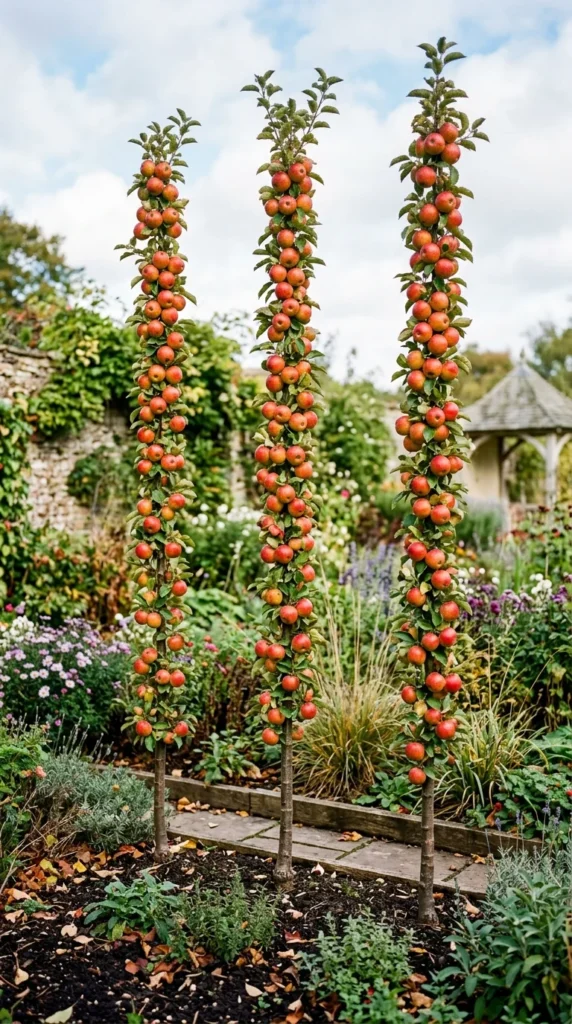
Columnar apple trees are a miracle for tight spaces. These trees grow straight up like a pillar, rarely reaching more than two feet in width. You can plant them in large pots or just 30 inches apart in the ground. They don’t produce long side branches; instead, the fruit grows on short spurs right along the main trunk. They look fantastic lining a driveway or as formal accents at the entrance of a garden.
17. Pomegranate Focal Points
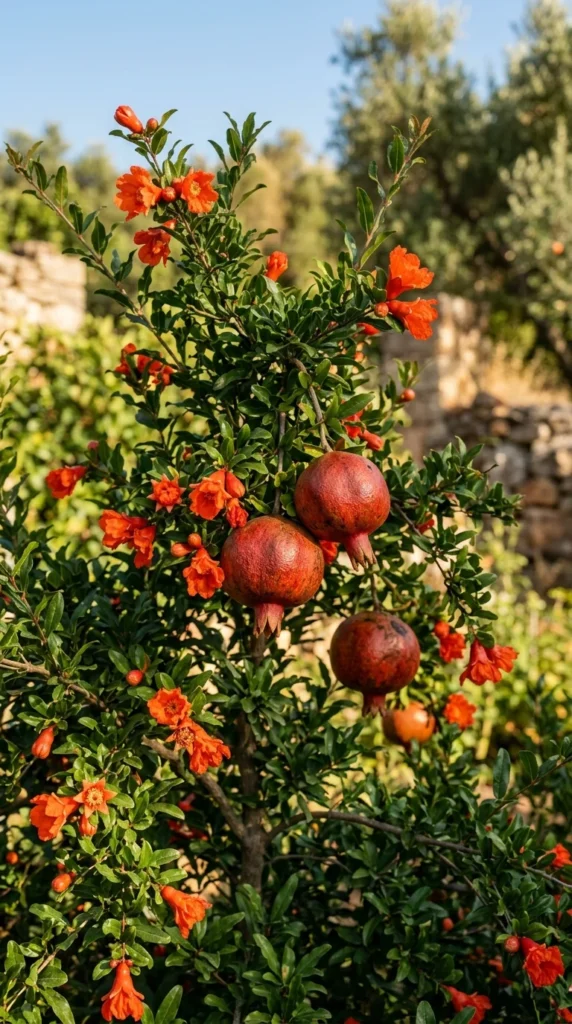
Pomegranates are as beautiful as they are delicious. They feature glossy leaves, stunning trumpet-shaped orange flowers, and unique, leathery fruit that hangs like ornaments. They are drought-tolerant once established and can be pruned into a multi-stemmed shrub or a small formal tree. Using a pomegranate as a focal point in a sunny corner of the yard provides a striking visual interest that persists from spring flowering through late autumn harvest.
18. Kiwi Fences
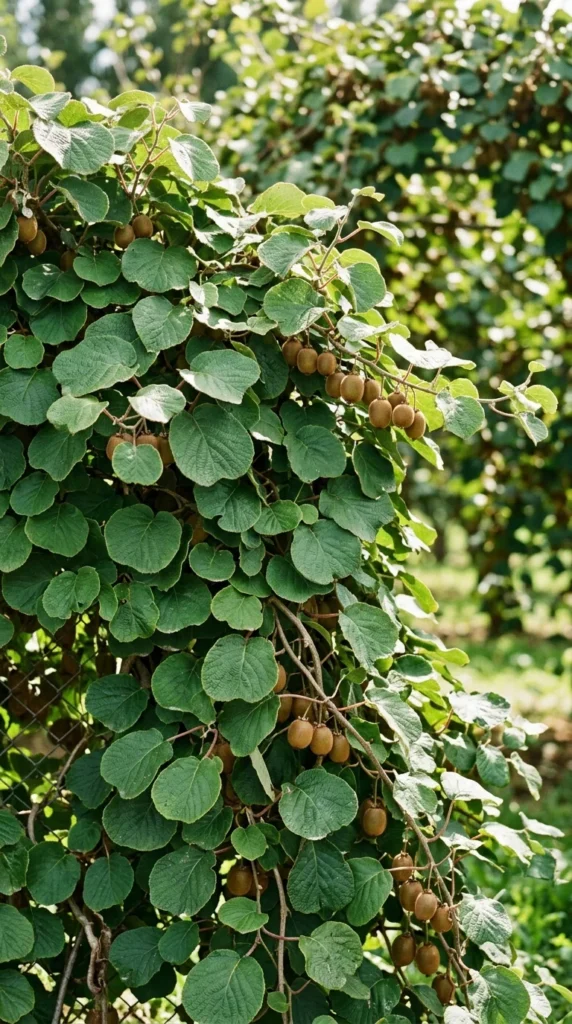
Hardy kiwi vines are vigorous climbers that can quickly cover a chain-link fence or a boring wooden boundary. Unlike the fuzzy kiwis found in stores, hardy kiwis are grape-sized and can be eaten whole. They provide a dense screen of greenery for privacy. Note that most kiwis are dioecious, meaning you will need both a male and a female plant to get fruit, though some “self-fertile” varieties are available for very small gardens.
19. Nut Tree Borders
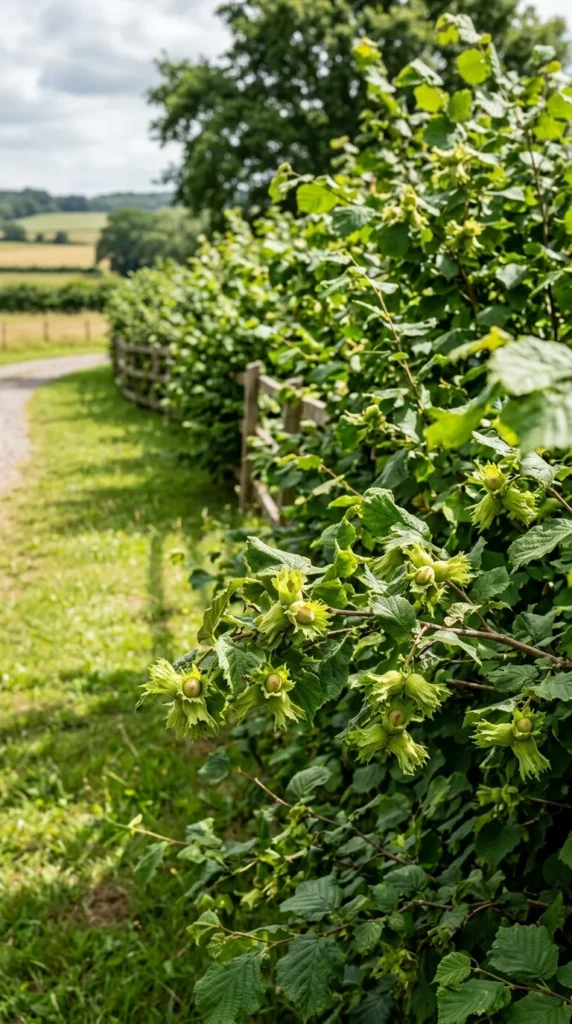
While most people think of soft fruits, nuts are a valuable addition to a productive garden. Hazelnuts (filberts) are particularly well-suited to backyards because they stay relatively small and can be grown as a thick, deciduous hedge. They provide excellent wildlife habitat and a satisfying crunch in the fall. The catkins (flowers) that appear in late winter offer visual interest when the rest of the garden is still dormant.
20. Native Fruit Bushes
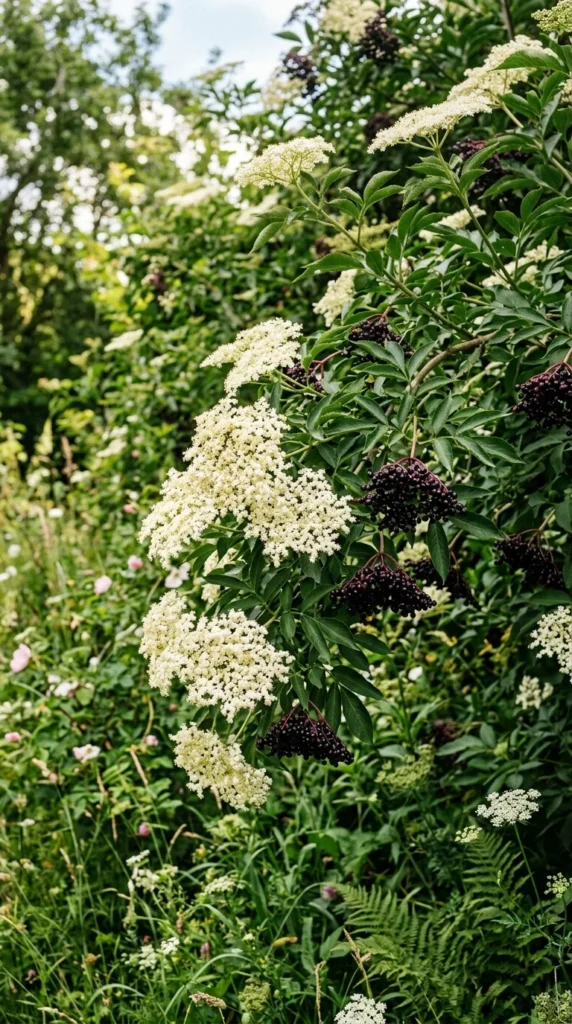
Integrating native fruits like elderberries, serviceberries (Saskatoons), or pawpaws is a great way to support local biodiversity. Native plants are generally more resistant to local pests and diseases and require less supplemental water. Serviceberries, in particular, are prized by landscapers for their white spring blossoms, delicious blueberry-like fruit, and spectacular orange-red fall color, making them a “triple threat” for garden design.
21. Cold Frames
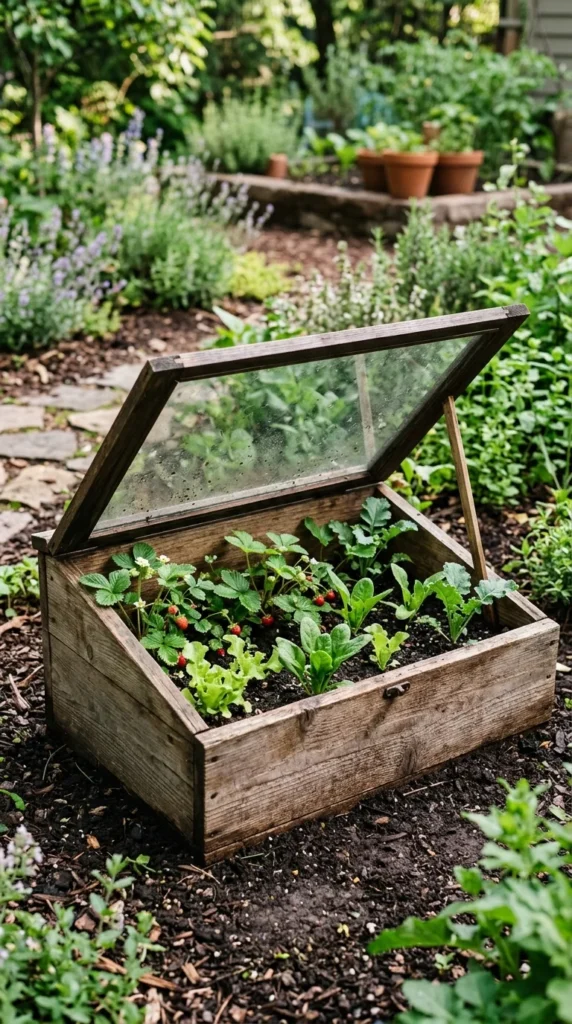
To get a jump on the season, use cold frames or “low tunnels” over your berry patches. This is especially useful for strawberries, as it warms the soil earlier in the spring and protects the delicate blossoms from late frosts. By controlling the environment, you can often harvest your first berries several weeks before your neighbors, extending your productive season significantly.
22. Greenhouse Citrus
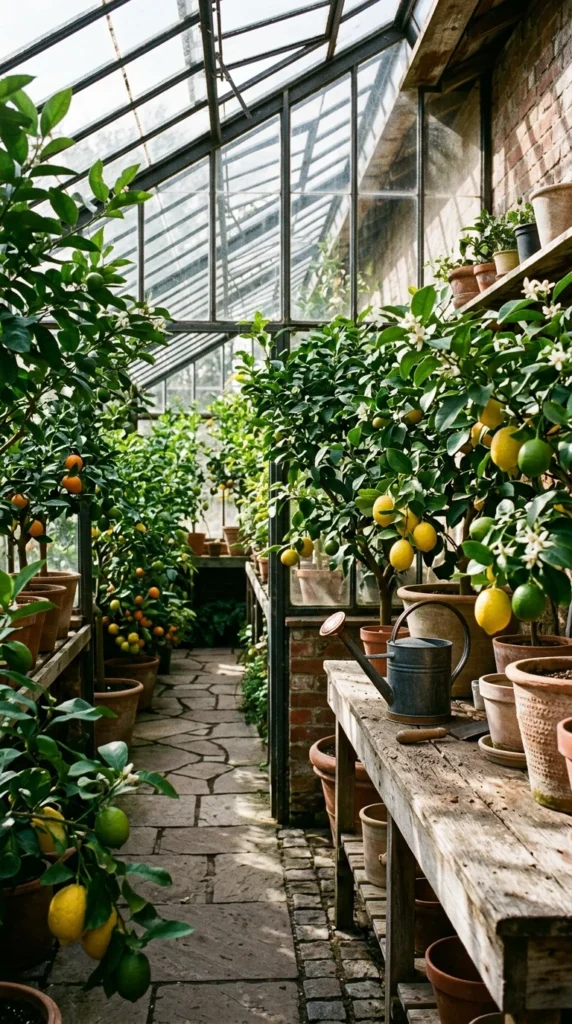
For those in truly cold climates, a small greenhouse or “orangery” allows for the cultivation of tropical fruits like lemons, limes, and even avocados. This doesn’t have to be a large professional structure; even a small lean-to greenhouse attached to the side of a house can stay warm enough to overwinter tender fruit plants. The greenhouse becomes a fragrant sanctuary during the winter months when the citrus is in bloom.
23. Stone Fruit Terraces
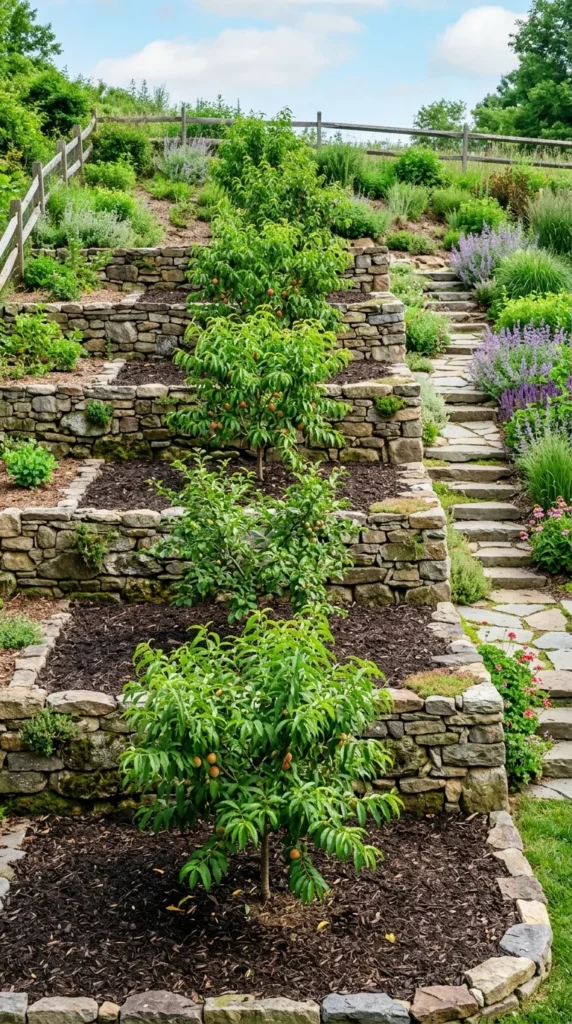
If your backyard is on a slope, don’t fight it—terrace it. Stone fruit trees like peaches, plums, and apricots thrive in the excellent drainage that terraced beds provide. The stone walls also act as thermal masses, soaking up heat during the day and keeping the roots of the trees warm. Terracing turns an unusable hillside into a productive “hanging garden” of fruit.
24. Wildlife Thickets
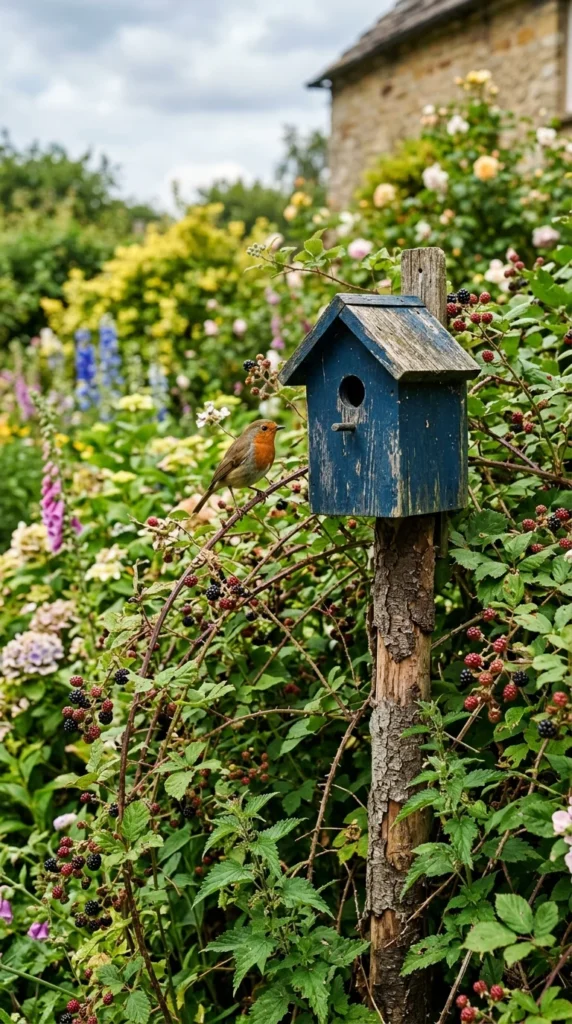
If you have a large backyard, consider leaving a “wild” corner for fruit-bearing thickets. Plants like wild blackberries and raspberries provide food for you and nesting sites for birds. By dedicating a specific area to wildlife, you may find that birds are less likely to raid your “primary” orchard closer to the house. It’s a beautiful way to embrace the natural cycle of a productive landscape.
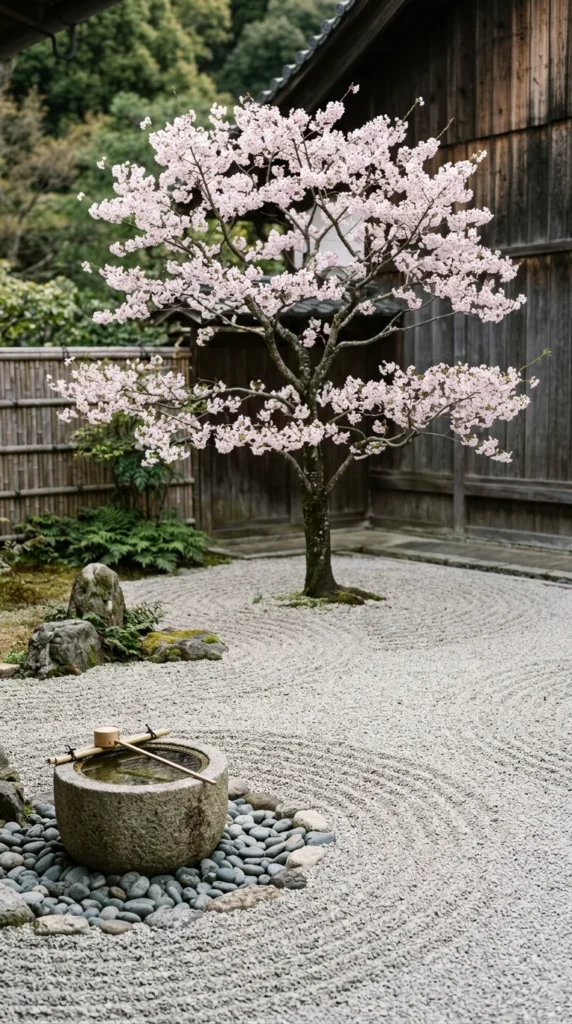
25. Zen Fruit Garden
Fruit trees can also fit into a minimalist or Zen-style garden. A single, perfectly pruned cherry or plum tree, chosen for its spring blossoms and autumn form, can serve as a meditative focal point. This approach emphasizes quality over quantity, focusing on the artistic shape of the tree and the quiet joy of watching a single piece of fruit ripen to perfection. This reminds us that a fruit garden is not just a source of food, but a source of peace.