
For many gardeners, the sight of a white-tailed deer leaping gracefully across a meadow is a touch of wilderness magic. However, that magic quickly evaporates when you wake up to find your prize-winning hostas leveled to the ground, your rosebuds decapitated, and your young fruit trees stripped of their bark. As suburban sprawl continues to encroach on natural habitats, deer have become increasingly bold, viewing residential gardens as an all-you-can-eat buffet.
Creating a deer-proof garden is not about a single “silver bullet” solution; rather, it is about creating a multi-layered defense system that makes your yard less appealing than the neighbor’s. By combining physical barriers, strategic plant selection, and sensory deterrents, you can protect your landscape without sacrificing its aesthetic beauty.
1. Fencing
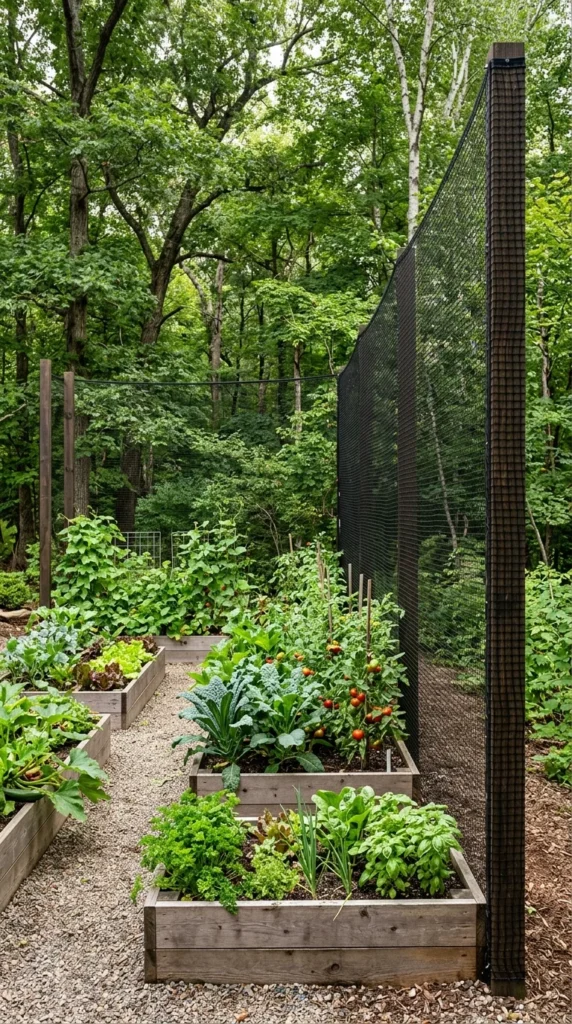
The most effective way to keep deer out of your garden is a physical barrier they cannot bypass. While deer are Olympic-level jumpers, capable of clearing heights of nearly eight feet when motivated, they have poor depth perception. This allows gardeners to use several different fencing strategies.
- Height Matters: To be truly effective against a running start, a vertical fence should be at least 8 feet tall. Common materials include wooden privacy fences, chain links, or specialized high-strength polypropylene deer mesh.
- The Slanted Fence: A shorter fence (about 5 or 6 feet) can be effective if it is slanted outward at a 45-degree angle. Deer are hesitant to jump over something that looks wide as well as high.
- Double Fencing: Placing two 4-foot fences approximately 3 to 5 feet apart creates a “no-man’s land” that deer are terrified to jump into because they cannot judge the landing space.
- Electric Fencing: For large perimeters, a simple electric wire set at roughly 30 inches from the ground can provide a psychological deterrent. Some gardeners “bait” the wire with peanut butter on foil to teach the deer a quick, harmless lesson about staying away.
2. Resistance
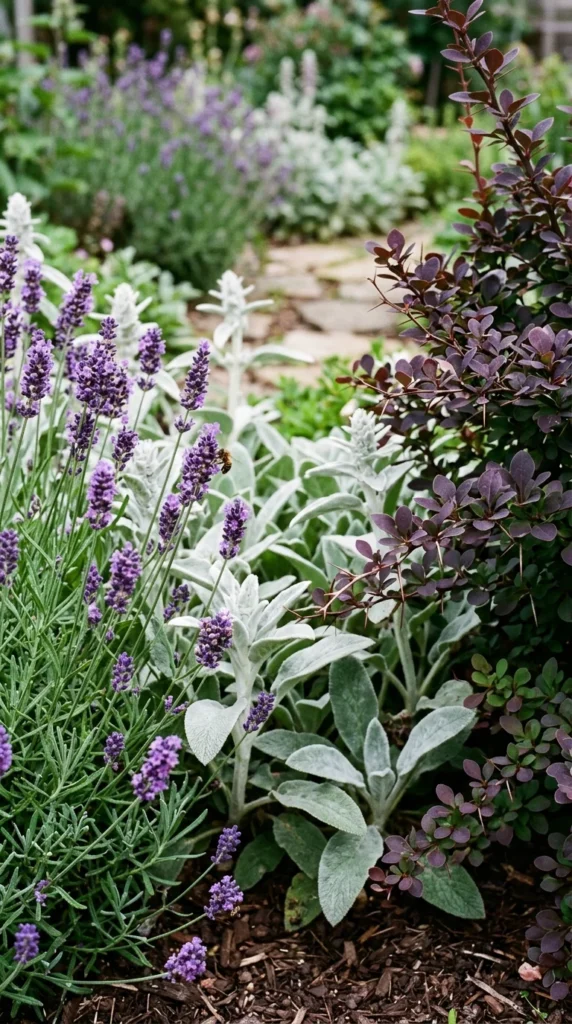
No plant is 100% “deer-proof” if the animals are starving, but many species are highly “deer-resistant.” Deer choose their meals based on texture, taste, and toxicity. By populating the bulk of your garden with these choices, you make your yard a low-priority destination.
- Fragrant Foliage: Plants with strong scents that humans find pleasant are often offensive to deer. This includes Lavender, Rosemary, Sage, Thyme, and Bee Balm.
- Textured Leaves: Deer have sensitive tongues. They generally avoid plants with fuzzy, prickly, or leathery leaves. Lamb’s Ear (Stachys byzantina), Globe Thistle, and various types of ferns are excellent choices.
- Toxic Species: Evolution has taught deer to avoid certain plants that cause illness. Bleeding Hearts, Foxglove (Digitalis), Poppies, and Monkshood are beautiful additions that deer will almost never touch.
- Leathery/Fibrous Plants: Ornamental grasses and Irises are often too tough for deer to enjoy chewing, making them perfect structural elements for a resistant landscape.
3. Repellents
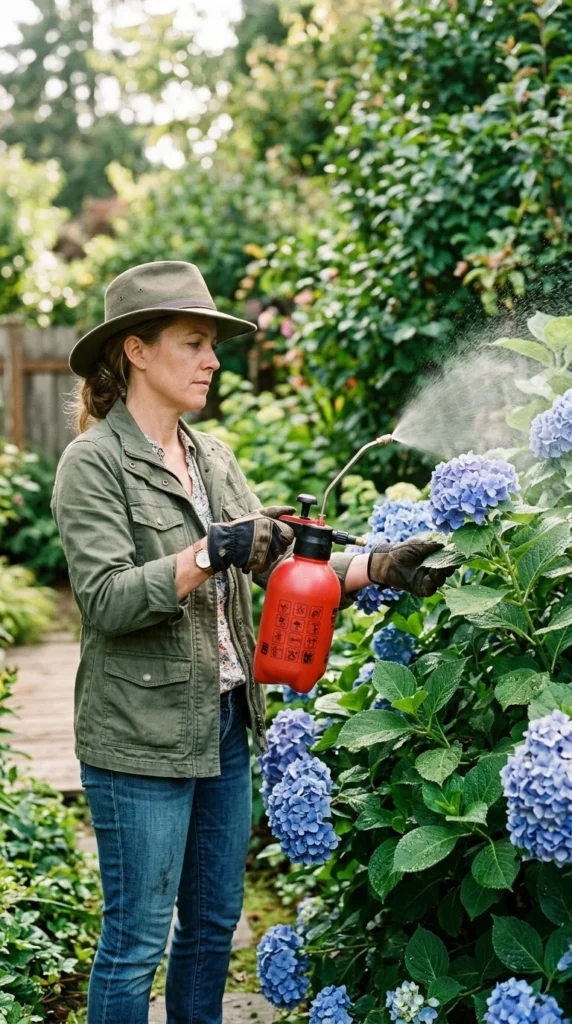
Repellents work by targeting a deer’s sense of smell or taste. To be effective, these must be applied consistently and rotated frequently so the deer do not become accustomed to the sensation.
- Scent-Based Repellents: These products often use ingredients like dried blood, putrified egg solids, or garlic. They mimic the scent of a predator or decaying organic matter, signaling “danger” to the deer.
- Taste-Based Repellents: These usually contain capsaicin (from hot peppers) or bittering agents. While they don’t stop the first bite, they ensure the deer won’t come back for a second.
- Home Remedies: Many gardeners swear by hanging bars of strongly scented soap (like Irish Spring) from tree branches or spreading human hair or predator urine around the perimeter. While these can work temporarily, they often lose potency quickly after rain.
- Application Strategy: Reapply repellents every two weeks and immediately after a heavy rain. Switching between different brands every month prevents the deer from realizing the “threat” is a hoax.
4. Motion
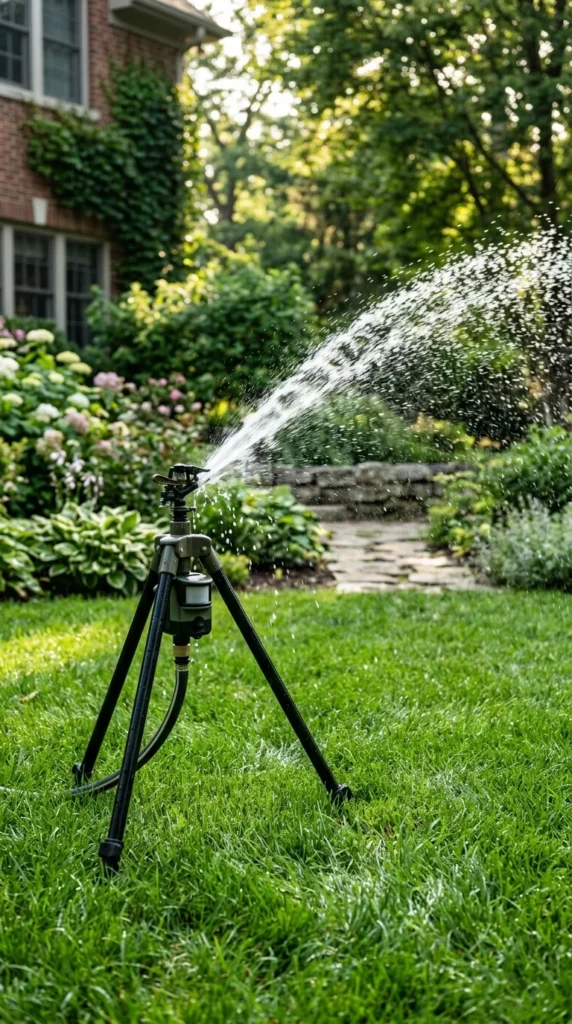
Deer are skittish animals. Sudden movements or unexpected noises can trigger their “flight” instinct and send them bolting back into the woods.
- Motion-Activated Sprinklers: These devices use infrared sensors to detect heat and movement. When a deer enters the field of vision, the device fires a quick, noisy burst of water. This is one of the most effective non-toxic deterrents available.
- Ultrasonic Devices: These emit a high-frequency sound that is uncomfortable for deer but mostly inaudible to humans. However, their effectiveness varies, as some deer eventually learn to ignore the sound.
- Visual Scare Tactics: Reflective tape, old CDs hanging from string, or spinning whirligigs can create unpredictable flashes of light and movement. These are best used in vegetable gardens where aesthetics are secondary to protection.
- The Family Dog: A dog’s presence is a powerful deterrent. Even the scent of a dog patrolling the yard can be enough to keep deer at a distance.
5. Topography
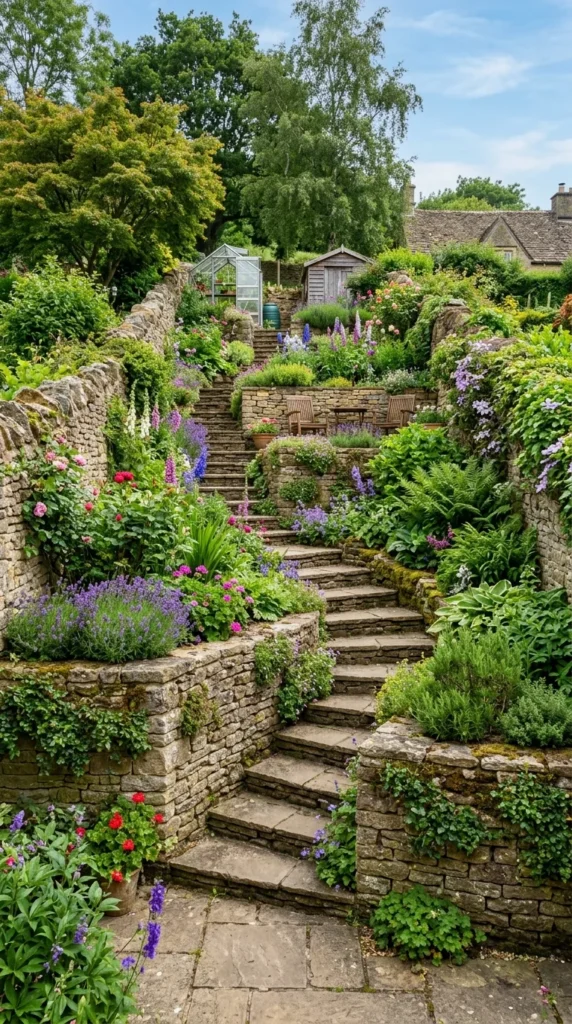
Deer are incredibly agile, but they are also cautious about their footing. They prefer flat, open ground where they can easily see predators and make a quick escape. You can use your garden’s layout to make them feel insecure.
- Sunken Beds and Terraces: Creating multi-level gardens with steep retaining walls makes the terrain difficult for deer to navigate. They dislike jumping onto surfaces where they cannot see where their feet will land.
- Narrow Pathways: By creating narrow paths between tall structures or dense (thorny) hedges, you create a “choke point” that makes deer feel trapped.
- Obstacles: Placing large boulders, fallen logs, or decorative garden art in their common paths disrupts their “runways.” If a deer has to work too hard to get through your yard, it will find an easier route.
- Hedges as Screens: Use tall, thick hedges like Boxwood or Spruce to block the deer’s view of your garden. If they can’t see the “good stuff,” they are less likely to investigate.
6. Layout
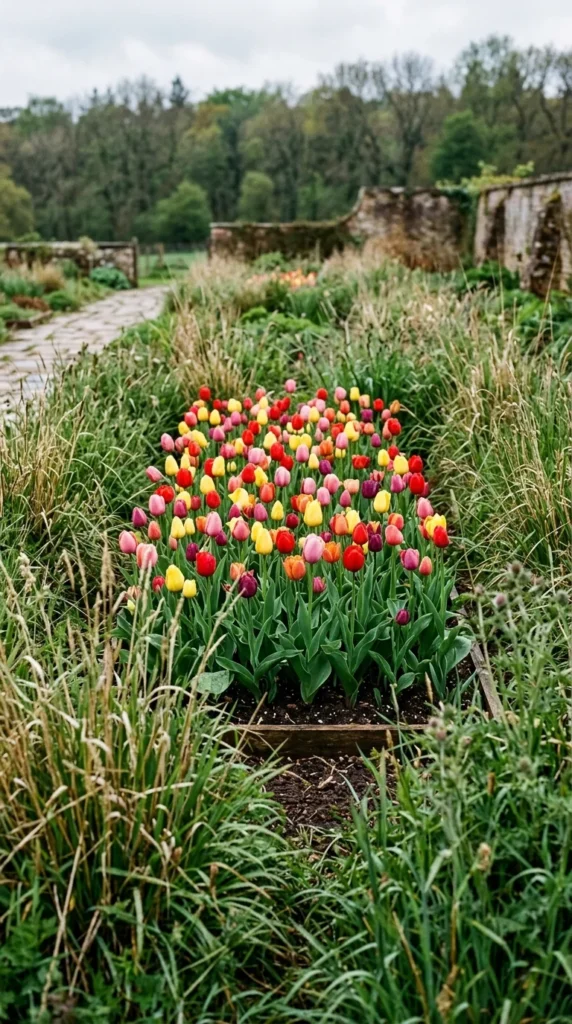
The “Zone” strategy is a professional landscaping technique used to protect the most vulnerable plants by surrounding them with less palatable ones.
- The Buffer Zone: Plant a thick perimeter of highly resistant plants (like Boxwood, Barberry, or Andromeda) around the edges of your property. This acts as a “taste barrier.”
- The Sacred Center: Keep your most “deer-candy” plants—like hostas, tulips, and lilies—closest to the house, on the porch, or behind a secondary fence. Deer are less likely to venture close to human activity and lights.
- The Sacrifice Garden: Some gardeners choose to plant a “decoy” patch of clover or alfalfa far away from their main garden in hopes of keeping the deer occupied. However, be warned: this can sometimes backfire by attracting even more deer to the vicinity.
- Underplanting: Plant pungent herbs like chives or onions around the base of vulnerable shrubs. The smell of the onions can mask the scent of the plant you are trying to protect.
7. Maintenance
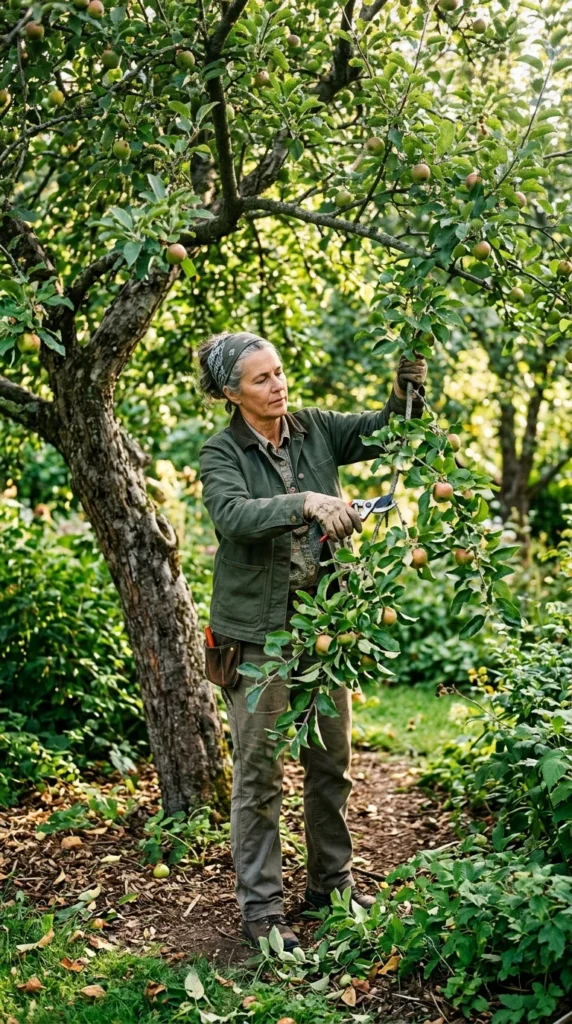
How you maintain your garden can be just as important as what you plant. A tidy garden is often a safer garden.
- Clean Up Fallen Fruit: Rotting apples or pears are like a beacon for deer. Harvest fruit early and clear the ground of any “drops” to avoid attracting unwanted guests.
- Prune for Height: For established trees, prune the lower branches up to a height of about 6 feet. This removes the “browse line” and prevents deer from snacking on the tender new growth of your trees.
- Bird Feeders: Be mindful of birdseed. Deer love corn and sunflower seeds. Use “no-mess” blends or hang feeders high enough that deer cannot reach them or knock them over.
- Stay Vigilant in Spring: The most critical time for deer proofing is early spring when new shoots are emerging. This is when plants are most vulnerable and deer are most hungry after winter. Establishing your deterrents early sets the tone for the rest of the season.