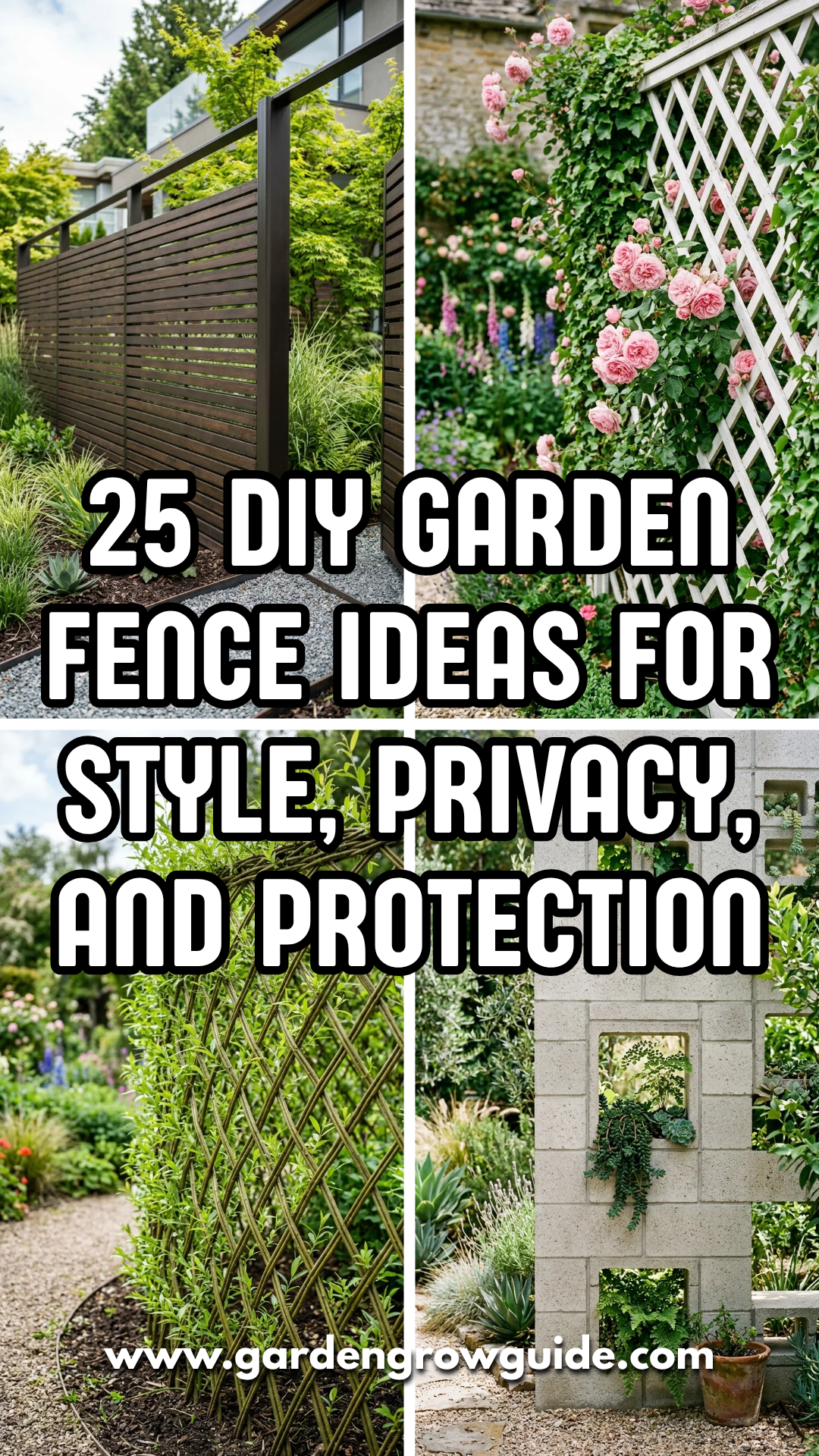
A garden fence is far more than just a boundary marker; it is a vital component of your outdoor landscape that provides security, protects your precious plants from wildlife, and offers a private sanctuary from the outside world. Whether you are looking to keep out curious deer, define your property lines, or add a touch of artistic flair to your backyard, the right DIY fence can transform your space. Building your own fence allows for total customization, often at a fraction of the cost of professional installation. From rustic recycled materials to sleek modern designs, here are 25 DIY garden fence ideas to inspire your next outdoor project.
1. Pallet Wood
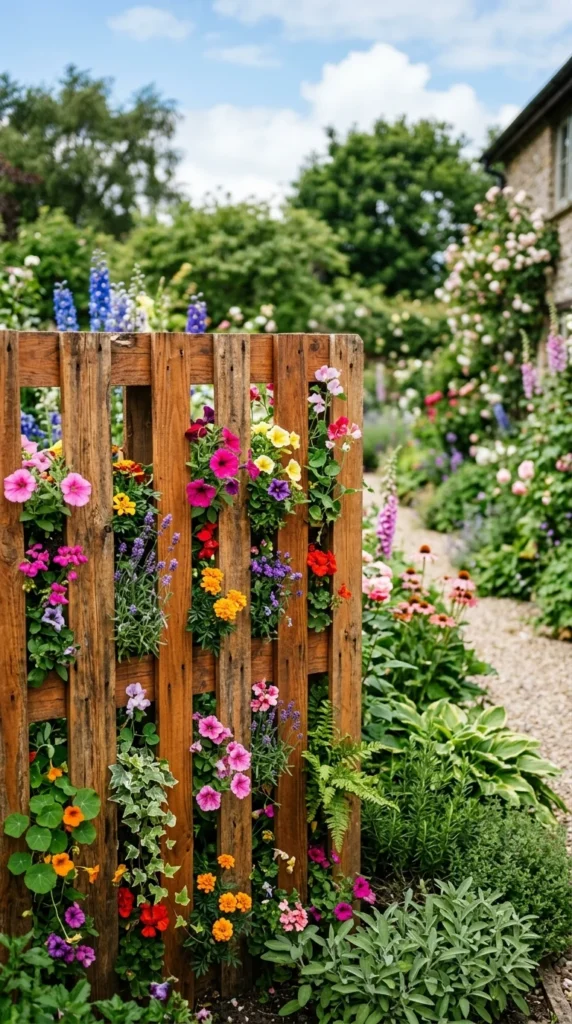
One of the most affordable and popular DIY options is the pallet fence. Reclaimed wooden pallets can be sourced for free or at a very low cost from local businesses. By disassembling the pallets, you can use the individual slats to create a rustic, farmhouse-style barrier. You can choose to leave the wood raw for a weathered look or sand and stain it to match your home’s aesthetic. This fence is particularly effective for enclosing vegetable patches or creating small pet zones.
2. Wattle Fencing
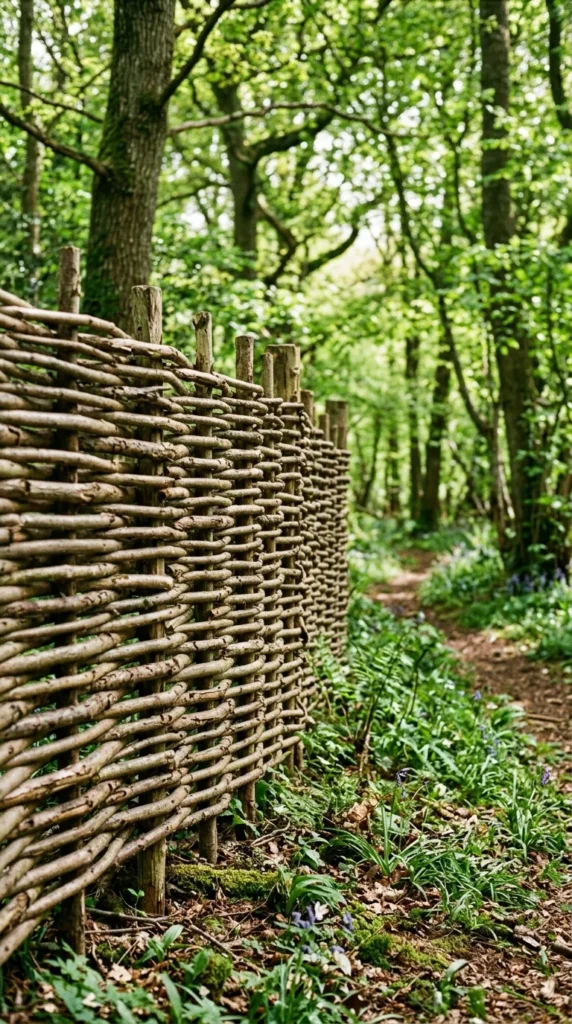
Wattle fencing is an ancient technique that involves weaving thin, flexible branches—usually willow or hazel—around upright wooden stakes. This method creates a sturdy, breathable, and incredibly organic-looking barrier. It is perfect for cottage gardens or properties where a natural, “grown-in” look is desired. Wattle is excellent for windbreaks because the gaps in the weave allow air to pass through while still providing significant privacy.
3. Bamboo Rolls
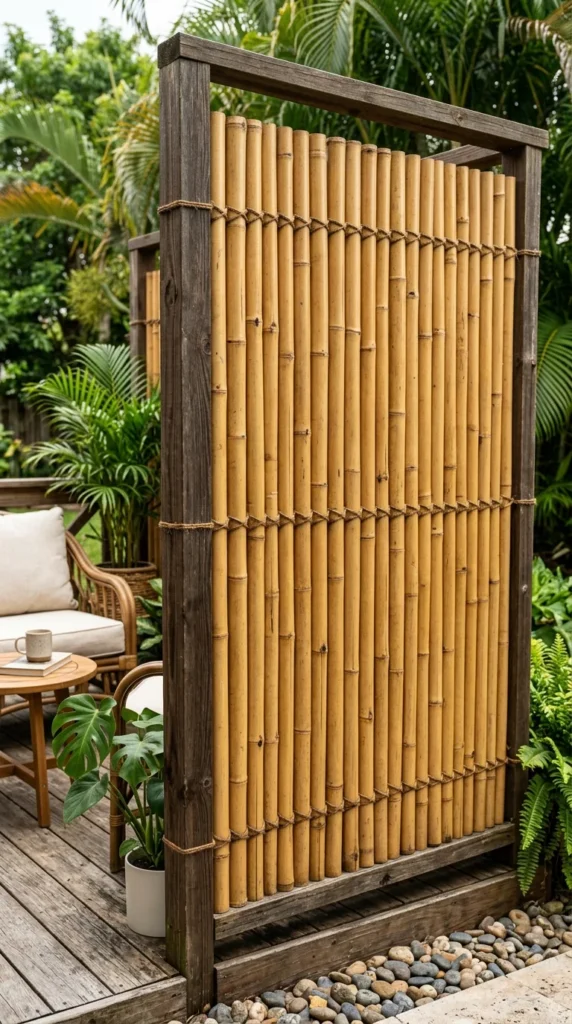
Bamboo is a sustainable and fast-growing material that offers an exotic, tropical vibe. You can purchase pre-made bamboo rolls that are easily attached to existing chain-link fences or simple wooden frames. Bamboo provides excellent privacy due to the density of the poles and is naturally resistant to many pests. It works beautifully as a backdrop for ornamental grasses and vibrant tropical plants.
4. Horizontal Slats
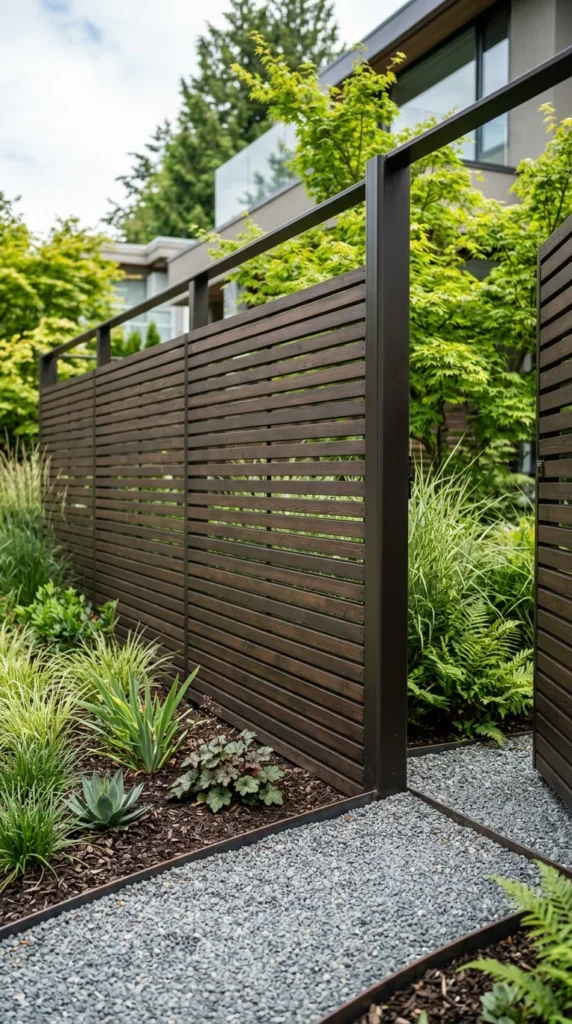
For a modern and contemporary look, horizontal slat fencing is a top choice. Unlike traditional vertical pickets, horizontal lines make a small yard feel wider and more expansive. Using high-quality wood like cedar or redwood ensures longevity and a premium finish. By adjusting the spacing between the slats, you can control the level of privacy and light filtration entering your garden.
5. Gabion Walls
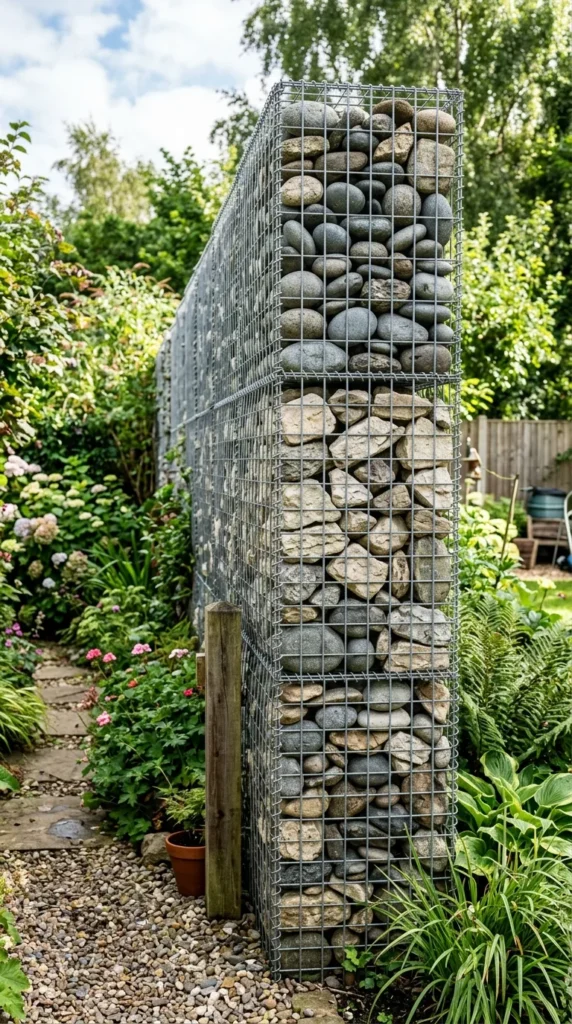
Gabion fences consist of wire mesh cages filled with rocks, stones, or even recycled glass. This is an incredibly durable and low-maintenance option that provides a striking industrial or modern rustic aesthetic. Gabion walls are excellent for noise reduction and can serve as a heavy-duty retaining wall if your garden has sloping terrain. They require no mortar, making them a relatively straightforward, albeit labor-intensive, DIY project.
6. Corrugated Metal
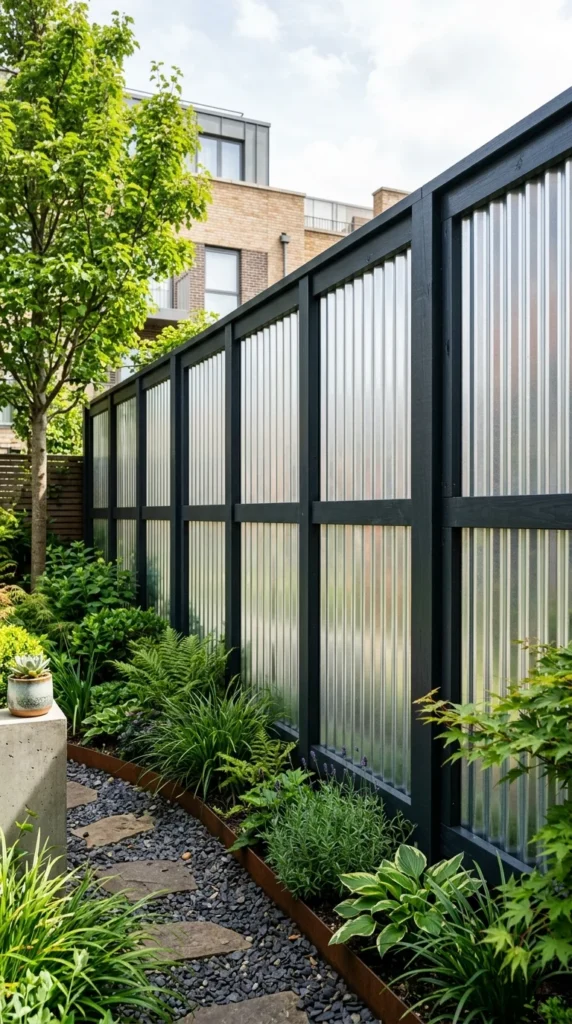
Corrugated metal panels are no longer just for roofing or barns. When framed with high-quality timber, these panels create a stylish, industrial-chic fence. They are highly durable, fire-resistant, and provide absolute privacy. Metal reflects heat, which can be beneficial in cooler climates to create a warm microclimate for plants, but be mindful of placement in extremely hot regions.
7. Lattice Panels
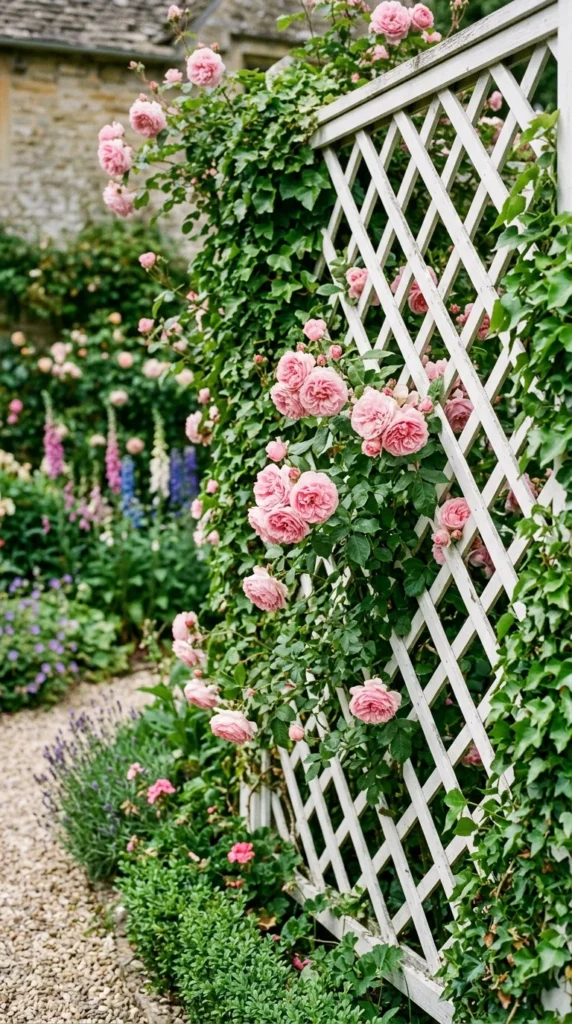
Lattice is a classic garden choice that offers a balance between privacy and openness. It allows light and air to pass through while creating a beautiful structure for climbing plants like clematis, honeysuckle, or roses. DIYers can buy pre-made lattice panels and attach them to sturdy posts. This is an ideal solution for screening off specific areas, like a trash can nook or a compost pile, without completely blocking the view.
8. Hedge Rows
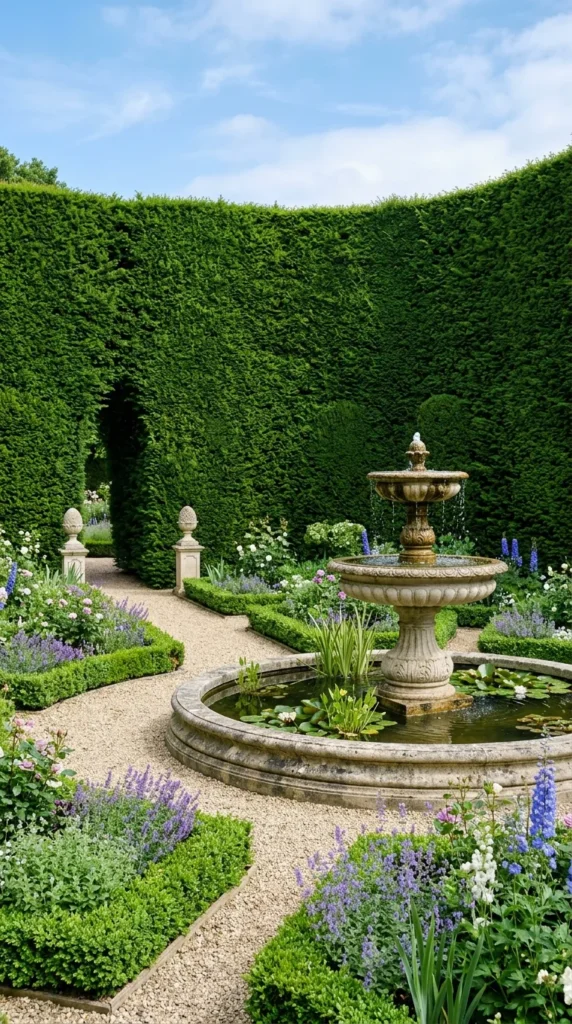
Sometimes the best fence isn’t made of wood or metal, but of plants. A “living fence” or hedge provides the ultimate green privacy screen. While it takes time to grow, plants like Privet, Boxwood, or Arborvitae create a lush, sound-absorbing barrier that benefits local wildlife. This option requires regular pruning but adds immense value and beauty to any property.
9. Old Doors
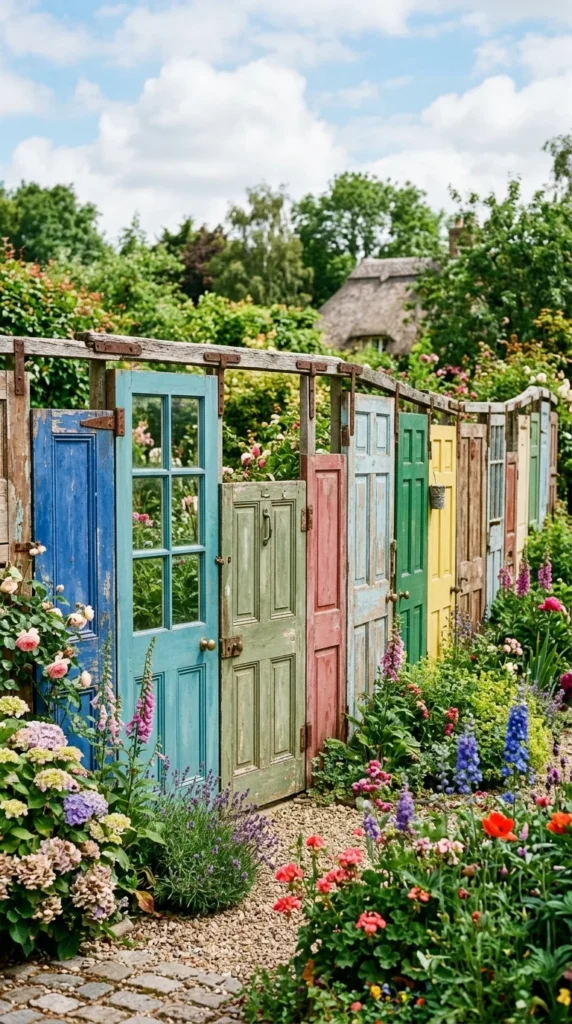
If you have a flair for the eclectic, a fence made from salvaged vintage doors is a showstopper. By sourcing old solid wood doors from architectural salvage yards, you can create a high-privacy, artistic boundary. Each door can be painted a different color or left in its distressed state. This project is a fantastic way to recycle materials and give your garden a “secret garden” feel.
10. Picket Fence
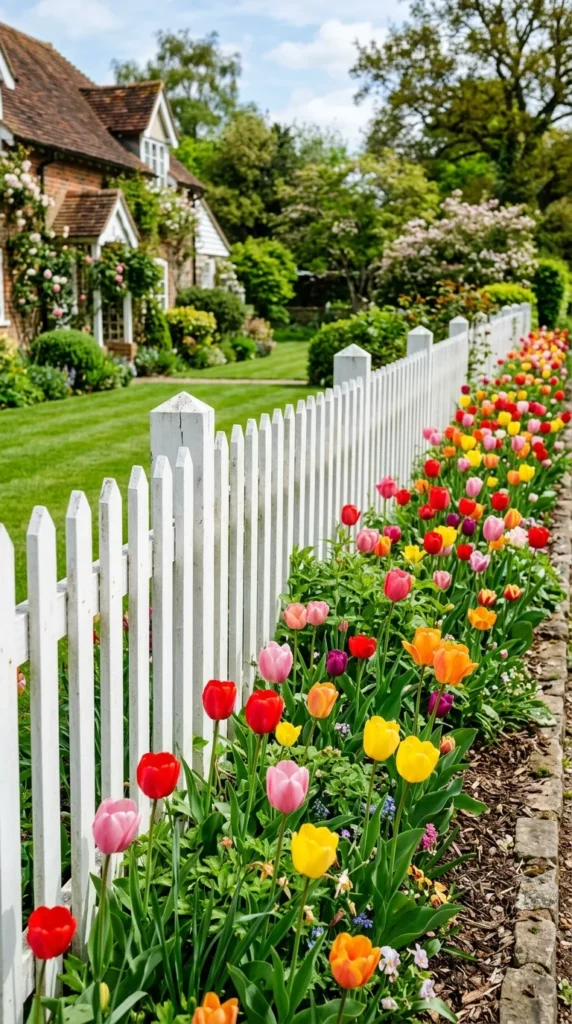
The quintessential American garden fence, the picket style is timeless and charming. It is usually low to the ground and serves more as a decorative boundary and a deterrent for small animals than a privacy screen. Building a picket fence is a great entry-level DIY project, as it involves basic measuring, cutting, and nailing slats to horizontal rails.
11. Tree Branches
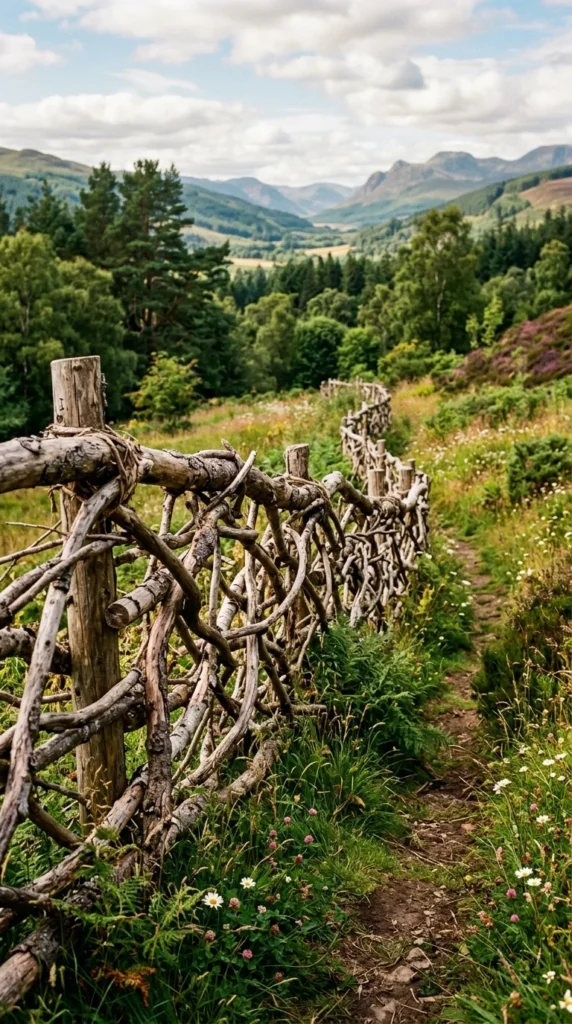
For a woodland or permaculture garden, using fallen tree branches or “slash” can create a unique and free fence. You can create a “dead hedge” by piling branches between two rows of stakes, or you can nail thicker limbs together in a “log cabin” or “zigzag” style. This provides excellent habitat for beneficial insects and birds while maintaining a completely natural look.
12. Wine Bottles
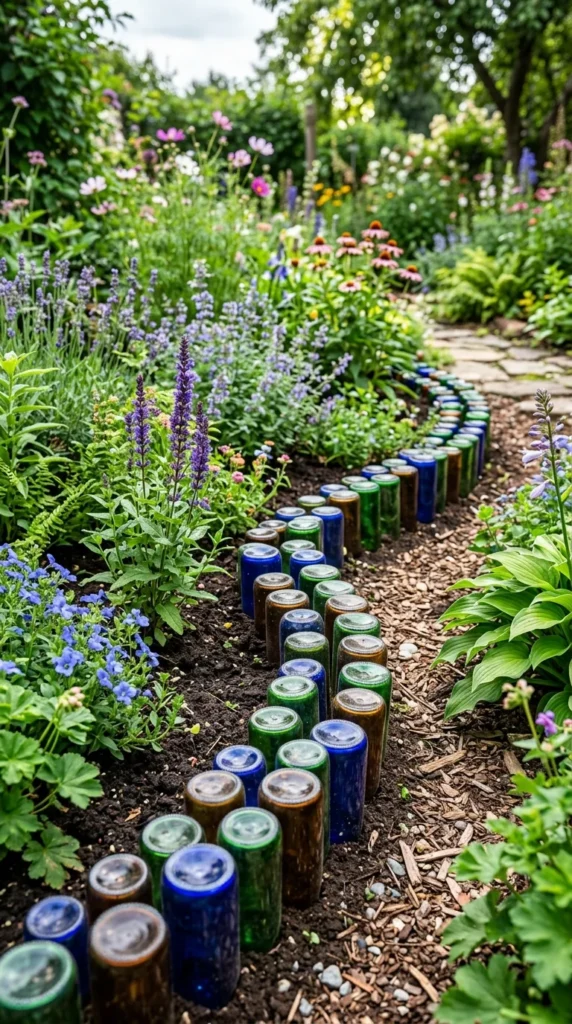
While not suitable for a tall perimeter fence, wine bottles make for an incredible decorative low border or an insert for a wooden frame. By burying them neck-down or stacking them within a frame, you can create a fence that glows when the sun hits it. It’s a colorful, upcycled way to define garden paths or flower beds.
13. Log Stacks
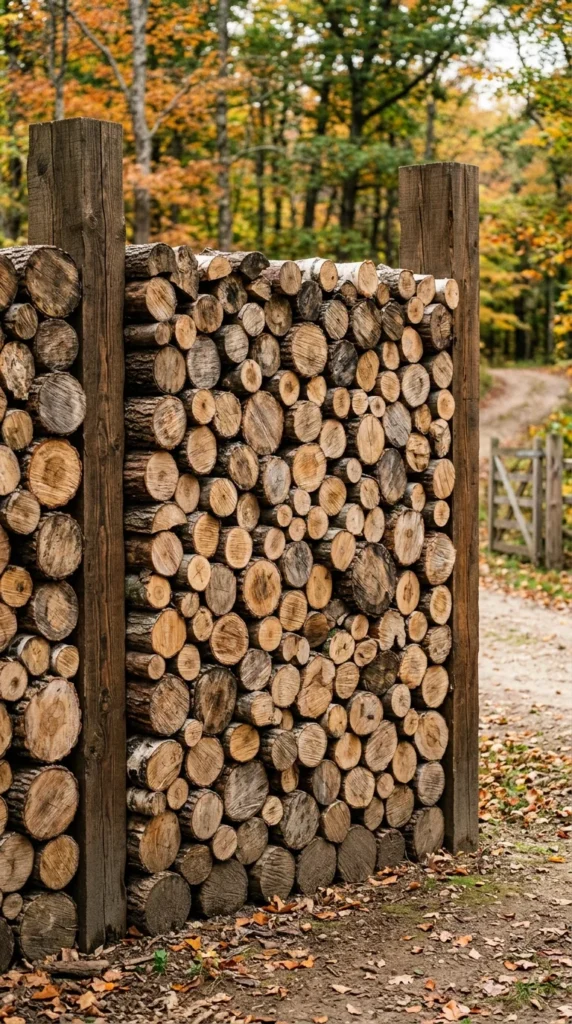
Commonly known as a “cordwood” or “staked log” fence, this design involves stacking logs or split firewood between heavy-duty posts. It is extremely sturdy and provides a massive, rustic look. Over time, the wood will weather to a beautiful silvery-grey. This type of fence also doubles as a convenient place to store firewood for your outdoor fire pit.
14. Metal Pipes
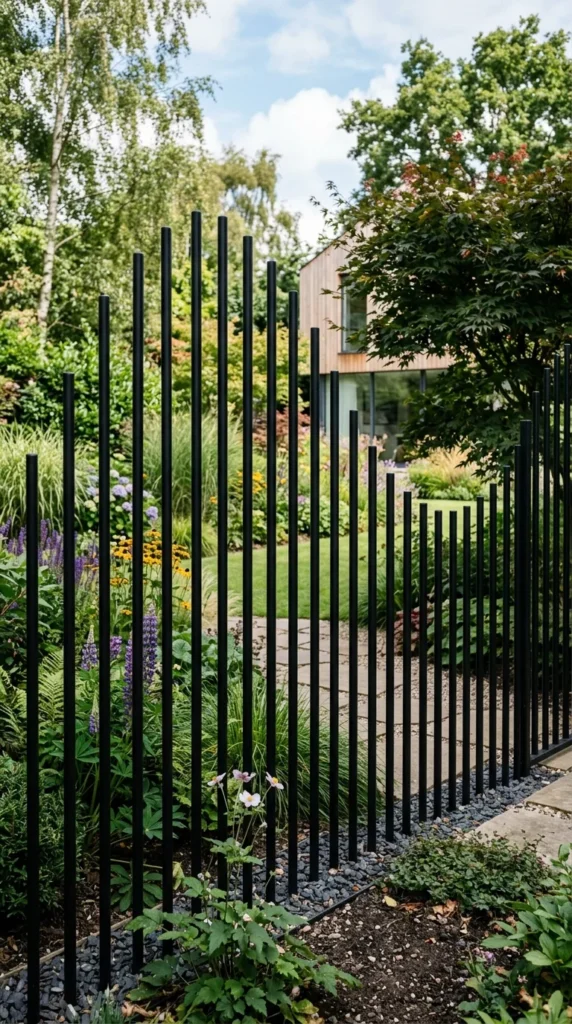
Using galvanized steel or black iron pipes creates a very durable, minimalist fence. This style is often used in modern landscapes to provide a boundary that doesn’t obstruct the view. You can run the pipes vertically for a “jailhouse” look or horizontally for a more industrial feel. It pairs exceptionally well with concrete and minimalist greenery.
15. Shutter Panels
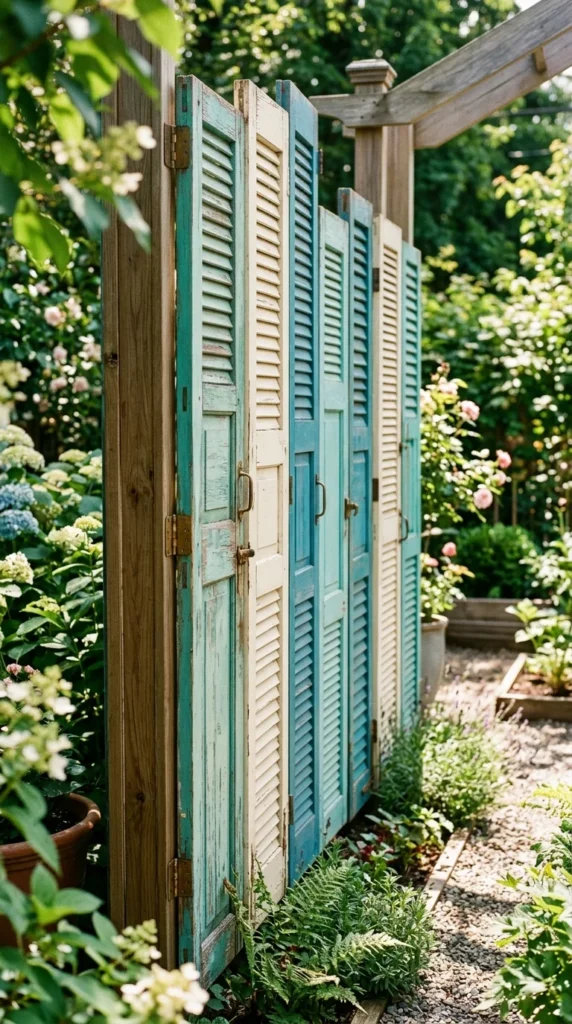
Repurposed window shutters offer a unique texture that standard wood slats cannot match. The louvers on the shutters allow for airflow while still obscuring the view from the outside. Like the door fence, this is an excellent way to use salvaged materials. Painting them in a cohesive color palette can tie the whole garden design together.
16. Wire Mesh
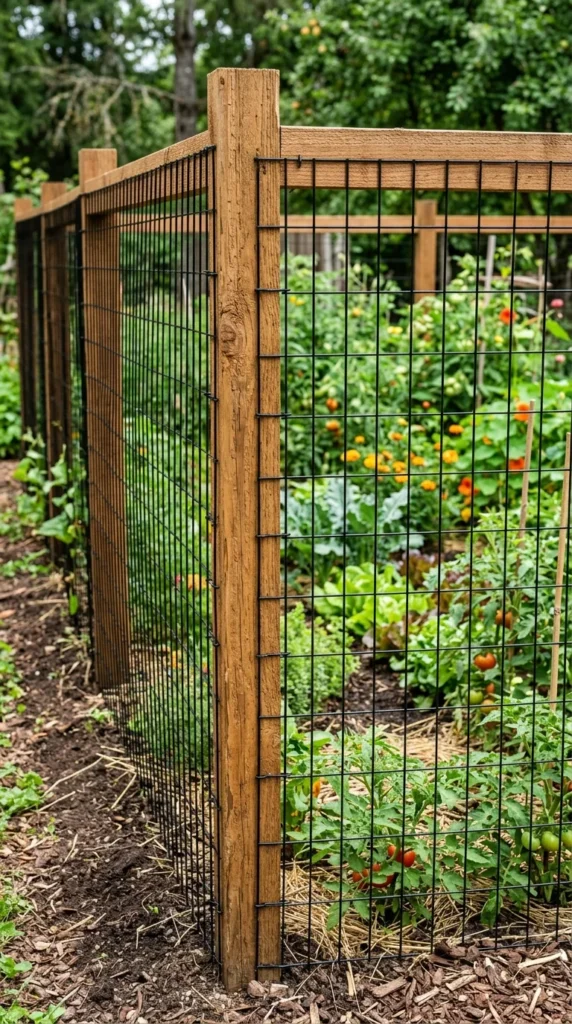
If your primary goal is to keep out rabbits or deer without blocking your view of the surrounding landscape, wire mesh is the way to go. Using “hog wire” or “chicken wire” framed with nice lumber creates a “California style” fence that is both functional and aesthetically pleasing. It’s nearly invisible from a distance, allowing your garden to feel connected to the rest of the yard.
17. Rope & Post
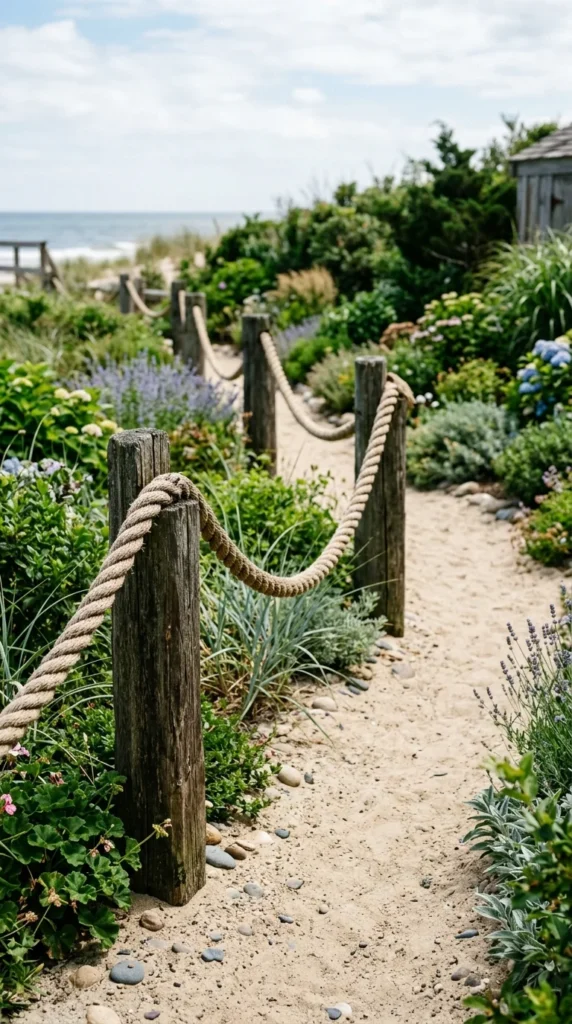
For a coastal or nautical-themed garden, a rope and post fence is a simple and elegant solution. It won’t keep out animals or provide privacy, but it is excellent for defining walkways or edges near water features. Using thick manila rope and sturdy wooden posts provides a relaxed, breezy atmosphere.
18. Stone Walls
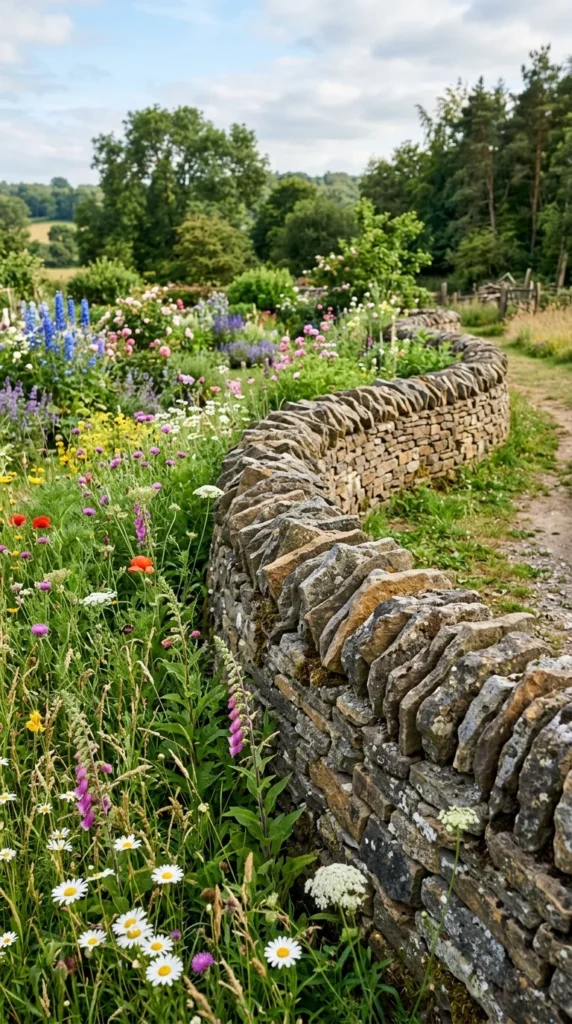
Dry-stack stone walls are a labor of love but last for generations. No mortar is needed; instead, the stones are carefully fitted together like a puzzle. This is a perfect DIY project for those with access to natural stone on their property. Stone walls provide a sense of permanence and history that no other material can match.
19. Cedar Planks
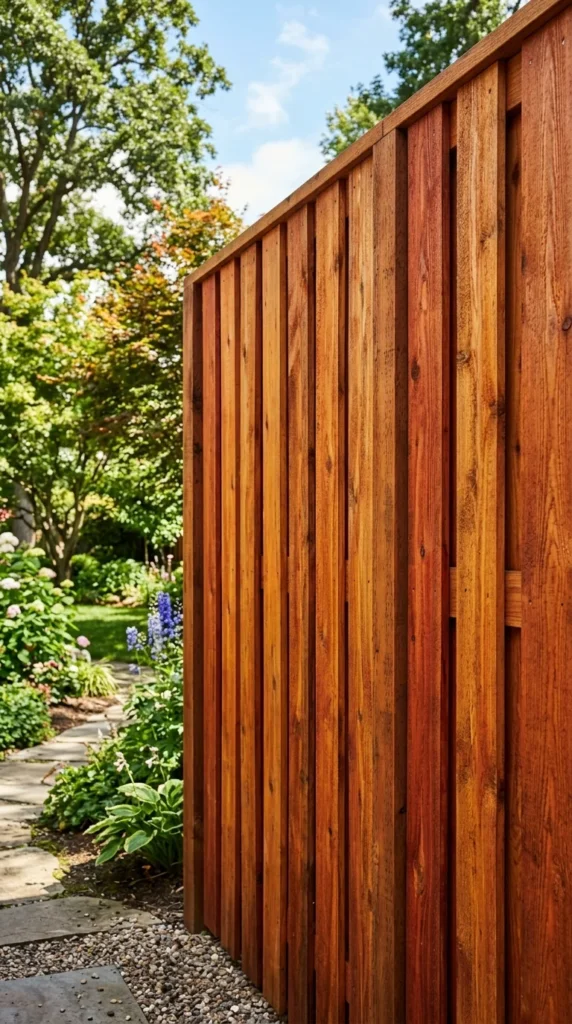
Cedar is the gold standard for wooden fencing because it is naturally resistant to rot, decay, and insects. A simple vertical plank fence made of cedar is durable and smells wonderful. As it ages, it turns a soft grey, or it can be treated with oil to maintain its vibrant reddish-brown color.
20. Upcycled Windows
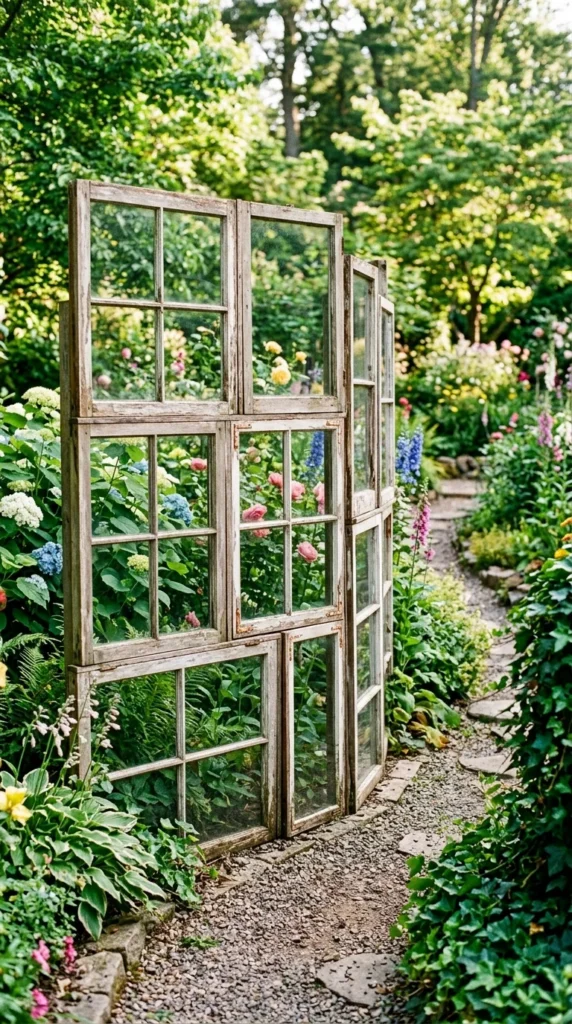
Using old window frames can create a stunning, “greenhouse-style” fence. This is particularly effective for interior garden dividers or windbreaks. The glass allows you to see through to different parts of the garden while still providing a physical barrier. Note: Use tempered glass or ensure they are placed in low-traffic areas for safety.
21. PVC Piping
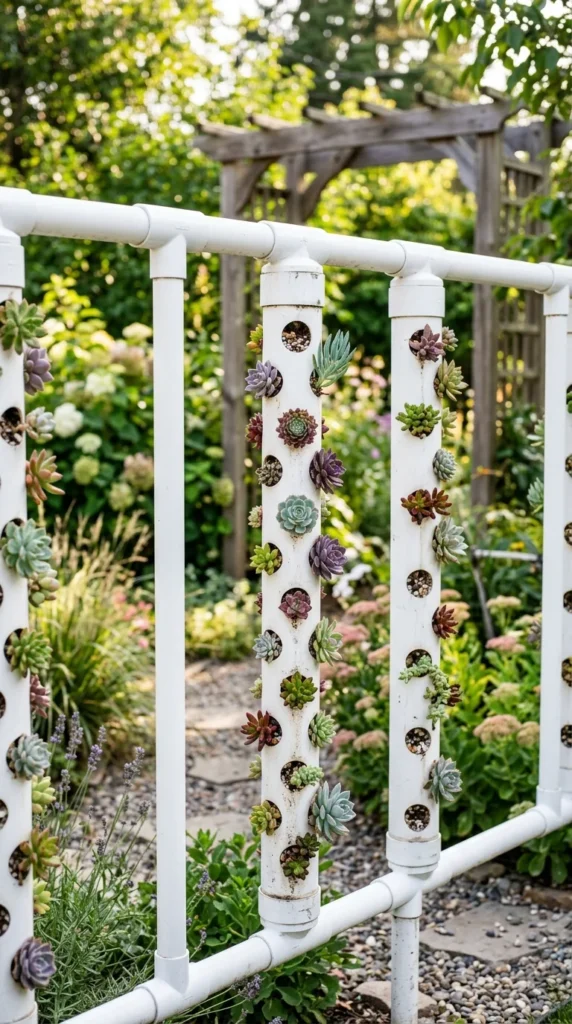
PVC is affordable, weather-resistant, and easy to work with. While a standard PVC fence can look a bit “plastic,” a DIY approach can make it interesting. Some gardeners use vertical PVC pipes as a “living wall” by cutting holes in them and planting strawberries or herbs, creating a fence that is also a vertical garden.
22. Decorative Iron
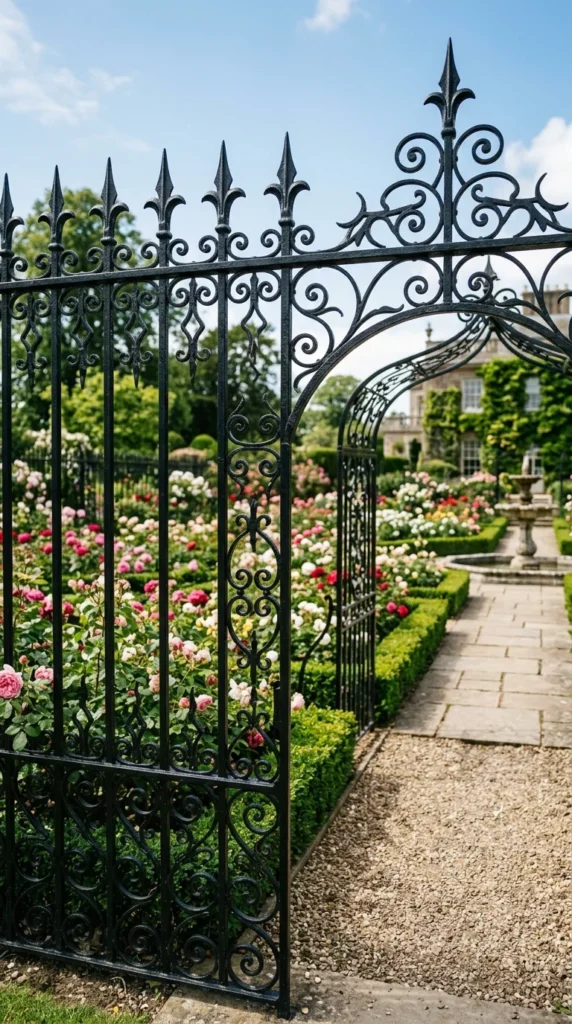
While traditionally forged by blacksmiths, you can find decorative iron panels at salvage yards or home improvement stores. Incorporating these into a DIY project—perhaps by framing them with wood or stone—adds a touch of elegance and old-world charm to your garden entrance or perimeter.
23. Living Willow
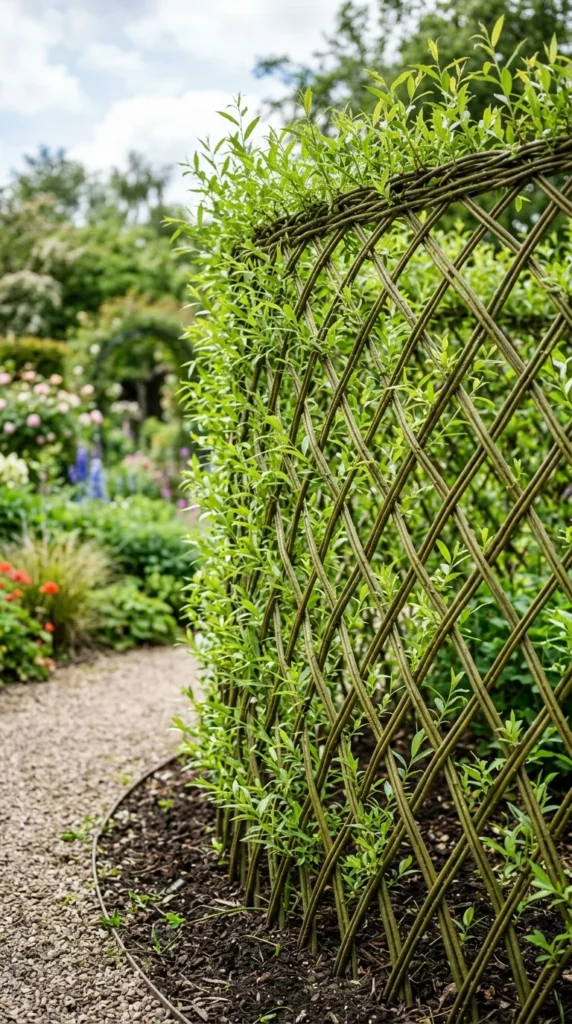
A “fedge” (fence-hedge) is created by planting live willow rods directly into the ground and weaving them together. Because willow roots easily, the fence actually grows and becomes a living, breathing structure. It turns green in the spring and summer and provides a sturdy, flexible barrier that evolves every year.
24. Geometric Wood
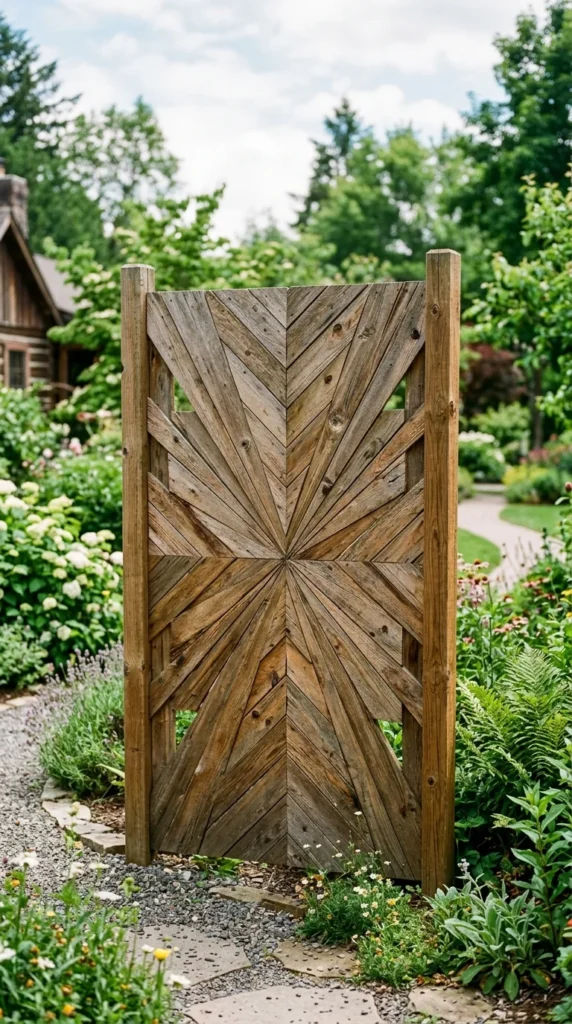
If you want your fence to be a piece of art, consider a geometric design. By cutting wood slats at various angles and arranging them in chevrons, diamonds, or sunburst patterns, you can create a high-impact focal point. This requires more precise measuring and cutting but results in a truly custom look.
25. Concrete Blocks
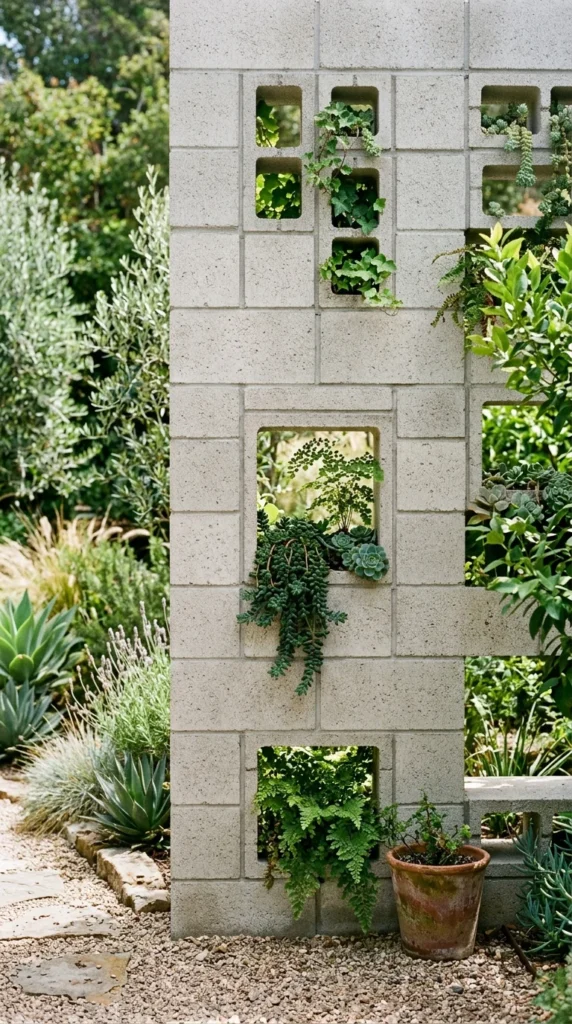
Concrete or cinder blocks can be stacked to create a very modern, brutalist-style garden fence. By staggering the blocks or turning some on their sides to show the hollow cores, you can create “pockets” for succulents or small flowers. Painting the blocks or applying a thin stucco coat can give them a high-end, architectural finish.