Vertical gardening is the ultimate solution for urban dwellers, apartment renters, and homeowners with limited outdoor space. By shifting your perspective from the ground to the walls, you can transform bare surfaces into lush, oxygen-producing ecosystems. Whether you want to grow your own herbs, brighten a dark corner with ferns, or create a “living wall” of succulents, these 25 DIY ideas offer creative and cost-effective ways to garden upwards.
1. Wooden Pallets
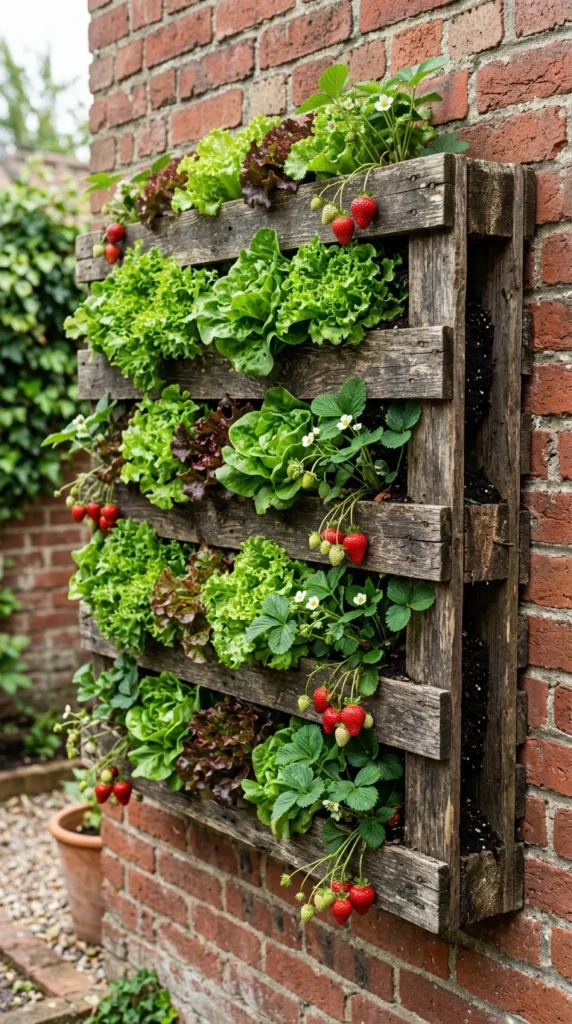
The wooden pallet is the quintessential DIY vertical garden base. It is affordable, often free, and provides a sturdy framework for numerous plants. To build one, ensure the pallet is heat-treated (marked “HT”) rather than chemically treated. You can staple landscape fabric to the back and bottom of the slats to create “pockets” for the soil. This setup is particularly effective for trailing plants like ivy or low-profile vegetables like kale and spinach.
2. Mason Jars
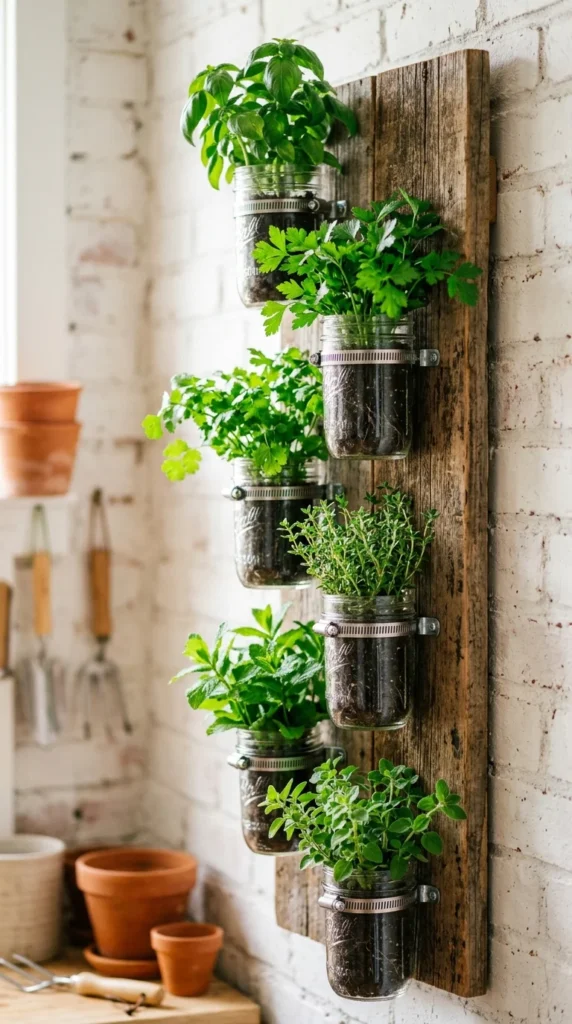
Mason jars offer a rustic, farmhouse aesthetic that works perfectly in kitchens. By using stainless steel hose clamps to mount the jars onto a piece of wood, you create a space-saving herb garden. Since mason jars don’t have drainage holes, it is crucial to add a layer of pebbles or charcoal at the bottom to prevent root rot. This vertical setup keeps your favorite cooking herbs within arm’s reach while freeing up precious counter space.
3. Rain Gutters
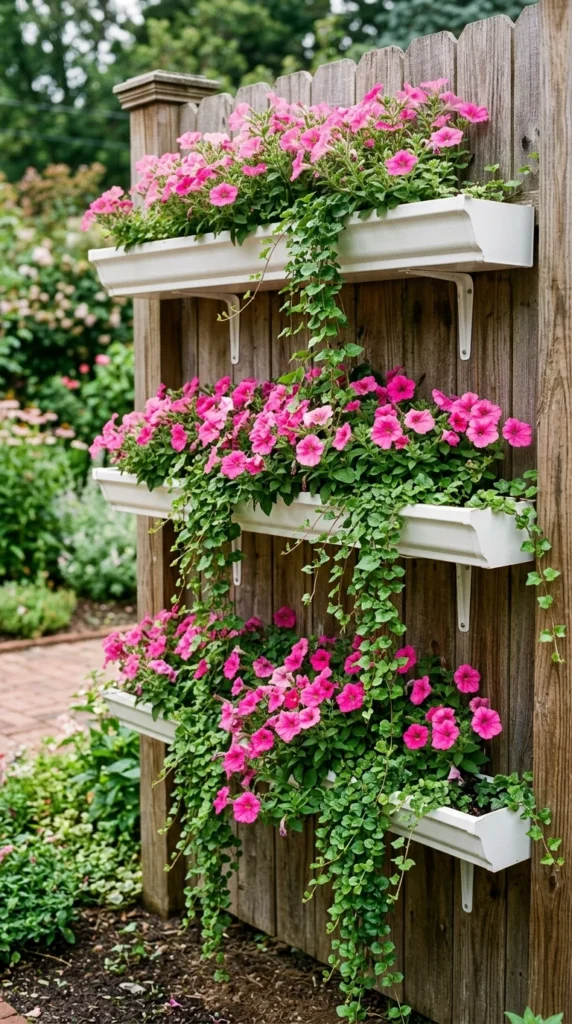
Vinyl or aluminum rain gutters are surprisingly effective planters. When mounted in tiers on a wall or fence, they provide long, narrow channels perfect for shallow-rooted plants. Strawberries, lettuce, and microgreens thrive in this environment. Ensure you drill small drainage holes at the bottom and cap the ends of the gutters to keep the soil contained. This method is incredibly lightweight and easy to install.
4. Shoe Organizers
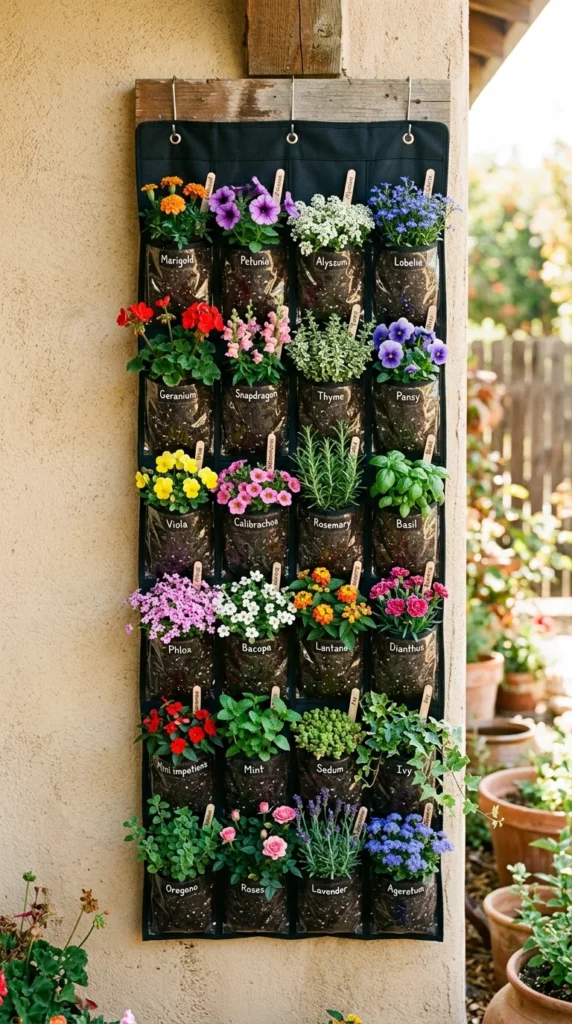
The hanging pocket shoe organizer is one of the most budget-friendly ways to start a vertical garden. Made of breathable fabric or canvas, these organizers allow for excellent aeration. Each pocket serves as an individual “pot,” making it easy to organize a diverse range of plants. It is an ideal choice for a balcony or a small porch, as it can be easily moved or taken down during extreme weather.
5. Succulent Frames
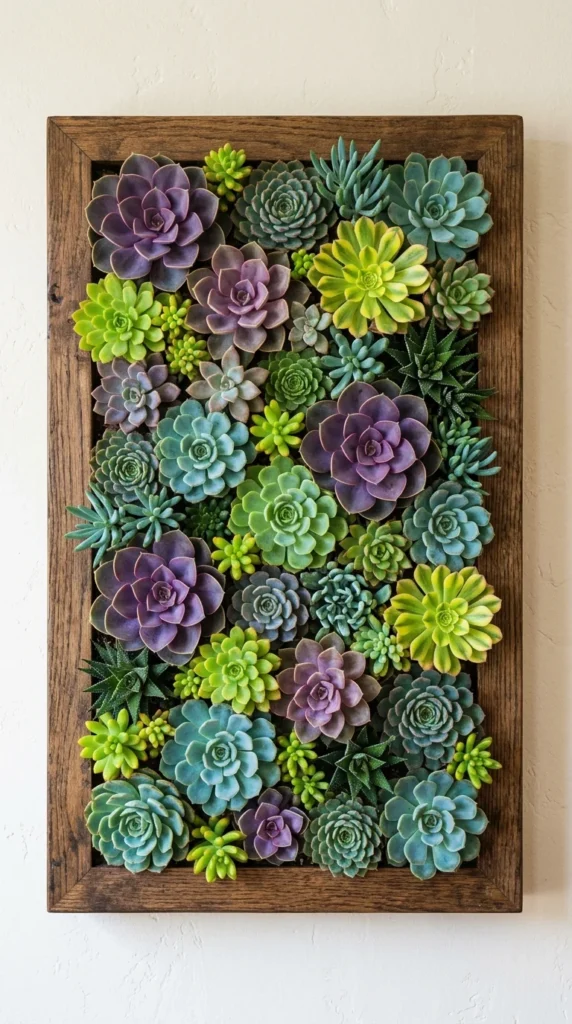
Often called “living pictures,” succulent frames are a sophisticated way to incorporate nature into your decor. A shadow box frame is fitted with a wire mesh and filled with a specialized succulent soil mix. Because succulents require very little water and have shallow roots, they can live for years in this vertical arrangement. This project is perfect for indoor walls that receive bright, indirect light.
6. PVC Pipes
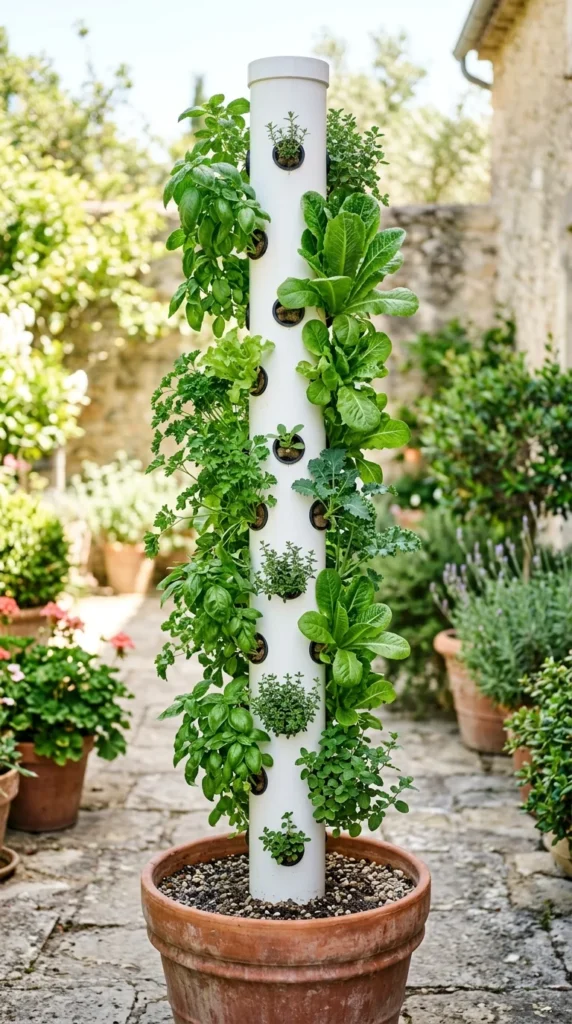
PVC pipes can be transformed into high-efficiency vertical grow towers. By cutting holes into the sides and filling the center with soil (and perhaps a perforated irrigation tube), you create a 360-degree gardening surface. This is a favorite among hydroponic enthusiasts but works just as well with traditional soil. It is a great way to grow a massive amount of food in a footprint of just one square foot.
7. Hanging Tins
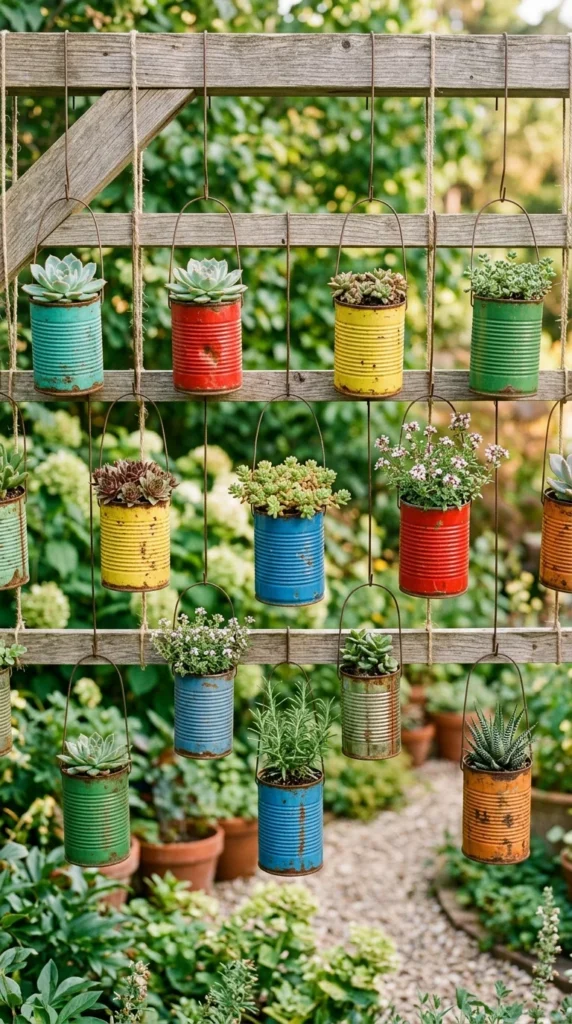
Upcycling old tin cans or tea canisters is both eco-friendly and stylish. After cleaning the cans and drilling drainage holes, you can paint them or leave them in their original metallic state for an industrial look. String them together using twine or wire and hang them from a trellis or wall hooks. This modular approach allows you to add or remove plants as the seasons change.
8. Trellis Systems
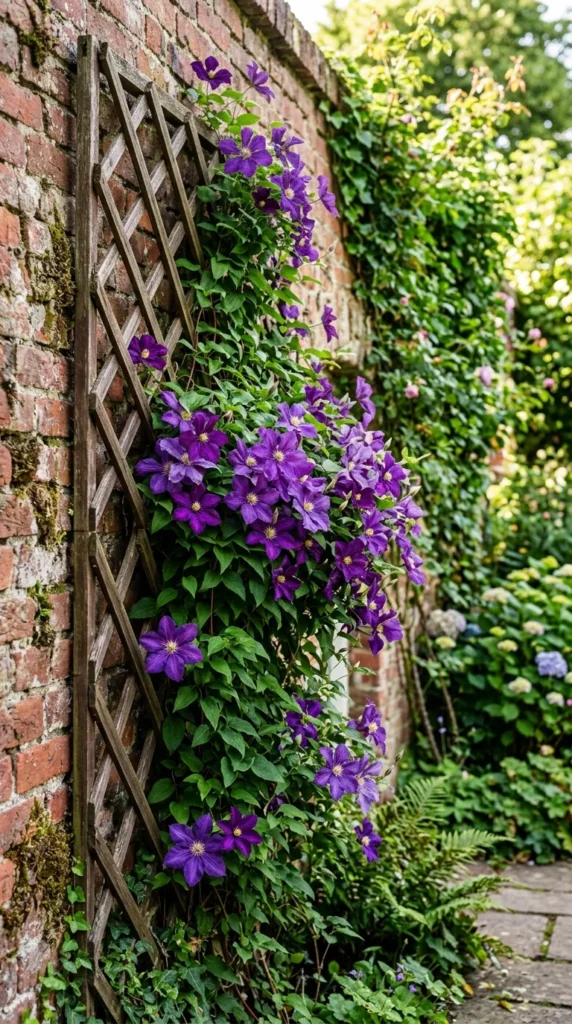
The traditional trellis remains one of the most effective ways to garden vertically. Whether made of wood, metal, or plastic, a trellis provides the necessary support for climbing plants like cucumbers, peas, and jasmine. You can mount a trellis directly to a wall or place it in a large rectangular planter. It acts as a natural privacy screen while maximizing your vertical growing area.
9. Copper Pipes
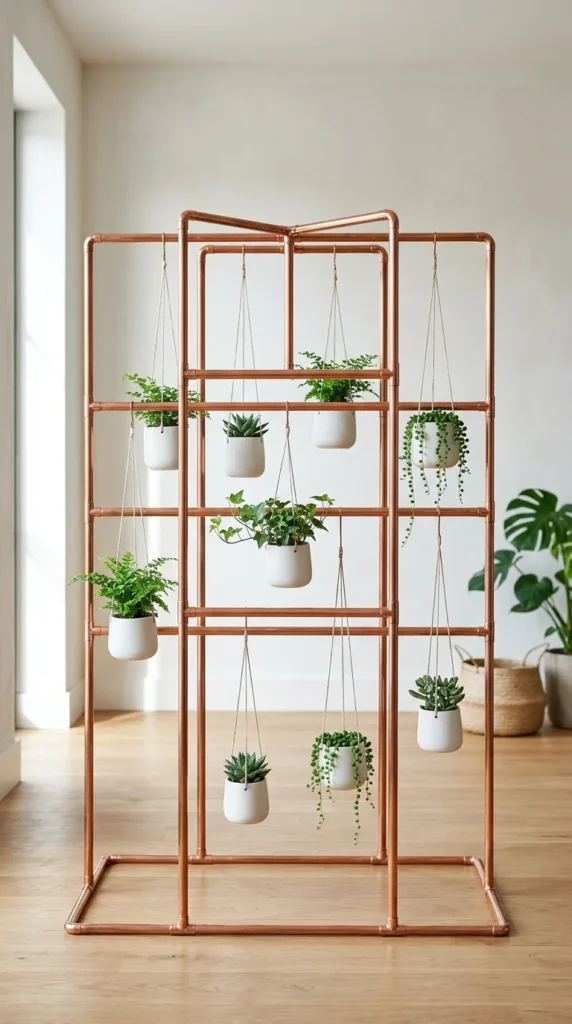
For those who prefer a modern, industrial-chic aesthetic, copper pipe structures are a perfect choice. Using standard copper plumbing pipes and elbow joints, you can create a custom-sized frame to hang pots. The warm metallic tones of the copper contrast beautifully with the vibrant greens of tropical houseplants like Pothos or Philodendrons.
10. Wood Crates
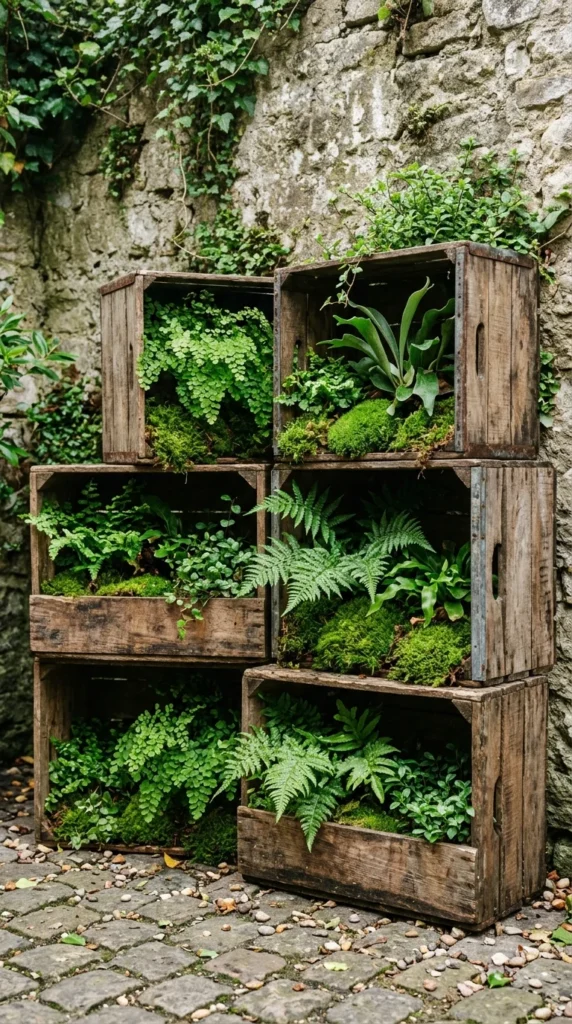
Wooden crates offer a deep planting space compared to other vertical options. By stacking them or mounting them in a staggered pattern on a wall, you create a rustic, multi-dimensional garden. Crates are excellent for larger plants that need more root room, such as dwarf tomato varieties or peppers. Lining them with plastic or coco coir liners will help protect the wood from moisture.
11. Pocket Felts
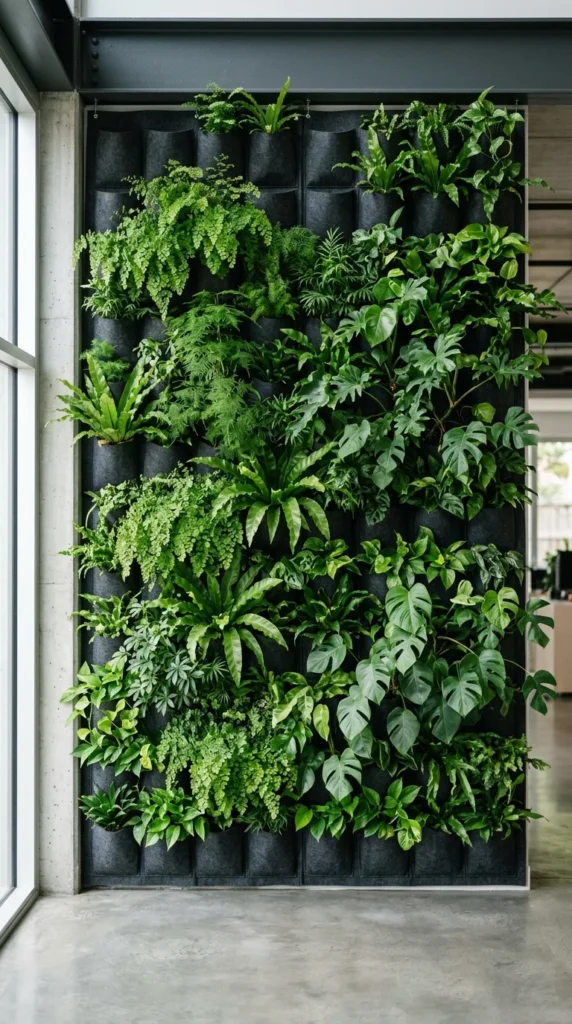
Professional-grade felt pocket systems are designed specifically for large-scale vertical gardens. The felt material is breathable and wicks moisture evenly across the root systems. These systems are often modular, allowing you to cover an entire exterior wall or a small interior accent wall. They create a seamless “jungle” look where the containers are hidden by the foliage.
12. Ladder Shelves
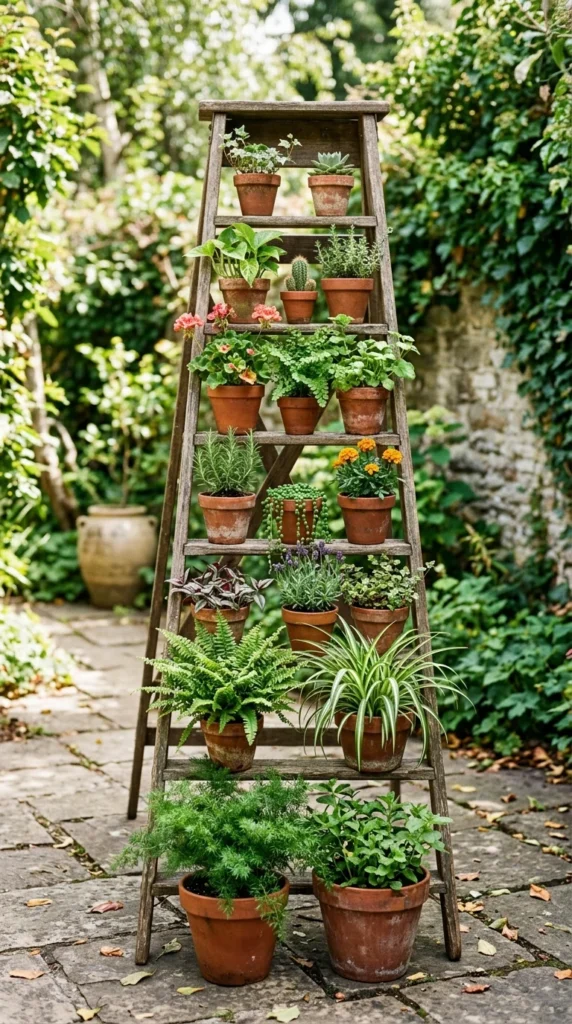
An old wooden or metal ladder is an instant multi-tiered garden. Each step provides a platform for pots of varying sizes. This is an excellent “renter-friendly” option because it doesn’t require any drilling into walls. You can lean a straight ladder against a wall or use a step ladder for a more stable, freestanding display.
13. Window Boxes
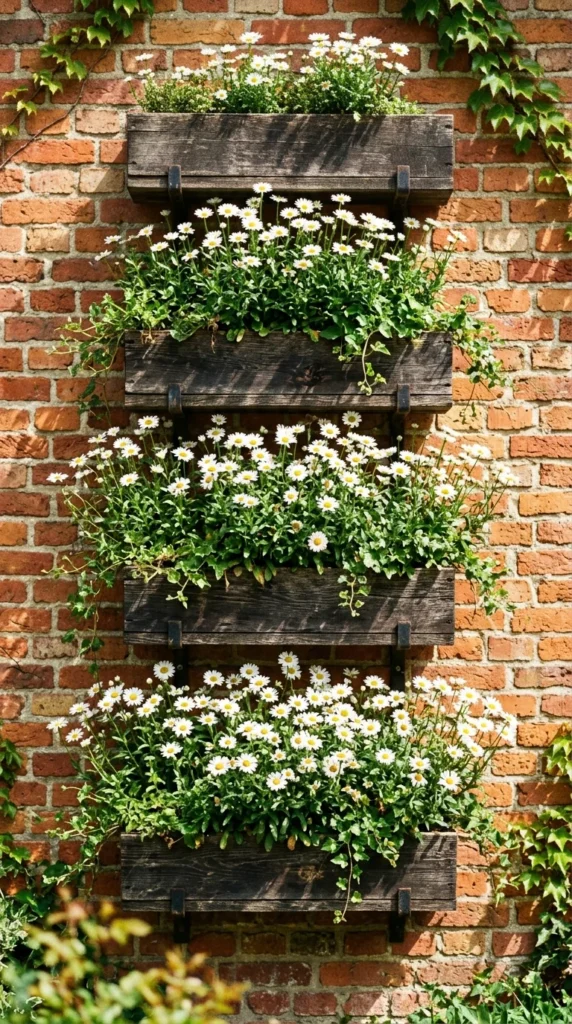
Window boxes aren’t just for windowsills. By mounting several boxes vertically on a wall, you can create a structured and high-volume garden. This is a great way to grow a “salad wall” featuring different types of lettuce, spinach, and arugula. The depth of the boxes allows for consistent moisture retention, which is vital for leafy greens.
14. Chicken Wire
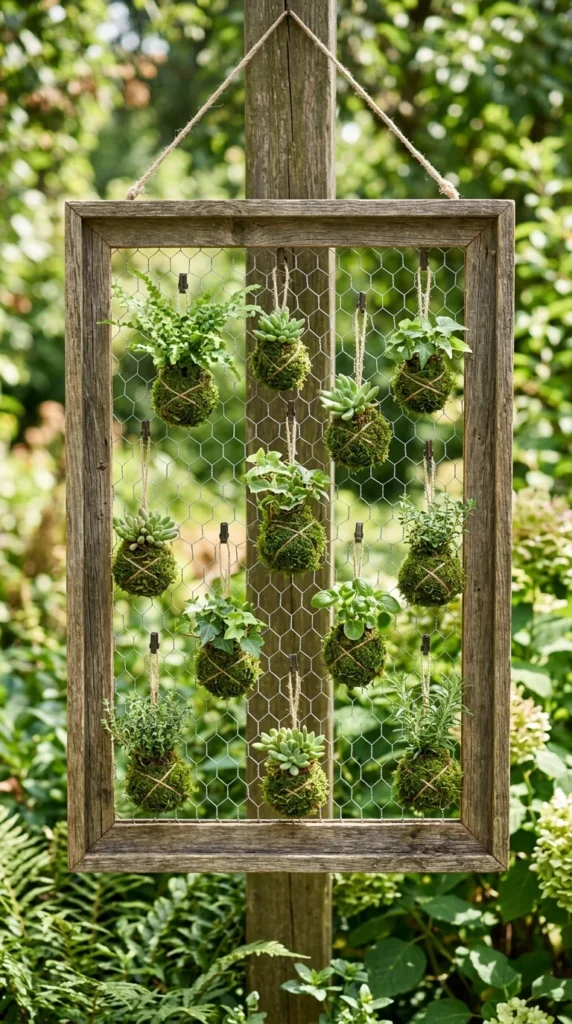
Chicken wire is a versatile and inexpensive tool for vertical gardening. You can staple it to a wooden frame and use it to hold “pockets” of moss and soil. Alternatively, it serves as a perfect grid for clipping on small pots or air plants. It provides a lightweight, airy look that doesn’t overwhelm a small space.
15. Tiered Baskets
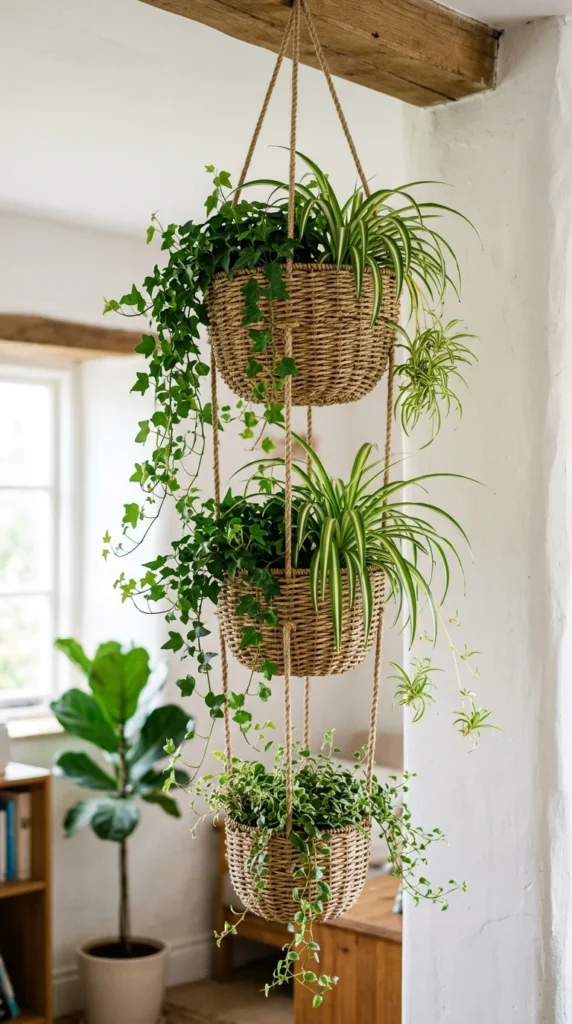
Hanging tiered baskets—often used for fruit in kitchens—can be repurposed for plants. This vertical arrangement utilizes the “dead space” in corners or from porch ceilings. Woven baskets provide a natural, bohemian vibe and look best with trailing plants that spill over the edges, creating a waterfall effect of greenery.
16. Plastic Bottles
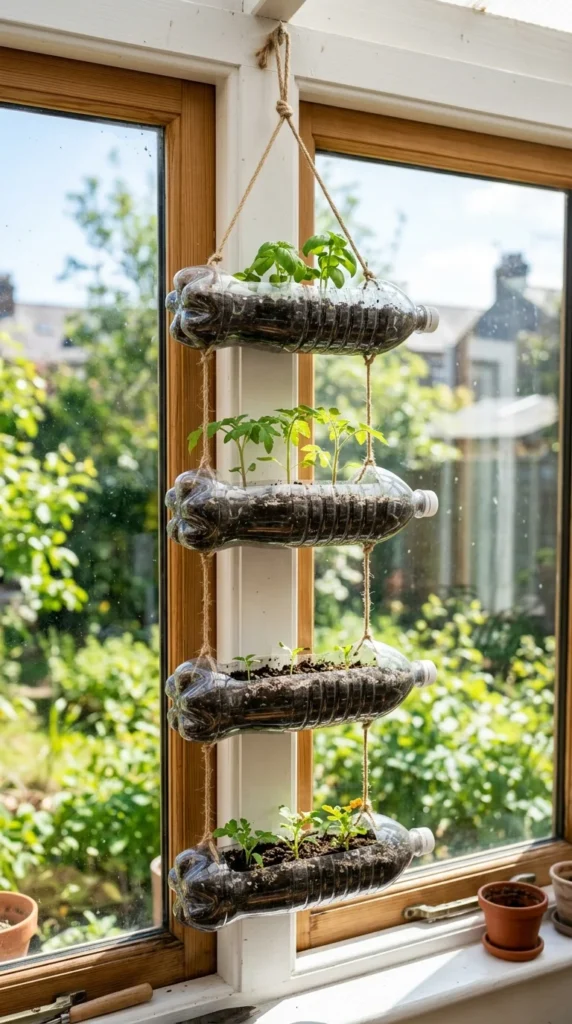
The plastic bottle garden is the ultimate sustainable DIY project. By cutting a hole in the side of a two-liter bottle and stringing them together, you create a functional hydroponic or soil-based system. This is a popular project for schools and urban community gardens because it uses readily available waste materials to produce food.
17. Mesh Fencing
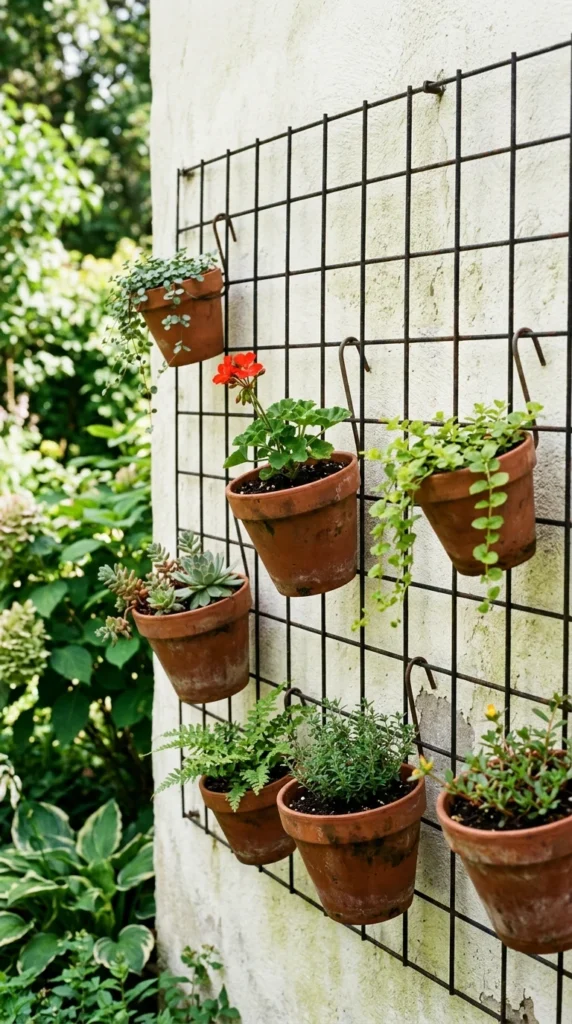
Industrial wire mesh or “remesh” (used in concrete) makes for a very sturdy vertical support. Once mounted to a wall with spacers, you can use “S” hooks or zip ties to attach pots of any size. This look is very clean and modern, allowing the focus to remain on the plants themselves rather than the structure.
18. Floating Shelves
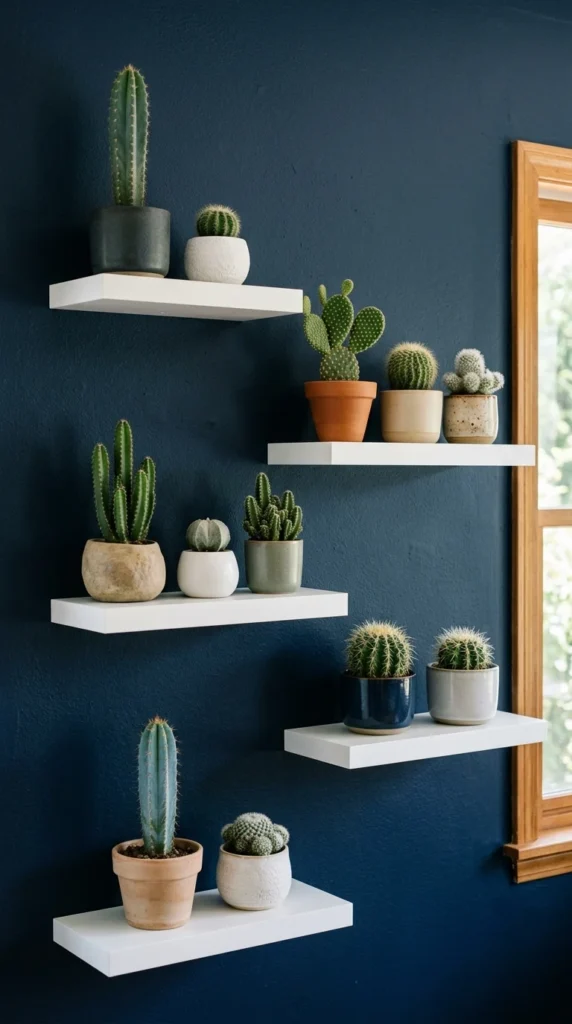
If you want a vertical garden that feels like part of your interior design, floating shelves are the way to go. By staggering the shelves at different heights, you create a dynamic visual display. This is ideal for indoor plants that require different light levels, as you can place sun-loving plants on higher shelves and shade-tolerant ones lower down.
19. Magnetic Tins
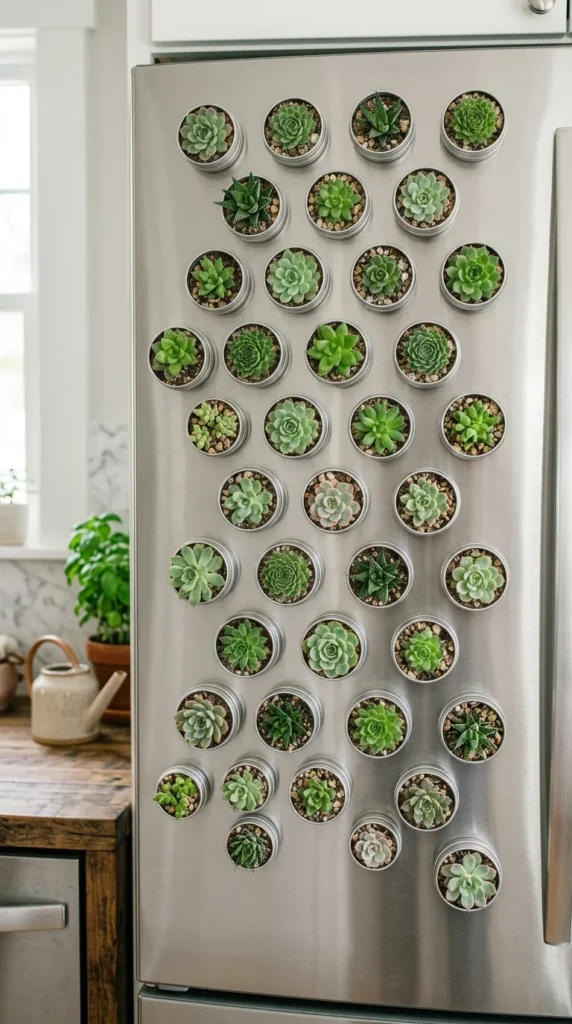
For the ultimate space-saving solution, use your refrigerator or any metal surface. Magnetic spice tins can be filled with lightweight succulents or air plants. This “micro-vertical garden” is perfect for studio apartments where every square inch of horizontal space is occupied. Just ensure the magnets are strong enough to hold the weight of the soil and water.
20. Pegboards
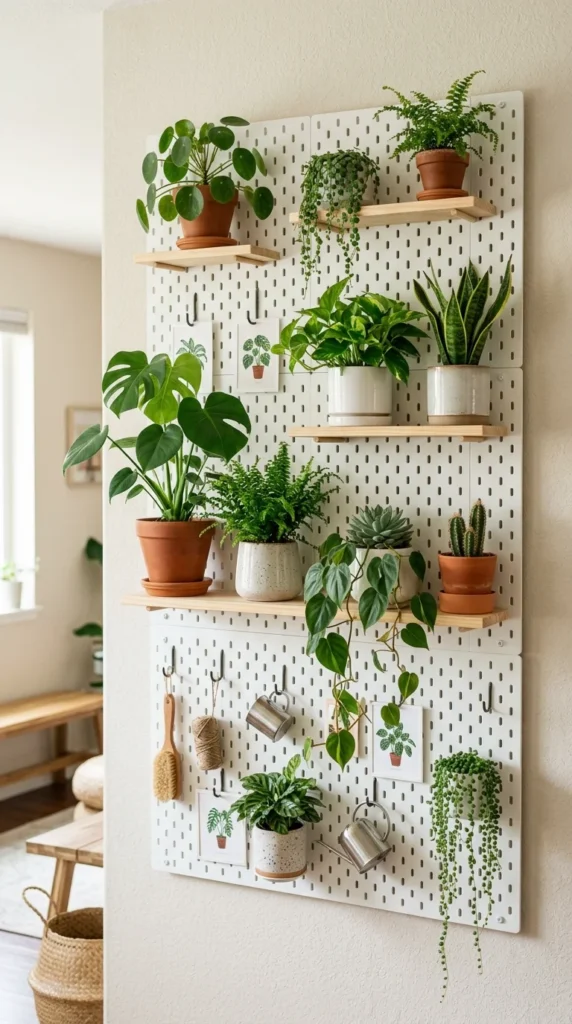
Pegboards are traditionally used for tools, but they are incredibly effective for flexible gardening. Using pegboard hooks and custom baskets, you can rearrange your plants as they grow. This is an excellent option for a “nursery” wall where you are propagating new plants and need to move them frequently to catch the light.
21. Leather Straps
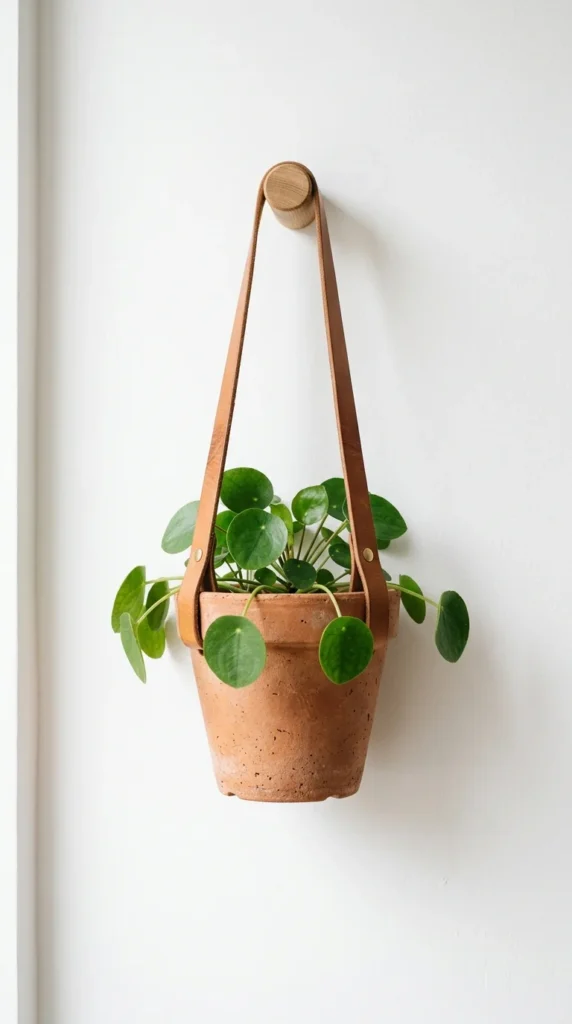
For a minimalist and high-end look, use leather straps to suspend pots. This DIY project involves securing loops of leather or heavy-duty fabric to the wall and nesting the pots within them. It provides a very clean, Scandinavian aesthetic and is perfect for accentuating a few “hero” plants in a room.
22. Industrial Pipes
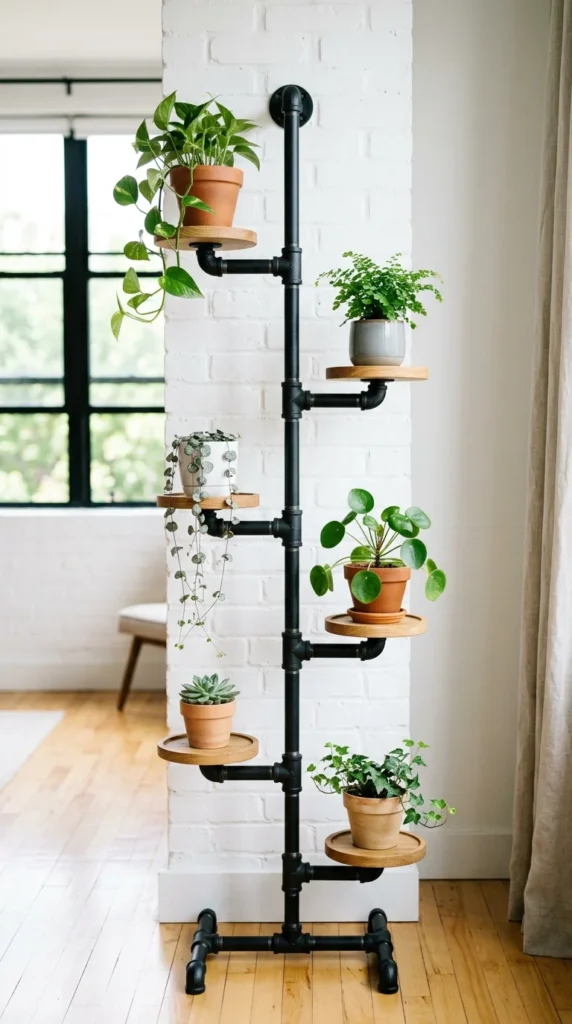
Using black iron pipes and fittings allows you to build a heavy-duty vertical garden that can support significant weight. This is ideal for heavy ceramic pots or larger plants. The dark metal creates a stark contrast against green foliage, making it a favorite for industrial-style lofts and modern patios.
23. Bamboo Trellis
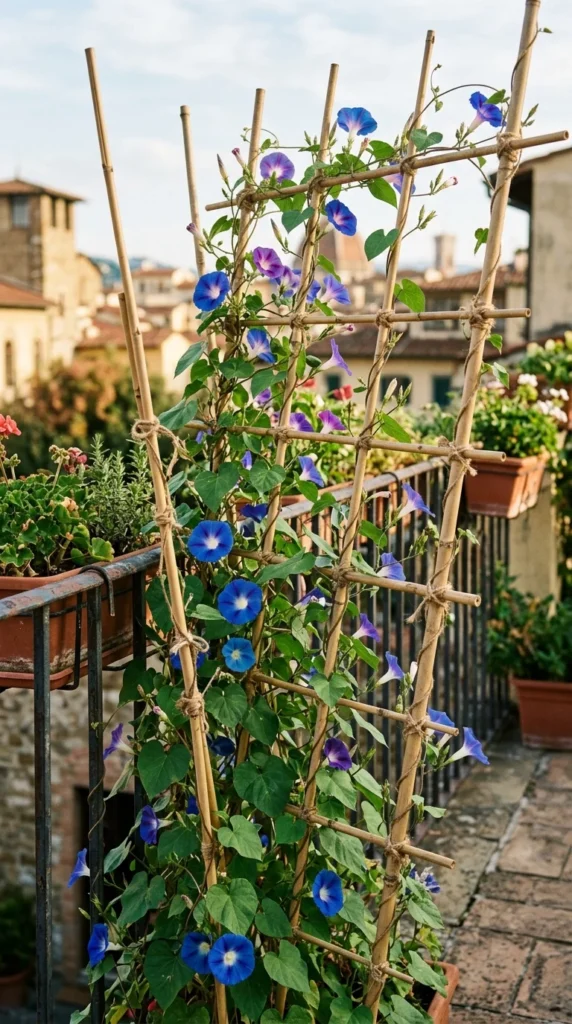
Bamboo is a sustainable, lightweight material that is easy to work with. You can lash bamboo poles together to create a customized grid for climbing plants. This is particularly useful on balconies where you want to add height without adding a lot of weight. Bamboo is also naturally rot-resistant, making it perfect for outdoor use.
24. Cattle Panels
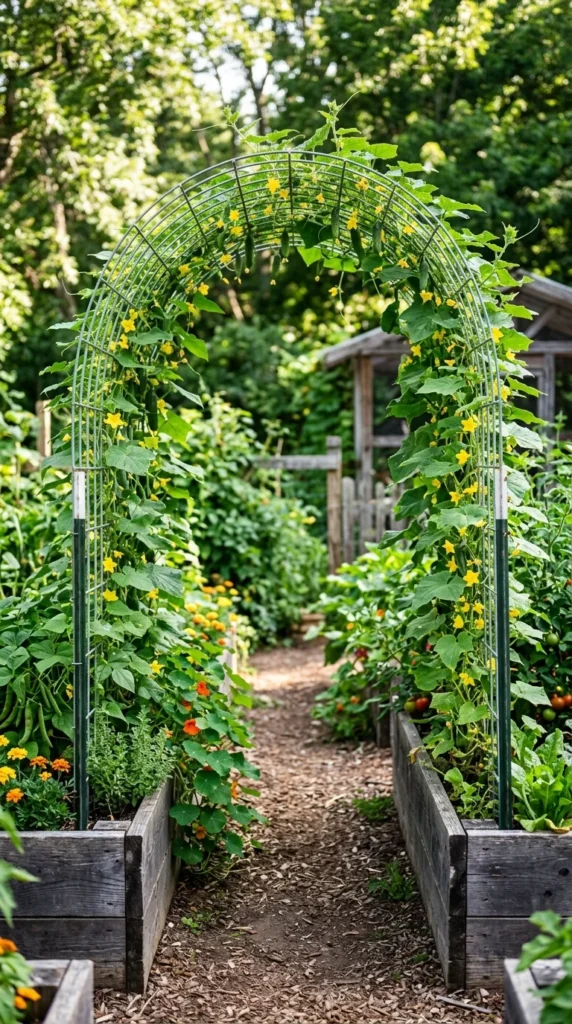
For those with a bit more outdoor space, a cattle panel (a heavy-duty wire mesh) can be used to create a vertical arch or a flat wall. These panels are incredibly strong and can support heavy crops like squash, melons, or heavy flowering vines like wisteria. They provide a massive amount of vertical surface area while keeping the fruit off the ground.
25. Clay Pot Hangers
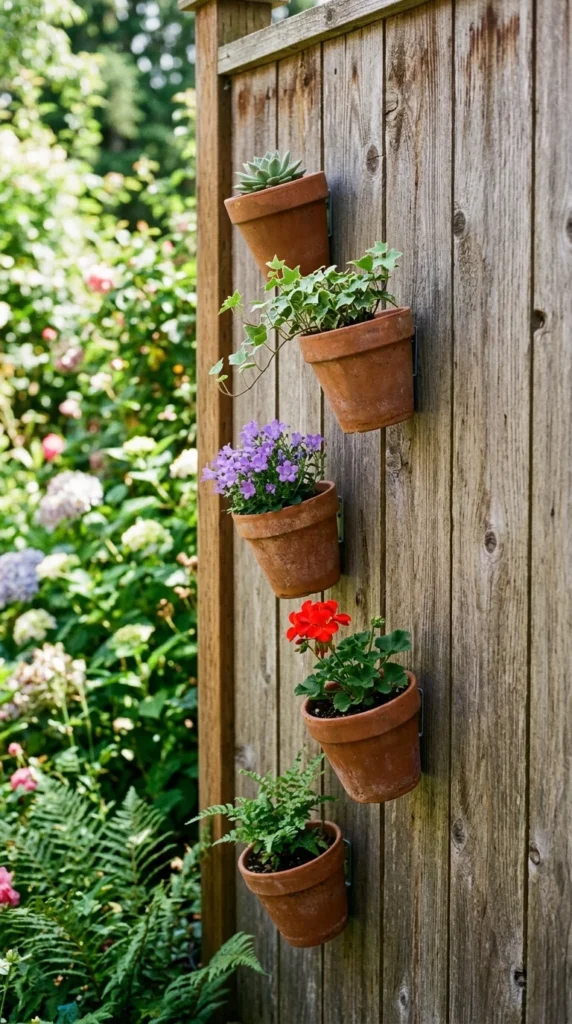
Specialized metal clips can be screwed into a wall or fence to grip the rim of standard terracotta pots. This creates a “floating” effect and allows you to create patterns on your wall. You can arrange the pots in a grid, a circle, or a random scatter. This is a timeless look that works well in both traditional and modern garden settings.