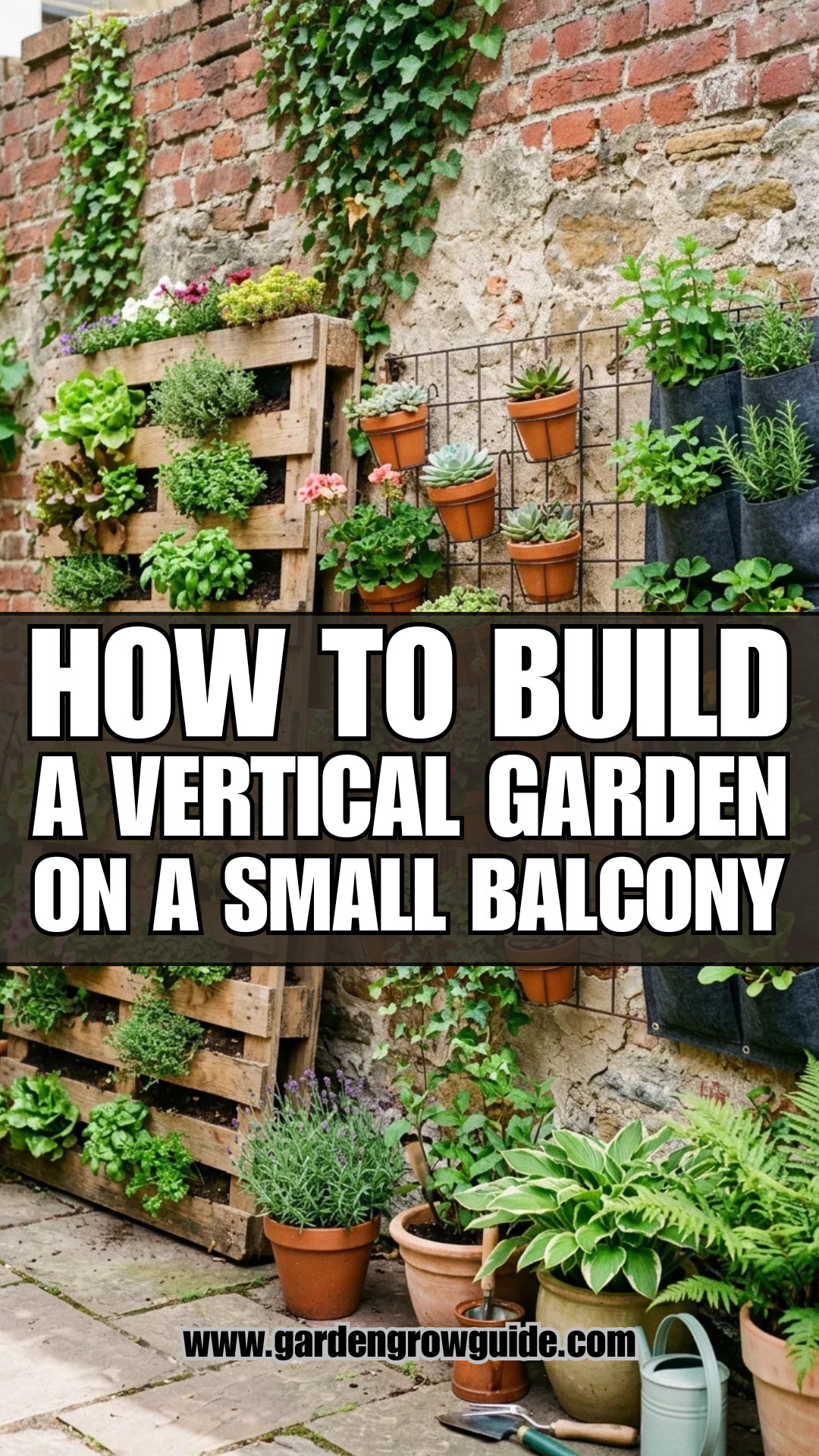
Living in an urban environment often means sacrificing a traditional backyard for a compact balcony. However, a lack of horizontal square footage does not mean you have to give up your dreams of a lush, green sanctuary. Vertical gardening is the transformative solution that allows city dwellers to grow everything from decorative flora to edible harvests by utilizing the “Z-axis”—the wall space and height of your outdoor area.
Building a vertical garden on a small balcony requires careful planning, the right equipment, and an understanding of your microclimate. By shifting your perspective from the floor to the walls and railings, you can create a private oasis that provides shade, improves air quality, and offers a sense of tranquility amidst the concrete jungle.
1. Assessment
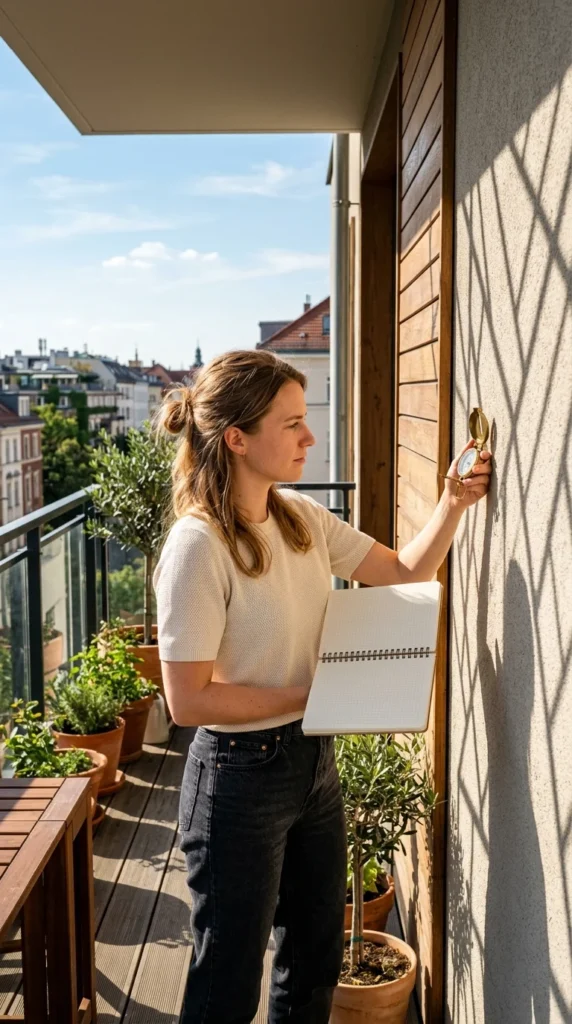
Before purchasing a single pot, you must understand the environment of your balcony. Every balcony has a microclimate influenced by its orientation (North, South, East, or West), wind exposure, and the height of the building.
- Sunlight Exposure: Observe your balcony throughout the day. “Full sun” means at least six hours of direct sunlight. Most vegetables and flowering plants require this. If your balcony is shaded by other buildings, you will need to focus on shade-tolerant plants like ferns or hostas.
- Weight Capacity: Soil and water are heavy. Check your building’s regulations or consult a professional to ensure your balcony can handle the added load of multiple large planters.
- Wind Conditions: Higher floors often experience intense wind. This can dry out plants rapidly or even knock over unstable structures. Choose sturdy, heavy-based supports or secure your garden directly to the wall.
- Water Access: Consider how you will water your plants. If you don’t have an outdoor tap, you’ll be carrying watering cans from the kitchen. This might influence how many plants you choose to maintain.
2. Structures
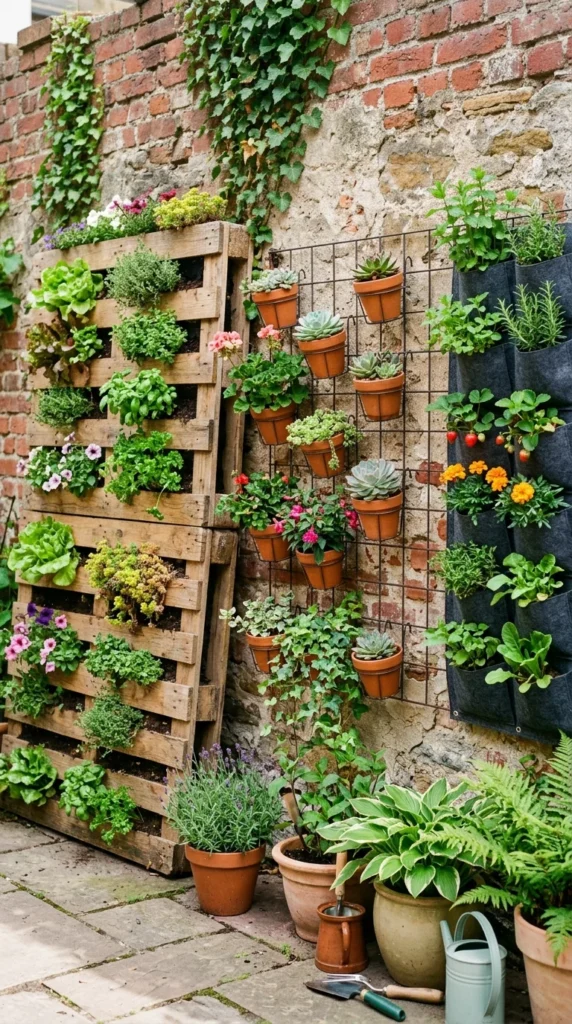
The “skeleton” of your garden determines its aesthetic and functionality. There are several popular methods for going vertical, depending on your DIY skills and budget.
- Pocket Planters: These are made of breathable felt or heavy-duty fabric and hang like a shoe organizer. They are excellent for herbs and small succulents as they provide great aeration for roots.
- Trellises and Arbors: If you want to grow climbing plants like jasmine, ivy, or peas, a trellis is essential. These can be anchored to the wall or placed in large, heavy floor pots.
- Shelving Units: Simple weather-resistant shelving (like powder-coated metal or treated wood) allows you to stack traditional pots vertically. This is the most flexible option as you can move pots around easily.
- Repurposed Pallets: For a rustic look, a heat-treated wooden pallet can be converted into a planter. Ensure the wood is “HT” (Heat Treated) rather than chemically treated to keep your plants safe.
- Railing Planters: These utilize the perimeter of your balcony, freeing up wall and floor space. Ensure they are securely fastened to prevent them from falling in high winds.
3. Plants
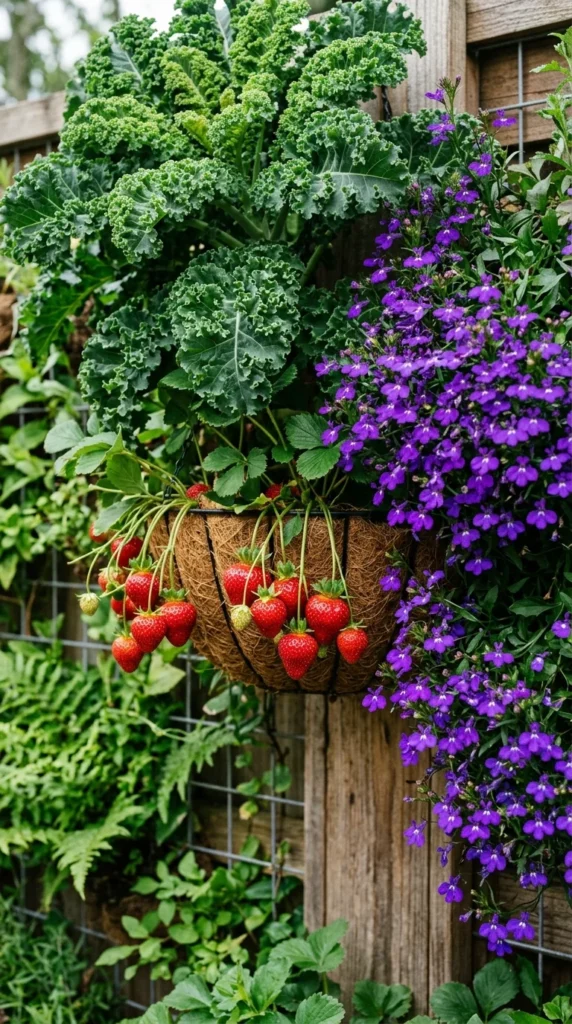
Choosing the right plants is the difference between a thriving garden and a frustrating hobby. In a vertical setup, you need to consider the growth habit of each species.
- Trailing Plants: Species like Creeping Jenny, String of Pearls, or Sweet Potato Vine look stunning as they spill over the edges of higher containers, creating a “waterfall” effect.
- Edibles: Herbs such as basil, mint, chives, and parsley thrive in vertical pockets. If you have enough sun, “bush” varieties of tomatoes and cucumbers can also be trained to grow upward or hang down.
- Flowering Annuals: For a pop of color, petunias, fuchsias, and geraniums are reliable choices that adapt well to container life.
- Succulents: If you have a very sunny balcony and tend to forget to water, succulents are ideal. They have shallow root systems that fit perfectly into small vertical modules.
4. Soil
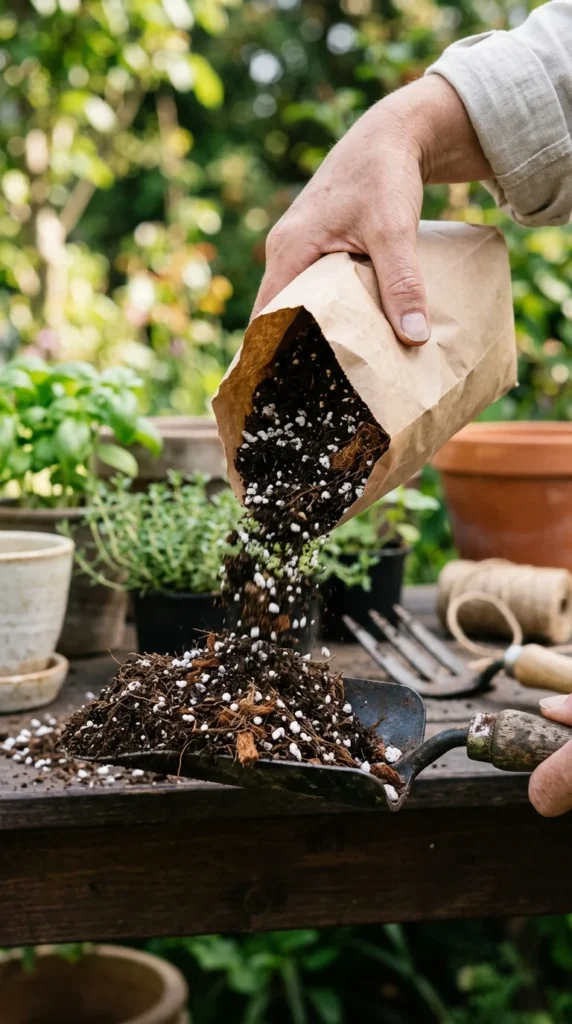
Vertical gardens have unique drainage and weight requirements. You cannot use standard garden soil from the ground; it is too heavy, compacts easily, and may contain pests or pathogens.
- Lightweight Potting Mix: Look for mixes containing peat moss, coconut coir, and perlite. These materials retain moisture without becoming overly heavy and allow for essential air circulation around the roots.
- Nutrient Retention: Because vertical containers are often small, nutrients wash out quickly during watering. Mixing in a slow-release organic fertilizer at the start of the season will give your plants a steady food supply.
- Water-Retentive Crystals: In very windy or hot locations, adding water-absorbent polymers can help keep the soil moist for longer periods, reducing the frequency of watering.
5. Irrigation
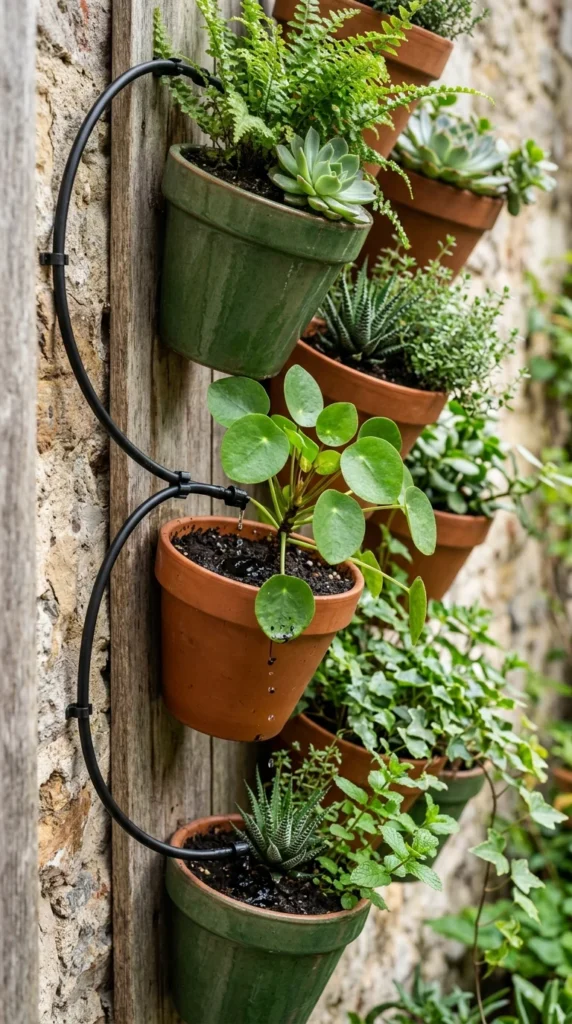
Watering a vertical garden can be tricky. Gravity causes water to flow from the top containers to the bottom ones, which can lead to the top drying out while the bottom becomes waterlogged.
- Manual Watering: If you choose to water by hand, use a watering can with a long, narrow spout to reach higher tiers without splashing soil everywhere. Always water the top rows first and check the bottom rows before adding more.
- Drip Irrigation: For a more automated approach, small-scale drip irrigation kits can be connected to an outdoor tap or even a gravity-fed water reservoir. These systems deliver water directly to the roots of each plant.
- Self-Watering Pots: These containers feature a reservoir at the base that allows the plant to “wick” up water as needed. This is a game-changer for high-maintenance plants on a breezy balcony.
6. Maintenance
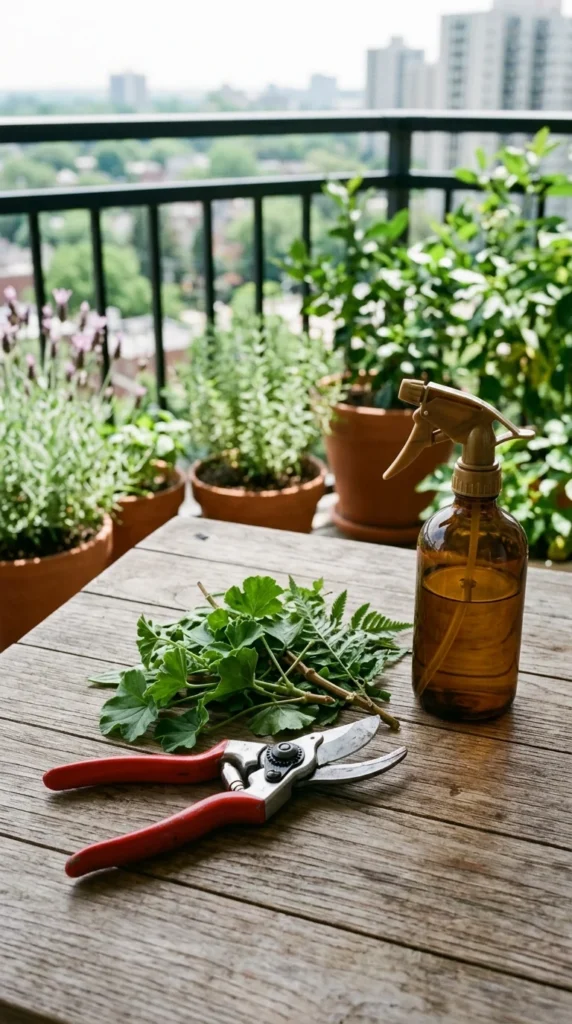
A vertical garden is a living system that requires regular attention to remain beautiful and healthy. Because plants are grown in close proximity, maintenance is key to preventing the spread of issues.
- Pruning and Deadheading: Regularly remove dead flowers (deadheading) to encourage new blooms. Prune back aggressive growers that might shade out their neighbors.
- Pest Monitoring: Check the undersides of leaves frequently. Aphids and spider mites love the sheltered environment of a balcony. A simple spray of neem oil or soapy water can usually handle early infestations.
- Rotating Pots: If your garden is on a shelving unit, rotate the pots every week or two to ensure all sides of the plant receive equal sunlight.
- Seasonal Changes: As the seasons shift, be prepared to move sensitive plants indoors or provide frost protection. Vertical gardens are more exposed to the elements than plants in the ground, making them more susceptible to temperature swings.
7. Aesthetics
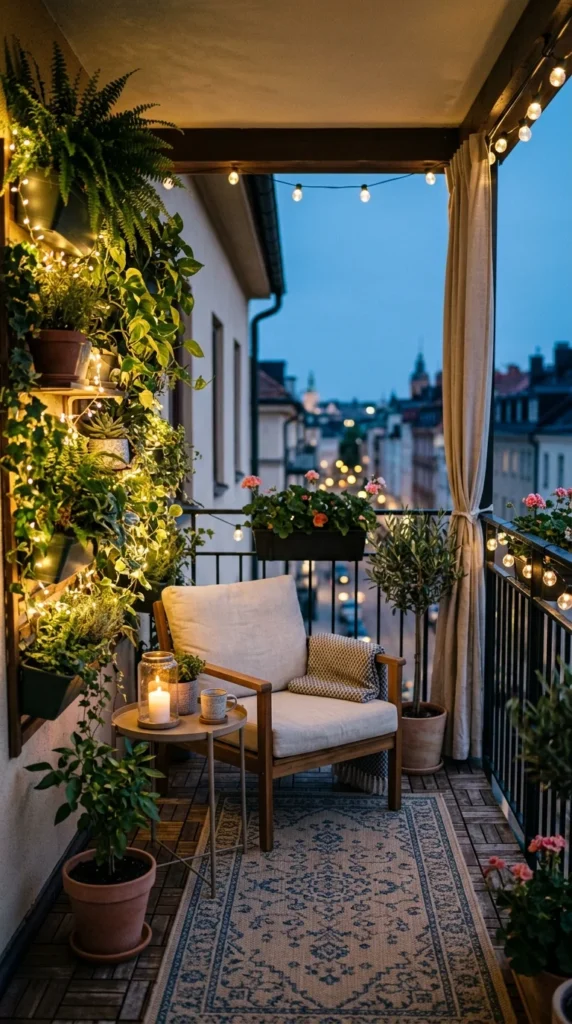
Once the functional elements are in place, focus on the visual appeal to turn your balcony into a true extension of your living space.
- Color Palettes: Choose a color theme for your pots and plants. A monochromatic green look is modern and calming, while a riot of primary colors can feel energetic and Mediterranean.
- Lighting: Add weather-proof LED string lights or solar-powered spotlights to highlight your vertical wall at night. This creates a dramatic silhouette and allows you to enjoy the space after dark.
- Multi-functional Furniture: On a small balcony, every inch counts. Use a storage bench to hide your soil and tools, providing a place to sit while keeping the area clutter-free.
Vertical gardening is an art form that rewards patience and observation. By utilizing the vertical plane, you transform a sterile concrete box into a breathing, vibrant ecosystem that brings the restorative power of nature right to your doorstep.