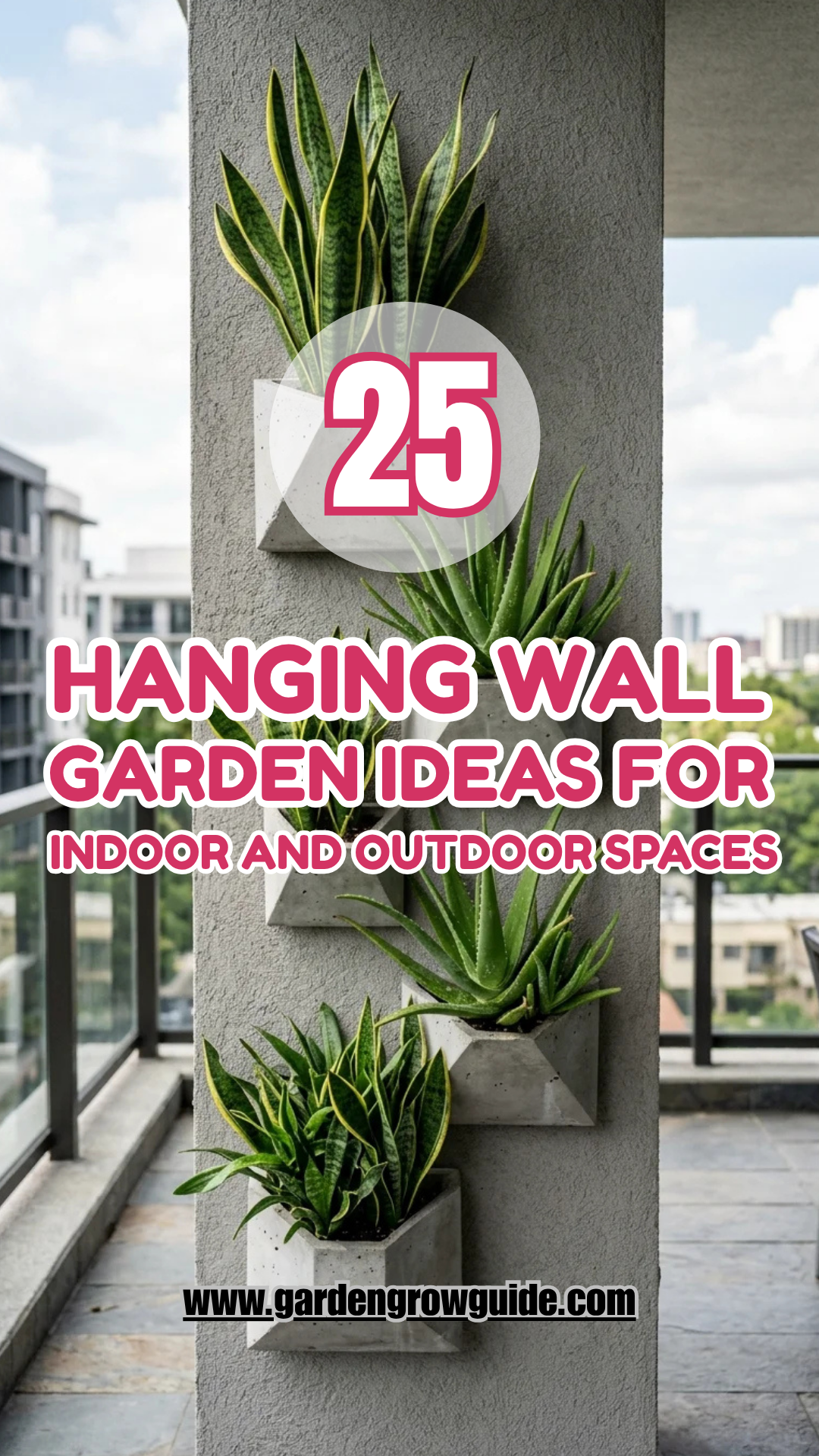
Vertical gardening has revolutionized how we think about green spaces. Whether you are living in a compact city apartment with zero floor space or looking to add a lush backdrop to your outdoor patio, hanging wall gardens provide a versatile and stunning solution. By utilizing vertical planes, you can transform bare walls into living tapestries that purify the air, provide fresh herbs, and create a calming psychological sanctuary.
1. Wooden Pallets
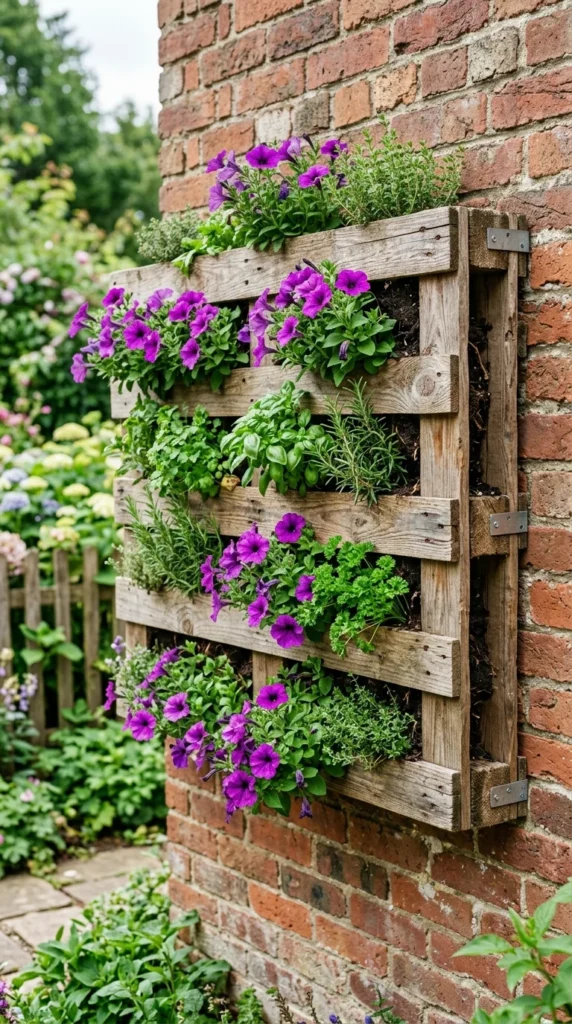
Reclaimed wooden pallets are a staple of DIY gardening. By stapling landscape fabric to the back and bottom of the pallet, you create deep troughs that can be filled with potting soil. These are particularly effective for outdoor herb gardens or succulent displays, lending a rugged, farmhouse aesthetic to any backyard or balcony.
2. Felt Pockets
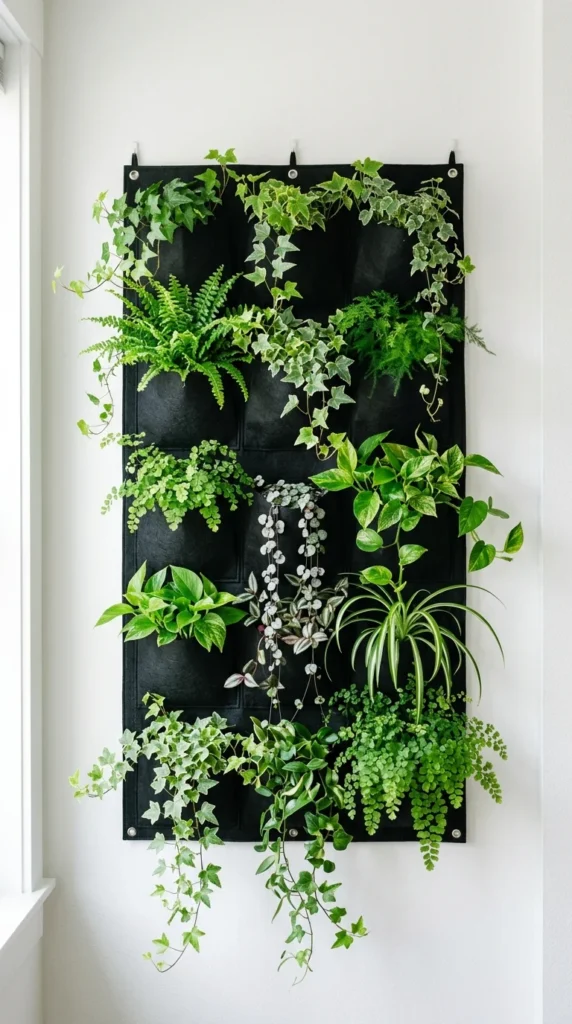
Felt pocket systems are lightweight and breathable, making them ideal for indoor use. The fabric allows for excellent air circulation around the roots, preventing rot. These systems often come with waterproof backing to protect your walls and are perfect for creating a “living wall” effect where the containers disappear behind the foliage.
3. Mason Jars
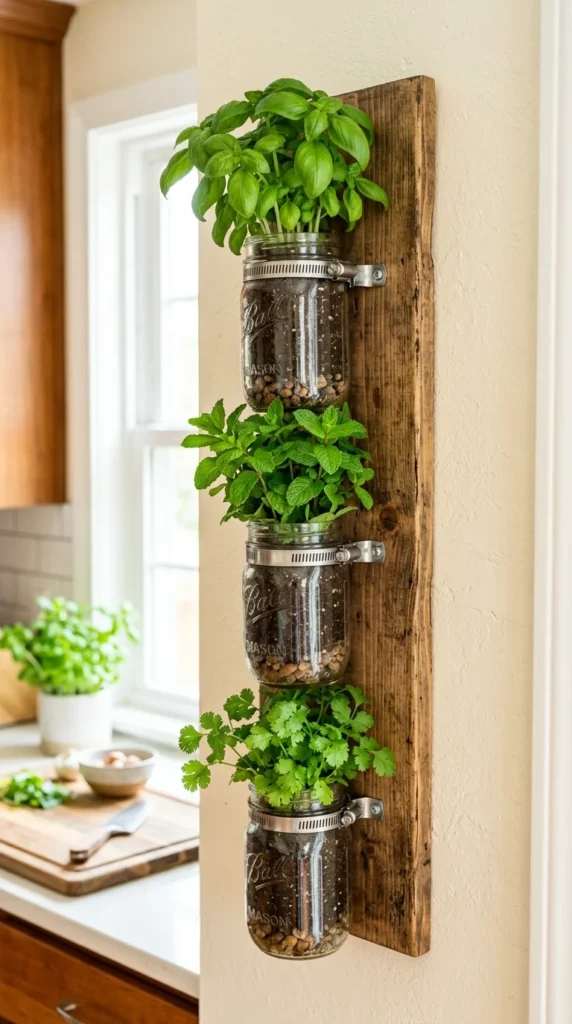
For a touch of rustic charm in the kitchen, hanging mason jars are unbeatable. By mounting them on a decorative wooden board with pipe clamps, you create a dedicated herb station. Since these jars lack drainage holes, it is essential to layer the bottom with pebbles and charcoal to manage moisture levels.
4. Metal Grids
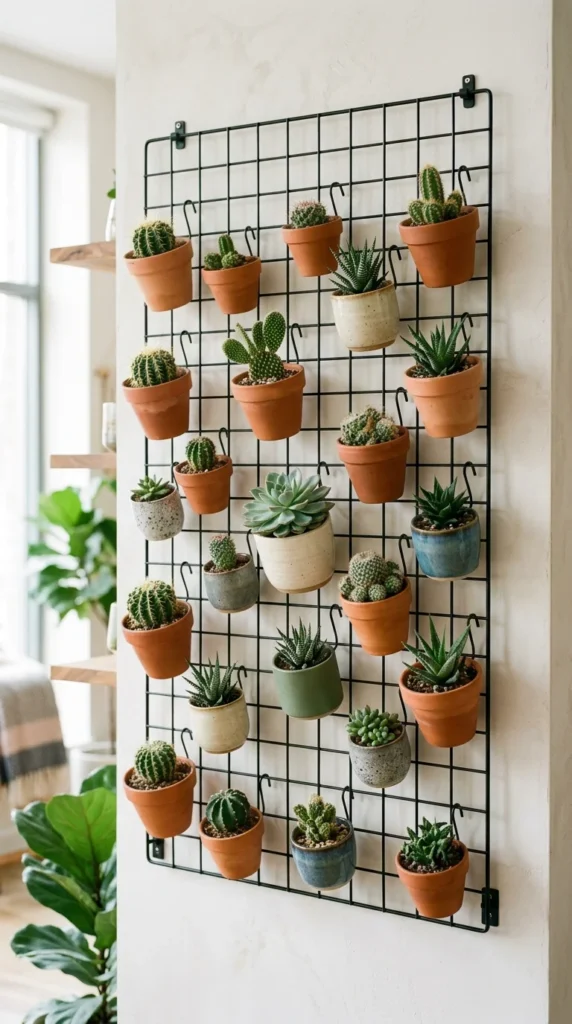
Metal grid panels offer a modern, industrial look and extreme flexibility. You can easily move pots around using S-hooks or clips as plants grow or as you decide to change your decor. This setup is highly popular for home offices, where a touch of greenery can boost productivity without cluttering the desk.
5. Terracotta Rings
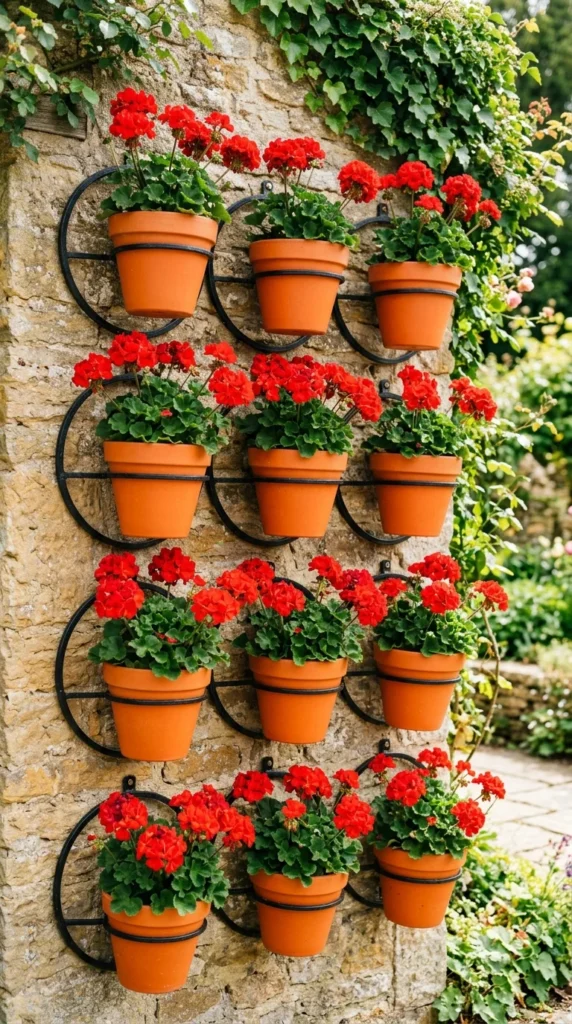
Standard terracotta pots can be elevated—literally—using specialized wall rings or clips. This allows you to create a structured, repetitive pattern on a large outdoor wall. The porous nature of terracotta is excellent for plants that prefer to dry out between waterings, such as Mediterranean herbs or succulents.
6. Macramé Slings
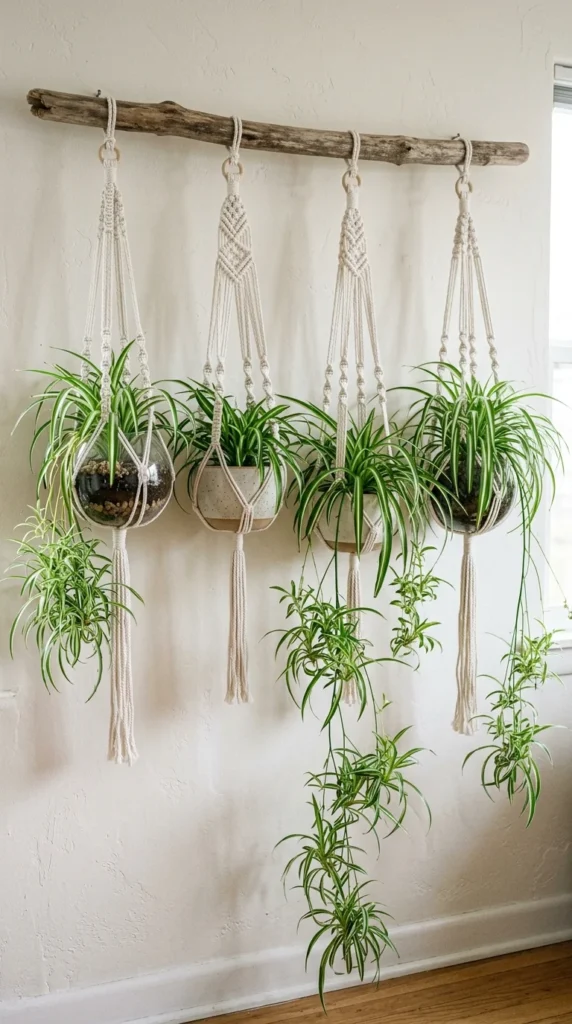
Bringing a bohemian vibe into the home, macramé wall hangers turn plants into floating art pieces. Instead of hanging from the ceiling, these can be suspended from wall-mounted hooks or a decorative branch. They are perfect for trailing plants like String of Pearls or Pothos, which can cascade down the wall.
7. Plastic Bottles
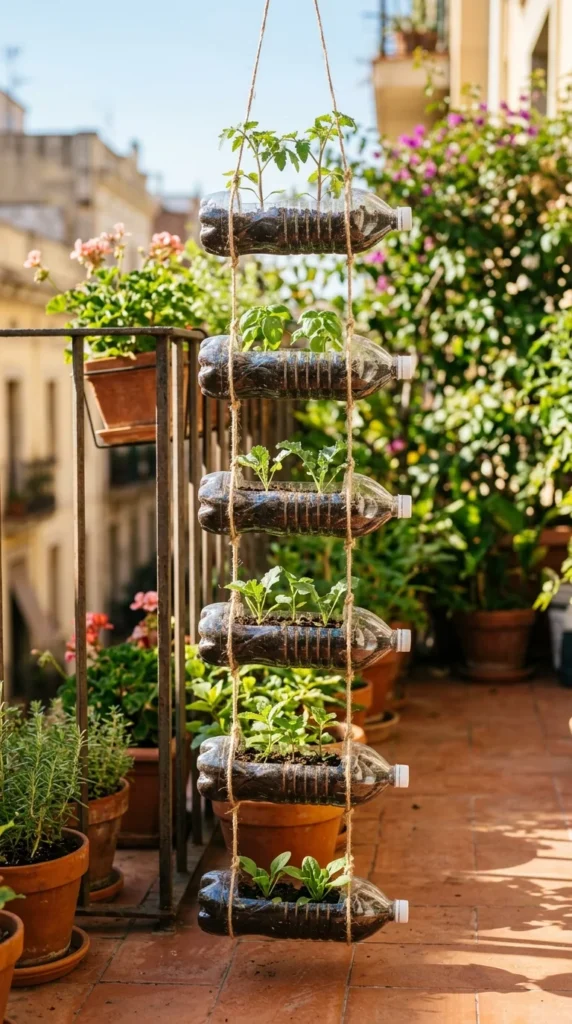
Upcycling plastic bottles is an eco-friendly way to start a vertical garden on a budget. By cutting openings in the sides and connecting them with sturdy twine, you can create a multi-tiered irrigation system where water trickles down from the top bottle to the bottom.
8. Floating Shelves
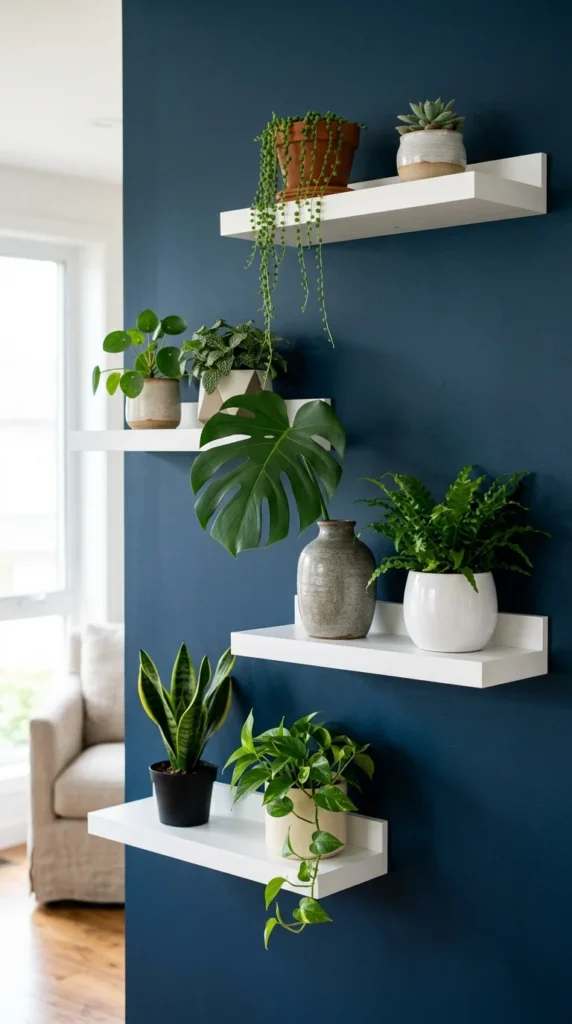
Floating shelves allow you to mix greenery with books and decor. To create a “garden” feel, use staggered shelves of different lengths and fill them with “spiller” plants that drape over the edges. This creates a soft, organic look that breaks up the hard lines of the shelving.
9. Picture Frames
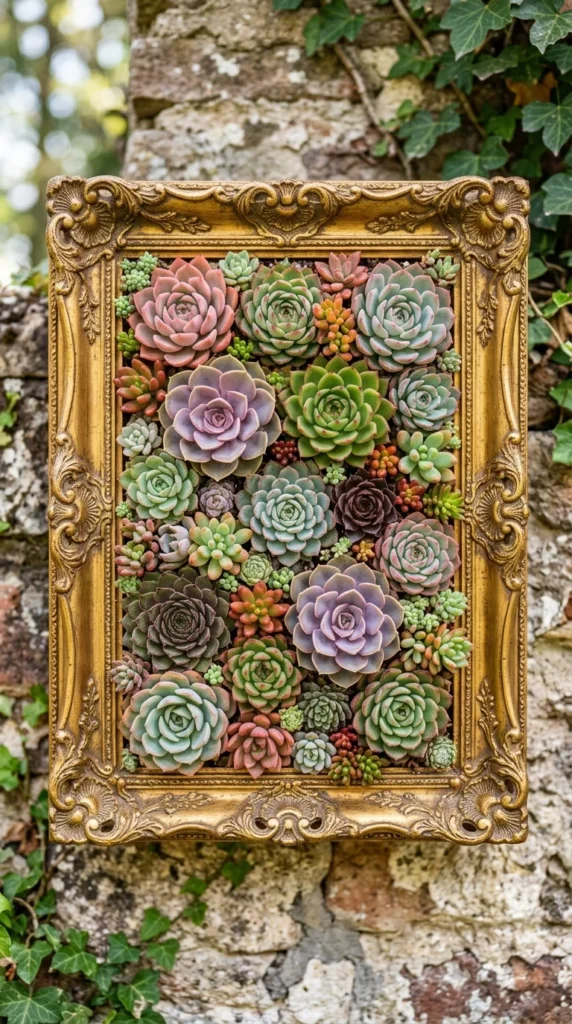
Living wall art can be created by building a shallow box behind a sturdy picture frame. By using a wire mesh to hold the soil and succulents in place, you can hang the frame just like a painting. Succulents are the best choice here due to their shallow root systems and low water requirements.
10. Vinyl Gutters
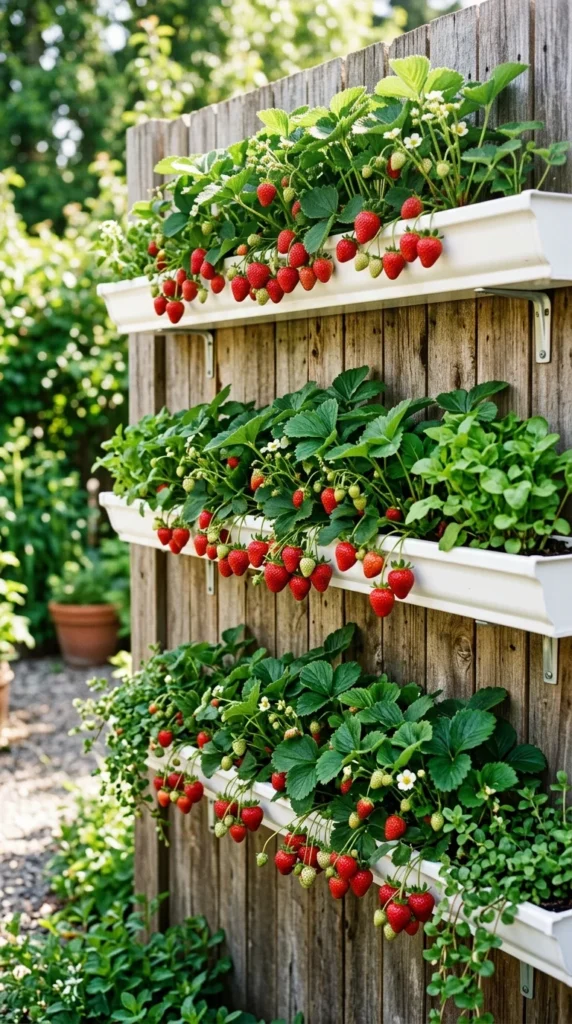
Rain gutters are surprisingly effective planters for long, narrow spaces. When mounted in parallel rows on a fence or wall, they provide ample space for shallow-rooted plants like lettuce, spinach, and strawberries. Ensure you drill drainage holes along the bottom and cap the ends to keep soil contained.
11. Step Ladders
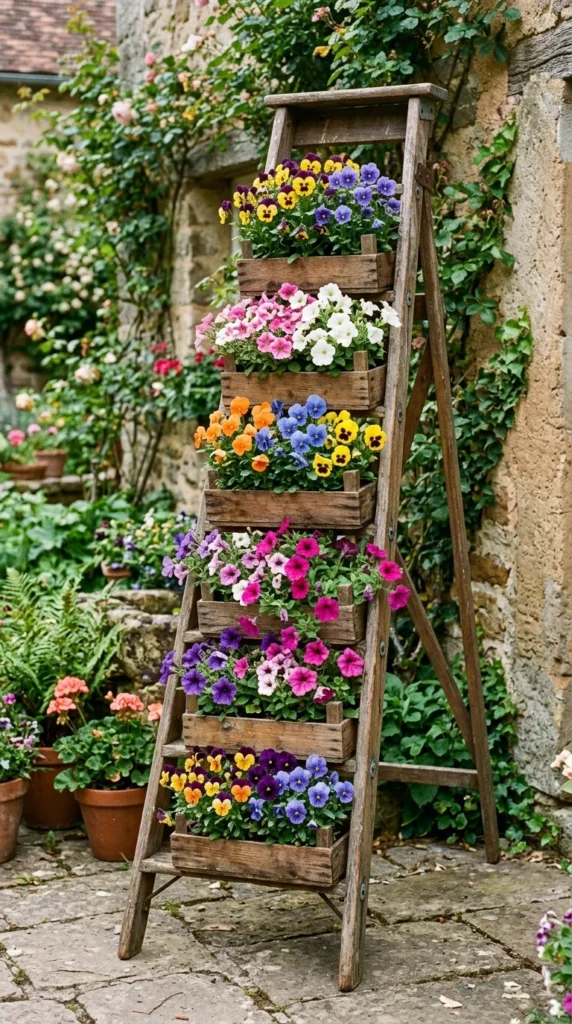
While not strictly “on” the wall, a leaning ladder garden utilizes vertical wall space with minimal installation. It’s an excellent choice for renters. You can hang pots from the rungs or place containers on the steps to create a tiered mountain of greenery.
12. Magnetic Tins
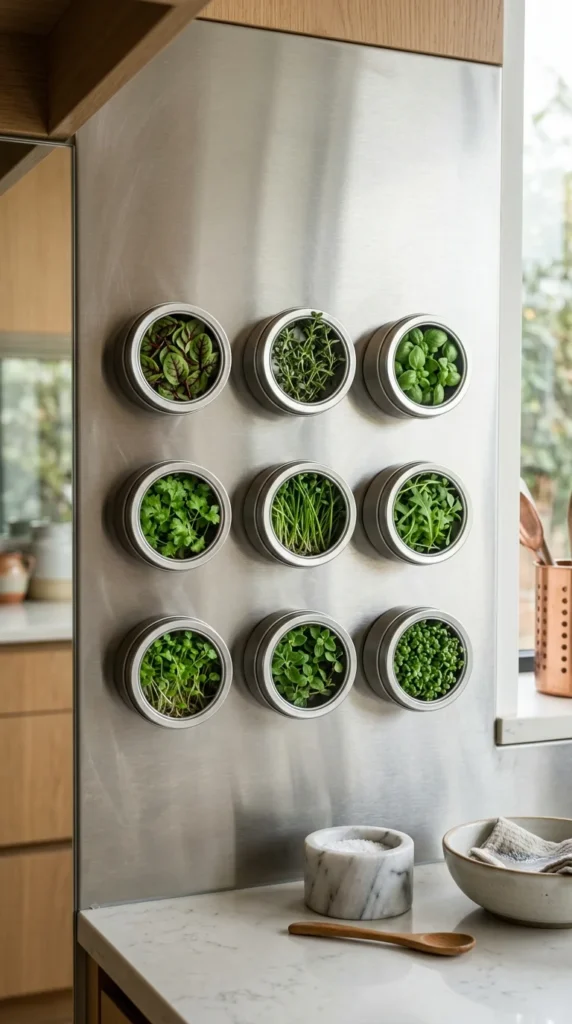
For the ultimate space-saver, use magnetic tins on a metal wall sheet or the side of a refrigerator. This is perfect for a “tea garden” featuring dried herbs or a “microgreen station” for fresh garnishes. It’s functional, accessible, and adds a metallic pop to the kitchen.
13. Hydroponic Pipes
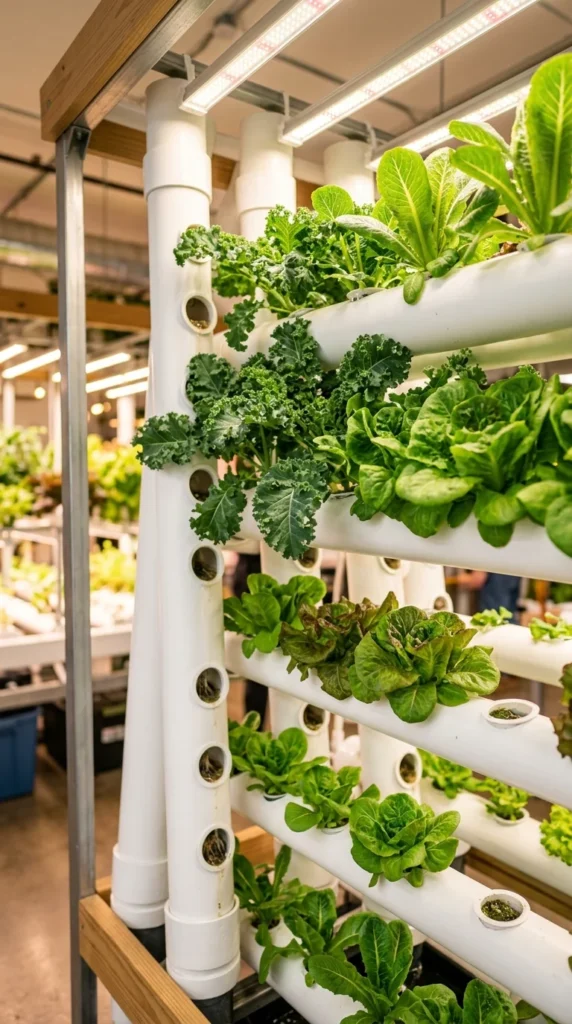
For the tech-forward gardener, a vertical hydroponic wall uses PVC pipes and nutrient-rich water instead of soil. This setup allows for faster growth and higher yields in a very small footprint. It’s an ideal solution for indoor vegetable gardening where sunlight might be limited.
14. Shoe Organizers
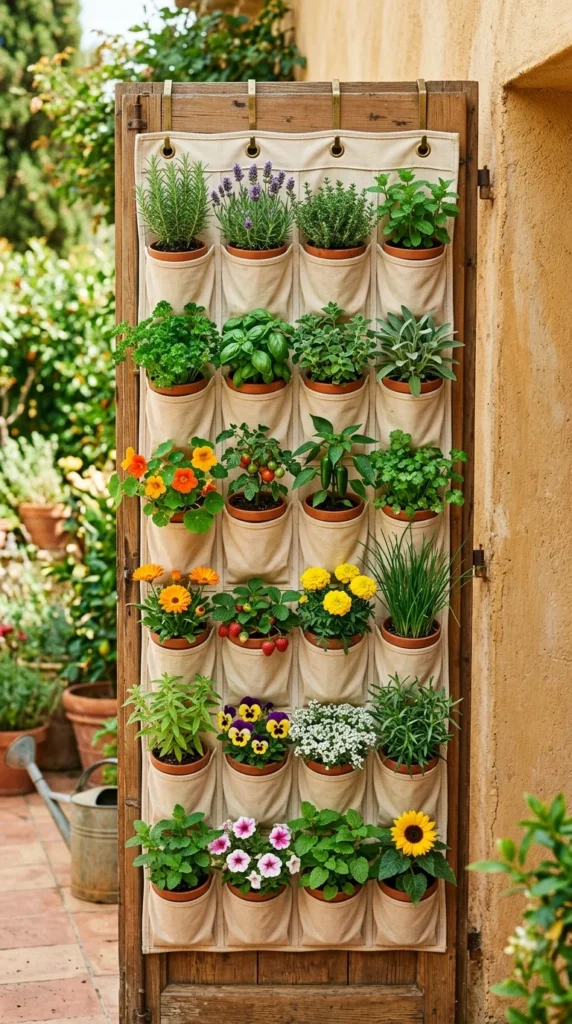
An inexpensive fabric shoe organizer can be repurposed into a multi-pocket planter. The pockets are the perfect size for individual herbs or flowers. Canvas or breathable mesh versions are preferred over plastic to ensure the roots can breathe and excess water can evaporate.
15. Wooden Crates
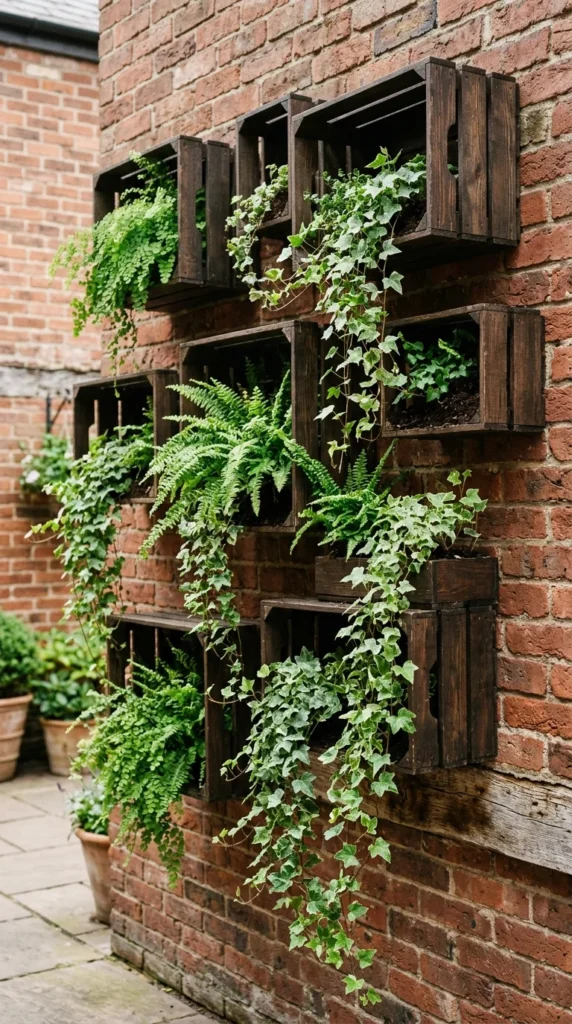
Mounting wooden crates of various sizes in a random or geometric pattern creates a 3D effect on your wall. This adds depth and shadow, making the garden feel more like an architectural feature. Crates can hold larger pots, allowing for a wider variety of plant sizes.
16. Copper Pipes
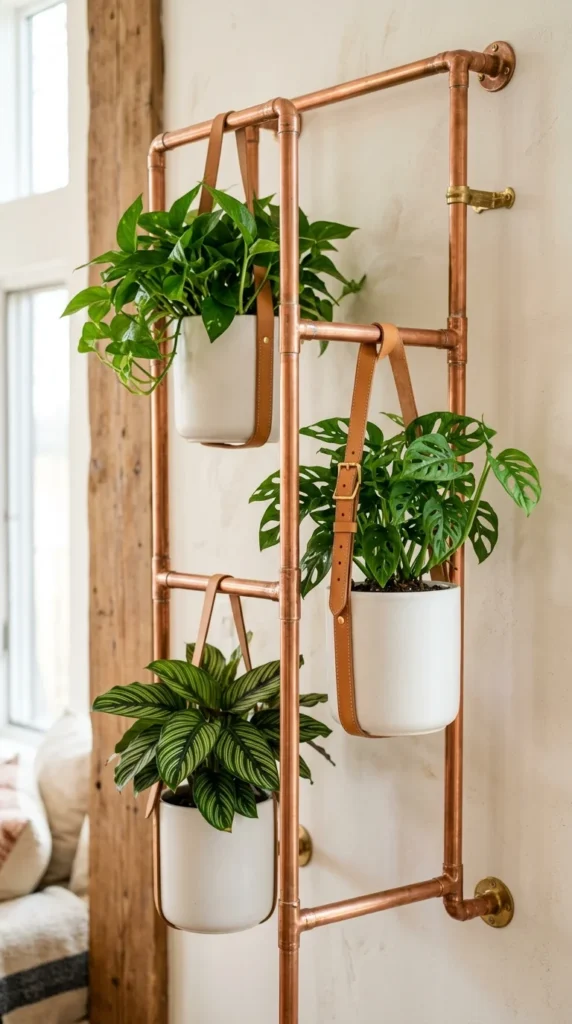
Industrial chic meets botanical beauty with copper pipe racks. By building a frame out of copper tubing, you create a sturdy rail from which you can hang pots using leather straps or S-hooks. Over time, the copper will develop a beautiful patina that complements the green foliage.
17. Pegboards
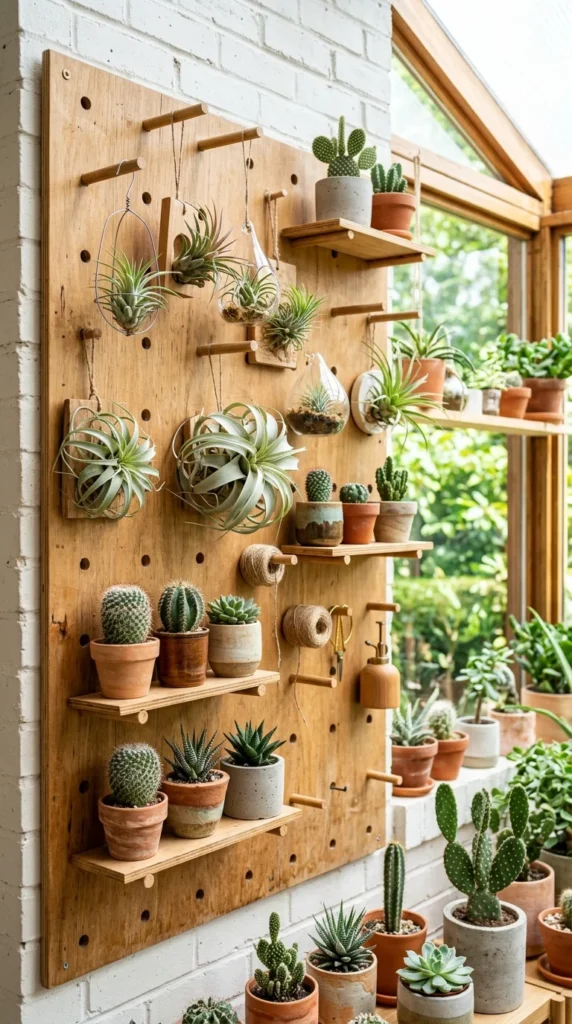
Pegboards are the ultimate modular gardening solution. Originally meant for tools, they work perfectly for plants. You can adjust the height of shelves and the placement of pots instantly, making it the perfect “experimental” garden for someone who likes to frequently rearrange their space.
18. Ceramic Cones
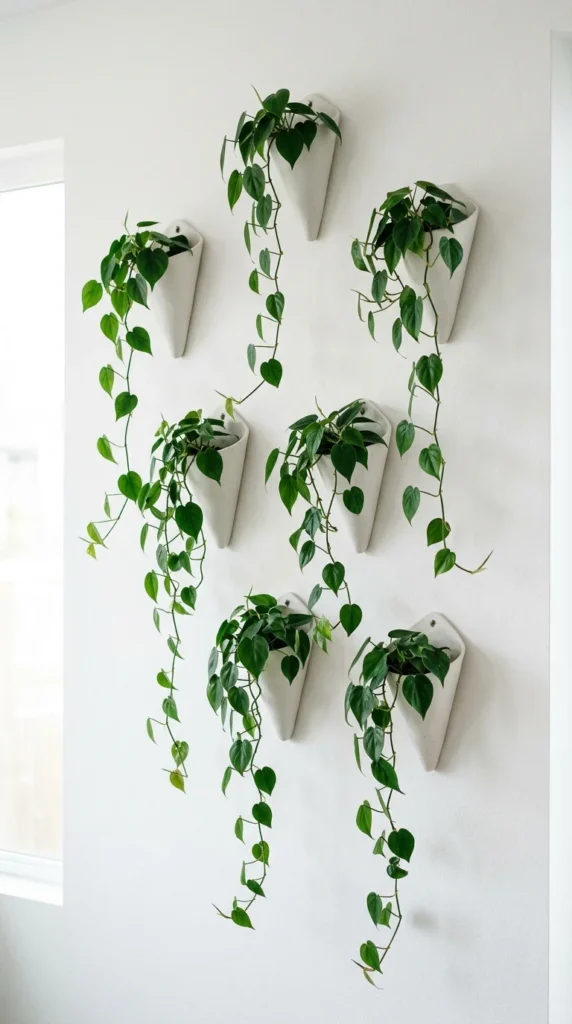
Ceramic wall cones offer a minimalist and elegant way to display single plants. Because they are often small, they work best for “pups” or cuttings. Grouping several cones together in a cluster can create a striking focal point on a small wall or in a hallway.
19. Wrought Iron
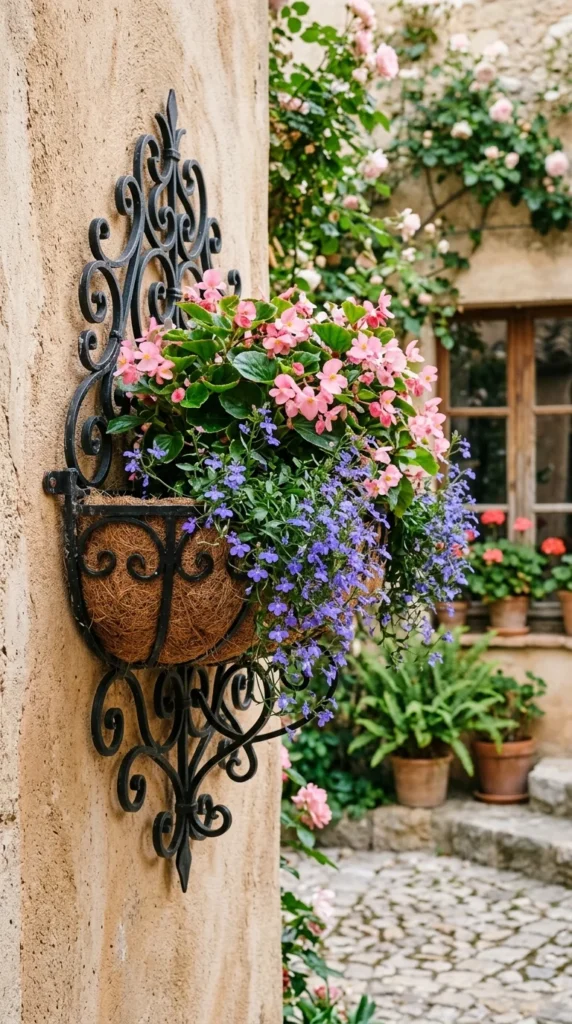
Wrought iron cradles bring a classic, Victorian elegance to outdoor spaces. Typically used with coconut coir liners, these planters offer excellent drainage and a traditional look. They are incredibly durable and can withstand the elements, making them a permanent fixture for garden walls.
20. Trellis Panels
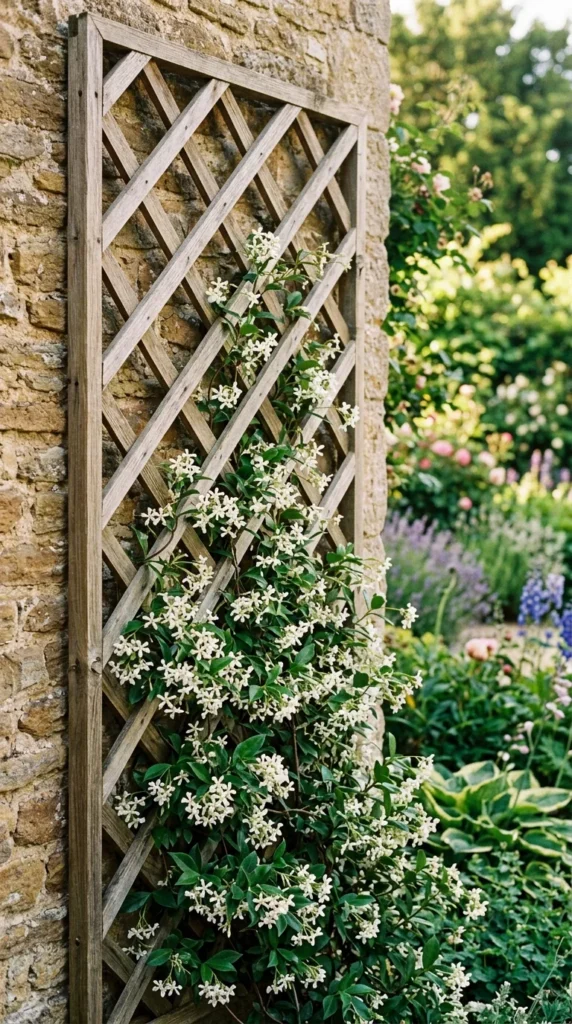
A trellis is the classic way to “hang” a garden. By planting climbers like Jasmine, Clematis, or Ivy at the base, you can encourage the plant to grow upward, eventually covering the entire wall in a thick blanket of green. This provides excellent natural insulation and privacy.
21. Bamboo Pipes
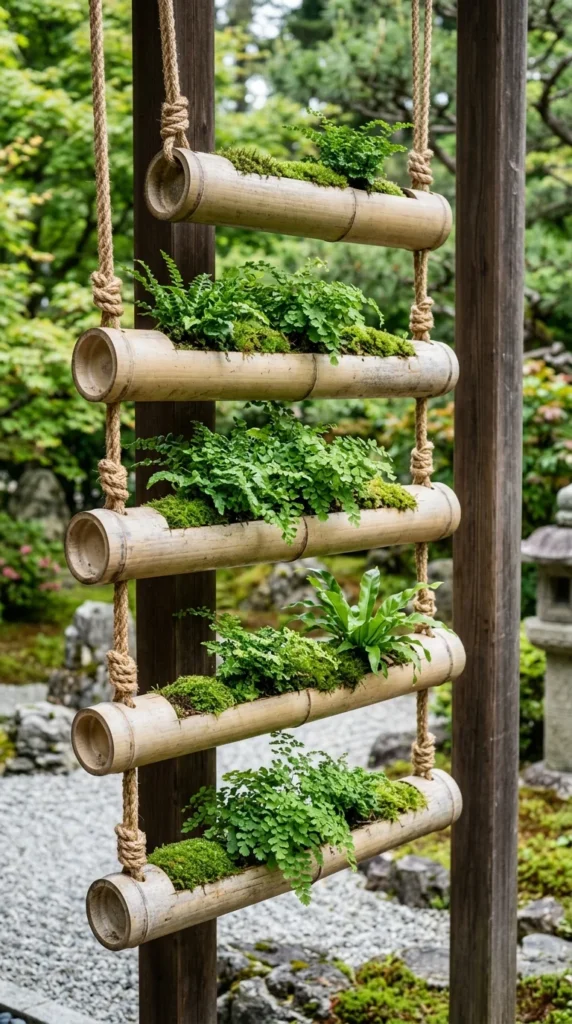
For a Zen or tropical aesthetic, horizontal bamboo pipes can be used as planters. By cutting out sections of the bamboo and hanging them with thick manila rope, you create a natural, organic look. This works beautifully in shaded outdoor areas or bathrooms.
22. Leather Straps
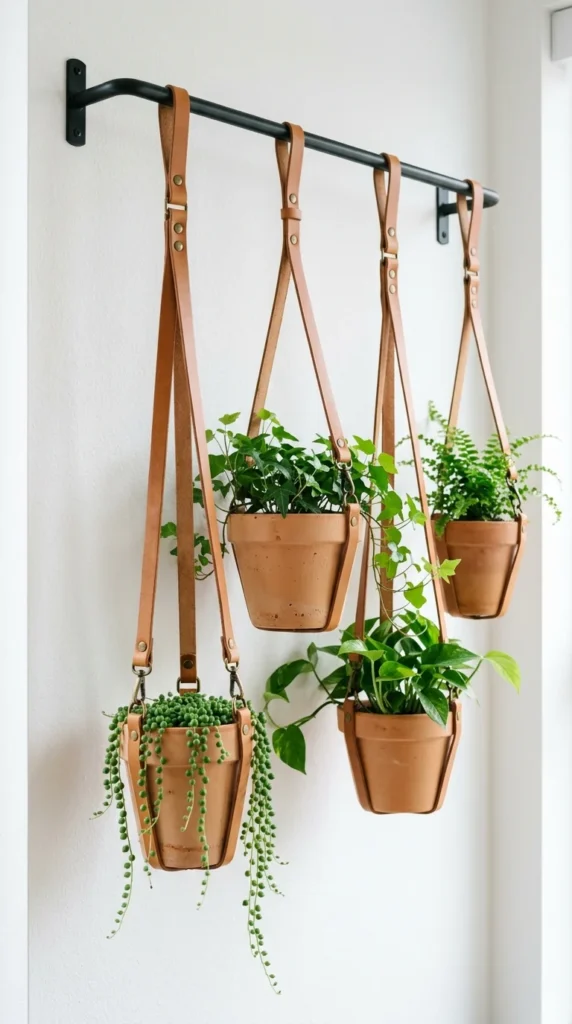
Leather strap hangers provide a high-end, contemporary look. They grip the pots securely while adding a texture that contrasts beautifully with both the ceramic of the pot and the softness of the leaves. This is a popular choice for Scandinavian-style interiors.
23. Concrete Pockets
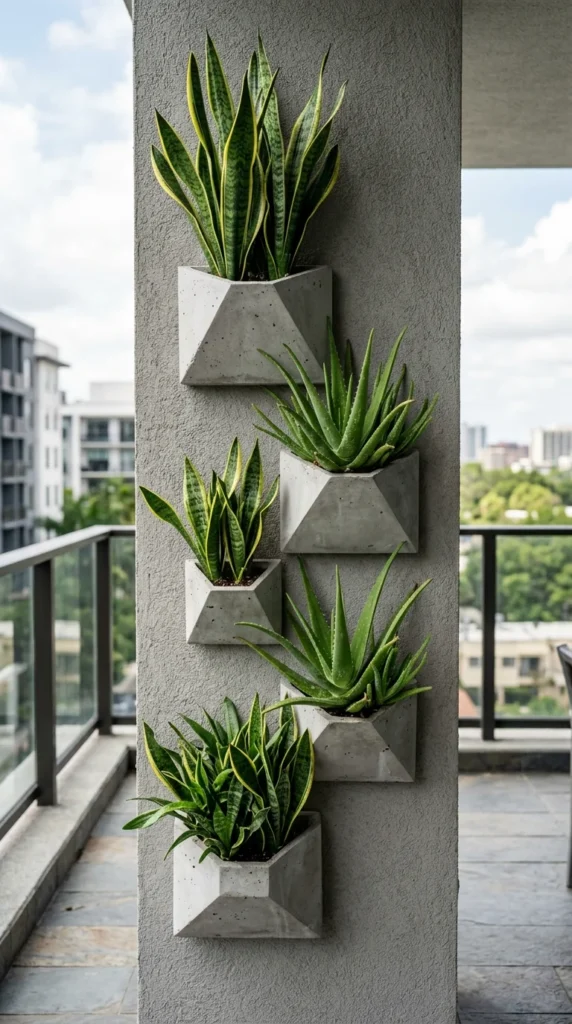
Concrete wall pockets are perfect for minimalist or Brutalist design schemes. They are heavy-duty and provide a neutral backdrop that makes the green of the plants pop. Since concrete is porous, it helps regulate soil moisture, though these require very secure mounting due to their weight.
24. Birdcages
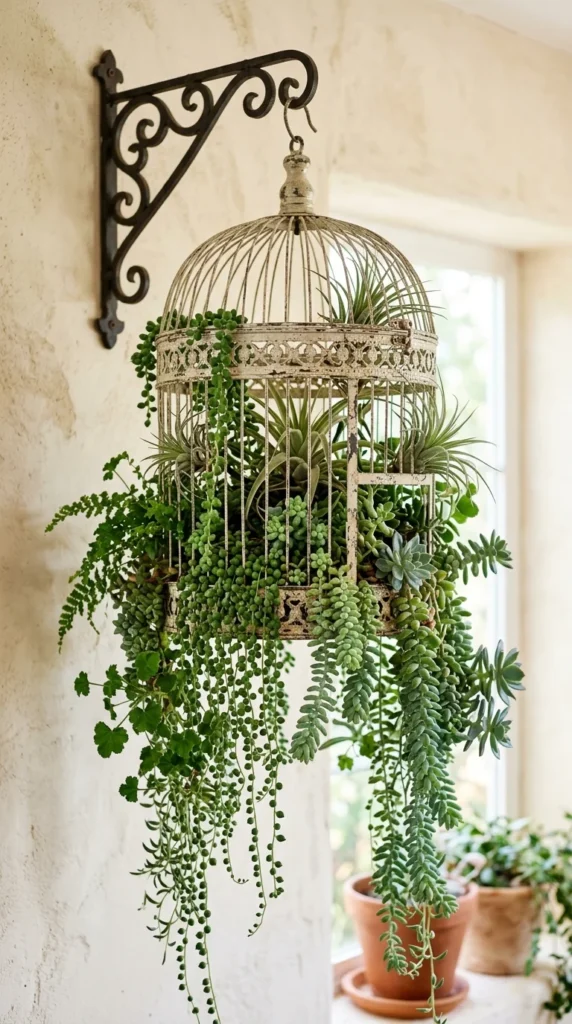
Repurposing vintage birdcages as wall-mounted planters adds a whimsical, fairy-tale touch to a garden or patio. You can tuck pots inside or fill the base with moss and plant directly into it. Trailing plants that grow through the bars create a “wild” and overgrown look that is very charming.
25. Moss Art
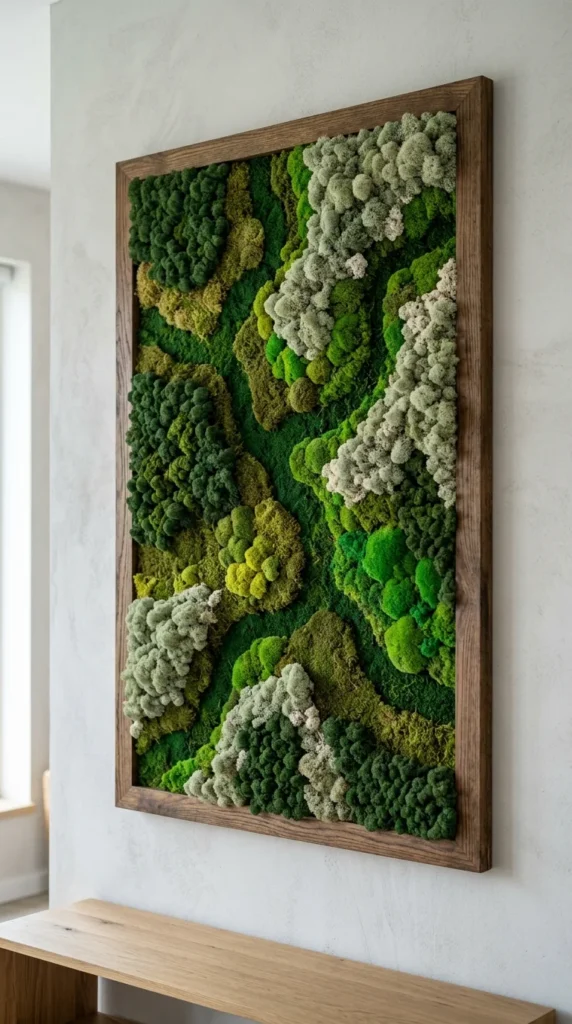
If you want the look of a green wall without the maintenance, preserved moss art is the way to go. These panels use real moss that has been preserved with glycerin, meaning they require no water or sunlight. They stay vibrant and soft for years, making them perfect for dark hallways or offices.
Technical Considerations for Vertical Success
Creating a hanging wall garden is more than just mounting pots; it requires a basic understanding of how plants behave in vertical environments.
- Weight and Support: Soil and water are heavy. Always ensure your wall can support the weight of a fully watered garden. Use heavy-duty anchors or find studs in the wall when mounting larger installations.
- Watering Strategies: Gravity causes water to move downward. In tiered systems, the top plants often dry out faster than the bottom ones. Consider a drip irrigation system for outdoor walls, or a long-necked watering can for indoor setups.
- Light Exposure: A wall garden’s light profile can be tricky. The top of the wall might receive significantly more light than the bottom. Group your “sun-lovers” at the top and “shade-dwellers” like ferns or calatheas at the bottom.
- Plant Selection: Choose plants that suit the environment. For sunny outdoor walls, succulents and herbs thrive. For indoor walls with indirect light, pothos, philodendrons, and snake plants are virtually indestructible options.
By choosing the right style and plants for your specific space, you can turn any dull wall into a thriving, breathing piece of art. Whether you go with a DIY pallet or a sleek copper rack, the vertical garden is a testament to the fact that you don’t need a backyard to be a gardener.