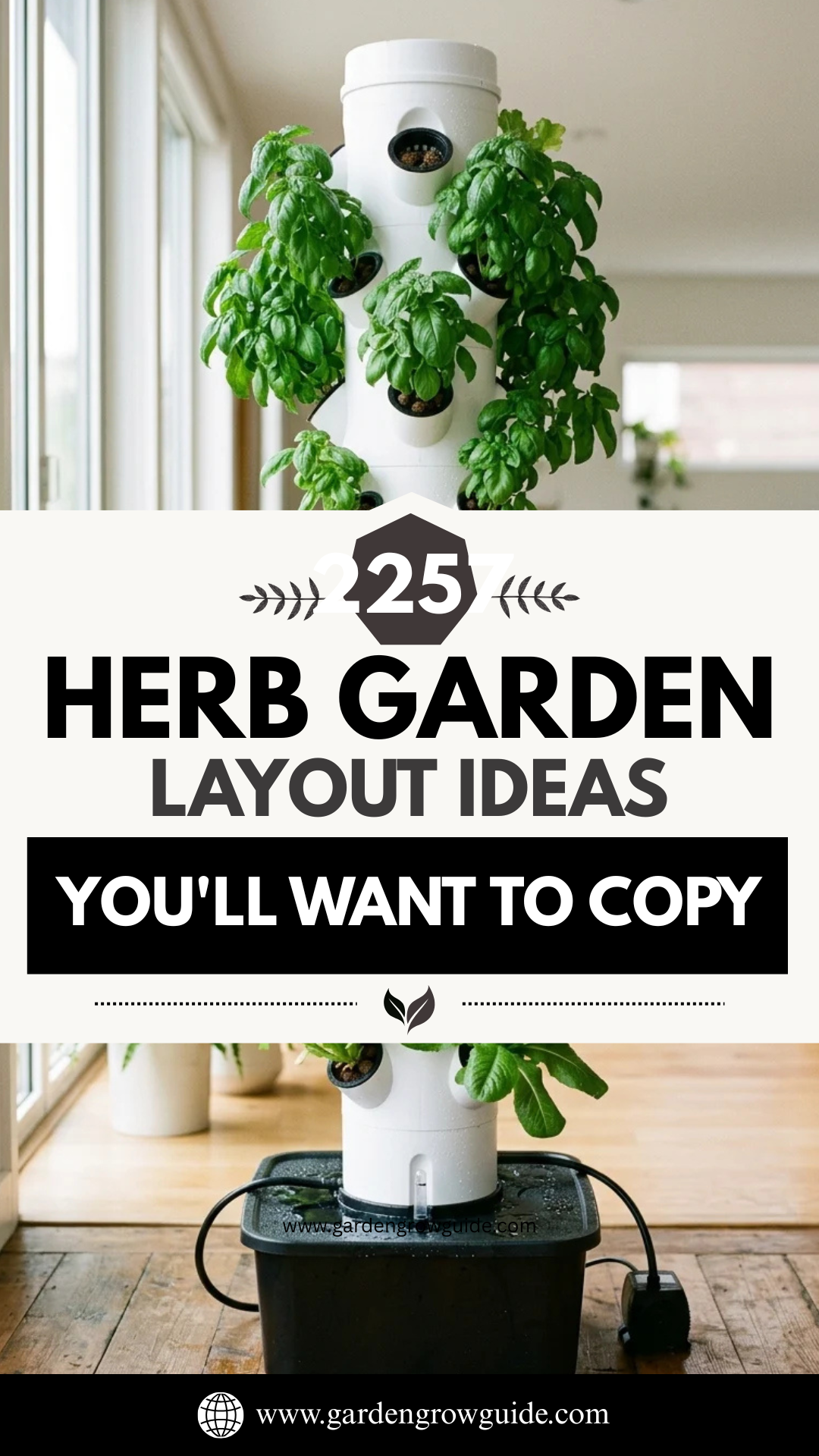
Cultivating an herb garden is one of the most rewarding endeavors for any gardener, offering fresh flavors for the kitchen, aromatic beauty for the senses, and a haven for beneficial pollinators. Whether you have a sprawling backyard or a tiny apartment balcony, there is a layout designed to maximize your space and productivity.
1. Wagon Wheel
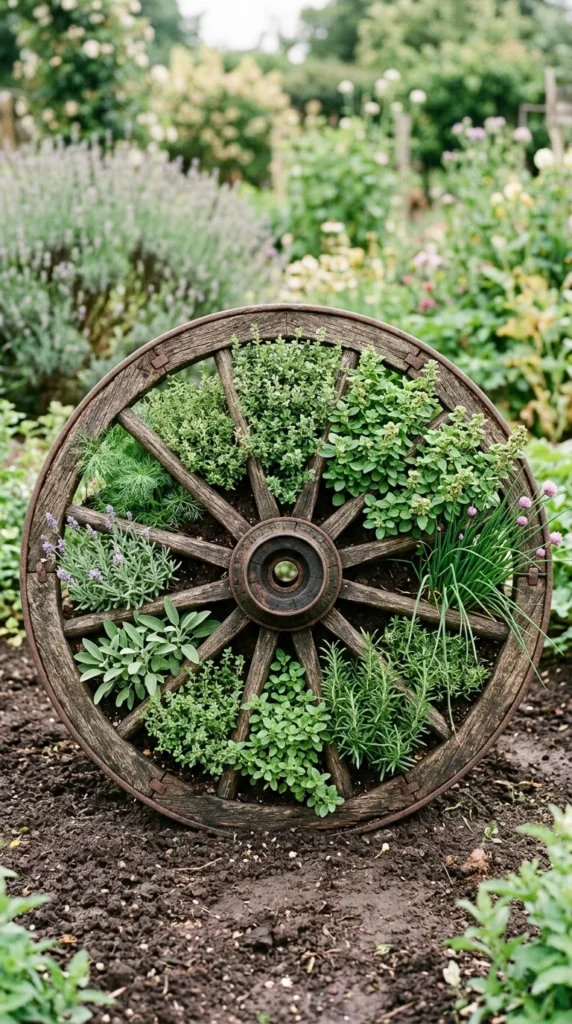
The wagon wheel layout is a classic design that naturally separates different herb varieties. By using the spokes of the wheel as dividers, you can prevent invasive herbs like mint from overtaking their neighbors while creating a visually stunning focal point. This layout is perfect for a rustic or cottage-style garden.
2. Vertical Wall
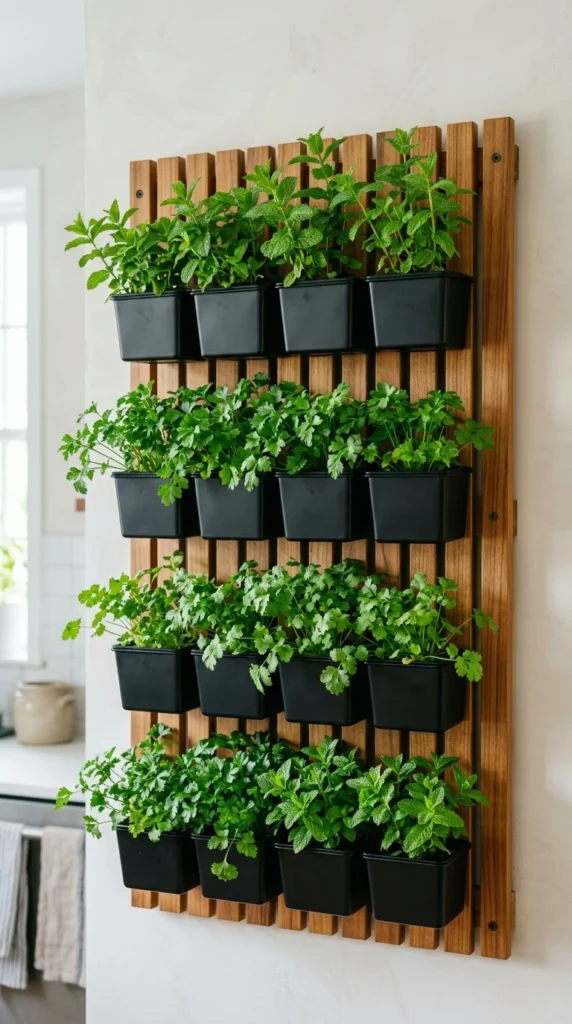
For those with limited ground space, a vertical wall garden utilizes height to grow a massive amount of produce. This layout can be attached to a fence, a balcony railing, or an exterior house wall. It provides excellent air circulation and keeps the herbs at eye level for easy harvesting.
3. Spiral Mound
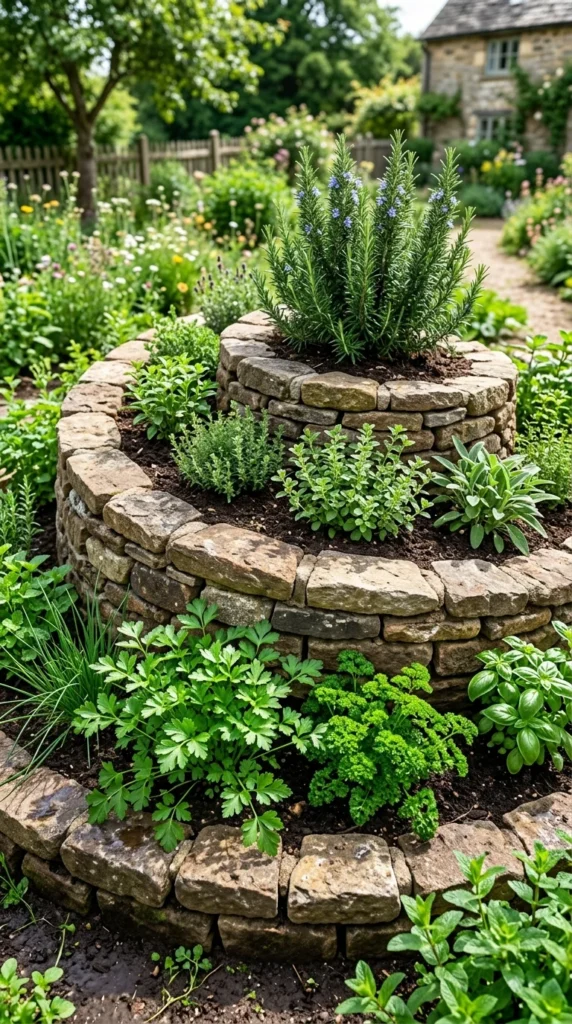
The herb spiral is a permaculture staple designed to create multiple microclimates in a small footprint. The top of the spiral is sunnier and drier, ideal for Mediterranean herbs like rosemary and sage, while the bottom stays cooler and moister, perfect for mint and chervil.
4. Raised Beds
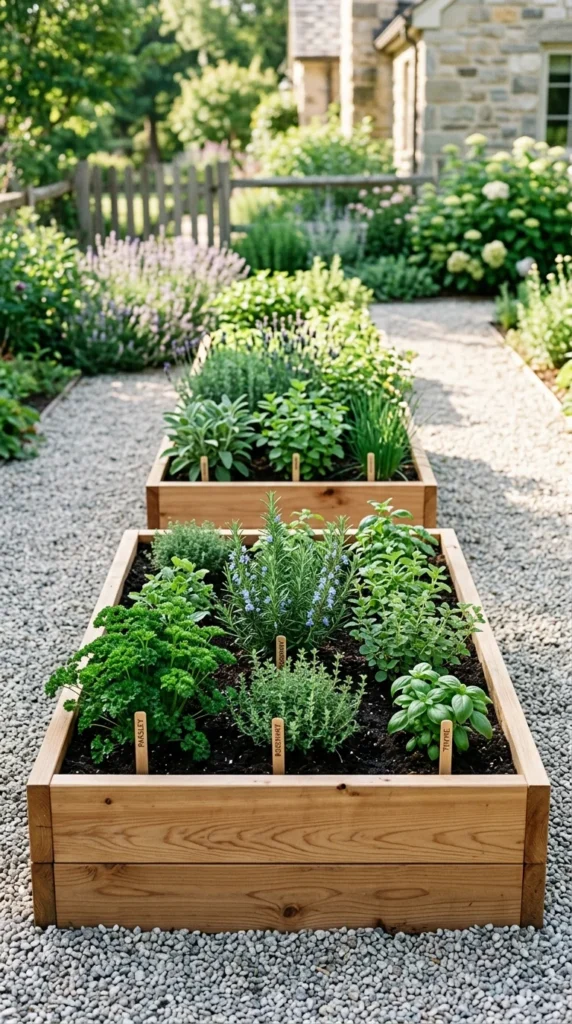
Raised beds offer superior drainage and the ability to control soil quality perfectly. They are also easier on the back and knees, as they elevate the plants. You can organize your herbs in rows or clusters within the bed to keep the layout organized and accessible from all sides.
5. Windowsill Boxes
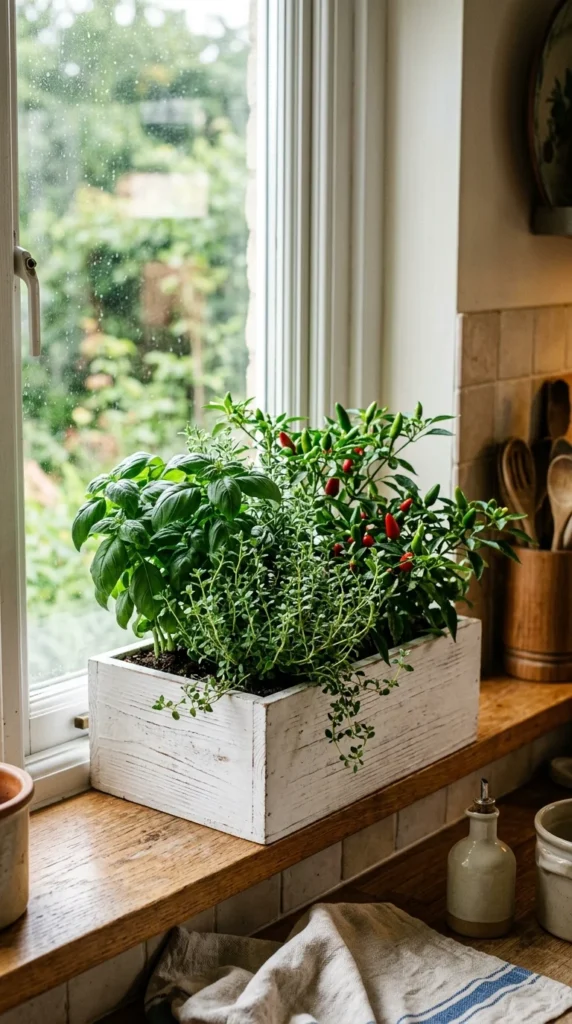
The ultimate convenience for any home chef is the windowsill garden. This layout keeps your most-used culinary herbs within arm’s reach of the stove. It works best with south-facing windows to ensure the plants receive at least six hours of sunlight daily.
6. Formal Knot

Inspired by Renaissance gardens, a knot garden uses herbs like lavender, rosemary, and germander to create living patterns. This is a high-maintenance but high-reward layout that turns your herb garden into a piece of formal architectural art.
7. Potted Cluster
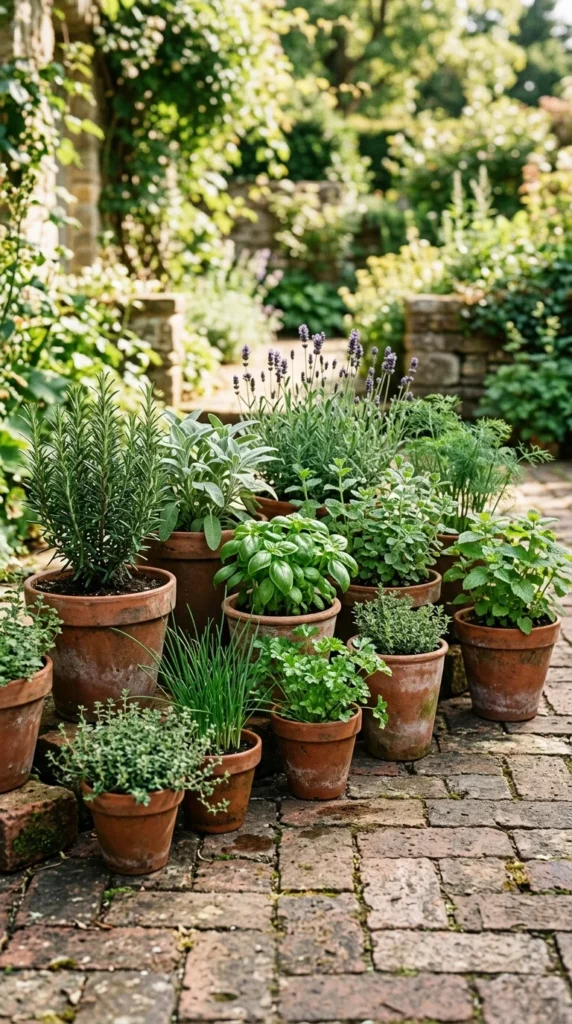
If you value flexibility, a potted cluster allows you to move your herbs based on the season or the sun’s position. Using different heights and textures of pots creates a dynamic visual display that can be rearranged whenever you desire a new look.
8. Hanging Baskets
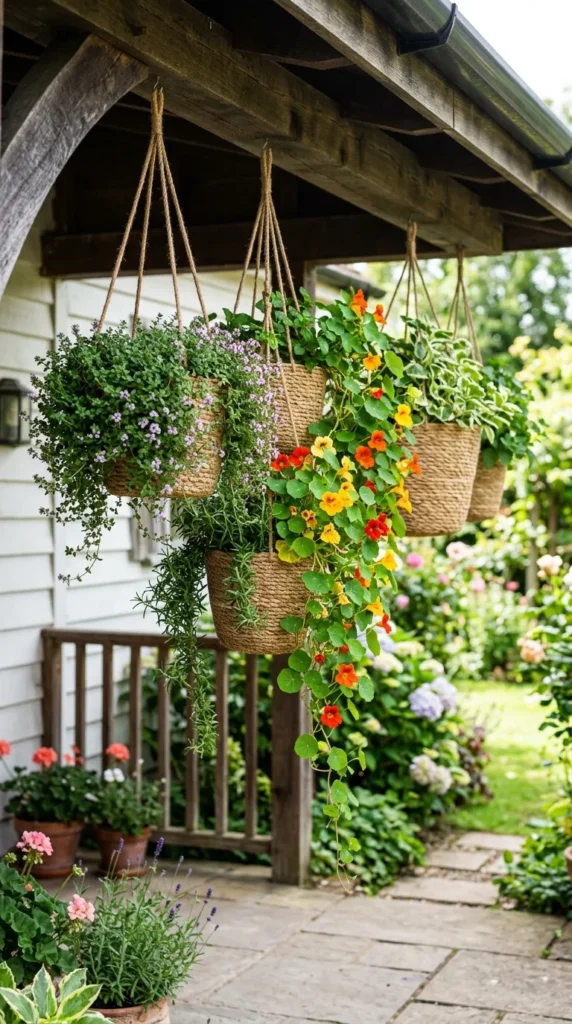
Hanging baskets are an excellent way to utilize overhead space. They are particularly well-suited for trailing herbs. This layout keeps the plants away from ground-dwelling pests and adds a lush, green canopy to your outdoor living areas.
9. Pallet Planter
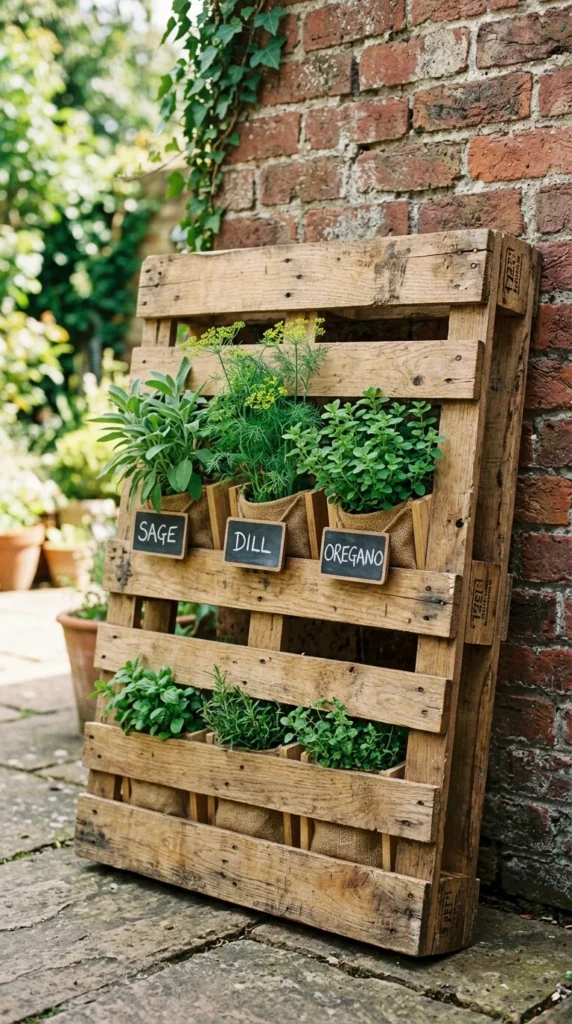
The pallet planter is a budget-friendly and eco-friendly layout. By backing a pallet with landscaping fabric, you can create rows of “pockets” to plant herbs. It is a space-saving vertical solution that brings a rugged, industrial aesthetic to your garden.
10. Pathway Edging
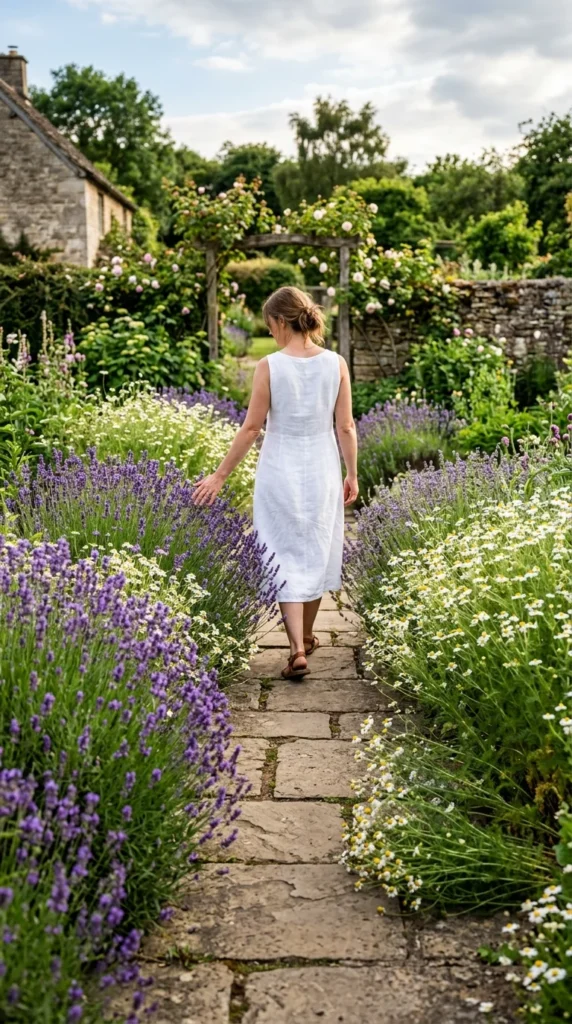
Integrating herbs along your garden paths creates a sensory experience. As you walk by, your clothes brush against the foliage, releasing essential oils. This layout makes use of “marginal” space and helps define the boundaries of your garden.
11. Terraced Slope
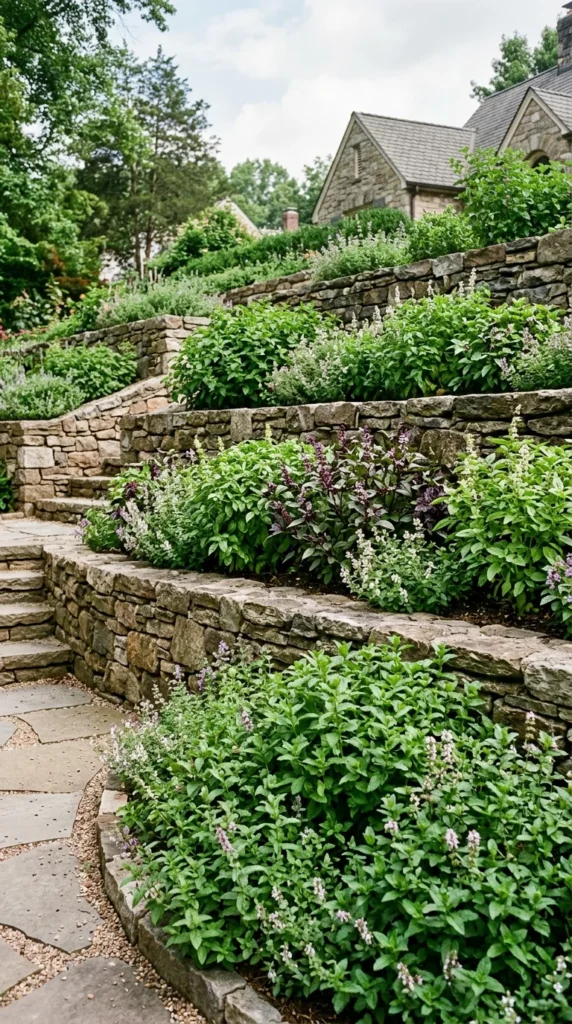
If your yard is hilly, a terraced layout is the most efficient way to grow. Terracing prevents soil erosion and allows you to categorize herbs by level. You might put heat-loving herbs on the top tier and those that prefer more moisture on the bottom.
12. Checkerboard Pattern
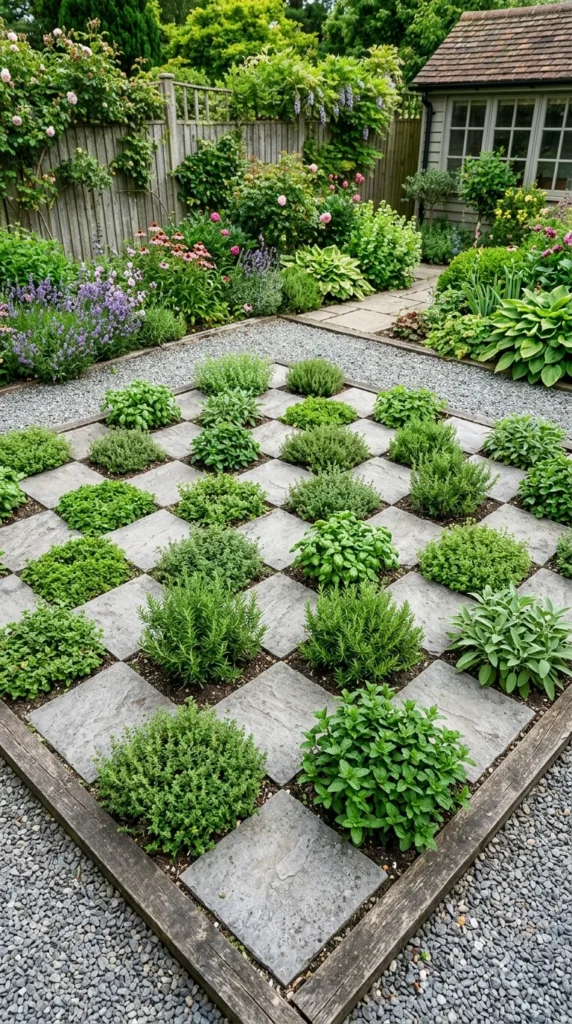
The checkerboard layout is a highly graphic design that combines hardscaping with softscaping. By alternating square paving stones with square herb patches (like creeping thyme or dwarf basil), you create a stable walking surface that looks like a living mosaic.
13. Greenhouse Shelving
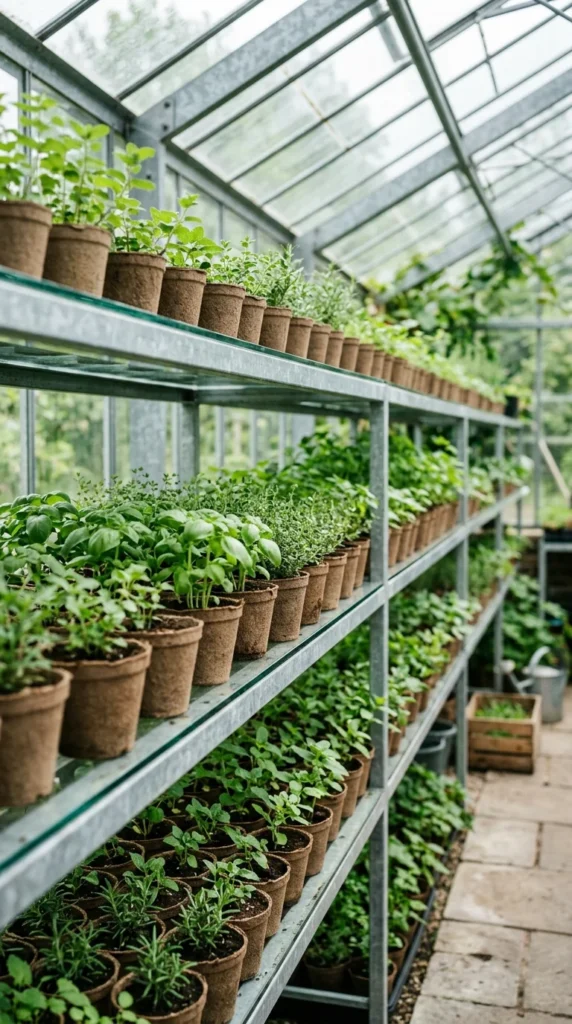
For year-round harvesting, a greenhouse layout is essential. Shelving units allow you to stack your herb collection, taking advantage of the warmth and humidity. This is ideal for starting seeds early or protecting tender herbs like basil during the winter.
14. Woven Wattle
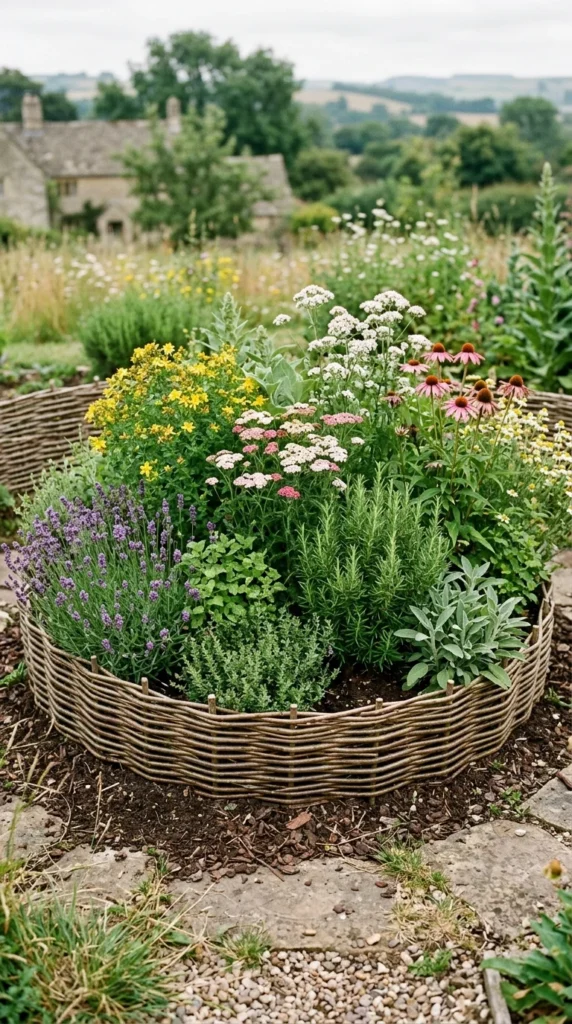
Wattle fencing, made from woven willow or hazel branches, provides a rustic, organic border for an herb garden. This layout feels grounded and historical, perfect for a medicinal “physic” garden or a traditional vegetable patch.
15. Hydroponic Tower
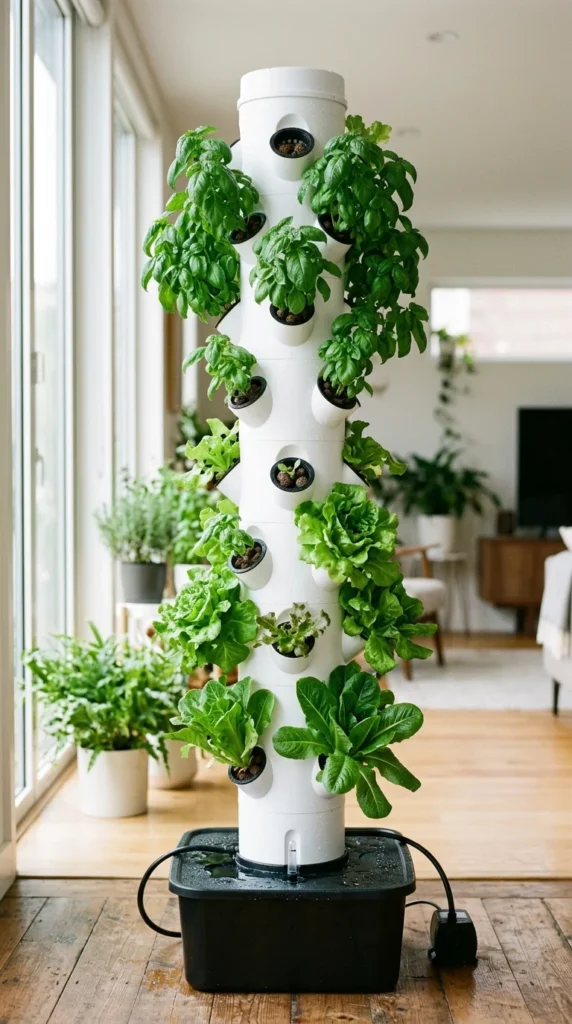
Modern herb gardening often moves away from soil entirely. A hydroponic tower allows you to grow dozens of herbs in a very small footprint using nutrient-rich water. This layout is perfect for modern interiors or minimalist balconies.
16. Mason Jars
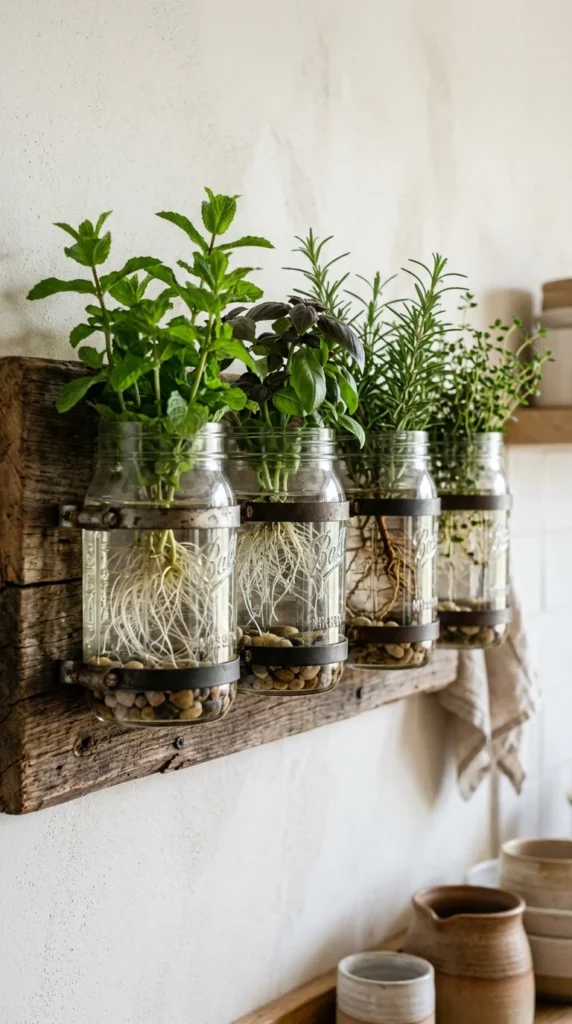
Mason jar gardens are a popular DIY layout for small-scale indoor growing. While they require careful monitoring of water levels, they look beautiful in a kitchen and can be easily mounted to a wall to save counter space.
17. Galvanized Troughs
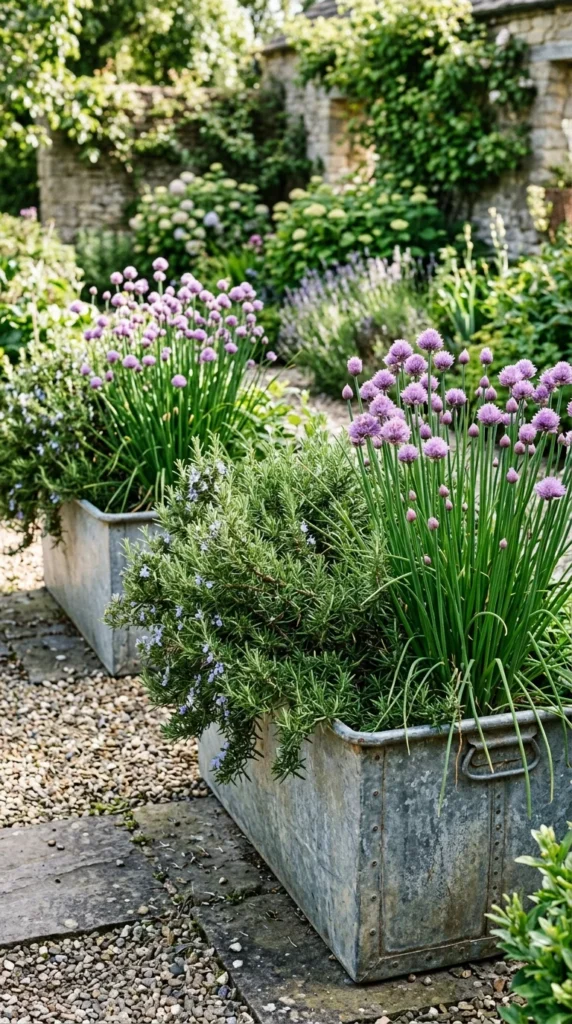
Using stock tanks or galvanized troughs provides a deep root space and a sleek, industrial look. These are highly durable and can hold a large volume of soil, which helps regulate temperature and moisture more effectively than small pots.
18. Tiered Ladder
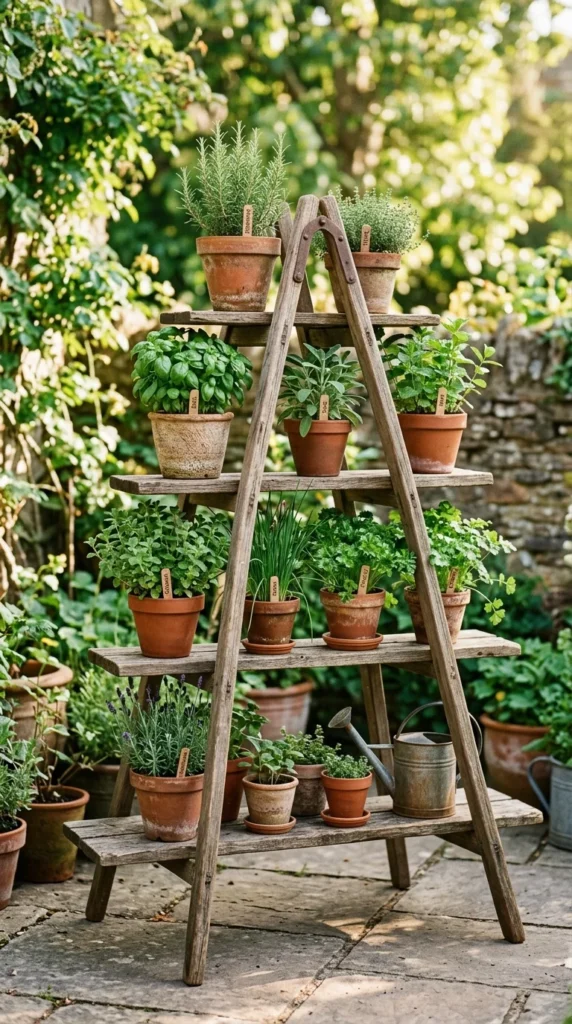
A ladder layout provides an instant tiered effect, ensuring that every plant gets adequate sunlight. It’s a great way to display a diverse collection of herbs while keeping the footprint small and the aesthetic charmingly “shabby chic.”
19. Fountain Tiering
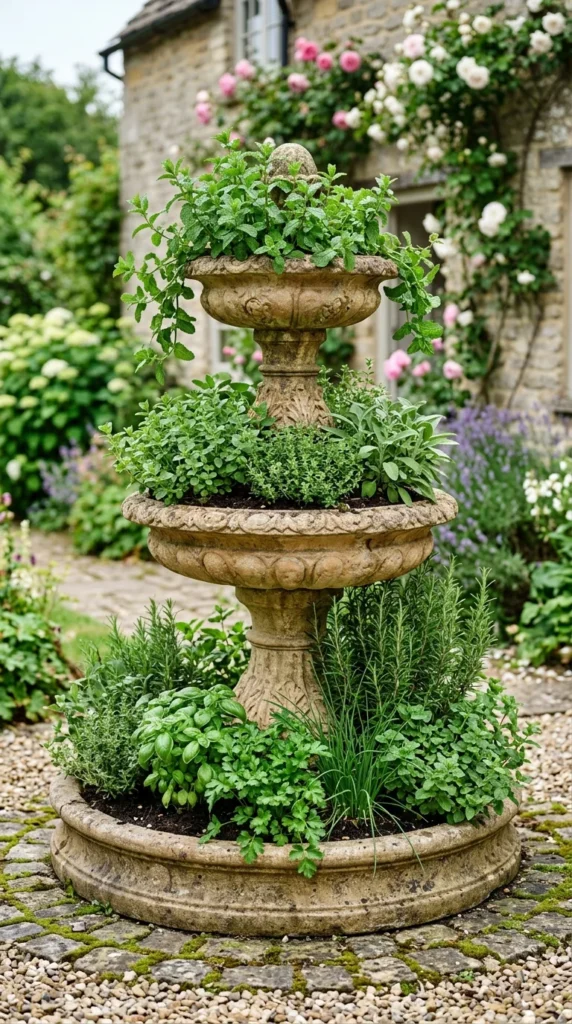
An old, non-functional fountain can be given a second life as a tiered herb garden. This layout adds a sense of elegance and verticality to the garden, and the different levels allow for varied drainage levels.
20. Stock Tanks
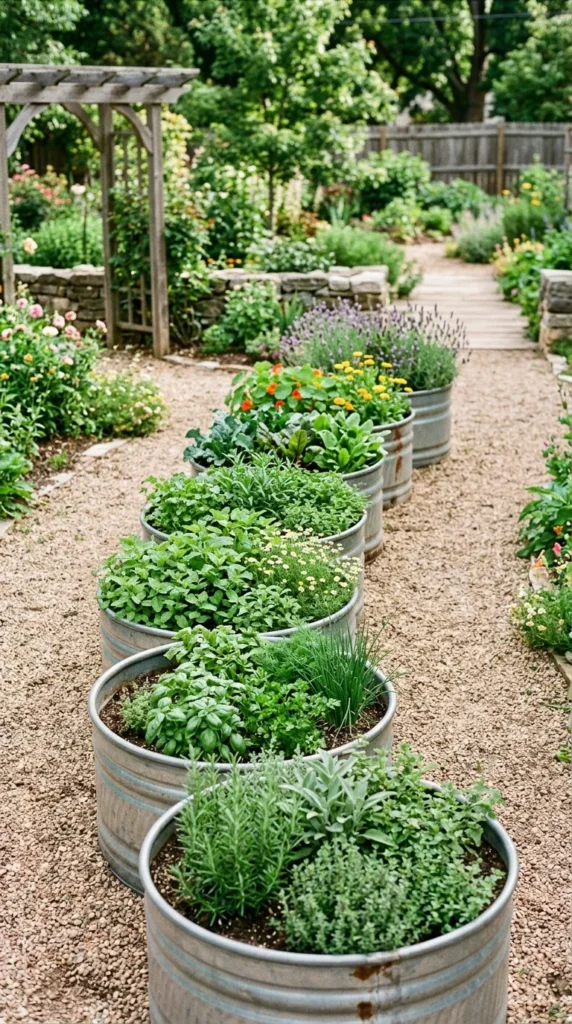
Similar to troughs but usually deeper, round stock tanks can act as self-contained “islands” of herbs. They are excellent for preventing aggressive herbs from spreading into the rest of the yard and provide a clean, modern aesthetic.
21. Companion Rows
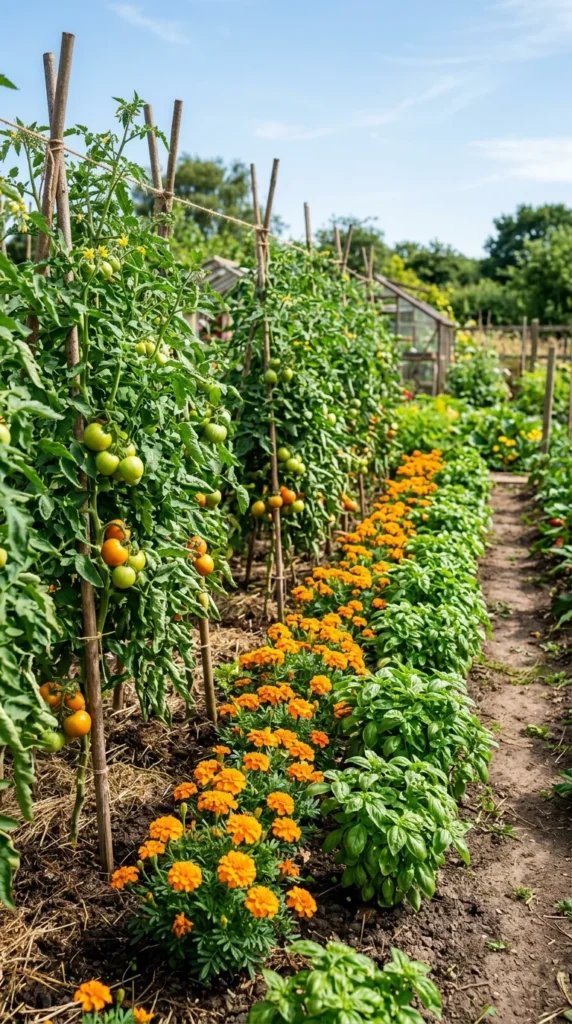
In this layout, herbs are not isolated but integrated into the vegetable garden. Planting basil with tomatoes or dill with cabbage helps deter pests and can even improve the flavor of the vegetables through companion planting.
22. Cinder Block Wall
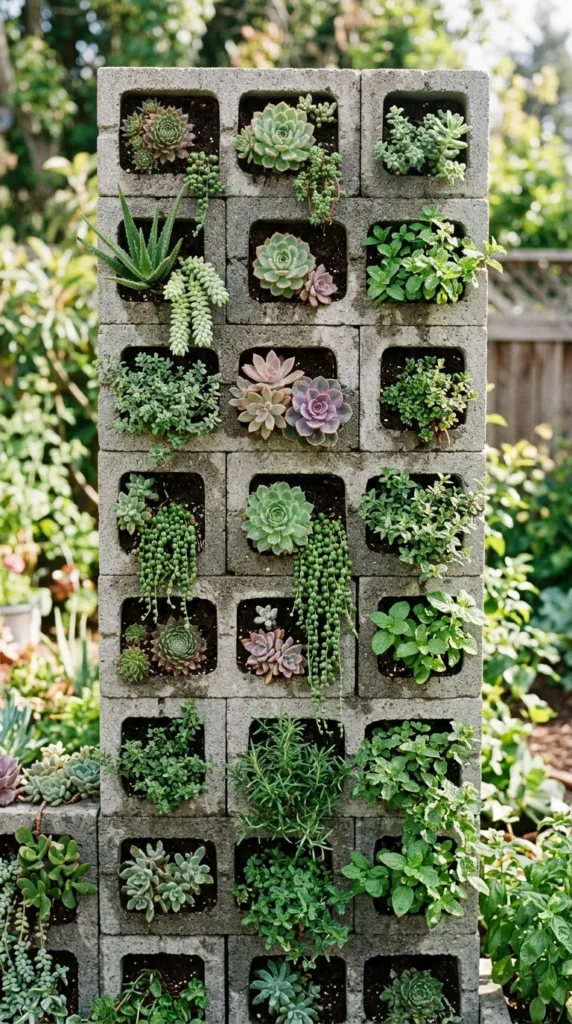
Cinder blocks are an inexpensive way to build a modular herb garden. You can stack them to your desired height and use the “holes” in the blocks as individual planters. This layout is incredibly sturdy and can be expanded easily over time.
23. Pocket Garden
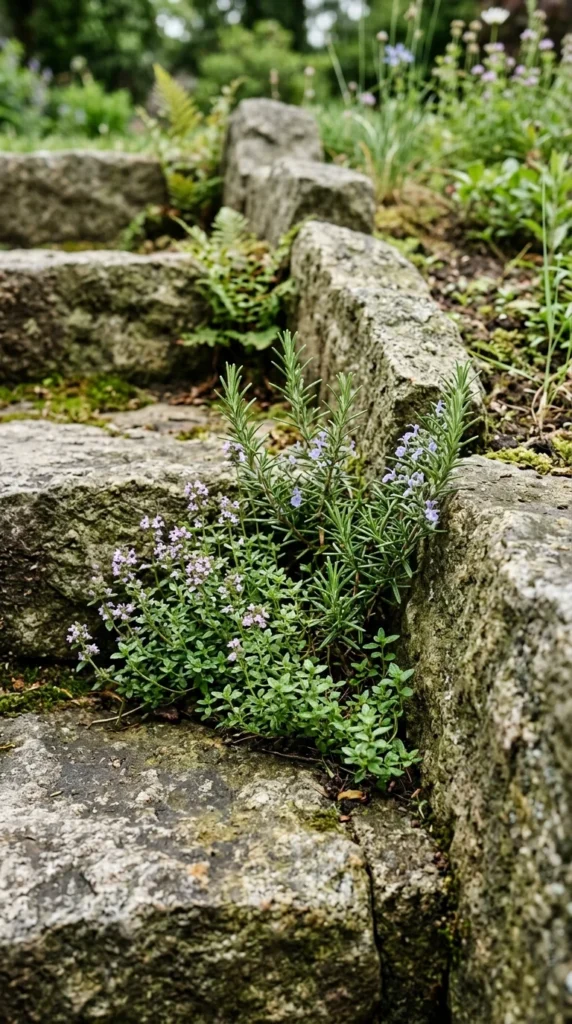
Pocket gardens utilize those awkward, small spaces between stairs, rocks, or pavers. Creeping herbs like thyme are particularly suited for this layout, as they soften the hard lines of the stone and add a sudden burst of greenery in unexpected places.
24. Tea Garden
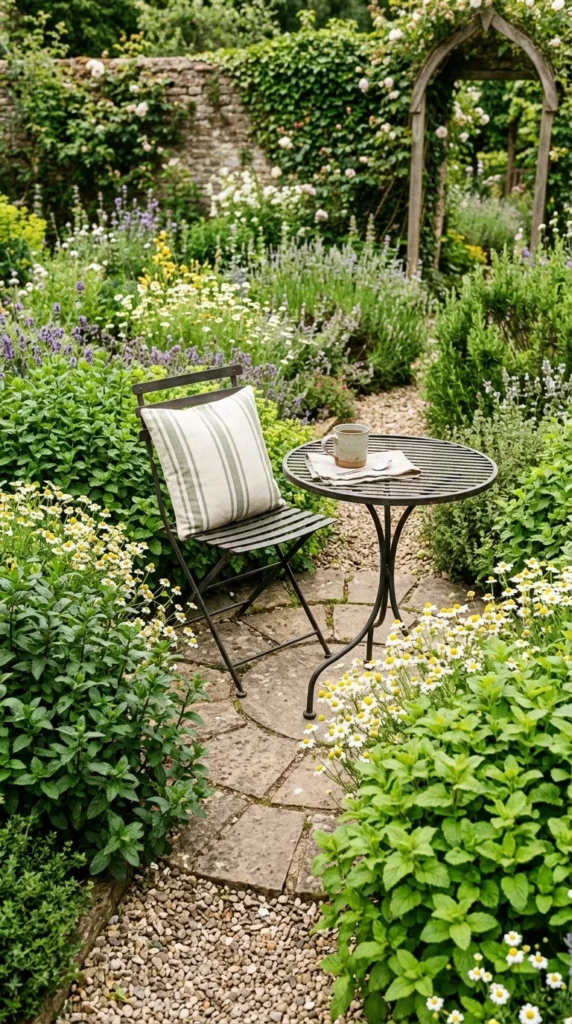
A tea garden layout focuses on herbs used for infusions. By grouping lemon balm, mint, chamomile, and lavender together in a quiet corner of the yard, you create a dedicated space for relaxation and harvesting your own custom tea blends.
25. Sunken Garden
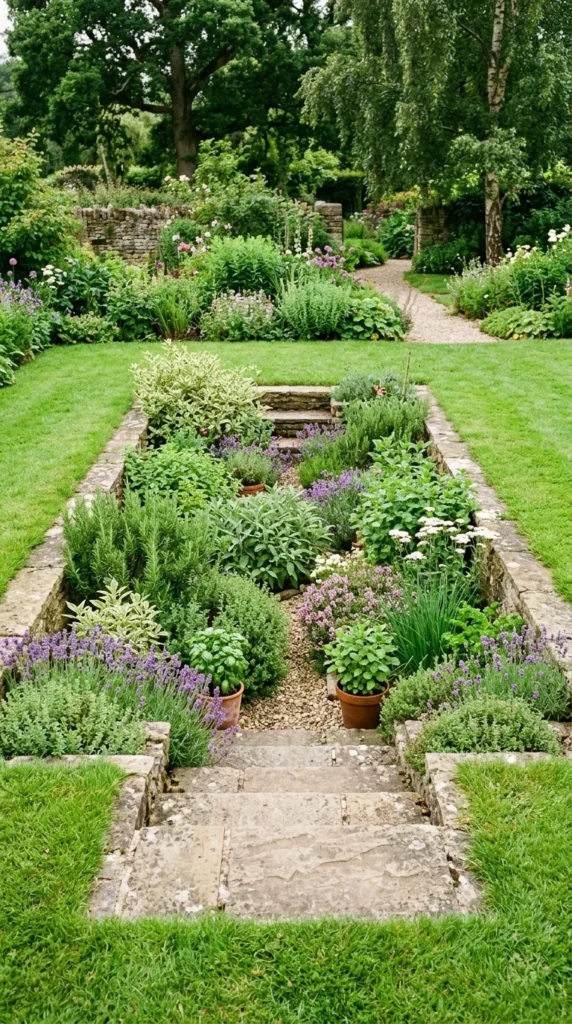
A sunken layout can protect delicate herbs from harsh winds and create a unique visual “room” within your outdoor space. It naturally collects a bit more moisture and stays cooler, making it an excellent sanctuary for herbs that struggle in the peak heat of summer.