The dream of reaching for a handful of fresh, aromatic basil or a sprig of woody rosemary while cooking in the dead of winter is entirely achievable. Growing herbs indoors is not merely a hobby for those with green thumbs; it is a practical way to enhance your culinary creations, improve indoor air quality, and bring a touch of nature into your living space. Unlike outdoor gardening, which is beholden to the seasons, indoor herb gardening allows for a controlled environment where herbs can flourish 365 days a year.
To succeed, one must balance the fundamental elements of horticulture—light, water, soil, and temperature—within the unique confines of a home environment. This guide explores the essential steps and the best plant varieties to ensure your indoor herb garden remains productive and beautiful regardless of the weather outside.
The Foundations of Indoor Herb Gardening
Before selecting your plants, you must prepare the environment. Indoor spaces often lack the intensity of sunlight and the natural airflow found outdoors, making the choice of location and equipment critical.
Lighting: The Energy Source
Most herbs are Mediterranean in origin, meaning they crave light. They typically require at least six to eight hours of bright light daily. A south-facing window is the gold standard, as it provides the most consistent and intense light. If a south-facing spot isn’t available, west-facing windows are a secondary choice, though they can sometimes become too hot in the afternoon.
If your home lacks natural light, high-quality LED grow lights are a game-changer. Position these lights 6 to 12 inches above the plants and keep them on for 12 to 14 hours a day to mimic a full day of summer sun.
Soil and Drainage: The Foundation
Standard garden soil is too heavy for indoor pots and can harbor pests or diseases. Instead, use a high-quality, organic potting mix specifically formulated for containers. These mixes often contain peat moss, perlite, or vermiculite, which ensure the soil remains aerated and well-draining.
Drainage is non-negotiable. Ensure every pot has drainage holes at the bottom. Herbs do not like “wet feet,” and sitting in stagnant water will quickly lead to root rot.
Top Herbs for Indoor Growth
While many herbs can grow indoors, some are particularly well-suited to the stable temperatures and lower light levels of a home.
1. Basil
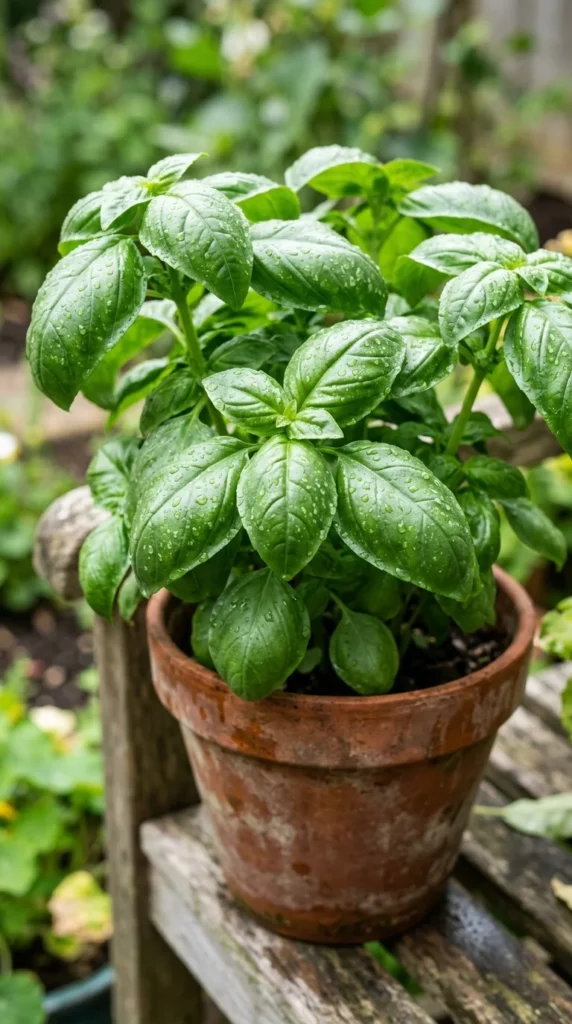
Basil is perhaps the most popular indoor herb. It loves warmth and light. When growing basil, ensure it stays in a spot that remains above 60°F (15°C). To keep it bushy, pinch off the top leaves regularly, which encourages the plant to branch out rather than grow tall and “leggy.”
2. Rosemary
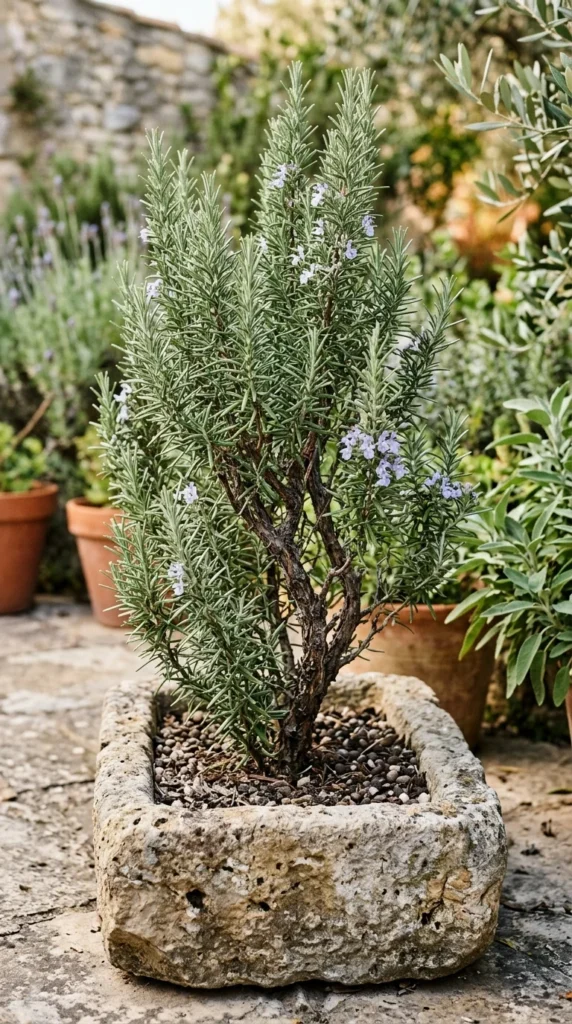
Rosemary is a perennial that can live for years. It prefers slightly drier conditions than other herbs, making it important to let the soil dry out slightly between waterings. It also benefits from good air circulation to prevent powdery mildew.
3. Mint
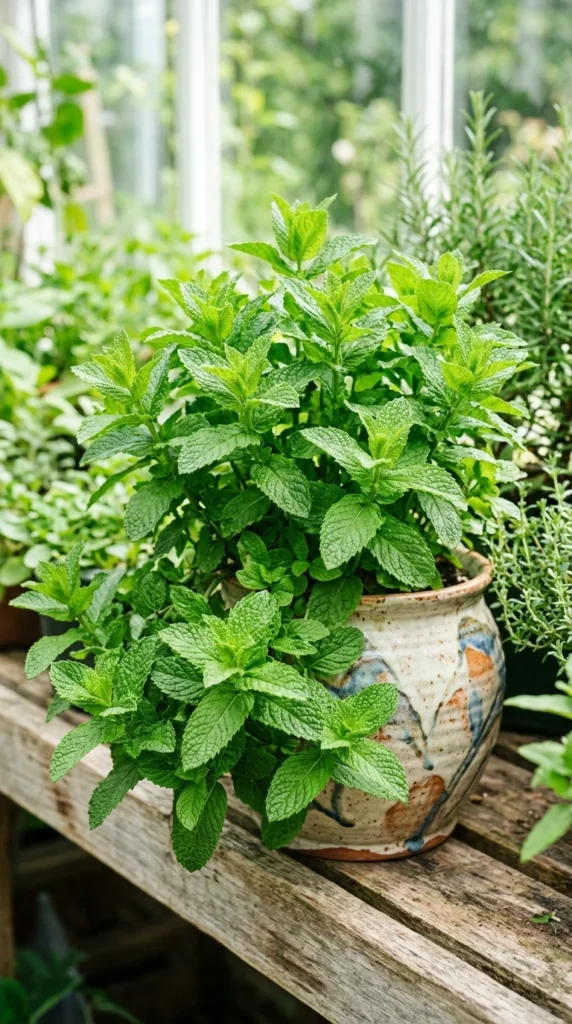
Mint is notoriously invasive in outdoor gardens, but in a pot, its aggressive growth is contained. It is one of the few herbs that can tolerate partial shade, making it ideal for windows that don’t get full sun. Keep the soil consistently moist.
4. Chives
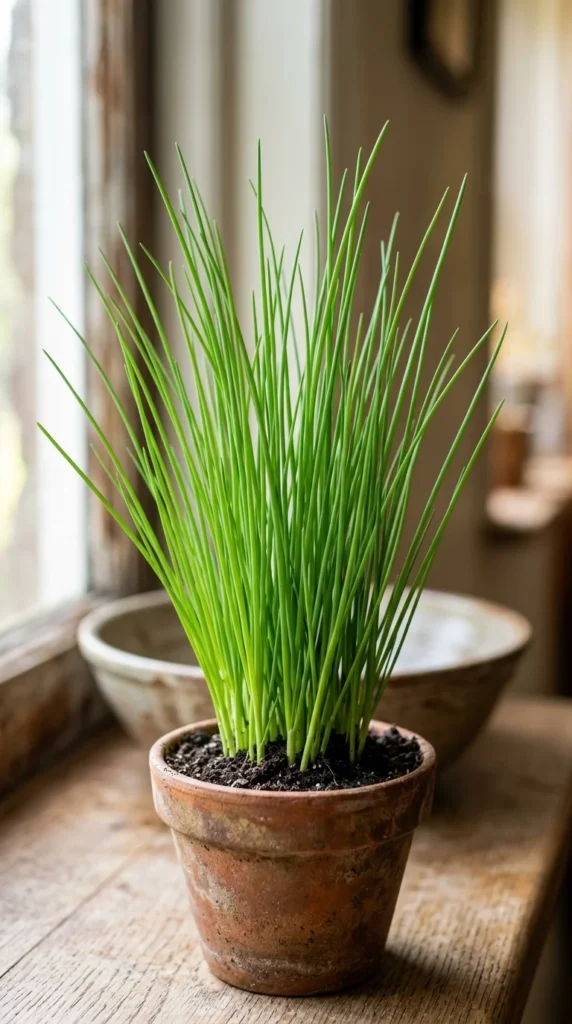
Chives are incredibly resilient and grow quickly. They are perfect for beginners because they tolerate a variety of light conditions and aren’t overly sensitive to watering fluctuations. To harvest, simply snip the outer leaves from the base.
5. Parsley
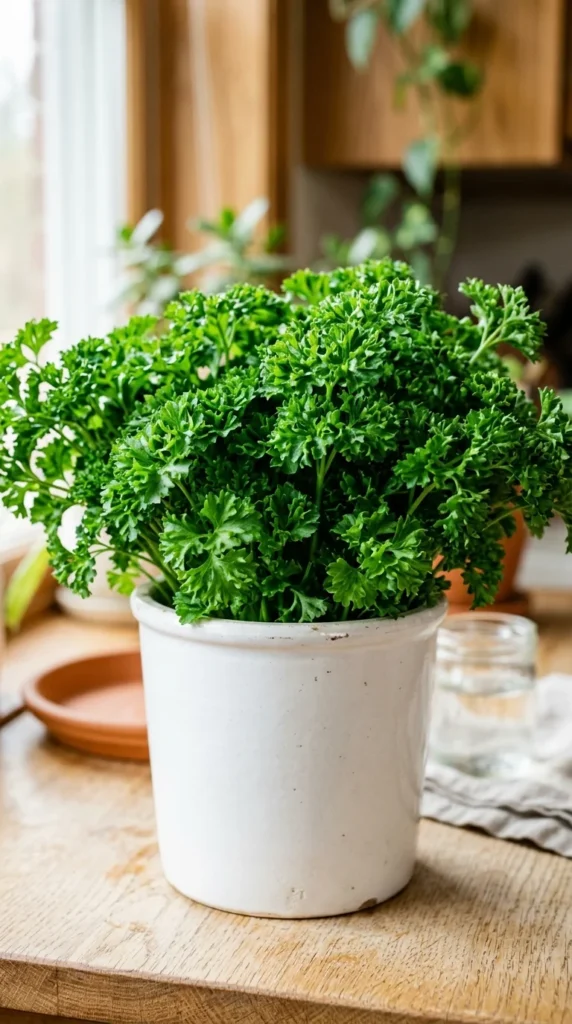
Parsley is a biennial that grows slowly but steadily. It prefers deep pots to accommodate its long taproot. While it enjoys light, it can handle slightly cooler temperatures, making it a great candidate for a kitchen windowsill that might get a bit chilly at night.
6. Thyme
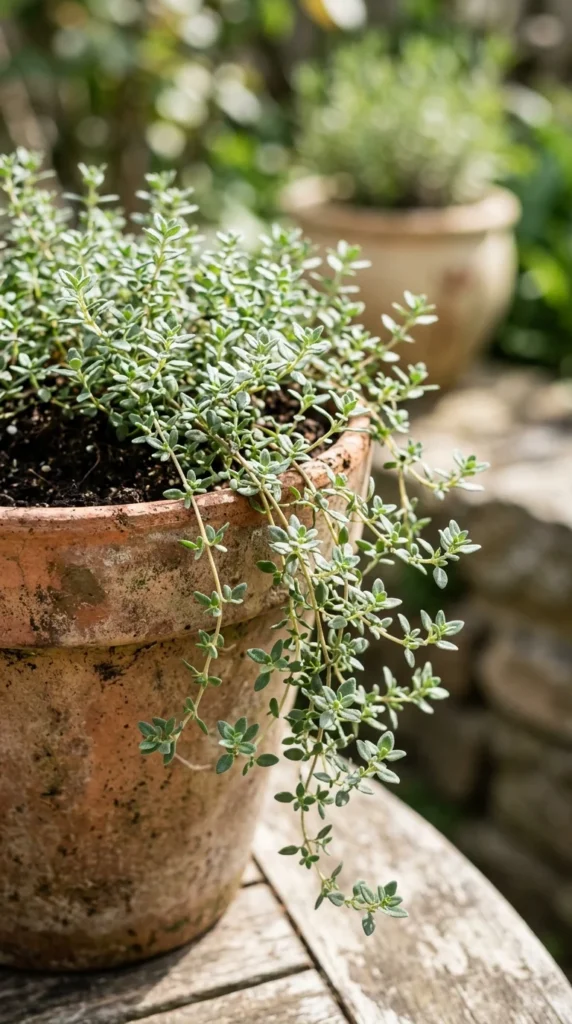
Thyme is a low-maintenance herb that thrives on neglect. It prefers well-drained soil and can handle a bit of drought. Because of its trailing habit, it looks beautiful in hanging baskets or on the edge of a multi-herb container.
7. Oregano
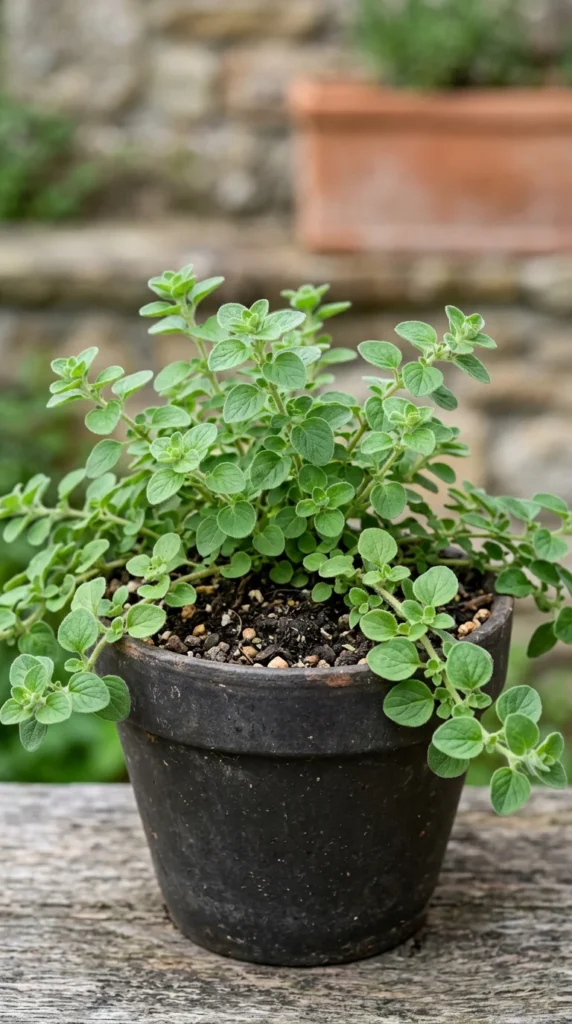
Oregano is part of the mint family but requires much more sun. It needs at least six hours of direct light to develop its signature oils and flavors. Like rosemary, let the soil dry out before watering again.
8. Sage
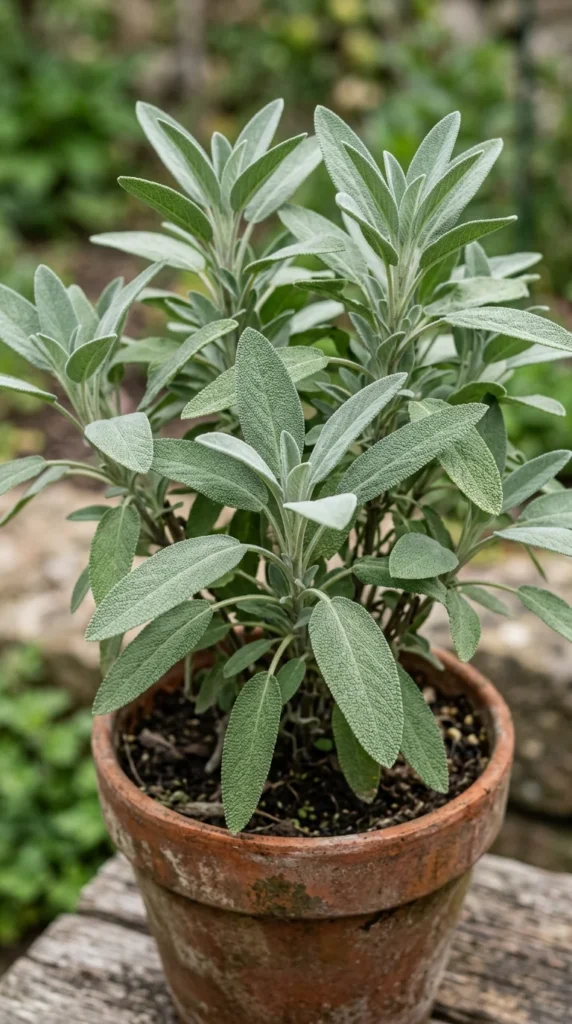
Sage is a beautiful ornamental herb with soft, silvery foliage. It is very drought-tolerant and sensitive to overwatering. It requires a very bright spot and well-circulated air to thrive indoors over the long term.
Essential Maintenance and Care
Success with indoor herbs requires a shift in mindset from “planting and forgetting” to active “stewardship.”
Watering Schedules
The number one killer of indoor herbs is overwatering. Before adding water, stick your finger an inch into the soil. If it feels dry, water it. If it’s still damp, wait a day. When you do water, do so until water runs out of the drainage holes, then empty the saucer so the pot isn’t sitting in a puddle.
Feeding Your Herbs
Because herbs in pots have a limited amount of soil, they will eventually exhaust the available nutrients. During the active growing season (spring and summer), feed your herbs every two to four weeks with a liquid organic fertilizer at half-strength. Avoid over-fertilizing, as this can actually dilute the essential oils that give herbs their flavor.
Temperature and Humidity
Most herbs thrive in temperatures between 65°F and 75°F (18°C–24°C). However, indoor air can become very dry in the winter due to heating systems. To increase humidity, you can place your pots on a tray filled with pebbles and a small amount of water (ensuring the pot sits on the pebbles, not in the water), or mist the plants occasionally.
Pruning and Harvesting
Regular harvesting is actually good for the plant. It stimulates new growth and prevents the plant from becoming “woody” or flowering (which often turns the leaves bitter). Always use sharp scissors and never harvest more than one-third of the plant at a time.
Troubleshooting Common Issues
Even with the best care, problems can arise. Being able to identify them early is key to saving your garden.
- Yellowing Leaves: This is often a sign of overwatering or poor drainage. Check the roots; if they are brown and mushy, it is root rot.
- Stretching/Leggy Stems: This indicates the plant is “searching” for light. Move it to a sunnier window or add a grow light.
- Pests: Aphids and spider mites can occasionally appear indoors. Treat them by spraying the leaves with a gentle solution of water and organic insecticidal soap.
- White Fuzz: This is usually powdery mildew, caused by high humidity and poor air circulation. Space your pots further apart and consider a small fan to move the air.
By understanding the specific needs of each herb and monitoring the indoor environment, you can transform your kitchen or living room into a year-round harvest zone. The reward of fresh flavors at your fingertips is well worth the effort of tending to your indoor sanctuary.