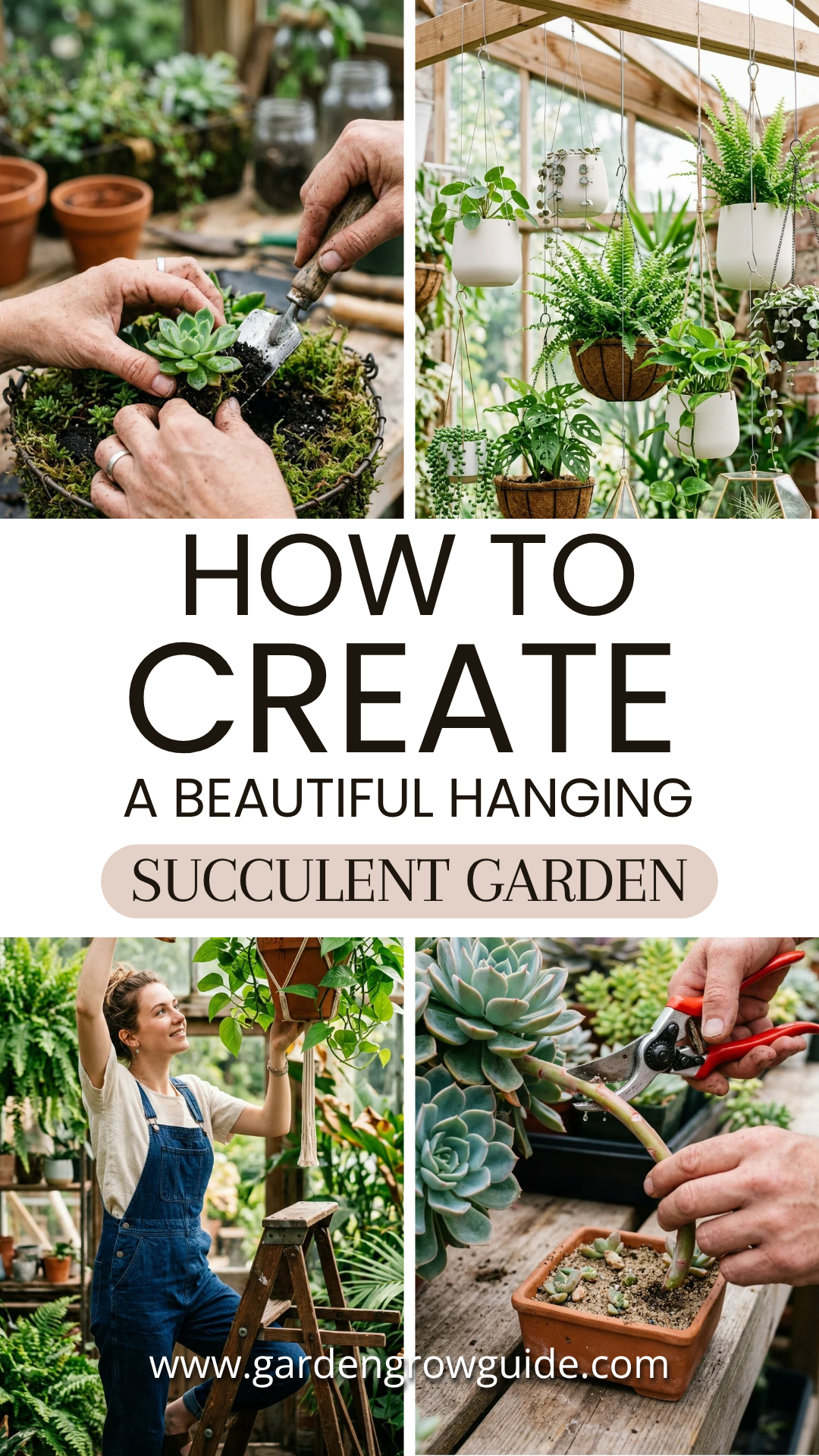
Succulents have long been the darlings of the horticultural world due to their geometric beauty, stunning colors, and resilient nature. However, taking these desert natives off the windowsill and suspending them in the air adds a dynamic, sculptural element to any home or garden. A hanging succulent garden utilizes vertical space, making it an ideal solution for small apartments, balconies, or anyone looking to create a “living curtain” effect. This guide explores the intricate details of selecting, planting, and maintaining a suspended desert oasis.
1. Plant Varieties
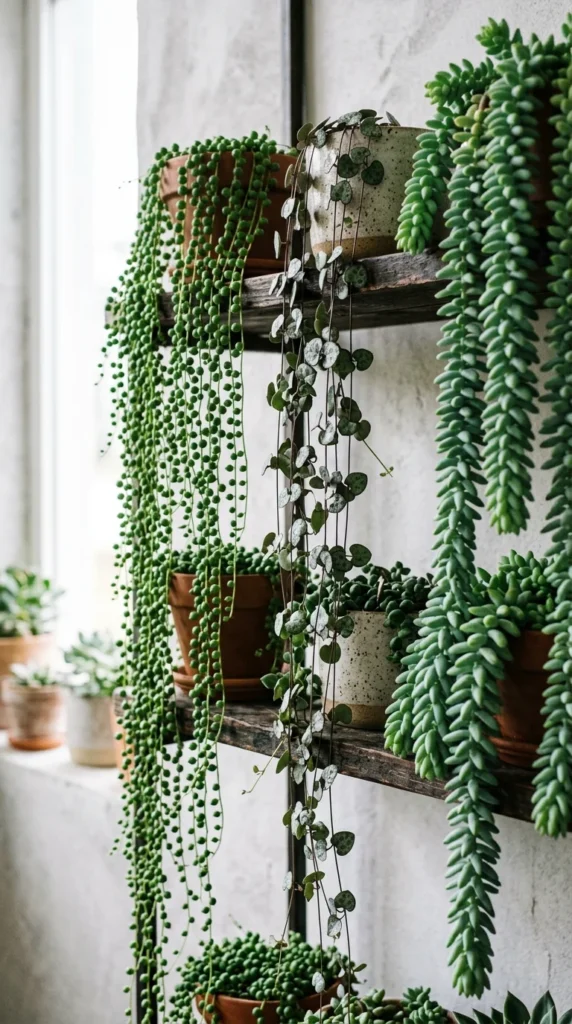
The success of a hanging garden depends largely on selecting species that naturally exhibit a “weeping” or “trailing” growth habit. While upright rosettes are beautiful, they may get lost when viewed from below. To create a professional look, aim for a mix of “spillers” and “thrillers.”
- String of Pearls (Senecio rowleyanus): Perhaps the most iconic hanging succulent, its pea-like leaves cascade in long, thin strands.
- Burro’s Tail (Sedum morganianum): Known for its thick, heavy stems covered in fleshy, blue-green leaves that can grow several feet long.
- String of Hearts (Ceropegia woodii): Features delicate, heart-shaped leaves with a purple underside, perfect for a romantic, airy aesthetic.
- Fishbone Cactus (Epiphyllum anguliger): Offers a unique, zig-zag leaf pattern that provides architectural interest.
- Trailing Jade (Kleinia petraea): A hardier option with thick, oval leaves that turn slightly purple under bright light.
2. Vessel Choice
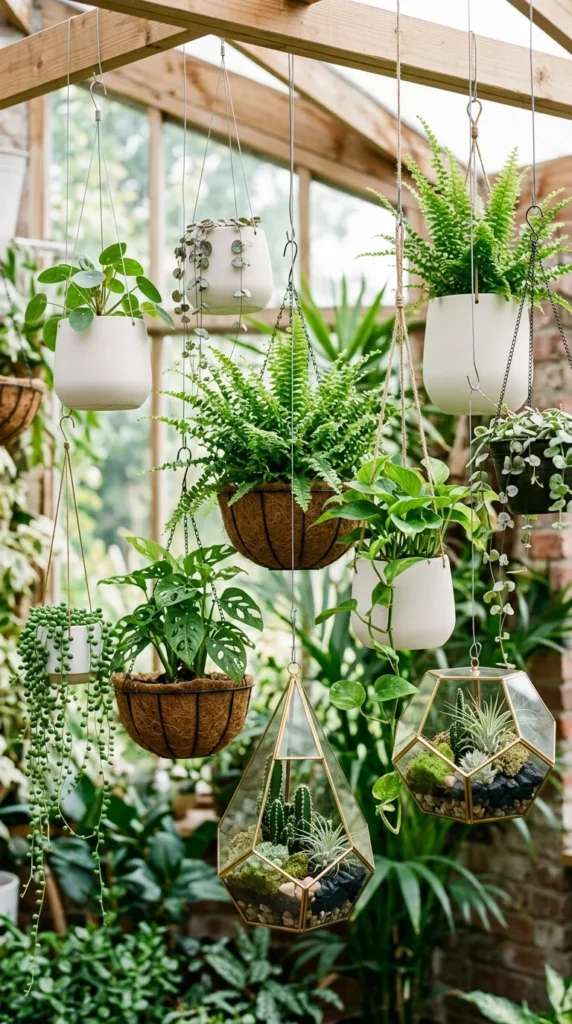
The container is more than just a home for your plant; it is a design statement. When choosing a hanging vessel, weight and drainage are your primary concerns. Succulents are prone to root rot, so a container without a drainage hole requires a very careful watering hand or a specialized inner liner.
- Ceramic and Terracotta: Classic choices that are breathable but can be heavy. Ensure your ceiling hooks can support the weight of wet soil and ceramic.
- Coconut Coir Liners: Excellent for aeration and drainage. These are perfect for outdoor hanging baskets where air circulation is high.
- Glass Terrariums: These create a modern, “floating” look. However, because they lack drainage, they are best suited for advanced gardeners who can manage moisture levels precisely.
- Woven Macrame: A boho-chic staple that allows you to turn almost any standard pot into a hanging one.
3. Well-Draining Medium
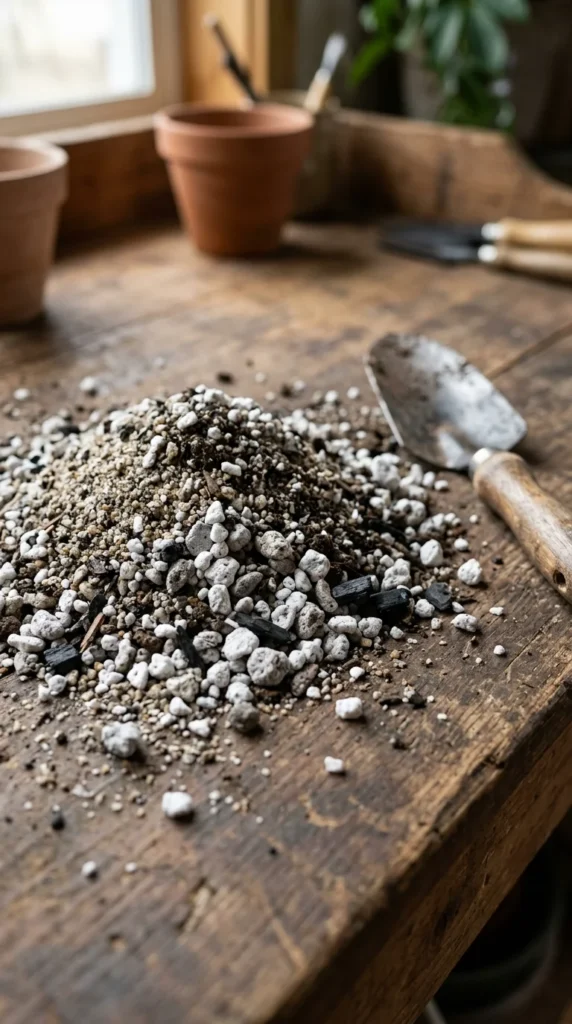
Succulents do not like “wet feet.” Standard potting soil holds too much moisture, which can suffocate succulent roots. To create a thriving hanging garden, you must use a substrate that allows water to pass through quickly while providing enough structure for the roots to grip.
A professional-grade mix usually consists of one part organic matter (like coconut coir or peat moss) and two parts inorganic grit. Materials such as perlite, pumice, or crushed lava rock are essential. This gritty texture ensures that air pockets remain in the soil even after watering, which is vital for the health of the plant’s root system. If you are using a closed glass vessel, adding a bottom layer of horticultural charcoal can help keep the environment fresh.
4. Sun Exposure
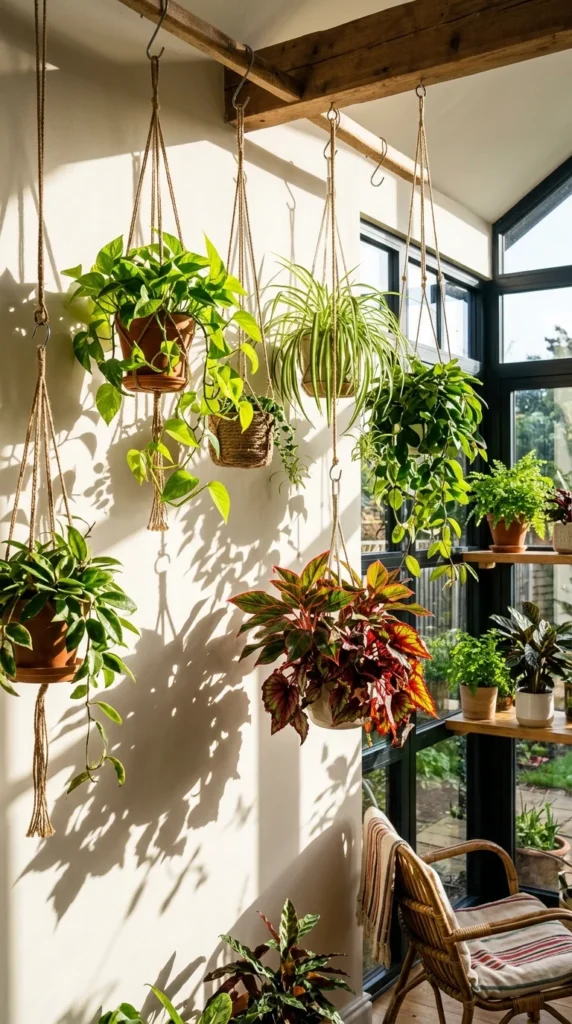
Light is the fuel for succulent growth and color. In the absence of sufficient light, succulents will undergo “etiolation”—a process where they stretch toward the light source, becoming thin, pale, and weak.
Most succulents require at least six hours of bright, indirect sunlight. If you are hanging your garden indoors, a south-facing window is usually the best location. If you notice your plants turning shades of red, orange, or purple, they are likely receiving “stress colors” from high light, which is often aesthetically desirable. However, if the leaves show brown, crispy patches, they may be getting sunburned and should be moved slightly away from the glass.
5. Planting Technique
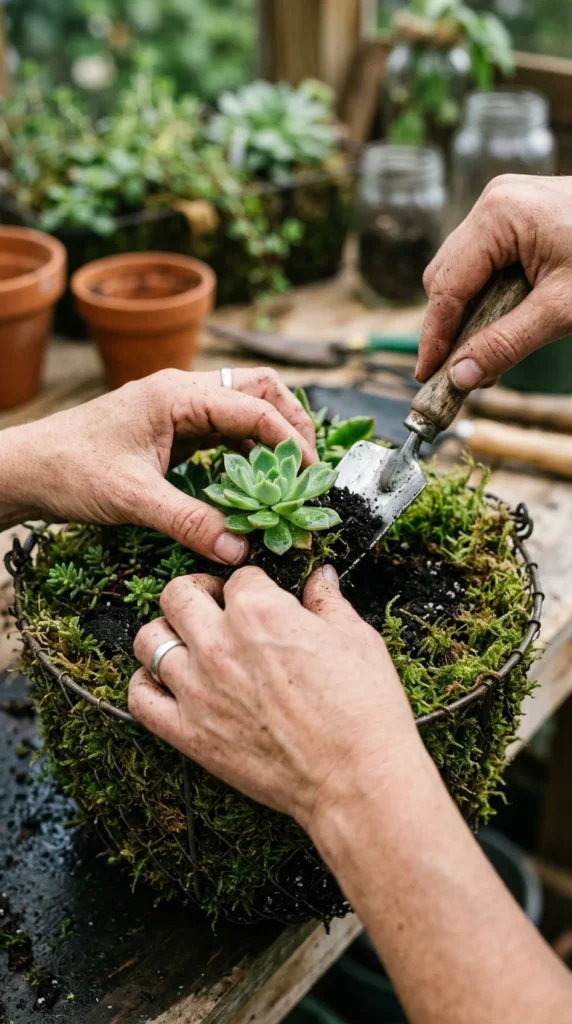
Planting a hanging garden requires a bit more finesse than a standard pot. Start by filling your container halfway with your gritty soil mix. If you are using a wire basket with a moss liner, you can actually poke holes in the sides of the liner to plant succulents through the walls, creating a 360-degree ball of greenery.
When placing trailing plants like String of Pearls, coil the strands on top of the soil initially. This allows the “nodes” on the stems to touch the dirt and grow new roots, which results in a much fuller, thicker plant at the top of the pot. Ensure the crown of the plant—where the leaves meet the roots—sits just above the soil line to prevent rot.
6. Suspension Systems
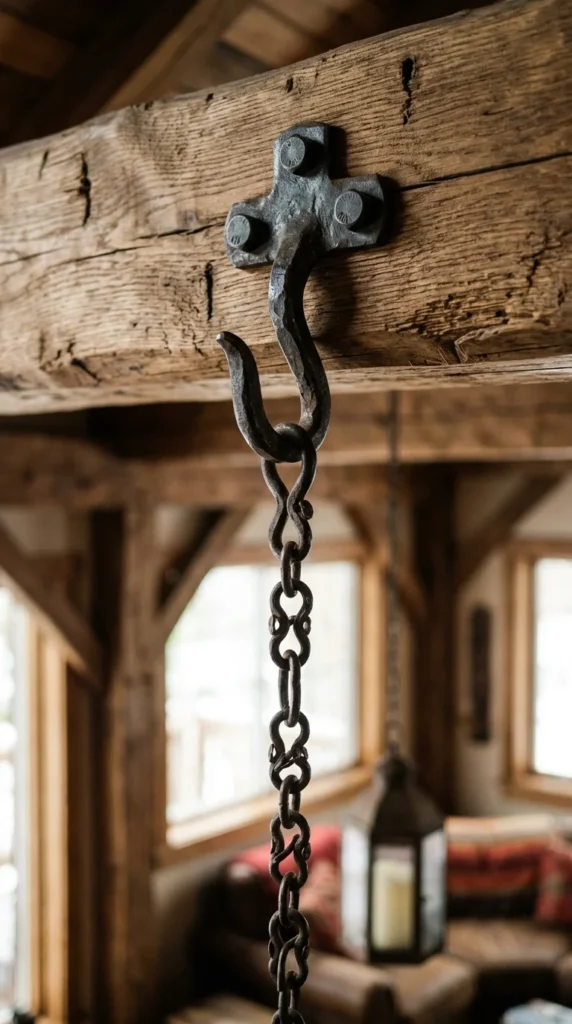
The mechanics of hanging your garden are just as important as the plants themselves. You must ensure that the hardware is rated for the weight of the pot, the soil, and the water. A gallon of water weighs about 8 pounds, and dry soil can become significantly heavier once saturated.
- Ceiling Hooks: Always try to screw hooks into a ceiling joist or stud. If that isn’t possible, use heavy-duty toggle bolts designed for drywall.
- S-Hooks and Chains: These allow you to adjust the height of your plants easily. Hanging plants at different levels creates visual depth.
- Wall Brackets: If you cannot hang from the ceiling, ornate metal wall brackets are a sturdy and stylish alternative.
7. Watering Strategy
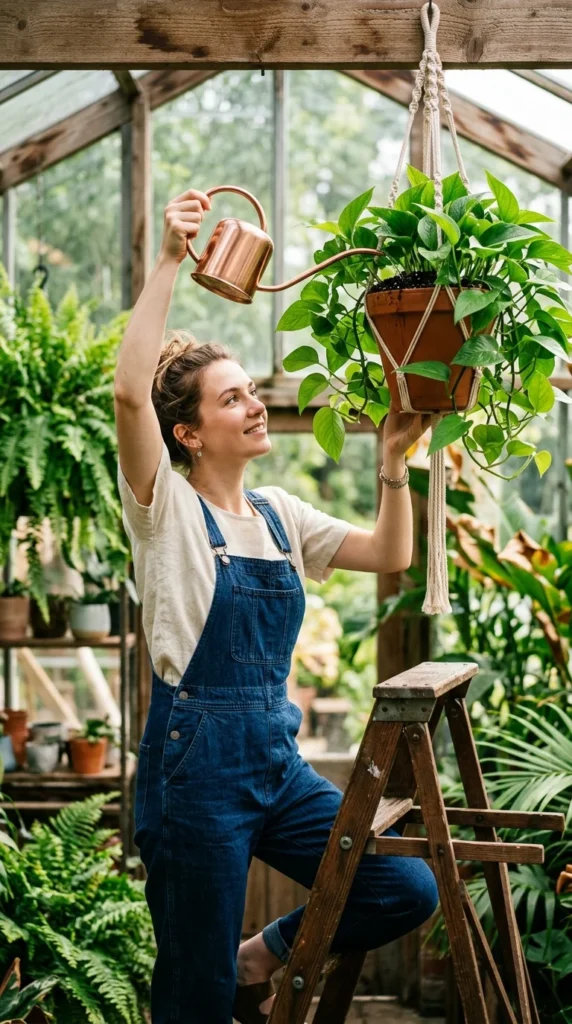
Watering a hanging succulent can be a challenge. If the pot has drainage, water will drip onto your floor. If it doesn’t have drainage, you risk drowning the plant. The best method for hanging plants with drainage is the “soak and dry” method.
Take the plant down, bring it to a sink, and water it thoroughly until water runs out the bottom. Let it drip-dry completely before hanging it back up. If the plant is too heavy to move, place a decorative bucket or a towel underneath it while watering. Generally, succulents in hanging baskets dry out faster than those in floor pots because they are exposed to more airflow on all sides. During the summer, you may need to water once a week; in the winter, once a month is often sufficient.
8. Pruning Care
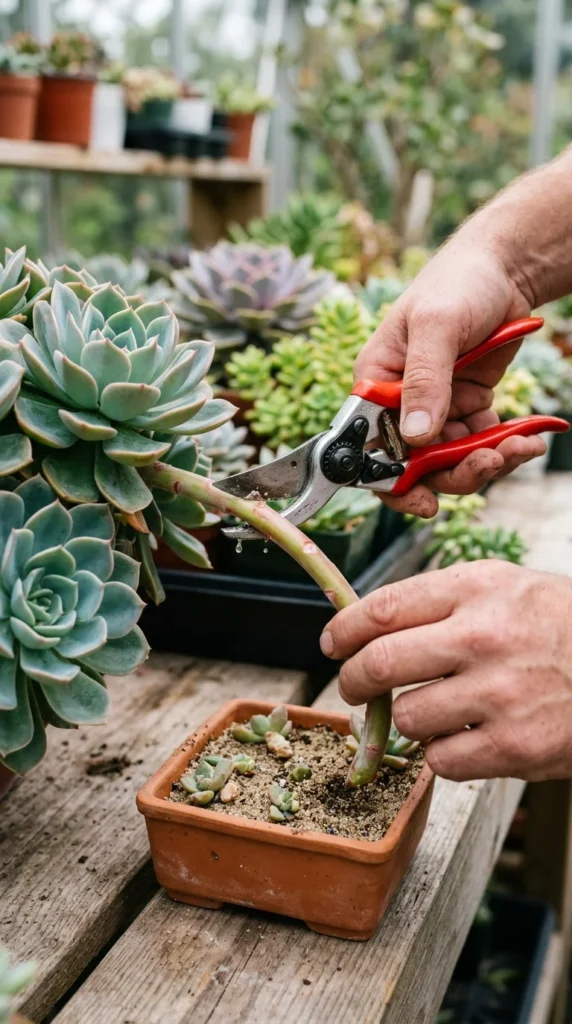
Maintenance is key to keeping a hanging garden looking intentional rather than overgrown. Over time, trailing succulents can become “leggy,” with long gaps between the leaves. Pruning encourages the plant to branch out, creating a bushier appearance.
Don’t throw away your trimmings! Succulents are incredibly easy to propagate. Simply let the cut end of a stem callus over for a few days, then stick it back into the soil. Within a few weeks, it will grow roots, allowing you to expand your garden for free. Regularly removing dead or shriveled leaves from the top of the pot also prevents pests like mealybugs from finding a hiding spot.
9. Living Frames
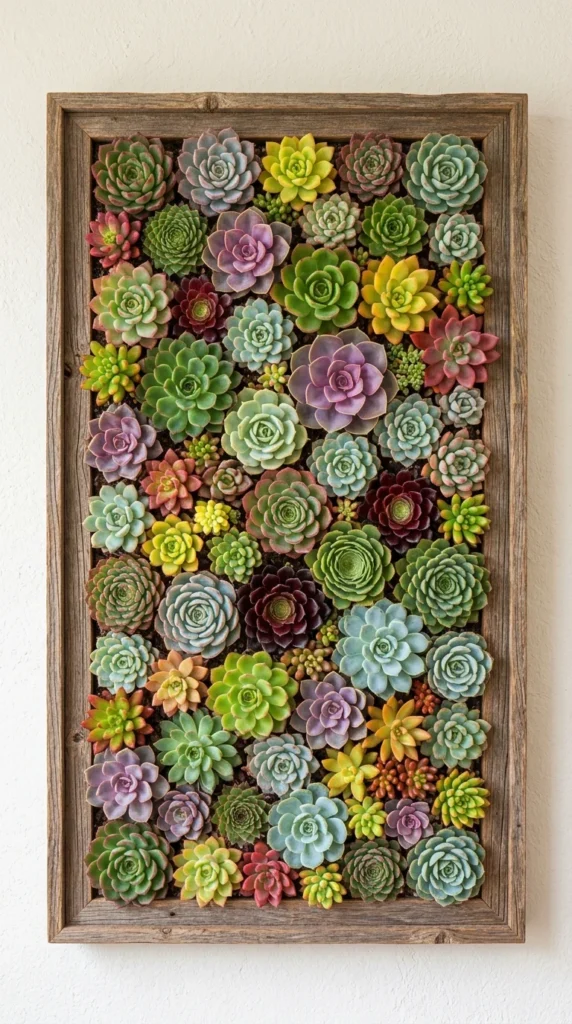
For those who want a “hanging” garden that leans more toward fine art, a living wall frame is a spectacular option. This involves a shallow shadow box filled with soil and covered with a wire mesh. Succulents are planted through the mesh, which holds the soil and plants in place when the frame is hung vertically.
This style works best with rosette-shaped succulents like Echeveria, Sempervivum (Hens and Chicks), and Sedum. Because the soil volume is low in these frames, they require more frequent misting or a specialized “dip” watering technique where the entire frame is submerged in a basin of water for 15 minutes once every two weeks.
10. Seasonal Adjustments
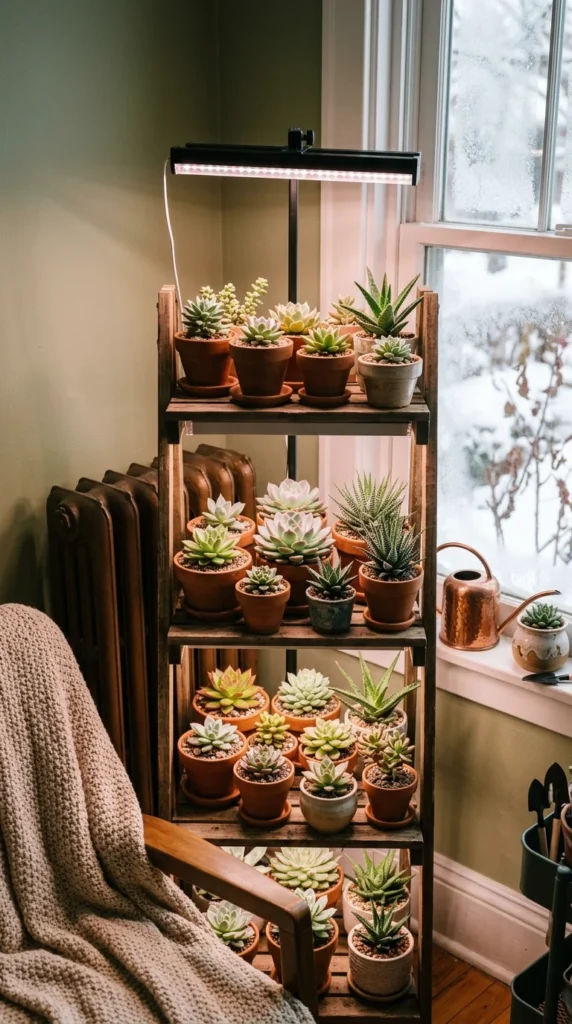
If your hanging succulent garden is located outdoors on a porch or balcony, you must be mindful of the seasons. Most succulents are not frost-hardy. When temperatures drop below 40°F (4°C), it is time to bring your hanging garden inside.
Indoor environments in winter can be very dry due to heaters. While succulents handle dry air well, the lack of light in winter is the biggest threat. You may need to supplement with a LED grow light to keep your plants from stretching. As the seasons change, keep an eye on the growth patterns and adjust your watering and light exposure to match the plant’s natural dormancy period, ensuring your hanging garden remains a stunning focal point year-round.