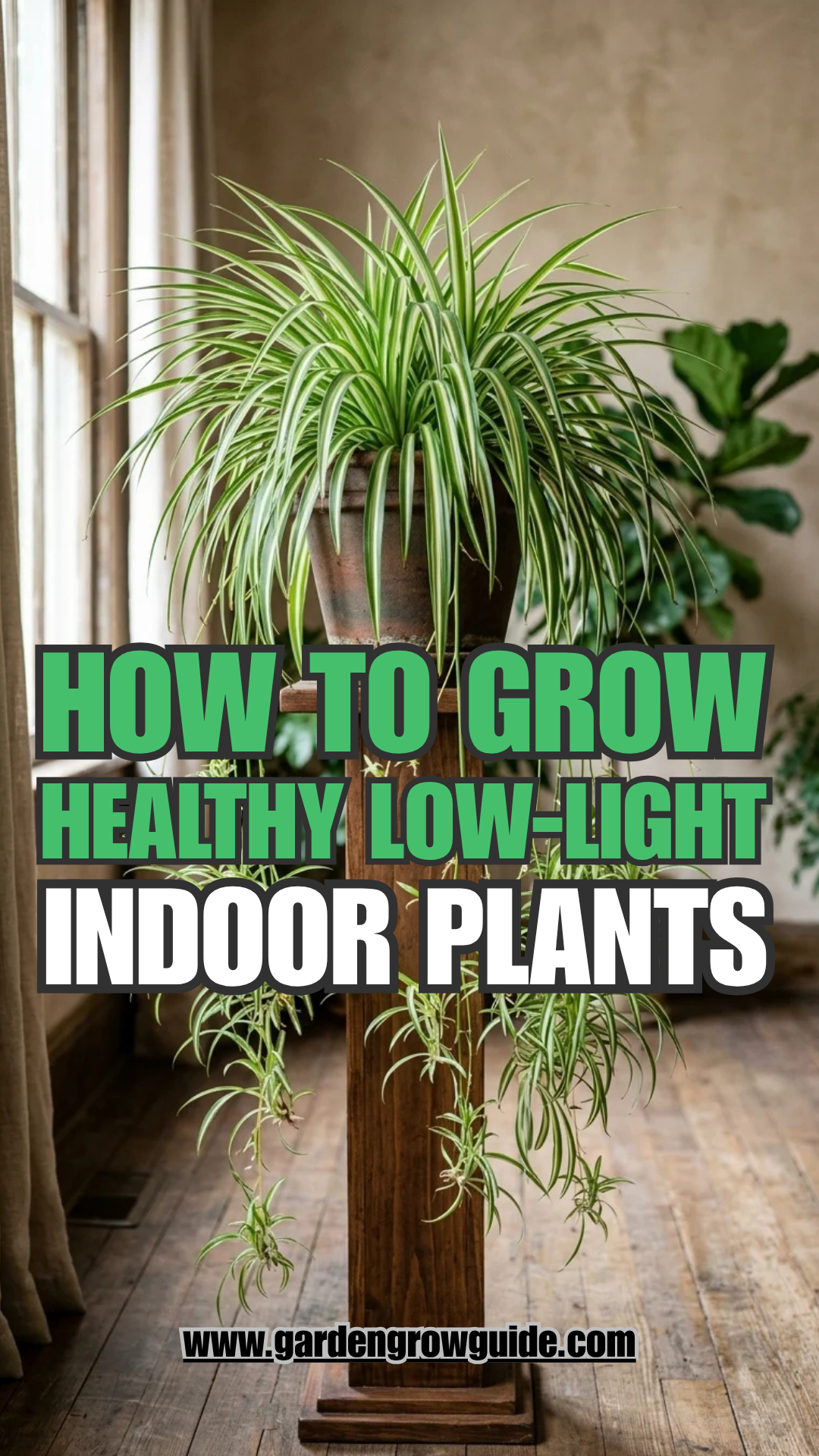
Growing plants in low-light conditions is often perceived as a challenge, but it is actually one of the most rewarding ways to bring nature into the darker corners of your home. Whether you live in a basement apartment, have a north-facing room, or simply want to green up a hallway, understanding the specific needs of low-light flora is the key to success.
In botanical terms, “low light” doesn’t mean “no light.” All plants require some level of photosynthesis to survive. However, low-light plants have evolved to be incredibly efficient at capturing what little light is available, often featuring wide, dark green leaves packed with chlorophyll. To keep these plants healthy, one must master the balance of hydration, nutrition, and environment.
1. Snake Plant
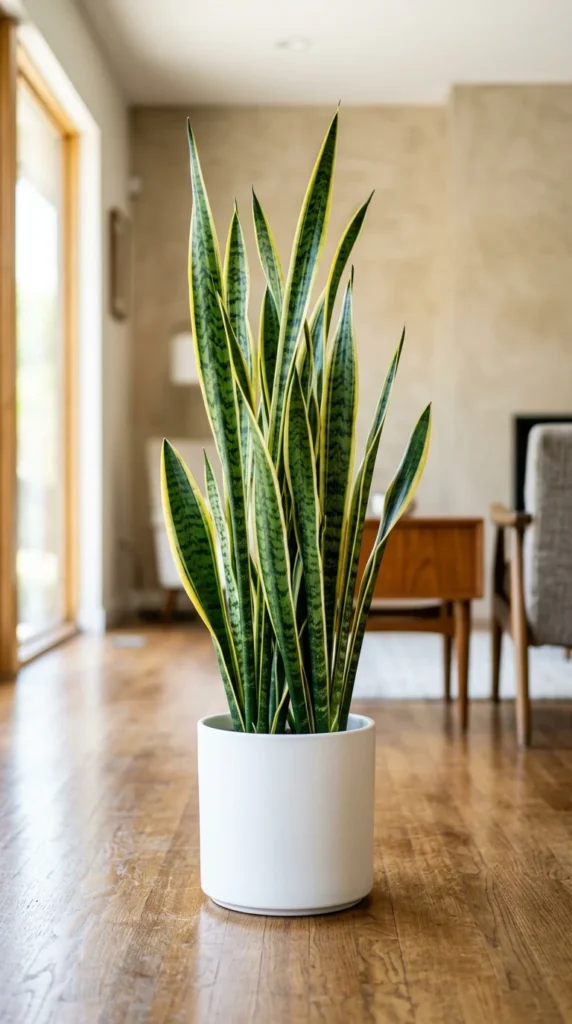
The Snake Plant, or Sansevieria, is the undisputed king of low-light environments. Known for its structural beauty and “indestructible” nature, it can survive for weeks with minimal attention. Because it grows slowly in dim conditions, it won’t quickly outgrow its space.
- Light Needs: While it prefers indirect light, it can tolerate deep shade.
- Watering: This is a succulent; only water when the soil is completely dry to the touch, usually every 3–4 weeks.
- Pro Tip: Avoid getting water in the center of the rosette, as this can cause the plant to rot from the inside out.
2. ZZ Plant
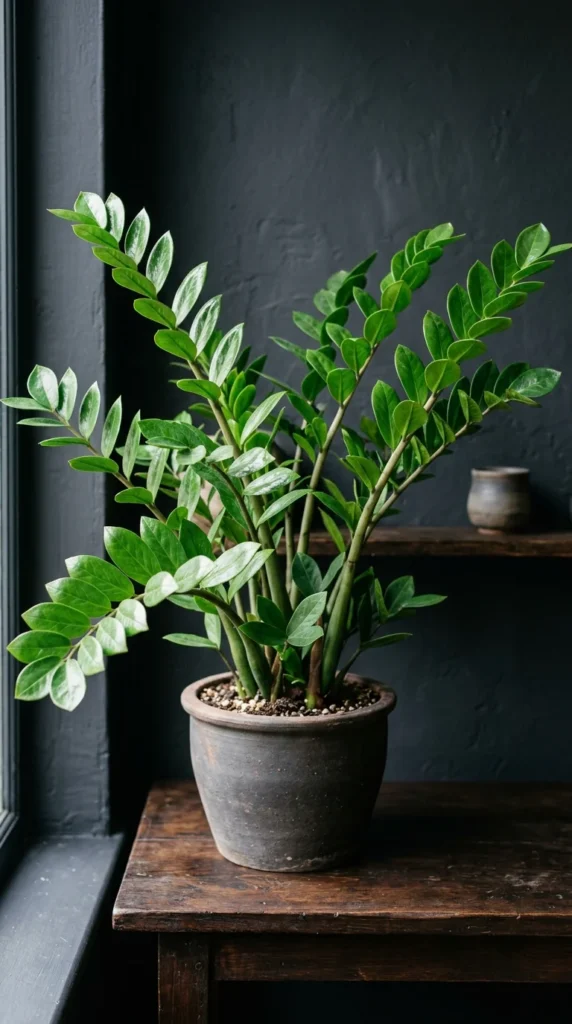
The Zamioculcas zamiifolia, or ZZ plant, is famous for its shiny, plastic-looking leaves. It has evolved to survive periods of extreme drought in its native Africa, making it perfect for forgetful gardeners. Its leaves are excellent at reflecting what little light hits them, giving the plant a healthy glow even in dim hallways.
- Light Needs: Thrives in low to medium indirect light.
- Watering: The ZZ plant grows from rhizomes (bulbs) that store water. Overwatering is its biggest enemy. Water only when the soil is bone dry.
- Maintenance: Wipe the leaves with a damp cloth periodically to keep the “wax” shine and remove dust that blocks light absorption.
3. Pothos
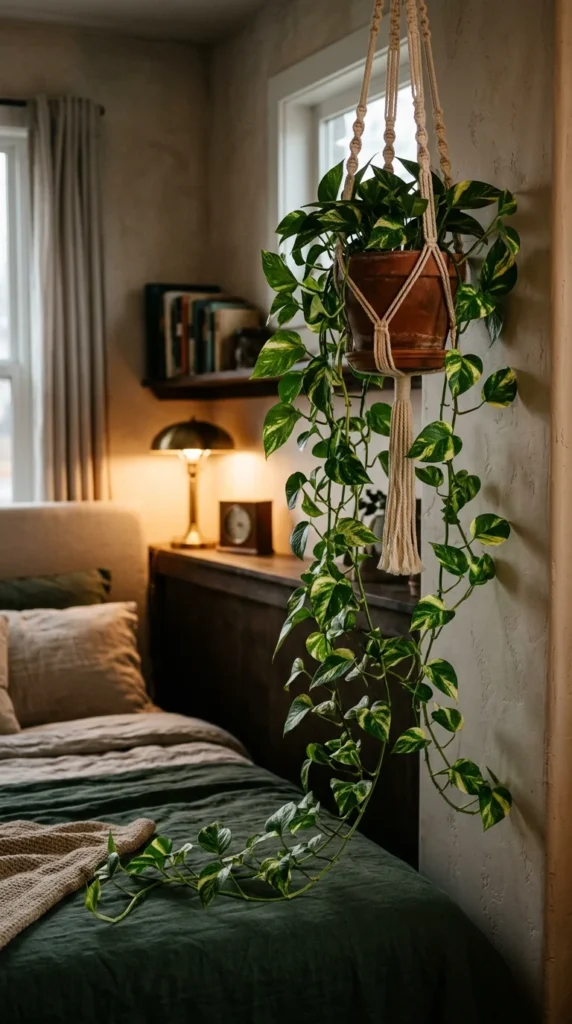
Often called “Devil’s Ivy,” Pothos is one of the most popular indoor plants globally. It is incredibly versatile, capable of climbing a trellis or trailing gracefully from a bookshelf. While variegated varieties may lose some of their white or yellow coloring in low light, the plant will remain vigorous and green.
- Light Needs: Low to bright indirect light. In low light, the growth will be slower and the leaves smaller.
- Watering: Water when the top inch of soil feels dry. If the leaves start to wilt, the plant is thirsty.
- Propagation: Pothos is incredibly easy to propagate; simply snip a vine below a node and place it in water.
4. Peace Lily
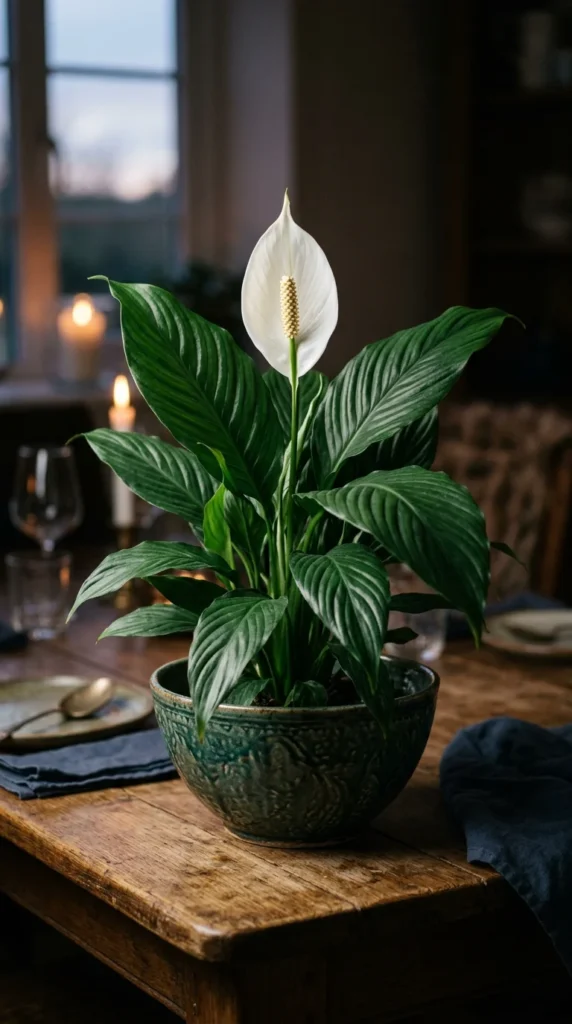
The Peace Lily (Spathiphyllum) is beloved for its elegant white blooms and deep green foliage. It is one of the few plants that can actually produce flowers in relatively low-light conditions. It also acts as a natural “canary in the coal mine” for your garden because it visibly droops when it needs water.
- Light Needs: Medium to low light. Direct sunlight will scorch the delicate leaves.
- Watering: Keep the soil consistently moist but not soggy. It prefers filtered water, as it can be sensitive to fluoride in tap water.
- Safety Note: Peace Lilies are toxic to pets, so keep them out of reach of curious cats and dogs.
5. Spider Plant
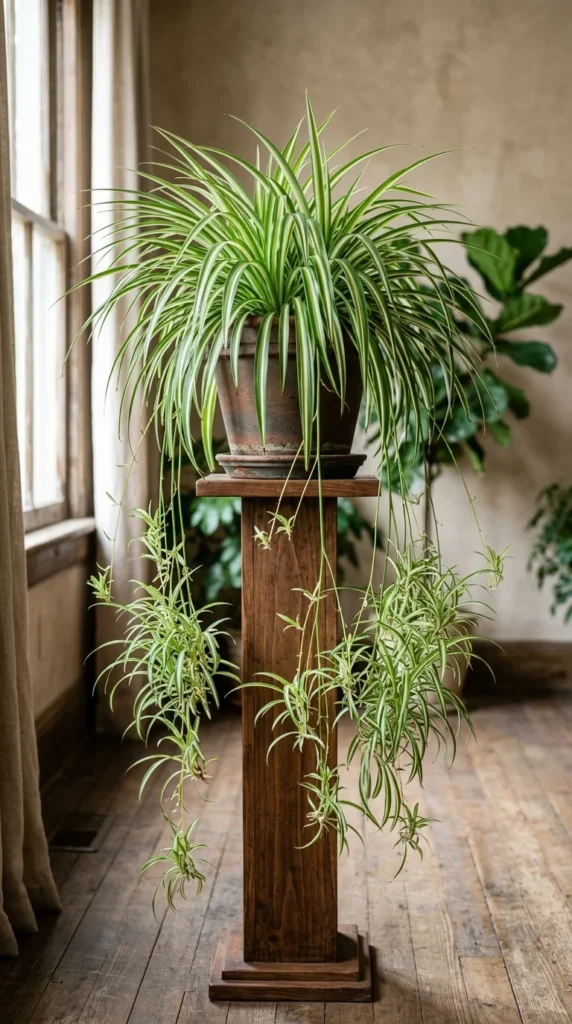
Spider Plants (Chlorophytum comosum) are hardy, adaptable, and excellent for air purification. They are particularly well-suited for bathrooms or kitchens where humidity levels are slightly higher. They produce “pups” or baby plants that can be snipped off and replanted to grow your collection.
- Light Needs: They prefer bright, indirect light but are highly adaptable to lower light levels.
- Watering: They enjoy regular watering but are forgiving if you miss a week.
- Tip: If the tips of the leaves turn brown, it is often a sign of salt buildup or chemicals in the water; try using rainwater or distilled water.
6. Cast Iron Plant
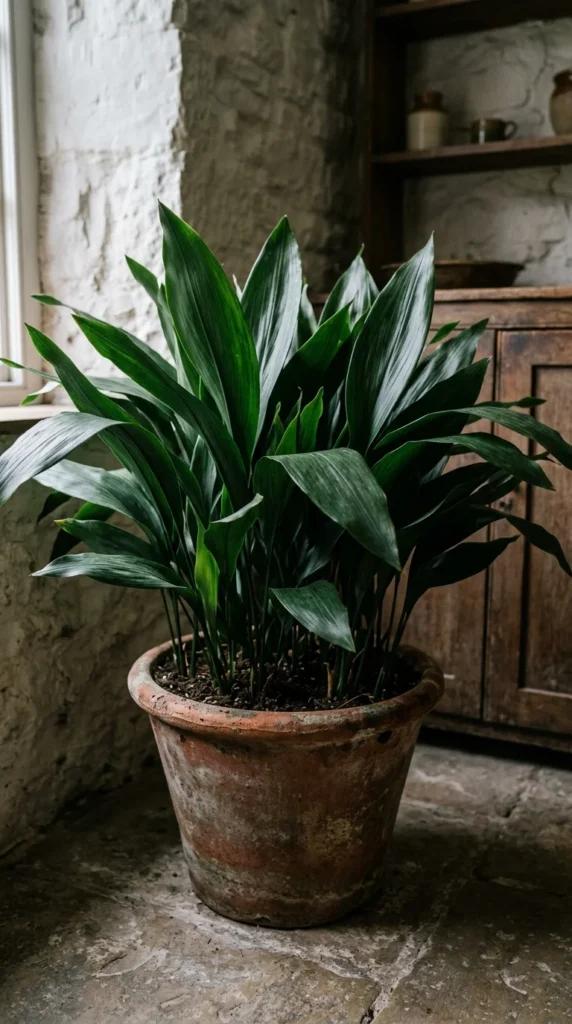
The Aspidistra elatior earned its name “Cast Iron Plant” because it can survive almost anything: low light, poor air quality, and irregular watering. It was a staple in Victorian-era homes because it could withstand the dim, soot-filled air of the time.
- Light Needs: Deep shade to low light. It actually dislikes direct sun, which can bleach its leaves.
- Watering: Moderate. Allow the soil to dry out halfway between waterings.
- Growth: This is a very slow grower, so buy a plant that is already the size you want for your space.
7. Parlor Palm
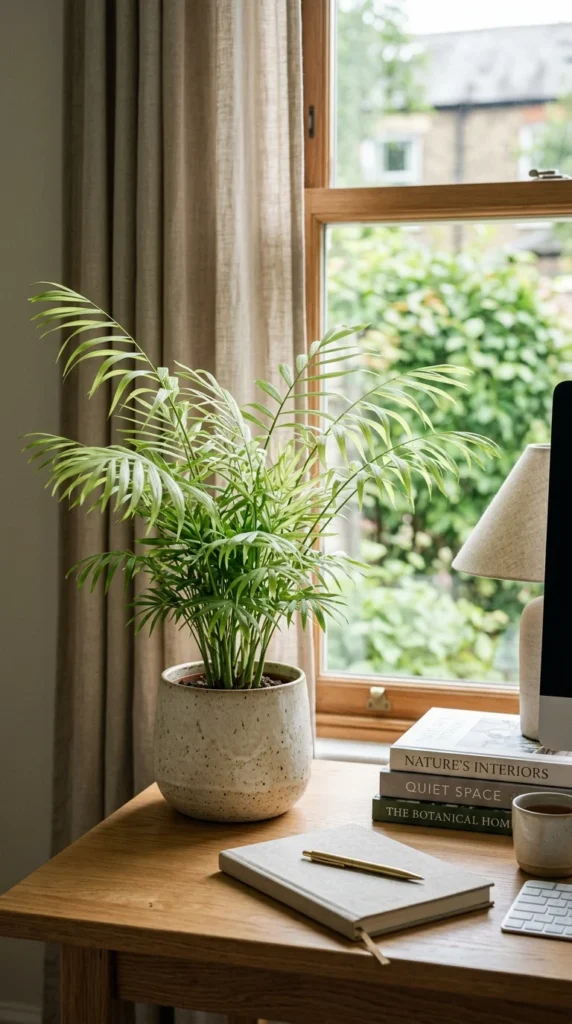
If you want a tropical aesthetic without the high-maintenance needs of a Fiddle Leaf Fig, the Parlor Palm (Chamaedorea elegans) is your best bet. It has been a popular indoor plant since the Victorian era because of its ability to thrive in interior rooms with minimal natural light.
- Light Needs: Low to medium light.
- Watering: It prefers to stay on the drier side. Water when the top inch of soil is dry.
- Humidity: It appreciates an occasional misting or being placed near a humidifier, as dry indoor air can lead to spider mites.
Key Strategies for Low-Light Success
Managing low-light plants requires a different mindset than caring for sun-loving succulents or tropicals. Here are the golden rules for keeping your shaded garden thriving:
Master the Art of Watering
In low light, plants photosynthesize slower, which means they use water much more slowly. The most common cause of death for low-light plants is overwatering, which leads to root rot. Always check the soil depth with your finger before adding water. If it feels damp, wait.
Clean the Foliage
Dust is a major enemy in dim environments. A layer of dust on a leaf acts like a curtain, blocking the precious little light that reaches the plant. Once a month, wipe the leaves of your plants with a soft, damp cloth to ensure they can “breathe” and absorb light efficiently.
Skip the Heavy Fertilizer
Since plants in low light grow at a slower pace, they do not require much food. Fertilizing a dormant or slow-growing plant can lead to a buildup of salts in the soil that can burn the roots. Only fertilize during the spring and summer months, and use the fertilizer at half the recommended strength.
Rotate Your Plants
Plants naturally grow toward the light source (a phenomenon known as phototropism). To keep your plants from becoming “leggy” or leaning too far in one direction, give the pot a quarter-turn every time you water. This ensures even growth on all sides.
Choose the Right Potting Mix
Low-light plants benefit from well-draining soil that doesn’t hold onto moisture for too long. Adding perlite or orchid bark to a standard potting mix can help increase aeration around the roots, preventing the fungal issues that are more common in cool, dark corners.