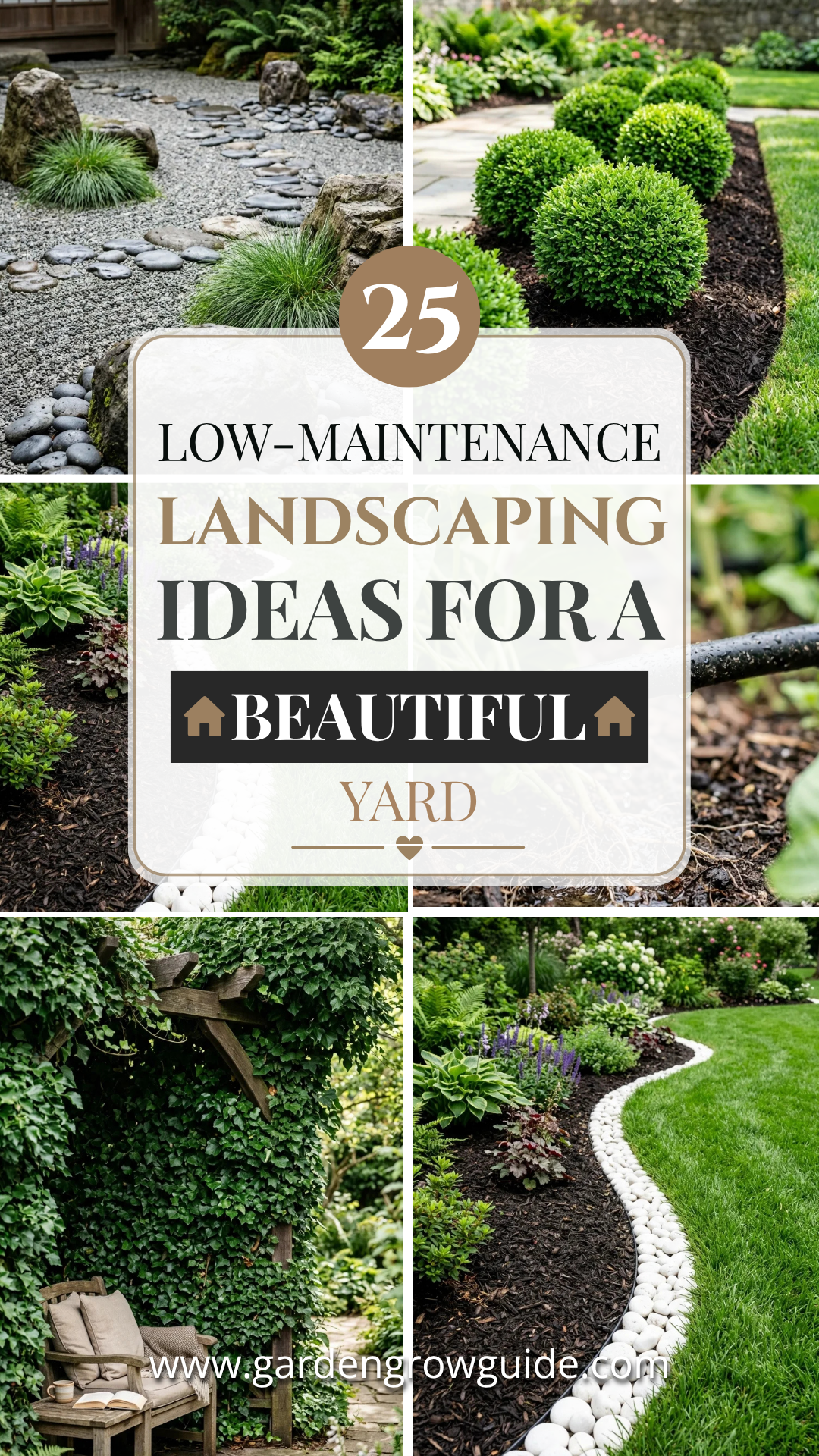
Maintaining a pristine outdoor space often feels like a full-time job. Between mowing, weeding, watering, and pruning, the “relaxing” backyard can quickly become a source of stress. However, achieving a stunning yard does not have to require hours of weekly labor. Low-maintenance landscaping focuses on using hardy plants, smart design choices, and sustainable materials to create an environment that thrives with minimal intervention. By shifting the focus toward longevity and resilience, homeowners can reclaim their weekends while still enjoying a professional-grade landscape.
1. Native Plants
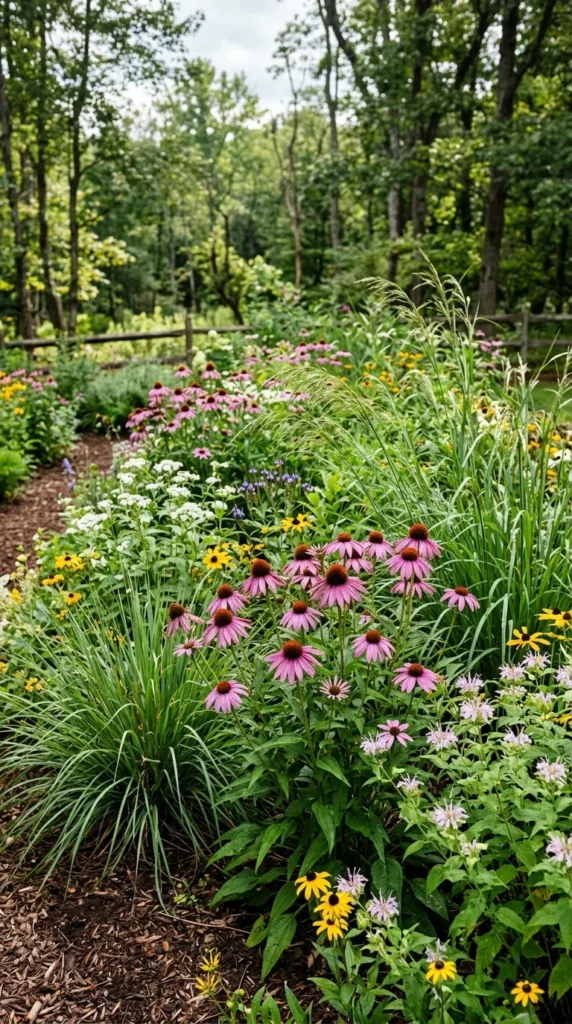
Native plants are the backbone of any low-maintenance yard. Because these species evolved to thrive in your specific climate, soil type, and rainfall levels, they require far less supplemental watering and fertilizer than exotic varieties. They are naturally resistant to local pests and diseases, reducing the need for chemical interventions. Additionally, native flora provides essential habitats for local pollinators like bees and butterflies, fostering a healthy ecosystem right outside your door.
2. Perennial Flowers
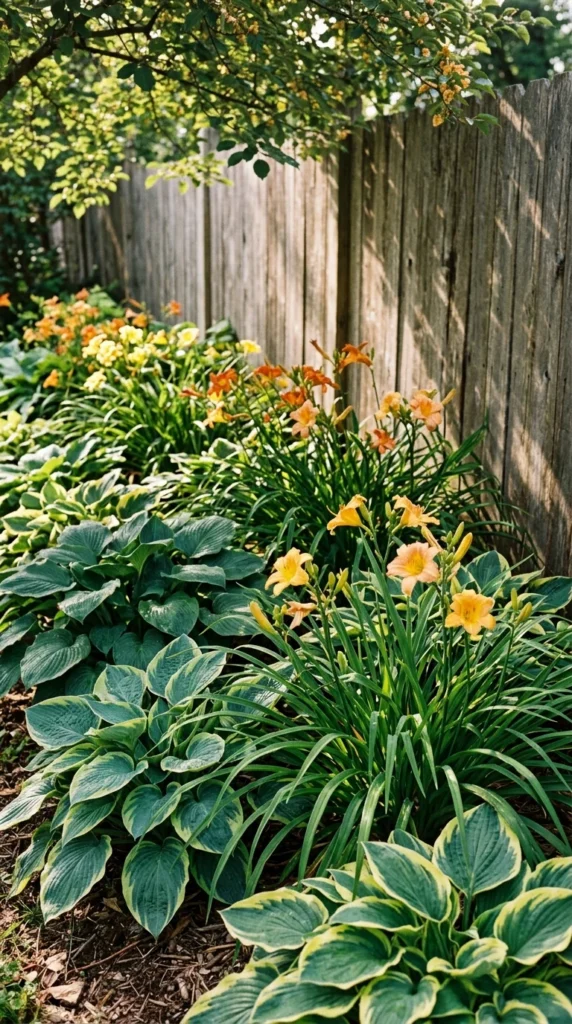
Unlike annuals, which must be replanted every spring, perennials return year after year. Once established, their root systems become deep and hardy. Choosing a variety of perennials with staggered bloom times ensures your garden has color from spring through autumn without the effort of seasonal digging. Popular low-effort choices include Peonies, Sedum, and Hellebores, which largely take care of themselves once they are settled into the ground.
3. Mulch Beds
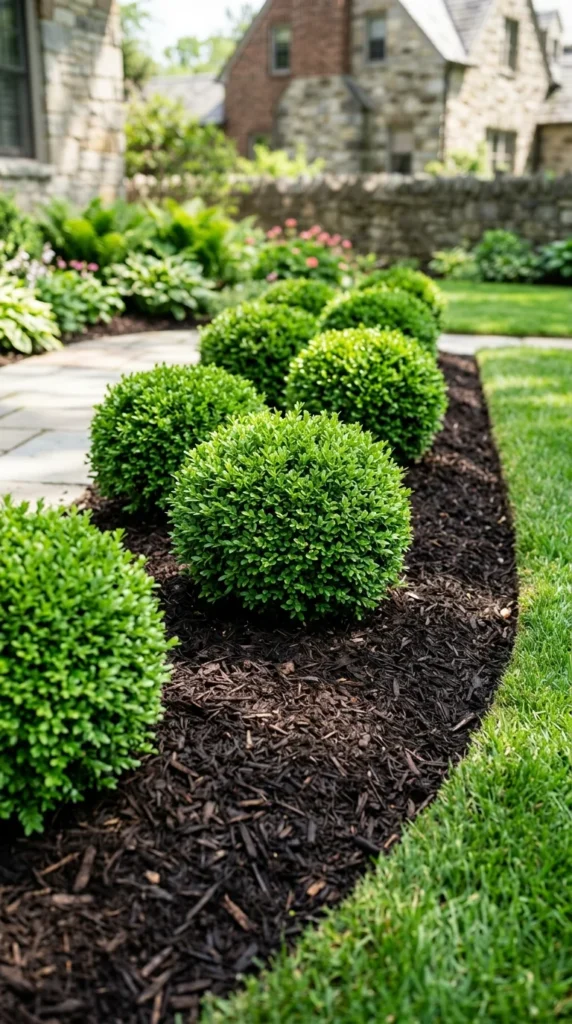
Mulching is one of the most effective ways to reduce yard work. A thick layer of organic mulch, such as cedar chips or bark, suppresses weed growth by blocking sunlight from reaching weed seeds. It also acts as an insulator, keeping the soil cool and moist, which significantly reduces the frequency of watering. As the mulch breaks down over time, it enriches the soil with organic matter, improving the health of your plants without the need for synthetic fertilizers.
4. Rock Gardens
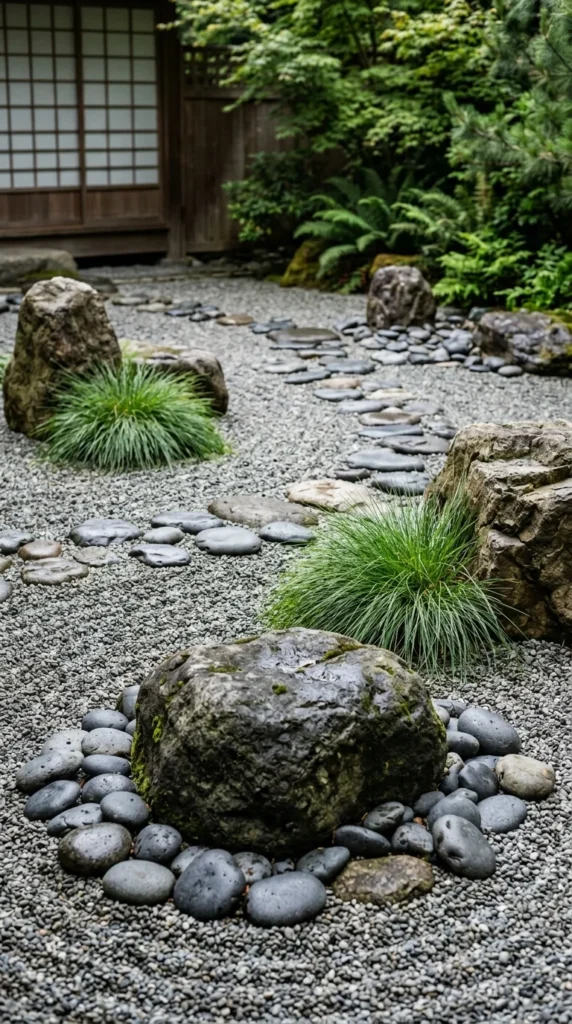
If you want to eliminate mowing and watering entirely in certain areas, a rock garden is an excellent solution. By using a combination of river rocks, gravel, and large decorative boulders, you can create a textured, modern look that requires zero maintenance. Rock gardens are particularly effective in areas with poor soil or steep slopes where grass refuses to grow. They provide a structural element to the yard that looks beautiful in every season, even in the dead of winter.
5. Ground Covers
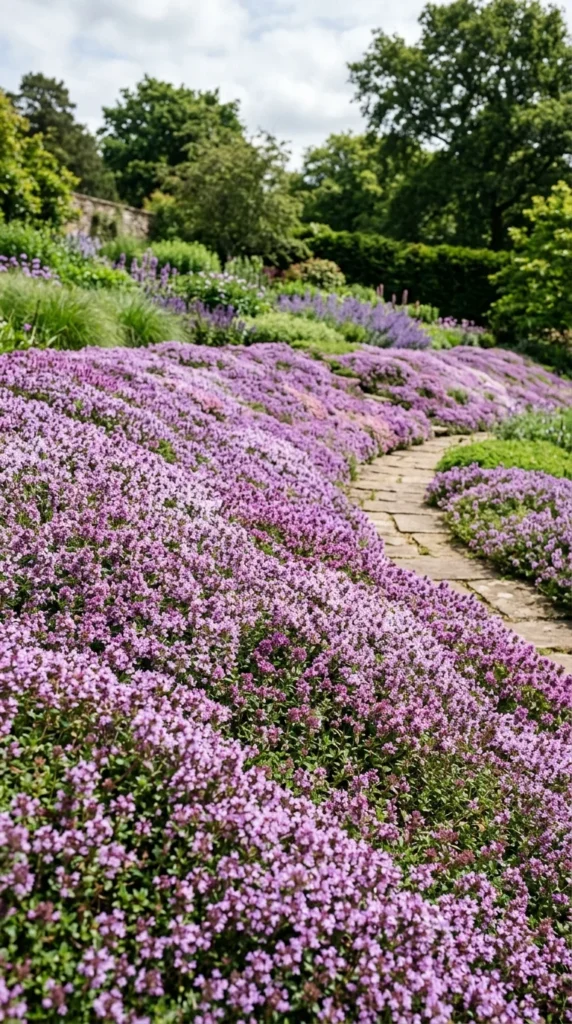
Mowing the lawn is often the most time-consuming part of yard maintenance. Replacing traditional grass with “walkable” ground covers can eliminate the need for a lawnmower. Plants like Creeping Thyme, Clover, or Pachysandra spread horizontally to form a dense mat that chokes out weeds. These plants often require less water than turfgrass and produce small, attractive flowers that add a layer of visual interest to the ground level of your landscape.
6. Artificial Turf
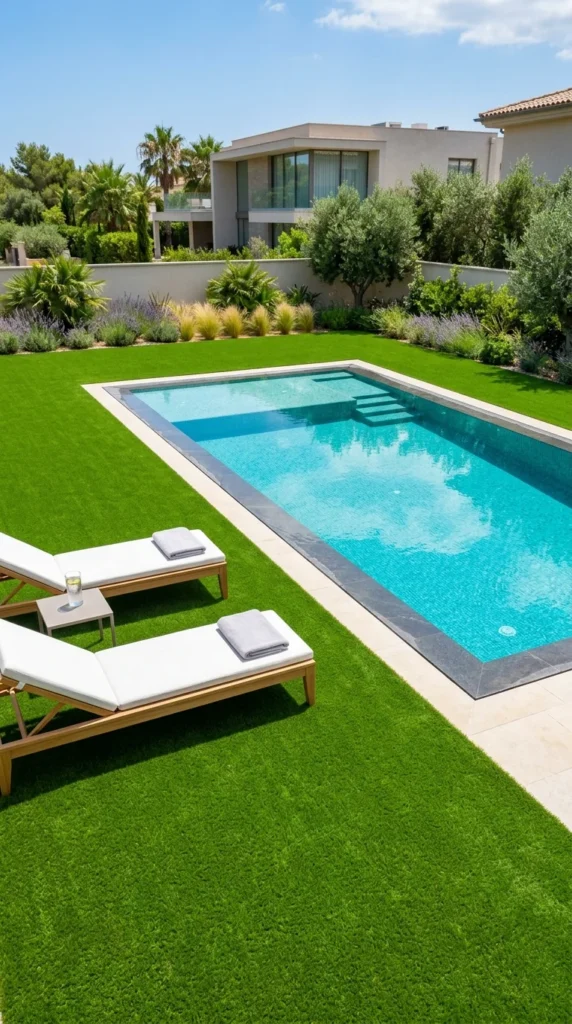
For those who love the look of a green lawn but hate the upkeep, modern artificial turf is a game-changer. Today’s high-quality synthetic grasses look and feel remarkably like the real thing. They require no water, no fertilizer, and—most importantly—no mowing. Artificial turf is also highly durable, making it an ideal choice for households with pets or children who tend to wear down natural grass through heavy play.
7. Patios and Decks
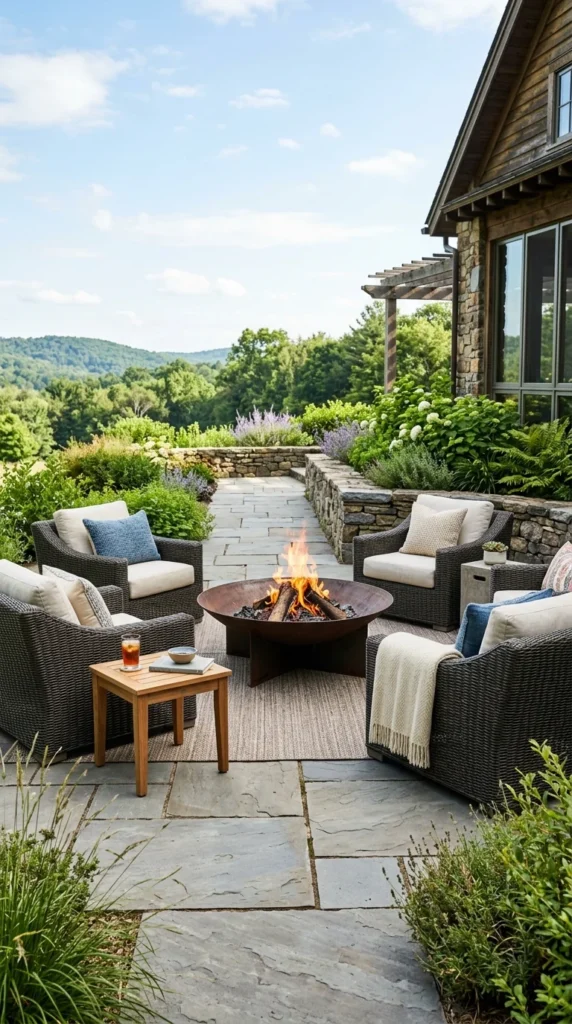
Expanding your “hardscape”—the non-living elements of your yard—is a direct way to reduce the amount of land that requires gardening. A well-designed patio or deck creates an outdoor room for entertaining while decreasing the square footage of grass and flower beds. Materials like natural stone, pavers, or composite decking are designed to withstand the elements with very little cleaning, providing a permanent and stylish solution for a low-maintenance yard.
8. Xeriscaping
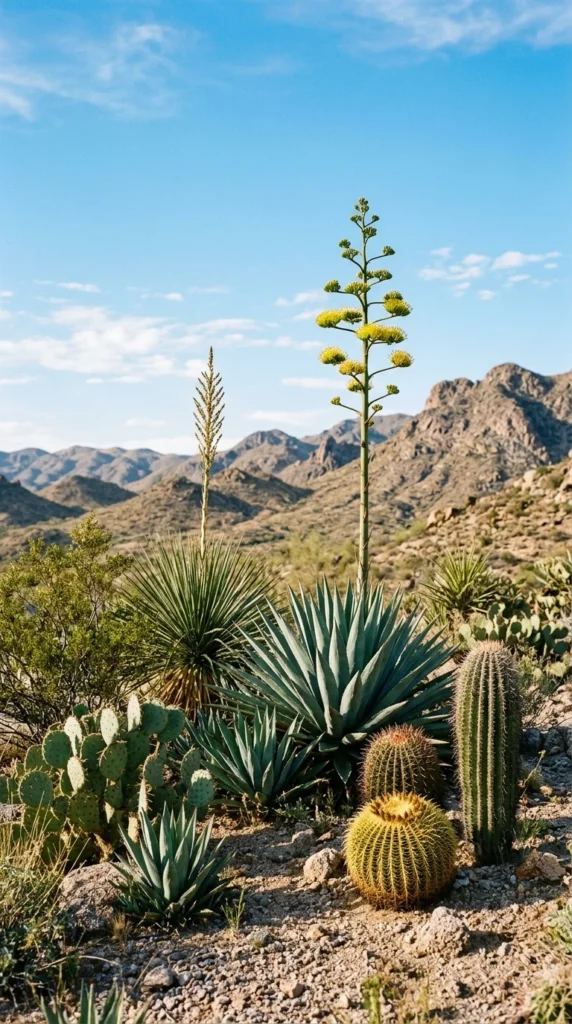
Xeriscaping is a landscaping philosophy designed specifically for areas prone to drought, but it is gaining popularity everywhere for its ease of care. This method involves selecting drought-tolerant plants and using inorganic mulches (like stones) to conserve water. By grouping plants with similar water needs together, you can create a highly efficient “hydrozone” that minimizes waste. Xeriscaped yards are architectural and striking, relying on form and texture rather than high-maintenance blooms.
9. Drip Irrigation
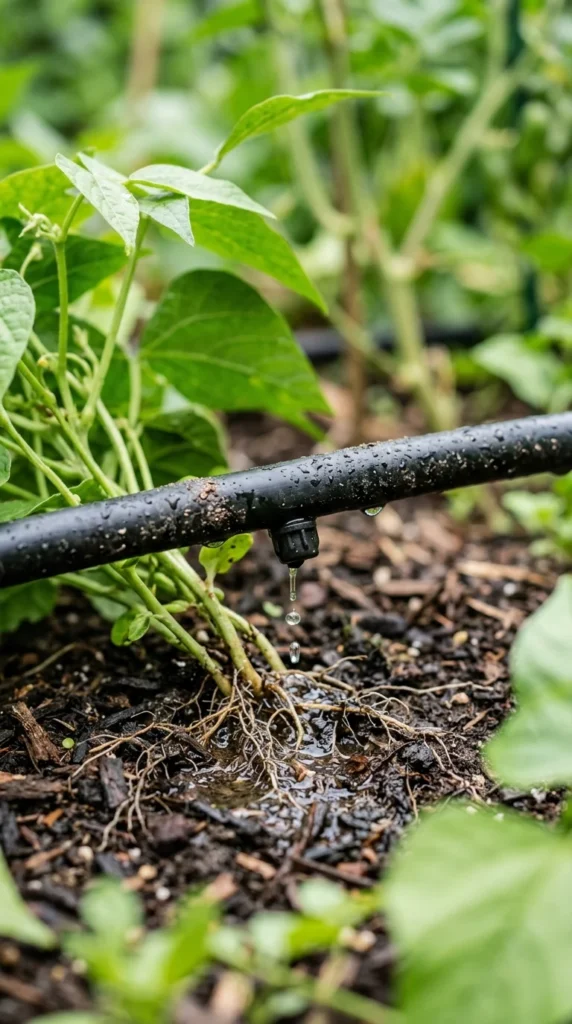
Hand-watering can take hours, and traditional sprinklers often waste water through evaporation and runoff. A drip irrigation system delivers water directly to the base of the plants where it is needed most. When connected to an automatic timer, this system handles all the watering duties for you. It keeps plants consistently hydrated, which prevents the stress and disease that can occur with irregular watering schedules, leading to a healthier, more self-sufficient garden.
10. Evergreens
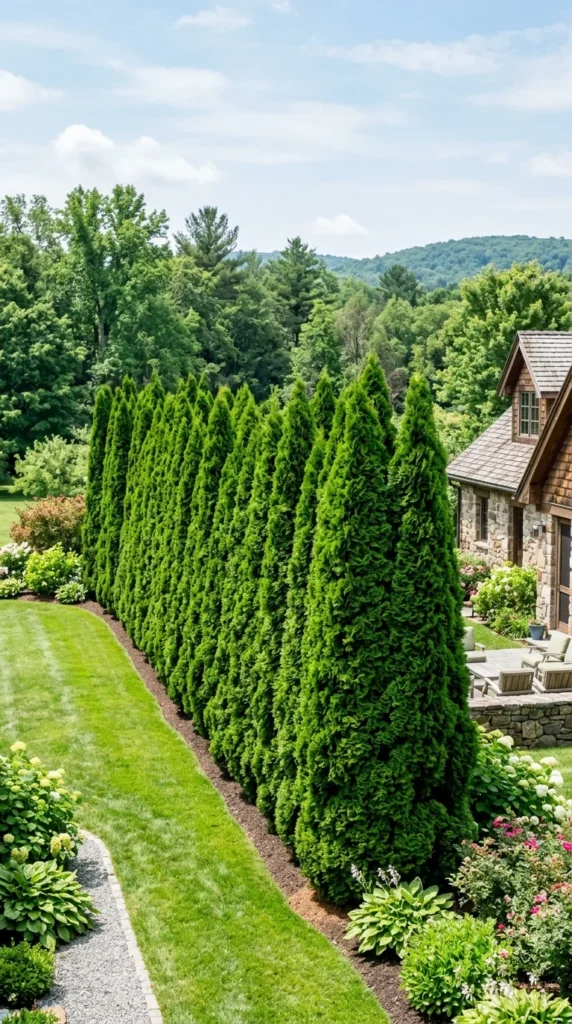
Deciduous trees can be a maintenance nightmare when they drop their leaves in the autumn. Evergreens, on the other hand, provide year-round color and structure without the seasonal mess. From towering pines to low-growing junipers, evergreens come in many shapes and sizes. They are generally very hardy and require minimal pruning, making them the perfect “plant it and forget it” choice for privacy screens or foundation plantings.
11. Ornamental Grasses
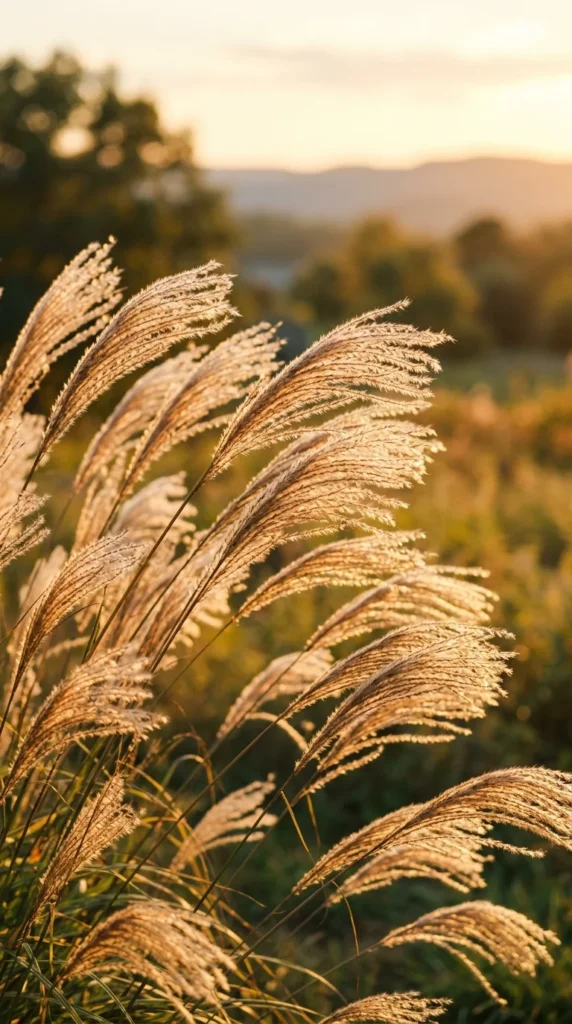
Ornamental grasses add movement and sound to a garden with almost zero effort. Varieties like Blue Fescue, Maiden Grass, and Switchgrass are incredibly resilient. They are rarely bothered by pests or deer and can tolerate a wide range of soil conditions. Most ornamental grasses only need to be cut back once a year in early spring to make room for new growth. Throughout the rest of the year, they provide a sophisticated, textured look that evolves with the seasons.
12. Container Gardening
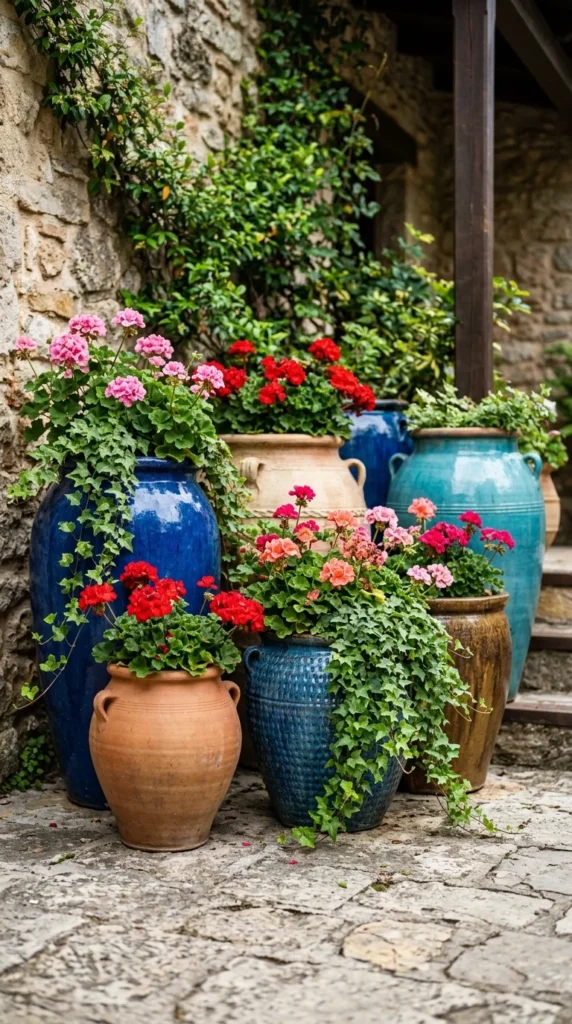
If you have limited time or physical mobility, container gardening allows you to enjoy plants without the back-breaking work of tilling soil or bending over garden beds. Pots can be moved to follow the sun or moved indoors during harsh weather. Because containers use sterilized potting mix, they have fewer weed problems than traditional gardens. They also allow you to grow plants that might not otherwise thrive in your yard’s natural soil.
13. Rain Gardens
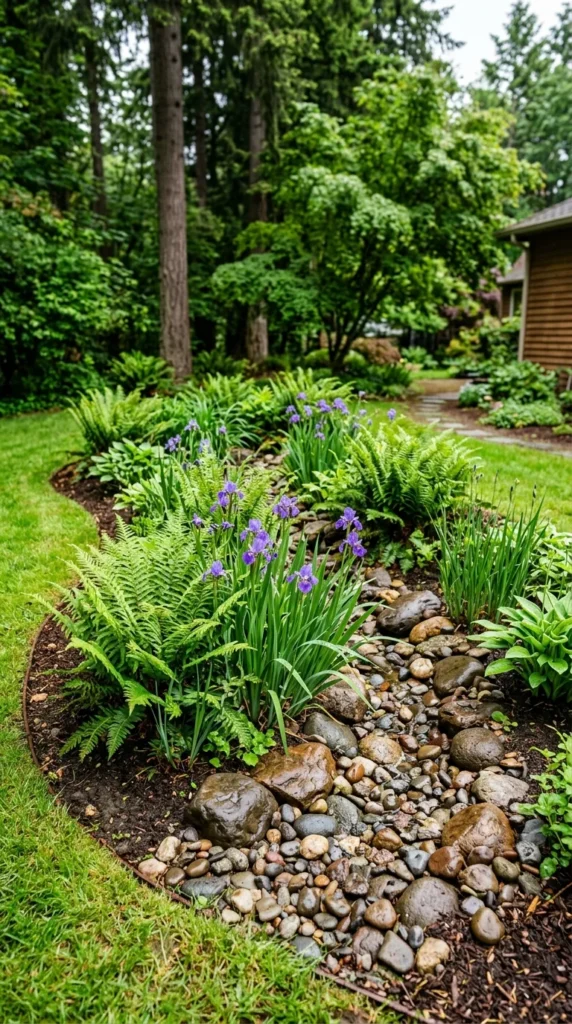
A rain garden is a functional landscape feature designed to collect and soak up rainwater runoff from roofs, driveways, and sidewalks. By planting water-loving native species in a slight depression, you create a self-watering garden that helps prevent erosion and filters pollutants before they reach the groundwater. Once the plants are established, the rain garden manages itself, turning a potential drainage problem into a beautiful, eco-friendly focal point.
14. Lavender Borders
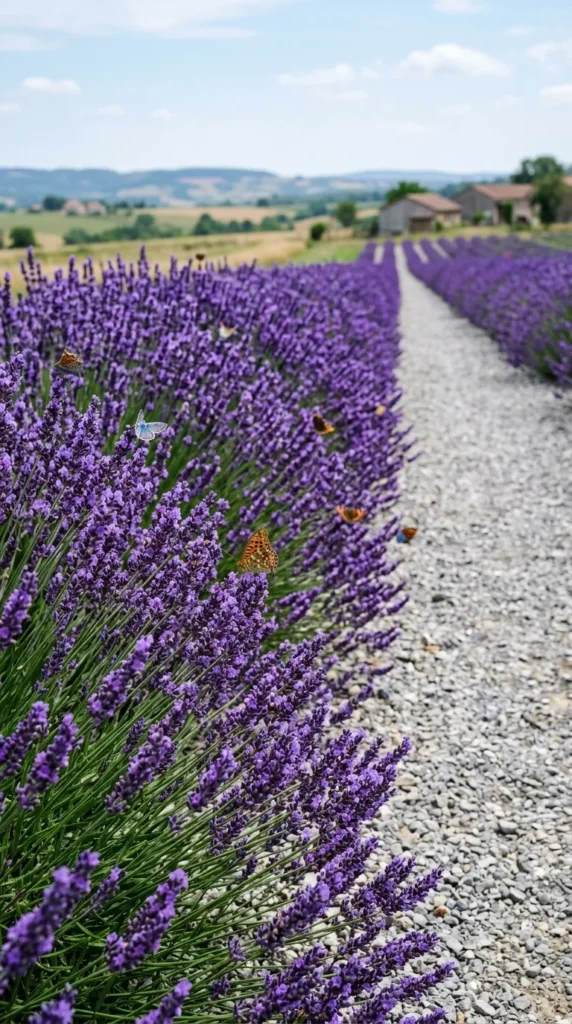
Lavender is a superstar of low-maintenance gardening. It is incredibly drought-tolerant, thrives in poor soil, and is naturally resistant to deer and rabbits due to its strong scent. Planting a border of lavender provides a sensory experience with its fragrance and color, but it requires very little more than a quick trim after it finishes blooming. It’s an ideal choice for sunny spots where other plants might wither under the heat.
15. Pea Gravel Paths
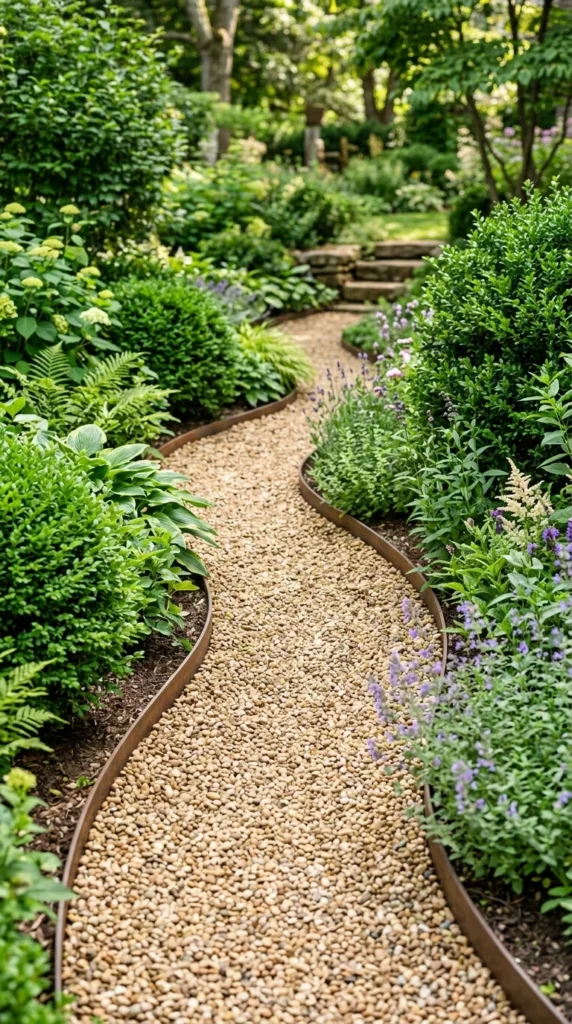
Building a traditional brick or stone walkway can be a massive project. Pea gravel, however, is an inexpensive and easy-to-install alternative. It provides a soft, crunching sound underfoot and allows water to drain through, preventing puddles. Because it is a loose material, it doesn’t crack like concrete. Occasional raking to level the surface is the only maintenance required to keep it looking tidy and inviting.
16. Succulent Arrangements
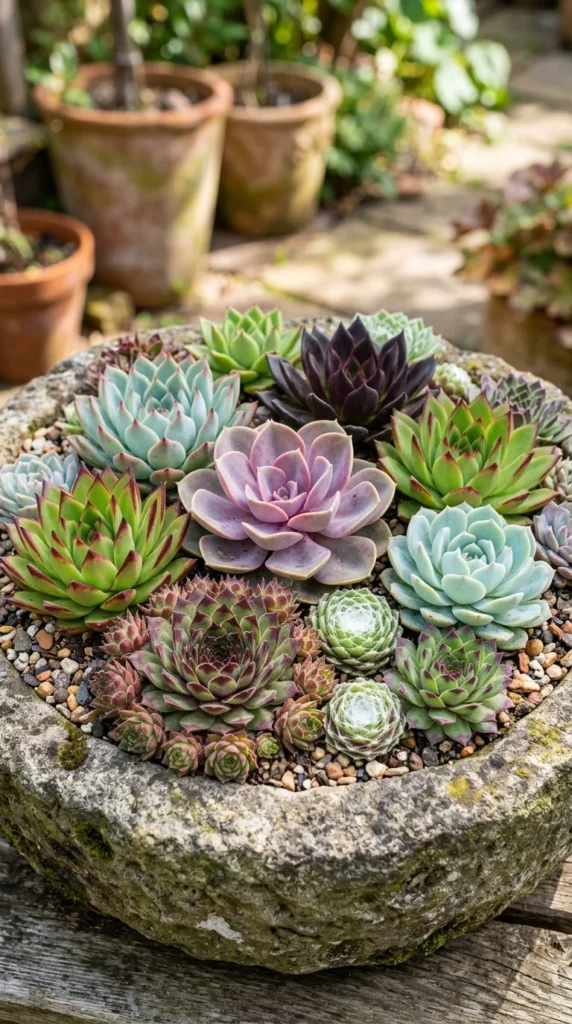
Succulents are designed by nature to store water, making them the ultimate low-maintenance plants for hot, sunny areas. Their geometric shapes and unusual colors provide a modern, artistic flair to the yard. Whether planted in the ground in warmer climates or kept in pots in cooler areas, succulents require very little water and almost no pruning. They are slow-growing, meaning they won’t outgrow their space quickly.
17. Slow-Growing Shrubs
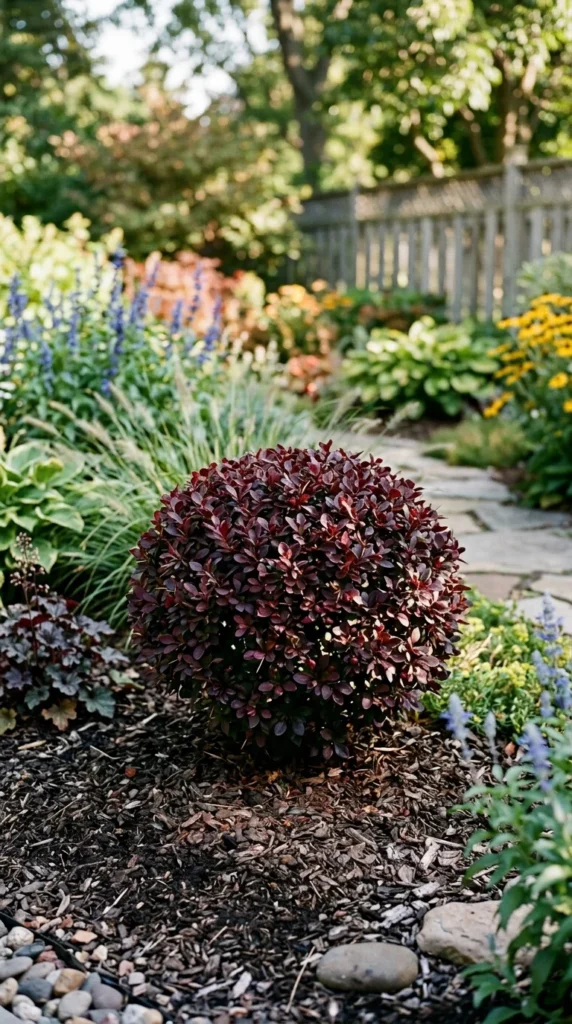
The key to reducing pruning work is choosing plants that don’t grow aggressively. Slow-growing shrubs, such as certain varieties of Boxwood, Dwarf Conifers, or Spirea, maintain their shape for long periods without the need for constant shearing. When shopping for plants, always check the “mature height and width” on the tag to ensure the plant won’t eventually overwhelm its space, necessitating frequent hacks and trims.
18. Hardscaping Focus
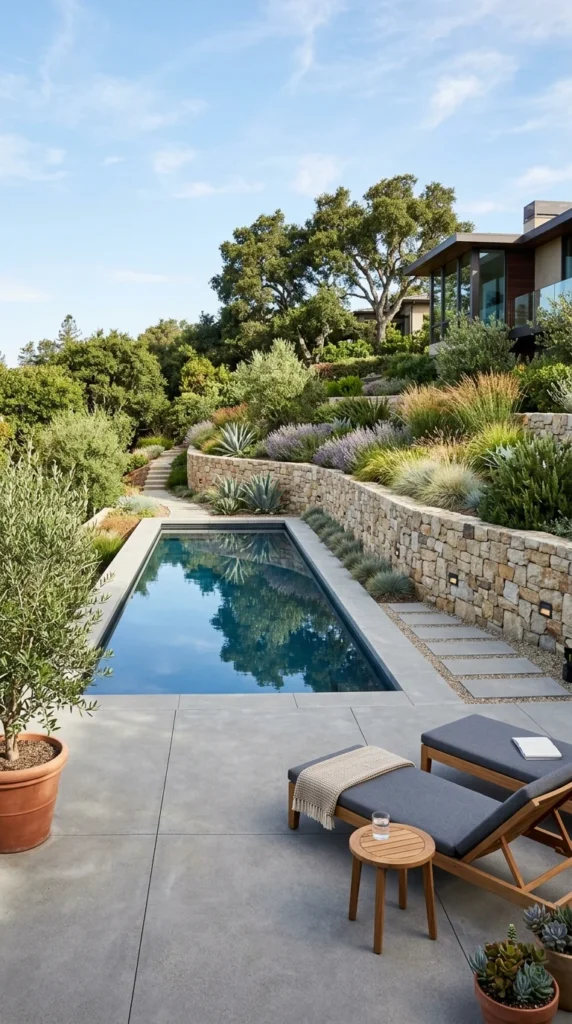
By prioritizing hardscaping—such as walls, pavers, and benches—over softscaping (living plants), you dramatically reduce the biological “needs” of your yard. A yard that is 60% hardscape and 40% well-chosen plants is much easier to manage than a yard that is 90% garden beds. Hardscape elements provide permanent visual interest and structure that doesn’t change with the seasons or require a watering can.
19. Automated Systems
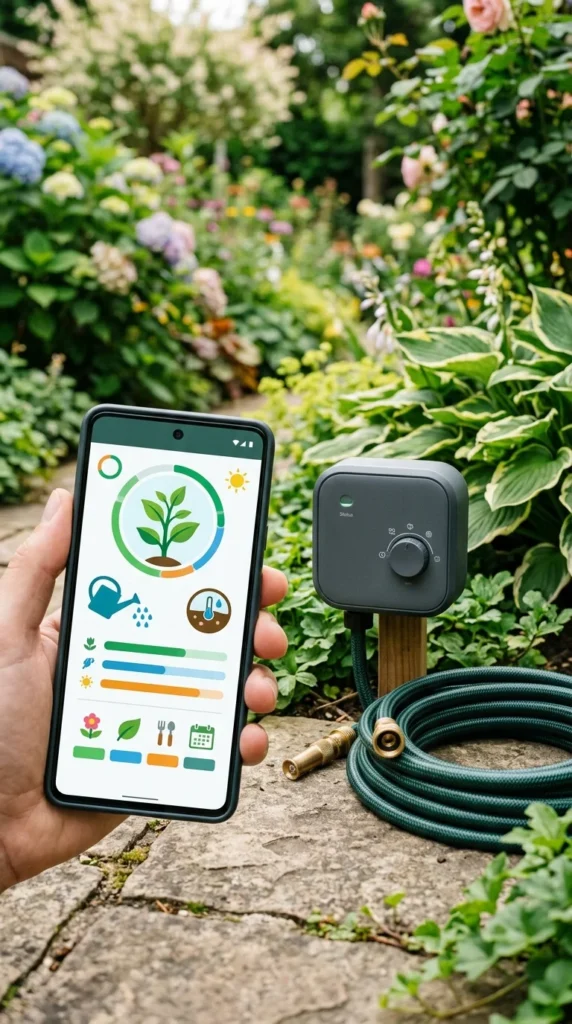
Technology can take the “maintenance” out of low-maintenance. Smart irrigation controllers can adjust watering schedules based on real-time local weather forecasts, ensuring you never water during a rainstorm. Robotic lawnmowers can be programmed to keep your grass at a perfect height without you ever pushing a machine. These automated systems represent an initial investment that pays off in hundreds of hours of saved labor over the years.
20. Clover Lawns
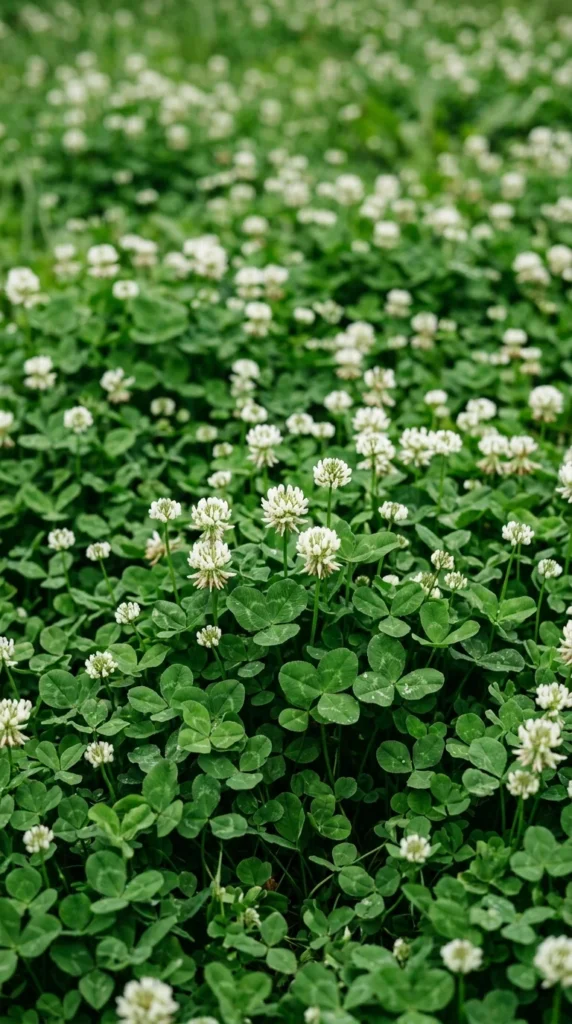
Clover was once a standard component of lawn seed mixes before the rise of industrial weed killers. Today, it is making a comeback as a sustainable, low-maintenance alternative to grass. Clover stays green even in the heat of summer, requires much less water than turfgrass, and actually pulls nitrogen from the air to fertilize the soil naturally. It rarely needs mowing and doesn’t turn yellow from pet waste, making it a rugged and beautiful lawn substitute.
21. Wildflower Meadows
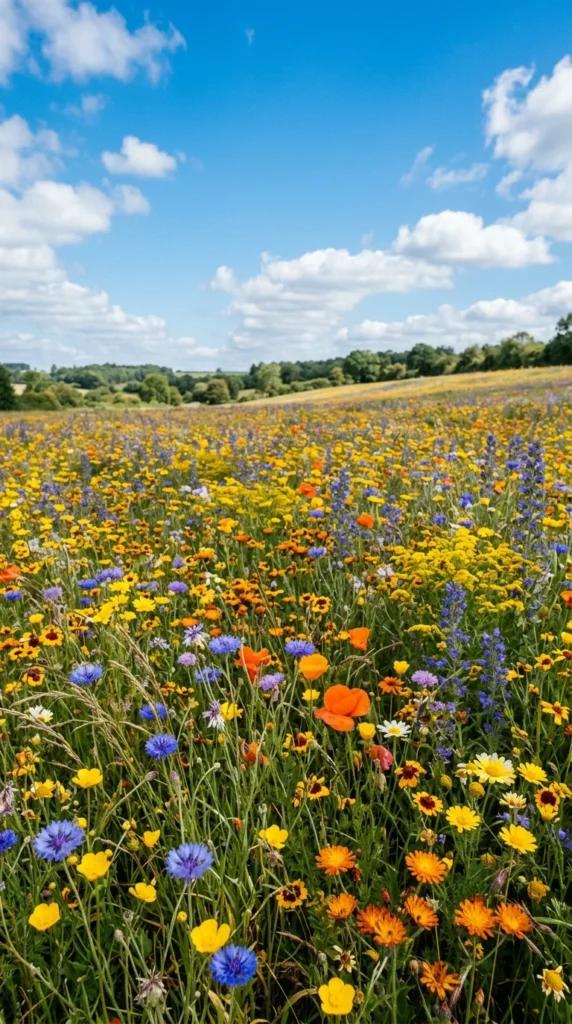
If you have a large property or a back corner that is difficult to mow, consider turning it into a wildflower meadow. After an initial season of clearing weeds and sowing seeds, a meadow becomes a self-sustaining ecosystem. It only needs to be mowed once a year in late autumn to spread the seeds for the following year. Meadows provide a changing tapestry of color and are a magnet for local wildlife.
22. Privacy Hedges
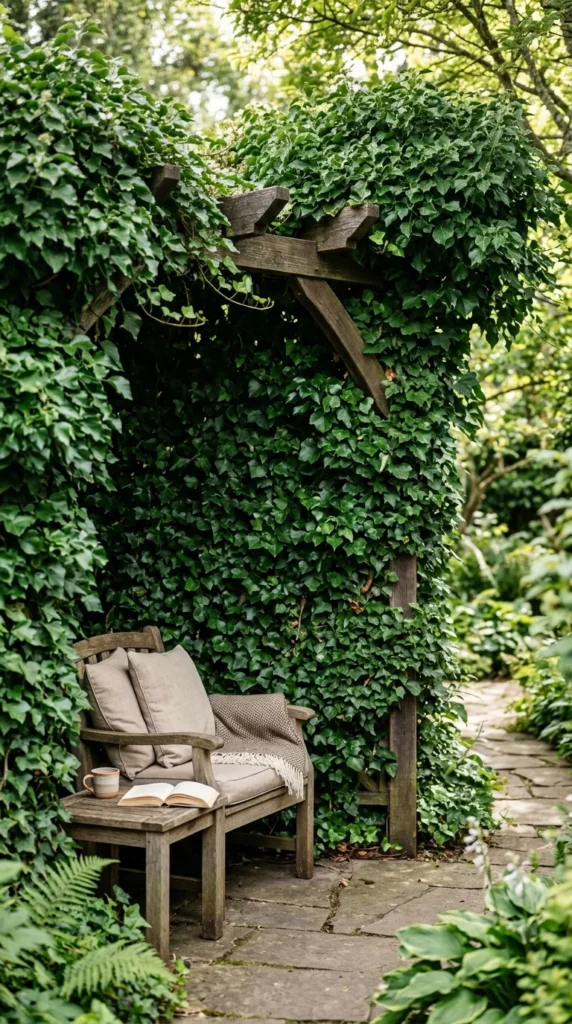
Instead of maintaining a wooden fence that needs staining or repairing, use “living fences.” Fast-growing but manageable hedges like Privet or Laurel provide privacy and sound dampening. While they do require occasional trimming, they are far more durable than wood and become more beautiful as they age. They also provide a green backdrop that makes the rest of your landscaping pop.
23. Solar Lighting
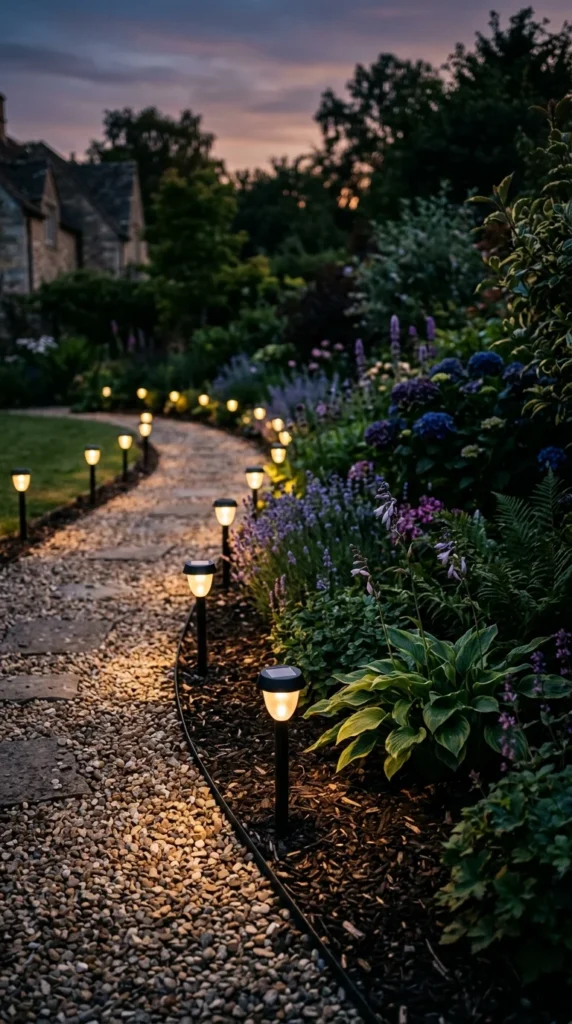
Illuminating your yard shouldn’t involve complex electrical work or a high energy bill. Solar-powered lights are “set and forget” devices. They charge during the day and automatically turn on at dusk. High-quality solar path lights and spotlights add safety and ambiance to your yard without any wiring or maintenance required beyond the occasional wipe of the solar panel to remove dust.
24. Vertical Gardens
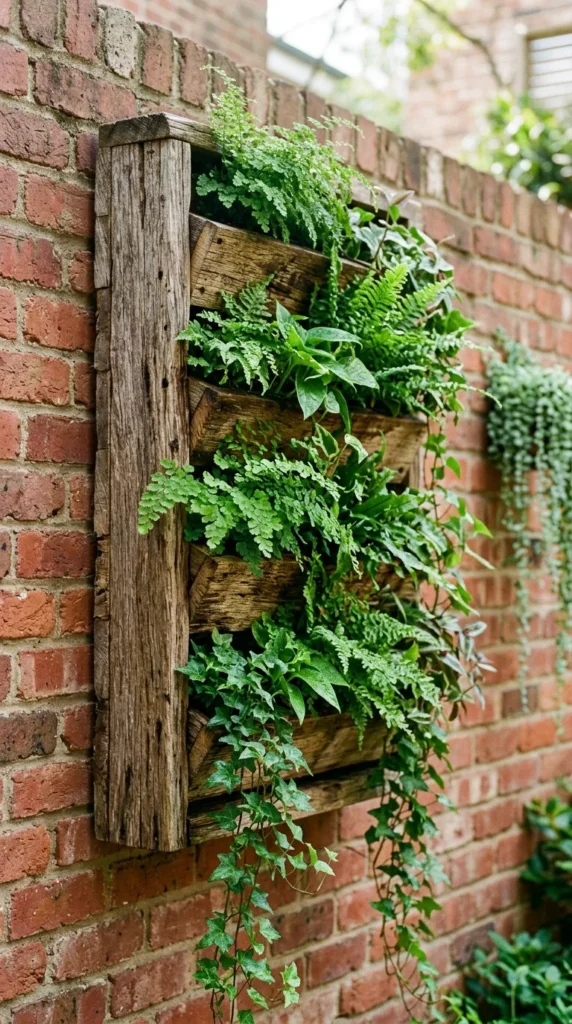
Vertical gardening allows you to add greenery to small spaces or hide ugly walls without taking up ground space. By using wall-mounted planters or trellises, you can grow plants in a controlled environment. This setup makes it easier to spot pests and simplifies the watering process, especially if integrated with a simple gravity-fed drip line. It keeps the plants off the ground, where they are less susceptible to soil-borne diseases and weeds.
25. Rock Borders
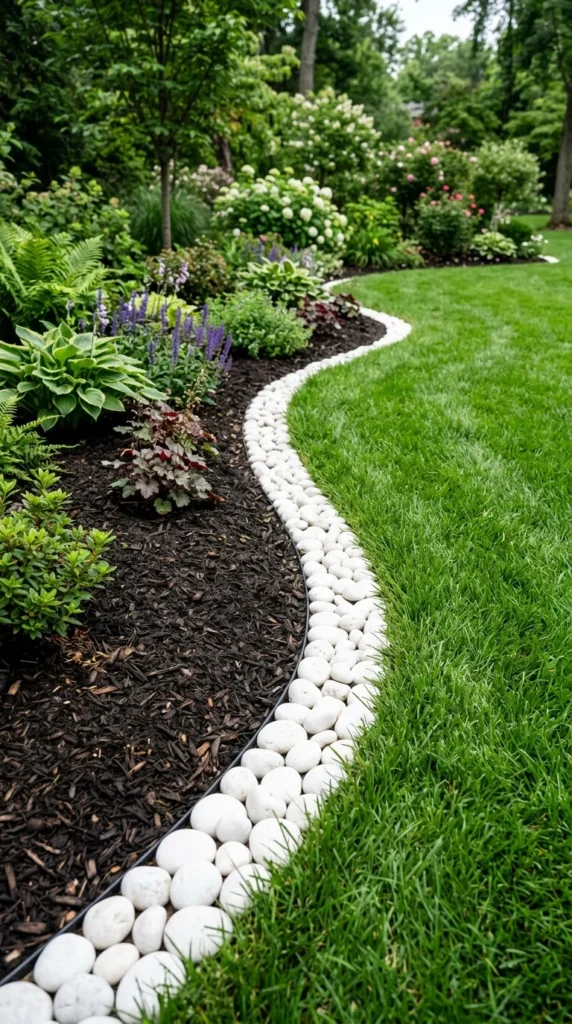
Defining the edges of your garden beds is essential for a tidy look, but plastic or wood edging often warps or rots. Rock borders, using stones or bricks, are permanent and heavy enough to stay in place for decades. They create a clear “mowing strip” that prevents grass from creeping into your flower beds and makes it easier to run a lawnmower right up to the edge, reducing the need for string trimming.